
As external standards have become much higher, and the saying that appearance is also a credential has emerged in modern times, taking care of one’s appearance has become a trend. As a result, more and more people are trying to change the areas they feel are lacking. Among these efforts, some people try to improve problems that are difficult to change through cosmetic procedures, but indiscriminate plastic surgery can cause side effects, so greater caution is needed. The nose, which is located at the center of the face and is one of our most three-dimensional features, can greatly improve the overall impression even with a small change in shape. For those who have such concerns, it may be helpful to learn more about rhinoplasty.

Recently, more and more people have been looking into rhinoplasty for various reasons. The nose may be too low, upturned, have a hump, droop, or be crooked. It can also be categorized by shape such as a bulbous nose. When the shape of the nose changes due to trauma, such as a nasal bone fracture, or due to internal functional problems, you can also try to improve it through rhinoplasty.

As mentioned above, many people considering rhinoplasty place priority either on congenital aesthetic concerns or on cosmetic correction when the shape of the nose has been altered by trauma acquired later in life, such as a nasal bone fracture. In the case of the nose, it plays an important role in appearance, but it is also an organ that functions in breathing and smell throughout the body. Accurately assessing the current condition of the nose before applying surgery can help prevent revision surgery.
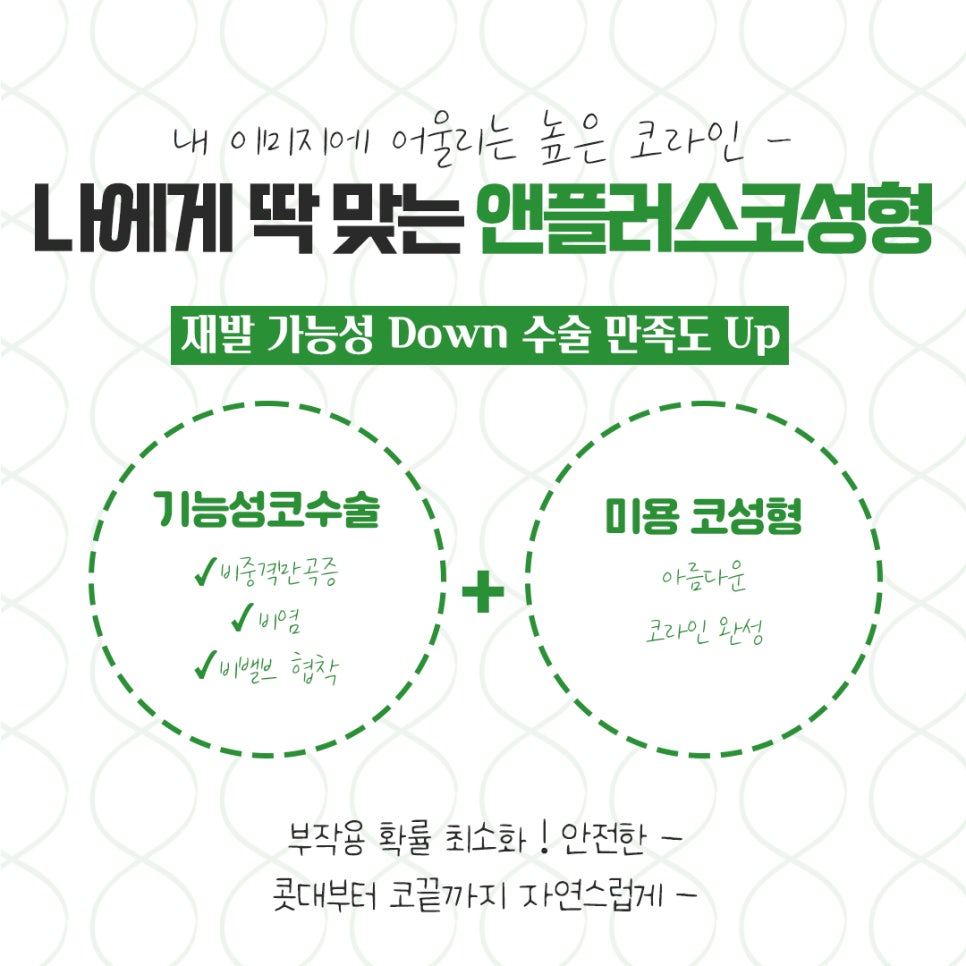
A representative case in which the functional aspects of the nose can be improved at the same time as rhinoplasty is nasal congestion caused by rhinitis. Rhinitis is divided into allergic rhinitis and structural rhinitis. In the case of allergic rhinitis, it is related to one’s constitution, so temporary improvement may be seen through immune enhancement or medication treatment. On the other hand, structural rhinitis may occur congenitally, or as a result of trauma such as a nasal bone fracture.
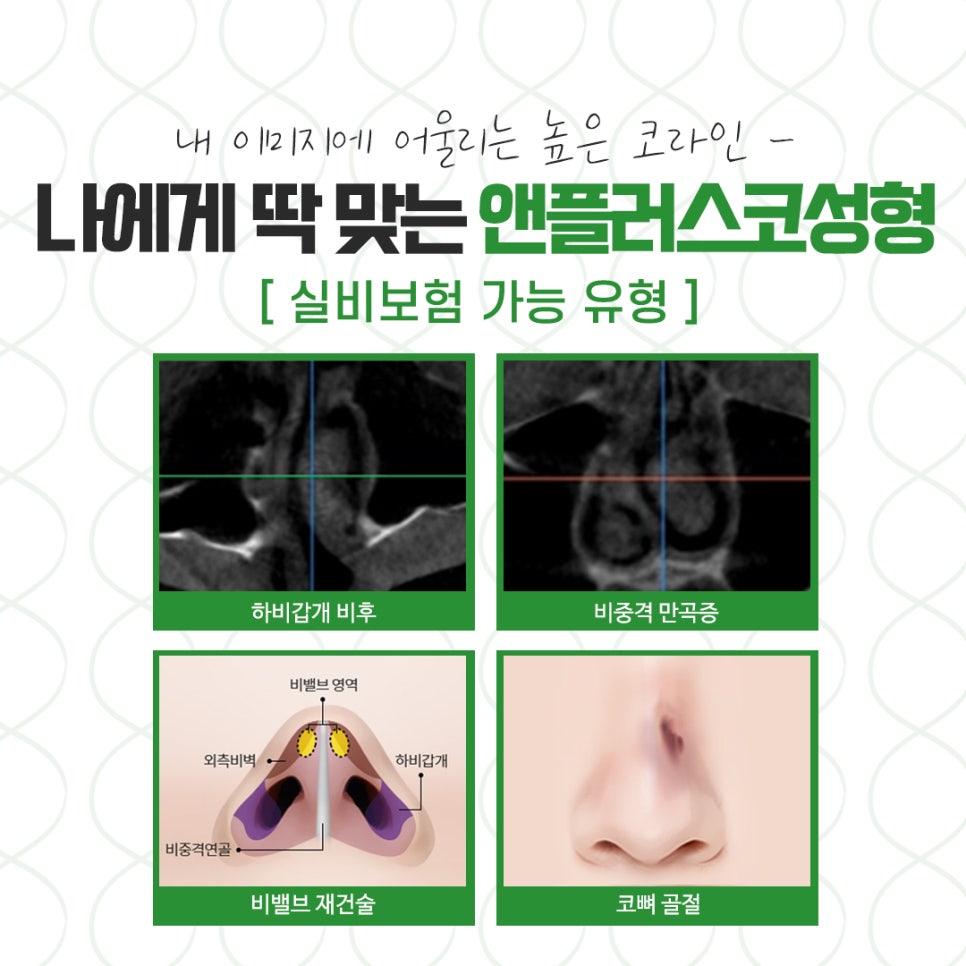
Causes of structural rhinitis are classified as deviated septum, inferior turbinate hypertrophy, nasal valve stenosis, and combined symptoms. These conditions typically cause nasal congestion by obstructing the flow of air entering the nose in different ways, and the surgical method and materials differ depending on the symptoms, so an accurate diagnosis can be made through equipment.
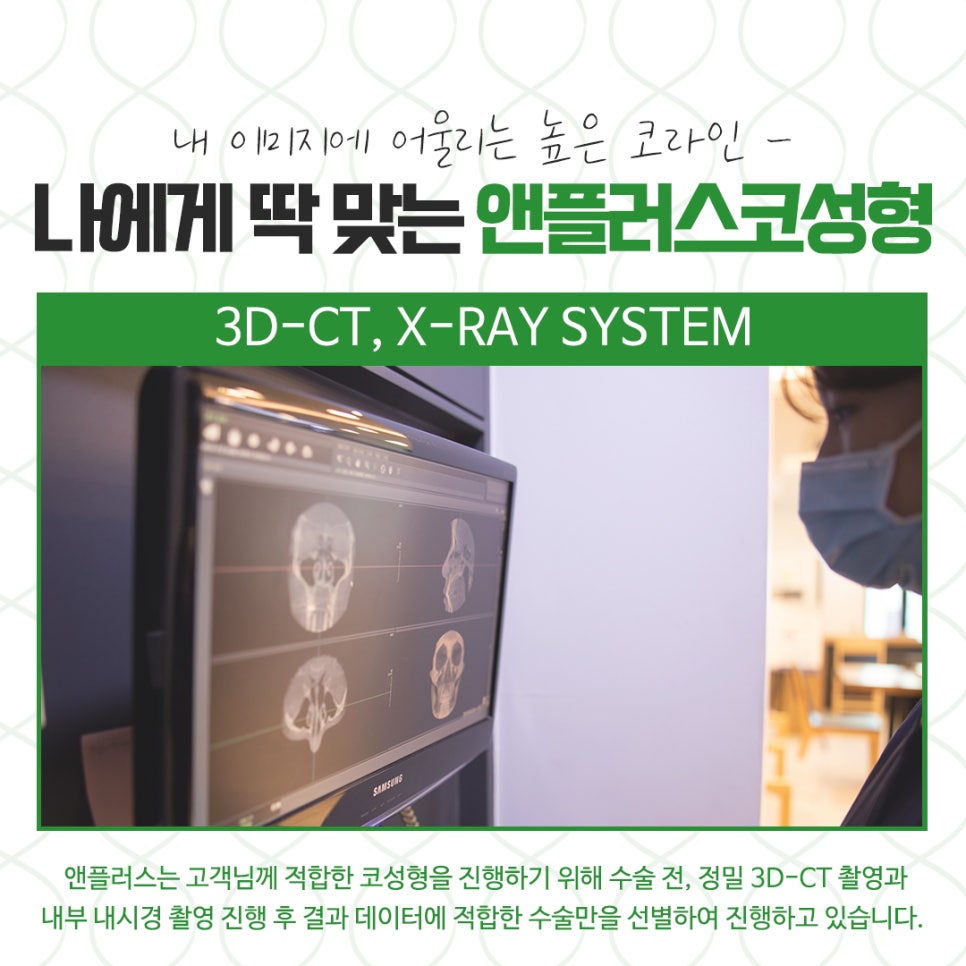
At Oji C&Plus, before rhinoplasty, we accurately identify the current internal and external condition of each patient’s nose through 3D-CT scans, internal endoscopy, various allergy tests, internal nasal function tests, and multi-angle photography. Based on the extracted data, we establish and carry out a surgical plan.
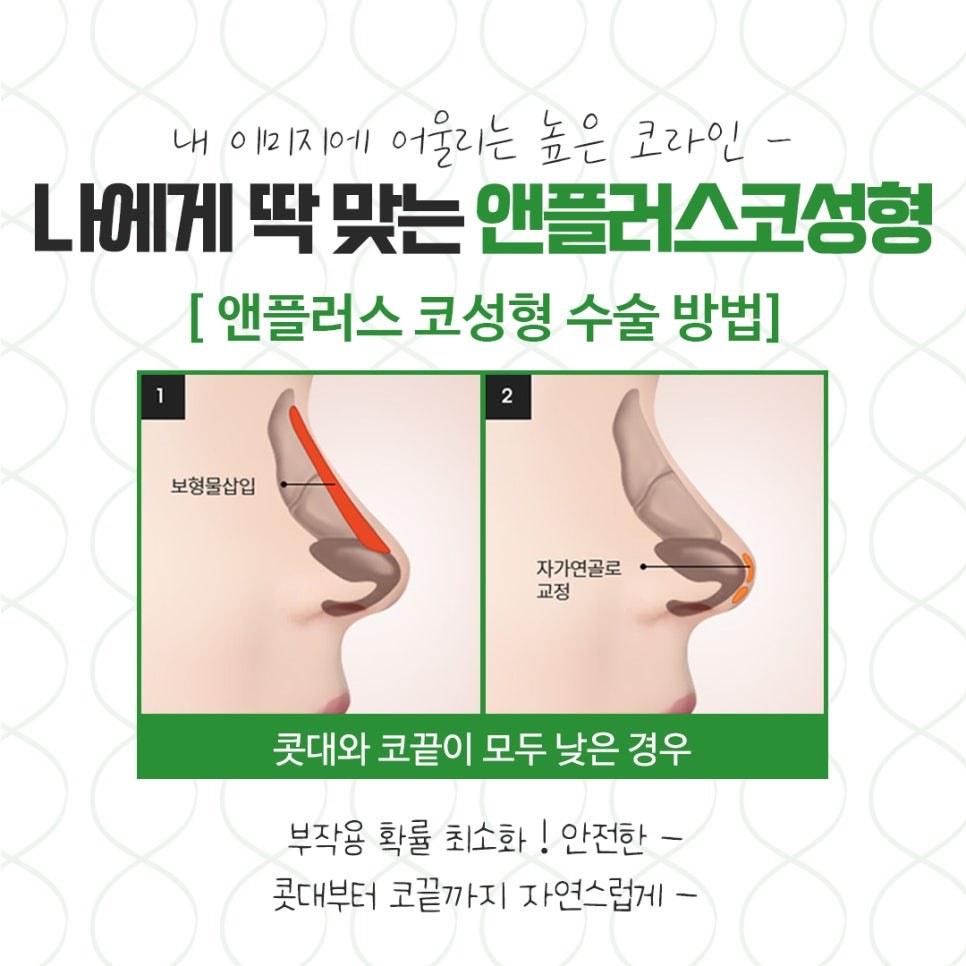
In a typical rhinoplasty procedure, the bridge can be corrected with silicone and the tip with autologous cartilage to improve the overall nasal line.

If there is a nasal bone fracture or a functional problem, we first correct the bone through osteotomy reconstruction, deviated septum correction, inferior turbinate hypertrophy correction, nasal valve stenosis correction, and so on, and then proceed with cosmetic rhinoplasty.
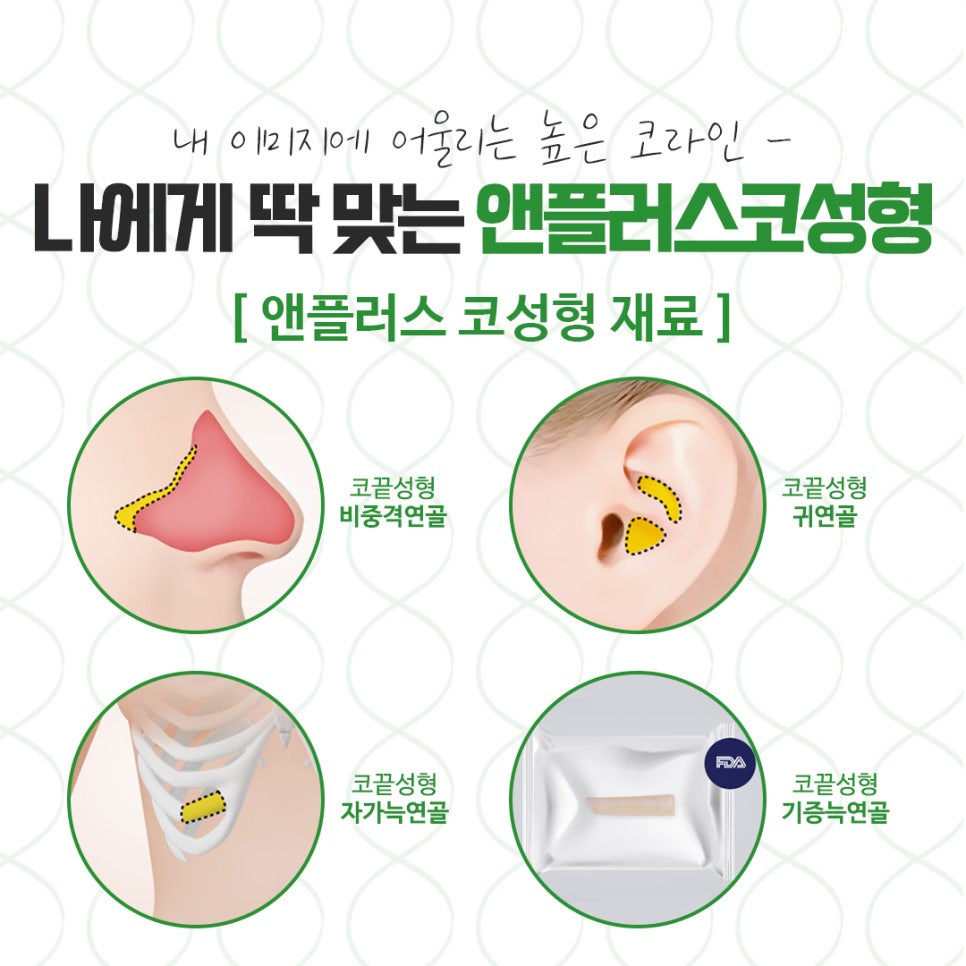
As for the materials used in rhinoplasty, autologous cartilage used for the nasal tip can be selected as a material suitable for the individual through preoperative testing. Autologous cartilage includes septal cartilage, ear cartilage, and autologous rib cartilage, and if autologous cartilage is difficult to use, it can be replaced with donated rib cartilage.
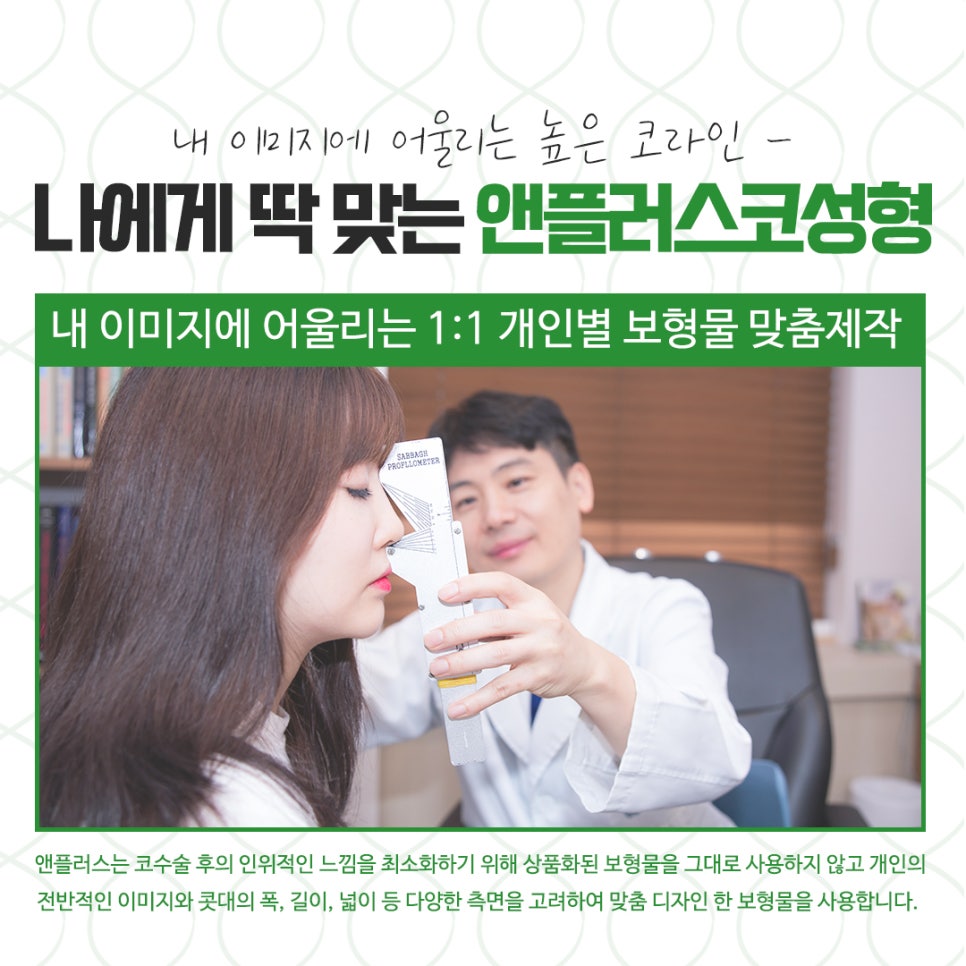
For the silicone used in the bridge of the nose, instead of using a pre-manufactured silicone product as is, it is finely shaped by hand after carefully considering various aspects such as the person’s overall image, as well as the width, length, breadth, and height of the nasal bridge. This can lead to a more satisfying rhinoplasty result.

As such, when performing rhinoplasty, cases involving internal functional problems or nasal bone fractures are difficult to accurately confirm with the naked eye. It is important to examine the inside and outside of the nose using equipment and make an accurate diagnosis through physical examinations so that the appropriate surgery can be performed. Therefore, for those looking into rhinoplasty, it may be helpful to carefully check whether the medical staff have a high level of anatomical knowledge of the nose, whether they have sufficient experience and expertise, whether there is equipment available to accurately assess the condition of your nose, and whether aftercare can be reliably guaranteed.
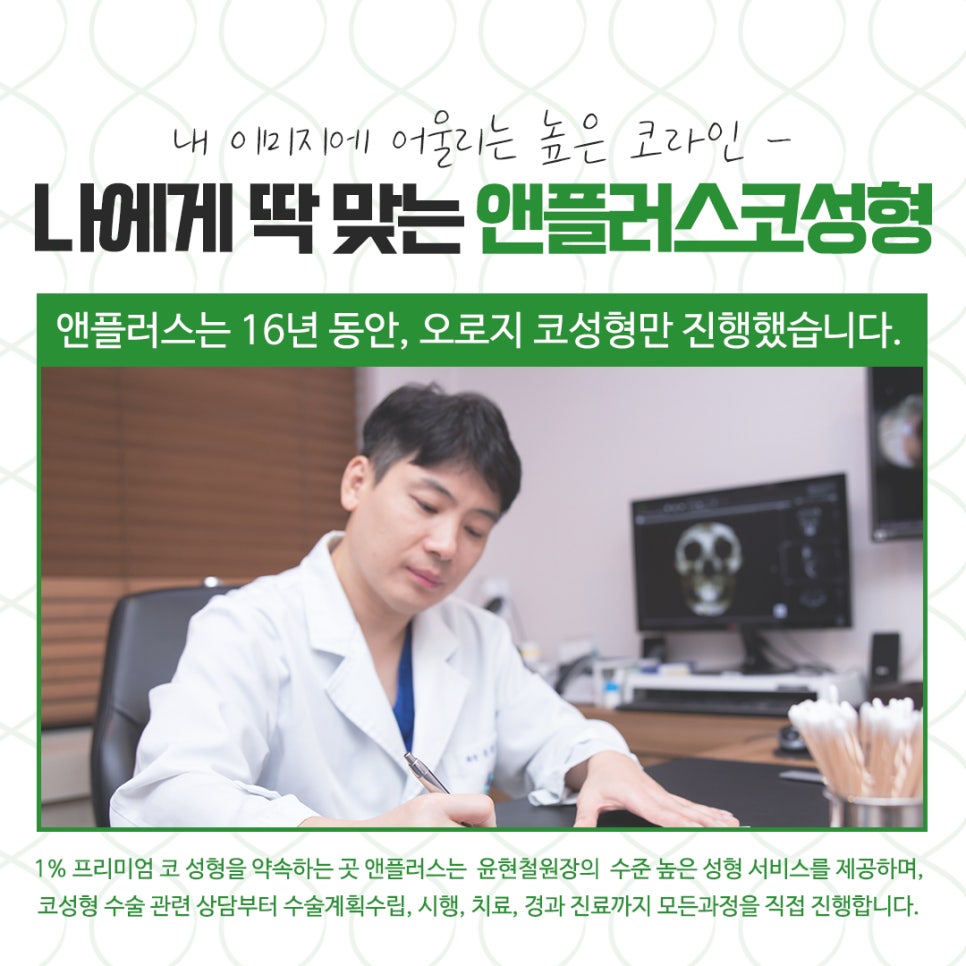
At Oji C&Plus, Director Yoon Hyun-cheol personally handles every step one-on-one, from consultation related to rhinoplasty, to surgical planning, implementation, treatment, and follow-up care. This allows patients to proceed with confidence from before surgery through after surgery.

For aftercare, an N+Plus membership card is issued, and an after-sales service system that guarantees care for one year after surgery is provided. In addition, a surgical responsibility guarantee system is in place to prepare for any post-operative pain, inflammation, or dissatisfaction with the appearance that may occur. This means you can receive clear aftercare benefits after surgery, and if you have a nasal bone fracture or a problem with internal nasal function, you can also receive expert consultation about actual medical expense insurance benefits.
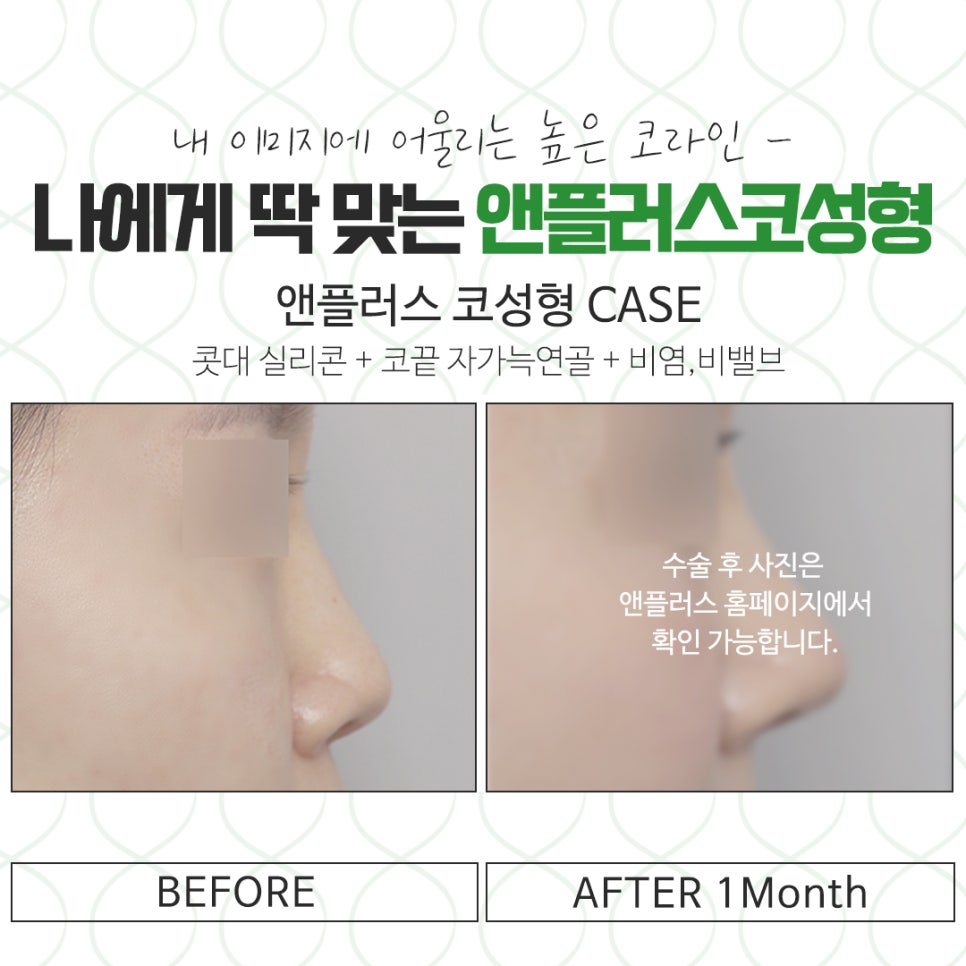
This has been an explanation of rhinoplasty at Oji C&Plus. We hope this post is helpful for those who are looking into rhinoplasty due to a nasal bone fracture, internal nasal functional abnormalities, or dissatisfaction with the shape of the nose.
https://youtu.be/a4GpYOCHp-k