
The place that determines a person’s first impression can be said to be the image of the face, and among the facial features, the nose accounts for a large part. The nose is located at the center of our face and is the most three-dimensional feature, so if its shape is high and well-defined, it can create a more favorable impression. As a result, more people are looking into information about rhinoplasty to improve it.

For this reason, those looking into rhinoplasty may do so because of a low nasal bridge or tip, a hump, a crooked nose, an upturned nose, a drooping nose, a bulbous nose shape, and so on. In addition to these external concerns, they may also consider rhinoplasty after nasal trauma such as nasal congestion caused by rhinitis or surgery for a nasal bone fracture.
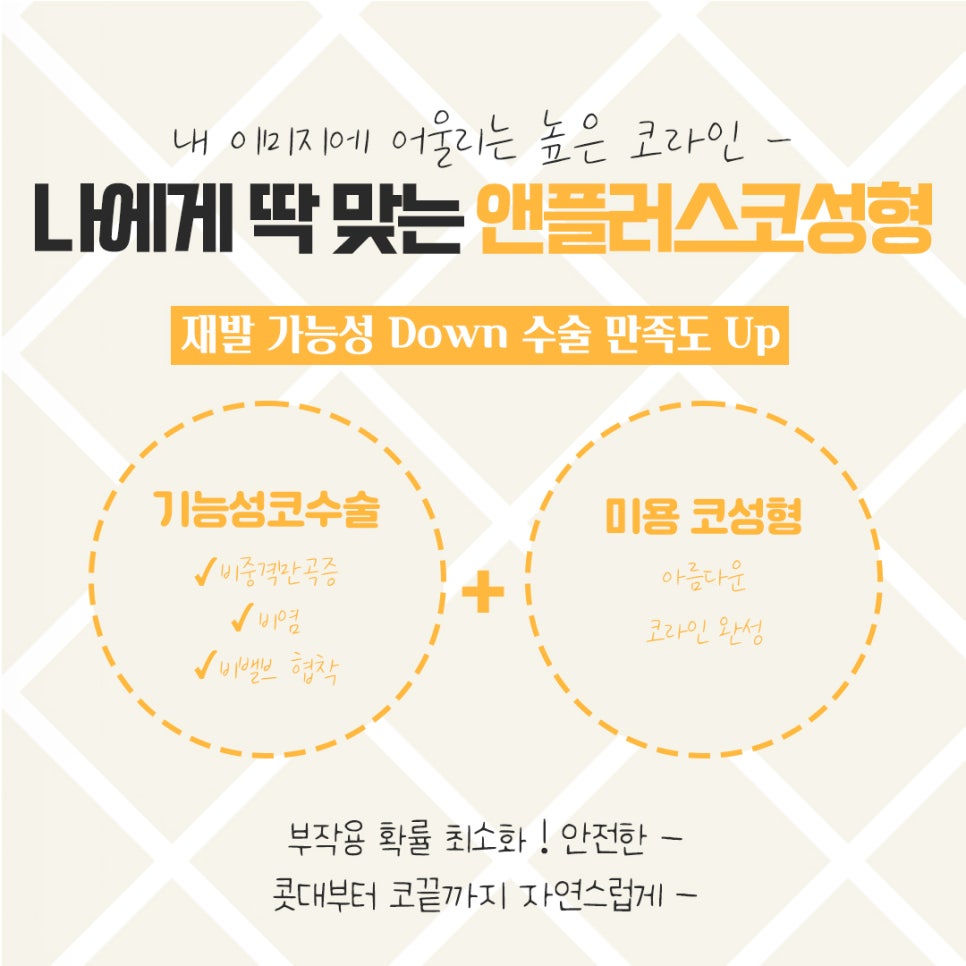
Those considering rhinoplasty usually prioritize improving appearance, so the approach is mostly cosmetic. However, the nose is an organ that also plays a functional role throughout the body, handling breathing and smell. Therefore, surgery should address not only the external appearance but also the functional aspects, so that revision surgery due to postoperative functional problems can be prevented.

When trying to improve the functional aspects of the nose through rhinoplasty, one of the most common symptoms is nasal congestion caused by rhinitis. Rhinitis is divided into allergic rhinitis, which accounts for 20%, and structural rhinitis, which accounts for 80%. In the case of allergic rhinitis, which people commonly know about, it appears due to specific substances or objects and is related to one’s constitution, so a complete cure is difficult. Therefore, improving immunity and medication should come first. However, structural rhinitis can occur congenitally or due to acquired trauma, so it can be treated at the same time as rhinoplasty. If it is caused by trauma, learning about methods for nasal bone fracture surgery can also be helpful.

The causes of the structural rhinitis described above include a deviated septum, inferior turbinate hypertrophy, and nasal valve stenosis, and these symptoms may appear in combination. Although each condition is different, they obstruct the flow of air entering through the nose and cause nasal congestion. Because the surgical method and materials differ depending on the individual’s condition, an accurate diagnosis using equipment is essential.
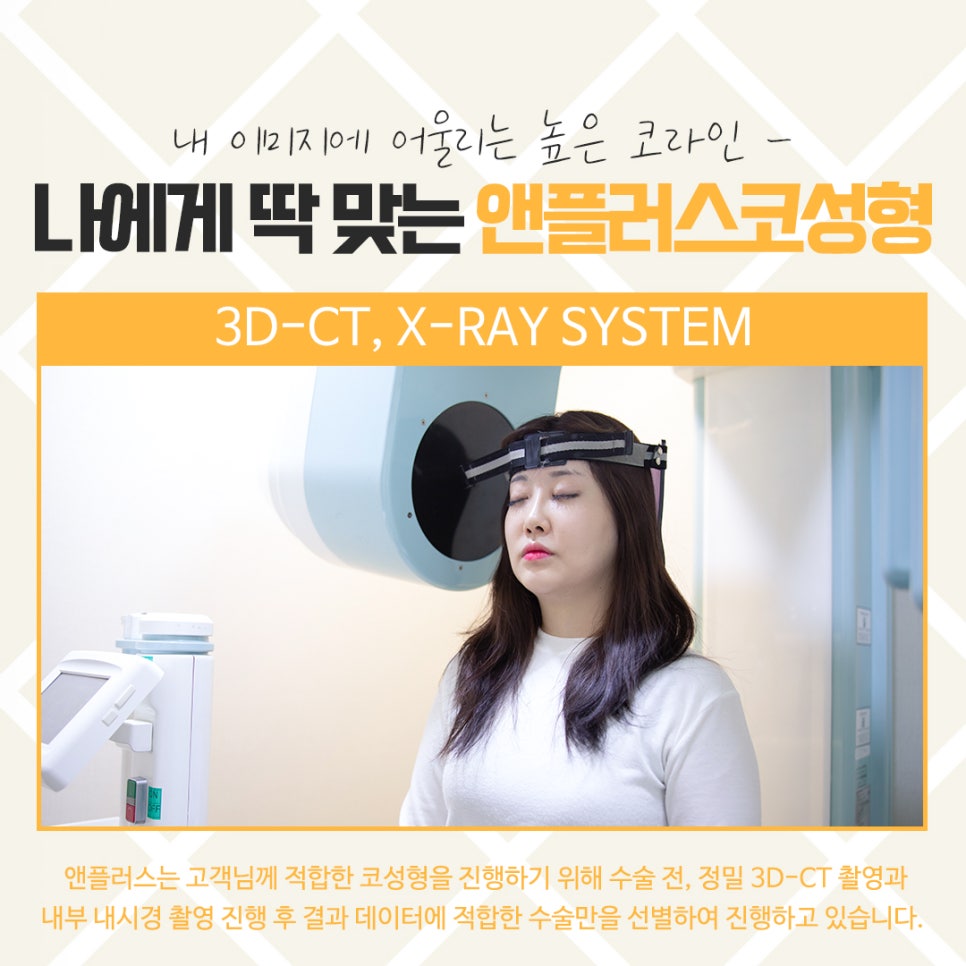
At OjiKO N+Plus, to ensure accurate and safe nasal bone fracture surgery, we identify the current cause and issues related to each person’s nasal bone fracture through preoperative 3D-CT scans, internal endoscopic imaging, multi-angle photography, various allergy tests, and nasal function tests. Based on the extracted data, a surgical plan is established and carried out.
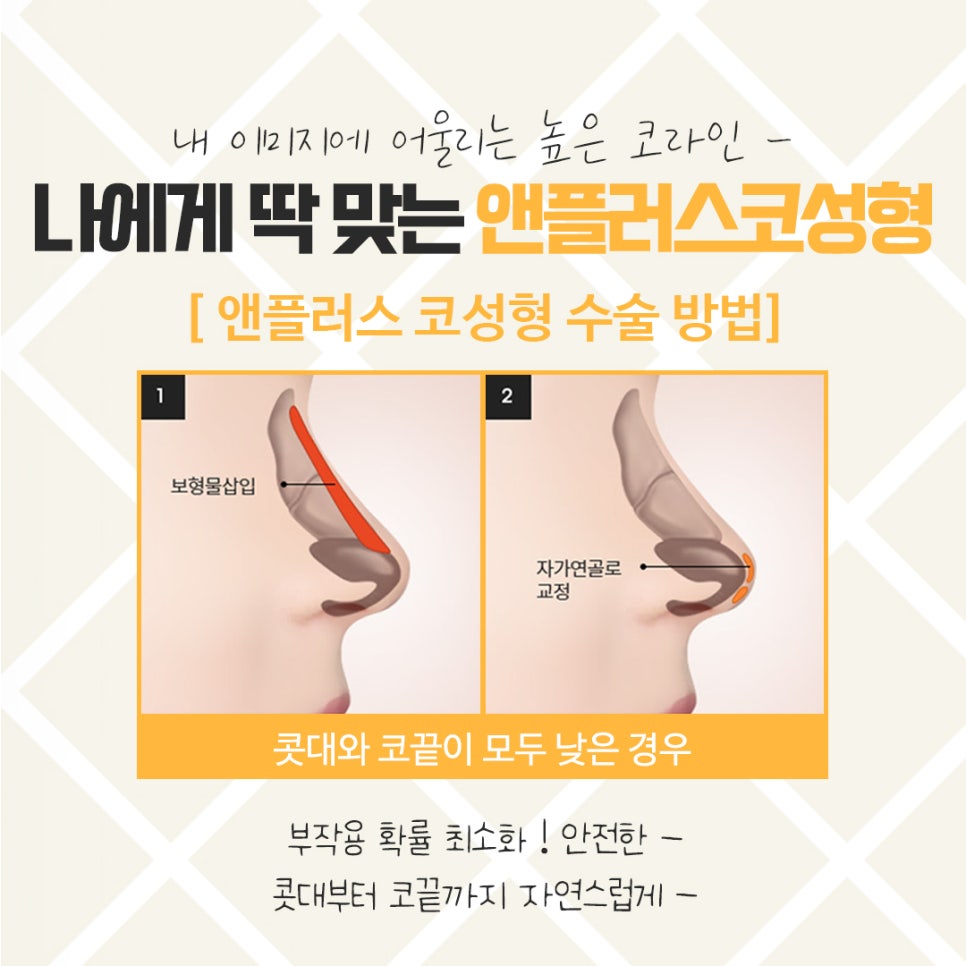
In general, with rhinoplasty, the nasal bridge can be corrected with silicone and the nasal tip with autologous cartilage.
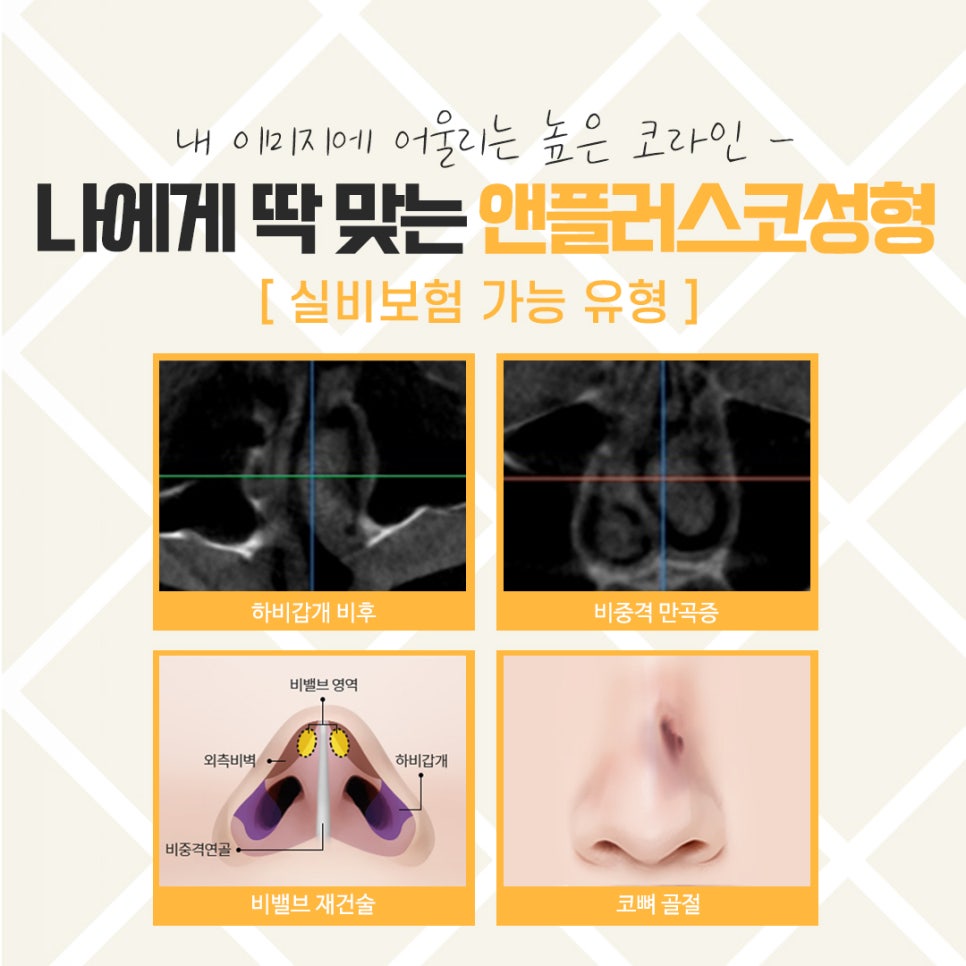
If nasal bone fracture surgery or functional surgery is needed, the nasal bones can first be corrected through occlusal reconstruction, a deviated septum, inferior turbinate hypertrophy, nasal valve stenosis, and so on, before proceeding with cosmetic rhinoplasty.
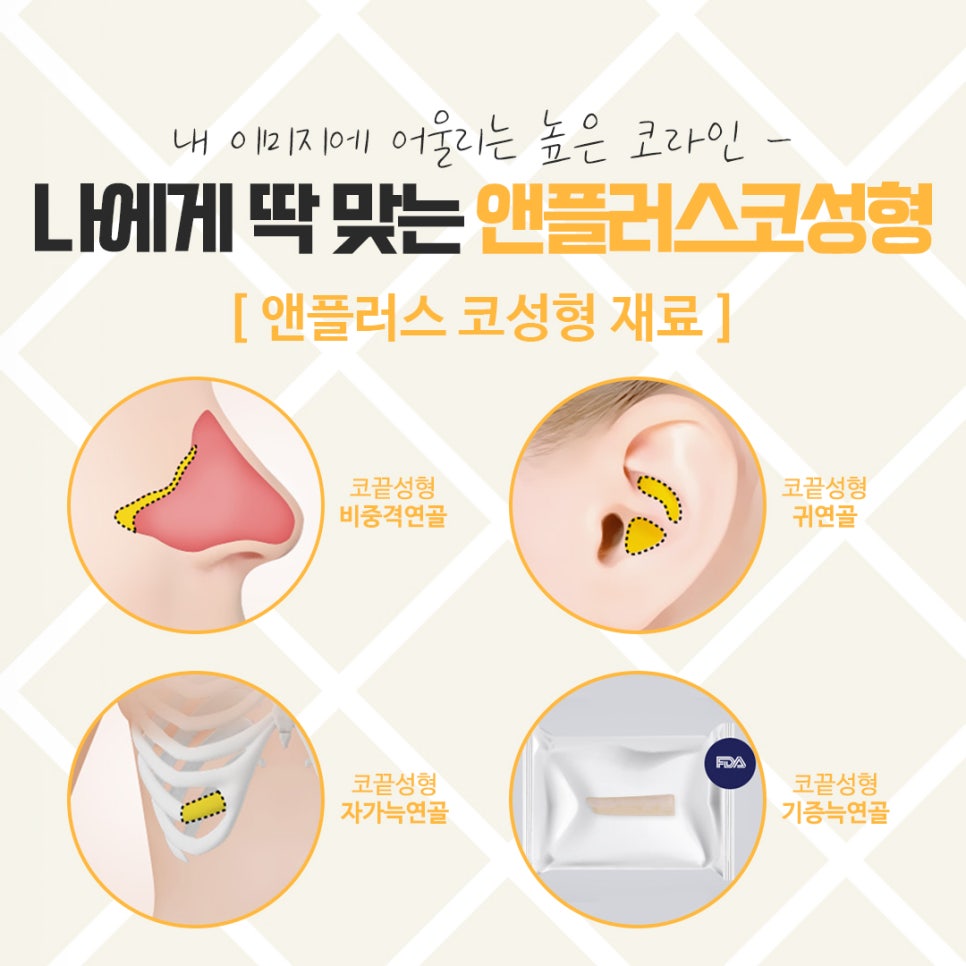
As for the materials used in rhinoplasty, the nasal tip is corrected using autologous cartilage. Autologous cartilage includes septal cartilage, ear cartilage, and autologous rib cartilage. Through preoperative testing, the most suitable material for each individual can be selected. If using autologous cartilage is difficult, donated rib cartilage can be used as an alternative.
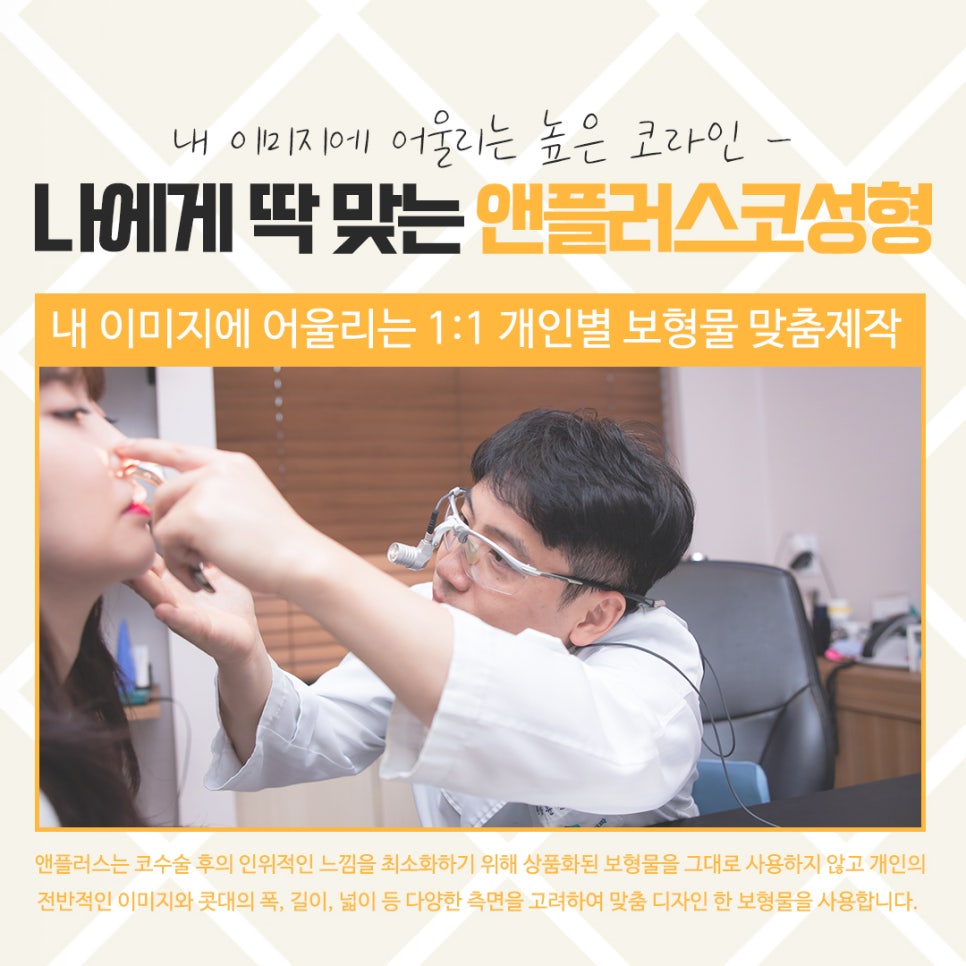
For the silicone used in the nasal bridge, ready-made commercial silicone is not used as is. To minimize an artificial look after surgery, it is carefully shaped by hand while considering various aspects such as the person’s overall image and the width, length, breadth, and height of the nasal bridge. This allows the procedure to be carried out with confidence from before surgery through recovery.

In this way, when undergoing rhinoplasty, cases such as nasal bone fracture surgery or internal functional problems are difficult to diagnose with the naked eye. Therefore, it is important to examine both the inside and outside of the nose with equipment for an accurate diagnosis. For those looking into rhinoplasty, it may also be helpful to carefully check whether the medical staff have a high level of anatomical knowledge of the nose, whether they have sufficient experience and expertise, whether the necessary equipment is available to accurately assess the condition of your nose, and whether postoperative care is reliably guaranteed.
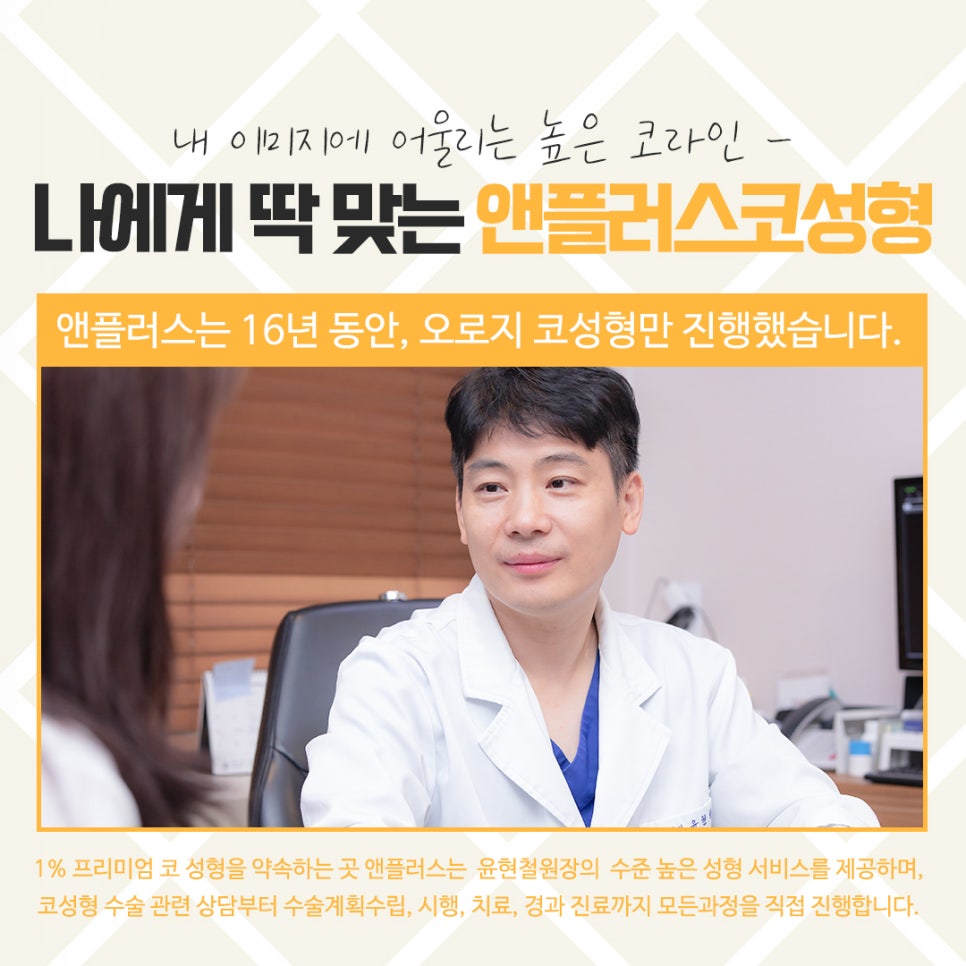
At OjiKO N+Plus, to ensure safe and satisfying rhinoplasty, Director Yoon Hyun-cheol personally handles every step one-on-one, from consultation on nasal surgery to surgical planning, procedure, treatment, and follow-up visits. This allows you to feel at ease before and after surgery.

Postoperative care is also supported through the issuance of an N+Plus membership card, and the clinic operates an after-service system guaranteed for one year after surgery, as well as a surgical responsibility guarantee system prepared for all possible situations such as postoperative pain, inflammation, and dissatisfaction with the result. This means you can receive clear guidance on out-of-pocket costs and reliable postoperative care for rhinoplasty, nasal bone fracture surgery, and internal nasal functional problems.
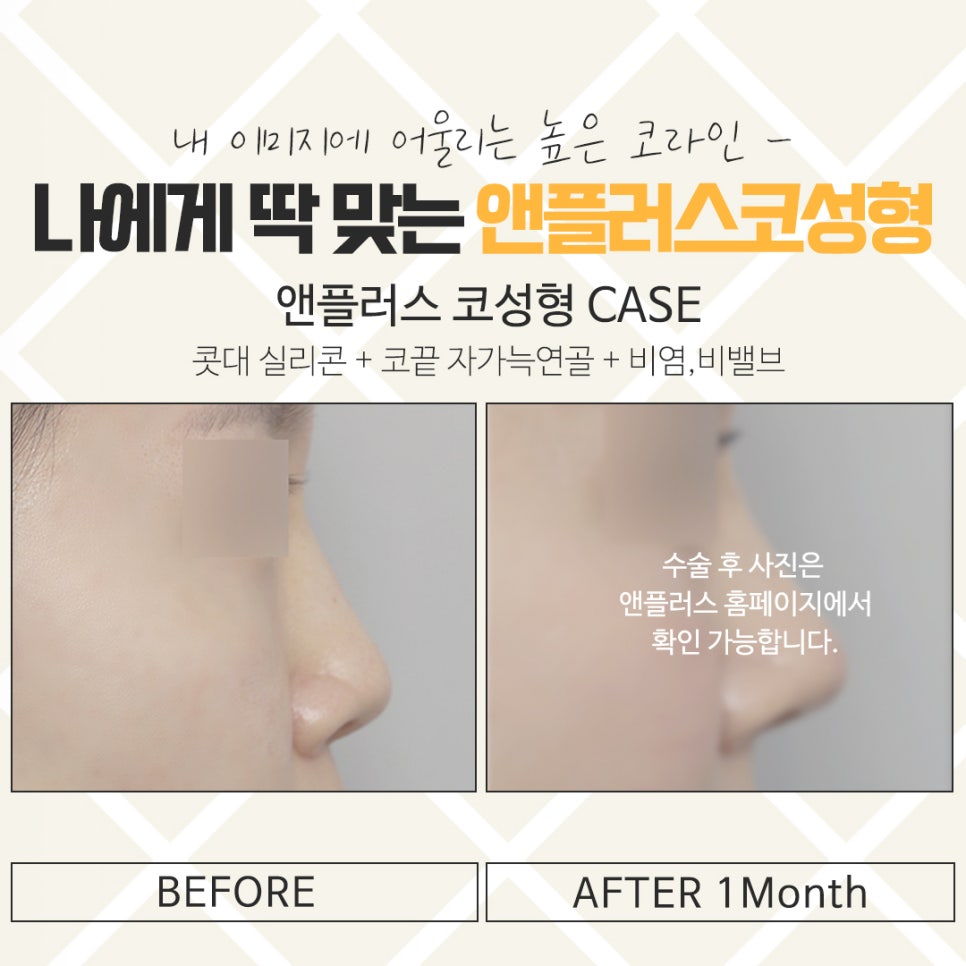
(The image above shows before-and-after photos of nose surgery at OjiKO N+Plus.)
That concludes our explanation of rhinoplasty, nasal bone fracture surgery, and functional nose surgery at OjiKO N+Plus. I hope this article has been very helpful for those considering rhinoplasty due to the shape of the nose or internal nasal issues. Thank you.
https://youtu.be/WlHJdbiClnQ