Although standards of appearance differ widely from person to person, many people hope to improve the appearance they already have for a more generally appealing image or for personal satisfaction. They may try various approaches such as exercise, dieting, skin care, and hairstyles, but for areas where change is difficult despite these efforts, more people are increasingly considering plastic surgery.
In the past, interest in plastic surgery was concentrated mainly among women, but today men also invest various efforts and time to improve their personal image. Among the many types of plastic surgery, even a change in the nose can have a significant effect on improving appearance, making it one of the more popular procedures. Men who want to improve their image can learn more detailed information about male rhinoplasty.

Among those looking into male rhinoplasty, common nose shapes include noses that are too low, too high, have a hump, are crooked, droopy, upturned, or have a hooked shape. Because of dissatisfaction with the nose shape, cosmetic concerns are often prioritized.
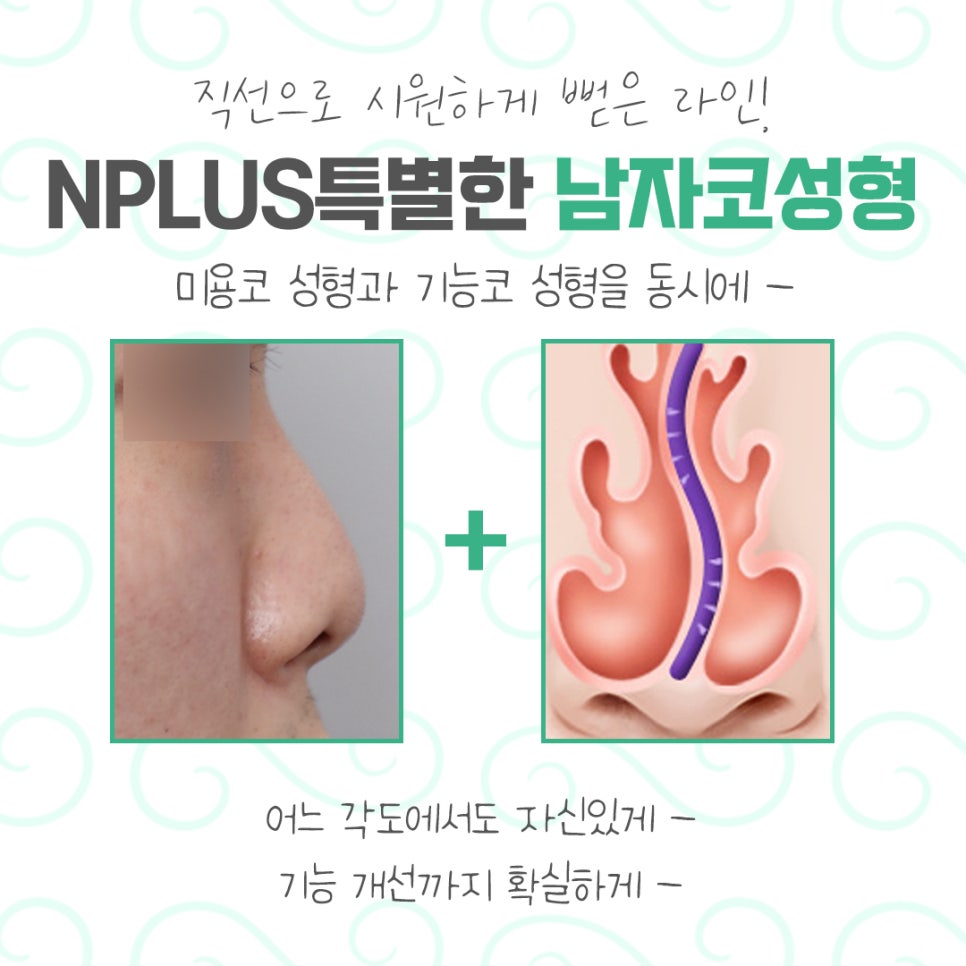
However, in the case of men, the nose plays a major role in appearance, but it is also a functional organ for breathing and smelling. Surgery should not focus only on cosmetic changes; it should also identify any internal functional issues before the procedure is performed. This can help prevent revision surgery caused by functional problems after surgery.
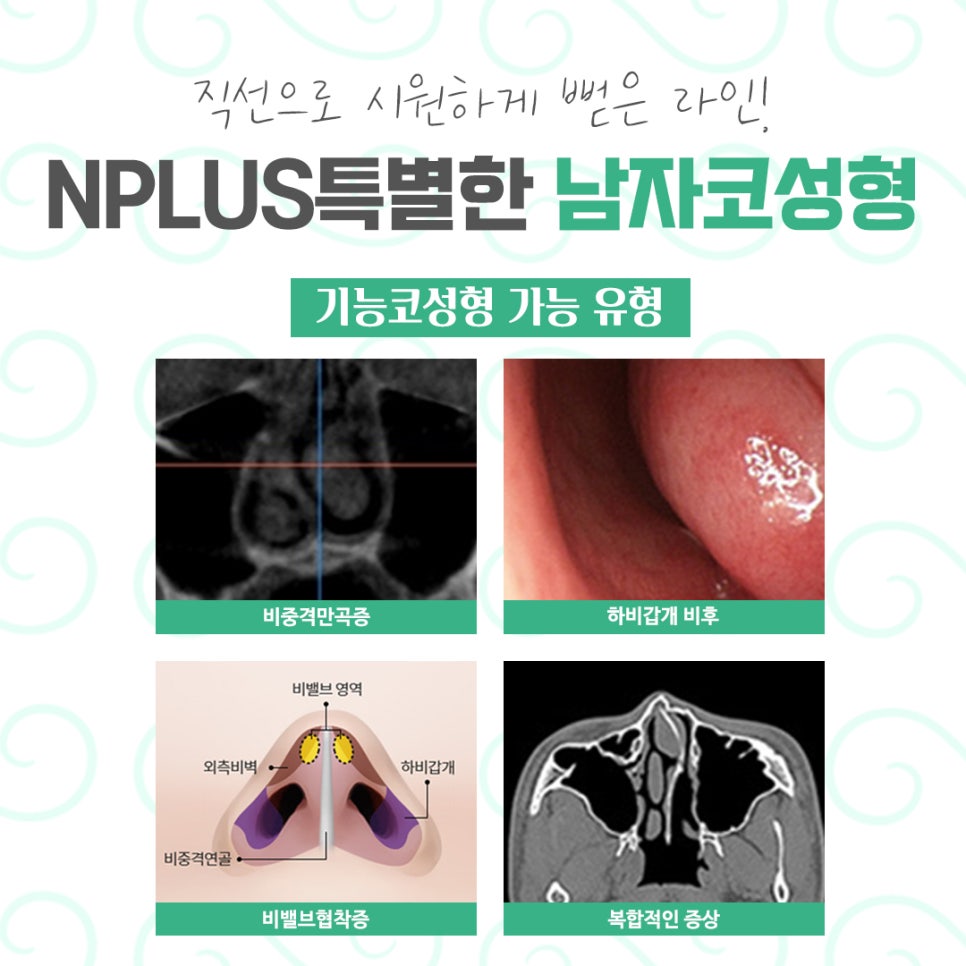
As mentioned above, men are relatively more likely than women to engage in leisure activities or strenuous exercise, so there are many cases of deformity caused by trauma. As a result, there are also relatively many cases in which functional and cosmetic surgery are performed at the same time. The symptom most commonly seen from such trauma is nasal congestion caused by rhinitis. Rhinitis is divided into allergic rhinitis and structural rhinitis. In the case of allergic rhinitis, because it occurs due to a specific substance or environment, temporary improvement can be expected through immune support and medication. On the other hand, structural rhinitis can be expected to be cured through surgery when caused by conditions such as a deviated septum, nasal valve stenosis, or inferior turbinate hypertrophy.
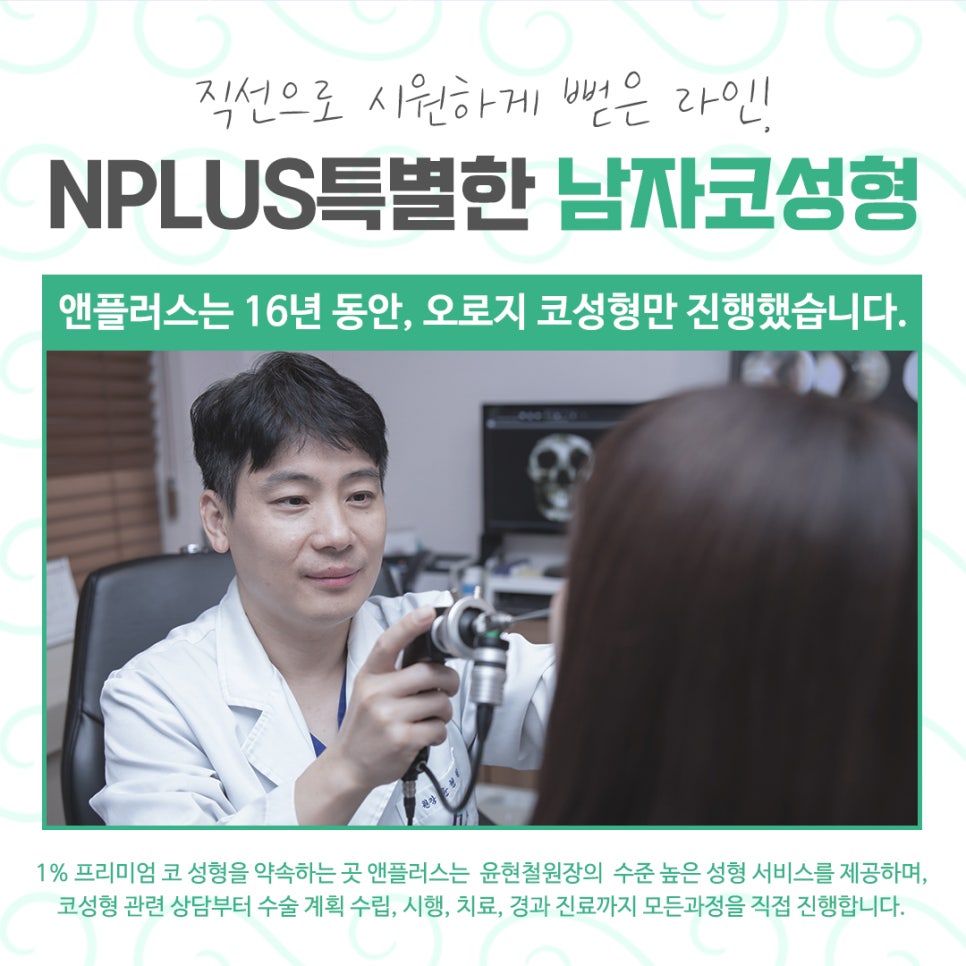
When reviewing this information, male rhinoplasty should not be limited to correcting only the bridge and tip of the nose. Because surgery must also identify any internal functional issues, it may be helpful to carefully check whether the medical team has strong anatomical knowledge of the nose, whether they have extensive related experience and expertise, whether equipment is available to accurately assess the condition of your nose, and whether aftercare is reliably guaranteed.
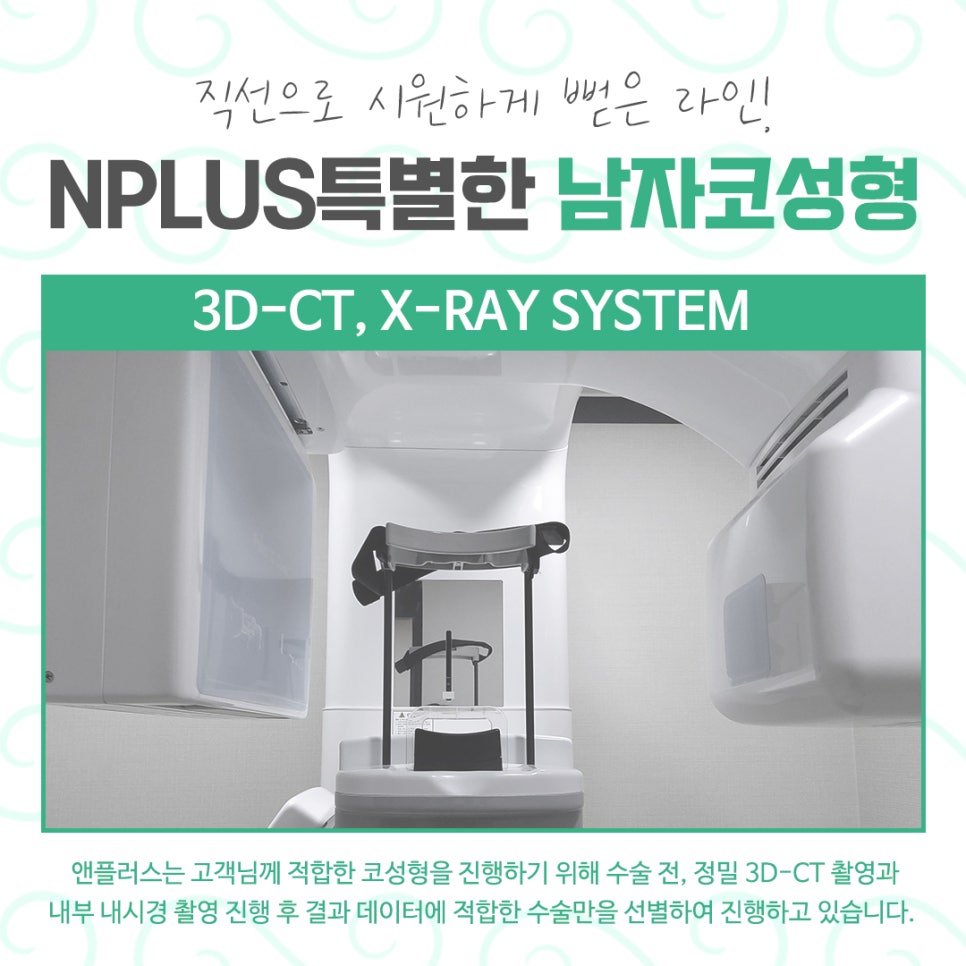
At Oji Nose Hospital N Plus, before male rhinoplasty, various allergy tests, internal nasal function tests, 3D-CT imaging, internal endoscopic imaging, and multi-angle photography are used to accurately assess both the external and internal condition of the individual’s nose. Based on the extracted data, a surgical plan is established and the procedure is performed.
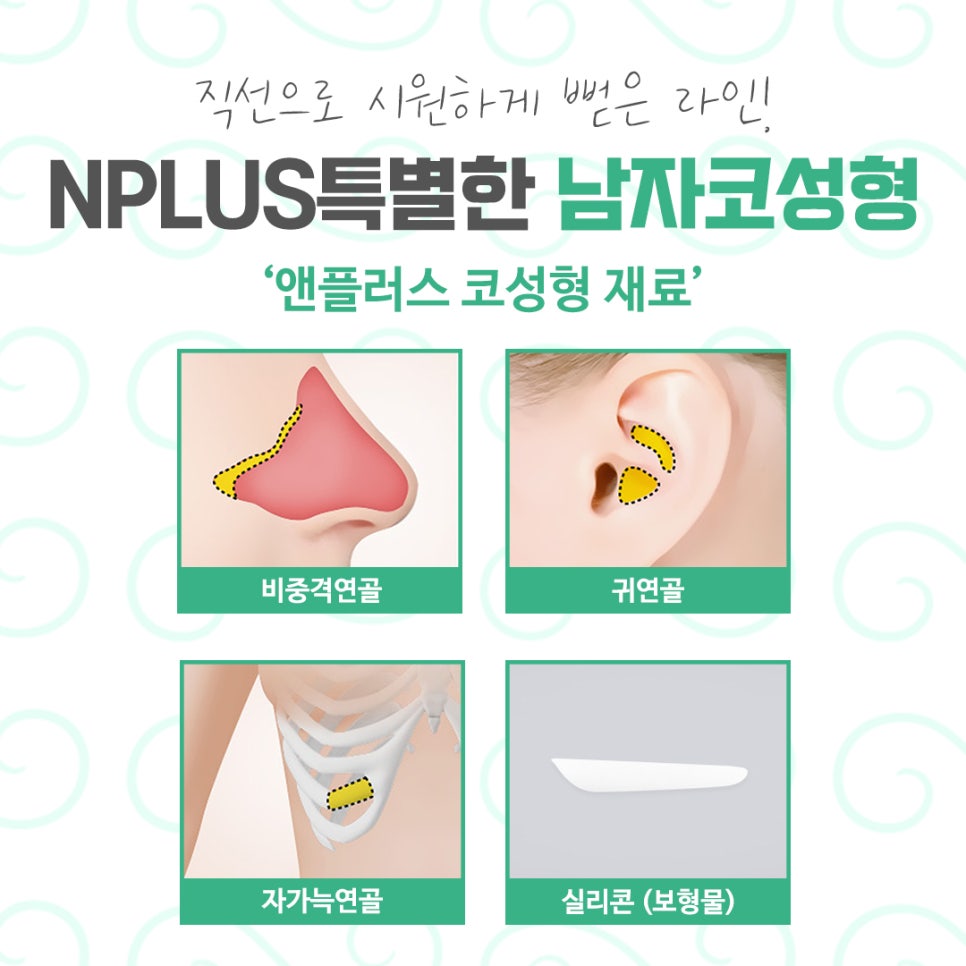
In the case of male rhinoplasty, if you look at before-and-after results, even with a similar nose shape, the surgical method and materials are applied differently depending on the individual’s condition. In general, the overall nose line is corrected using silicone for the bridge and autologous cartilage for the tip. Materials used for the tip include septal cartilage, ear cartilage, and autologous rib cartilage.
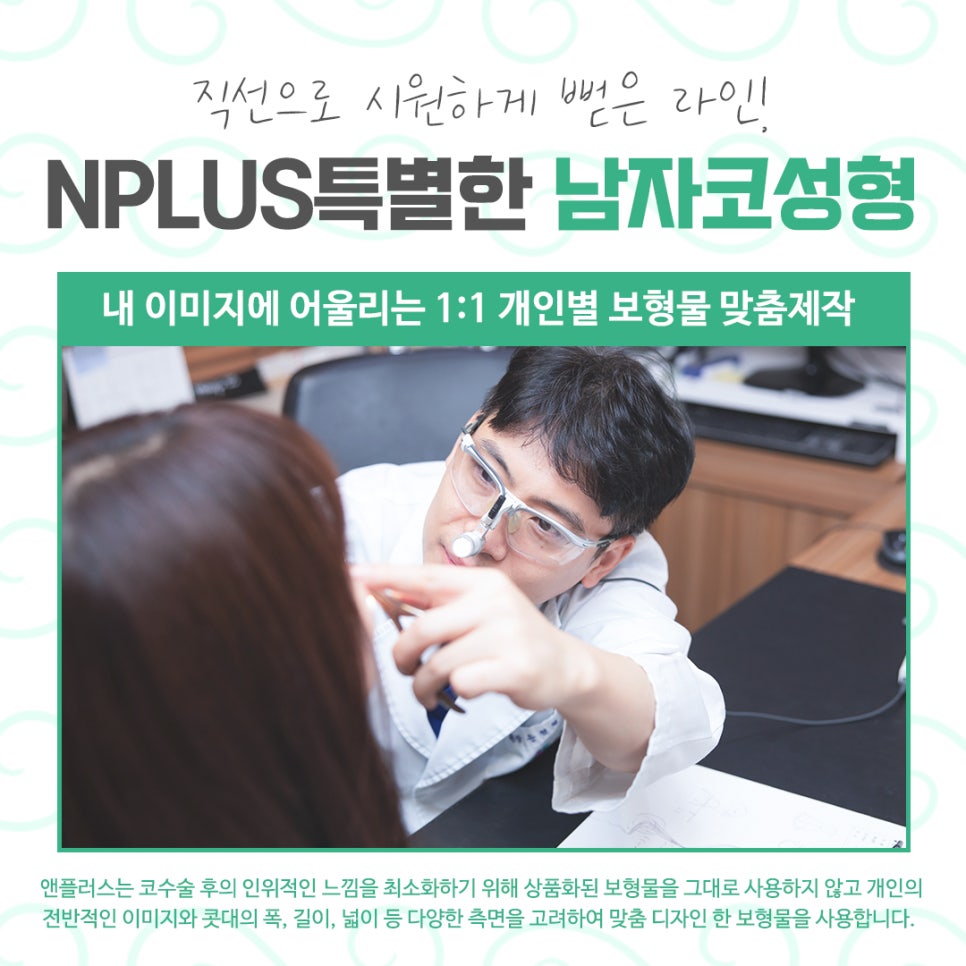
In addition, for the silicone used in the nasal bridge, rather than using a pre-manufactured implant as-is, it is carefully shaped by hand after considering various aspects such as the individual’s overall image and the bridge’s width, length, breadth, and height in order to minimize an artificial look after surgery.


When performing rhinoplasty, the design of the nose line must clearly differ between women and men. Women tend to prefer a soft, slightly upturned “half-moon” or “straight half-moon” feminine line, while men prefer a straighter line with more height and a masculine image. Surgery that clearly considers the individual’s face shape and nose shape can lead to more satisfying results.
At Oji Nose Hospital N Plus, Director Yoon Hyun-cheol personally handles one-on-one consultations, surgical planning, the procedure itself, treatment, and follow-up care for male rhinoplasty, allowing patients to receive high-level medical services from before surgery through recovery.

The aftercare provided after surgery includes a free repair service system for one year after the operation, as well as a surgical responsibility guarantee system prepared for any situation that may arise after surgery, such as postoperative pain, inflammation, or dissatisfaction with the result, so you can feel assured about the aftercare benefits as well.
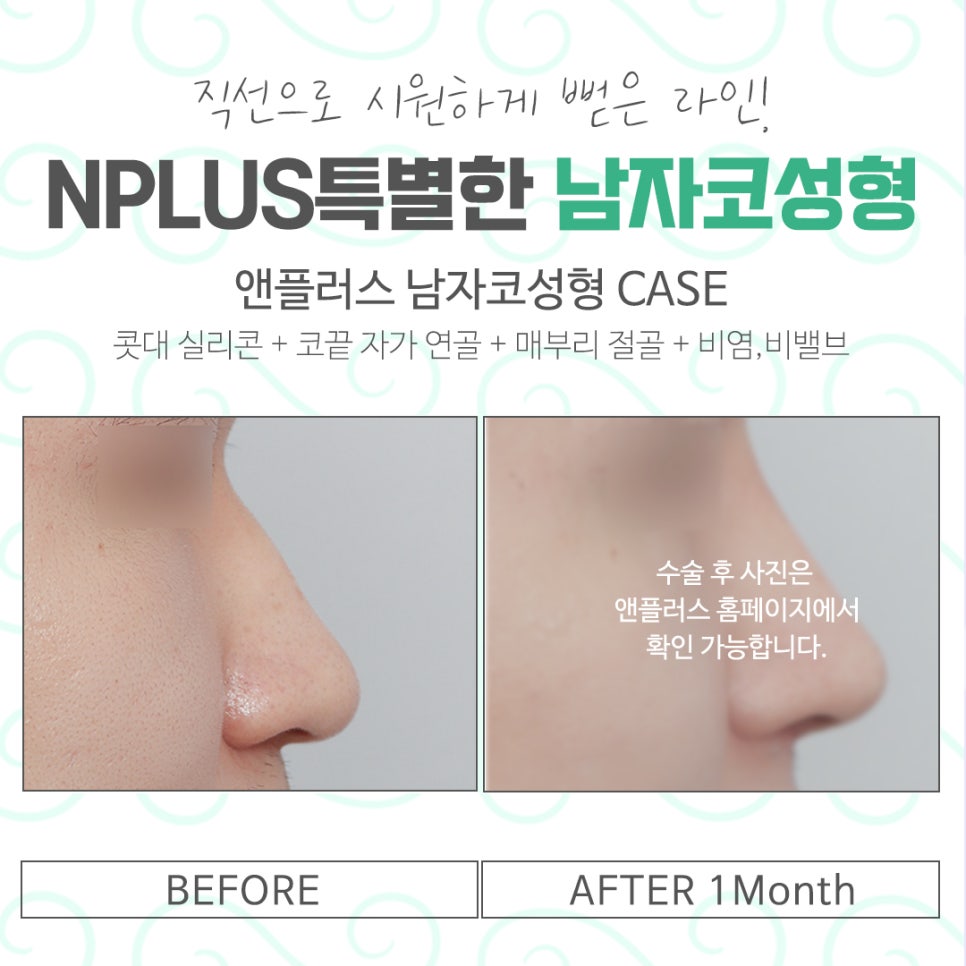
(The image above shows before-and-after photos of male rhinoplasty at Oji Nose Hospital N Plus.)
This concludes the explanation of male rhinoplasty at Oji Nose Hospital N Plus. I hope this article is very helpful for those considering rhinoplasty due to nasal deformity caused by trauma, congenital issues, or nasal congestion from rhinitis. Thank you.
https://youtu.be/V8srzlmiQDI