
Because each person’s unique appearance can be viewed differently depending on individual standards, many people try various ways to improve features that do not meet the standard they have in mind. Despite various attempts, the nose is one area where change can be difficult, so more and more people are looking into information about rhinoplasty.

In the case of rhinoplasty, the nose may be categorized as too low, having a hump, being crooked, drooping, turned up, or having a bulbous shape, and many people want it improved into a straight and balanced form. Since the nose is located at the center of the face and is one of the most three-dimensional areas, such external features can make its drawbacks stand out more, so it can be said that people first look into cosmetic approaches.
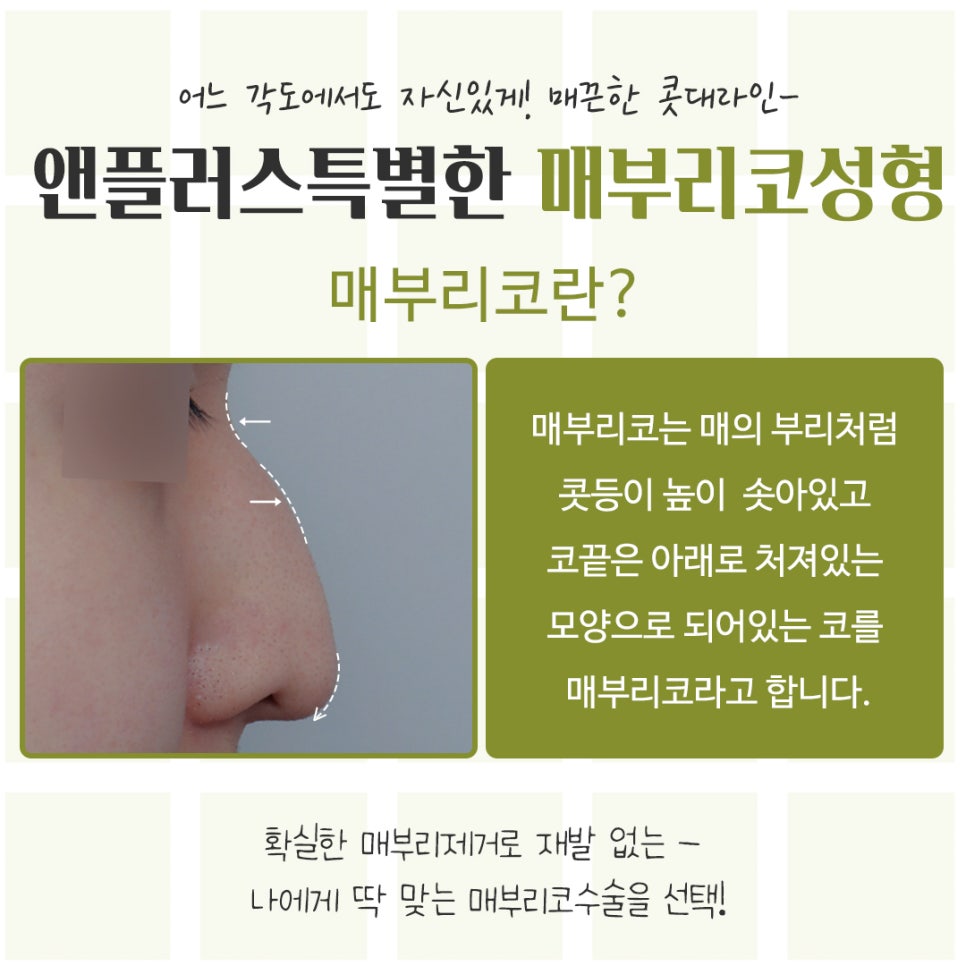
Among the various reasons, many people want improvement especially when the bridge is uneven and protruding or the tip is drooping, which can make the face look harsh or severe. Such a nose is called a hump nose, referring to a nose with a drooping tip or a bridge that is crooked or protrudes like a hawk’s beak. In the case of a hump nose, it can be divided into congenital causes and cases caused by later trauma.

Therefore, when looking at hump nose surgery reviews, a hump nose is not treated with the same surgical method and materials in every case. It is applied according to various individual conditions such as the state of the nasal bone, skin condition, cartilage condition, degree of the hump, and whether there are internal functional problems in the nose. While it is important to check the external appearance, surgery should be performed only after clearly understanding these internal nasal factors as well.
�

For this reason, hump nose surgery can be divided into various cases such as drooping nasal tip, upturned nasal tip, crooked bridge, wide nasal bones, aquiline nose, mild hump, severe hump, low bridge, and hump nose with a high bridge.

If you look at hump nose surgery reviews, At Ozigo & Plus, there are many cases where not only cosmetic rhinoplasty is performed alone, but functional internal nasal issues are also present and surgery is performed at the same time. If surgery is done only with a cosmetic approach, postoperative functional problems may lead to revision surgery, so it is important to confirm whether there are internal nasal functional issues before proceeding.
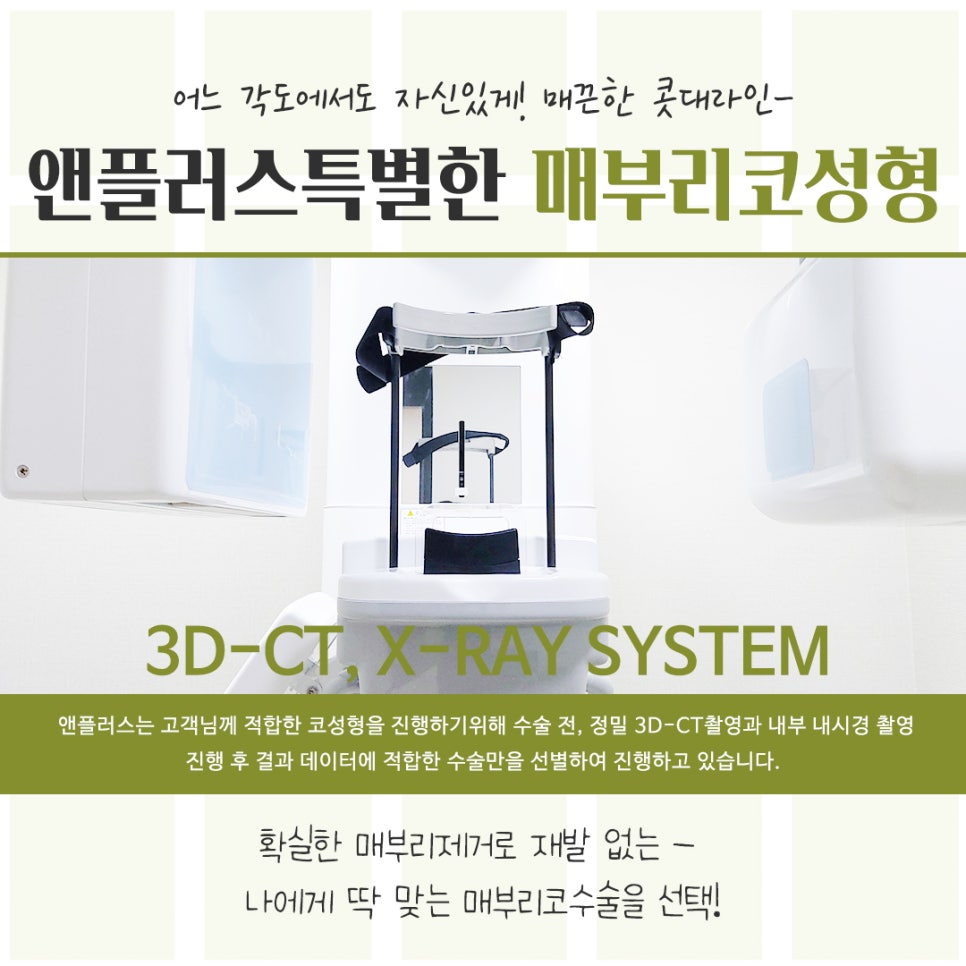
At Ozigo & Plus, to help ensure a safe and satisfying hump nose surgery review, before surgery they accurately assess and diagnose the current condition of each person’s nose through various allergy tests, internal nasal function tests, 3D-CT scans, multi-angle photography, and internal endoscopic photography, then perform surgery tailored to the results, allowing you to proceed with greater peace of mind.

The surgical methods for hump nose correction are broadly divided into three types. They are categorized by cases such as a hump nose with a low bridge, a severe hump, and a mild hump. In hump nose surgery, it is important to completely remove the hump so that recurrence can be minimized. For those looking into hump nose surgery reviews, it is a good idea to refer to images, but additionally, it would be helpful to carefully check whether the medical staff have extensive anatomical knowledge of the nose, whether they have sufficient experience and expertise, whether the necessary equipment is in place to accurately assess the condition of your nose, and whether aftercare can be clearly guaranteed.
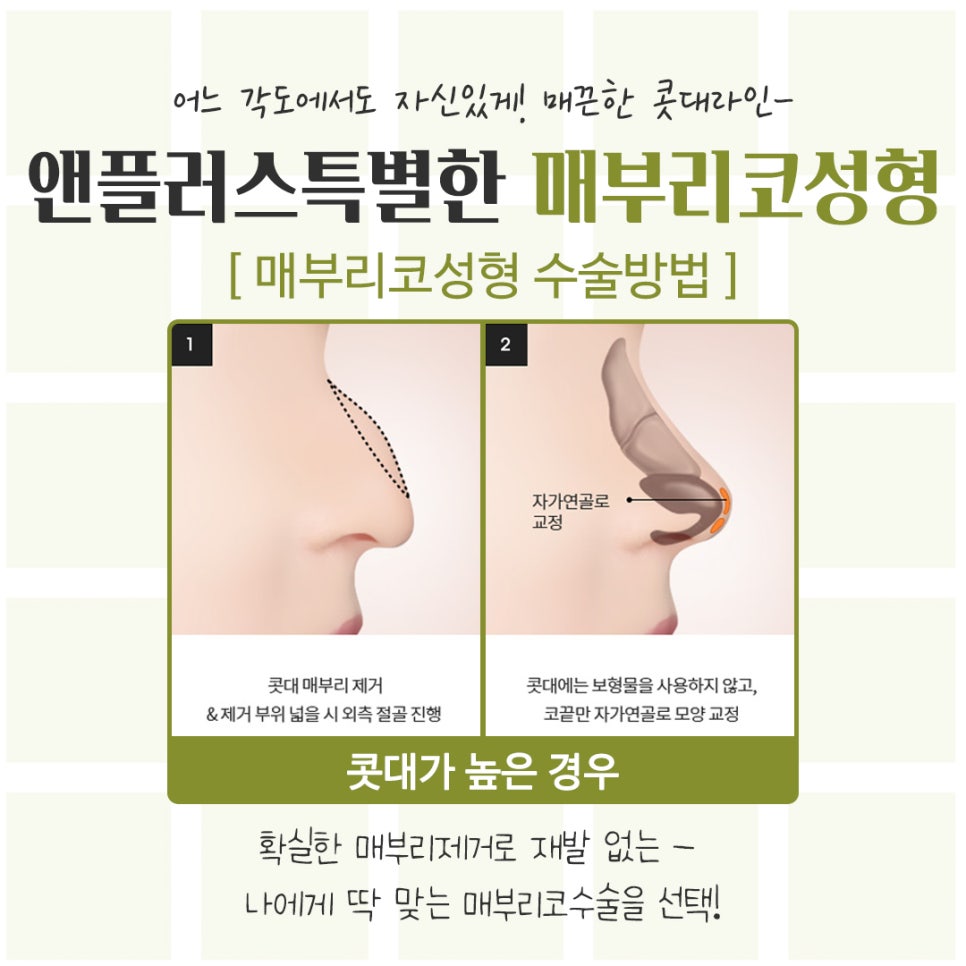
In the case of a hump nose with a high bridge, the hump on the bridge can be removed, and if the lateral area is wide, lateral osteotomy can be performed. Then, without using an implant on the bridge, the nasal tip can be corrected using autologous cartilage.
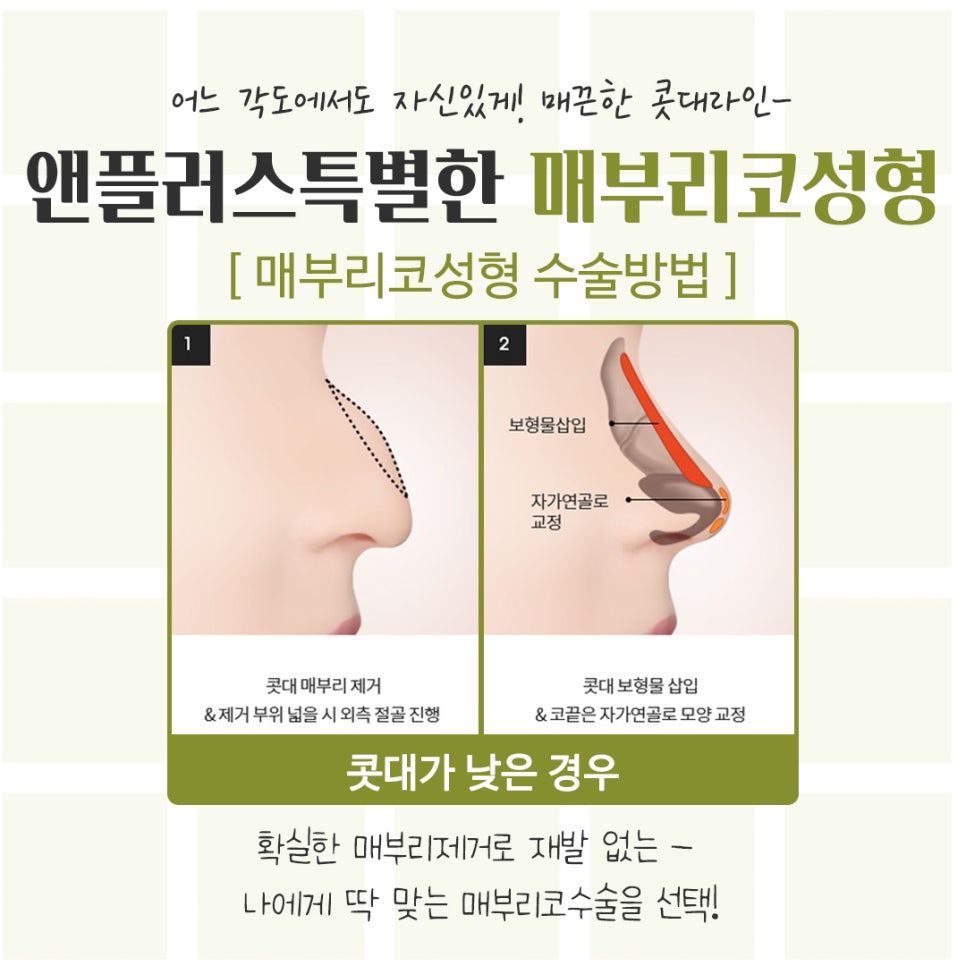
If the bridge is low, after removing the hump on the bridge or performing osteotomy, the overall nose line can be corrected by using an implant for the bridge and autologous cartilage for the tip.
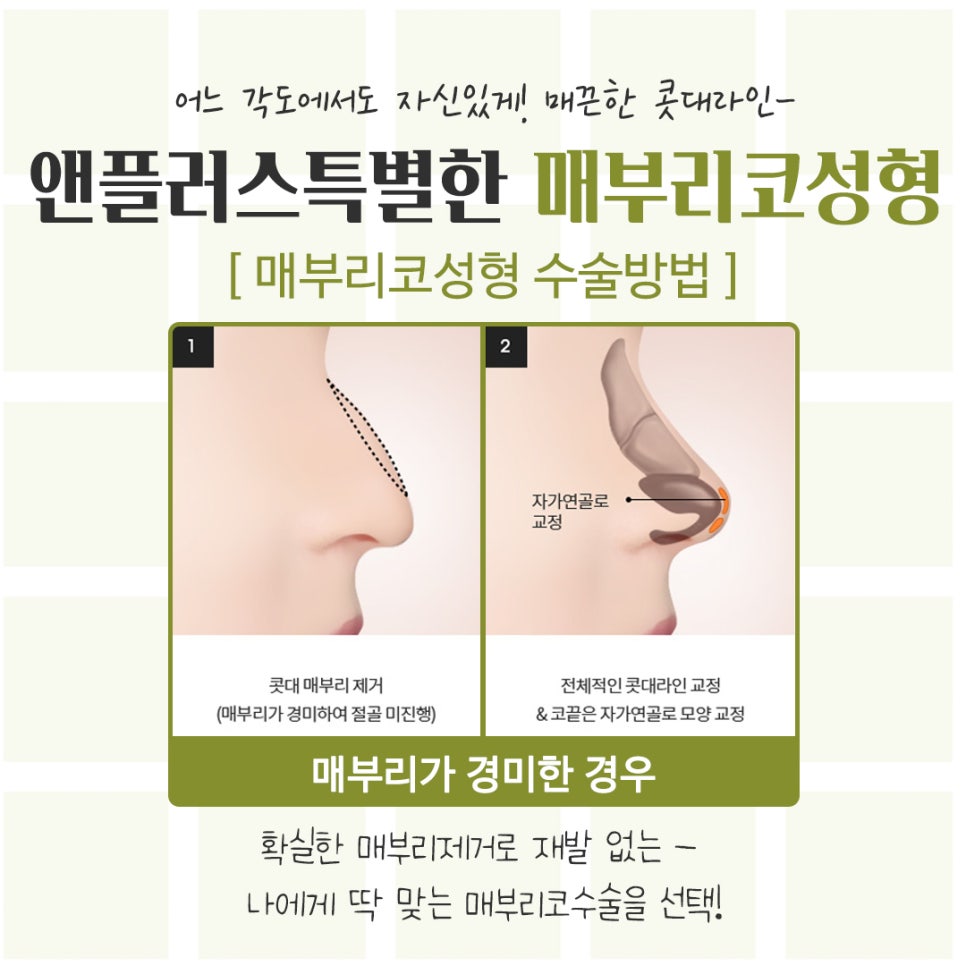
In the case of a mild hump nose, after removing the hump on the bridge, the overall bridge line can be corrected, and if necessary, the overall nose line can be refined using autologous cartilage for the bridge and tip.
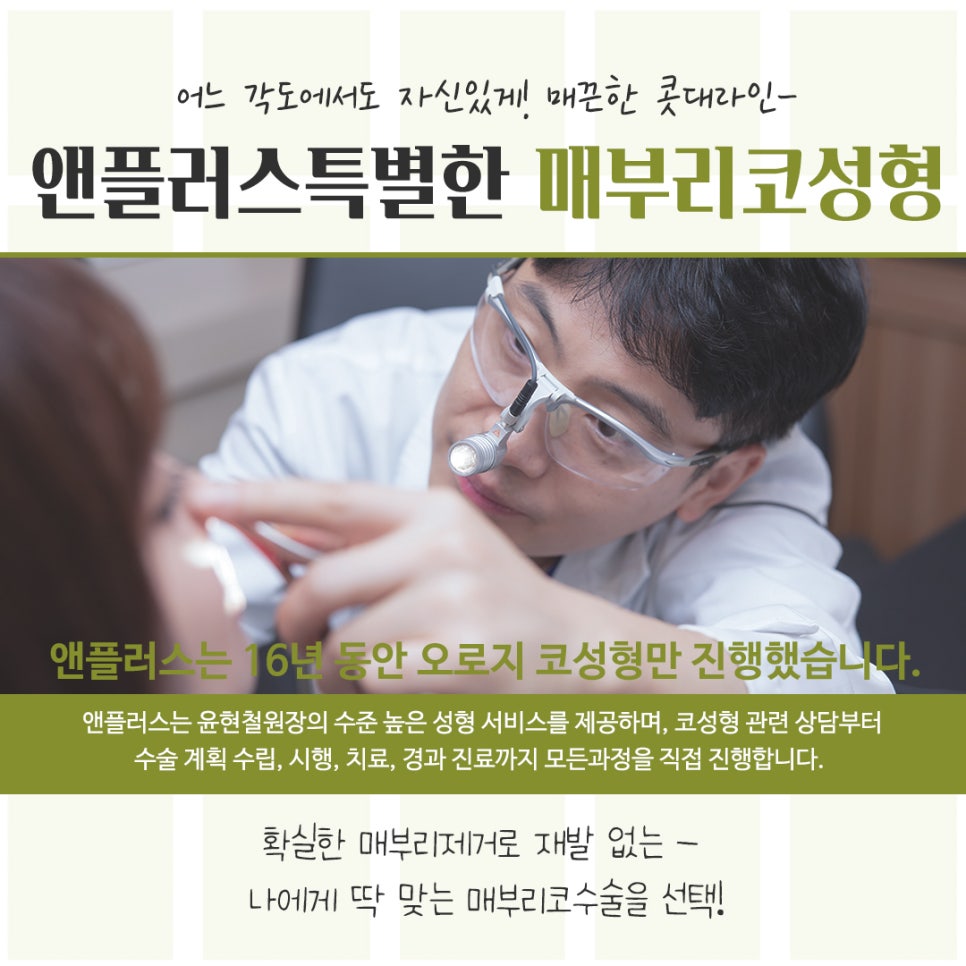
At Ozigo & Plus, to minimize the likelihood of revision surgery during hump nose correction, Director Yun Hyun-cheol personally handles each patient one-on-one, from rhinoplasty consultation to surgical planning, procedure, treatment, and follow-up care, which allows visitors to feel more at ease.
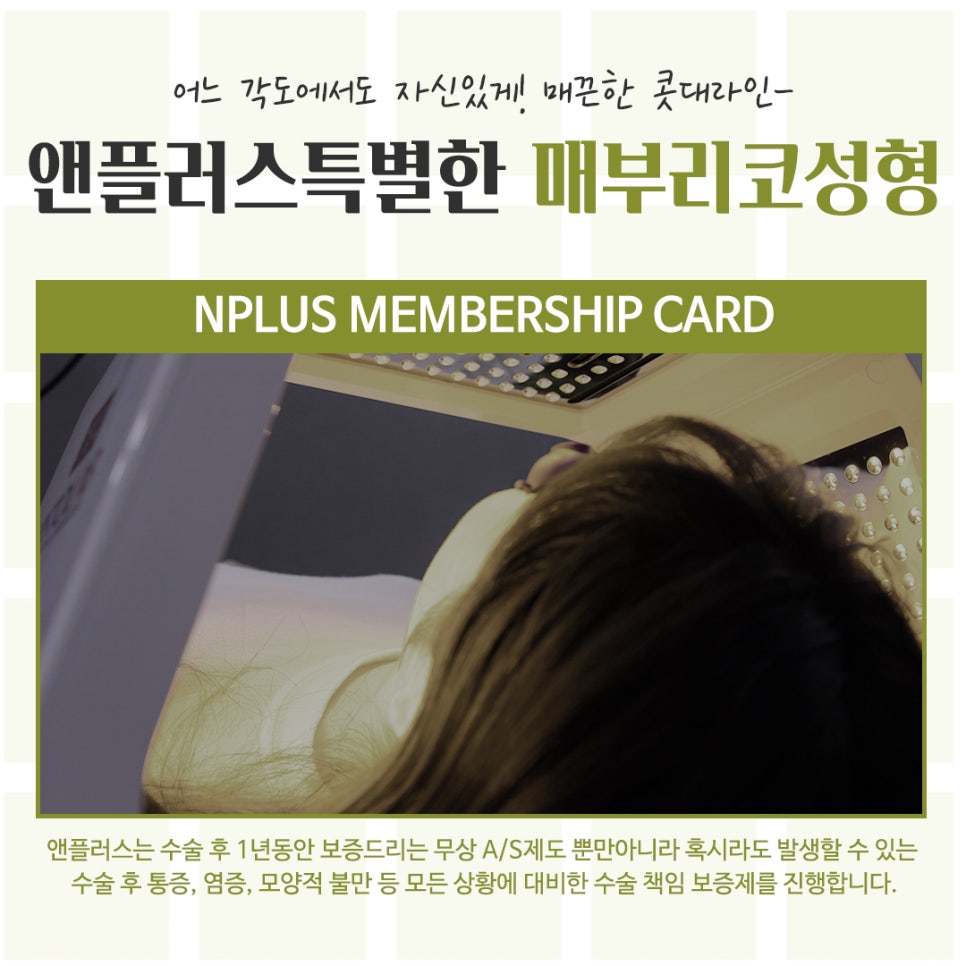
The aftercare provided at Plus includes not only a membership card and a free A/S system guaranteed for one year after surgery, but also a surgery responsibility guarantee system prepared for all possible situations such as postoperative pain, inflammation, and dissatisfaction with the shape.
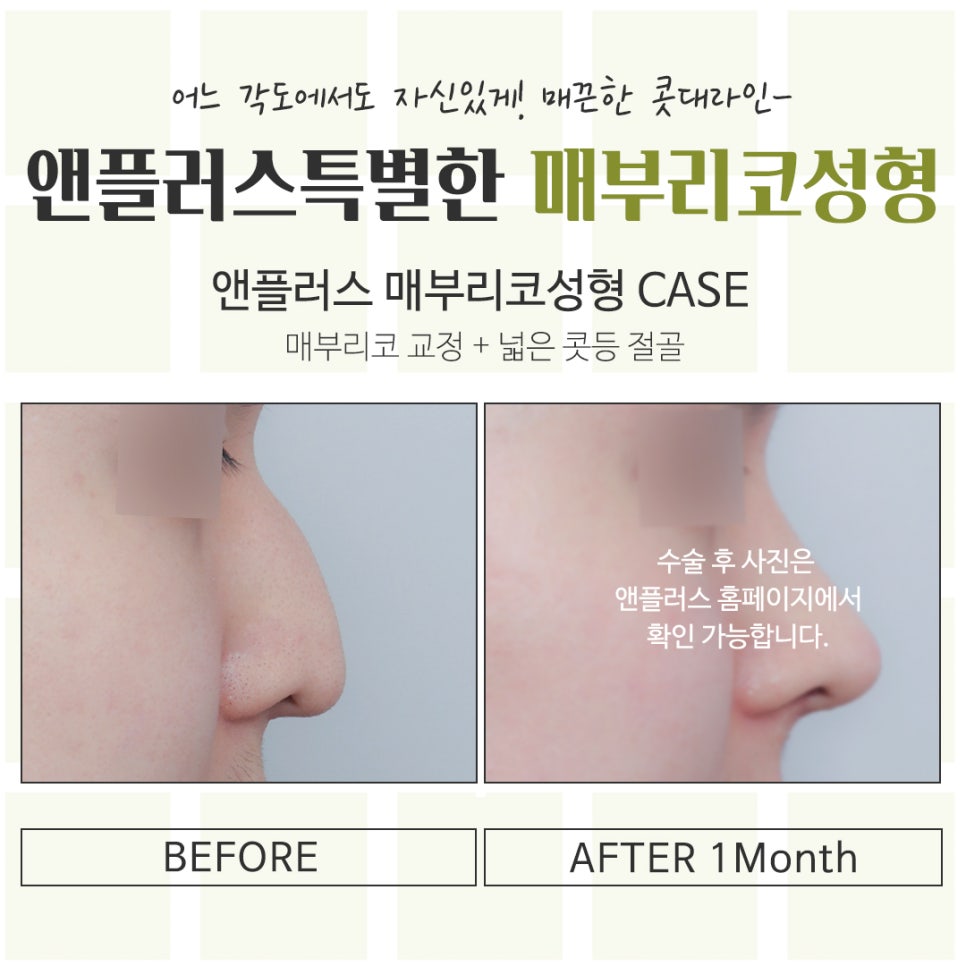
(The image above shows before-and-after photos from Ozigo & Plus hump nose surgery reviews.)
I have explained Ozigo & Plus hump nose surgery reviews, and I hope this article is of great help to those considering rhinoplasty due to a hump nose caused by trauma or a congenital hump nose. Thank you.
https://youtu.be/TSEqUwUlqao