
When we communicate with people in our daily lives, we look at each other’s faces, so many people make various efforts to improve their appearance. As a result, they may make changes through dieting, exercise, skin care, hairstyles, makeup, and more, and they do not spare time or investment in hopes of becoming more changed than they are now.

Even with these various efforts, some areas can be difficult to change, so people may consider cosmetic procedures. Among the many cosmetic procedures, the nose is located at the center of the face and is one of the most three-dimensional areas. If the bridge is even slightly crooked, protruding, low, the tip droops, the tip is upturned, or the nose is bulbous, the overall balance of the face may appear disrupted. Because of this, many people with such concerns are interested in rhinoplasty, and among rhinoplasty procedures, more people are looking into reviews of non-implant rhinoplasty, which is performed without using an implant.

Non-implant rhinoplasty is a procedure in which silicone, an implant, is not used for the nasal bridge, and autologous cartilage is used at the tip of the nose. Since the surgery is performed using the patient’s own cartilage, the likelihood of inflammation is significantly lower than with standard rhinoplasty, making it suitable for people who are sensitive to inflammatory reactions or who want a natural-looking nose shape.

Therefore, the nose shapes commonly seen among people looking into non-implant rhinoplasty reviews can be classified as follows: a high bridge with a drooping tip, a hump nose, an upturned nose, a snub nose, a tip that resembles an arrow nose or a long nose, or a downturned tip.
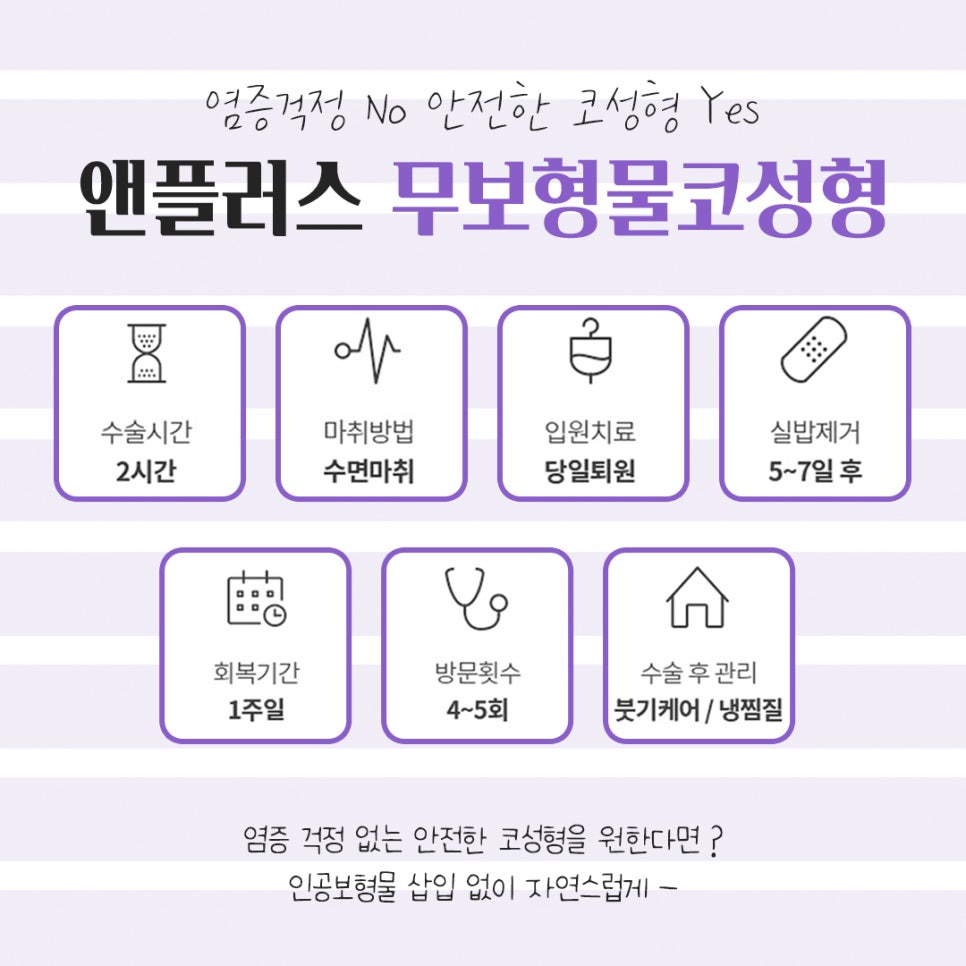
In average rhinoplasty, the bridge is typically addressed with silicone and the tip with autologous cartilage, but in non-implant rhinoplasty, silicone is not used. Instead, the tip can be corrected using autologous cartilage to refine the overall nose line.
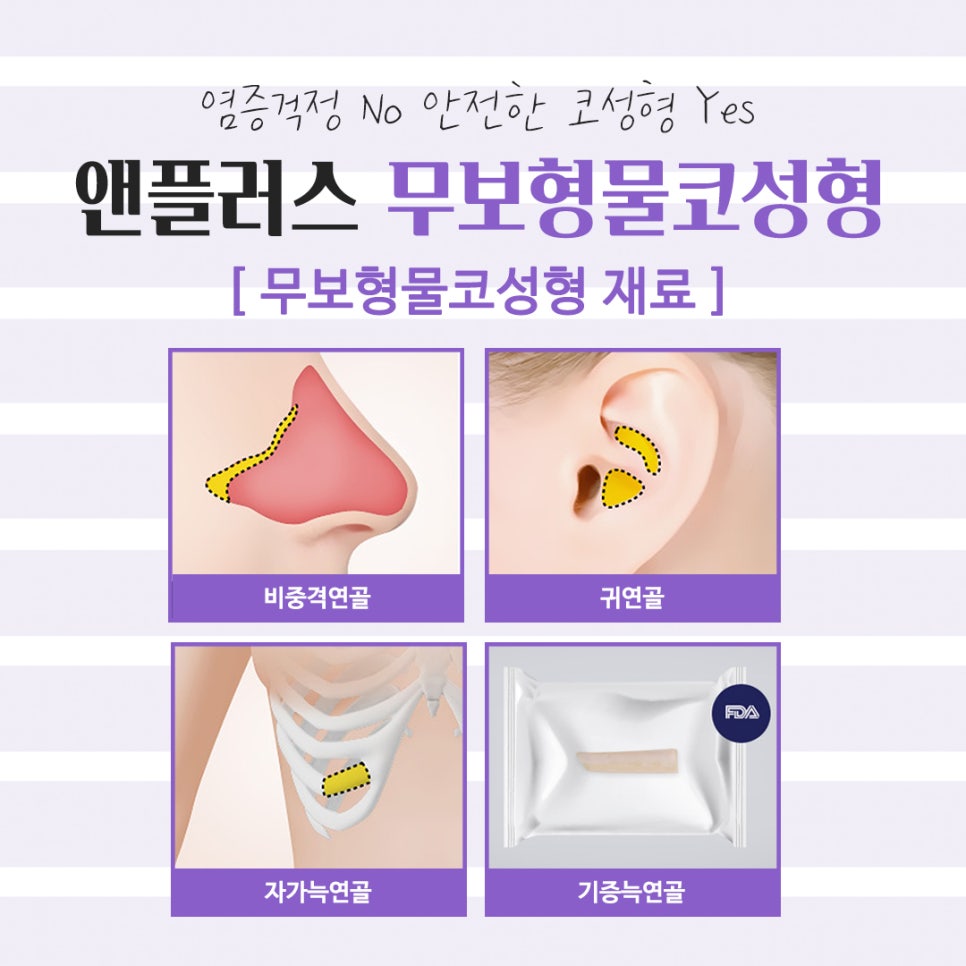
If you look at reviews of non-implant rhinoplasty, different types of autologous cartilage are used depending on the individual. After a preoperative examination, the material that best suits the patient can be selected. Autologous cartilage includes septal cartilage, ear cartilage, and autologous rib cartilage. If using the patient’s own cartilage is difficult during the preoperative evaluation, donor rib cartilage approved by the U.S. FDA can be used as an alternative.
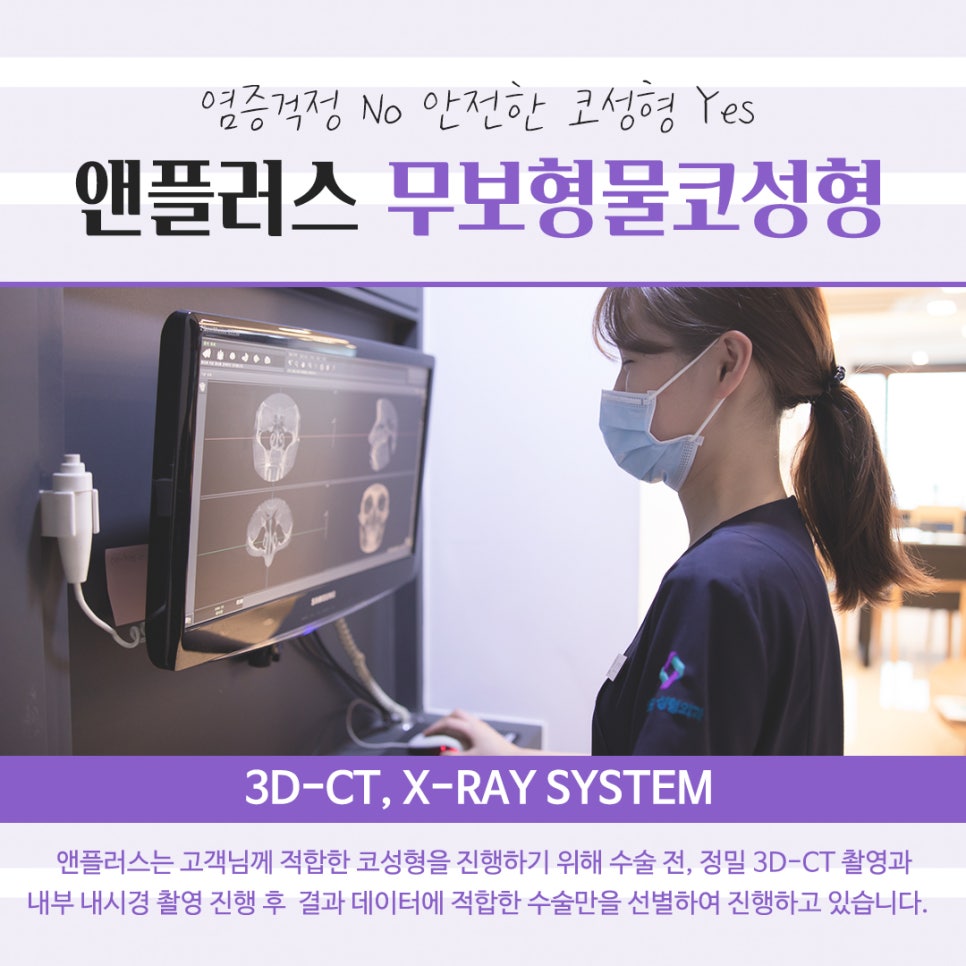
At OJIKO & Plus, to ensure safe and satisfying rhinoplasty, we perform 3D CT scans, internal endoscopy, various allergy tests, nasal function tests, and multi-angle photography before surgery. Based on the data obtained after accurately identifying the current issues with each individual’s nose, a surgical plan is established and the procedure is performed.
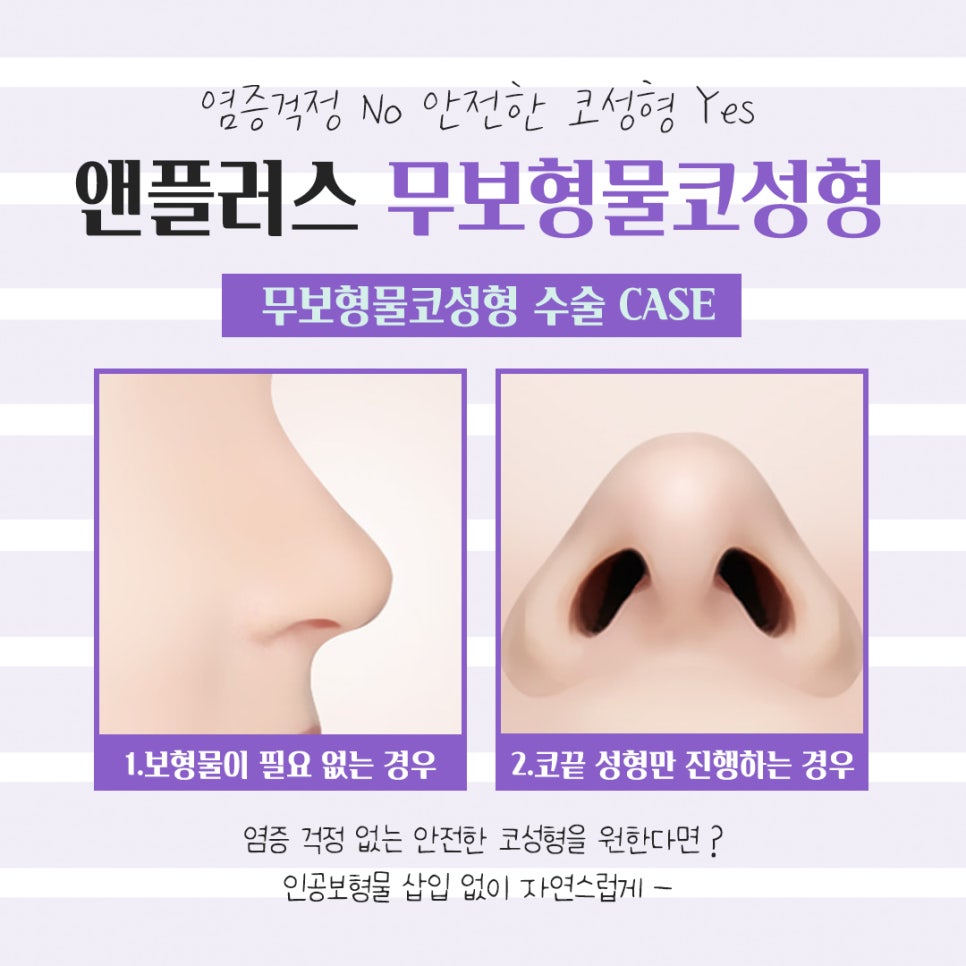
The surgical methods for non-implant rhinoplasty can be divided into cases where the bridge is high enough that silicone is not needed, and cases where the bridge is not a concern and only tip surgery is desired.
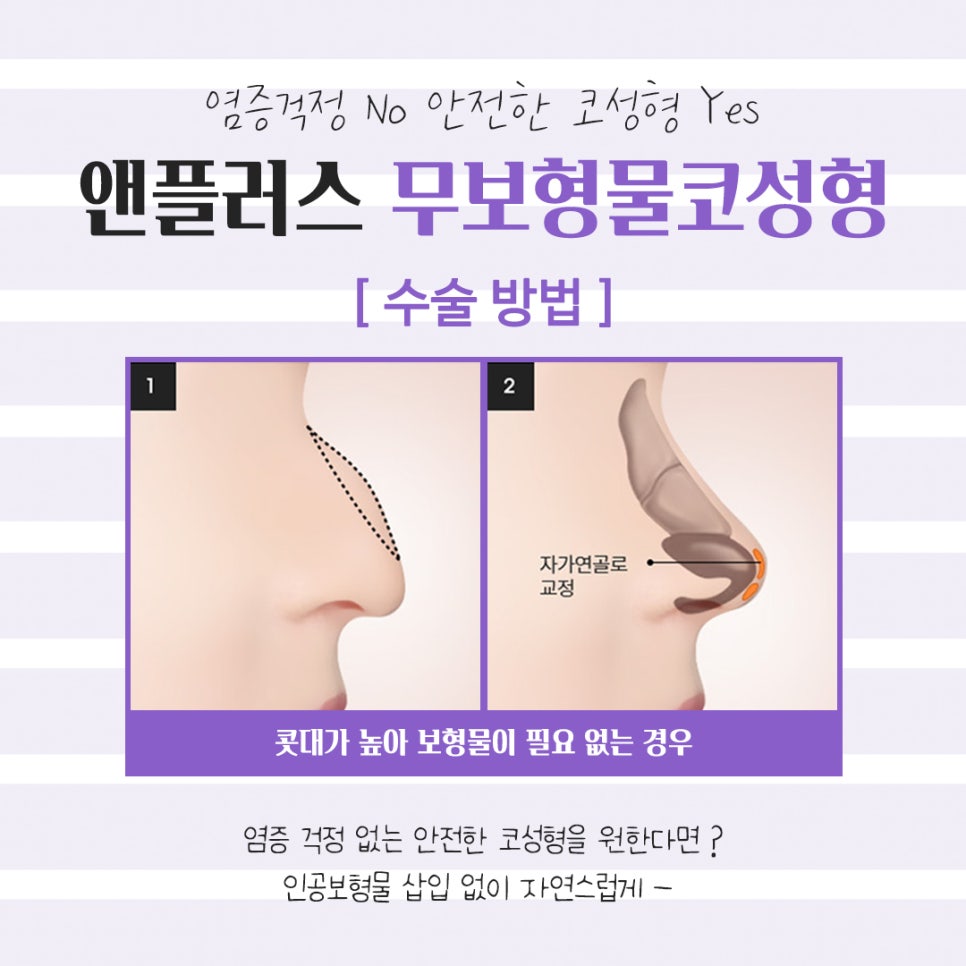
If the bridge is high enough that an implant is unnecessary, but there is a hump on the bridge, the hump is removed or osteotomy is performed, and the tip is corrected using autologous cartilage.
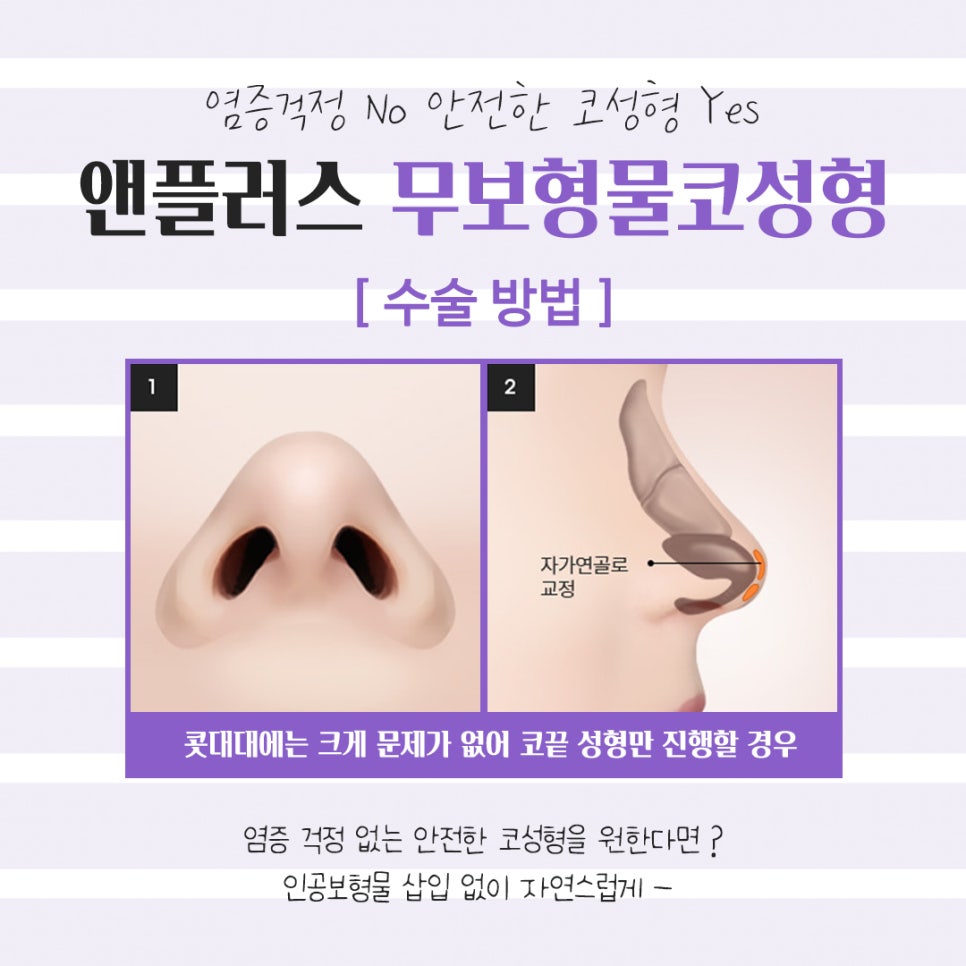
If there is no issue with the bridge and only tip surgery is performed, the tip is corrected with autologous cartilage and naturally connected to the bridge to refine the overall nose line.

In this way, non-implant rhinoplasty may seem relatively simple because silicone is not used in the bridge. However, our nose is a functional organ responsible for breathing and smell, so it is important to accurately understand both the external and internal structures of the nose and apply the appropriate procedure. For those looking into non-implant rhinoplasty reviews, it may be helpful to carefully check whether the medical team has strong anatomical knowledge of the nose, whether they have abundant experience and expertise, whether equipment is available to clearly assess the condition of your nose, and whether thorough aftercare is guaranteed before proceeding with surgery.

At OJIKO & Plus, Chief Director Yoon Hyun-cheol personally handles every step of the process one-on-one, from consultation for non-implant rhinoplasty to surgical planning, execution, treatment, and follow-up care, allowing patients to receive a high level of medical service from before surgery through aftercare.

The aftercare provided after surgery includes not only a one-year warranty-based A/S system, but also a surgical responsibility guarantee system prepared for any possible postoperative pain, inflammation, or dissatisfaction with the result. Those who have an N+ Plus membership card can receive aftercare benefits at any time.
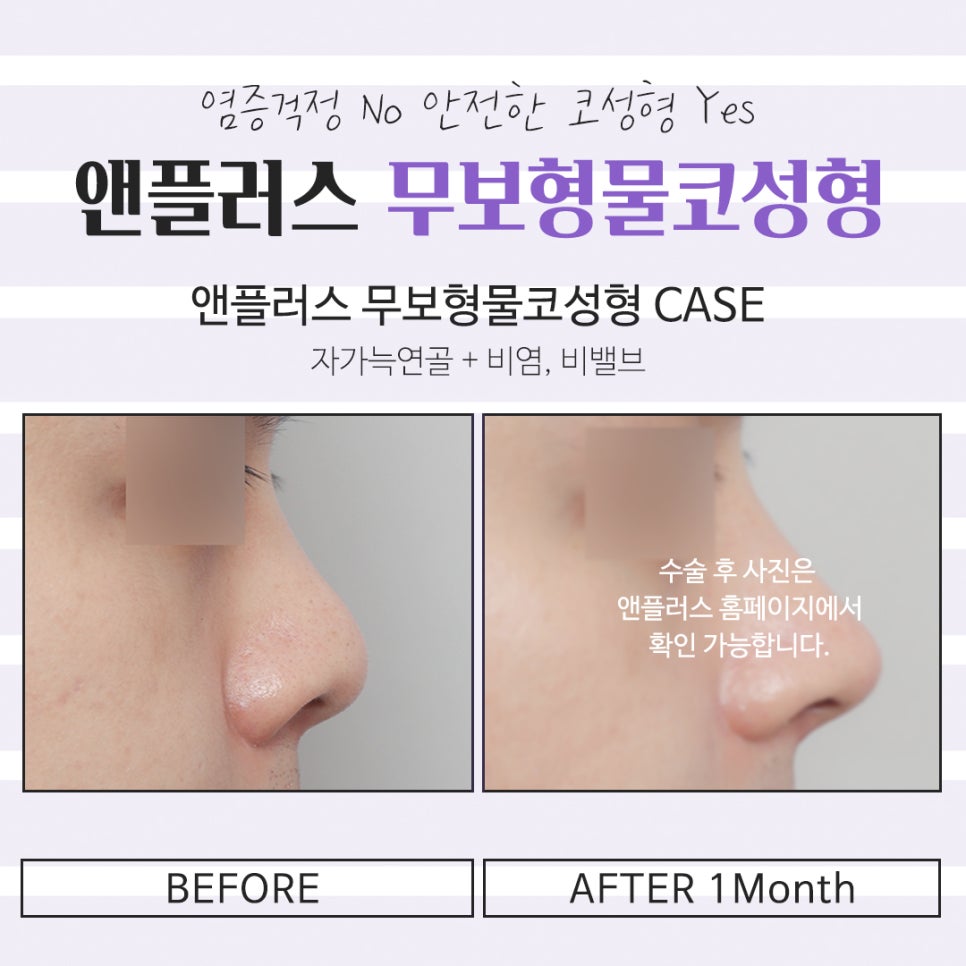
(The image above shows before-and-after photos of OJIKO & Plus non-implant rhinoplasty.)
That concludes the explanation of non-implant rhinoplasty reviews. I hope this article has been helpful for those who are unhappy with the shape of their nose or who are considering rhinoplasty but feel reluctant about implants. Thank you.
https://youtu.be/ATM8id7qV3M