
Our nose is located at the center of the face and is a three-dimensional feature that plays a role in balancing the overall facial features. As the shape of the nose does not meet the standards that people imagine, more and more people are trying to improve it through rhinoplasty.
In general, rhinoplasty improves the bridge of the nose with silicone and the tip of the nose with autologous cartilage. However, for those who do not want to use silicone, want to improve existing concerns, and prefer a more natural shape, it may be helpful to look into reviews of non-implant nose surgery.

Non-implant nose surgery is a procedure that does not use silicone, an implant, for the bridge of the nose, and instead uses autologous cartilage for the tip of the nose. Because it is performed using the patient’s own cartilage, the risk of inflammation is relatively low, making it suitable for people who are sensitive to inflammatory reactions or want to improve to a more natural nose line.
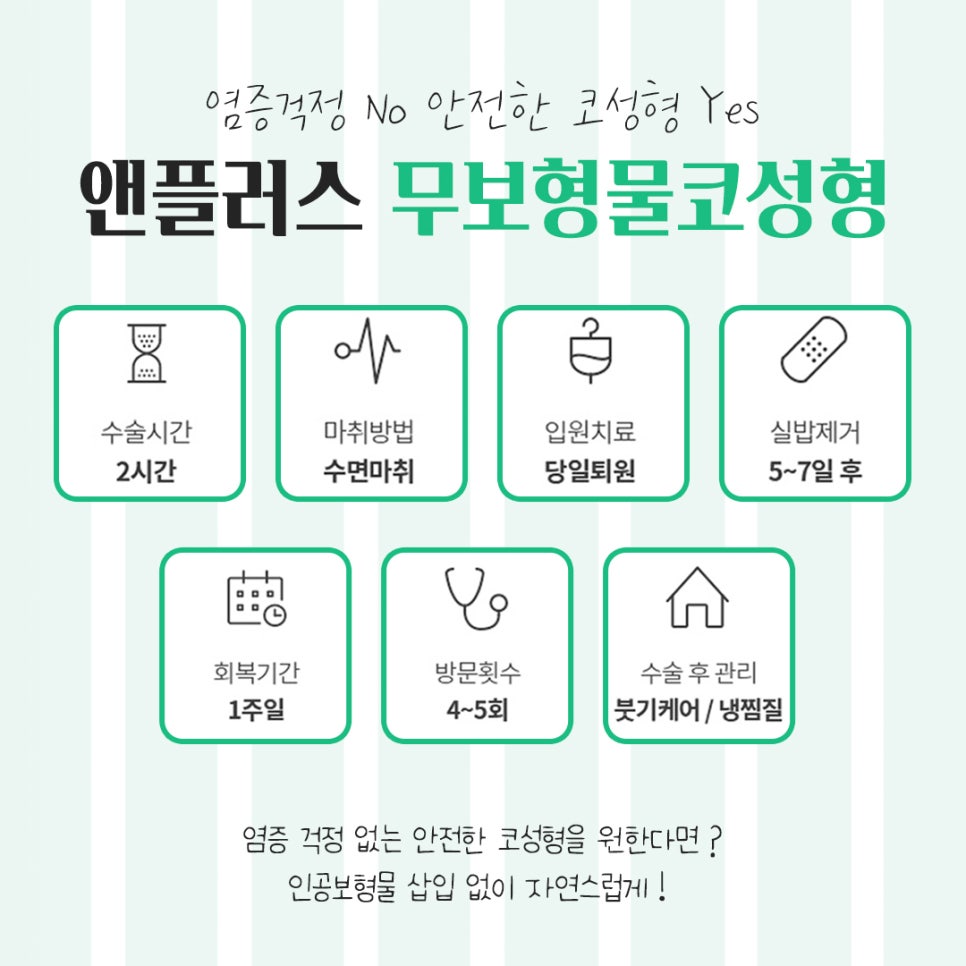
Accordingly, the types of people who may need non-implant nose surgery can be divided in various ways: those with a high bridge but a drooping tip, those with a dorsal hump, those with an upturned tip or upturned nose, those with a pointed or long tip, and those with a drooping tip.

Therefore, before non-implant nose surgery, a preliminary examination is performed to harvest the autologous cartilage that is appropriate for the individual. Autologous cartilage includes septal cartilage, ear cartilage, and autologous rib cartilage. If there is insufficient autologous cartilage or it is unavoidable and difficult to harvest, FDA-approved safe donor rib cartilage from the United States can be used as a substitute.
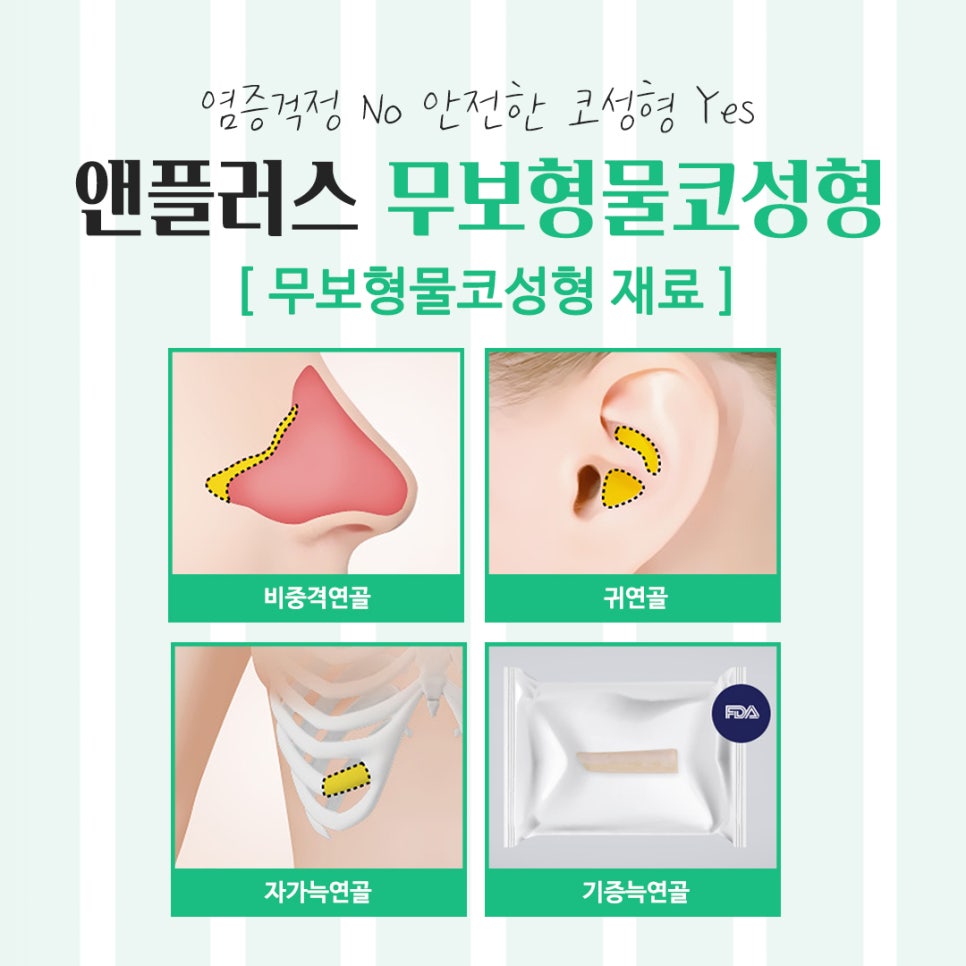
First, septal cartilage is the cartilage that supports the nose and the partition dividing the nostrils into two. Ear cartilage is relatively easier to harvest than other cartilage and refers to the small cartilage inside the ear. In the case of autologous rib cartilage, it is the cartilage located in the ribs, and donor rib cartilage is specially processed so that it can be used as a substitute for autologous cartilage.
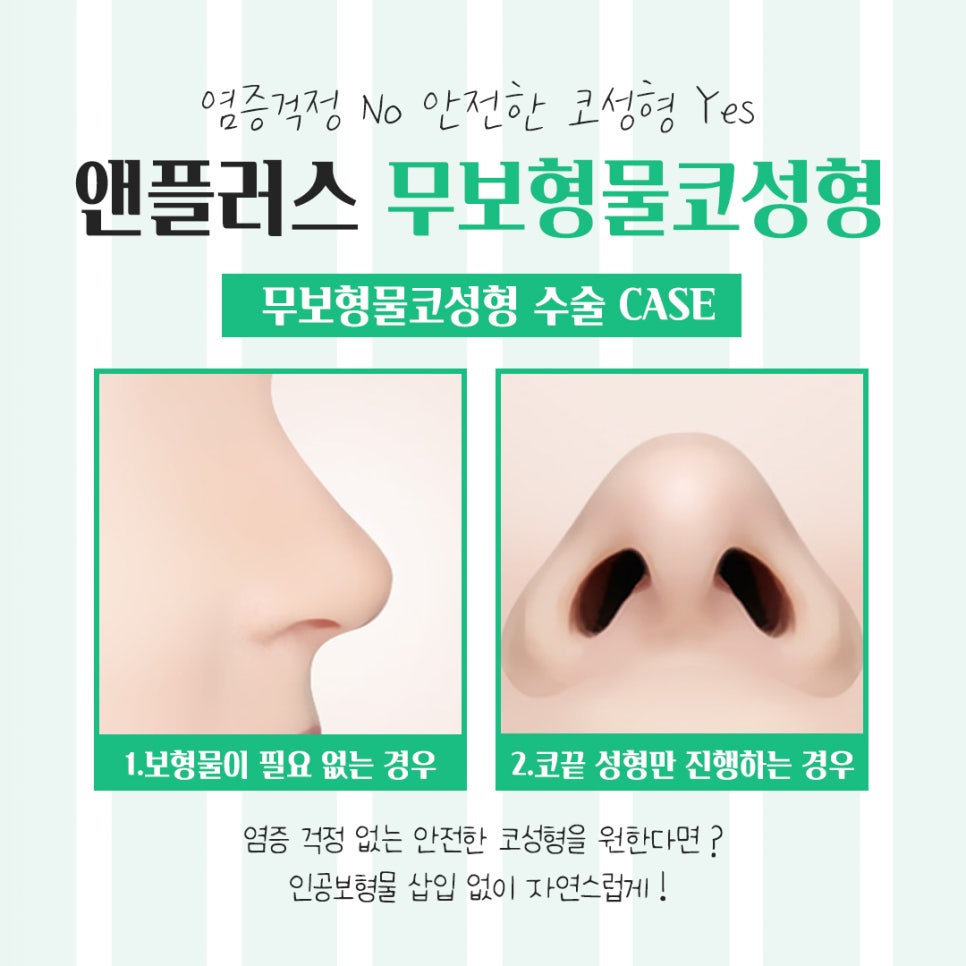
The methods of non-implant nose surgery can be divided into cases where the bridge of the nose is high enough that an implant is not needed and cases where there is no major issue with the bridge and only the tip of the nose is corrected.
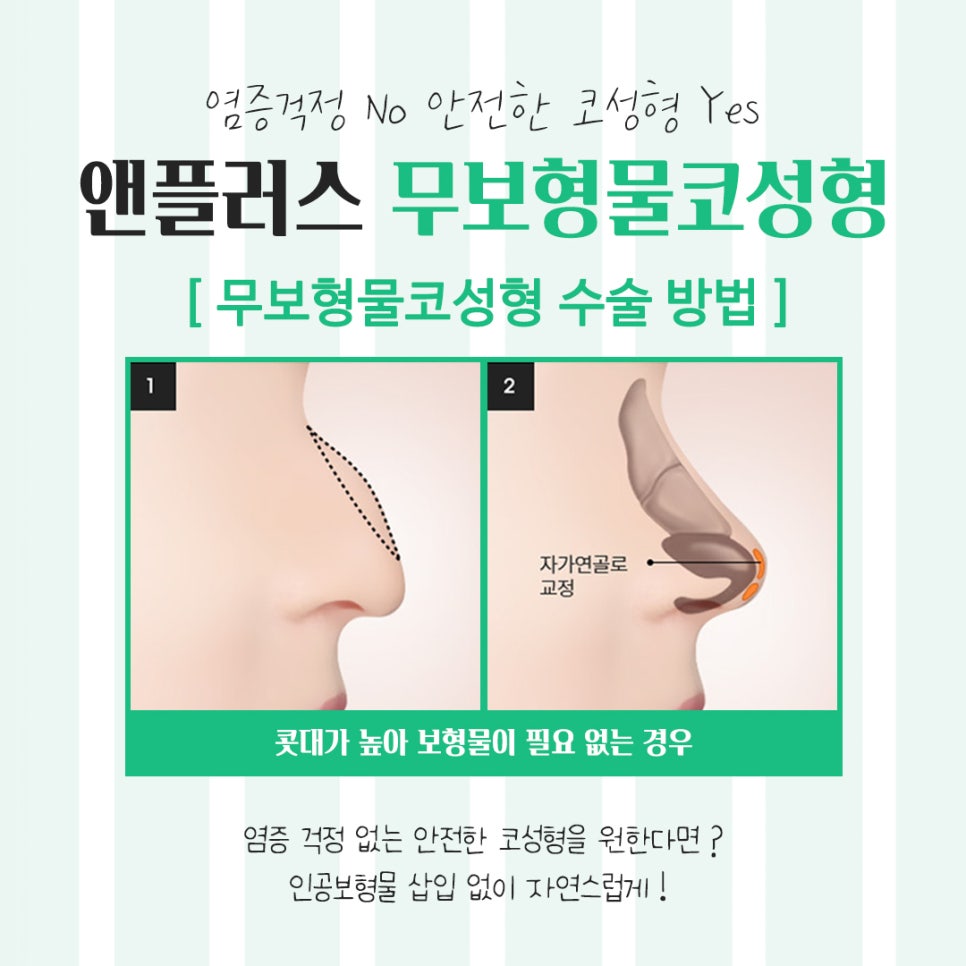
If the bridge of the nose is high enough that an implant is not necessary, and if there is a dorsal hump on the bridge, it can be removed, after which autologous cartilage is inserted into the tip of the nose to correct the overall nasal line.
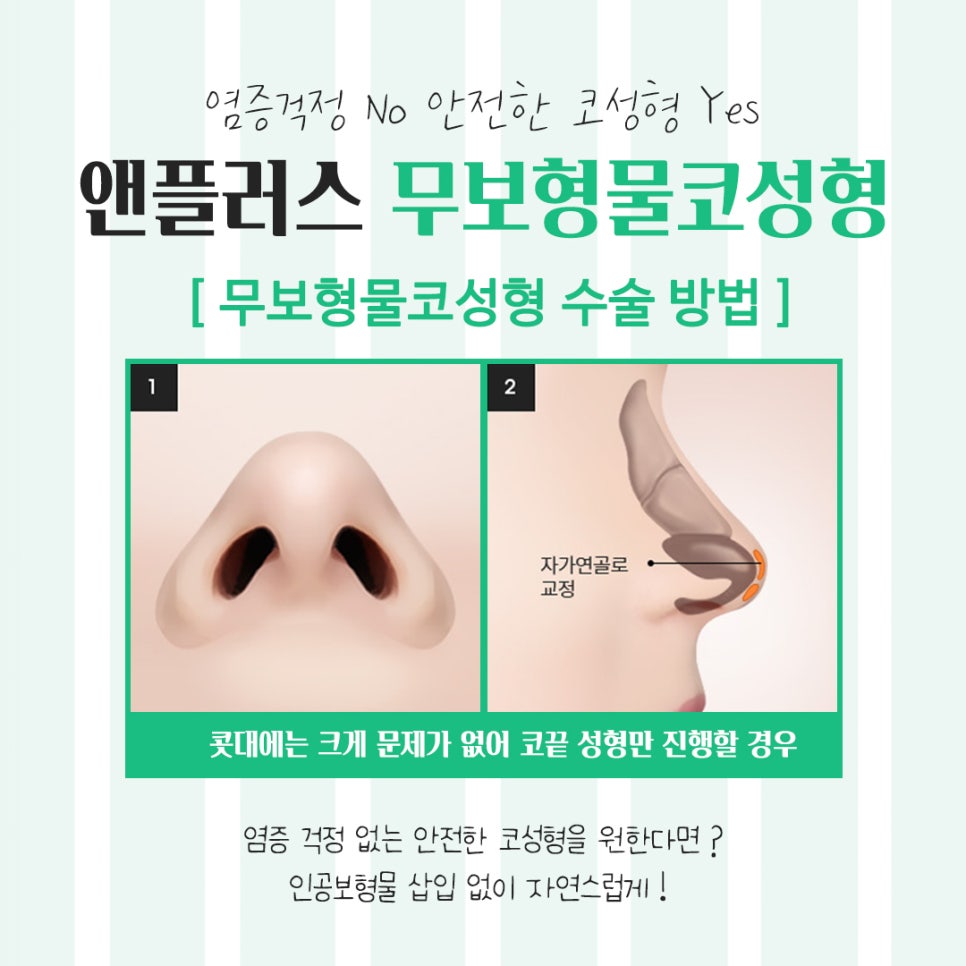
If there is no major issue with the bridge and only tip surgery is performed, autologous cartilage can be inserted into the tip to correct the overall nasal line.
�
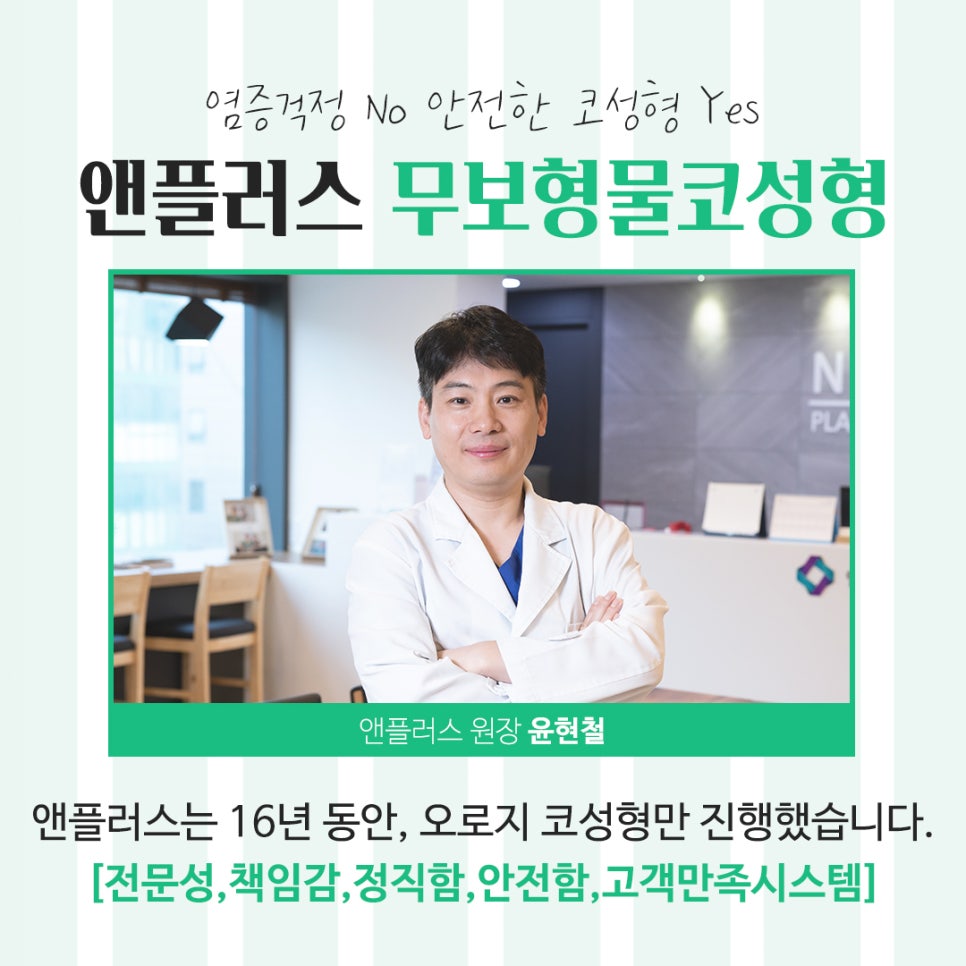
In the case of non-implant nose surgery, it may feel less burdensome than full rhinoplasty. However, because the nose is a functional organ responsible for breathing and smell, rhinoplasty itself is by no means a simple procedure and has a much more complex structure. For those looking into reviews of non-implant nose surgery, it may be helpful to carefully check whether the medical staff have a high level of anatomical knowledge of the nose, whether they have abundant related experience and expertise, whether equipment is available to accurately assess the condition of your nose, and whether aftercare can be reliably guaranteed.
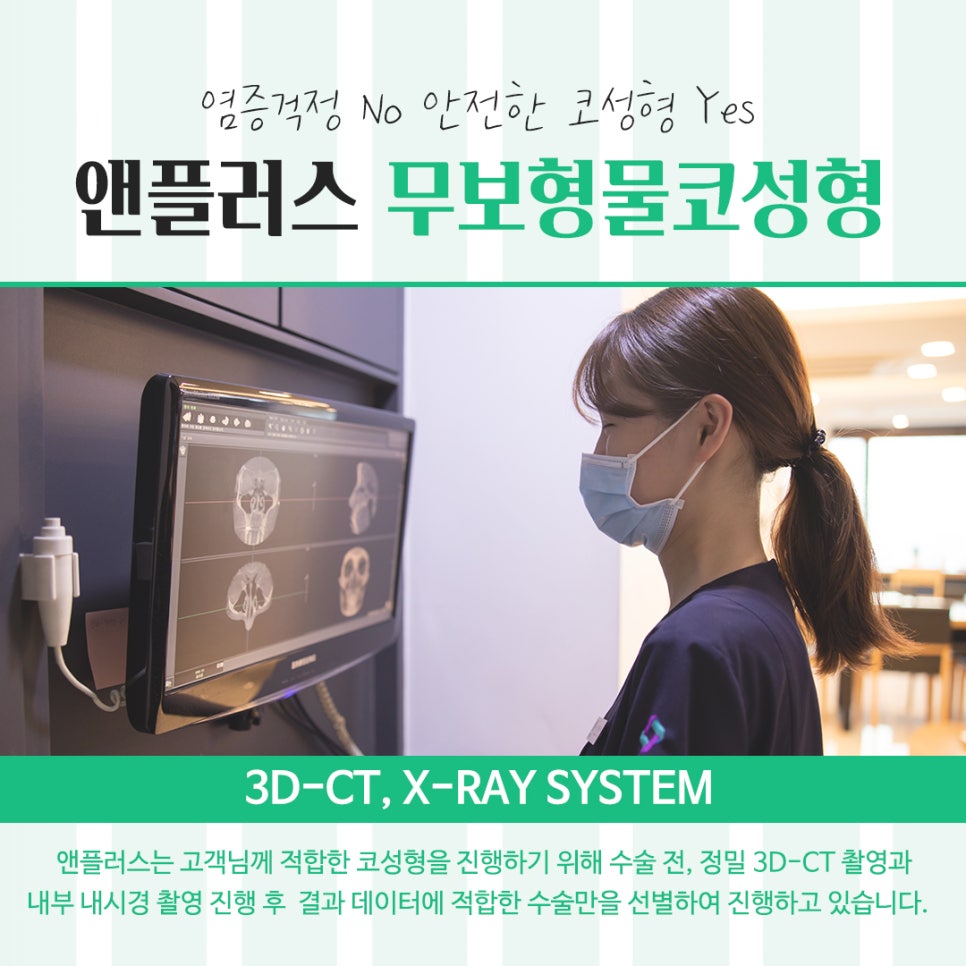
At Ojiko Hospital N+ Plus, in order to perform rhinoplasty suited to each customer, we conduct 3D-CT scans, internal endoscopy, various allergy tests, internal nasal function tests, and multi-angle photography before surgery. Based on the data obtained after accurately identifying the current internal and external issues of each individual’s nose, we establish a surgical plan and proceed with the operation.

At Ojiko Hospital N+ Plus, Director Yoon Hyun-cheol provides one-on-one dedicated care and personally handles every step of the process, from consultation related to rhinoplasty to surgical planning, the procedure itself, treatment, and follow-up visits, so you can visit with peace of mind from before surgery to after.

For post-operative care, an N+ Plus membership card is issued, and an A/S system is provided with a one-year warranty. In addition, a surgical responsibility guarantee system is in place to prepare for any situation that may arise after surgery, such as post-operative pain, inflammation, or dissatisfaction with the shape, so you can fully receive the benefits of aftercare.
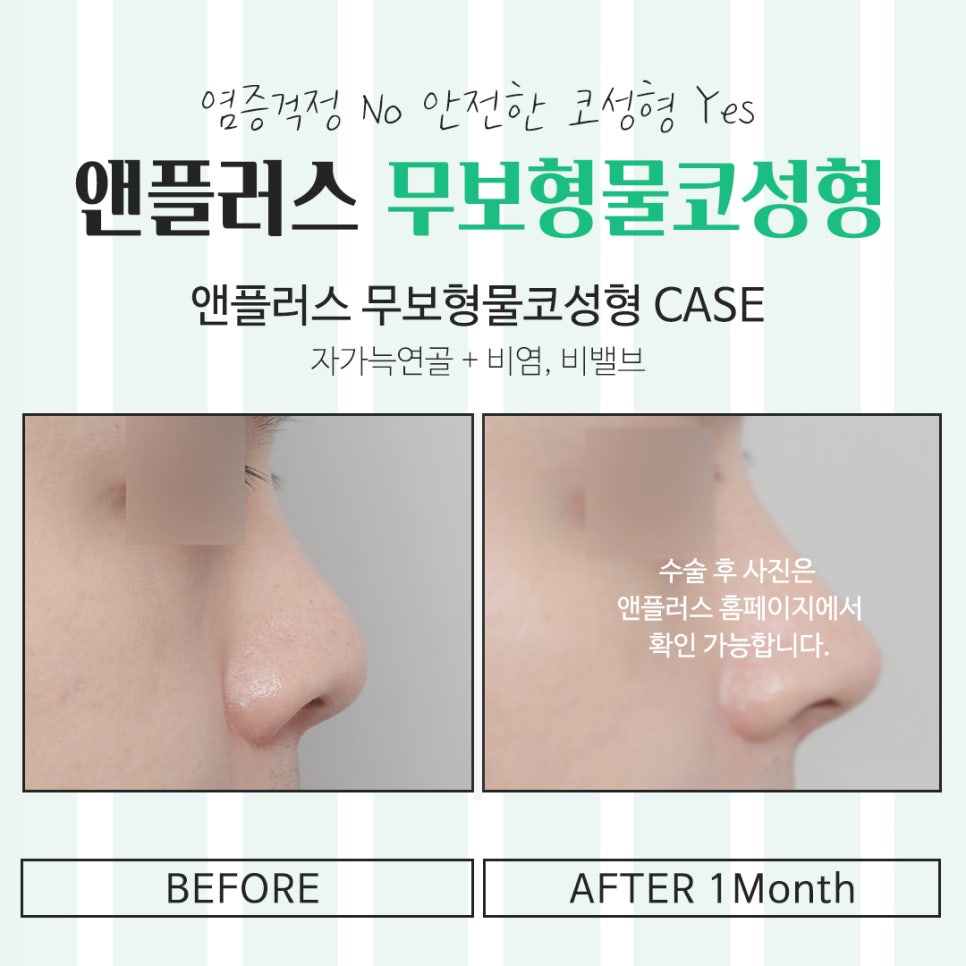
(The image above is before-and-after photos from reviews of non-implant nose surgery at Ojiko Hospital N+ Plus.)
This time, I shared information about reviews of non-implant nose surgery. I hope this article is helpful for those who feel burdened by full rhinoplasty and want to naturally correct the shape of their nose. Thank you.
https://youtu.be/oSpO_v12LoY