
When our facial features are harmonious and balanced, we are perceived as having a favorable image. For that reason, many people may try to change their appearance as a way to look this way or to satisfy personal self-satisfaction. However, one area where change can be difficult despite various attempts is the shape of the nose. Since the nose is located at the center of the face and is a three-dimensional feature, if someone feels that their nose is not straight or well-shaped by their own standards, they can look into a place that specializes in rhinoplasty in more detail.

Therefore, for those looking into a place for rhinoplasty, nose types can be classified as a nose that is too low, too high, has a hump, is crooked, is upturned, is drooping, or has a bulbous shape, and the focus is first placed on external appearance.

However, our nose is a functional organ responsible for breathing and smelling, so the presence of internal nasal problems must also be clearly checked before proceeding. This can help prevent the need for revision surgery due to functional problems after surgery.
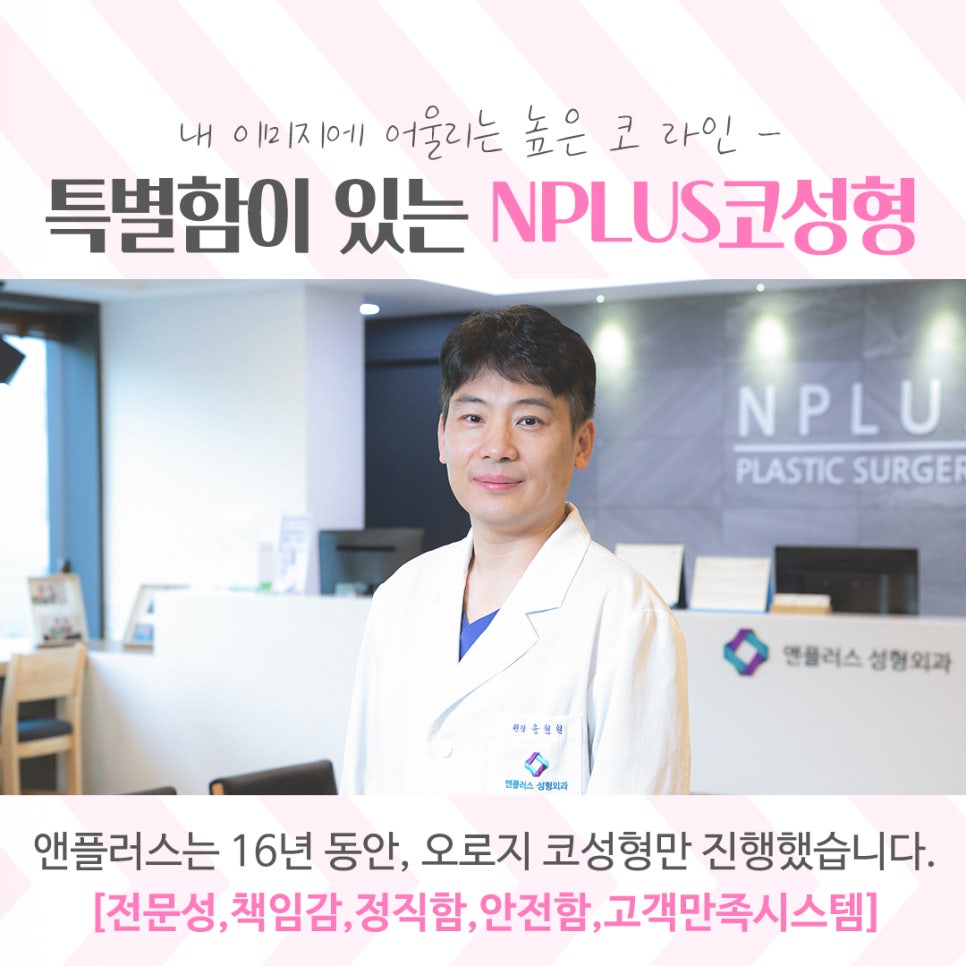
For those looking for information about a place that specializes in rhinoplasty, it may be helpful to carefully check whether the medical staff have a high level of anatomical knowledge of the nose, whether they have sufficient related experience and expertise, whether the necessary equipment to accurately assess the condition of your nose is available, and whether aftercare is clearly guaranteed.

In the case of rhinoplasty, the bridge is usually corrected with silicone and the tip with autologous cartilage. For functional correction, it can improve nasal congestion caused by rhinitis. Rhinitis is divided into allergic rhinitis and structural rhinitis. In the case of allergic rhinitis, a complete cure is not possible, and temporary symptom improvement may be seen through immune enhancement or medication treatment.
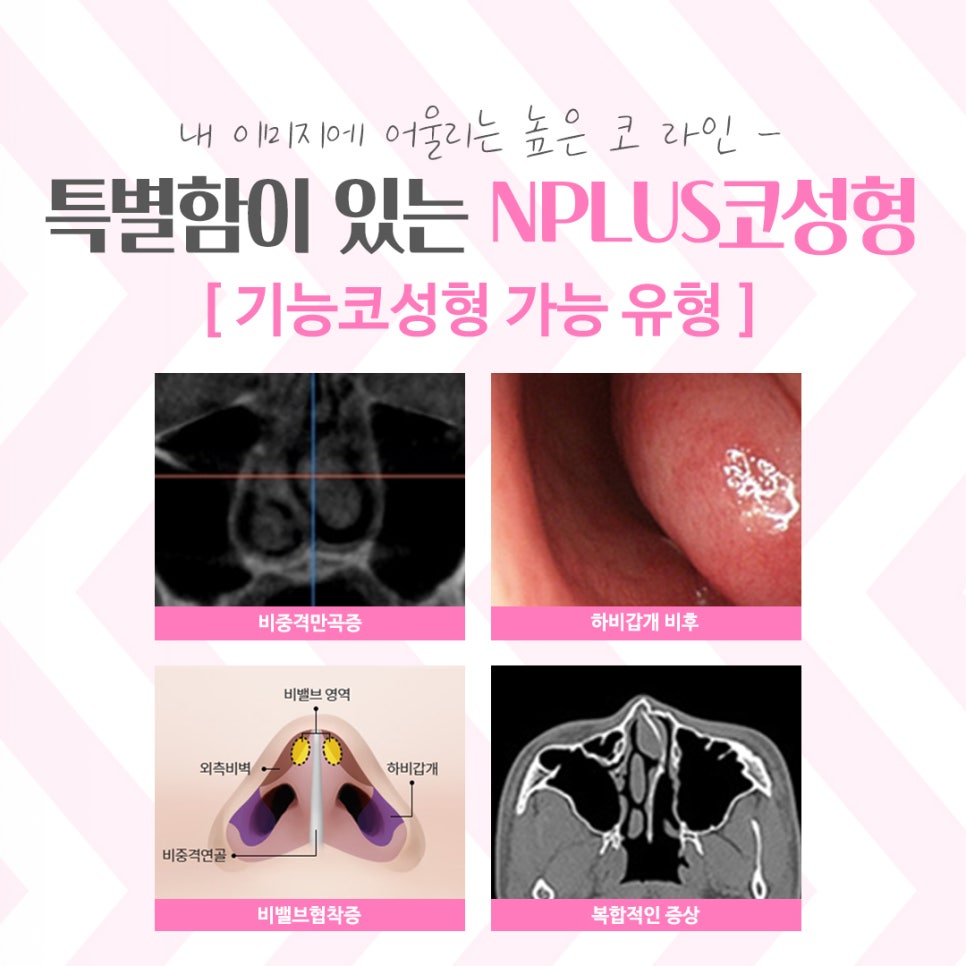
In contrast, structural rhinitis is caused by abnormalities in the internal structure of the nose and can be cured through surgery. It is important to accurately identify the causes, such as deviated septum, hypertrophy of the inferior turbinate, and nasal valve stenosis, and then perform the appropriate surgery accordingly.
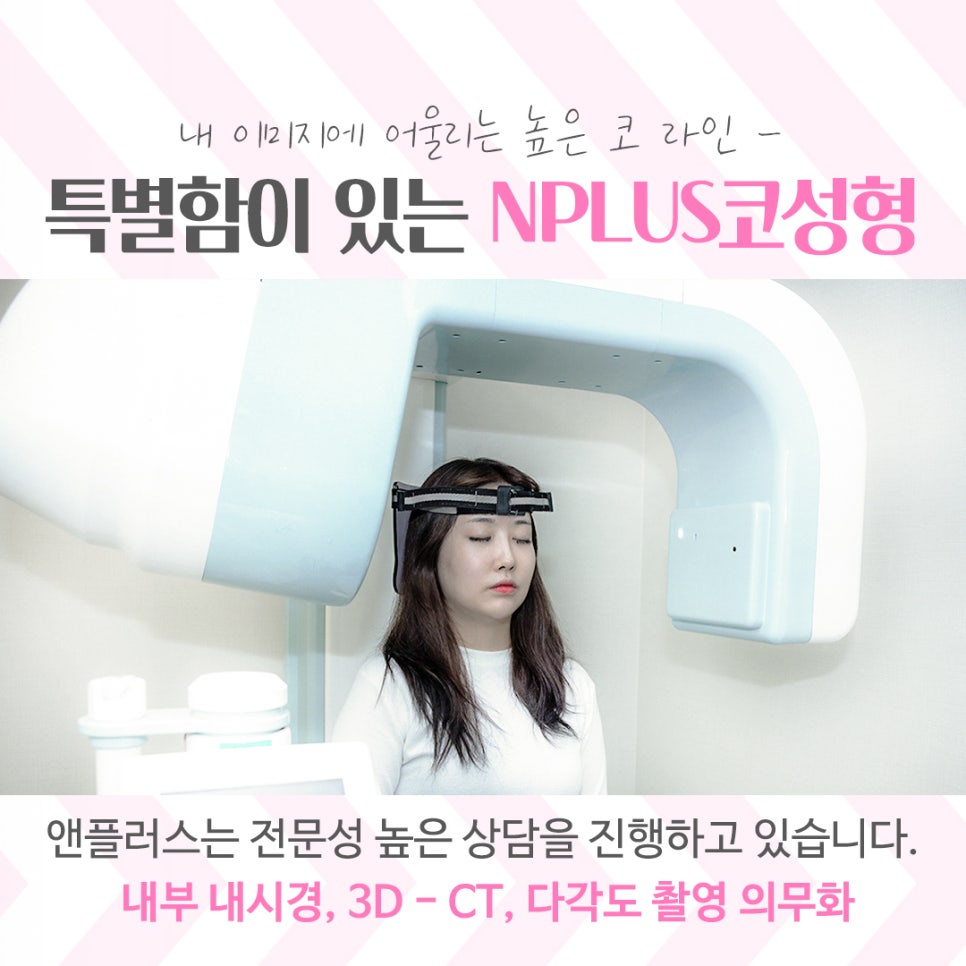
At Anplus Clinic, a place known for rhinoplasty, detailed preoperative multi-angle photography, various allergy tests, internal nasal function tests, and internal endoscopy are used to accurately assess the internal and external condition of each person's nose. Based on the collected data, a surgical plan is established and carried out.
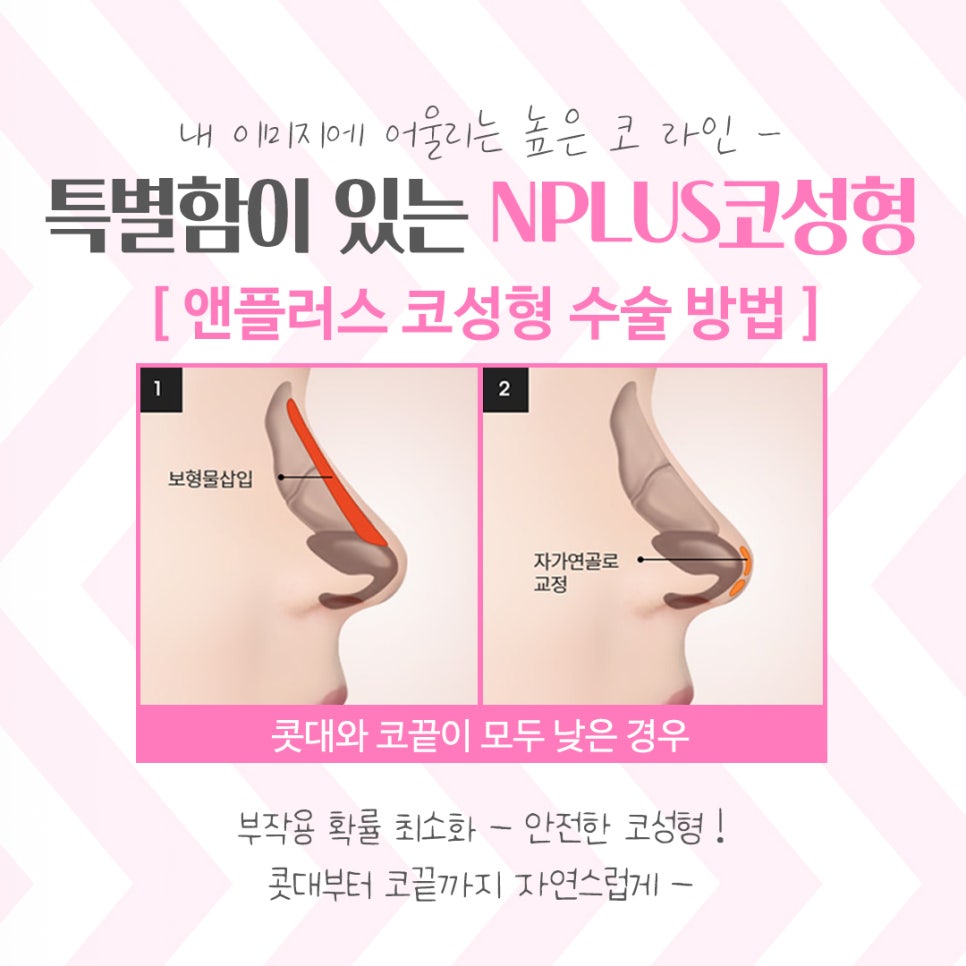
On average, in rhinoplasty, the bridge is corrected into an overall three-dimensional line using an implant, while the tip is corrected with autologous cartilage. If there is also an abnormality in function, functional improvement is performed first, followed by aesthetic rhinoplasty.
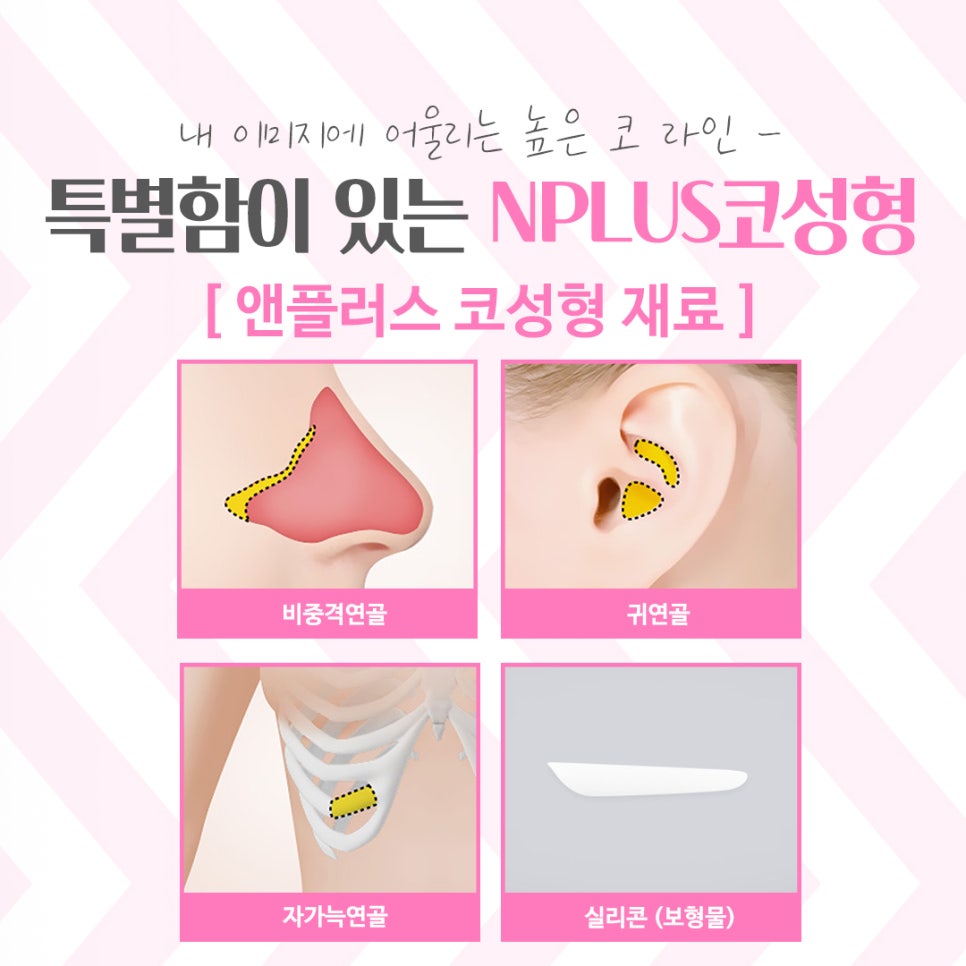
Autologous cartilage is used for the nasal tip. Types of autologous cartilage include septal cartilage, ear cartilage, and rib cartilage, and the most suitable material for the individual can be selected through preoperative testing.
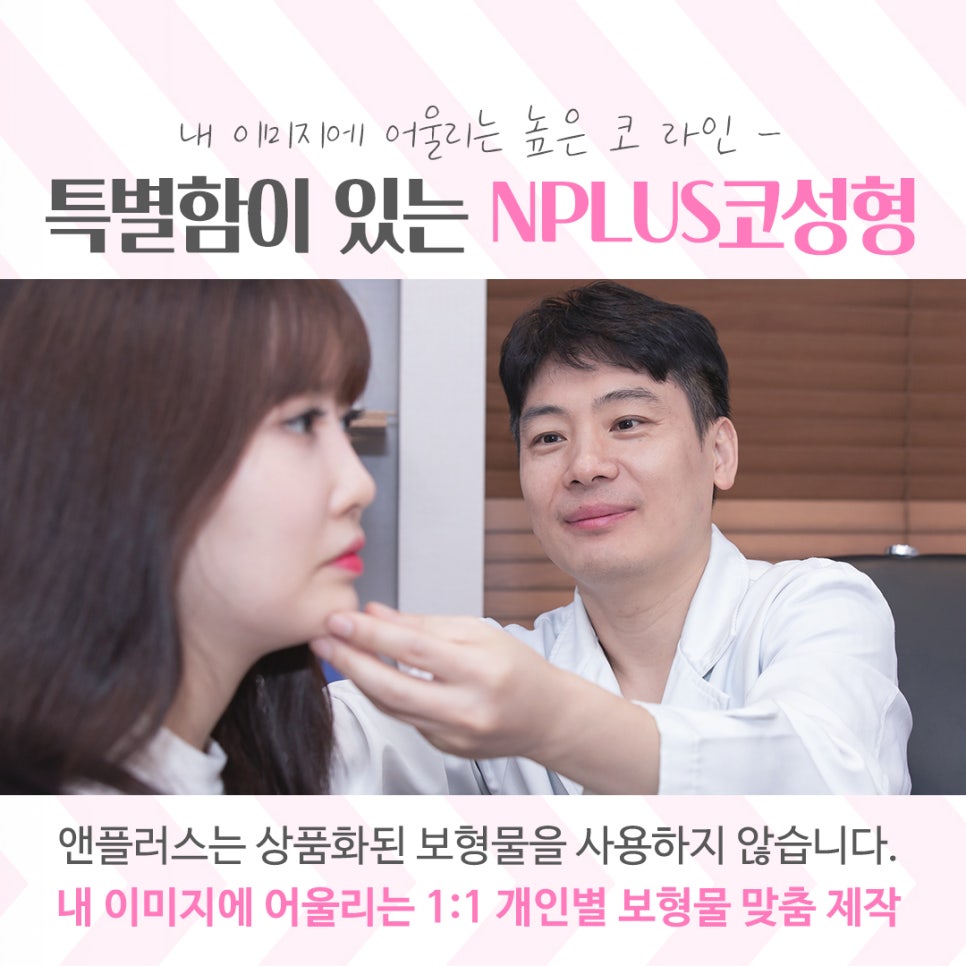
Silicone is used for the bridge. In the case of silicone, commercially available silicone is used as is; rather than creating an artificial line, it is carefully shaped by hand while considering various aspects such as the person's overall image, as well as the width, length, breadth, and height of the nasal bridge. This can lead to higher satisfaction after surgery.

If preoperative testing shows a problem with internal nasal function, surgery is performed with correction of the deviated septum, inferior turbinate hypertrophy, and nasal valve stenosis as the priority, followed by aesthetic rhinoplasty.

At Anplus Clinic, Director Yoon Hyun-cheol personally handles every step one-on-one, from consultations related to nose surgery to setting the surgical plan, performing the surgery, treatment, and follow-up visits. This provides a high level of medical service from before surgery through aftercare.

For aftercare, the clinic offers a one-year warranty after surgery and a surgical responsibility guarantee system that prepares for all possible situations, including postoperative pain, inflammation, and dissatisfaction with the result. This allows patients to receive reliable aftercare after surgery.
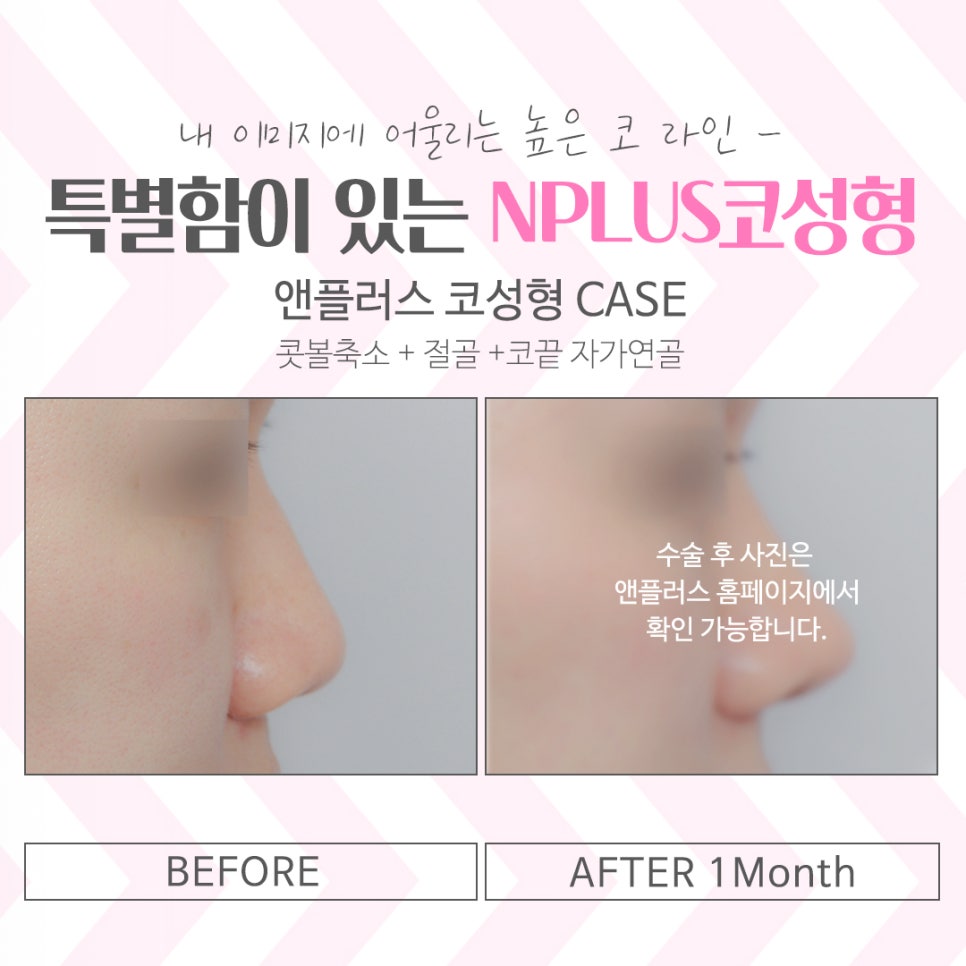
(The image above shows before-and-after rhinoplasty photos from Anplus Clinic, a place known for rhinoplasty.)
That concludes the information about rhinoplasty at Anplus Clinic. I hope this article is helpful for those who are considering rhinoplasty because they are unhappy with the shape of their nose. Thank you.
https://youtu.be/PrtUDgrGraY