
When judging first impressions, appearance should not come first, but because humans have developed visual senses, we instinctively make judgments based on appearance. For this reason, many people try various things to satisfy themselves or to create a favorable image for others. Even so, interest in cosmetic surgery is increasing among those who want to improve areas that are difficult to change through surgery.

However, indiscriminate plastic surgery can cause side effects, so it is important to make a careful decision. Our facial features consist of the eyes, nose, mouth, face shape, facial proportions, and more. Among them, the nose is located at the center of the face and is the most three-dimensional feature, so even a small change to the shape of the nose can have a significant effect on improving appearance, which makes it one of the more popular cosmetic procedures.

Therefore, people looking into nose surgery may be considering improvements when the nose is not generally straight and well-shaped—for example, when it is too low and lacks definition, bent, drooping, upturned, or has a bulbous shape. In particular, when there is a hump on the nose or the nose is drooping, the overall impression may seem stronger and sharper because of the nose shape. Those who want to create a softer image may look into hump nose surgery reviews in more detail.
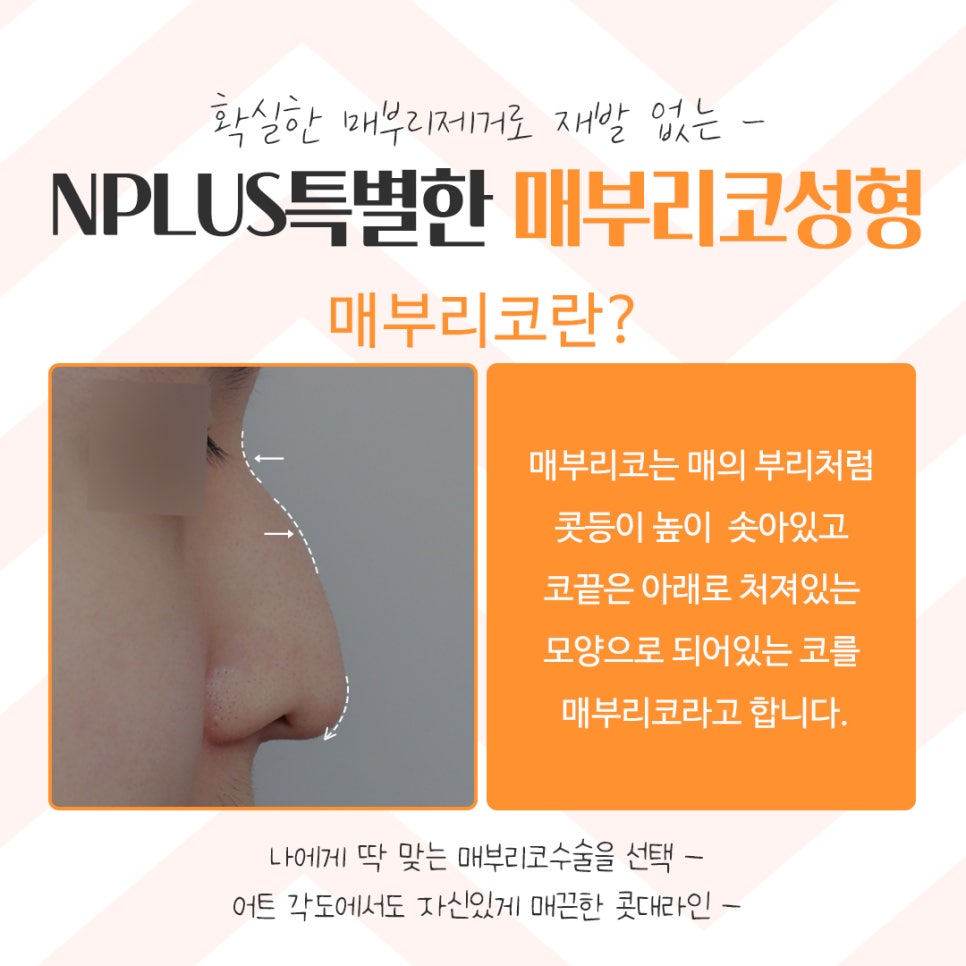
A hump nose refers to a nose with a drooping tip like a hawk’s beak, a bent nasal bridge, or an uneven bridge. It can be divided into congenital cases caused by genetics and acquired cases caused by trauma. People looking into hump nose surgery can accurately identify the cause of the hump first and then correct it through surgery suited to that cause, since many cases are relatively due to trauma.

Accordingly, the characteristics of the noses of people looking into hump nose surgery reviews can be classified as a drooping or upturned tip, a bent nasal bridge, a wide nasal bridge bone, an aquiline nose, a mild or severe hump, or an excessively high nasal bridge. In the case of a hump nose, the surgical method and materials differ depending on the type and the individual’s condition, so it may be helpful to make a choice after an accurate diagnosis.

Also, in many hump nose cases the issue is clearly visible to the naked eye, but it is difficult to assess the internal condition. For that reason, it is helpful to choose a clinic that checks the inside as well using equipment before performing surgery. If surgery is performed based only on what is visible externally without checking the internal condition, postoperative functional issues or recurrence of the hump can occur. Therefore, it is best to choose a place that thoroughly checks everything before proceeding.
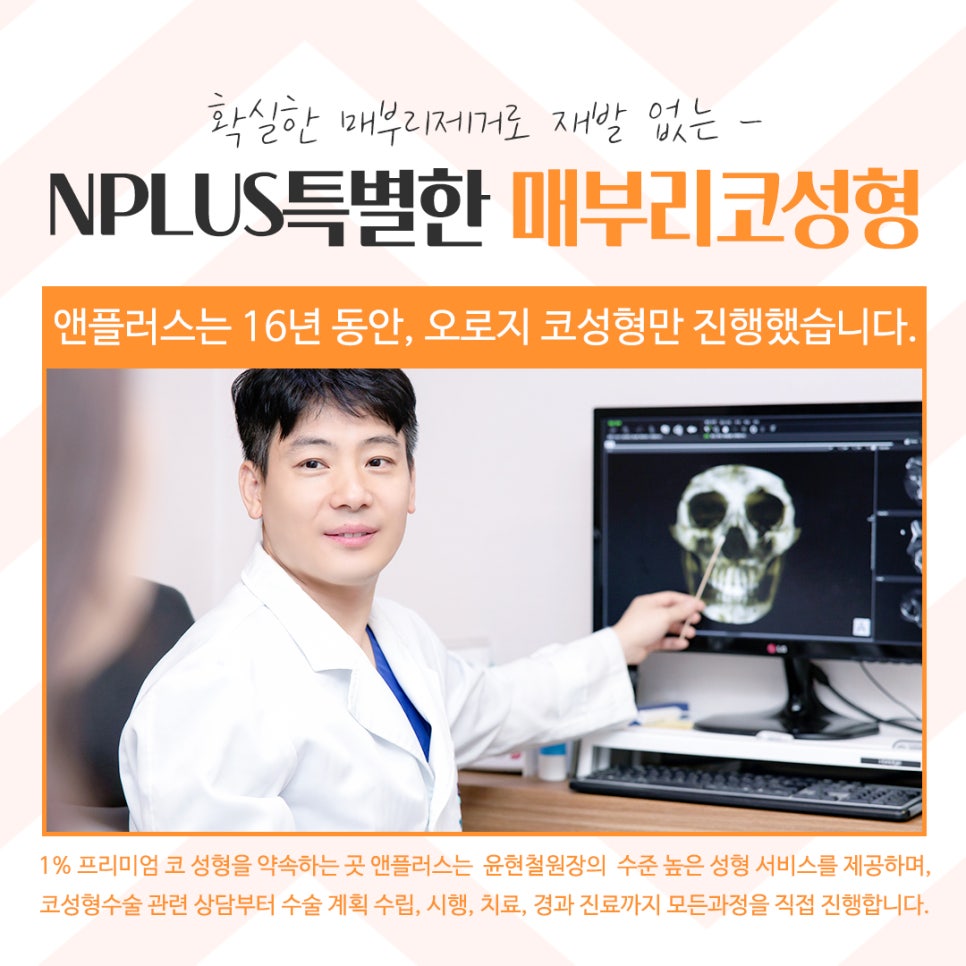
In the case of a hump nose, the nose is important not only in appearance but also as a functional organ responsible for breathing and smell. So for those looking into hump nose surgery reviews, it would be helpful to choose after carefully checking whether the medical staff have a high level of anatomical knowledge of the nose, whether they have abundant related experience and expertise, whether equipment is available to accurately assess the condition of your nose, and whether aftercare can be reliably guaranteed.
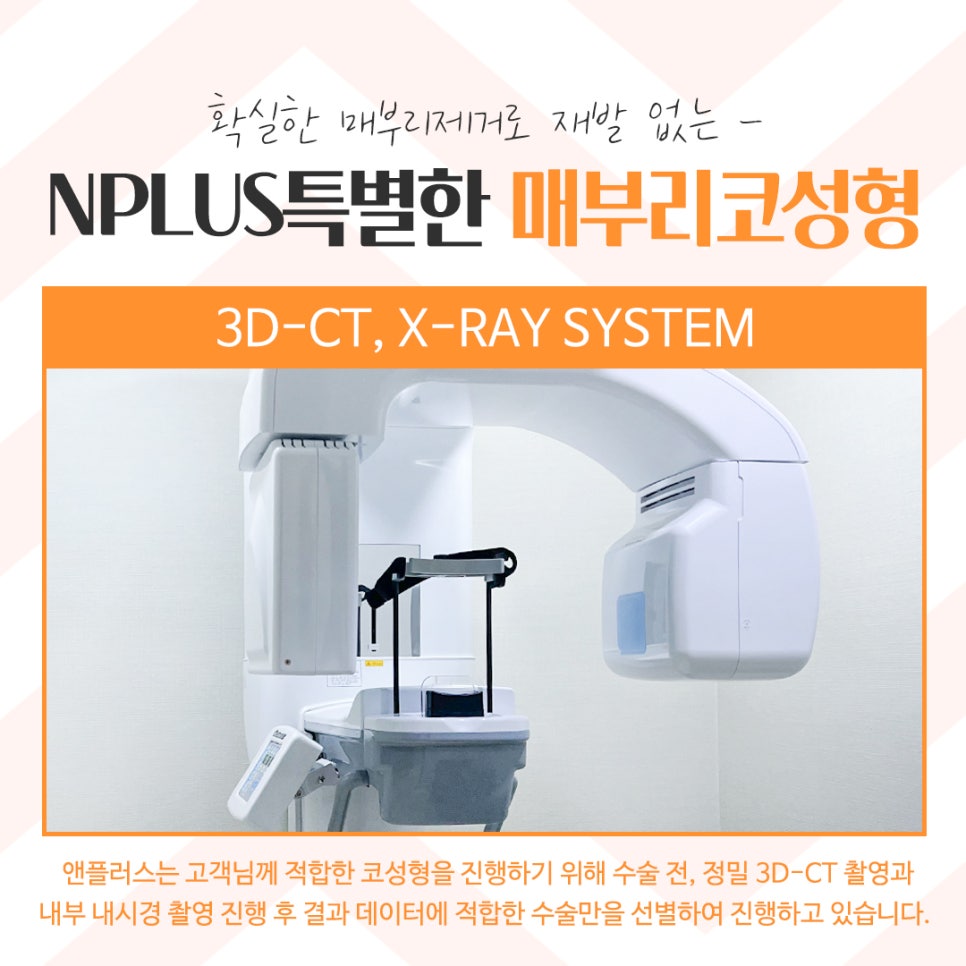
At Oji Nose & Plus, before surgery, internal endoscopic imaging, multi-angle photography, various allergy tests, nasal internal function tests, and 3D-CT imaging are used to accurately understand the individual’s current condition. Based on the extracted data, a surgical plan is established and carried out. The surgical methods are divided according to cases such as a hump with a high nasal bridge line, a hump with a low nasal bridge line, and a very mild hump.
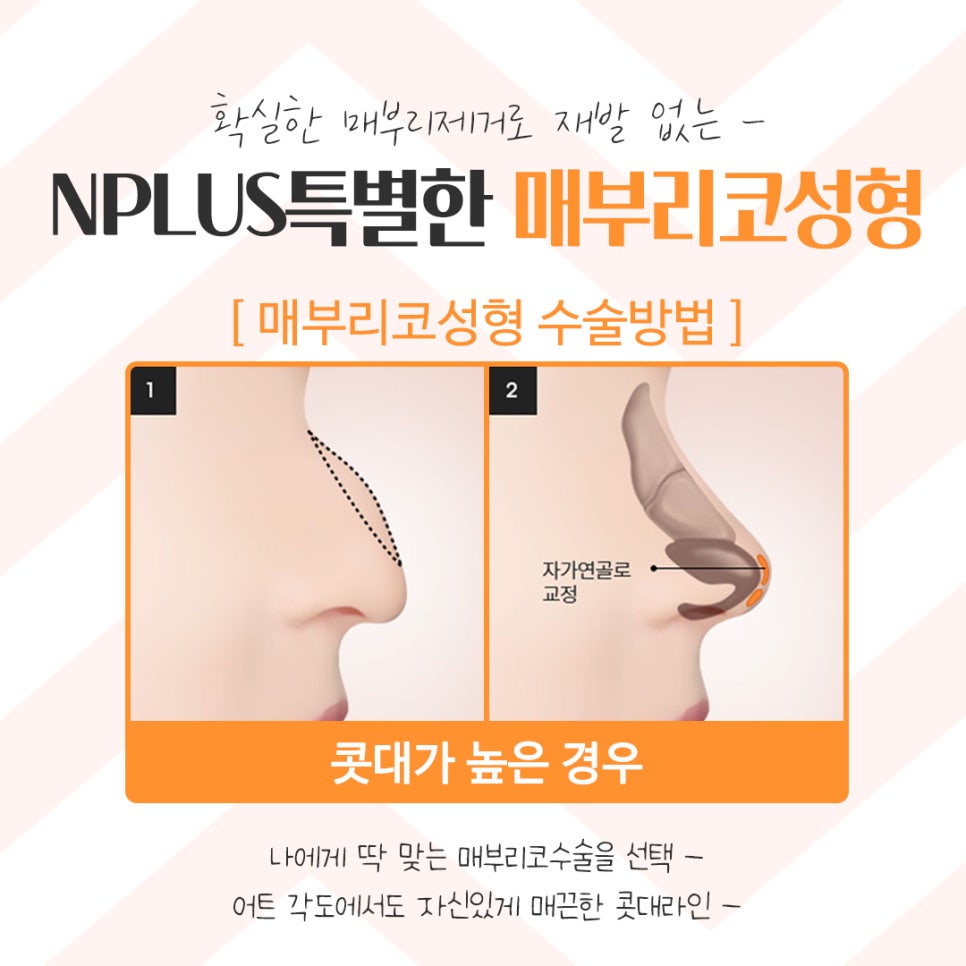
In the case of a hump with a high nasal bridge line, the overall line can be refined by removing the hump on the bridge or through osteotomy, and the overall nose line can be corrected using autologous cartilage at the tip without using silicone on the bridge.
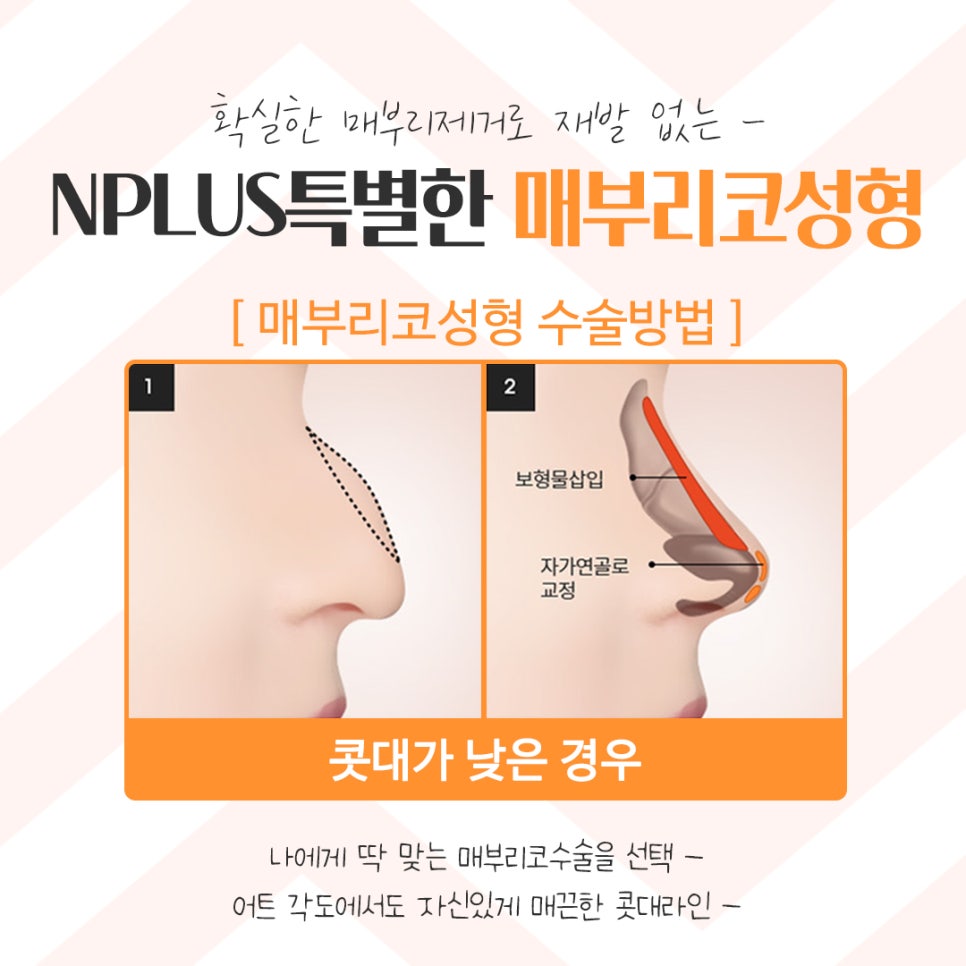
In the case of a hump nose with a low nasal bridge, the overall nose line can be corrected by removing the hump on the bridge or through osteotomy, and then the overall nose line can be corrected using silicone on the bridge and autologous cartilage at the tip.
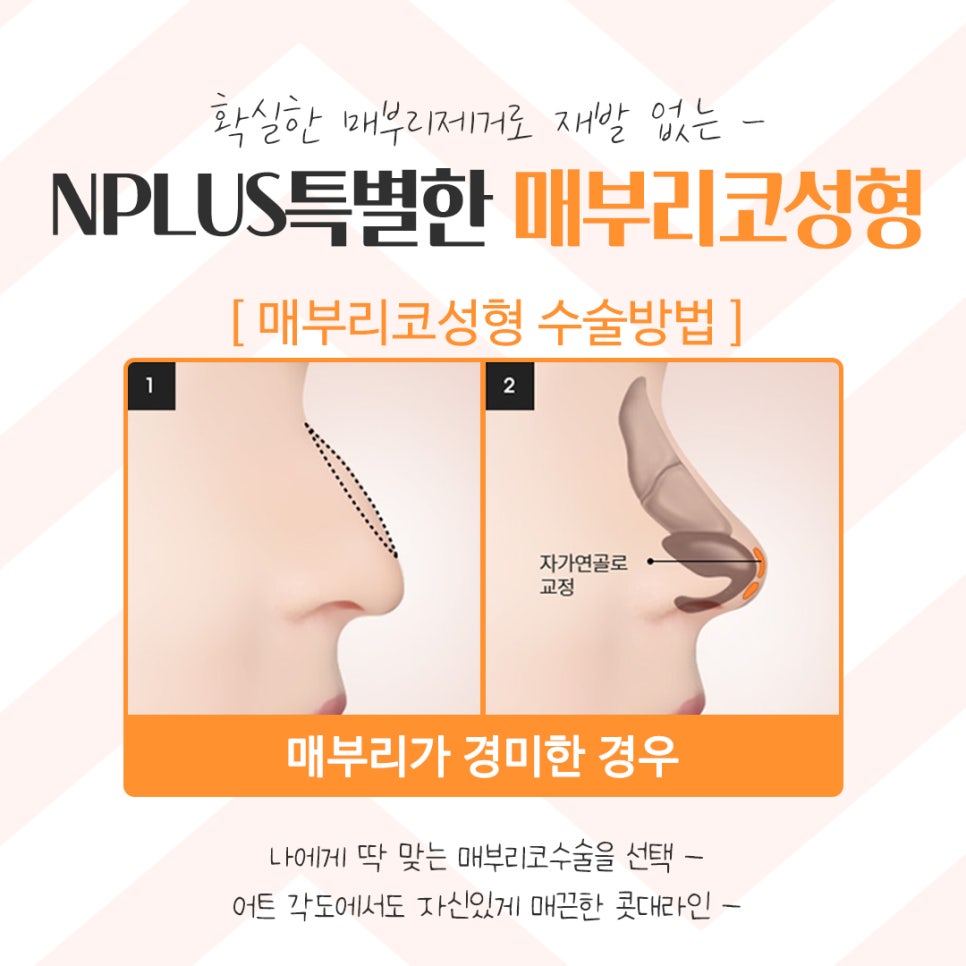
If the hump is mild, the hump on the bridge can be removed or osteotomy can be selected, and then the overall nose line can be corrected using autologous cartilage.
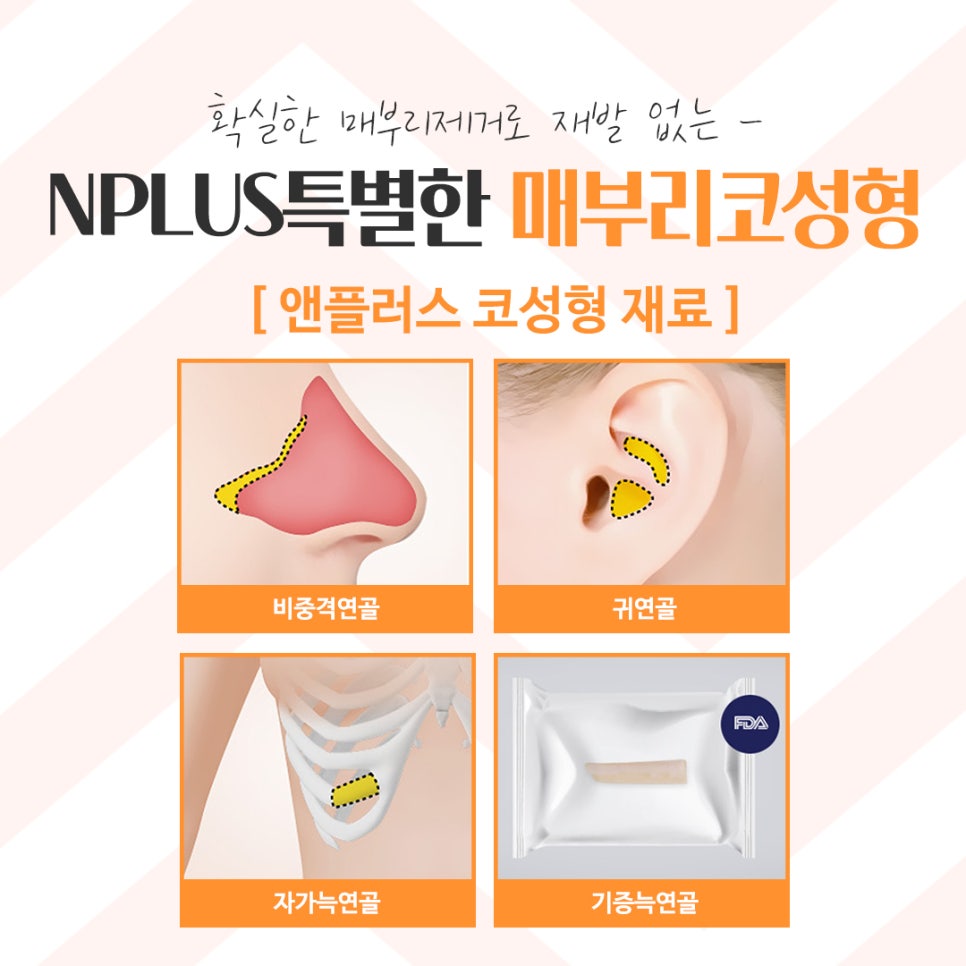
I mentioned autologous cartilage as the material used for the tip in hump nose surgery. In the case of autologous cartilage, it can be selected based on preoperative testing to suit the individual, and it includes septal cartilage, ear cartilage, and autologous rib cartilage. If the use of autologous cartilage is difficult, it can be replaced with donated rib cartilage approved by the U.S. FDA.

For silicone, the implant used for the nasal bridge, the existing commercial silicone is not used as is. Instead, it is carefully shaped by hand while considering various aspects such as the individual’s overall image and the width, length, breadth, and height of the nasal bridge, which can lead to a more satisfying hump nose surgery review.

At Oji Nose & Plus, Director Yoon Hyun-cheol personally handles one-on-one care, directly managing the entire process from consultations related to nose surgery to surgical planning, execution, treatment, and follow-up visits, so you can feel reassured from before surgery to after.

Lastly, for aftercare, an AN+ membership card is issued, and in addition to a free A/S system that guarantees one year after surgery, a surgical responsibility guarantee system is in place in preparation for any situations that may arise after surgery, such as pain, inflammation, or dissatisfaction with the result. This allows you to receive clear aftercare benefits as well.
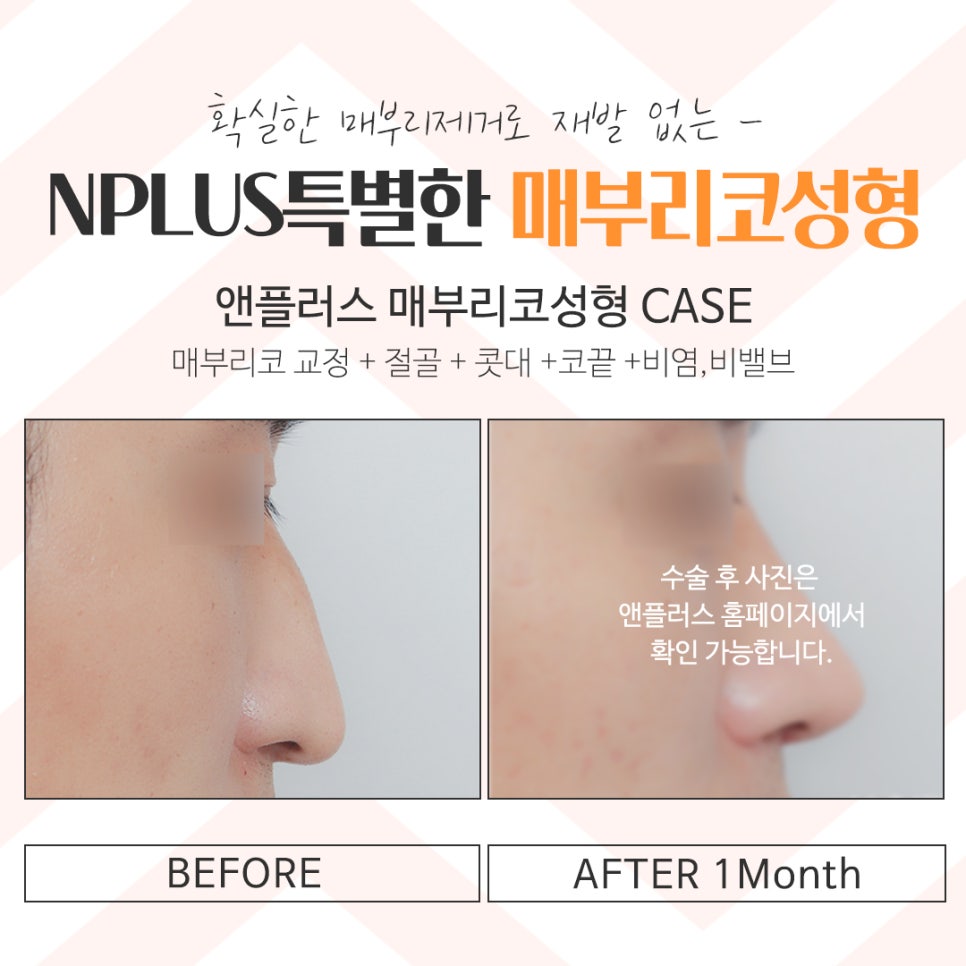
So far, I have explained the hump nose surgery review at Oji Nose & Plus. I hope this article is very helpful for those who are considering nose surgery because they have a hump on the nasal bridge or a drooping nose tip. Thank you.
https://youtu.be/71tKRHM1aeE