
In the past, people believed that a bulbous nose meant good fortune and preferred this nose shape. However, as modern standards of appearance have changed, noses that are large, wide, and spread out can make a person look dull or throw off the balance of the face. As a result, more people are becoming curious about post-operative reviews of bulbous nose surgery to improve this appearance.
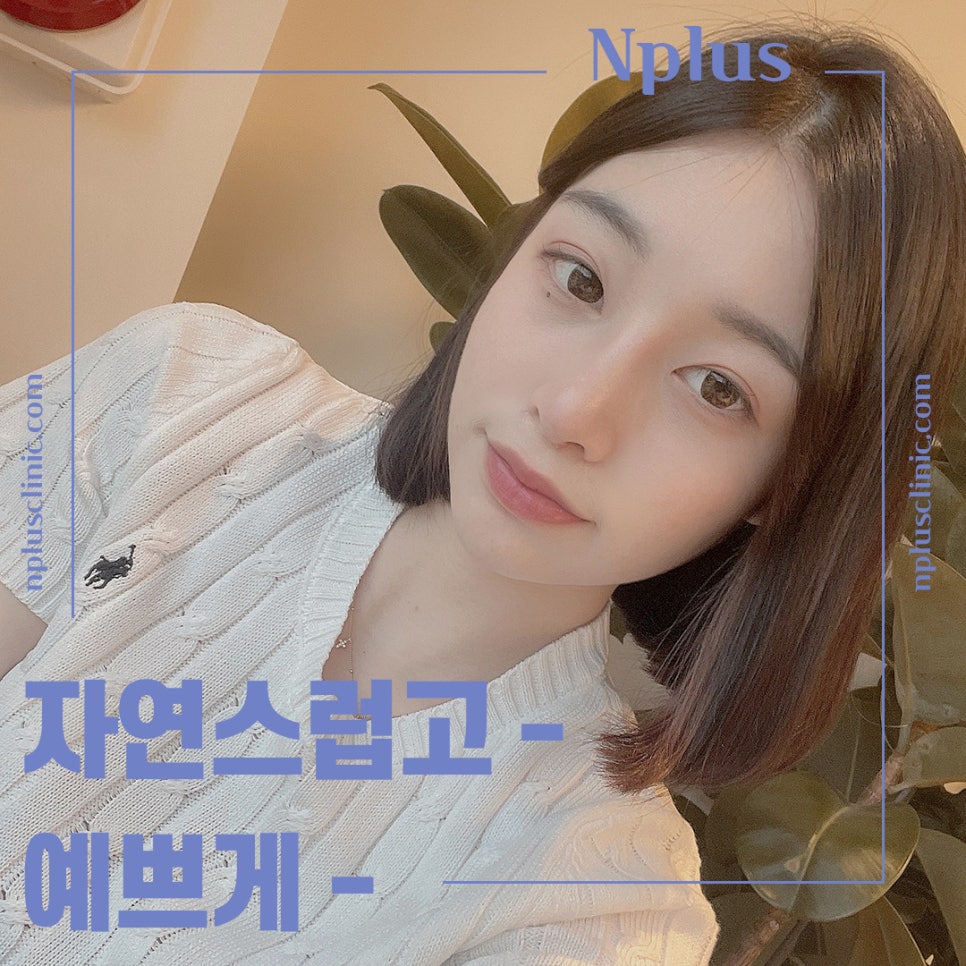
The shape of the nose differs from person to person, but because it is centrally located among our facial features and is a three-dimensional part of the face, the overall image is influenced by its shape. It can stand out even more and become a source of stress in daily life. For those who want to improve their appearance naturally through bulbous nose surgery, you can learn more about post-operative reviews.

Bulbous nose surgery refers to surgery for a nose tip that is blunt and spread out. In the past, it was a term used to describe a nose with a good meaning because it was believed to bring good fortune, but as aesthetic standards have changed in modern times, this blunt and spread-out nose shape has become a complex, and the surgery aims to make it slimmer and more refined.
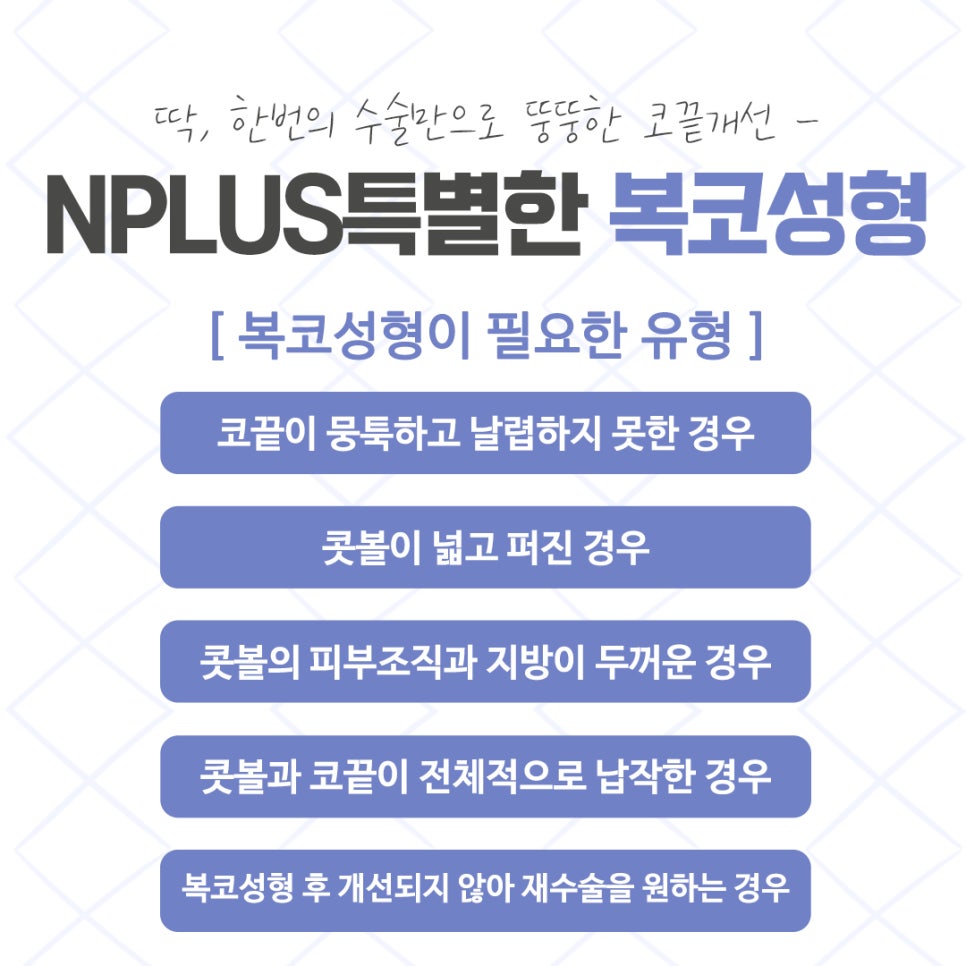
Therefore, the types of noses among those looking into post-operative reviews of bulbous nose surgery can be classified as follows: a blunt nose tip, wide and spread-out nostrils, thick nostril skin tissue and fat, a generally flat nostril and nose-tip area, and cases where revision surgery is desired because the condition did not improve even after previous bulbous nose surgery.
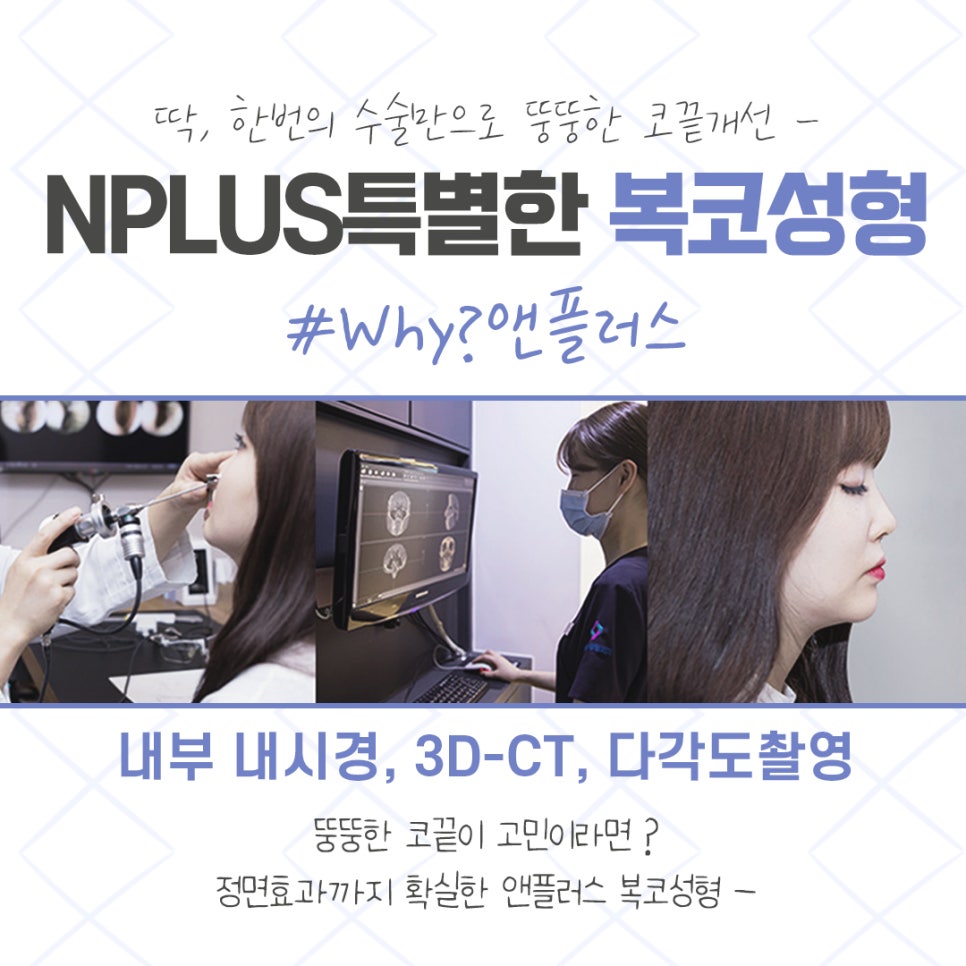
As shown above, if you look at post-operative reviews of bulbous nose surgery, you can see that the cases are divided into various types, and in many cases the focus is usually on appearance. However, the nose is not only an external feature but also a functional organ responsible for breathing and smelling, so it is important to check whether there are any internal functional issues before proceeding. If surgery is carried out with a focus only on cosmetic aspects while excluding these functional considerations, postoperative functional problems may lead to revision surgery. Therefore, it may be helpful to choose a clinic where internal function can also be evaluated.
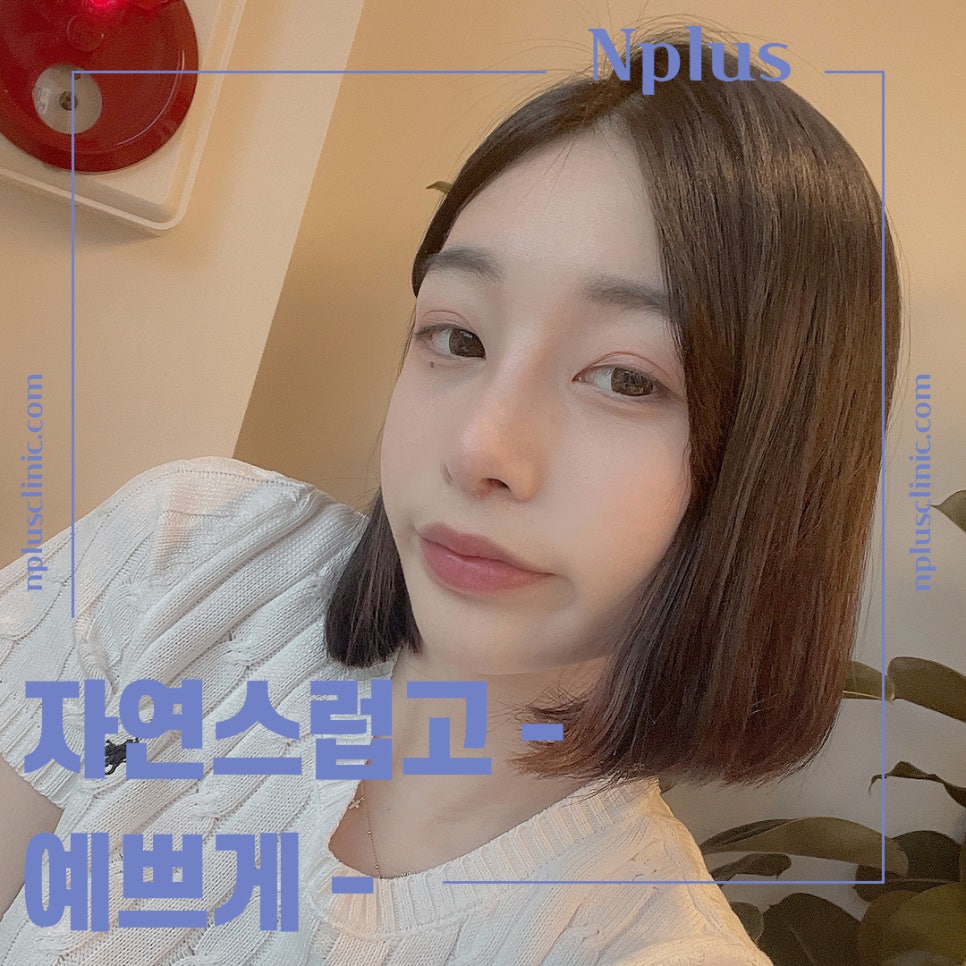
At OJIKO Hospital & N Plus Clinic, bulbous nose surgery is broadly divided into four methods and performed accordingly: cases with a large amount of subcutaneous fat at the nose tip, cases where the nose-tip cartilage is separated, cases with wide nostrils, and cases where the nose-tip cartilage itself is large. If there is an internal functional problem with the nose, functional improvement is performed first, followed by cosmetic rhinoplasty.
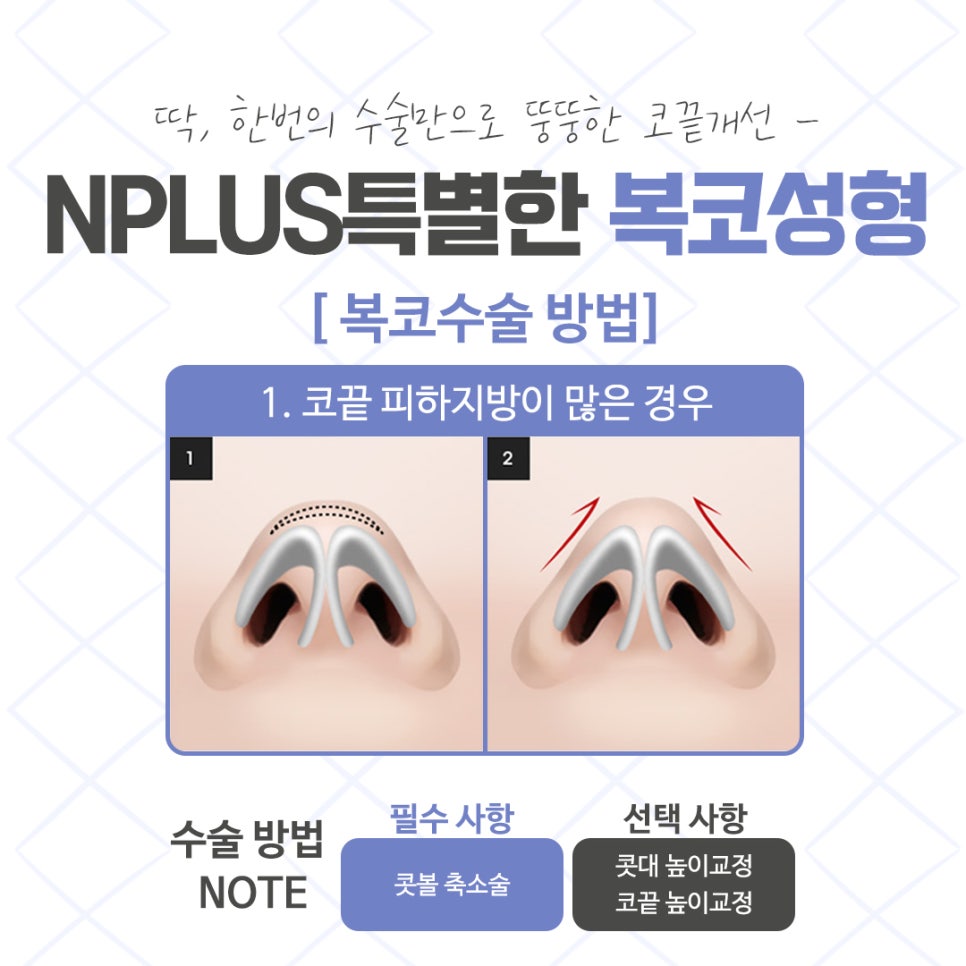
In cases with a large amount of subcutaneous fat at the nose tip, unnecessary fat and soft tissue at the tip are removed. If necessary, the bridge can be corrected with silicone and the tip with autologous cartilage to refine the overall nasal line.
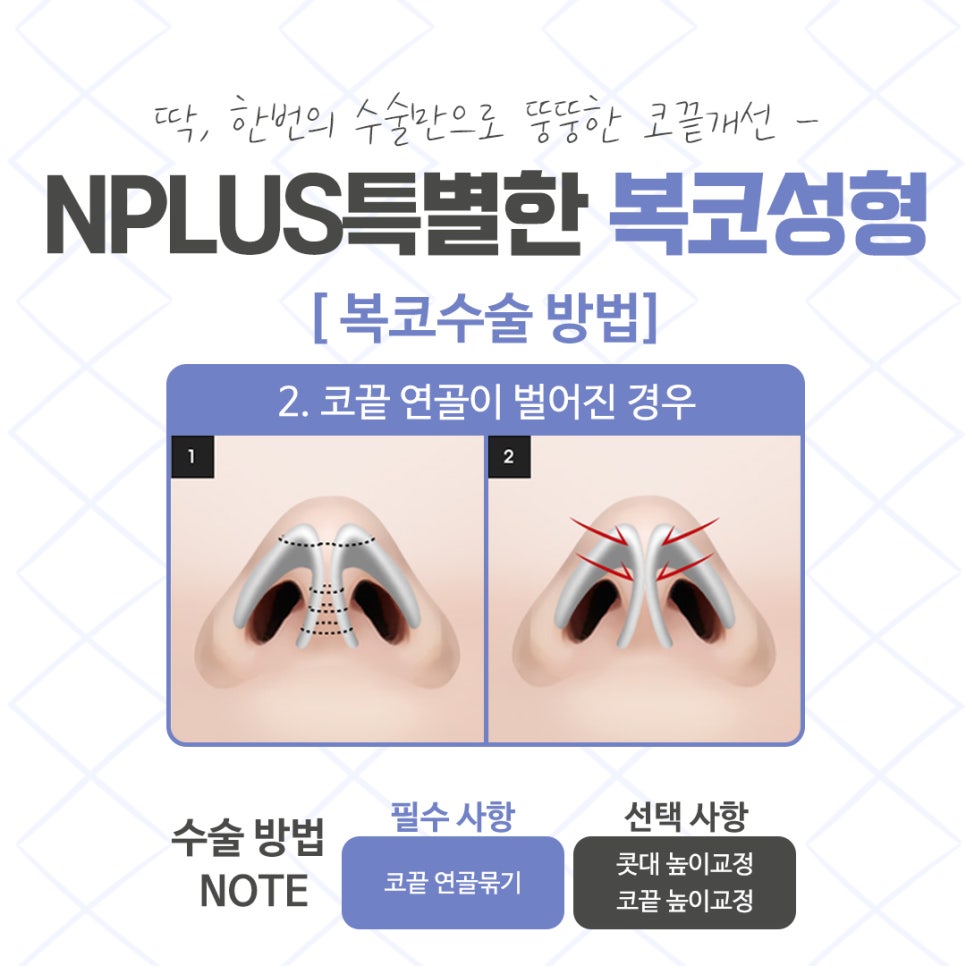
In cases where the nose-tip cartilage is separated, the left and right sides of the alar cartilage, which have spread wide apart, are sutured together and corrected naturally. If necessary, the height of the bridge and nose tip can also be adjusted.
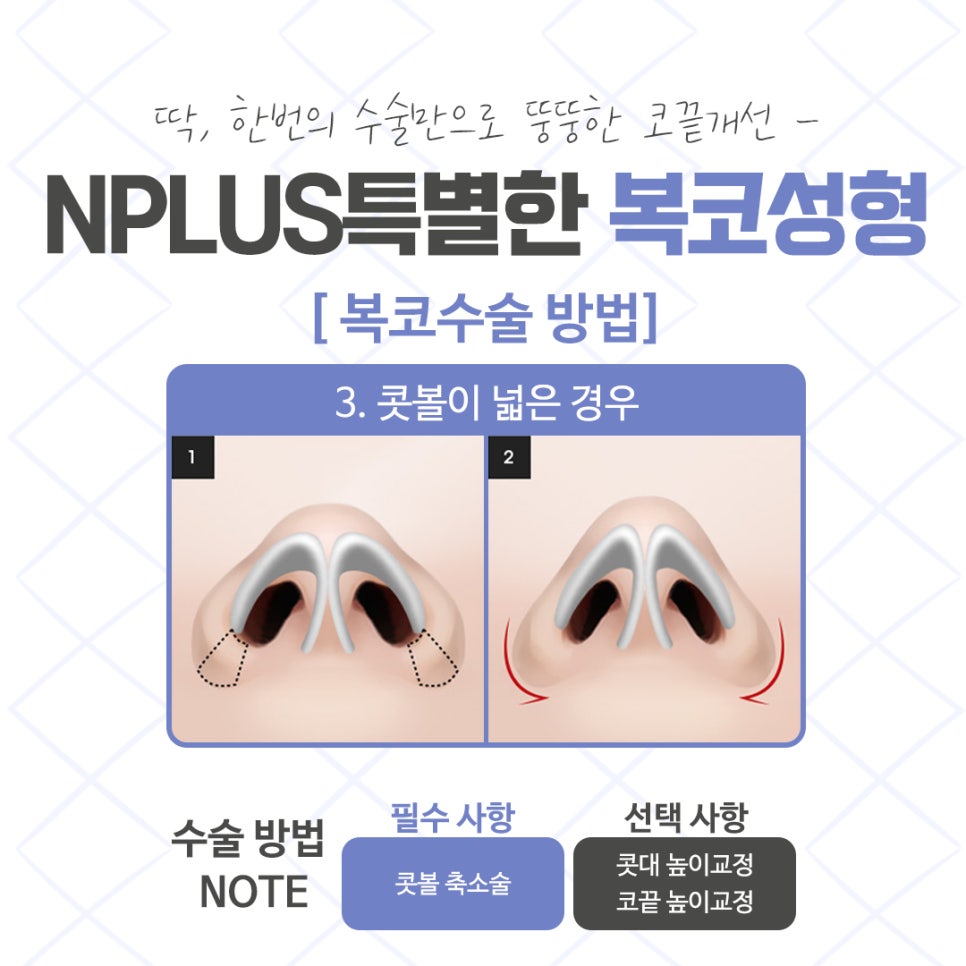
In cases of wide nostrils, part of the nostril tissue is excised for correction, and if the degree of widening is mild, the nostrils can be tied with special threads for correction. If necessary, autologous cartilage for the nose tip and silicone for the bridge can be added to adjust the height.
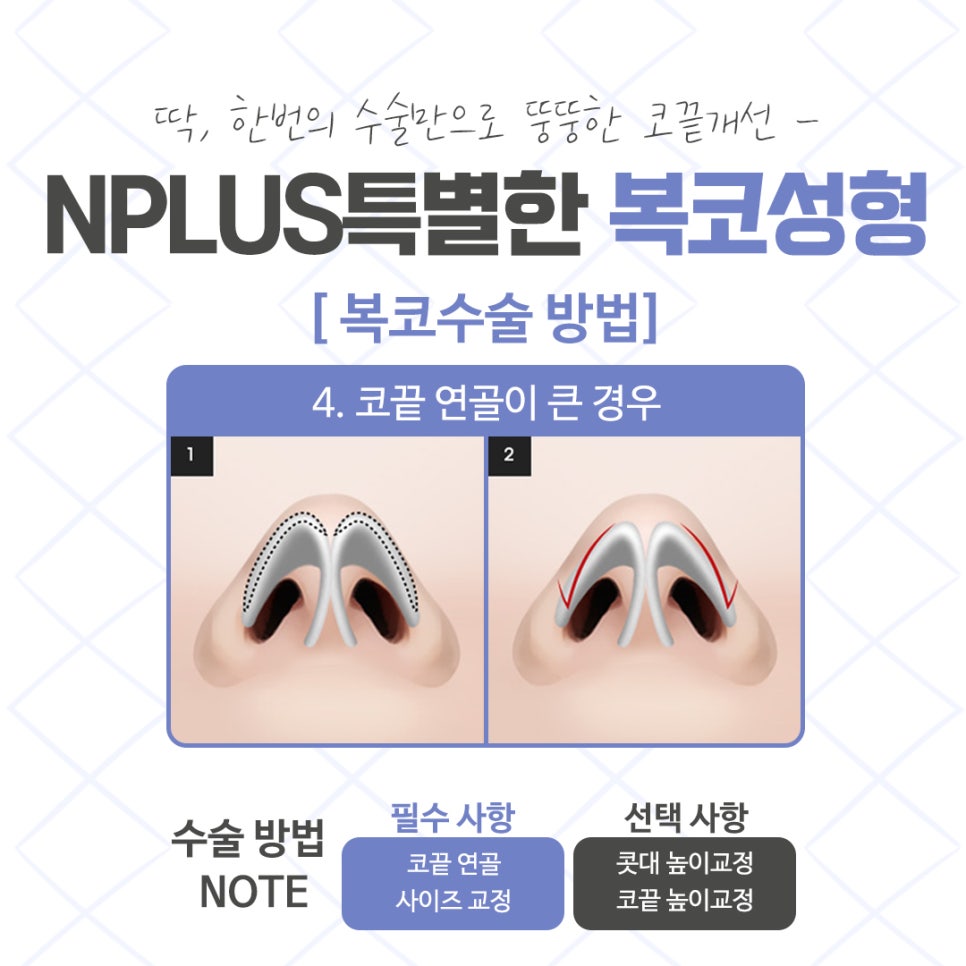
Lastly, when the nose-tip cartilage itself is large, part of the cartilage is trimmed, and after first correcting the cartilage size and overall shape, the height of the bridge and nose tip can be further adjusted.
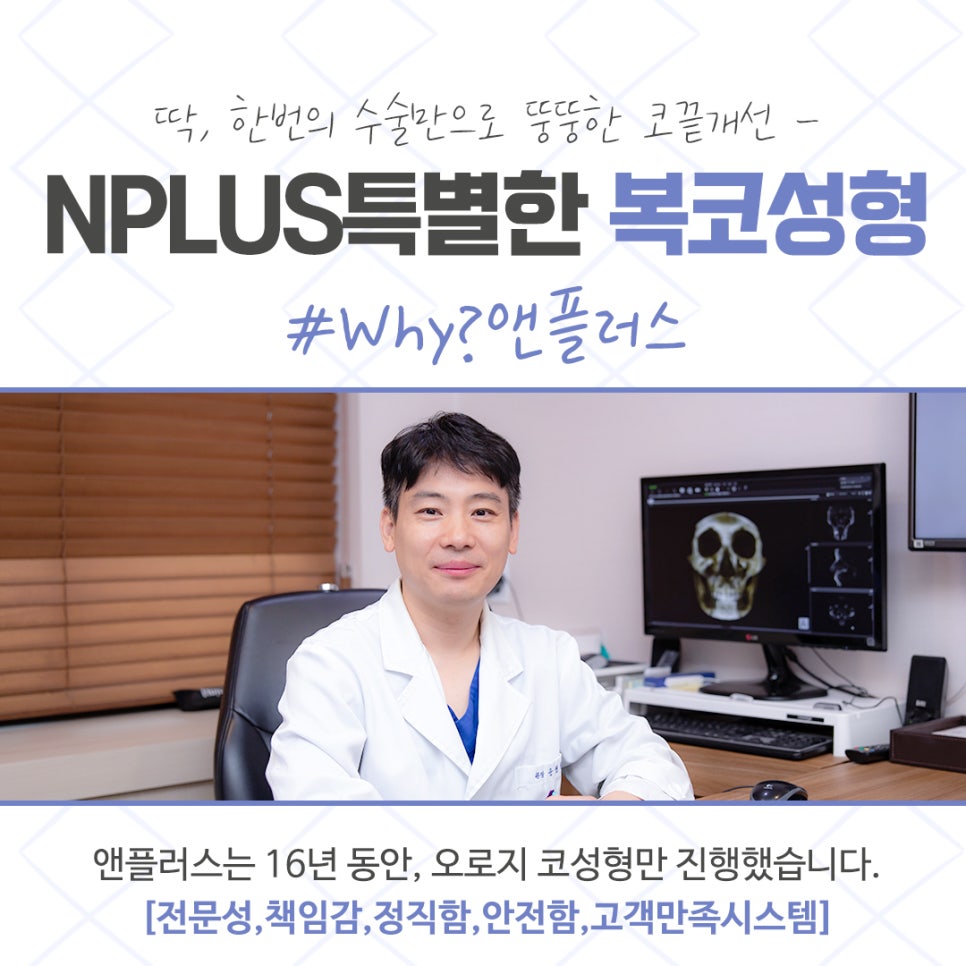
As such, people who have read post-operative reviews of bulbous nose surgery may feel that the surgery itself is simple. However, since nose surgery is considered a high-difficulty type of cosmetic procedure, those looking into bulbous nose surgery should also carefully check whether the medical staff have strong anatomical knowledge of the nose, whether they have sufficient experience and expertise, whether the clinic is equipped with devices that can clearly assess the condition of their nose, and whether aftercare is properly guaranteed. Doing so may help with making a decision.
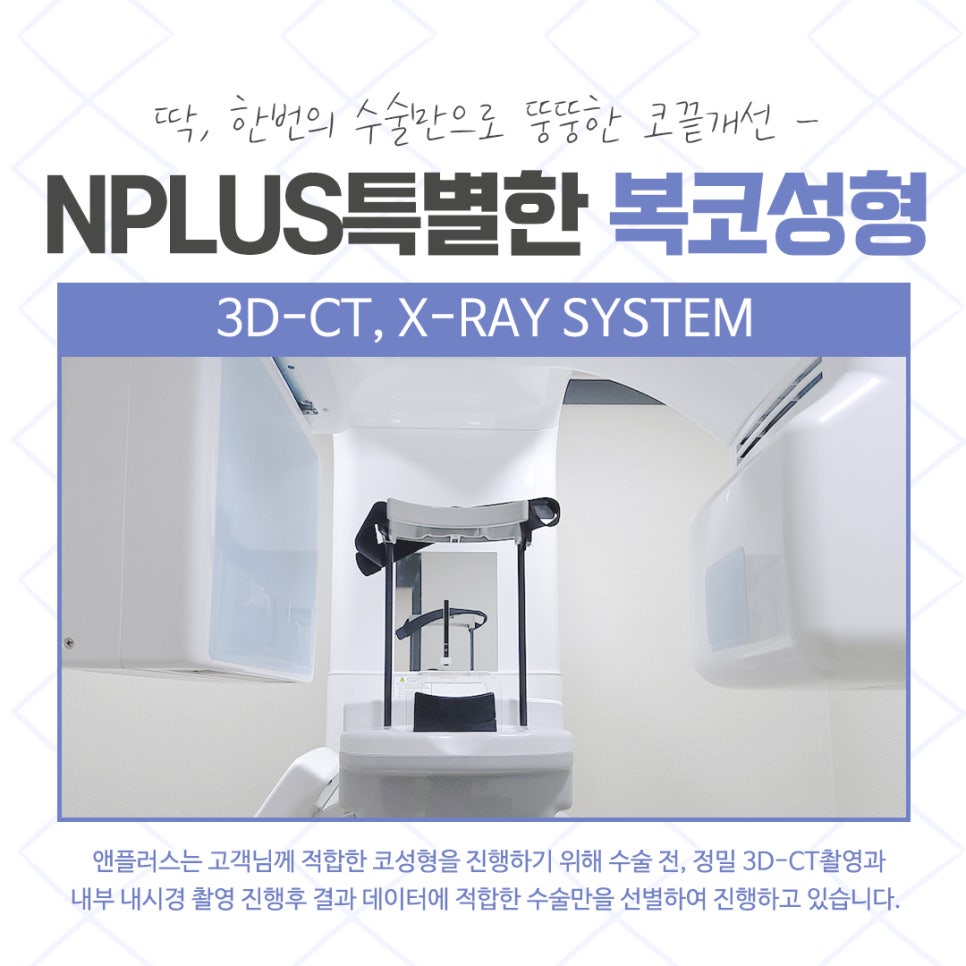
At OJIKO Hospital & N Plus Clinic, for an accurate diagnosis, the patient's condition is precisely assessed before surgery through internal endoscopic imaging, various allergy tests, internal nasal function tests, 3D-CT imaging, and multi-angle photography. Based on the extracted data, a surgical plan is established and carried out.

In addition, Director Yoon Hyun-chul personally handles every step one-on-one, from consultation regarding nose surgery to surgical planning, execution, treatment, and follow-up visits, allowing patients to receive a high level of medical care from before surgery through after surgery.

The aftercare provided for one year after surgery includes the issuance of an N Plus membership card, which guarantees A/S service for one year, as well as a surgical responsibility guarantee system prepared for any postoperative pain, inflammation, or dissatisfaction with the shape that may arise. This means that you can be assured of the benefits of aftercare after surgery as well.
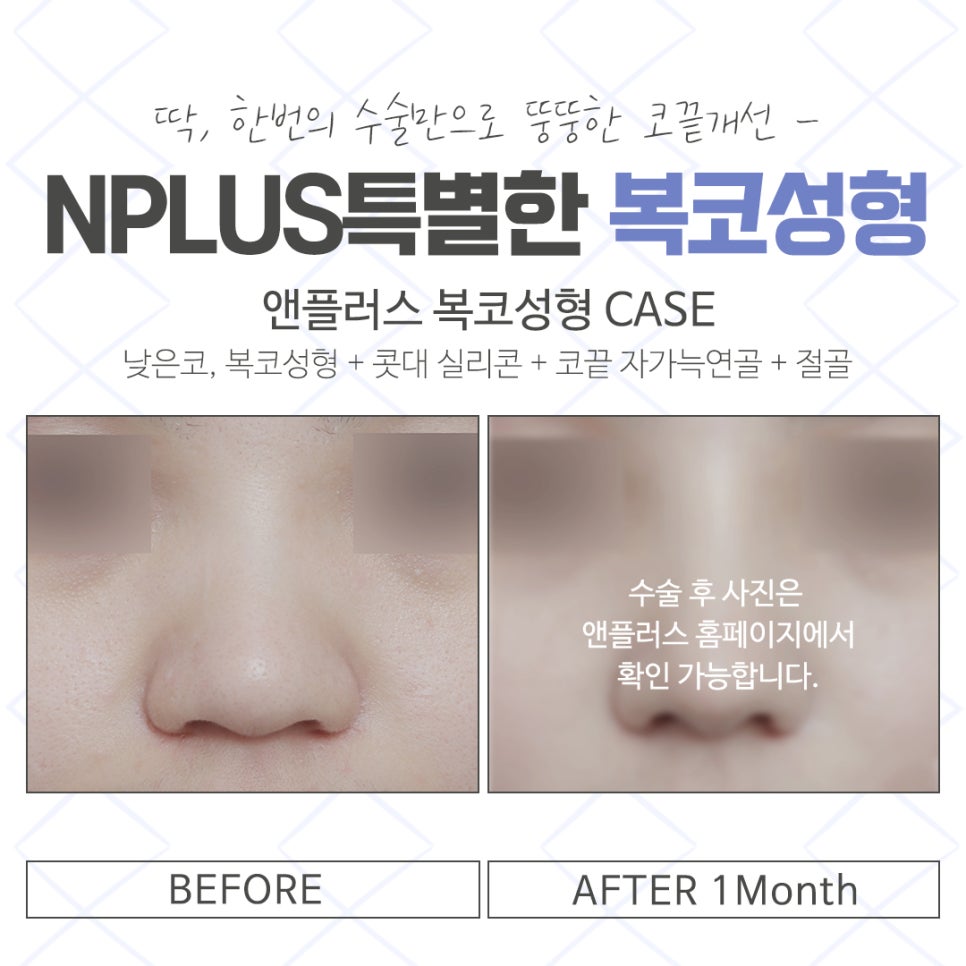
(The image above shows before-and-after photos of bulbous nose surgery at OJIKO Hospital & N Plus Clinic.)
This concludes the explanation of post-operative reviews of bulbous nose surgery at OJIKO Hospital & N Plus Clinic. I hope this article has been helpful for those considering bulbous nose surgery due to a low, spread-out, and wide nostril shape. Thank you.
https://youtu.be/x0Hnr_BelJk