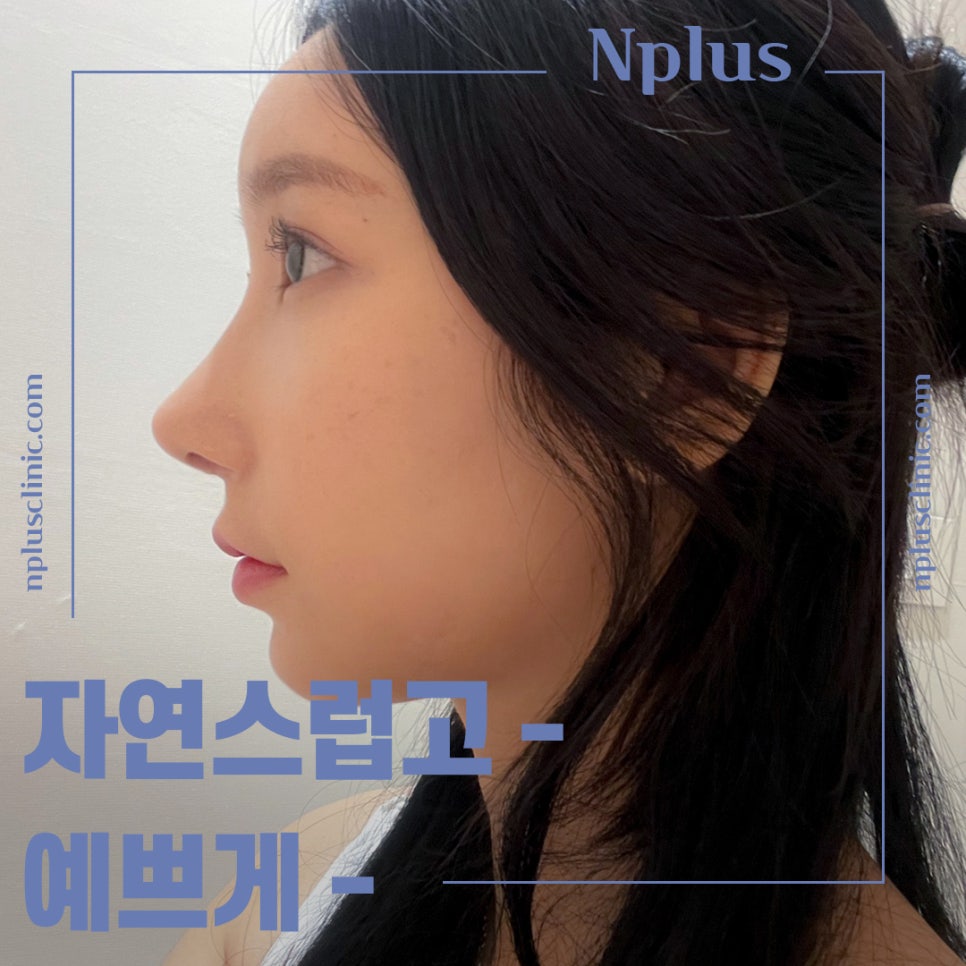
In modern times, appearance has become part of one’s qualifications, and taking care of one’s looks has become a trend. As a result, people can make various attempts to improve their current appearance into something a little more appealing by changing their diet, exercise, makeup, hairstyle, and more. However, despite these various efforts, there is a growing trend of people turning to plastic surgery to improve aspects that are difficult to change.

Although improvement can be pursued through various types of plastic surgery, the nose is located at the center of the face and is the most three-dimensional feature, so it is often the first part people consider when thinking about cosmetic surgery. Even a slight change in the shape of the nose can have a major effect on improving one’s image, which is why you may want to look more closely at the differences before and after nose surgery.
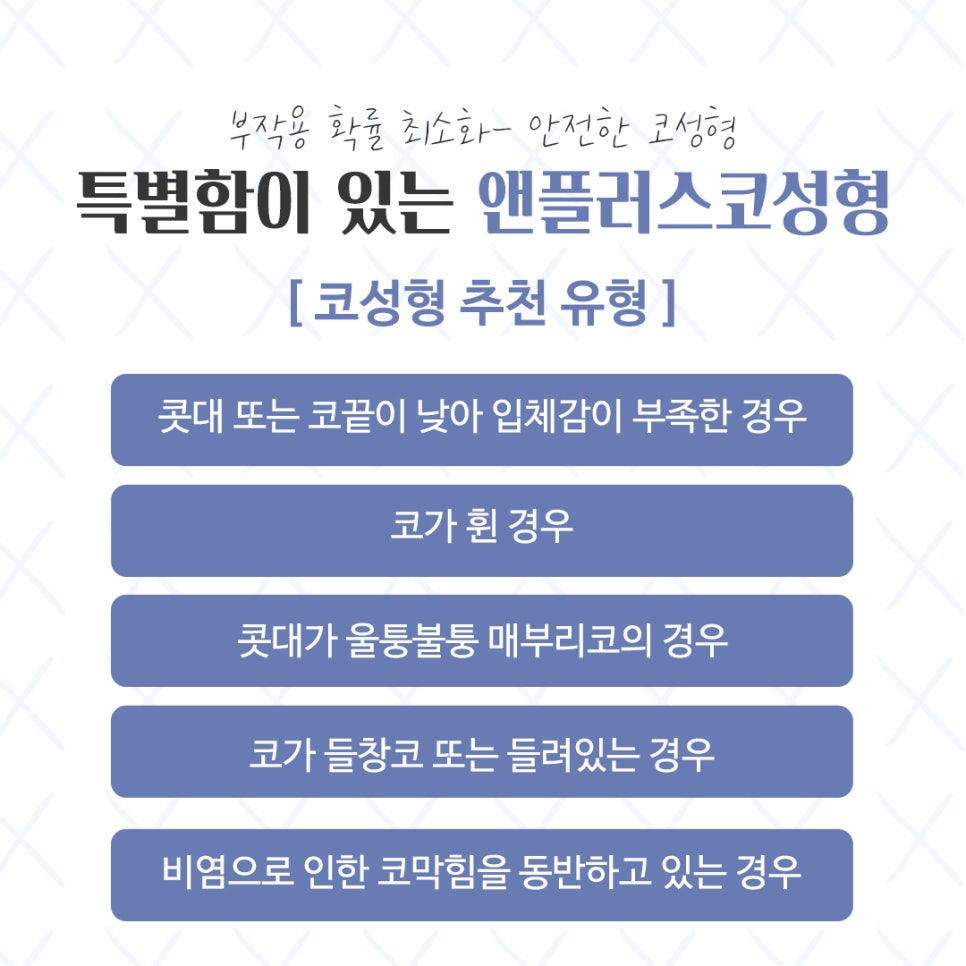
For those looking into the differences before and after nose surgery, common concerns include a nose that is too low, has a bumpy hump, is crooked, droops, or is overly upturned. When the shape of the nose does not meet the standard the individual has in mind, there can be many concerns.
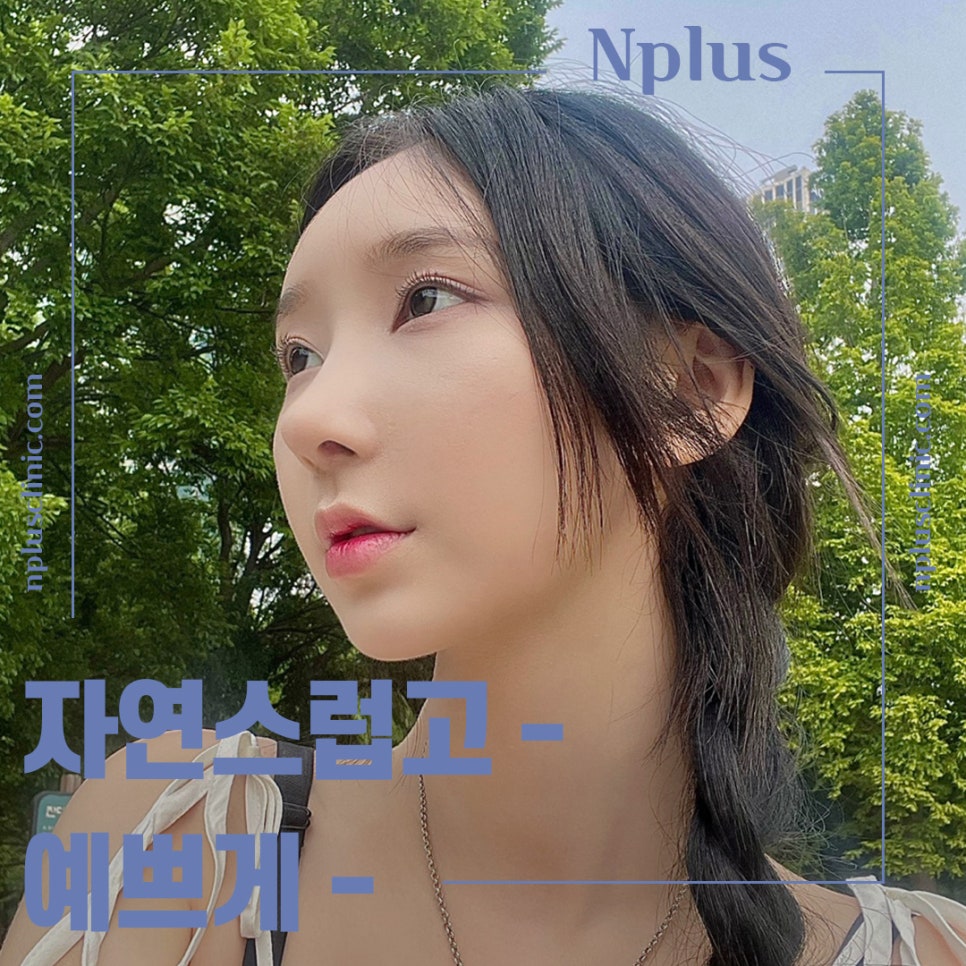
As noted above, in many cases the aesthetic aspect is prioritized for people considering nose surgery before and after the procedure. However, the nose is not only an external feature but also a functional organ responsible for breathing and smell. Therefore, rhinoplasty should be performed with consideration of both external appearance and internal function to help prevent revision surgery caused by postoperative functional problems.
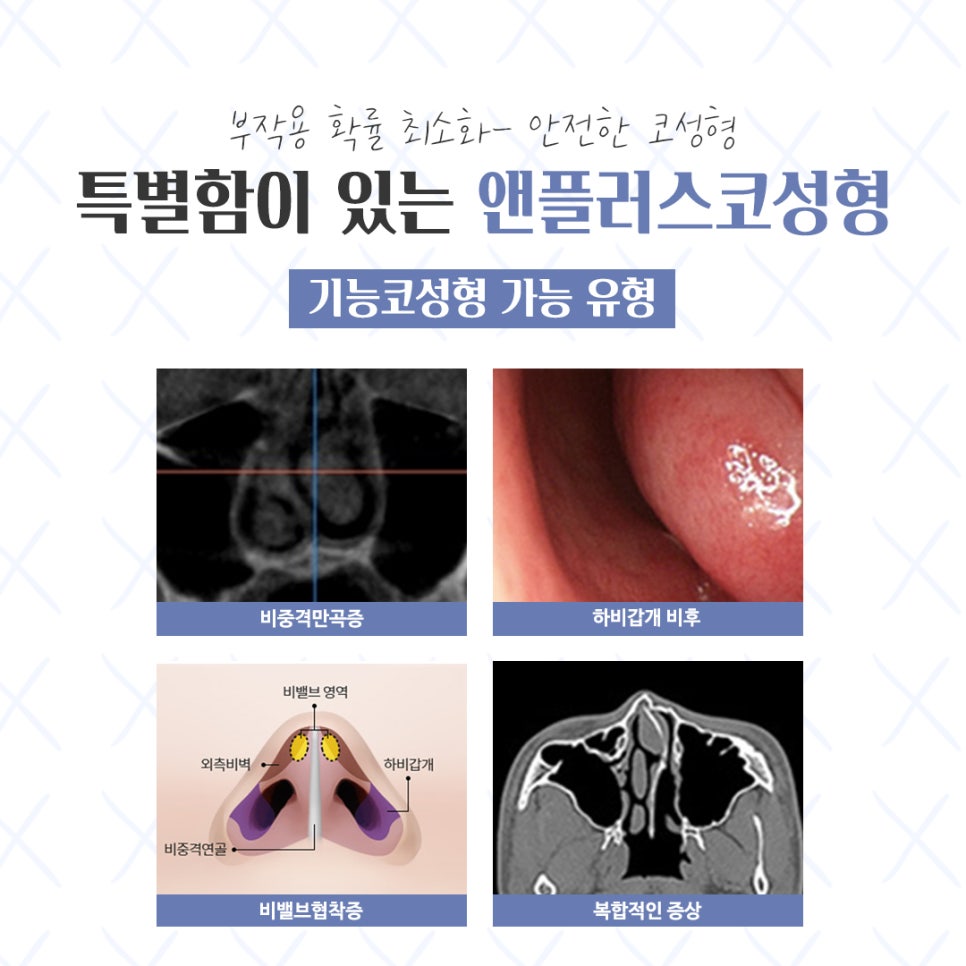
When considering the functional aspects of the nose, one of the most common symptoms is nasal congestion caused by rhinitis. Rhinitis affects more than 70% of adults in Korea and is divided into allergic rhinitis and structural rhinitis. Allergic rhinitis is difficult to cure completely because it is triggered by the environment or specific substances. Structural rhinitis, caused by abnormalities in the internal nasal structure, can be cured through surgery. Causes include a deviated septum, hypertrophy of the inferior turbinate, and nasal valve stenosis, so it is important to identify the exact cause and perform the appropriate surgery accordingly.
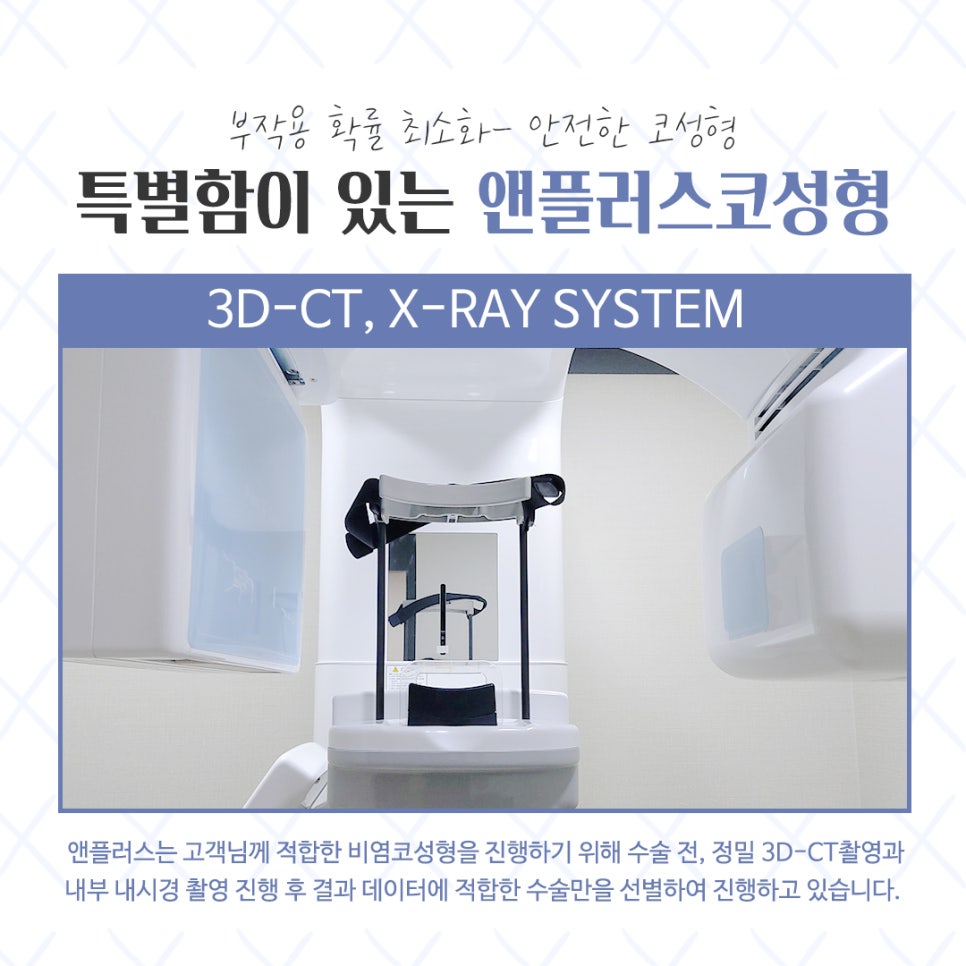
At OJICO N Plus, before nose surgery, 3D-CT imaging, internal endoscopic imaging, various allergy tests, nasal function tests, and multi-angle photography are used to accurately assess the condition of the individual’s nose. Based on the extracted data, a surgical plan is established and carried out.
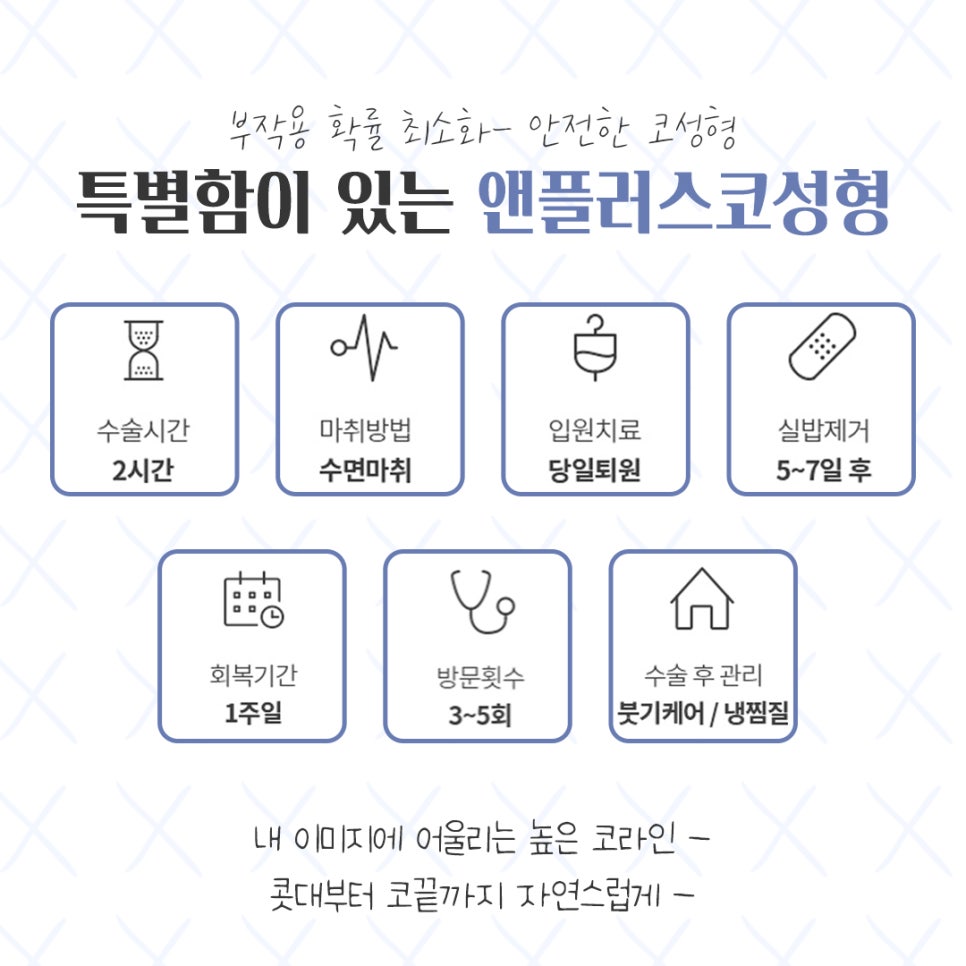
When looking at the condition before and after nose surgery, the surgical method and materials differ depending on the individual’s condition, and the procedure is broadly classified into three types: when both the bridge and tip are low, when only the bridge is low, and when only the tip is low.
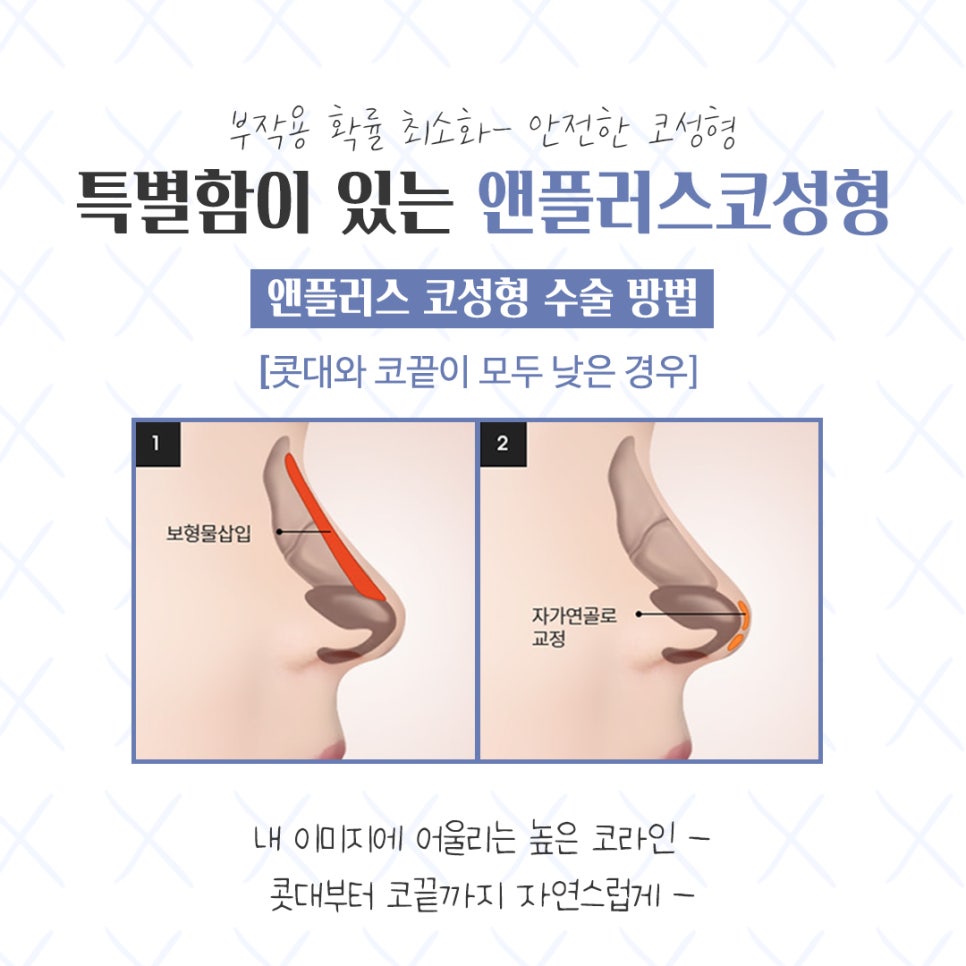
When both the bridge and tip are low, the bridge can be corrected with an implant, and the tip can be corrected with the patient’s own cartilage to improve the overall nasal line.
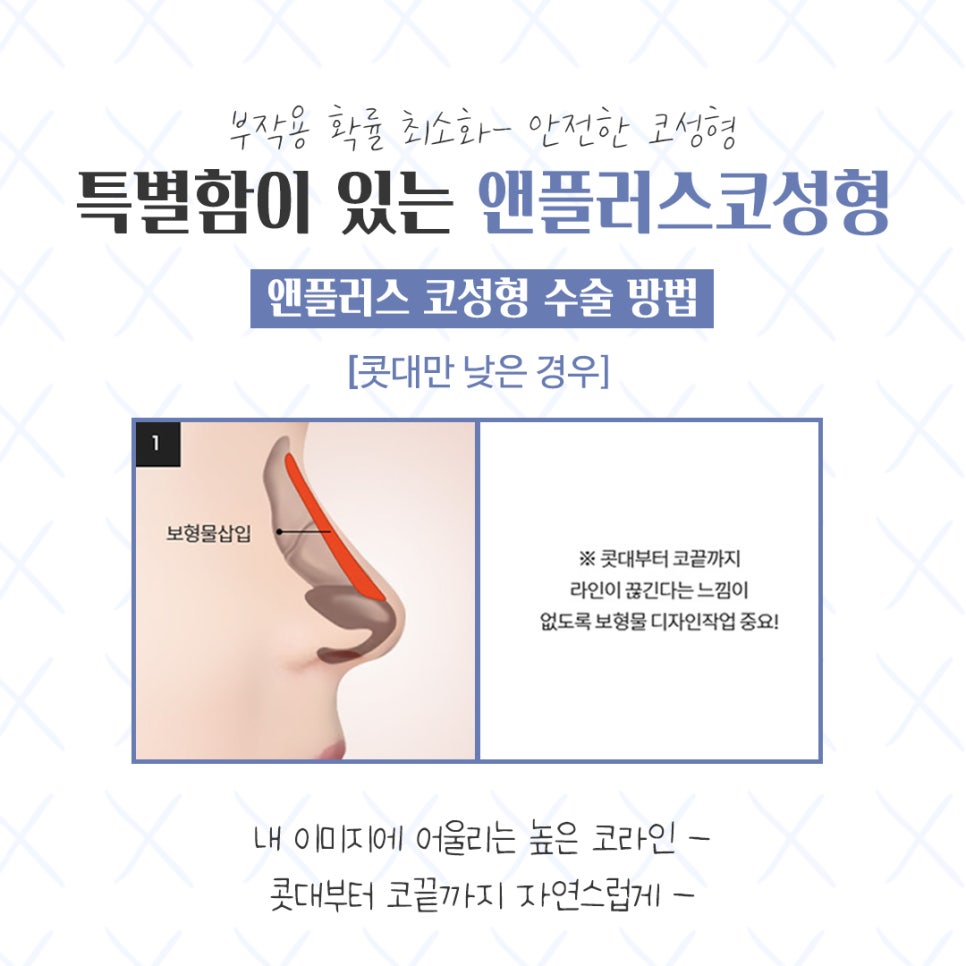
When only the bridge is low, an implant can be inserted into the bridge, and the line can be corrected so that it connects naturally with the tip.
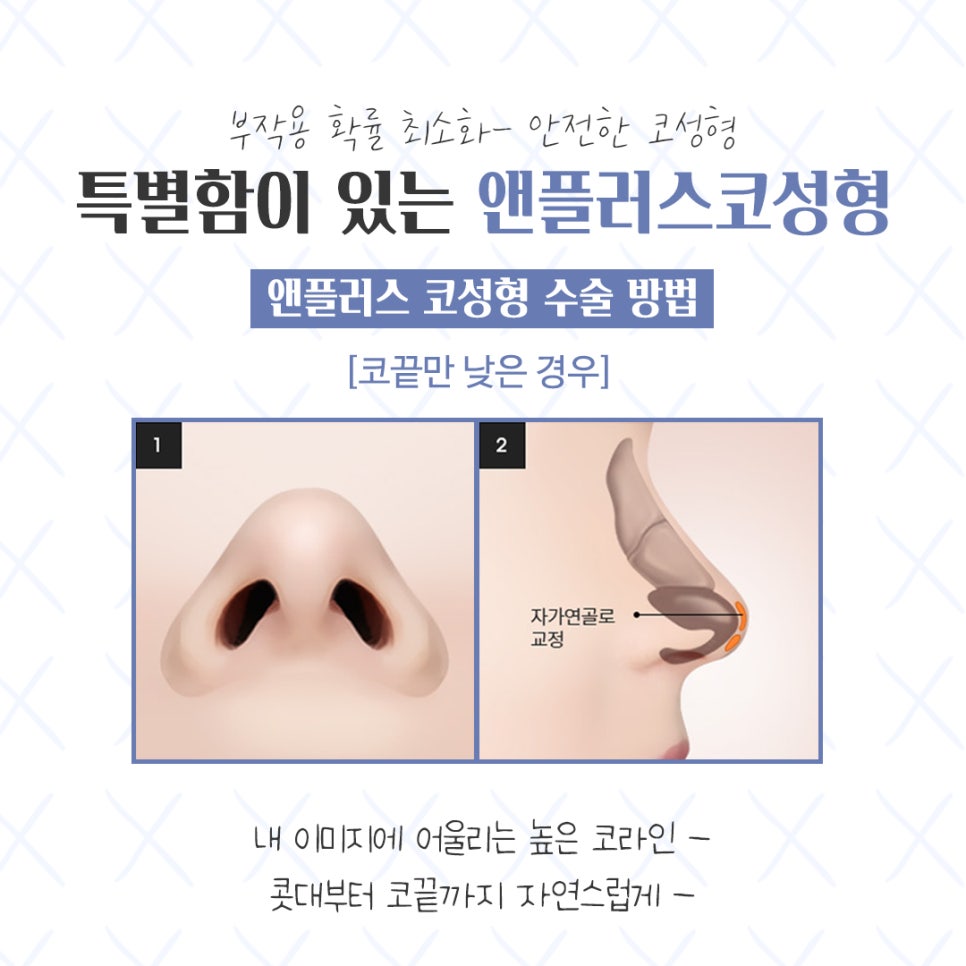
When only the tip is low, the tip can be corrected using the patient’s own cartilage, and the line can be adjusted so that it remains smooth and connected to the bridge.
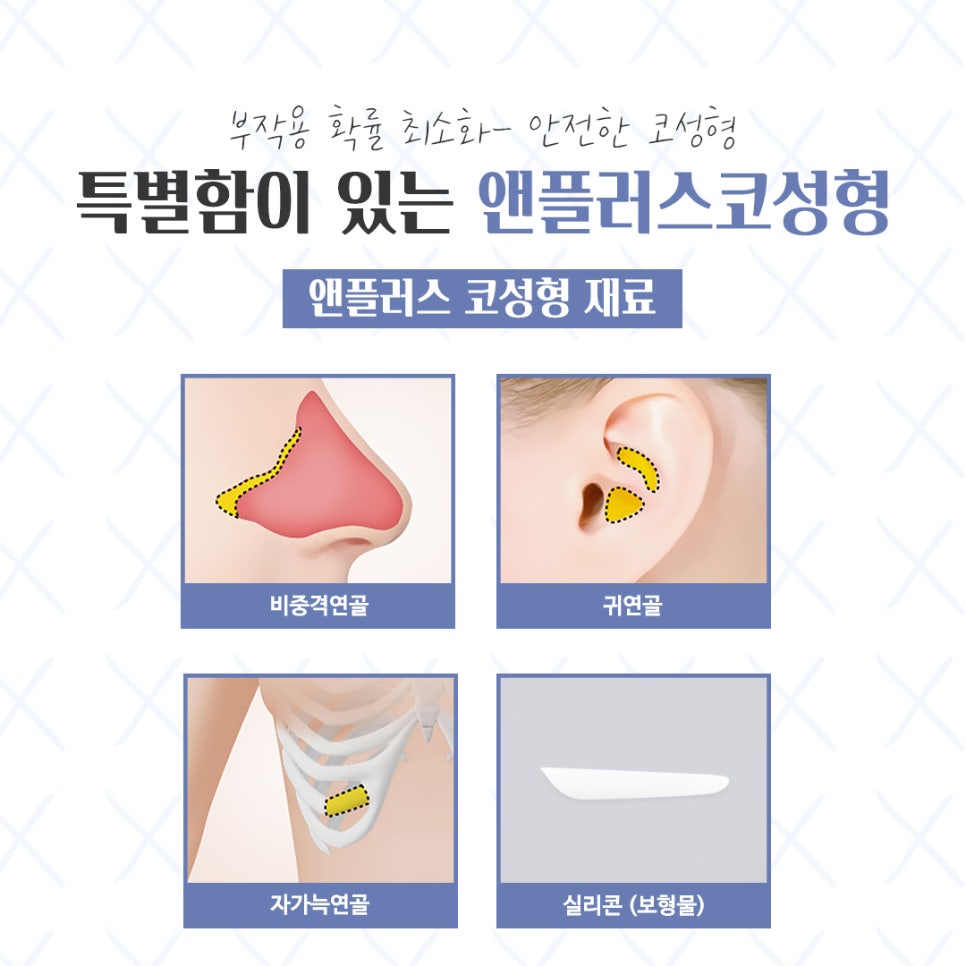
The tip is corrected using autologous cartilage. Autologous cartilage includes septal cartilage, ear cartilage, and rib cartilage, and when preoperative testing is performed, the most suitable material for the individual can be selected.

Silicone can be used for the bridge of the nose. Rather than using a premanufactured silicone product as is, it is carefully customized by hand after considering various factors such as the individual’s overall facial image, as well as the bridge’s width, length, breadth, and height.

In the case of nose surgery, external concerns can be improved, but the inside of the nose is much more complex, so you need to make a more careful decision. For those looking into the differences before and after nose surgery, it can be helpful to check whether the medical team has strong anatomical knowledge of the nose, whether they have ample experience and expertise in the field, whether they have equipment that can clearly assess the condition of your nose, and whether postoperative care is guaranteed.
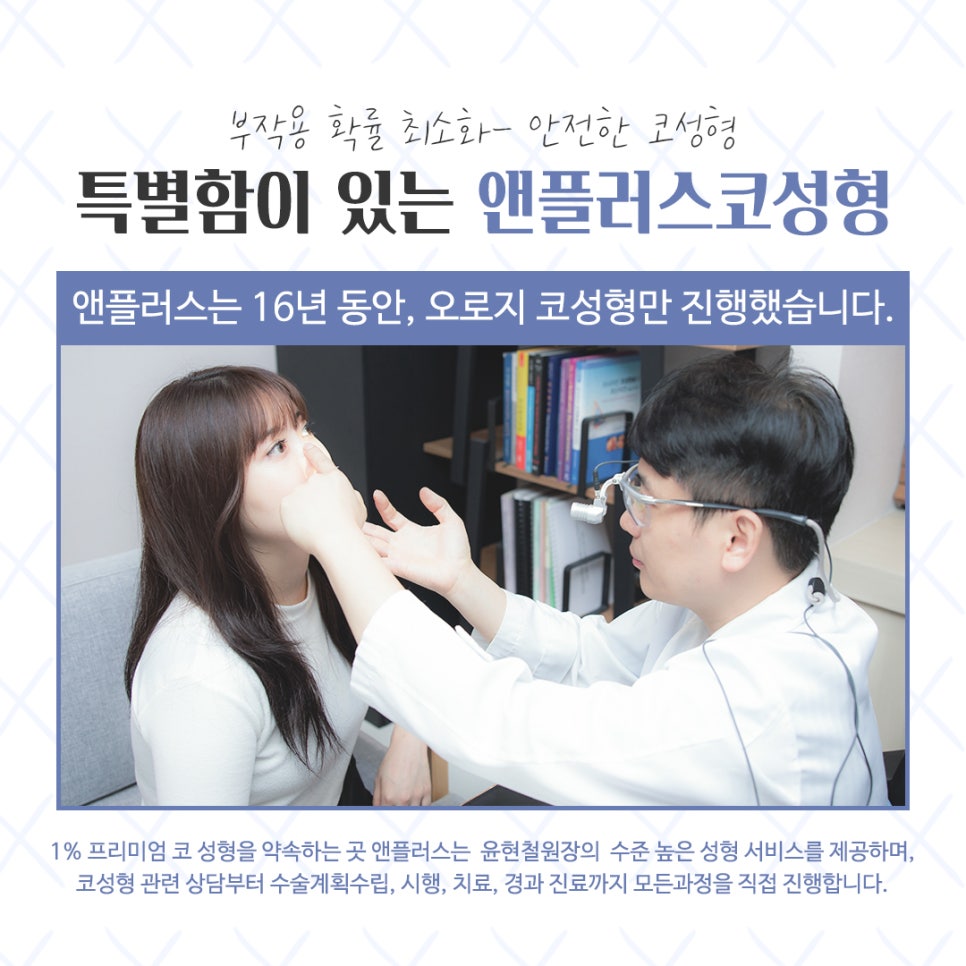
At OJICO N Plus, Director Yoon Hyun-cheol personally handles each patient one-on-one, overseeing everything from consultation related to nose surgery to surgical planning, the procedure itself, treatment, and follow-up care. This allows patients to receive high-level medical services from before surgery through aftercare.

The postoperative care provided after surgery includes an A/S system that guarantees support for one year after the operation, as well as a surgical responsibility guarantee system prepared for any situation that may arise, including postoperative pain, inflammation, and dissatisfaction with the appearance. This ensures thorough postoperative care.
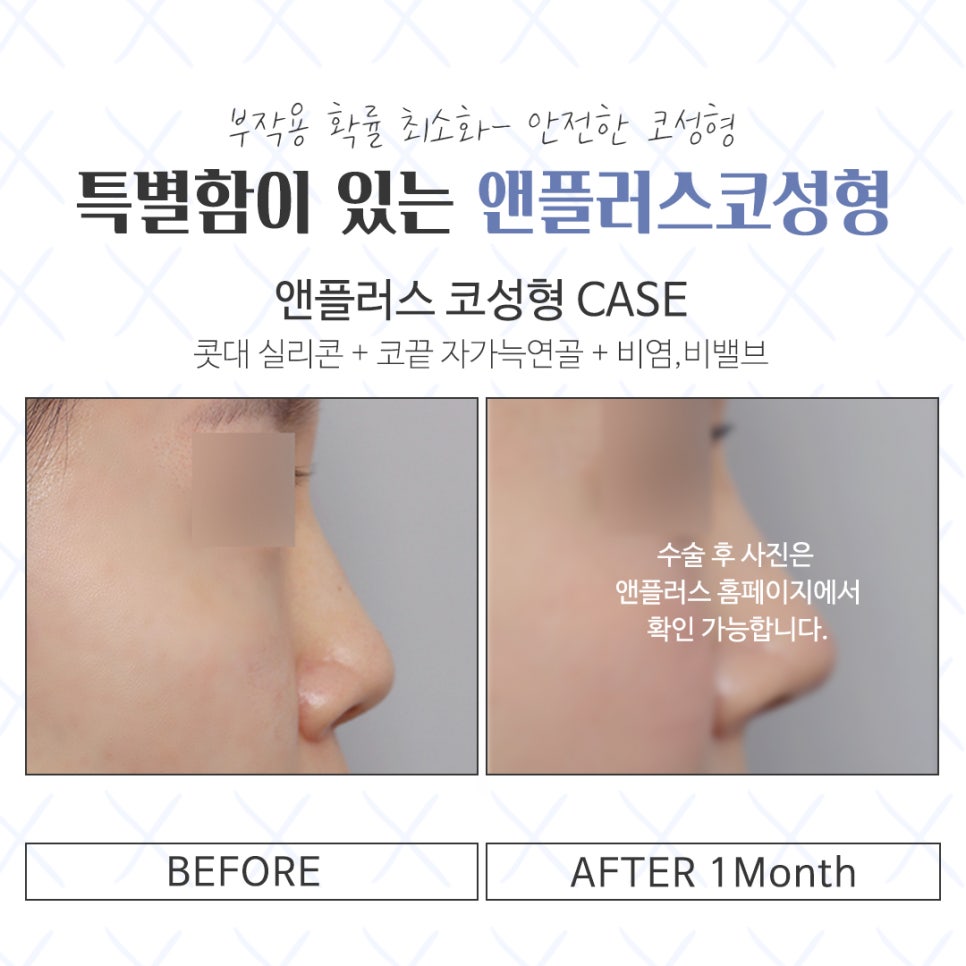
That concludes the explanation of the differences before and after nose surgery. I hope this article is very helpful for those who are unhappy with the shape of their nose or who are considering rhinoplasty because of internal nasal function problems caused by rhinitis. Thank you.
https://youtu.be/6GtwNbh4mrc