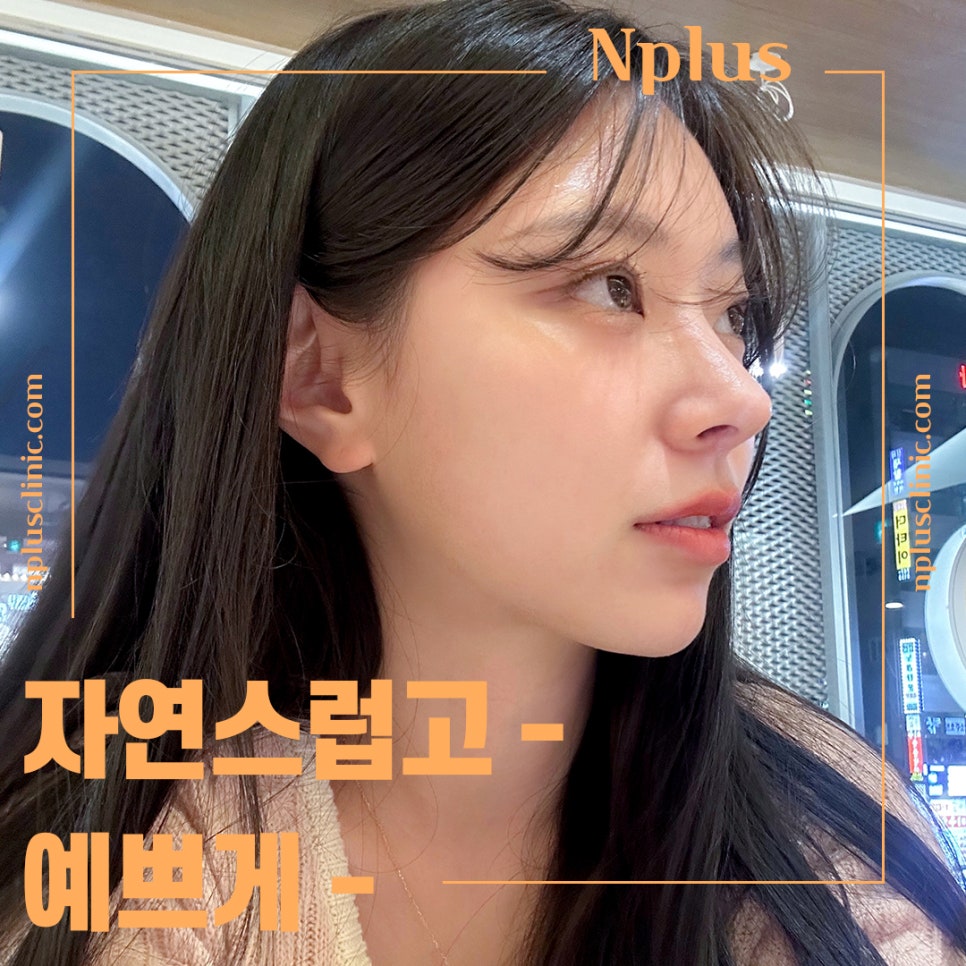
Through various forms of care, many people are currently striving to improve their image into one that feels more appealing than their current personal image. Therefore, when you judge that your appearance does not match the standard you have in mind, you may look into cosmetic surgery to improve it. However, indiscriminate cosmetic surgery can cause side effects, so it is important to look into it carefully. In the past, surgery that followed trends was popular, but today the trend is to naturally refine while bringing out one’s individuality. It is important to accurately understand these needs and carry out the necessary procedures accordingly.

Among the many different types of cosmetic surgery, the nose in particular is located at the center of the face and is the most three-dimensional area. Even a small change in the shape of the nose can have a significant effect on improving one’s image, so it is a very popular procedure, and many people are becoming highly interested in rhinoplasty reviews.

So, for those looking into rhinoplasty reviews, the shapes of noses that may be considered include a nose that is too low, a low tip, a crooked nose, a bumpy hump, a drooping nose, an upturned nose, or a hooked nose. In these cases, you may look into surgery to change the overall image of the face.
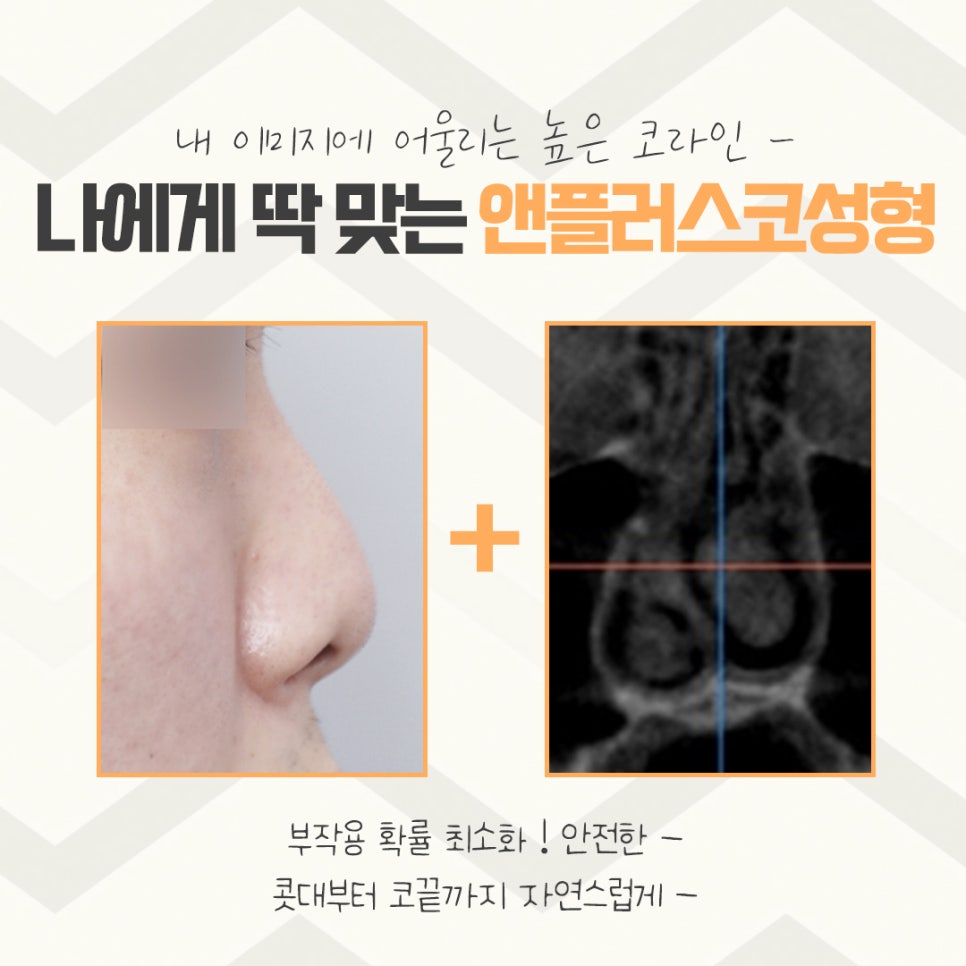
Therefore, when most people look into rhinoplasty reviews, the first thing they may focus on is the appearance. However, the nose is not only an important part of appearance; it is also a functional organ responsible for breathing and the sense of smell. Before proceeding with rhinoplasty, the internal functional aspects of the nose must be accurately checked, and only then should surgery proceed. This can help prevent revision surgery caused by postoperative functional problems.

In the case of rhinoplasty, when the functional aspects of the nose are also improved as described above, nasal congestion caused by rhinitis is a representative example. Rhinitis is a condition affecting more than 70% of Korean adults and is divided into allergic rhinitis and structural rhinitis. In the case of allergic rhinitis, it is difficult to improve through surgery, and consistent medication treatment or boosting immunity should be the priority.
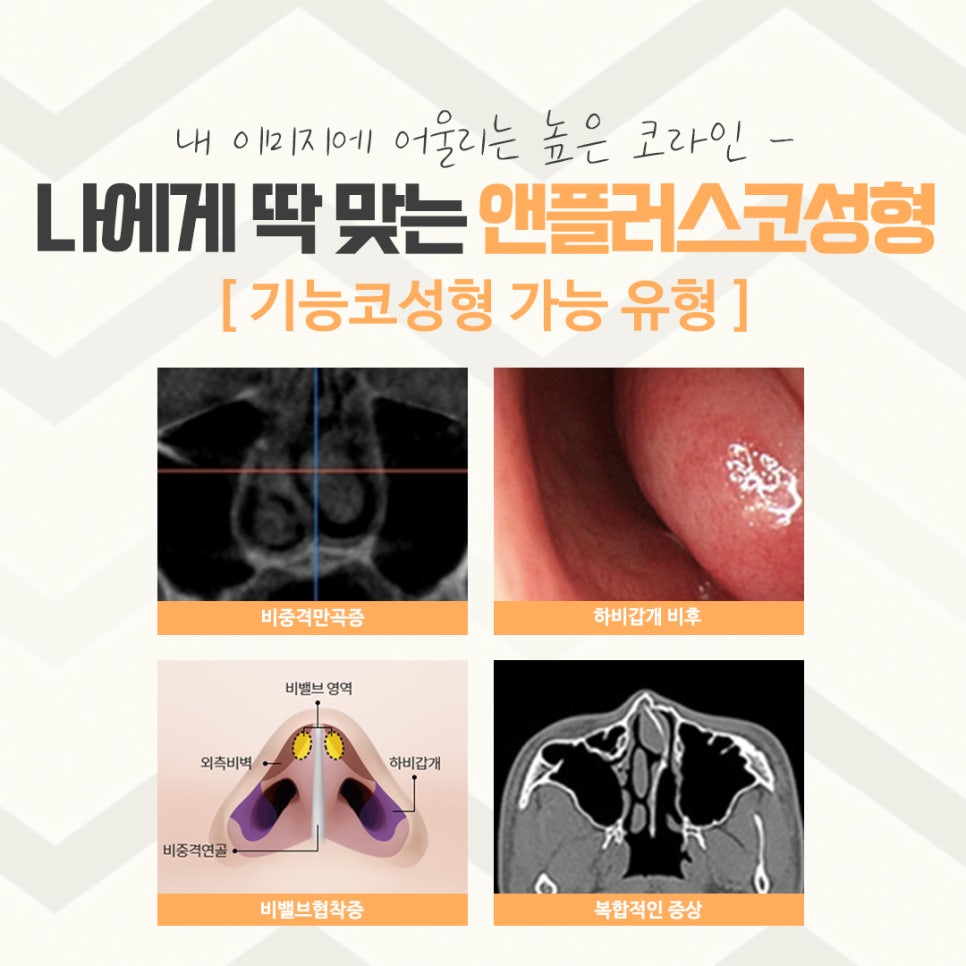
By contrast, structural rhinitis can be cured through surgery. The causes of structural rhinitis can be divided into deviated septum, inferior turbinate hypertrophy, nasal valve stenosis, and complex symptoms in which these conditions appear together. Since each condition interferes with the flow of air entering through the nose and commonly causes nasal congestion, it is important to identify the cause accurately.

At N+ Plus, before rhinoplasty, internal endoscopic imaging, 3D-CT imaging, internal endoscopic imaging, various allergy tests, and internal nasal function tests are used to accurately understand the current condition of each individual. Based on the extracted data, a surgical plan is established so that safer and more satisfactory rhinoplasty reviews can result.
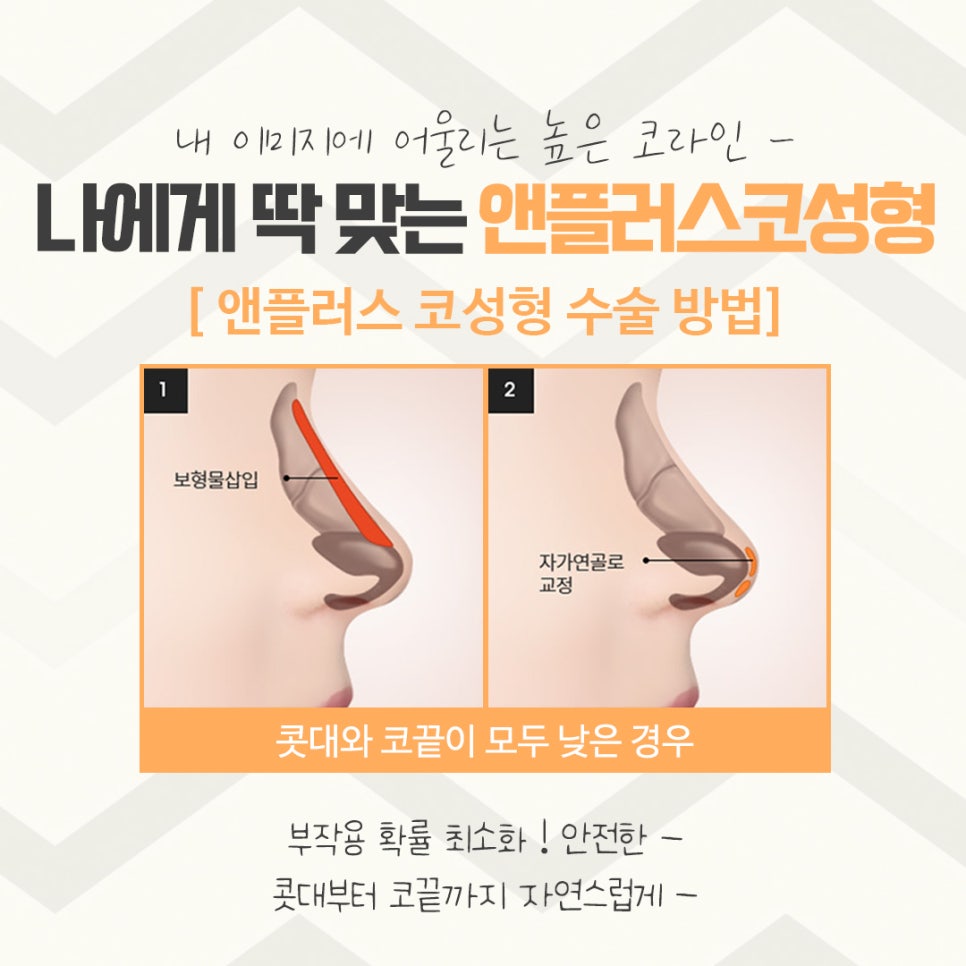
As for the rhinoplasty method, the bridge of the nose can be corrected with silicone, and the tip of the nose with autologous cartilage to refine the overall nasal line.

If only the bridge of the nose is low, a customized silicone implant for the bridge can be used to correct it so that it connects naturally with the tip of the nose.
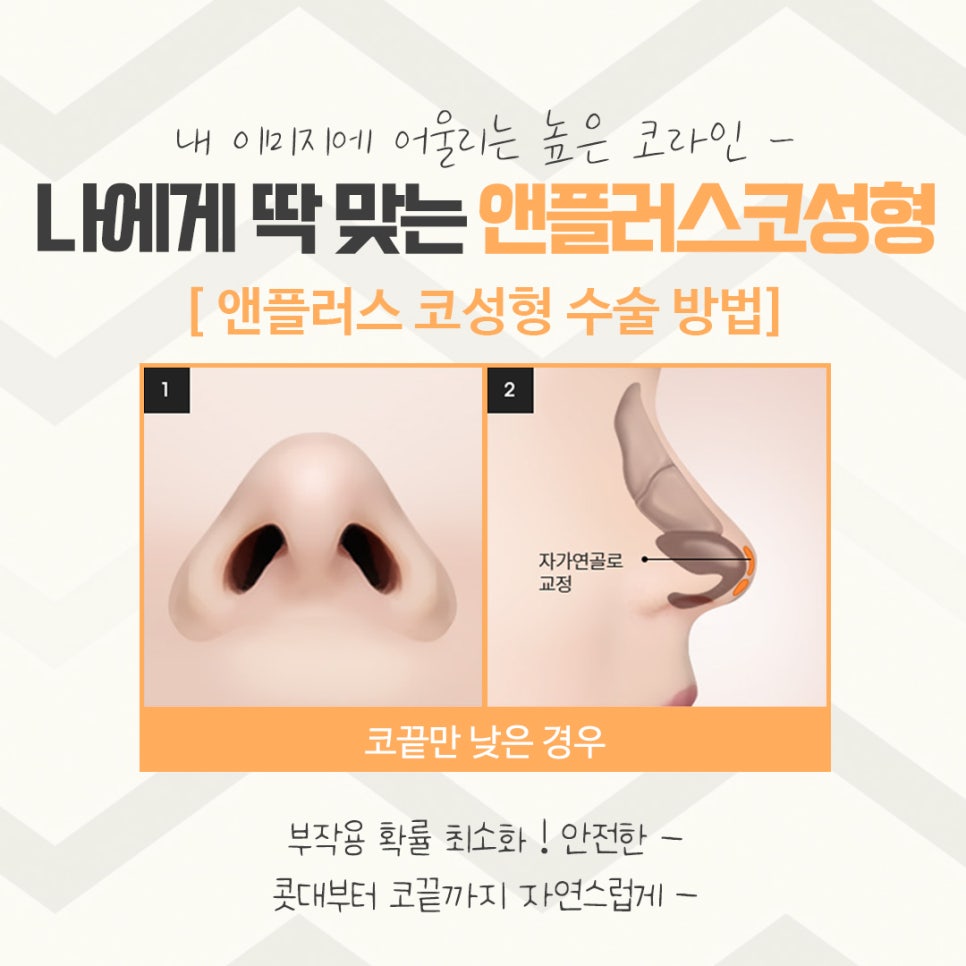
If only the nasal tip is low, correction is performed with autologous cartilage for the tip, and it is important to design it so that the line from the bridge to the tip is not interrupted.
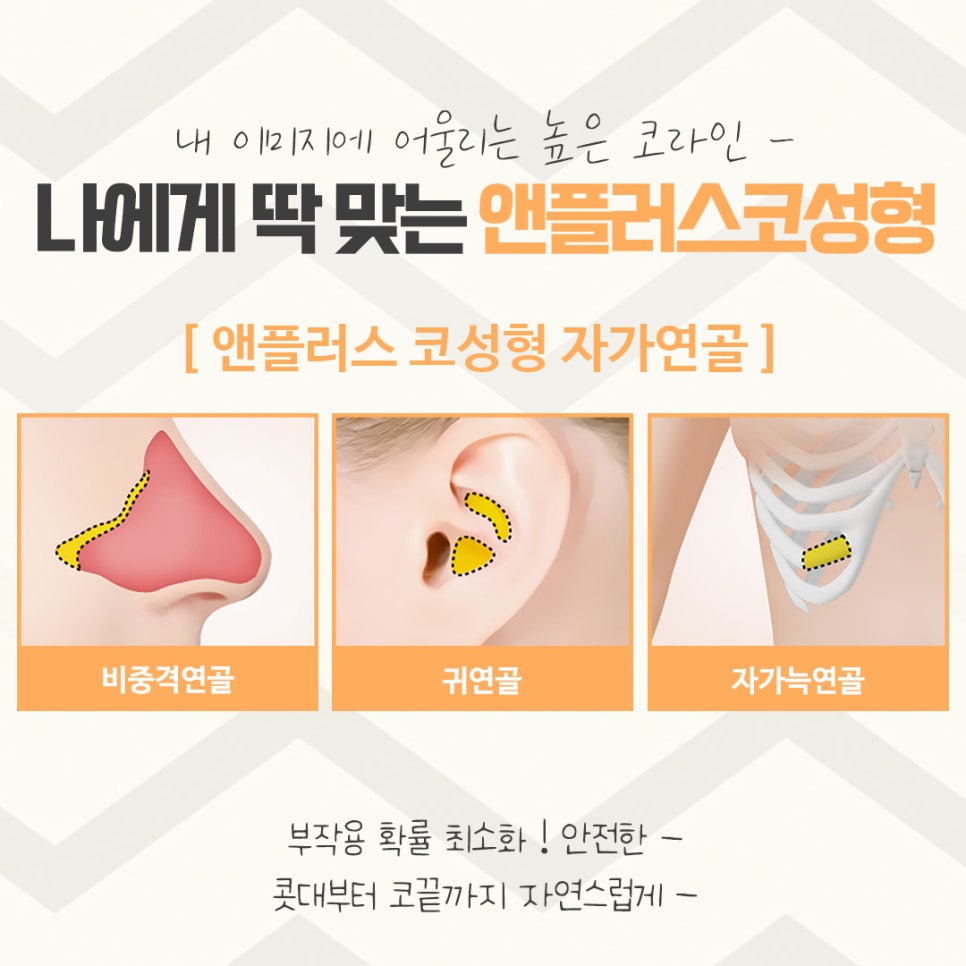
Autologous cartilage is used for the nasal tip. In the case of autologous cartilage, suitable materials can be selected for each individual through preoperative testing. The types of autologous cartilage include septal cartilage, ear cartilage, and autologous costal cartilage.

Silicone is used for the bridge of the nose. Rather than using a pre-made commercial silicone product as is, it is carefully shaped by hand after considering various aspects such as the individual’s overall image, as well as the width, length, breadth, and height of the nasal bridge, making for a more satisfactory rhinoplasty review.

As seen from rhinoplasty reviews like this, rhinoplasty requires understanding both the internal and external structures of the nose at the same time, so it is considered one of the more difficult cosmetic surgeries. Therefore, for those looking into rhinoplasty reviews, it is helpful to check whether the medical staff have strong anatomical knowledge of the nose, whether they have abundant relevant experience and expertise, whether equipment is in place to accurately assess the condition of your nose, and whether aftercare can be firmly guaranteed.
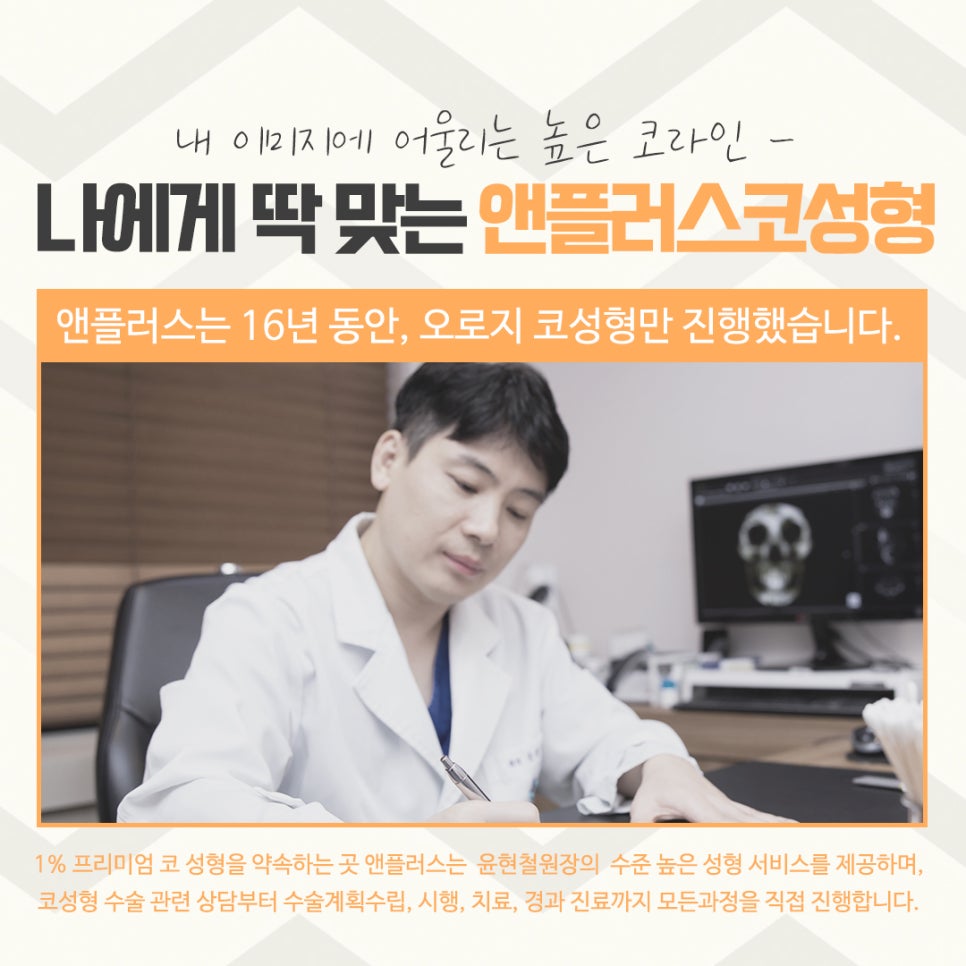
N+ Plus Director Yoon Hyun-cheol personally handles every step as a dedicated one-on-one specialist, from consultation related to rhinoplasty to surgical planning, procedure, treatment, and follow-up care, so you can proceed with the entire process of surgery with peace of mind before and after the operation.

By issuing an N+ Plus membership card, the clinic provides a one-year post-surgery warranty and operates a surgery responsibility guarantee system in preparation for all possible post-surgery situations, including pain, inflammation, and dissatisfaction with the shape after surgery. This allows you to visit with greater peace of mind.
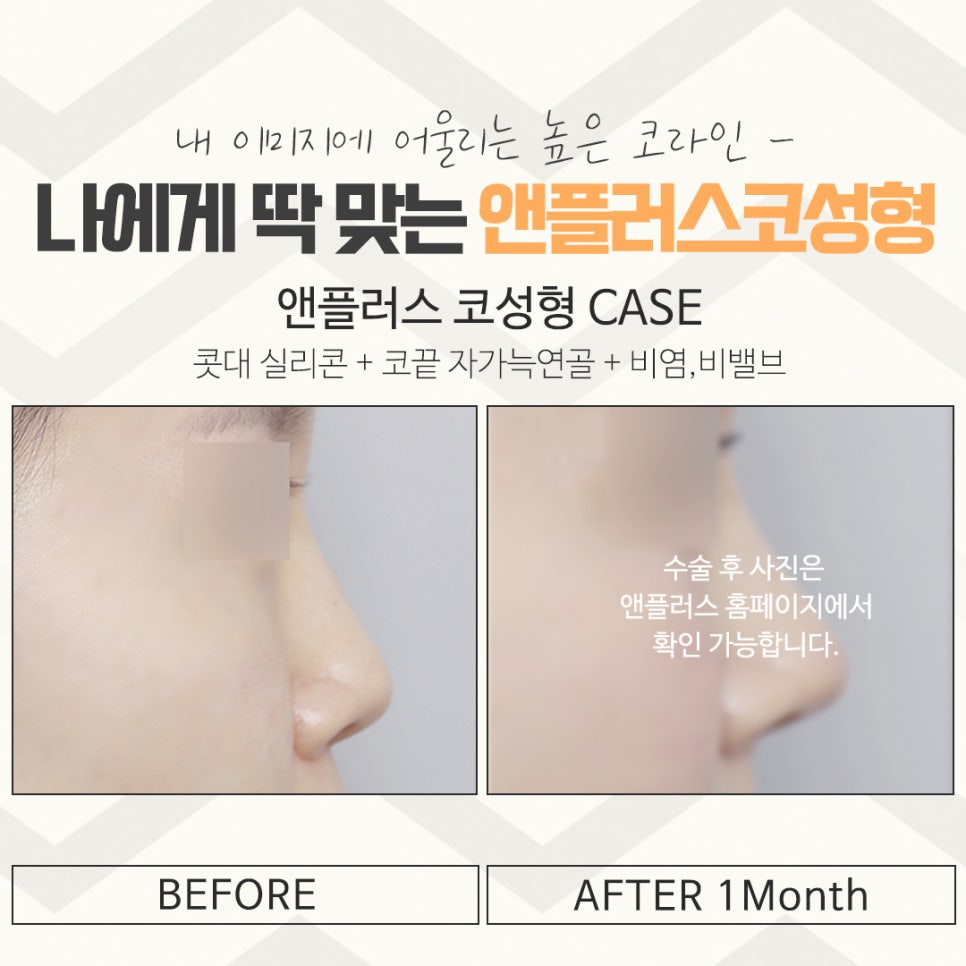
(The images above are before-and-after photos of N+ Plus rhinoplasty reviews.)
This concludes my explanation of N+ Plus rhinoplasty reviews. I hope this article is very helpful for those who are considering rhinoplasty due to dissatisfaction with the shape of the nose or problems with internal nasal function. Thank you.
https://youtu.be/rNJVlESZNyQ