
As standards for considering appearance have risen significantly in modern times, many people try to manage themselves through various media. Accordingly, people may try to improve areas they feel are lacking through skin care, exercise, dieting, makeup, and hairstyle changes. However, despite these efforts, the trend is that interest in plastic surgery is increasing as people look to improve areas that are difficult to change otherwise.

Among various cosmetic procedures, the shape of the nose in particular is a feature that determines the overall impression of the face. Even if it differs only slightly from the shape someone considers ideal, the balance of the entire image can seem disrupted. On the other hand, even a small change to the shape of the nose can greatly improve the overall appearance, so when looking into plastic surgery, it can be one of the first procedures to consider.

So, for those looking into nose surgery, concerns about the nose shape may include a nose that is too low, a hump, an upturned nose, a drooping nose, a crooked nose, or a hooked nose. For people who want to preserve their individuality rather than correct the entire nasal line with silicone for the bridge and autologous cartilage for the tip, and who want an improved appearance through changes to the nose tip, it may be helpful to look more closely at nose tip surgery reviews.

Therefore, the nose types of people looking into nose tip surgery reviews can be divided into cases such as a low nose tip, an upturned nose tip, a drooping nose tip, a bulbous nose or a long nose, and a wide nose tip. Depending on the various nose types, it is important to create a line that suits the individual’s image.
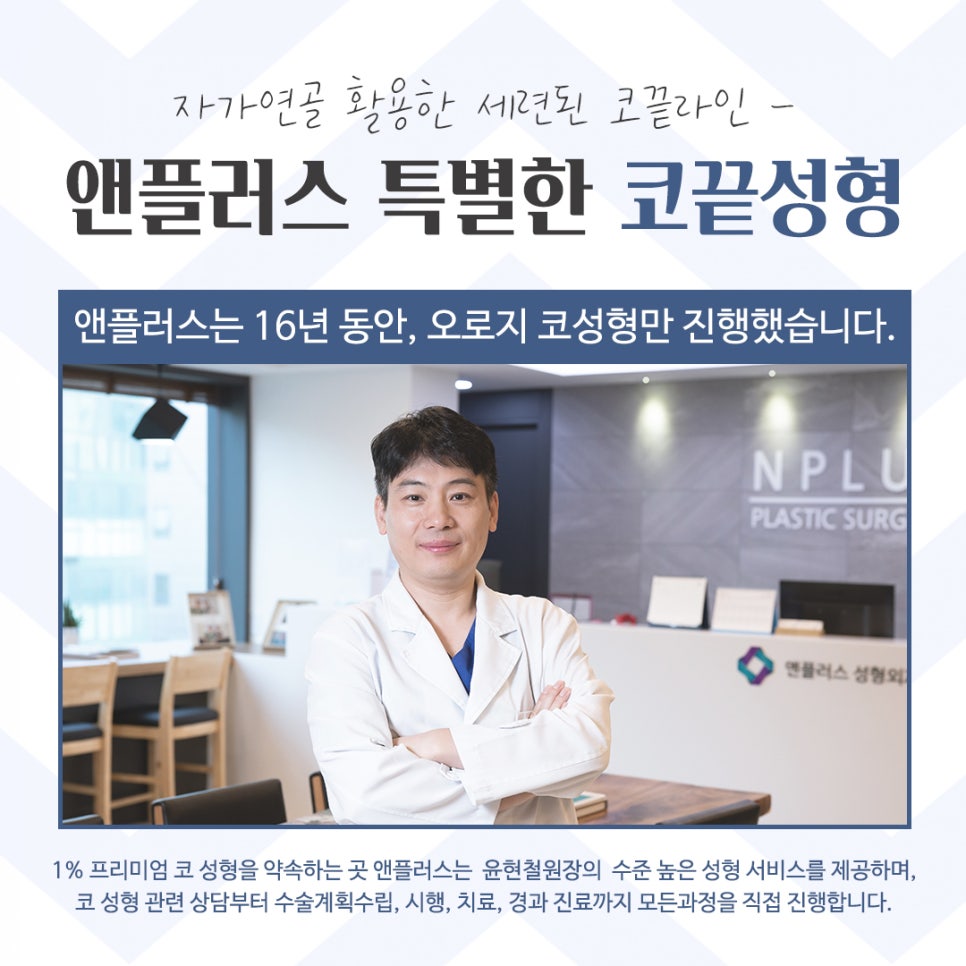
In general, nose tip surgery only involves the tip of the nose, so you may think it is a simpler operation compared with full nose surgery. However, because the inside of the nose itself is complex, it is important to make decisions more carefully. In addition, it can be helpful to check whether the medical team has a high level of anatomical knowledge of the nose, whether they have abundant experience and expertise, whether the necessary equipment is in place to accurately assess the condition of your nose, and whether aftercare can be reliably guaranteed.
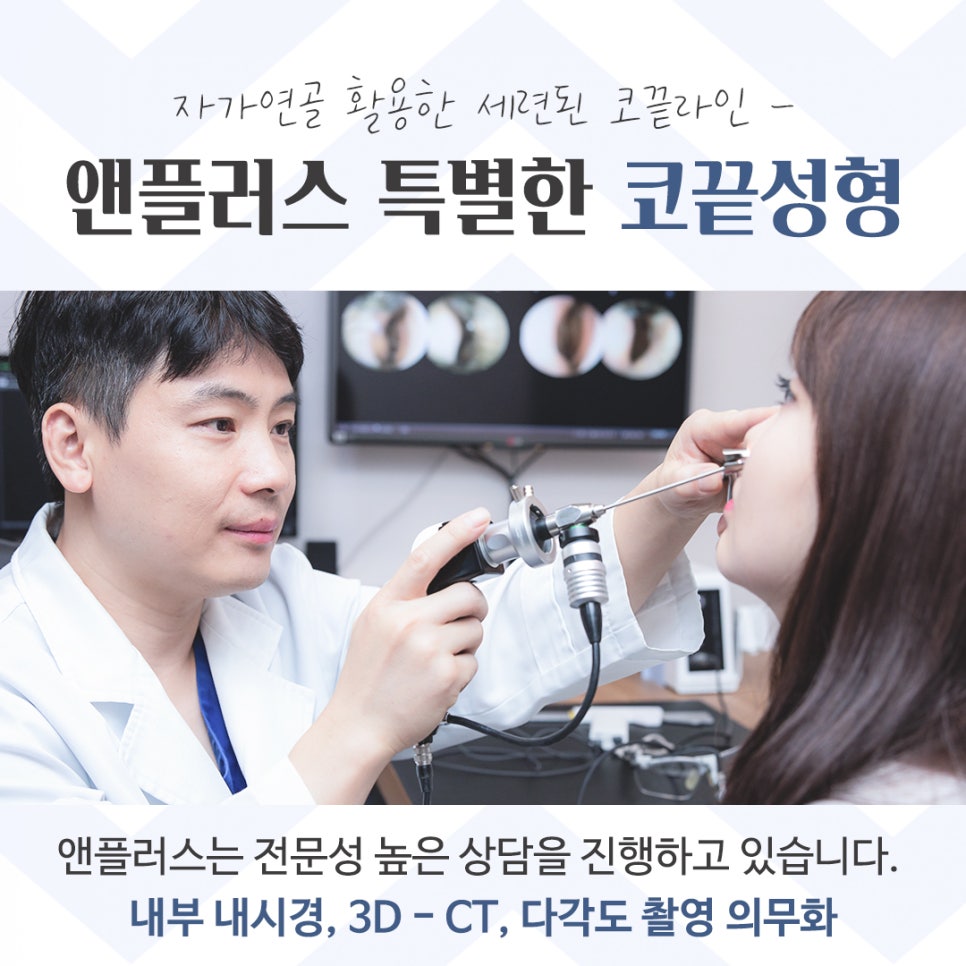
At Oji Nose Hospital & Plus, before surgery we perform internal endoscopic imaging, various allergy tests, internal nasal function tests, 3D CT imaging, and multi-angle photography to accurately assess each individual’s nasal condition. Based on the data obtained, we establish and carry out a surgical plan.
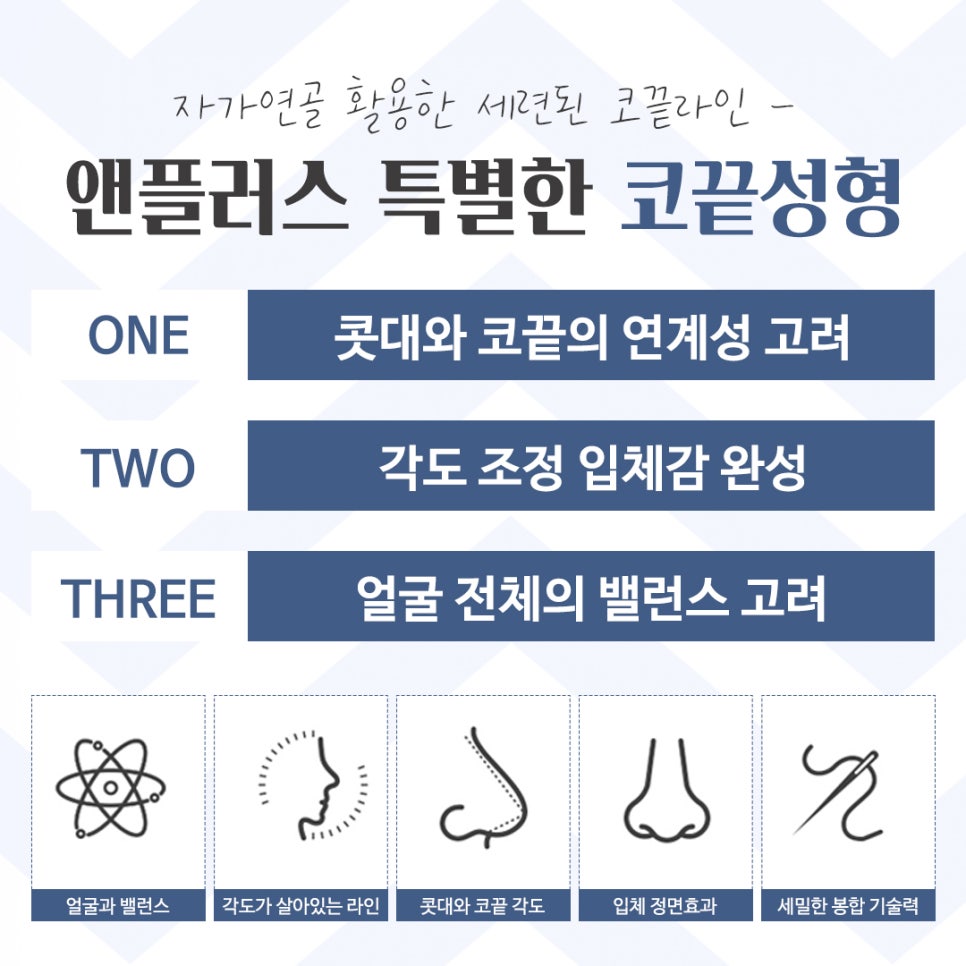
In the case of nose tip surgery, procedures are performed according to whether the nose tip is low, upturned, drooping, or wide.
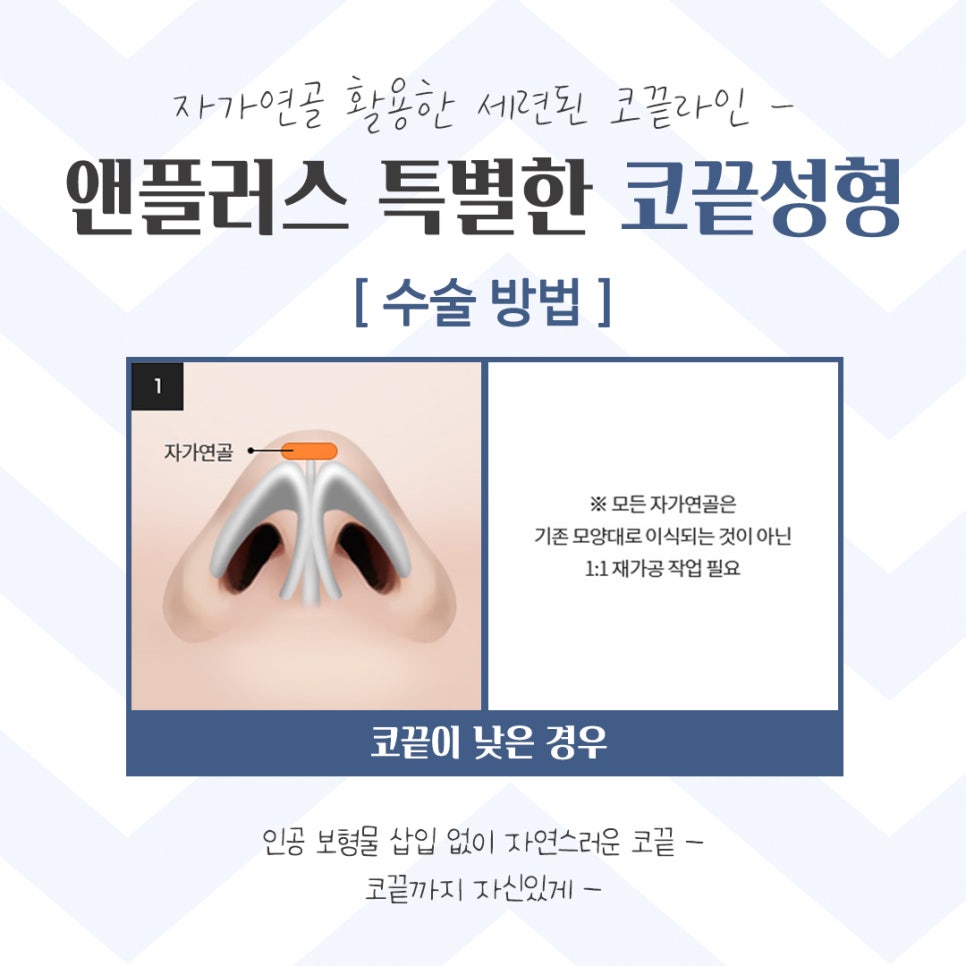
When the nose tip is low, autologous cartilage is grafted on top of the nose tip cartilage to correct it, and the design is made so that the bridge and the line are not interrupted.
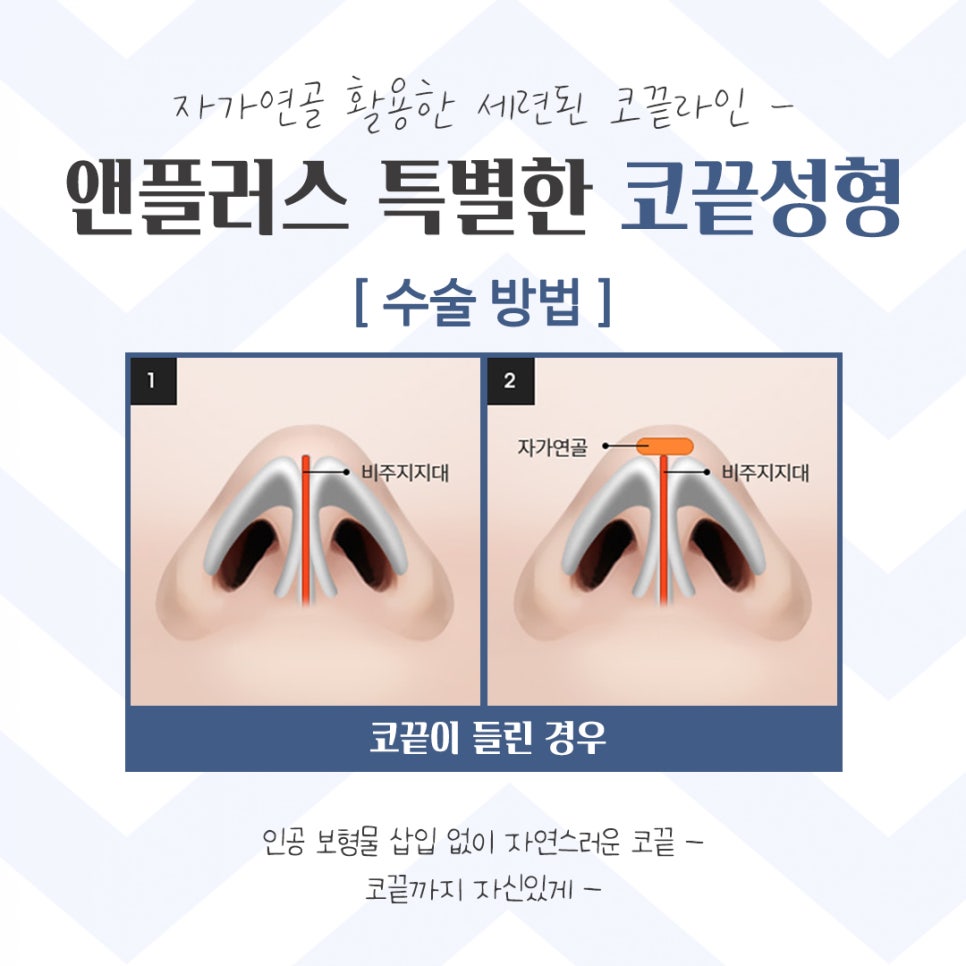
When the nose tip is upturned, a columellar strut is placed to prevent the nose from turning up again, or autologous cartilage is placed on the supported cartilage through septal extension surgery to correct the shape of the nose tip.
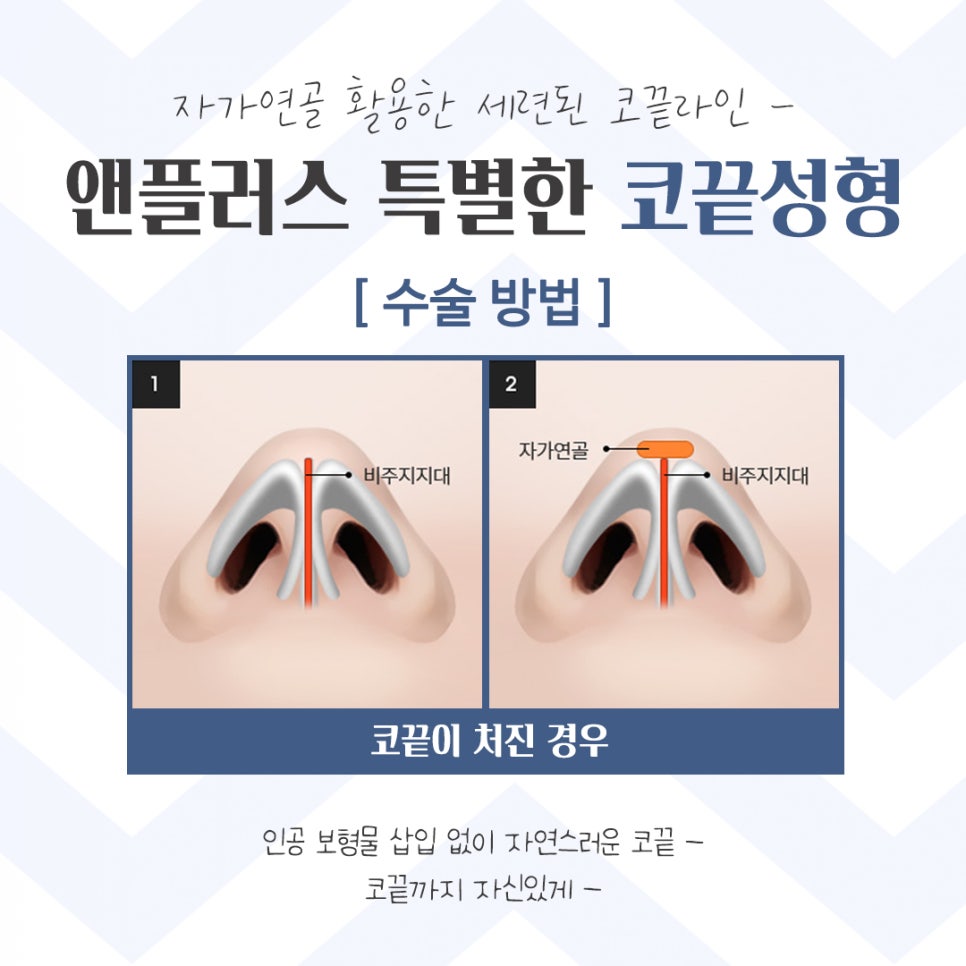
When the nose tip is drooping, a columellar strut is placed at the nose tip to firmly secure it, and autologous cartilage is placed on the supported nose tip cartilage to correct it.
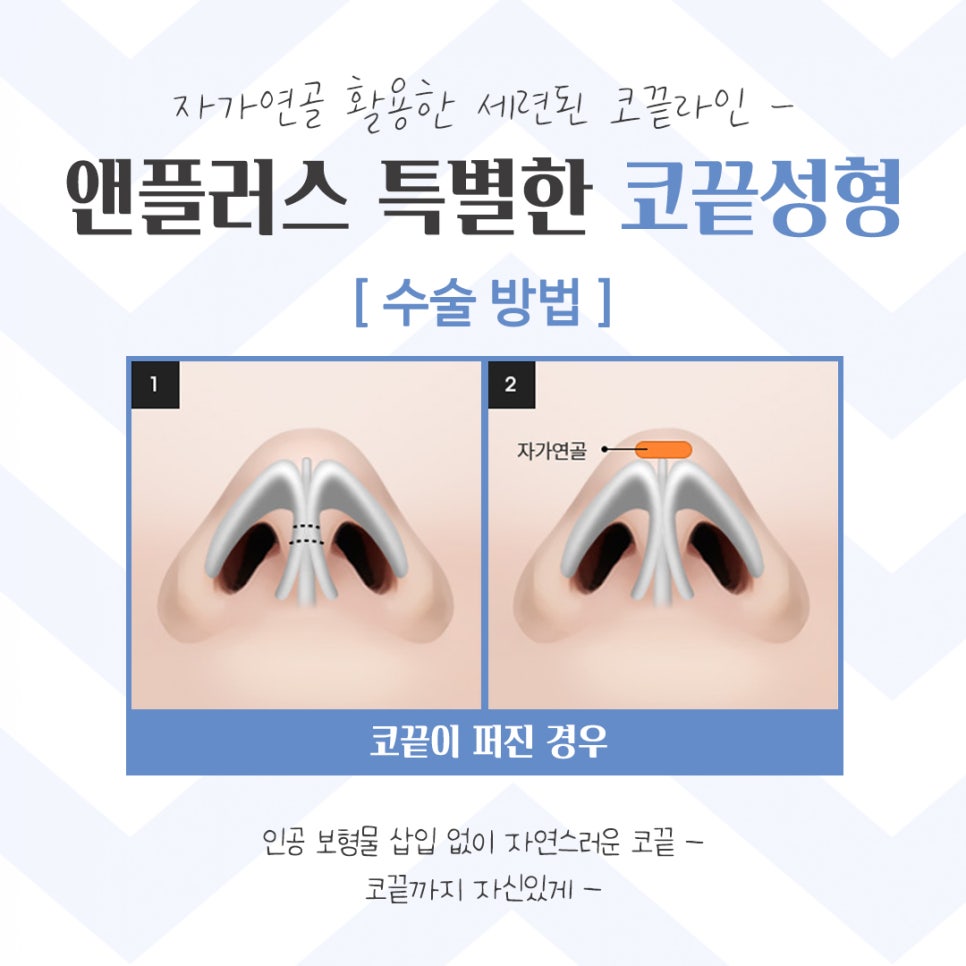
When the nose tip is wide, the spread nose can be brought together, the cartilage can be sutured and firmly fixed, and then autologous cartilage can be additionally grafted to perform nose tip surgery.
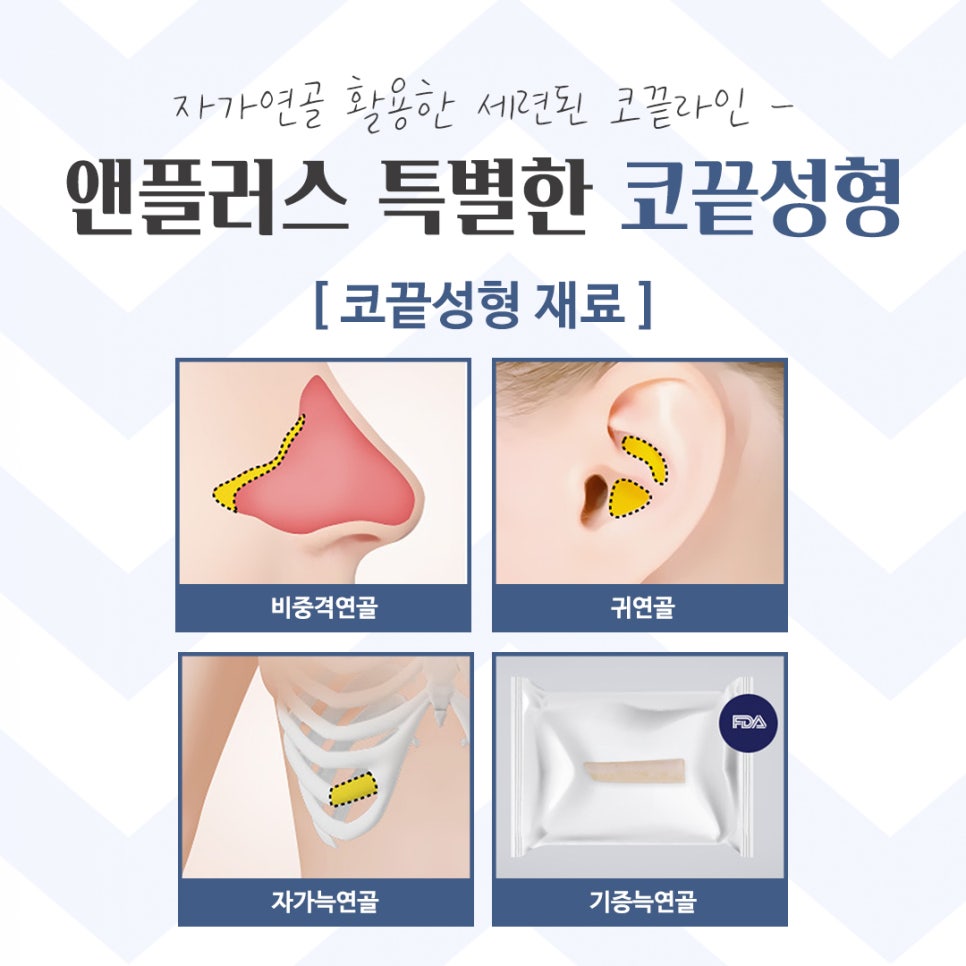
The materials used for nose tip surgery can be selected as appropriate for each person through preoperative testing. Autologous cartilage includes septal cartilage, ear cartilage, and autologous rib cartilage. If the use of autologous cartilage is difficult, donor rib cartilage can be used as a substitute.

At Oji Nose Hospital & Plus, Director Yoon Hyun-cheol personally handles every step one-on-one, from consultation related to nose surgery to establishing and carrying out the surgical plan, treatment, and follow-up care, resulting in a satisfying nose tip surgery review from before the procedure through aftercare.

For aftercare, they provide an A/S system that guarantees one year after surgery, as well as a surgical responsibility guarantee system that prepares for all possible situations, such as postoperative pain, inflammation, or dissatisfaction with the shape. Those who have an N+ membership card can receive aftercare benefits at any time.
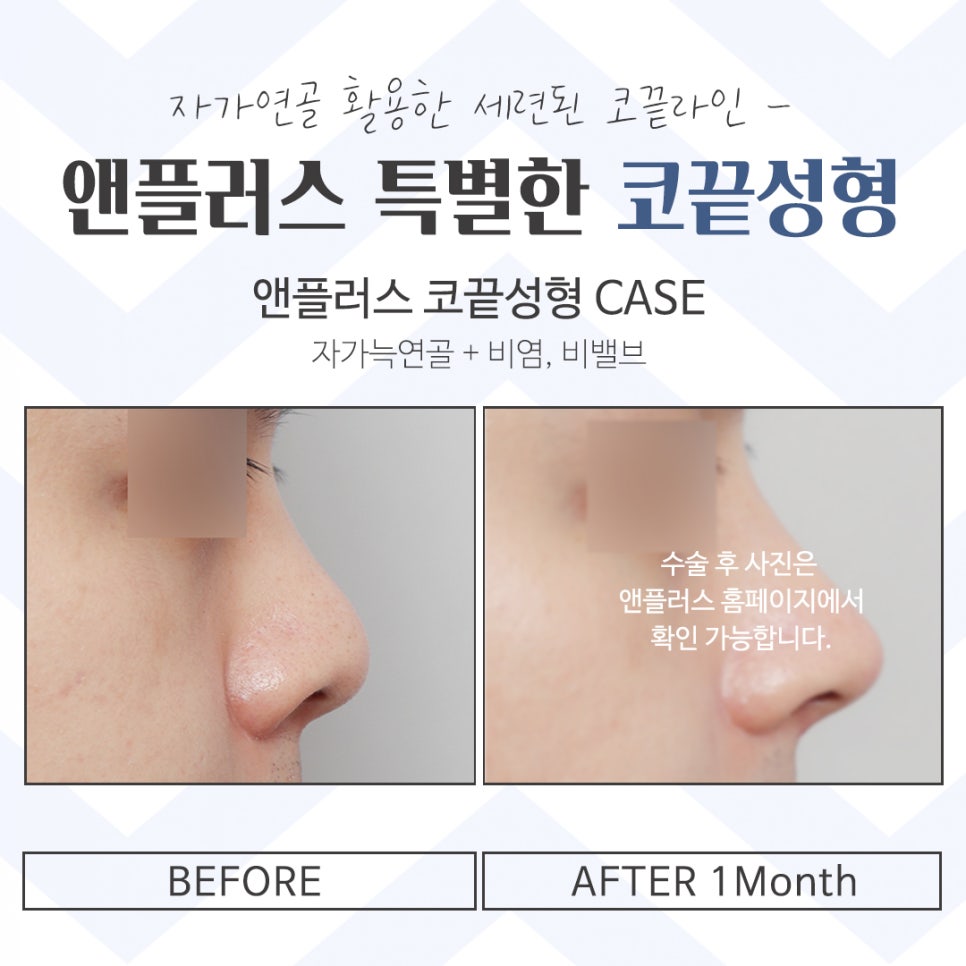
I have shared information about the nose tip surgery review at Oji Nose Hospital & Plus. I hope this article will be very helpful for those who have a high nose bridge but are unhappy with the shape of the nose tip, or for those who are looking into natural-looking nose surgery. Thank you.
https://youtu.be/6GtwNbh4mrc