
Self-care has become a trend, and many people are making various efforts to improve their image beyond what they currently have. As a result, interest in cosmetic surgery is also increasing.

Among the many types of cosmetic procedures, the nose is especially considered first because it is located at the center of our face and is the most three-dimensional feature. Even a small change in the shape of the nose can have a great effect on improving one’s image, so you may want to look into autologous rib cartilage nose surgery, a material that can create both natural and elegant results in rhinoplasty.

In the case of nose shapes among Korean people, because of the characteristics of Asians, the nose tends to be lower than that of Westerners, and the tip is blunt and spread out wider. For this reason, people who want a sharper and more elevated nose line seek information about autologous cartilage nose surgery.
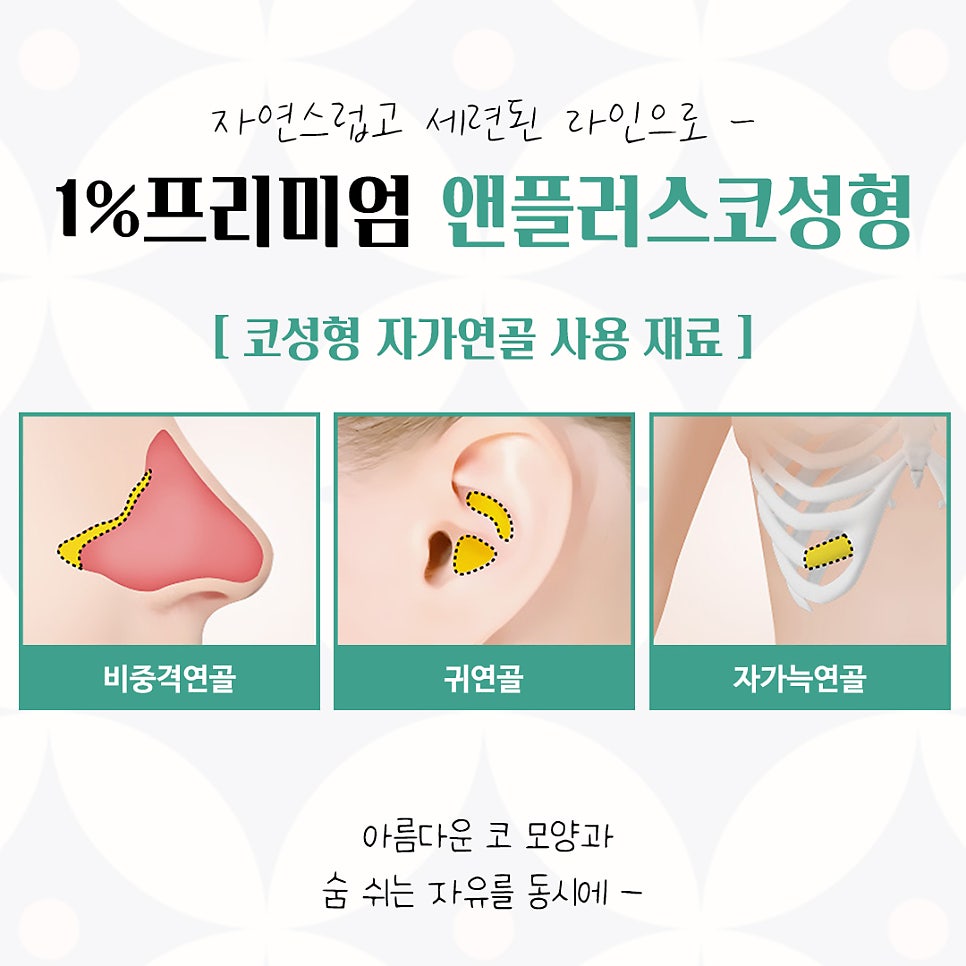
First, the autologous cartilage used for the nasal tip includes septal cartilage, ear cartilage, and autologous rib cartilage. Septal cartilage is the cartilage that acts as a partition dividing our nostrils in half, ear cartilage is the small cartilage located on the inner side of the ear, and autologous rib cartilage refers to the cartilage from the ribs. In general, ear cartilage and septal cartilage are known to be used often in rhinoplasty, but today you may choose autologous rib cartilage to create a high and natural line through autologous rib cartilage nose surgery, since it is larger and sturdier.
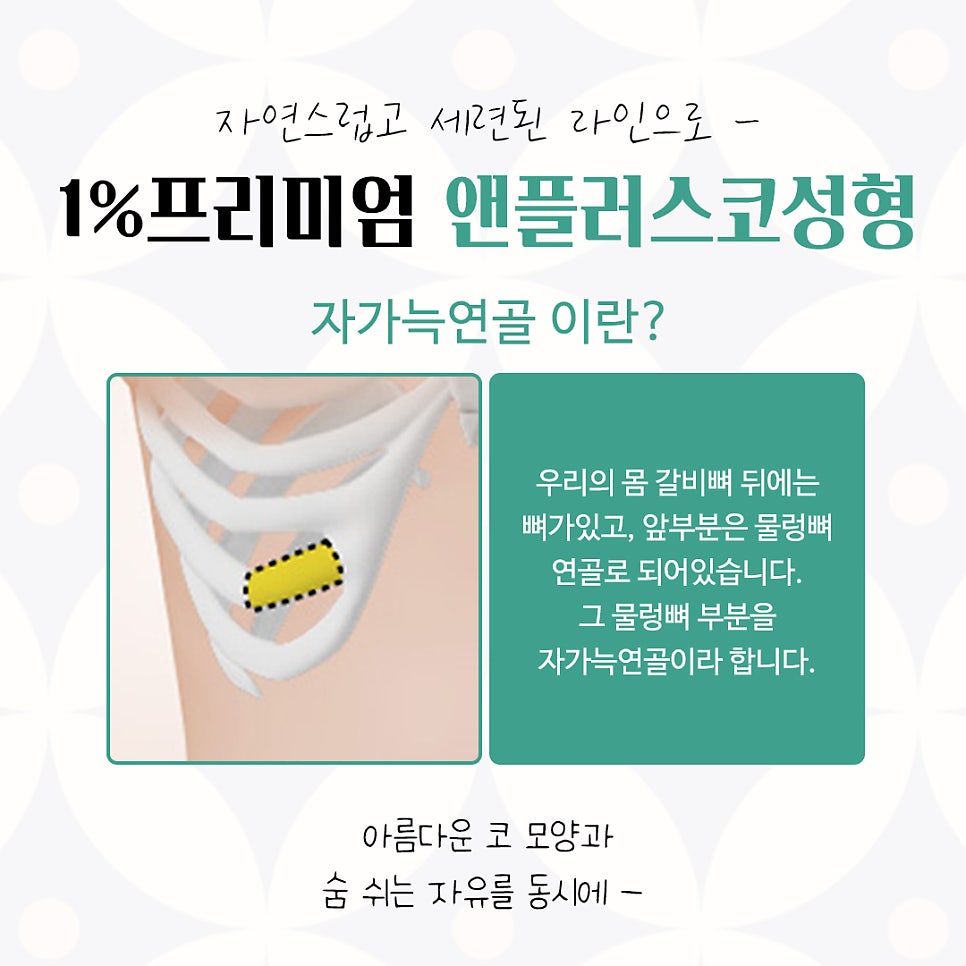
Autologous rib cartilage nose surgery uses autologous rib cartilage located in our ribs. Behind the ribs is hard bone, and the front part is soft cartilage; that soft cartilage part is called autologous rib cartilage. This autologous rib cartilage is reprocessed and used as a material for the bridge or tip of the nose. Autologous rib cartilage has the advantages of being large and sturdy.

Therefore, the nose shapes of those who look into autologous rib cartilage nose surgery can be categorized as cases where ear cartilage or septal cartilage is insufficient due to revision rhinoplasty, a small nose, a low nose, or an upturned nose. Considering these various cases, the surgical method differs depending on the shape of the nose, the condition of the cartilage, the condition of the nasal bone, the condition of the skin, and whether there are functional issues. It would be helpful to choose a place where the condition of your nose can be accurately checked.
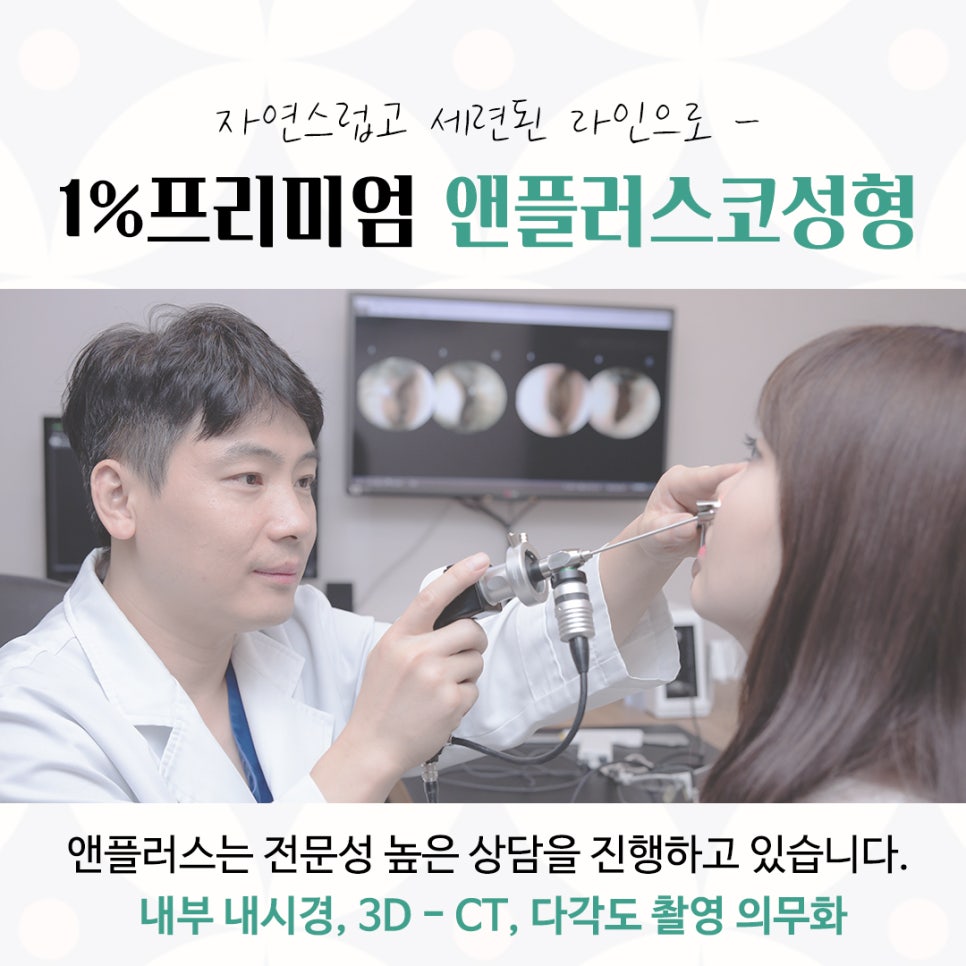
At N+ Plastic Surgery Clinic, to ensure safe and satisfying rhinoplasty, we thoroughly assess each person’s nasal condition through multi-angle photography, internal endoscopic imaging, 3D-CT scans, various allergy tests, and internal nasal function tests. Based on the extracted data, we establish and carry out a surgical plan.

In the case of autologous rib cartilage nose surgery, the procedure is carried out in three ways, classified by whether the bridge and tip of the nose are both low, only the tip is low, or only the bridge is low.
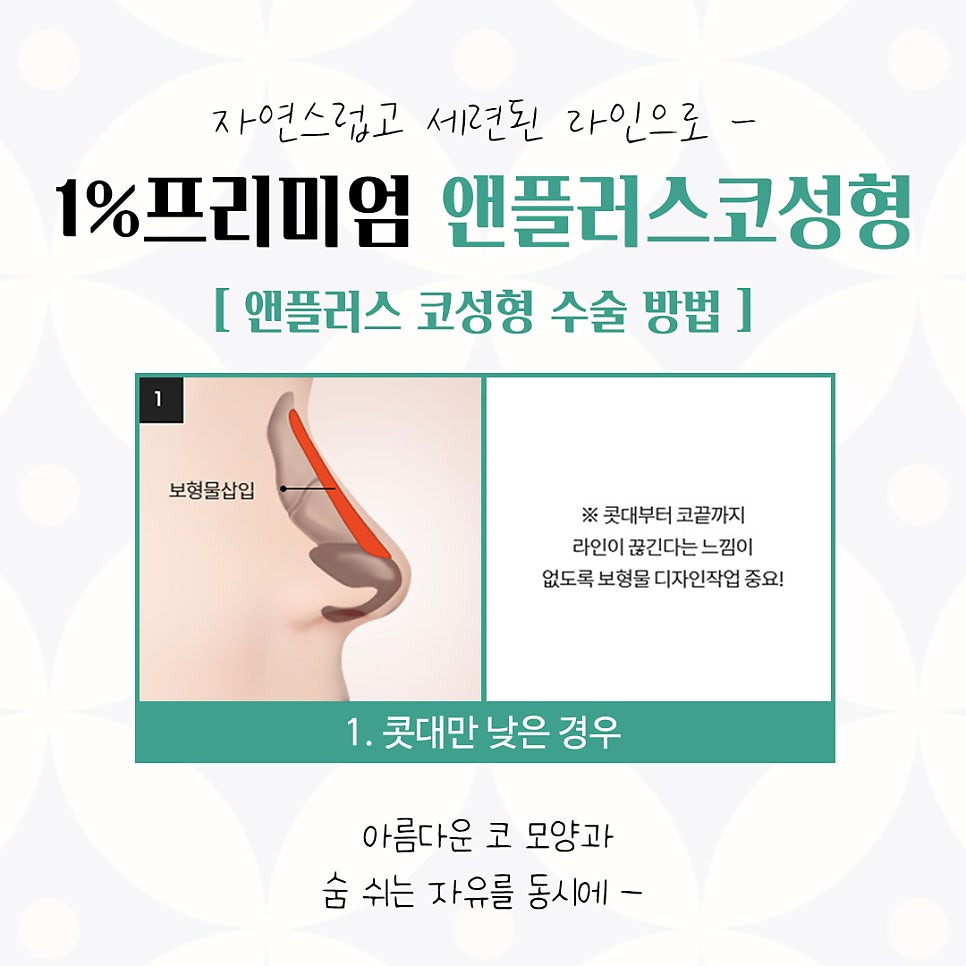
When only the bridge of the nose is low, it is important to correct the bridge using customized silicone or autologous rib cartilage and to design it so that the tip and the line of the nose are not disconnected.
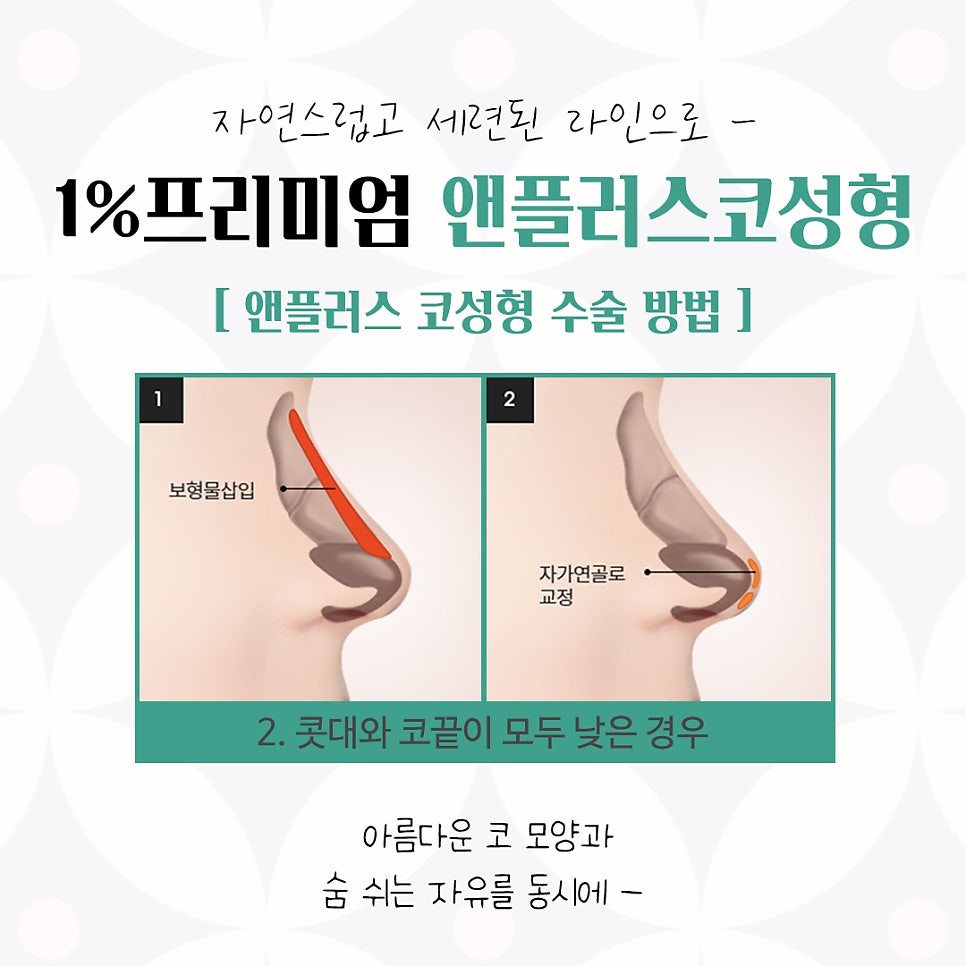
When both the bridge and the tip are low, the bridge can be corrected with customized silicone or autologous rib cartilage, and the tip can be corrected using autologous rib cartilage or other autologous cartilage to improve the overall line of the nose.
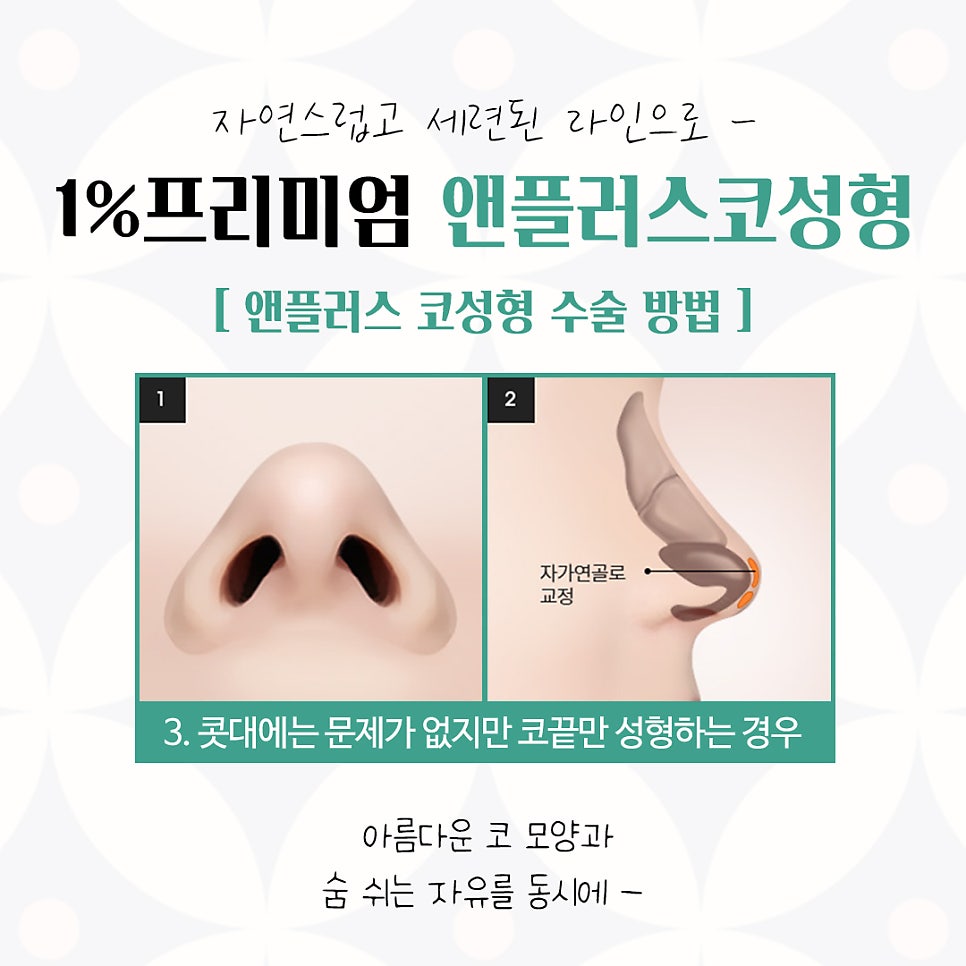
When only the tip is low, the tip is corrected using autologous rib cartilage, and it is important to design it so that it does not break the line of the bridge.

When performing autologous rib cartilage nose surgery, the implant used for the bridge is not simply a commercially available silicone product as-is. Instead, it is carefully shaped by hand after considering various aspects such as the individual’s overall image, the width, length, breadth, and height of the bridge, resulting in a highly satisfying procedure.

Therefore, even if the surgery is performed using the same material, choosing a clinic that accurately diagnoses the individual’s condition can help prevent revision surgery. In addition, it is helpful to carefully check whether the medical team has a high level of anatomical knowledge of the nose, whether they have sufficient relevant experience and expertise, whether the necessary equipment to accurately assess the condition of your nose is available, and whether aftercare can be reliably guaranteed.

At N+ Plastic Surgery Clinic, Director Yoon Hyun-cheol personally handles every step as the dedicated 1:1 lead physician, from consultation about rhinoplasty to surgical planning, the procedure itself, treatment, and follow-up care, providing a high level of medical service from before surgery through after surgery.

The aftercare provided after surgery includes a one-year warranty system after the procedure and a surgical responsibility guarantee system that prepares for all possible situations, including postoperative pain, inflammation, and dissatisfaction with the appearance. This allows you to visit with peace of mind even after surgery.
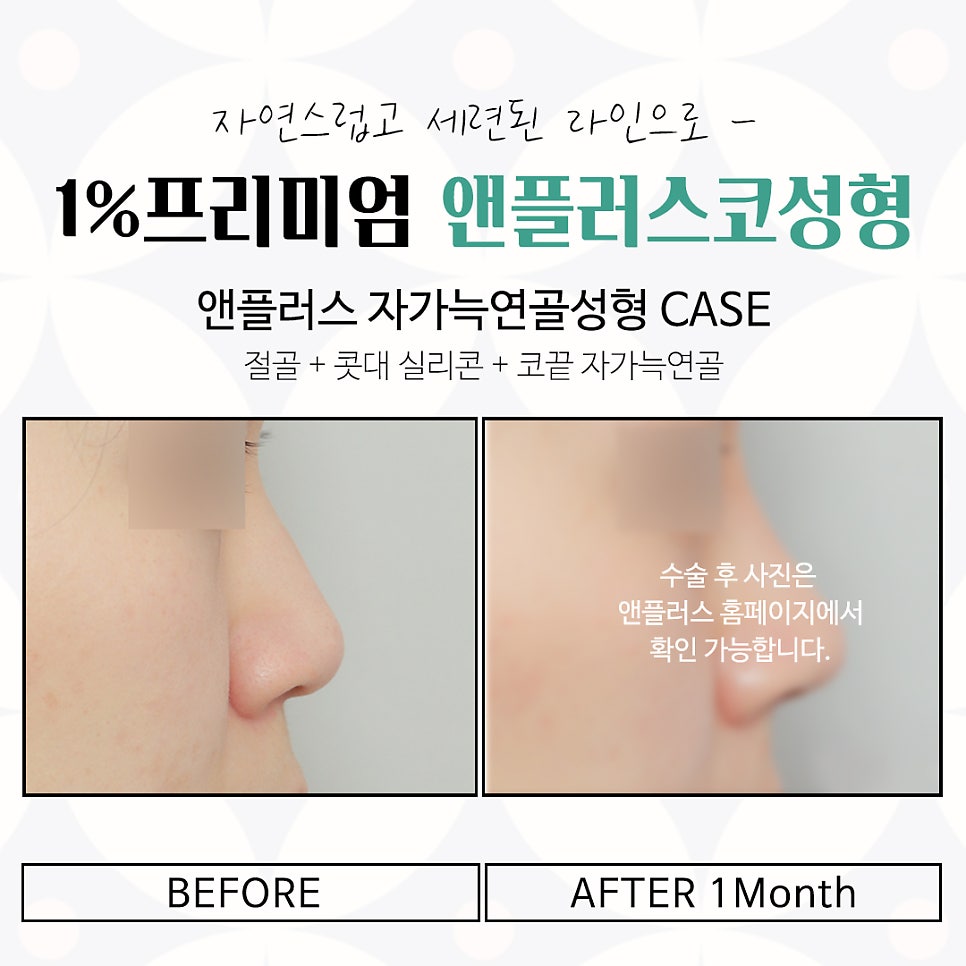
This has been an explanation of autologous rib cartilage nose surgery. I hope this article is very helpful for those who are looking into natural yet glamorous rhinoplasty because their nose is too low or too wide. Thank you.
https://youtu.be/9K9mG6XJd-Q