
As trends continue to change, many people want their appearance to be improved into a more appealing image, so interest in cosmetic procedures is increasing. However, indiscriminate cosmetic surgery can cause side effects, so you need to think more carefully. Among the many types of cosmetic surgery, the nose is located at the center of the face and is a three-dimensional area, so even if its shape differs only slightly from a person's standards, the overall balance of the face may seem disrupted. For this reason, many people prioritize rhinoplasty.

Therefore, the nose shapes of those looking into rhinoplasty can be classified as very low, hooked, upturned, crooked, drooping, or bulbous. You can also look into rhinoplasty information when the nose becomes deformed due to trauma such as a nasal bone fracture or due to problems with internal nasal function.

That is why people researching rhinoplasty may do so either to address aesthetic concerns or to straighten and correct the shape of the nose when deformity occurs due to trauma such as a healed nasal bone fracture. The nose plays an important aesthetic role, but it is also a functional organ responsible for breathing and smell. Therefore, it is important to accurately understand the current condition of the nose and proceed with surgery suited to that condition.
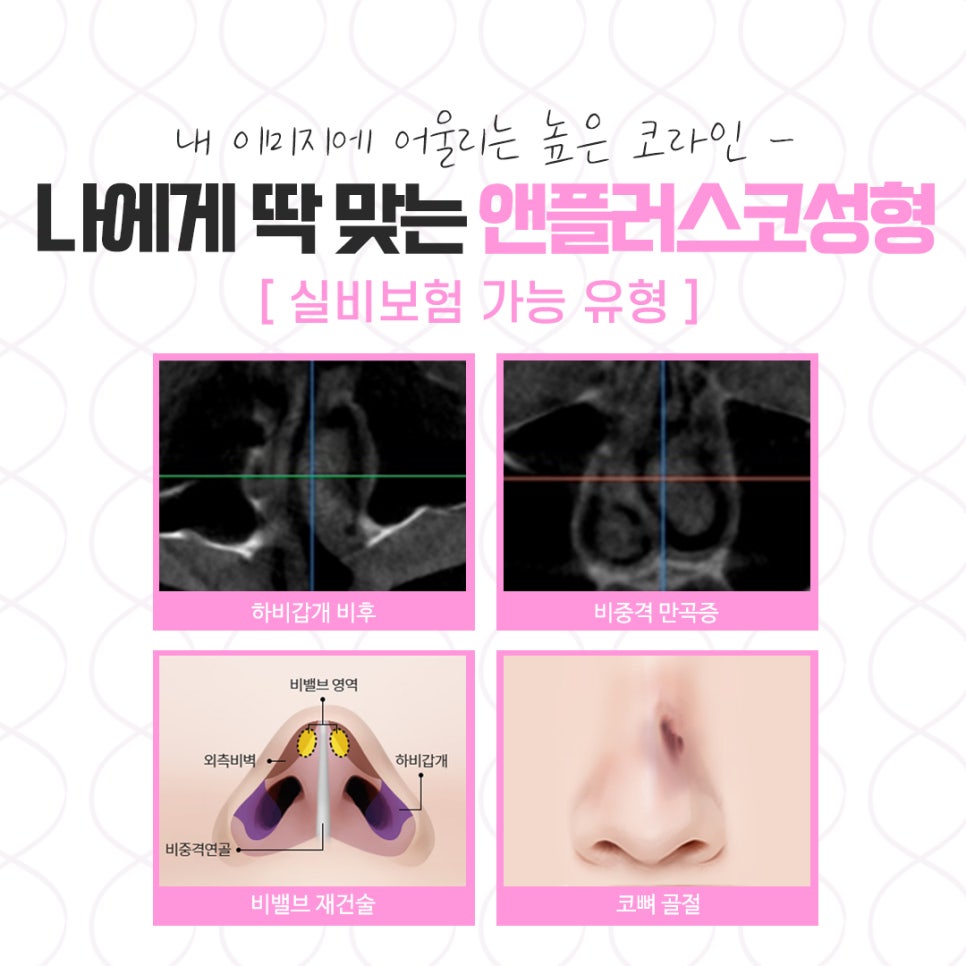
When the functional aspects of the nose are improved through surgery, one of the most representative symptoms is nasal congestion caused by rhinitis. Rhinitis is divided into allergic rhinitis and structural rhinitis. In the case of allergic rhinitis, it appears due to specific substances or objects, so medication or immune support should come first. On the other hand, structural rhinitis includes inferior turbinate hypertrophy, deviated septum, and nasal valve stenosis. Because each condition obstructs airflow into the nose in a different way and causes nasal congestion, structural rhinitis can be expected to be cured through surgery. In addition, a nasal bone fracture refers to a fracture caused by external impact. In such cases, problems with internal nasal function may also occur, so surgery must be performed only after thoroughly understanding the inside of the nose to prevent secondary surgery.
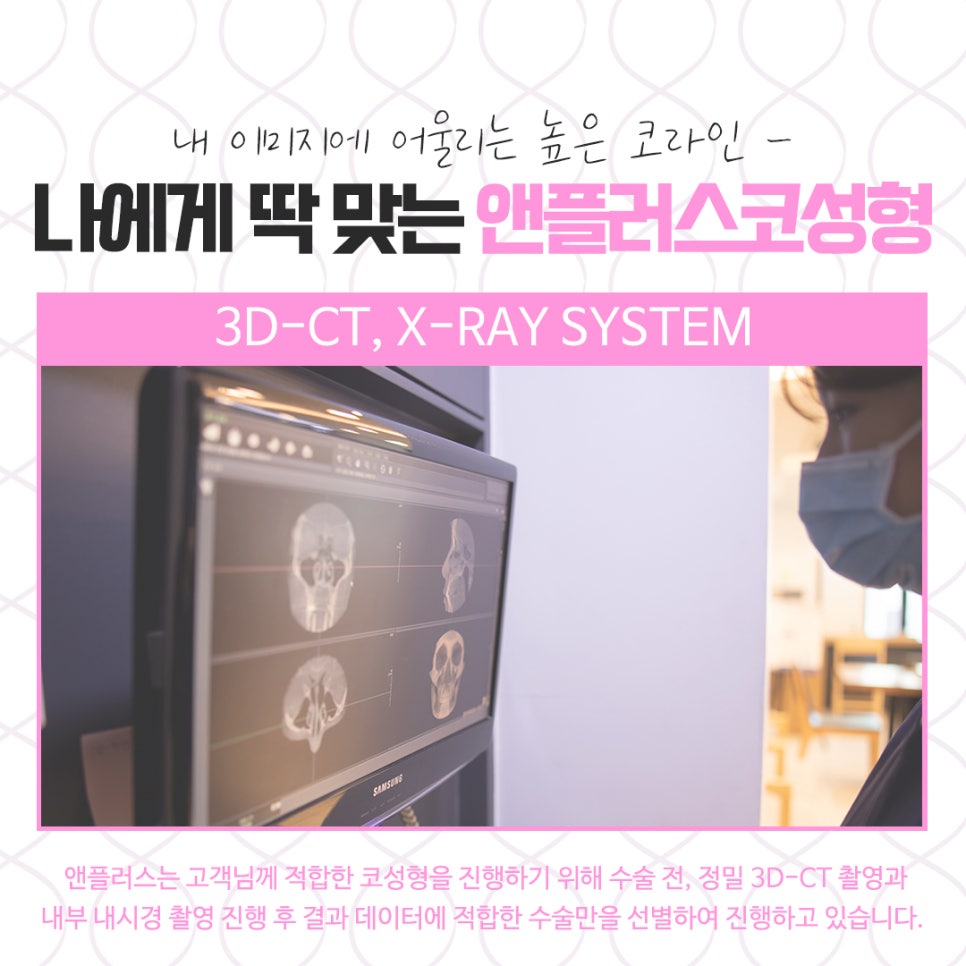
At N Plus, to perform safe and satisfying rhinoplasty, they conduct multi-angle photography, internal endoscopic imaging, various allergy tests, internal nasal function tests, and 3D CT scans before surgery. Based on the extracted data, they establish and carry out a surgical plan after accurately understanding each individual’s internal and external nasal condition.
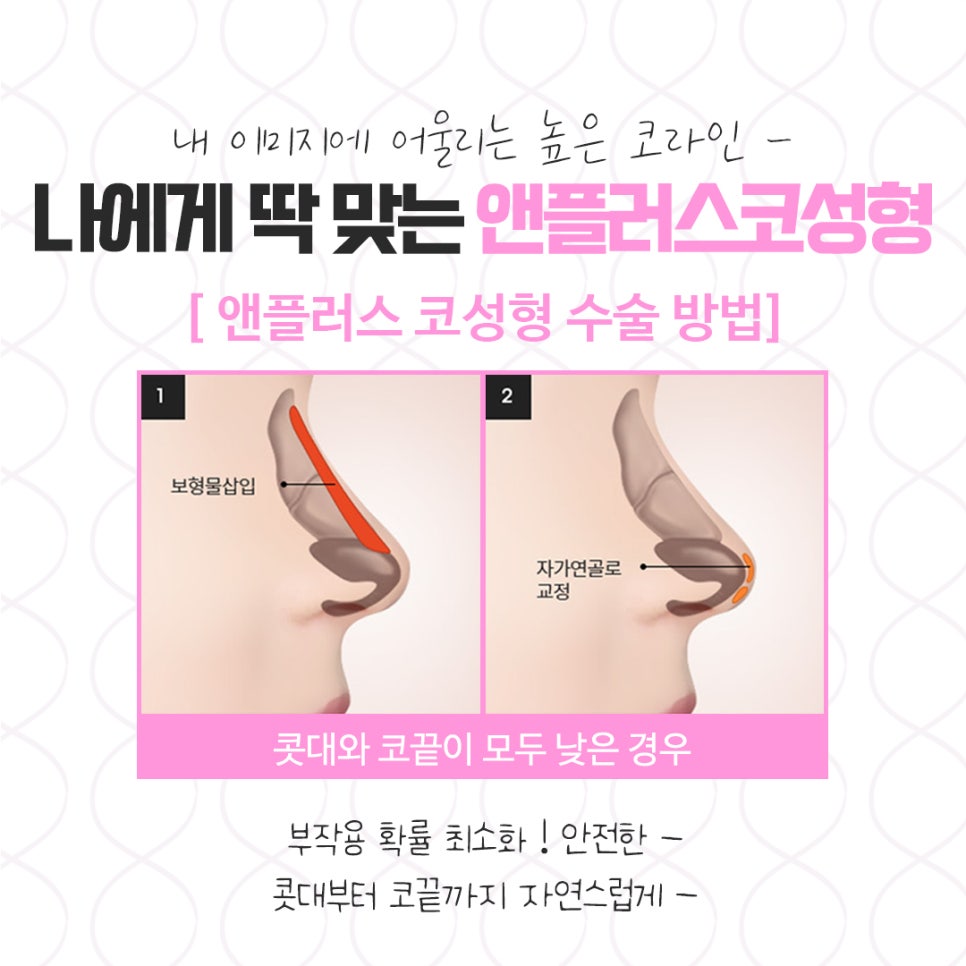
For rhinoplasty, the bridge of the nose is generally made with silicone, and the tip is made with autologous cartilage.

In addition, if there is a nasal bone fracture or a problem with function, the priority can be to improve symptoms first through reconstruction of the fractured nasal bone, based on symptoms such as deviated septum, inferior turbinate hypertrophy, and nasal valve stenosis, and then proceed with cosmetic rhinoplasty.
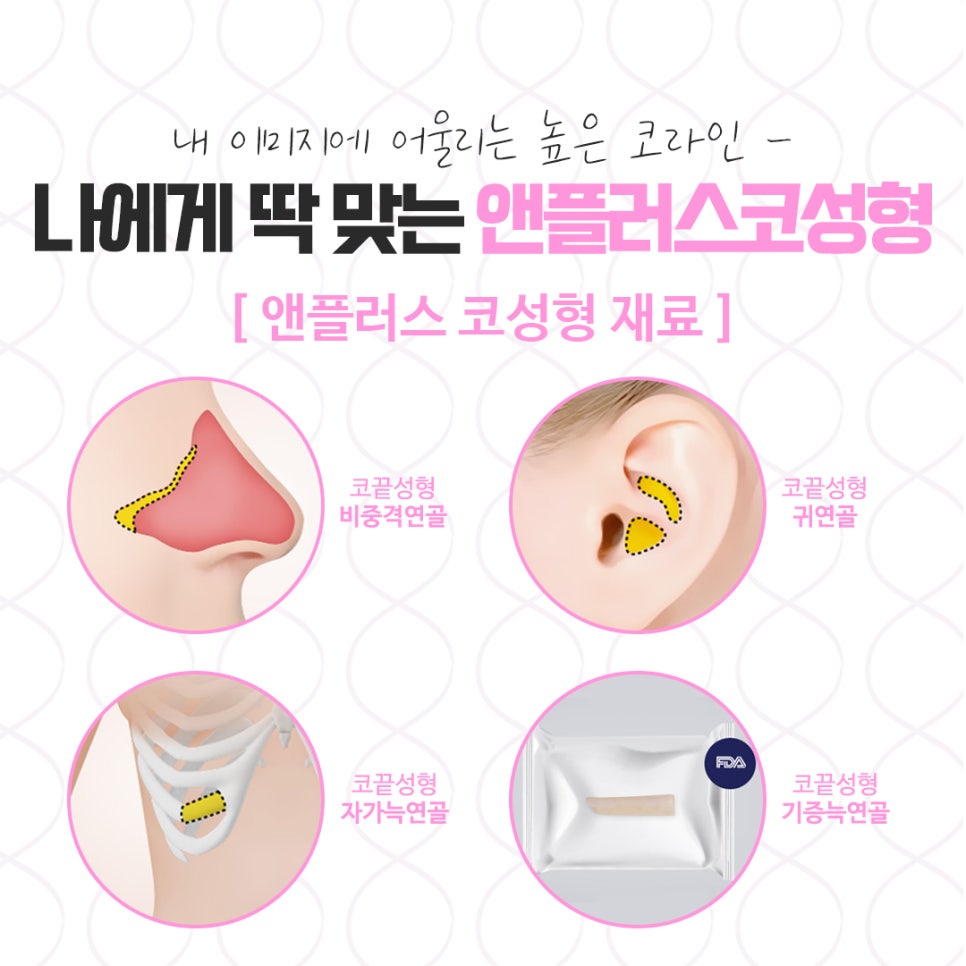
Autologous cartilage is used for the nasal tip. In the case of autologous cartilage, it can be selected through preoperative tests as a material that suits the individual. Types of autologous cartilage include ear cartilage, autologous rib cartilage, and septal cartilage. If the use of autologous cartilage is unavoidably difficult, it can be replaced with donated rib cartilage approved by the U.S. FDA.

Silicone is used for the bridge of the nose, and at N Plus, to minimize an artificial look after nose surgery, they do not use a mass-produced silicone implant as-is. Instead, they use a custom-designed silicone implant that takes into account various aspects such as the person’s overall image, as well as the width, length, breadth, and height of the nasal bridge, which can lead to higher satisfaction after surgery.

As such, people who undergo rhinoplasty look into it for reasons such as aesthetic improvement, nasal bone fracture, or functional problems. The inside of the nose is much more complex than the visible part, so rhinoplasty is considered one of the more difficult cosmetic surgeries. In addition, it would be helpful to check whether the medical staff have a high level of anatomical knowledge of the nose, whether they have abundant relevant experience and expertise, whether equipment is available to accurately assess the condition of your nose, and whether aftercare can be reliably guaranteed.
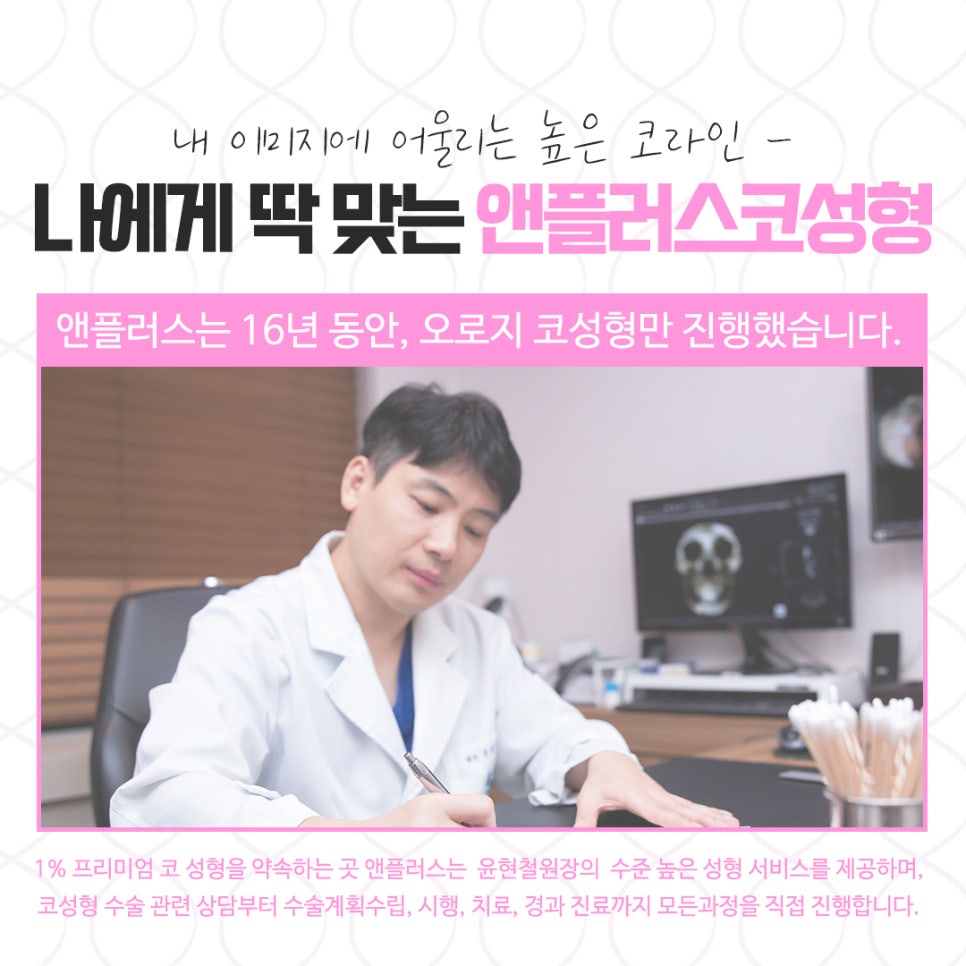
At N Plus, Director Yoon Hyun-cheol personally oversees every step one-on-one, from consultation about rhinoplasty surgery to surgical planning, performance, treatment, and follow-up care, providing a high level of medical service from before surgery through after.

For aftercare, they issue an N Plus membership card and operate a service warranty system that guarantees one year after surgery. They also implement a surgical responsibility guarantee system in preparation for any post-surgery pain, inflammation, dissatisfaction with appearance, or other situations that may arise, so you can receive firm aftercare benefits as well.
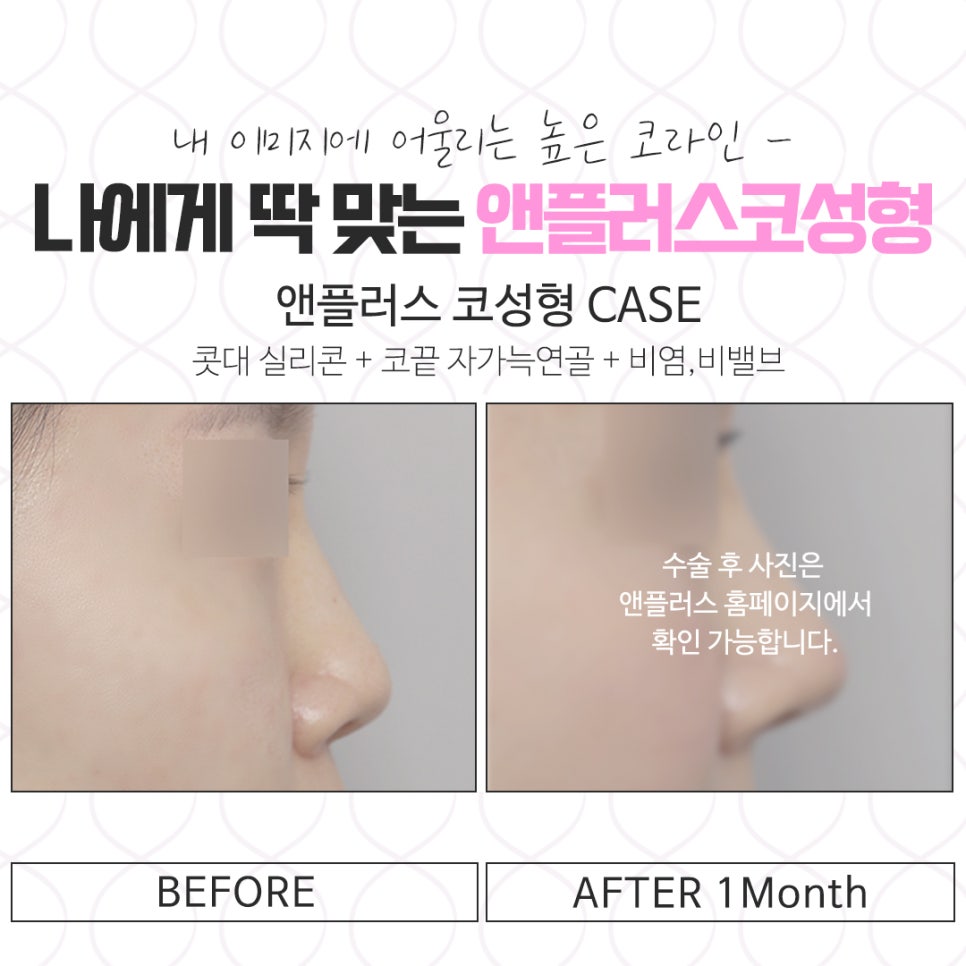
(The images above are before-and-after photos of N Plus rhinoplasty.)
So far, we have explained matters related to rhinoplasty at N Plus, including external concerns, functional concerns, and nasal bone fractures. I hope this article is of great help to those who are looking into rhinoplasty due to dissatisfaction with the shape of their nose, internal nasal function problems, or external changes caused by a nasal bone fracture. Thank you.
https://youtu.be/iY2pyDSjs1k