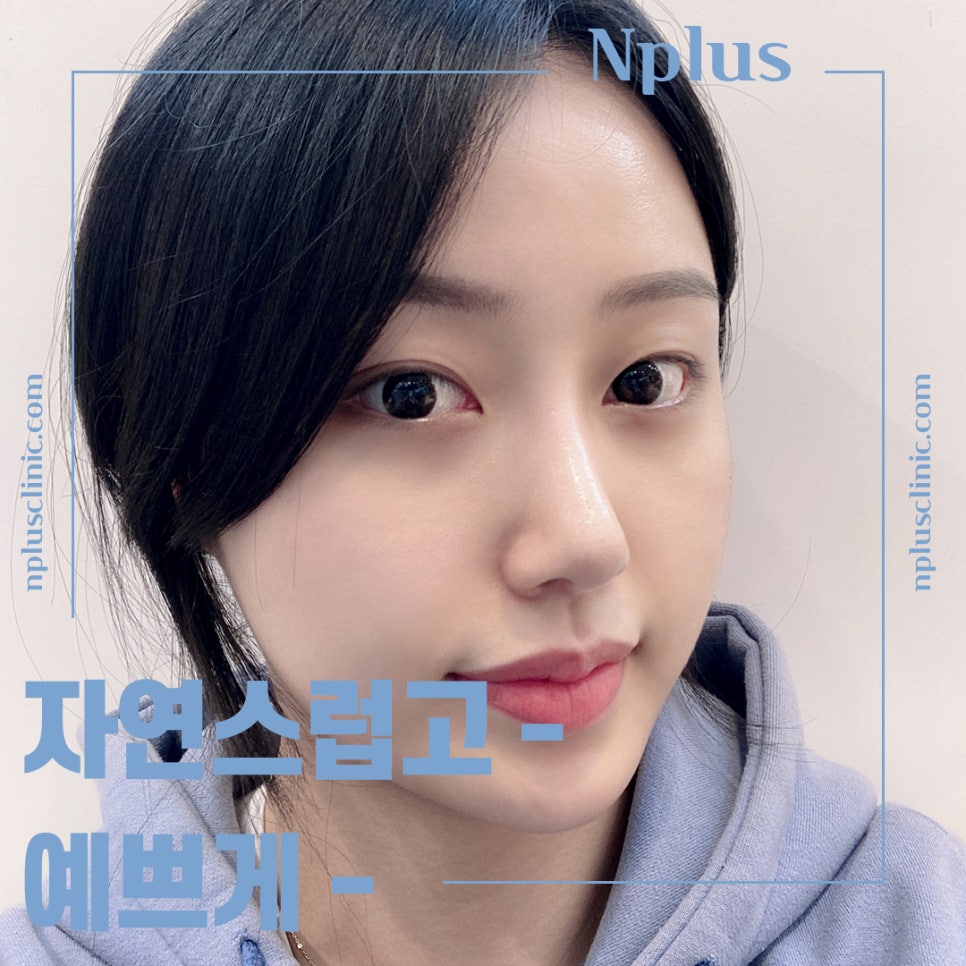
Those looking into cosmetic surgery may be dissatisfied with their current appearance and seek to improve it into a more appealing image. However, if cosmetic procedures are performed indiscriminately, they can cause various side effects, so it is important to make a careful decision.

That is why many people who choose cosmetic surgery first prioritize improving the facial features such as the eyes, nose, and mouth. Among these features, the nose in particular is located at the center of the face and is the most three-dimensional area. If the shape of the nose differs even slightly from the standard one a person has in mind, it can lead to a complex about appearance. When the nose is especially low and lacks dimension, you may look into low nose rhinoplasty in more detail in order to refine it into a straighter, more defined shape and make the overall image appear a bit more sophisticated.
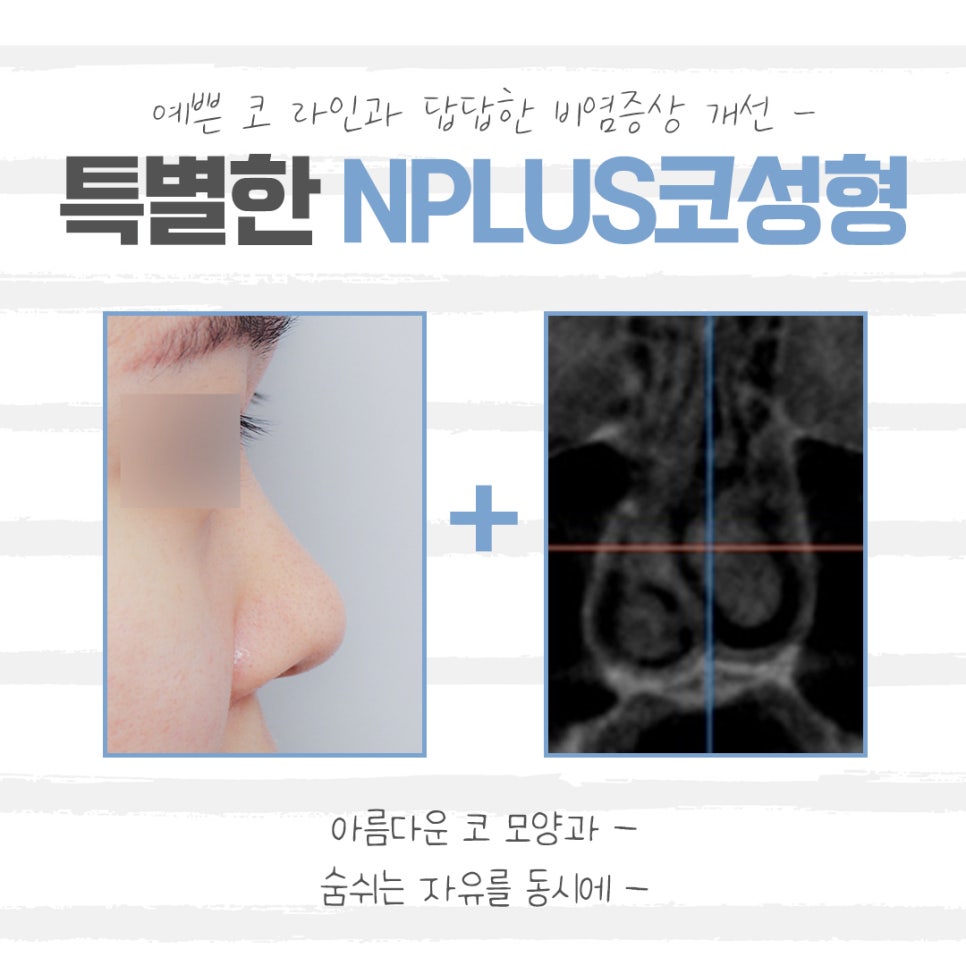
As such, when many people consider nose surgery, outward appearance naturally tends to take priority. However, the nose plays an important external role and also serves a functional role in the body by handling breathing and smell internally. For this reason, when performing nose surgery, the procedure should consider both the external appearance and the internal functional aspects of the nose. This can help prevent revision surgery due to postoperative functional problems.
Therefore, those looking into low nose rhinoplasty may find it helpful not only to consider the external appearance but also to check whether functional diagnosis is possible before deciding. In addition, it is good to carefully check whether the medical staff have strong anatomical knowledge of the nose, whether they have abundant relevant experience, whether equipment is available to accurately assess the condition of your nose, and whether postoperative care is clearly guaranteed.
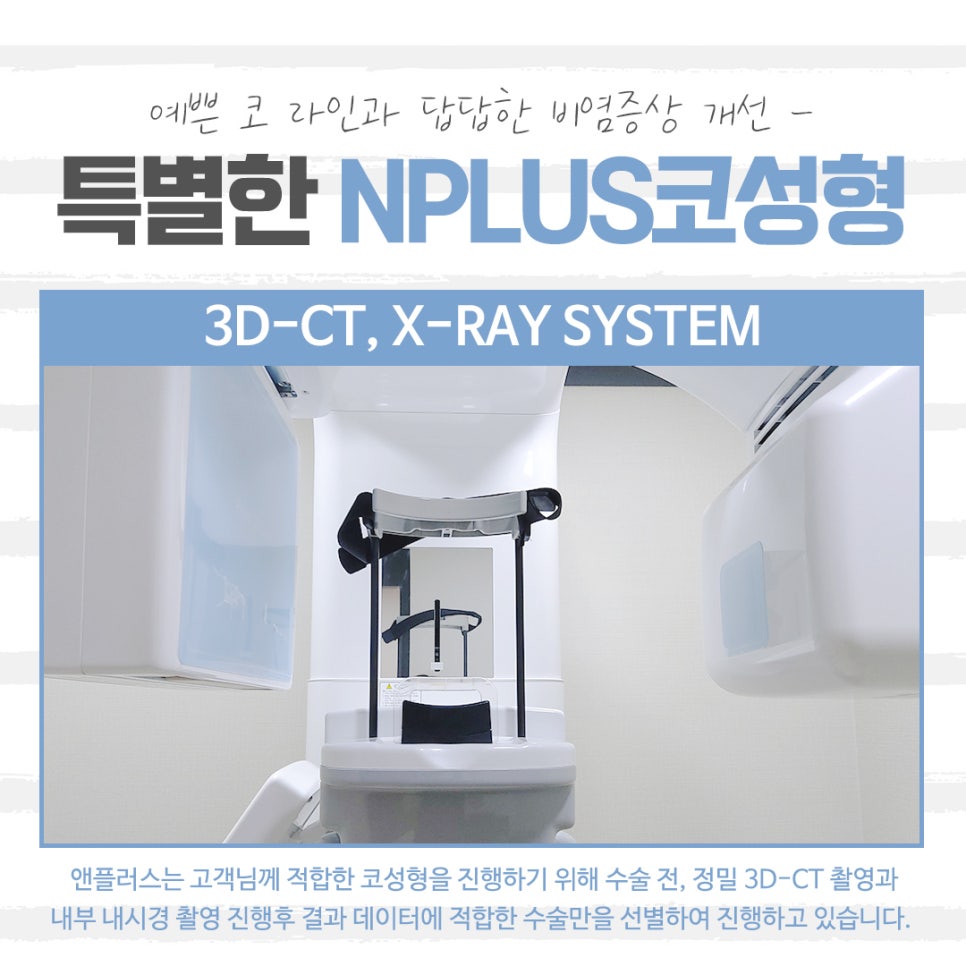
At Ohjiko Hospital N+Plus, before surgery, 3D-CT scans, internal endoscopy, various allergy tests, nasal internal function tests, and multi-angle photography are used to accurately assess the current external and internal condition of each person’s nose. Based on the collected data, a surgical plan is established and carried out.
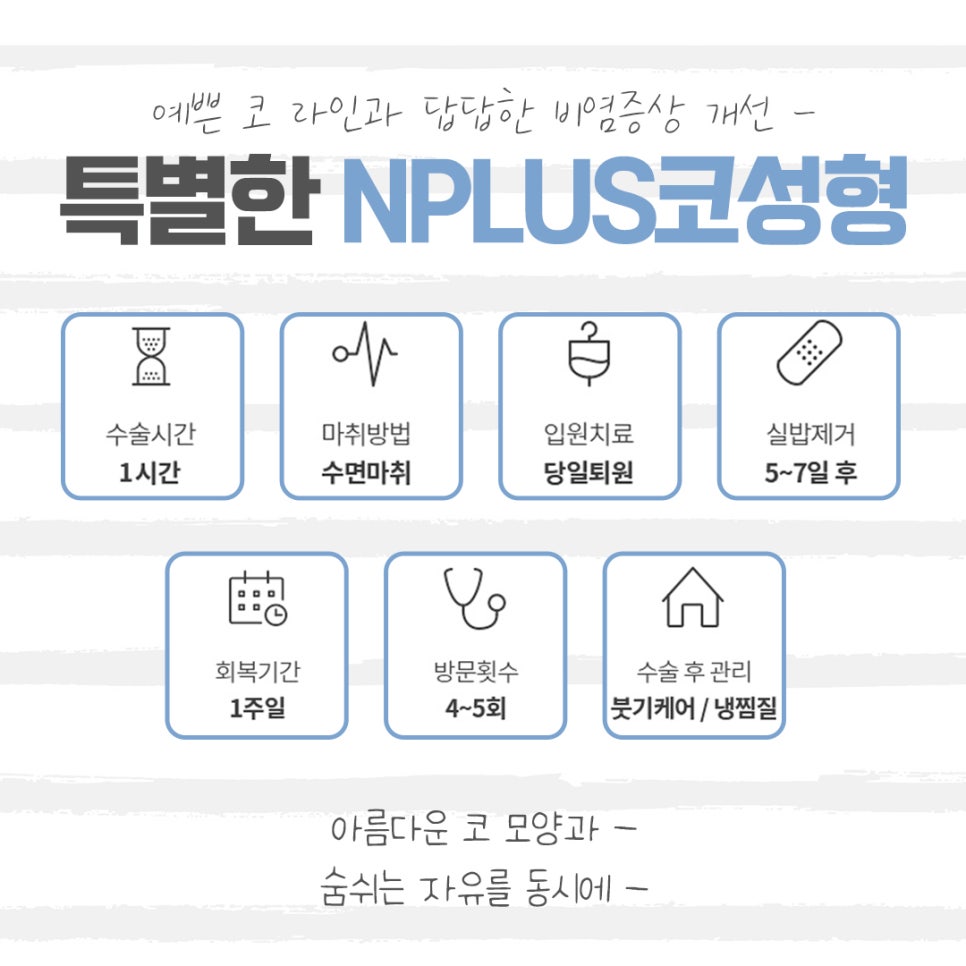
In the case of low nose rhinoplasty, the bridge is generally corrected by giving the overall nasal line volume with silicone, and the tip is corrected with autologous cartilage.
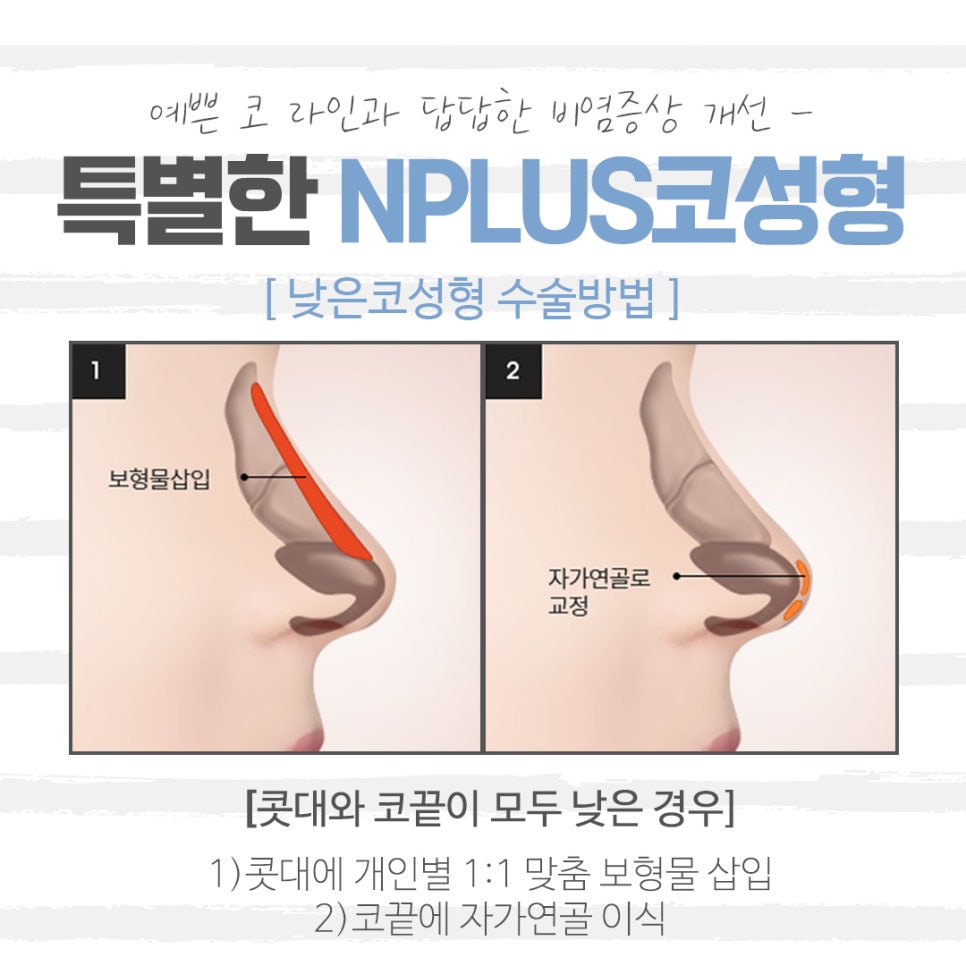
When both the bridge and tip are low, a custom 1:1 implant tailored to the individual is inserted into the bridge, and autologous cartilage is grafted to the tip to correct the overall nasal line. When only the bridge is low, silicone insertion may be used. When only the tip is low, correction can be made using the patient’s own cartilage. It is important to correct the bridge and tip so that the nasal line remains continuous.
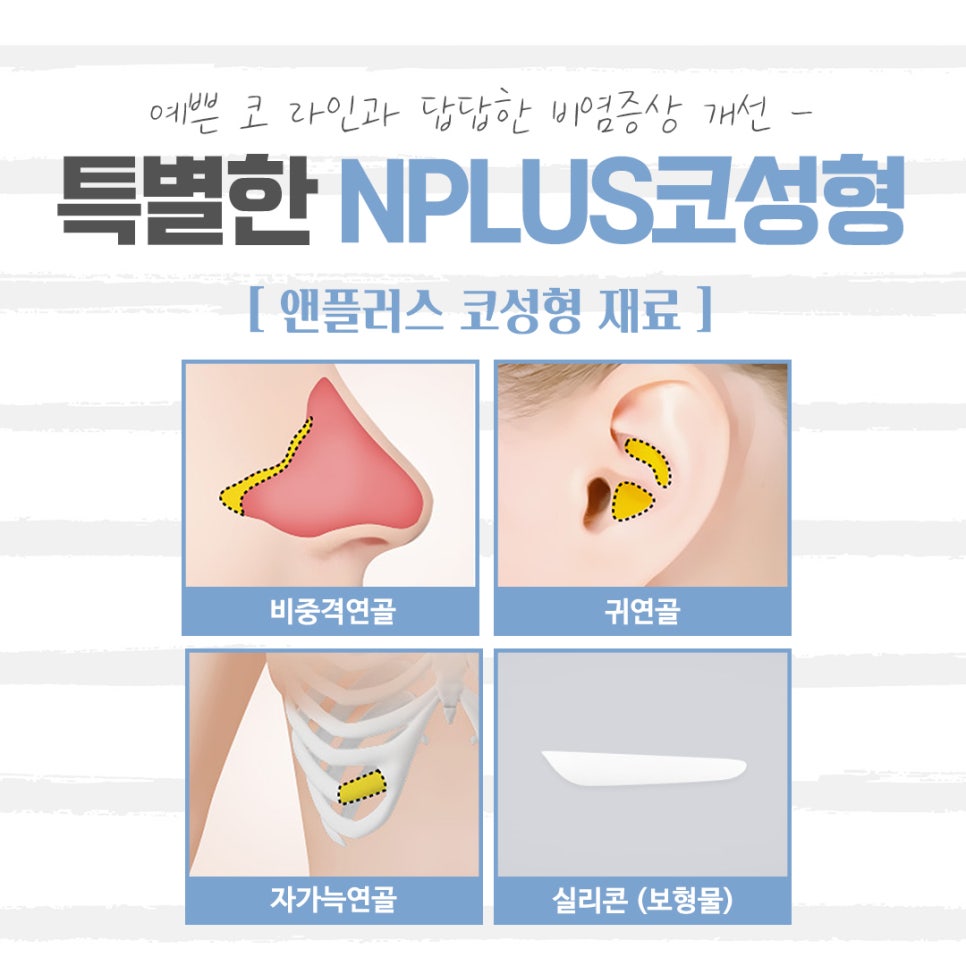
For the autologous cartilage used in the nasal tip, the material can be selected based on preoperative tests to suit the individual. Autologous cartilage includes ear cartilage, septal cartilage, and autologous rib cartilage.
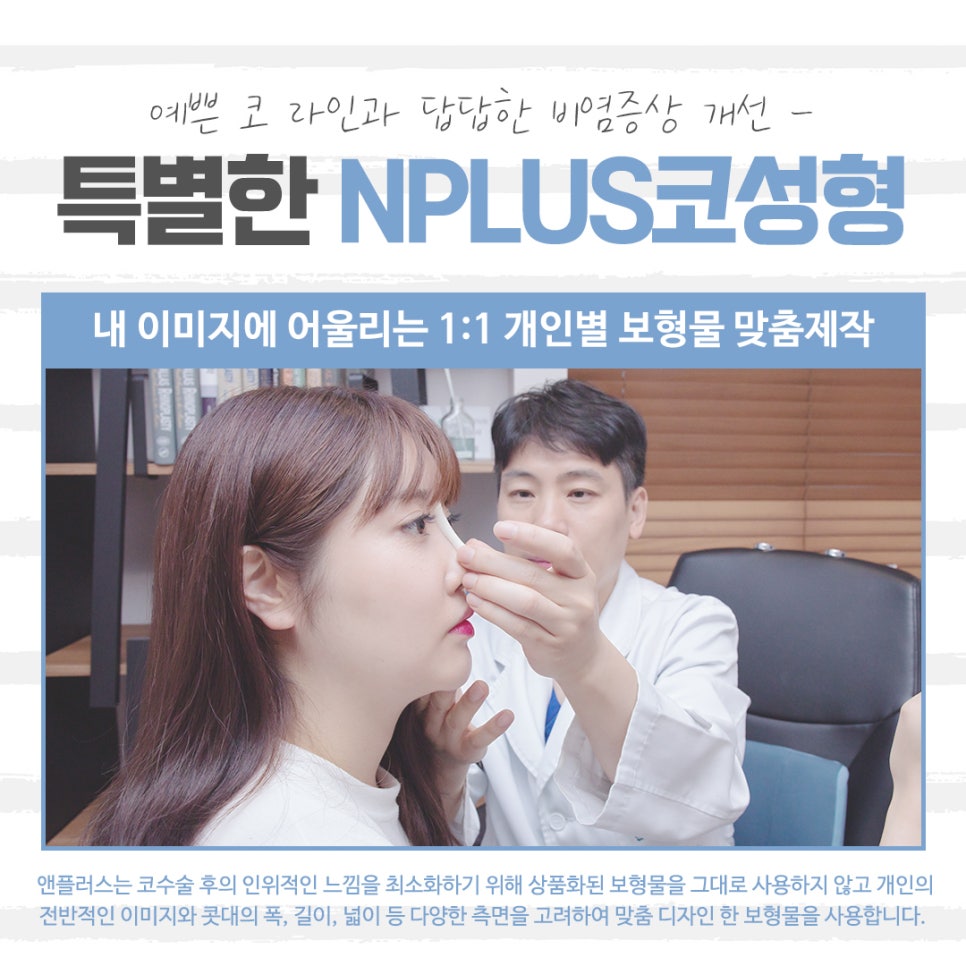
Silicone is applied to the nasal bridge. Rather than using commercially produced silicone as is, it is carefully refined by hand while considering various aspects such as the person’s overall image, and the width, length, breadth, and height of the nasal bridge. This allows for more satisfying results after surgery.
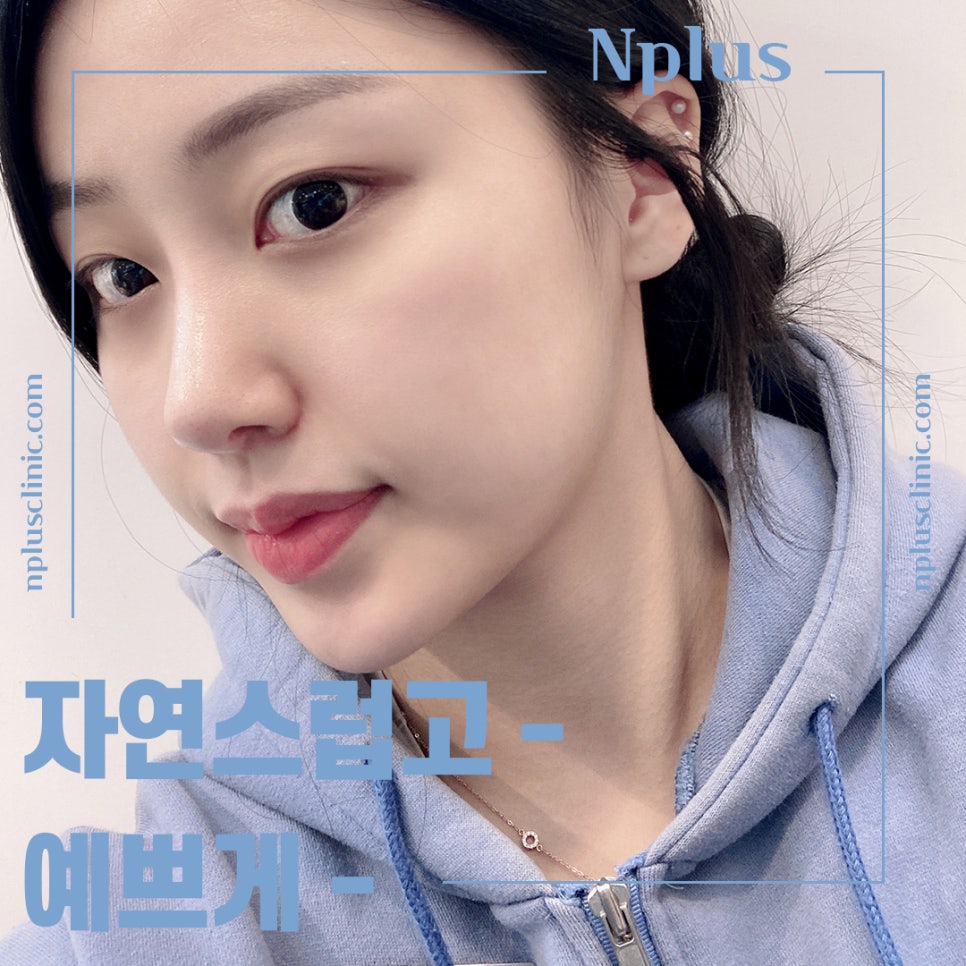
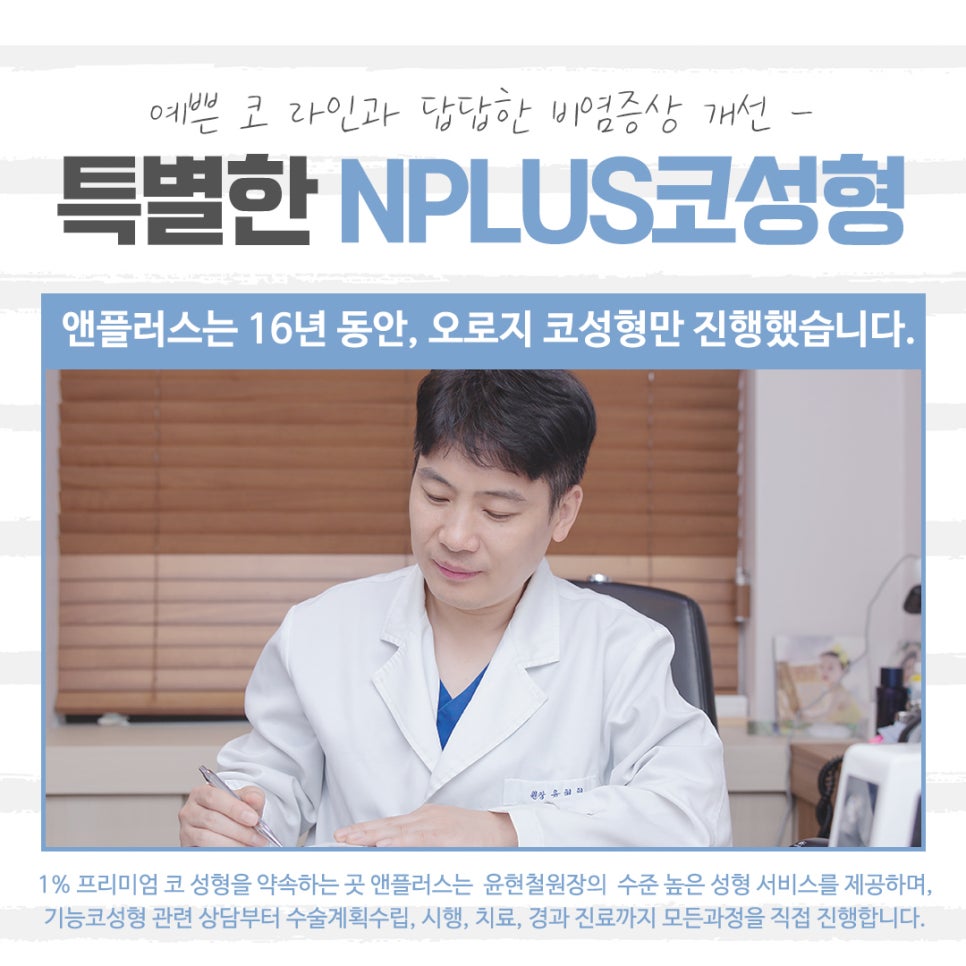
At Ohjiko Hospital N+Plus, Director Yoon Hyun-cheol personally handles each patient one-on-one throughout the entire process, from consultation related to nose surgery to surgical planning, execution, treatment, and follow-up care, allowing patients to receive high-level medical service from before surgery through aftercare.

For postoperative care, the hospital provides a free A/S system guaranteed for one year after surgery and also operates a surgery responsibility guarantee system prepared for any situation that may arise, including postoperative pain, inflammation, and dissatisfaction with the shape. This means you can receive reliable aftercare as well.
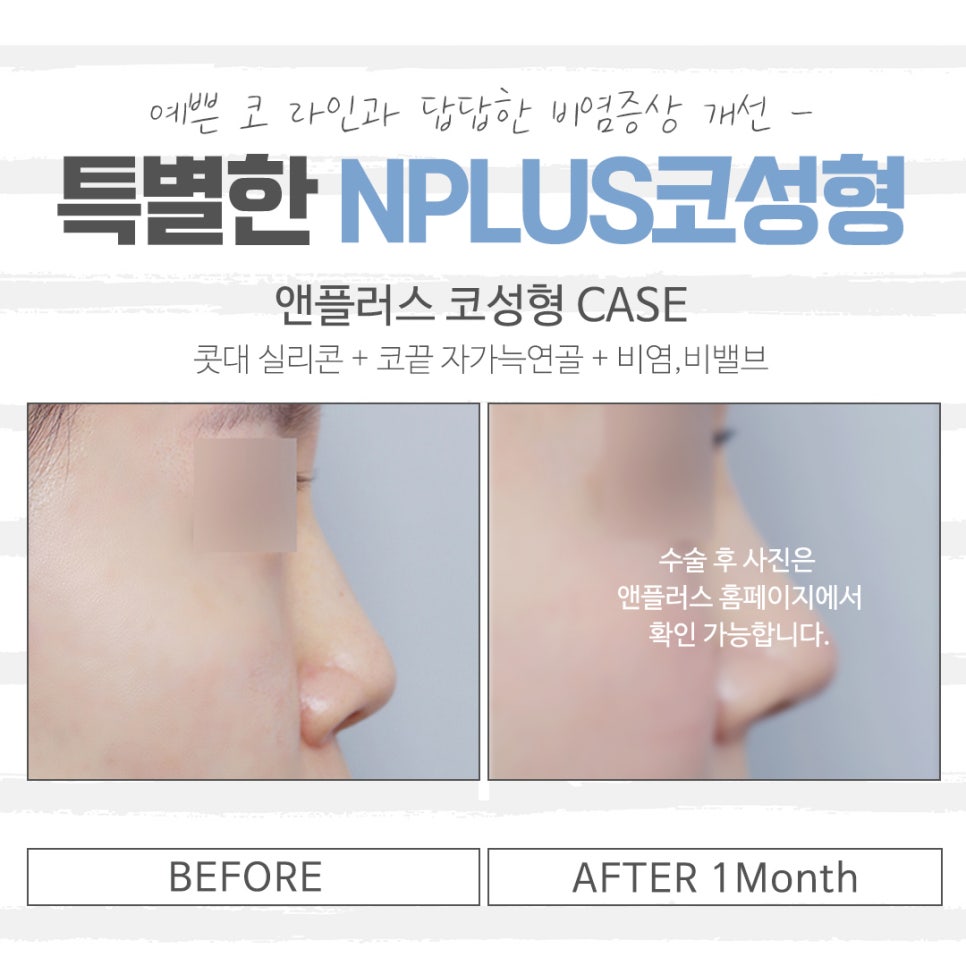
(The image above shows before-and-after photos of low nose rhinoplasty at Ohjiko Hospital N+Plus.)
That concludes my explanation of the low nose rhinoplasty performed at Ohjiko Hospital N+Plus. I hope this article is helpful for those who are looking into nose surgery because their nose is low and lacks dimension. Thank you.
https://youtu.be/oGT4NyYCwKU