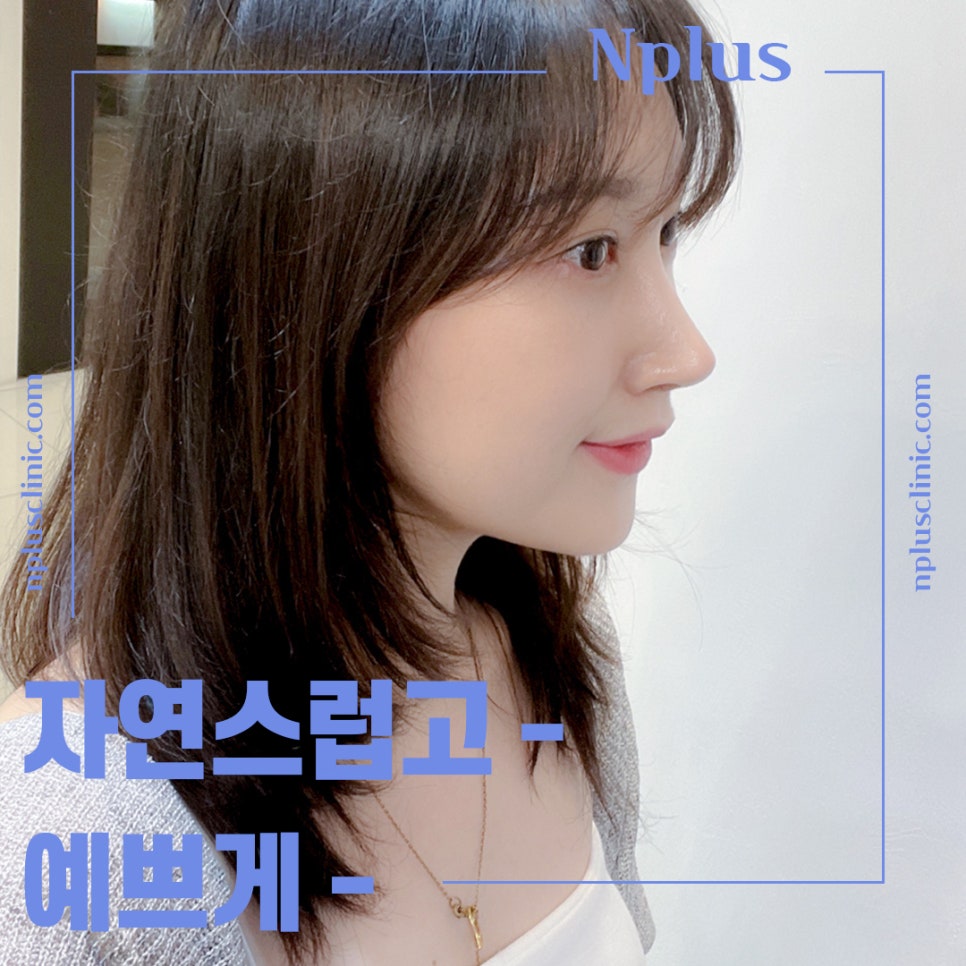
Among the facial features, the nose is positioned at the center of the face and is one of the most prominent areas, playing a major role in shaping our overall impression. In particular, when the shape of the nose is not straight or well-balanced, this drawback becomes even more noticeable. As a result, more people are looking into nose surgery to improve it.
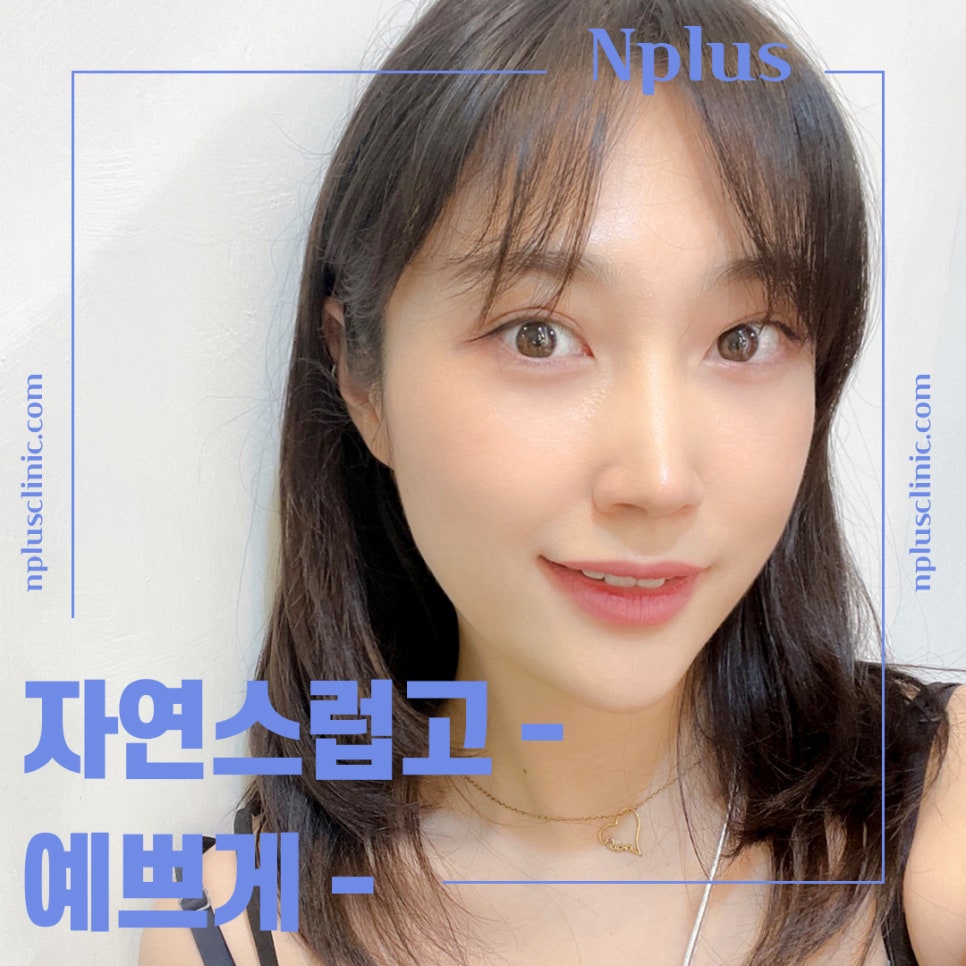
For this reason, people may consider nose surgery when their nose is too low, has a hump, is upturned, bent, drooping, or has a bulbous shape that creates an appearance-related complex. However, for those who feel burdened by full nose surgery and want to correct only the shortcomings through changes to the tip of the nose, interest in tip rhinoplasty is also increasing.

Types that may require tip rhinoplasty can be classified as a low nasal tip, an upturned tip, a drooping tip, a pointed or long nose tip, or a broad nasal tip.
Therefore, when many people look into tip rhinoplasty, aesthetic standards may be prioritized on average. However, the nose is not only important for appearance but also a functional organ responsible for smell and breathing. For that reason, surgery must consider both the external and internal parts of the nose to help prevent the need for revision surgery caused by functional problems after the operation.
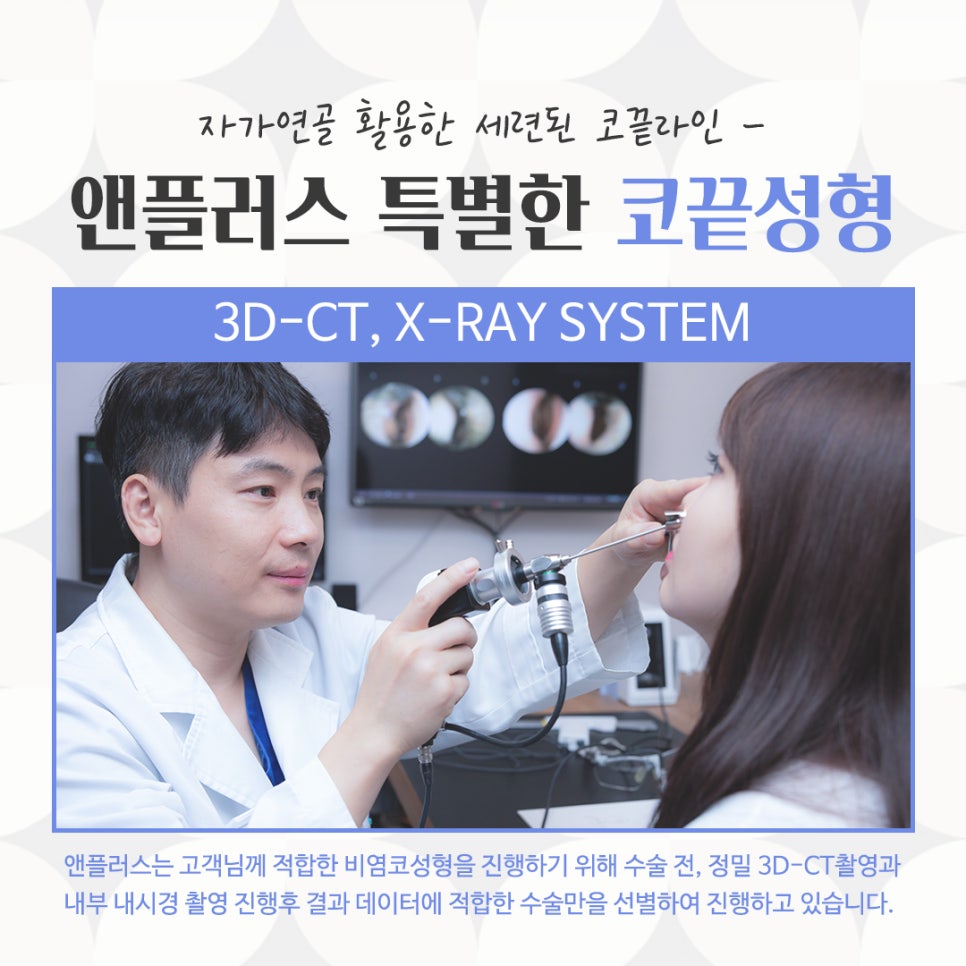
At OJIKO Hospital N+PLUS, to ensure safe and satisfying tip rhinoplasty, various allergy tests, multi-angle photography, 3D-CT scans, and internal endoscopic imaging are performed before surgery to accurately identify the current condition of each individual. Based on the data obtained, a surgical plan is established and carried out.
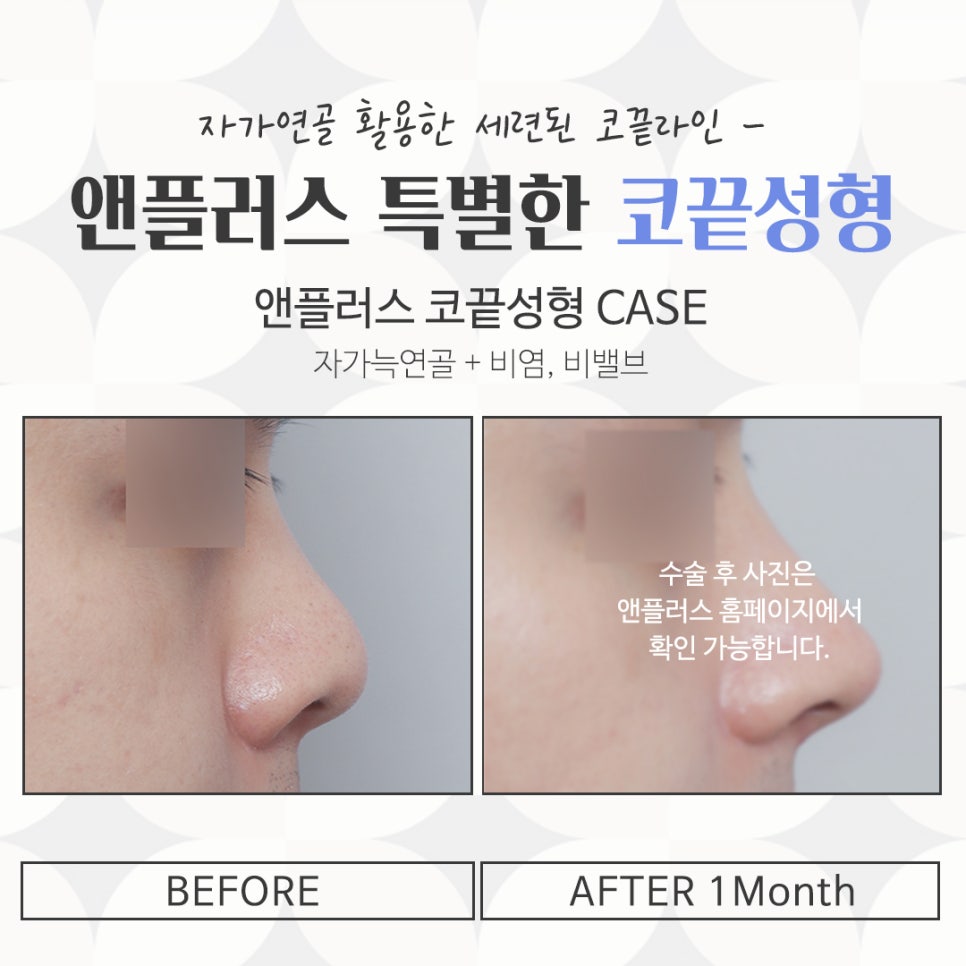
(The image above shows before-and-after photos of tip rhinoplasty at OJIKO Hospital N+PLUS.)
If you look at tip rhinoplasty reviews, you can see that the surgical method and materials differ depending on the cause for each individual. In the case of tip rhinoplasty, the surgery is performed by dividing cases into a low nasal tip, an upturned nasal tip, a drooping nasal tip, and a broad nasal tip.
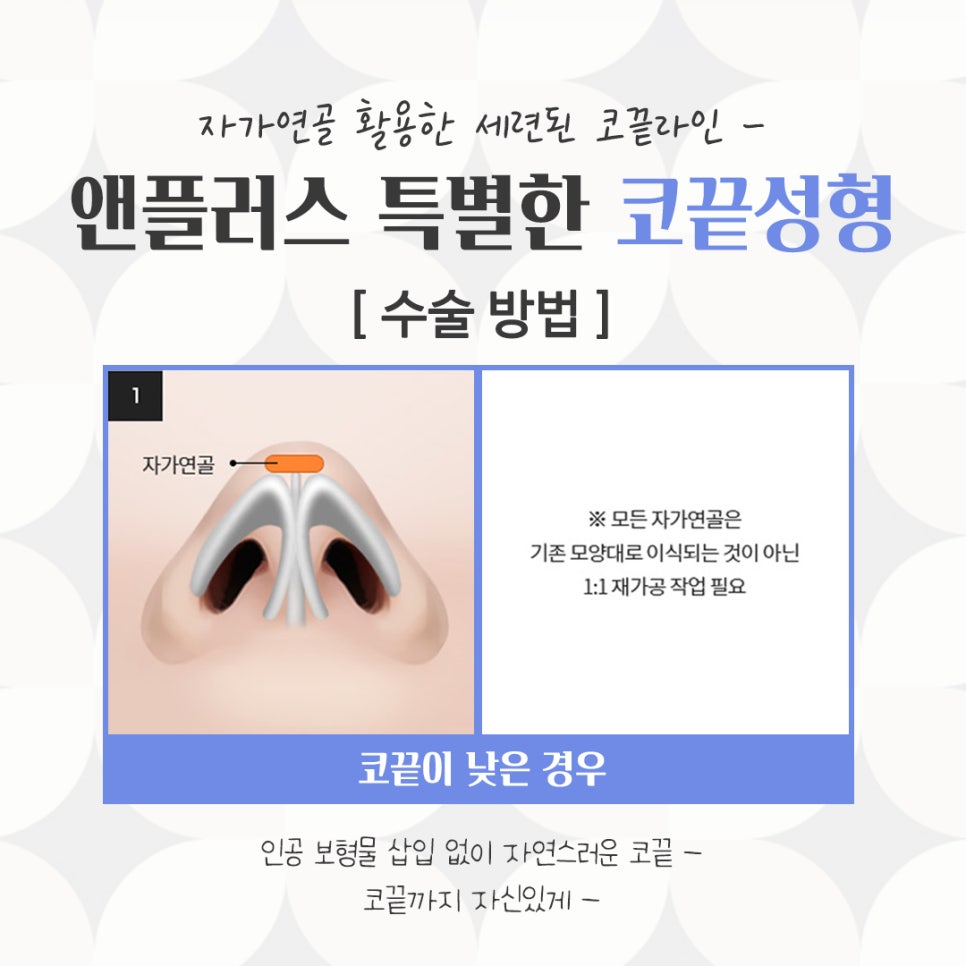
When the nasal tip is low, autologous cartilage can be used to shape the tip, and it is important to design it so that the bridge and the line of the nose do not appear broken.
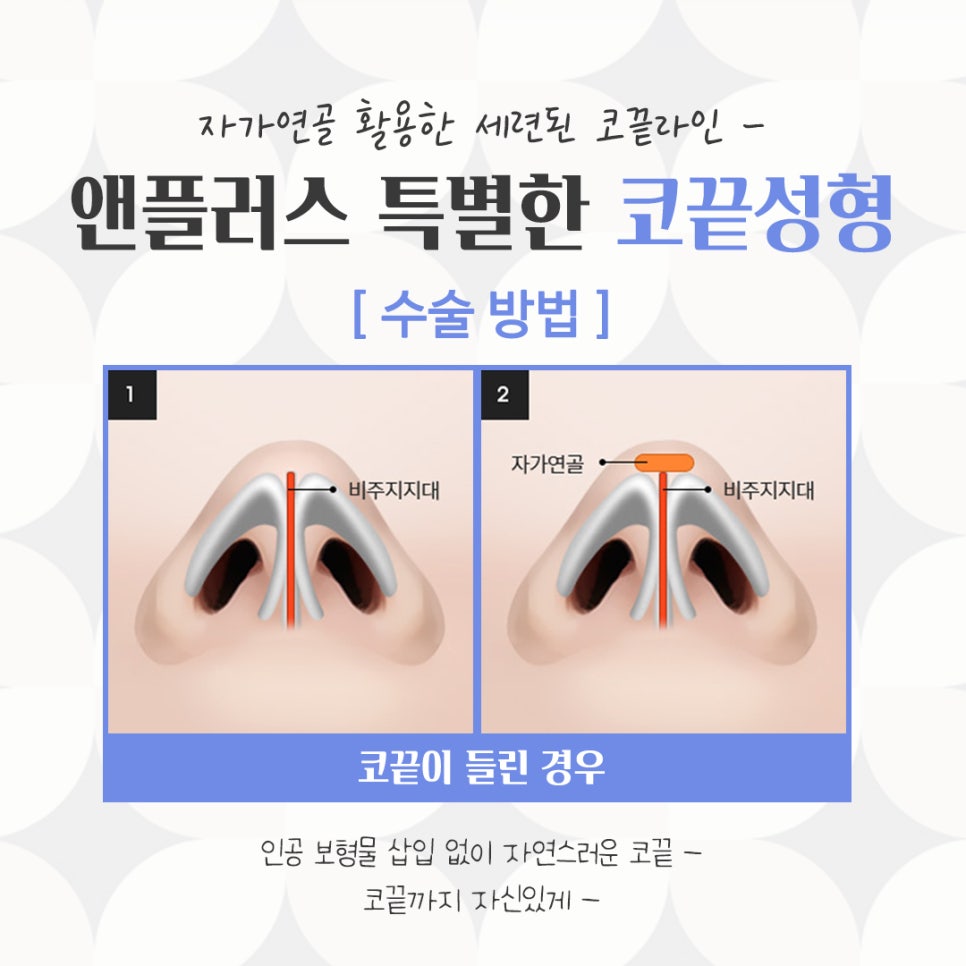
When the nasal tip is upturned, a columellar strut or septal extension can be added to prevent the nose from turning up again, and autologous cartilage can then be used to further design the overall line on top of the supported nasal tip cartilage.
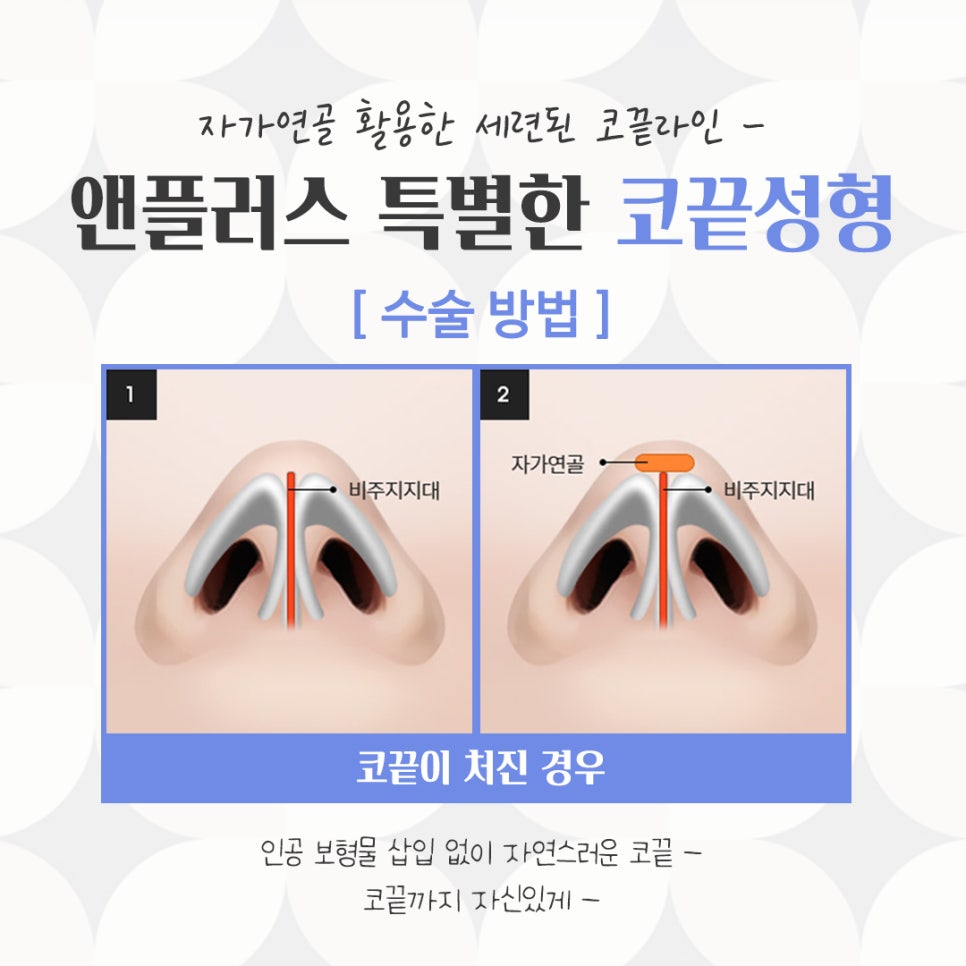
When the nasal tip is drooping, a columellar strut is placed to firmly support and stabilize the weak, drooping tip cartilage, and autologous cartilage can be added on top of the supported cartilage to design the overall nasal line.
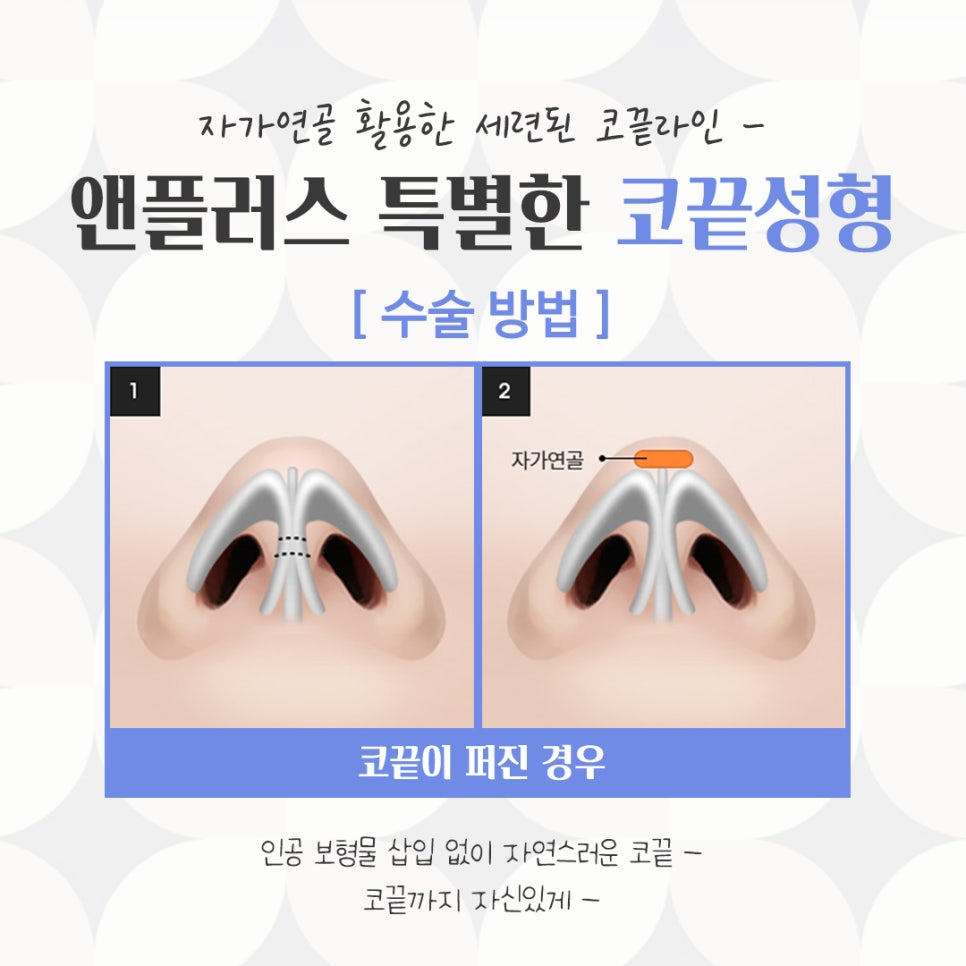
When the nasal tip is broad, the spread nasal tip cartilage is brought together and firmly fixed through tip cartilage suturing. If this is not enough to achieve the desired effect, correction can be performed by additionally grafting autologous cartilage.
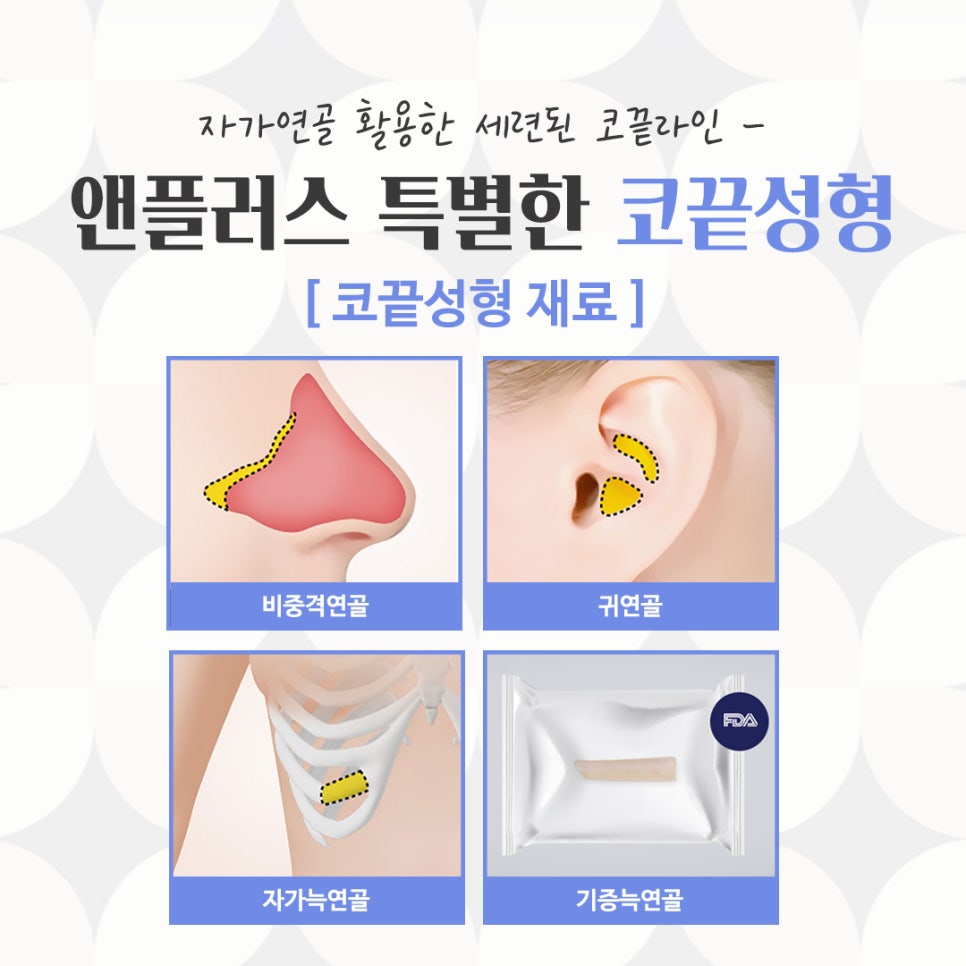
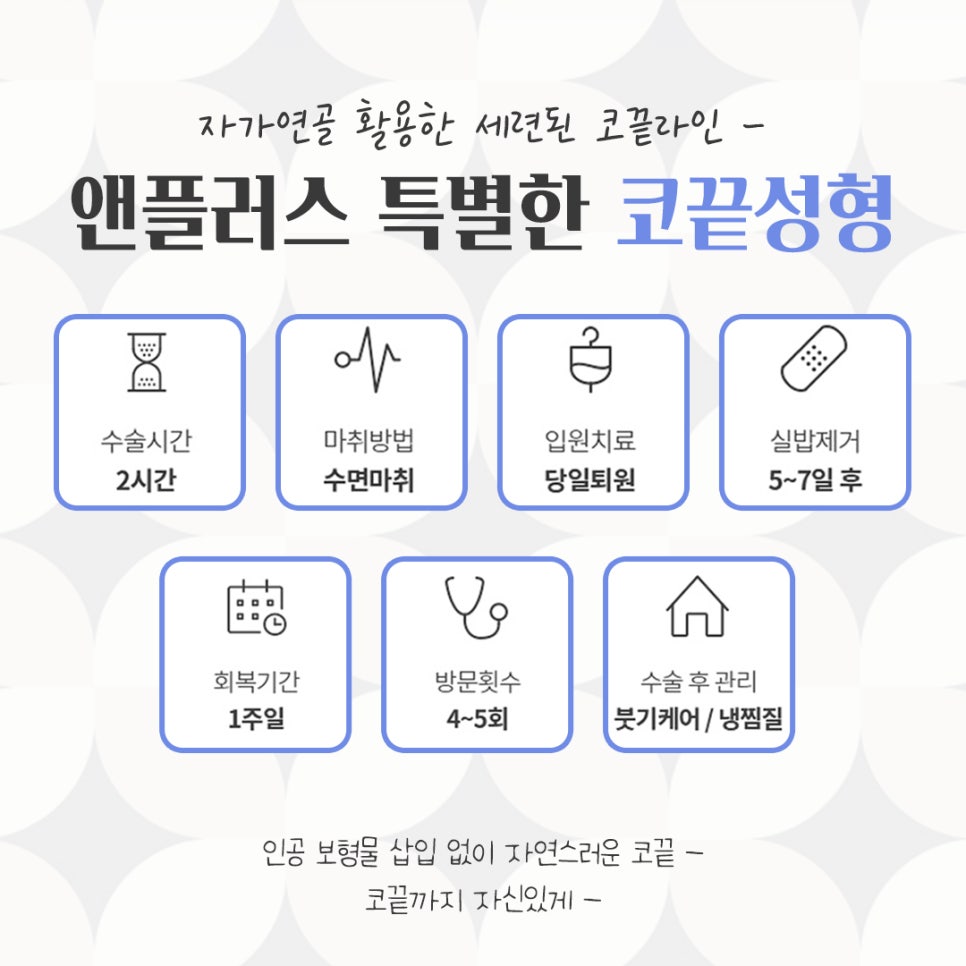
The materials used for tip rhinoplasty may include autologous cartilage. In the case of autologous cartilage, the current condition of the patient's cartilage can be assessed through preoperative testing, and the appropriate material can be selected accordingly. Autologous cartilage includes ear cartilage, septal cartilage, and autologous rib cartilage. If the use of autologous cartilage is unavoidably difficult, it can be replaced with donated rib cartilage approved by the U.S. FDA.
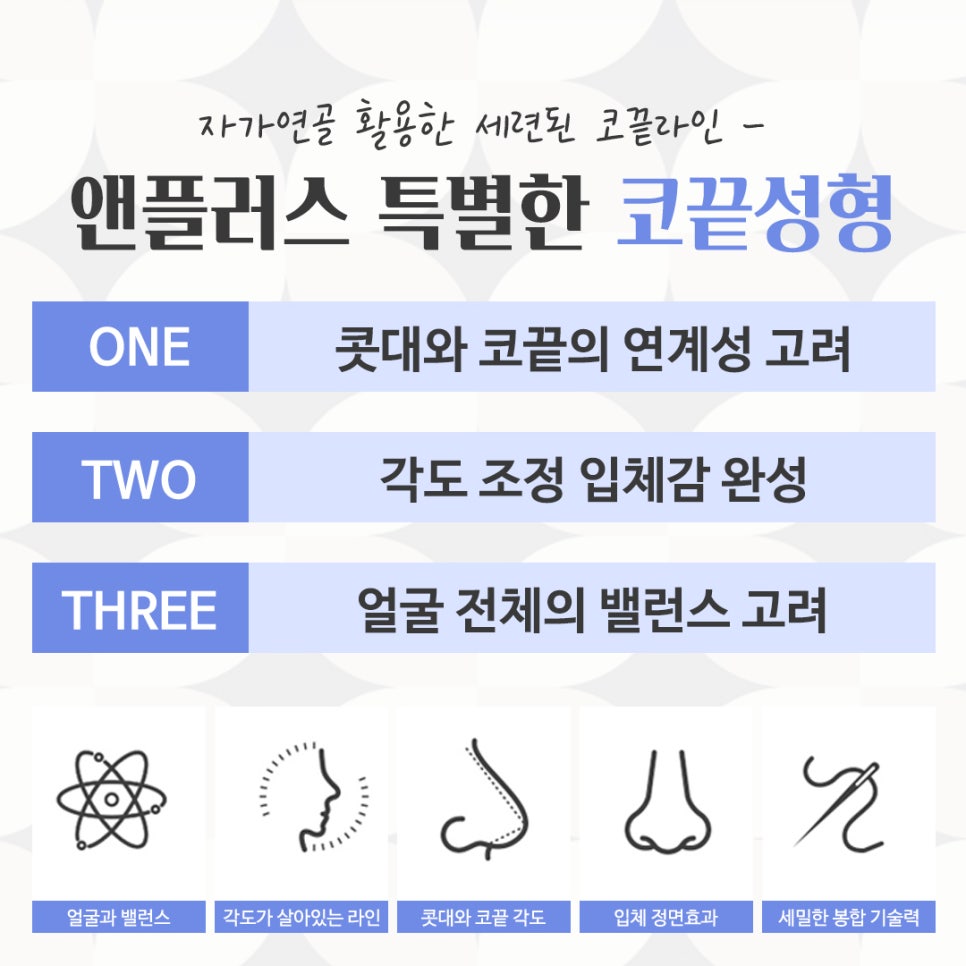
As such, in the case of tip rhinoplasty, each person has differences in septal cartilage, alar cartilage, surrounding soft tissue, skin thickness, and nasal structure. Because the same surgical method and materials are not applied uniformly but instead differ depending on the individual's condition, it is recommended that you look into the procedure more carefully. In addition, it would be helpful to closely check whether the medical team has a high level of anatomical knowledge of the nose, whether they have abundant experience and expertise, whether they are equipped with devices that can accurately assess the condition of your nose, and whether post-operative care can be reliably guaranteed.
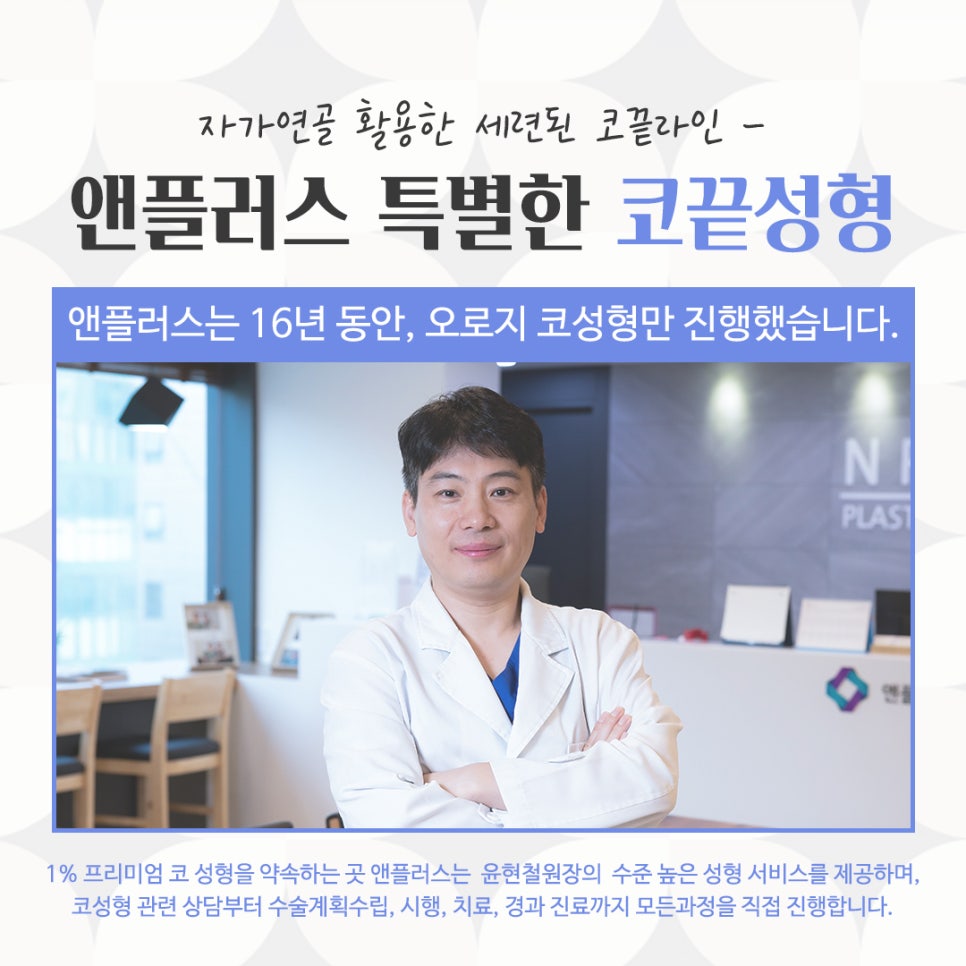
At OJIKO Hospital N+PLUS, Director Yun Hyun-cheol personally handles every step one-on-one, from consultation regarding nose surgery to establishing the surgical plan, performing the procedure, treatment, and follow-up care, so you can visit with peace of mind from before surgery through recovery.
Post-operative care is also provided. In addition, a one-year warranty A/S system and a surgical responsibility guarantee system are in place to prepare for all possible situations, including post-operative pain, inflammation, and dissatisfaction with the result, so you can feel even more at ease when visiting.
This concludes the information about tip rhinoplasty at OJIKO Hospital N+PLUS. I hope this article was helpful for those who want to improve their appearance because the shape of the nasal tip affects facial balance and has become a personal concern. Thank you.
https://youtu.be/hgEPqsYzG4I?si=Vk4QQTcJnttKi56k