
On average, people looking into rhinoplasty can find information about rhinoplasty medical expense coverage. Many people who undergo rhinoplasty think they cannot receive medical expense benefits because rhinoplasty itself falls under cosmetic surgery. However, in cases where rhinoplasty is performed due to conditions such as functional rhinitis, deviated septum, inferior turbinate hypertrophy, nasal valve stenosis, or nasal bone fracture, medical expense coverage may be available. For those looking into such cases, we would like to provide more detailed information about rhinoplasty.
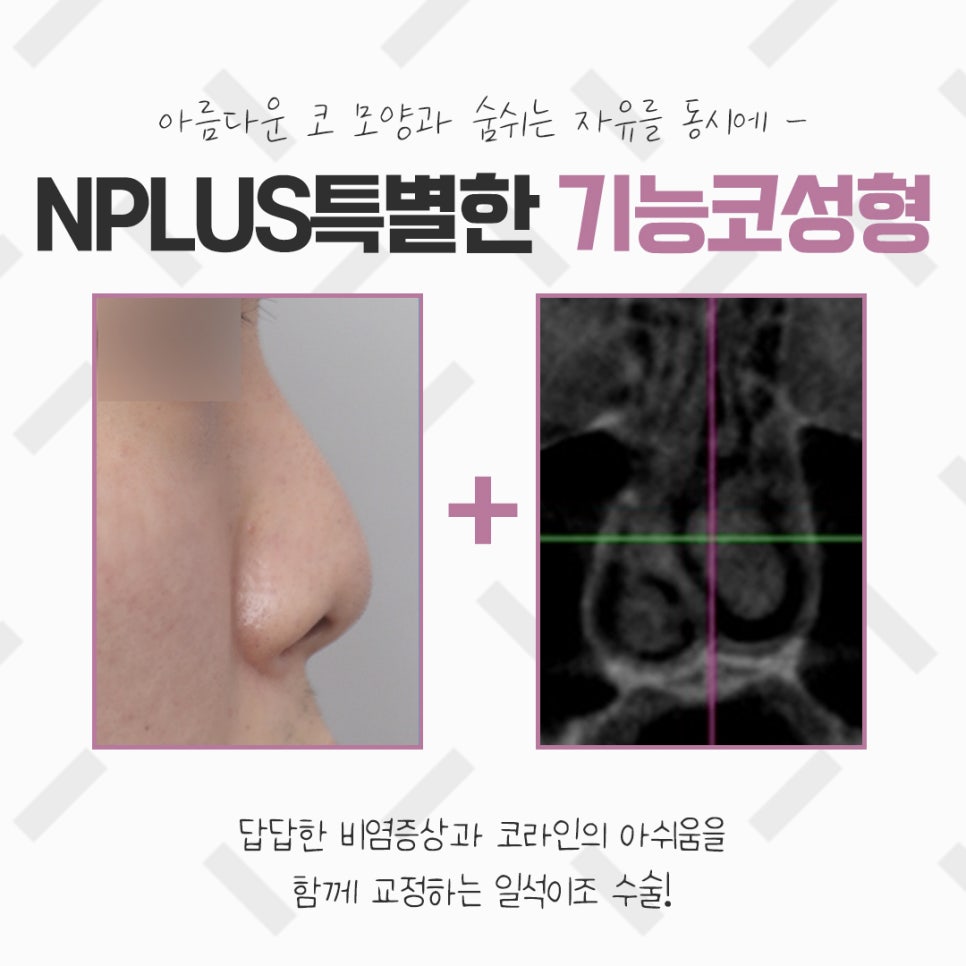
First of all, in the case of rhinoplasty medical expense coverage, benefits may be difficult to receive if the surgery is performed for cosmetic reasons. However, if there is an internal nasal condition, this can be checked. The most representative symptom is nasal congestion caused by rhinitis. Rhinitis is a common condition affecting more than 70% of adults in Korea and is divided into allergic rhinitis and structural rhinitis. In the case of allergic rhinitis, it reacts to specific substances such as pollen, mites, food, and dust, and a cure is difficult, so medication or boosting immunity takes priority.
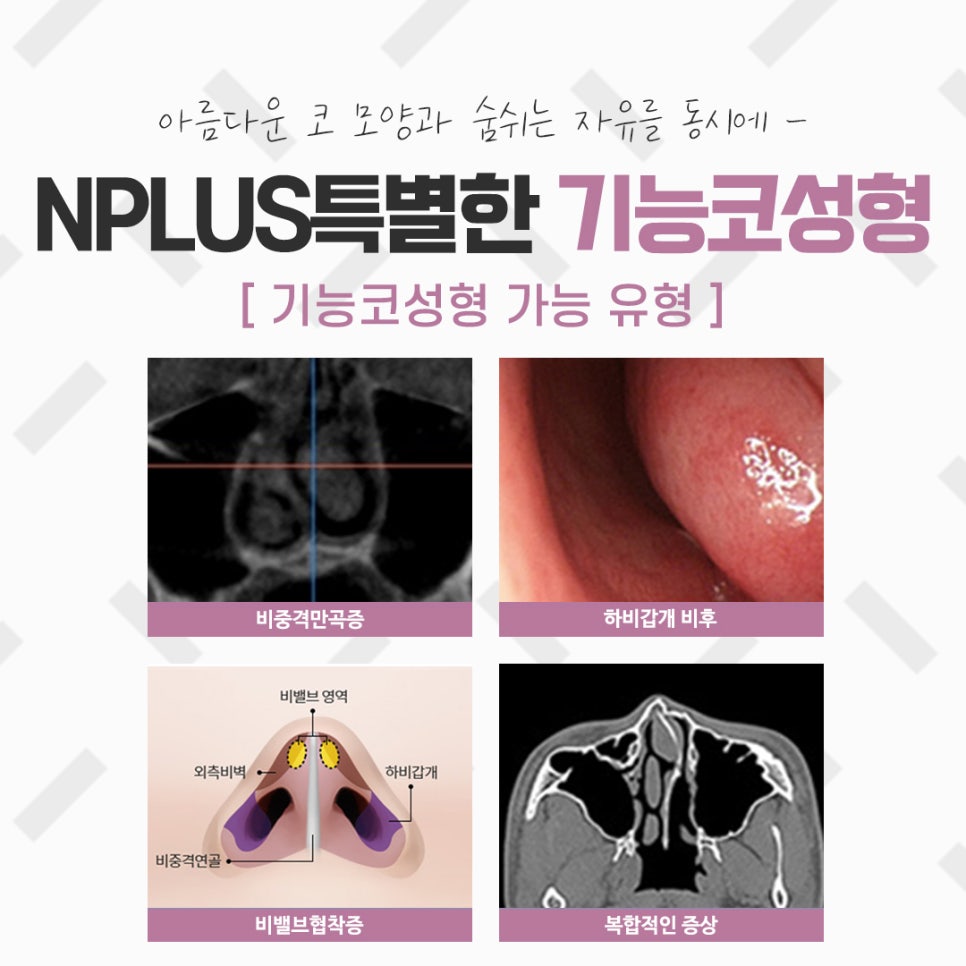
However, in the case of structural rhinitis, the condition occurs due to problems with the internal structure of the nose, and the representative symptom is nasal congestion that obstructs the flow of air entering through the nose. Causes of structural rhinitis can be classified as deviated septum, inferior turbinate hypertrophy, nasal valve stenosis, or a combination of symptoms. Surgery that improves these symptoms while also improving appearance is called functional rhinoplasty, and it is a condition that people looking into rhinoplasty medical expense coverage should examine in detail.
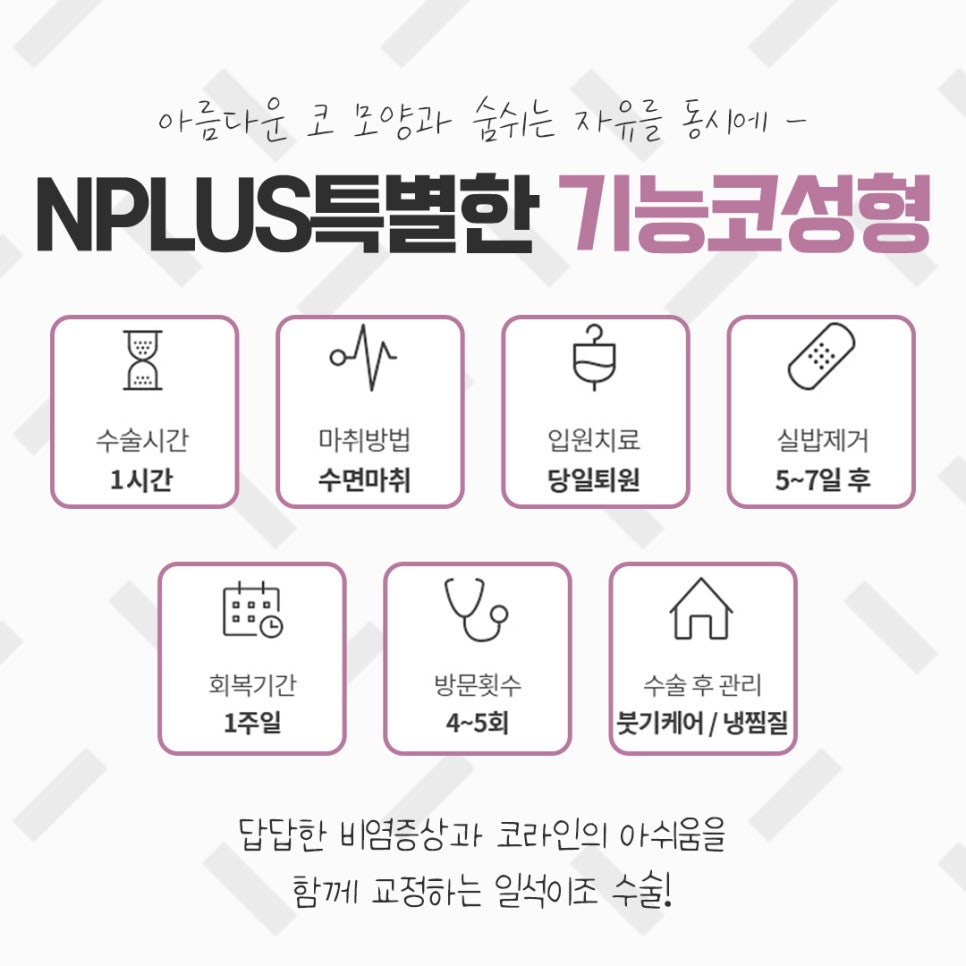
The reasons for undergoing rhinoplasty can vary as described above, but for those looking into rhinoplasty medical expense coverage or costs, it is difficult to judge based on symptoms alone. Therefore, it is important to visit a hospital and receive a clear diagnosis of the internal condition of the nose and whether there are functional problems.
Also, even if there are no functional problems inside the nose, if the surgery is performed only through an external approach, it can lead to revision surgery due to post-operative functional issues. For that reason, it may help your decision to check more carefully whether internal nasal equipment is available, whether aftercare can be firmly guaranteed, and whether the medical team has a high level of anatomical knowledge of the nose.
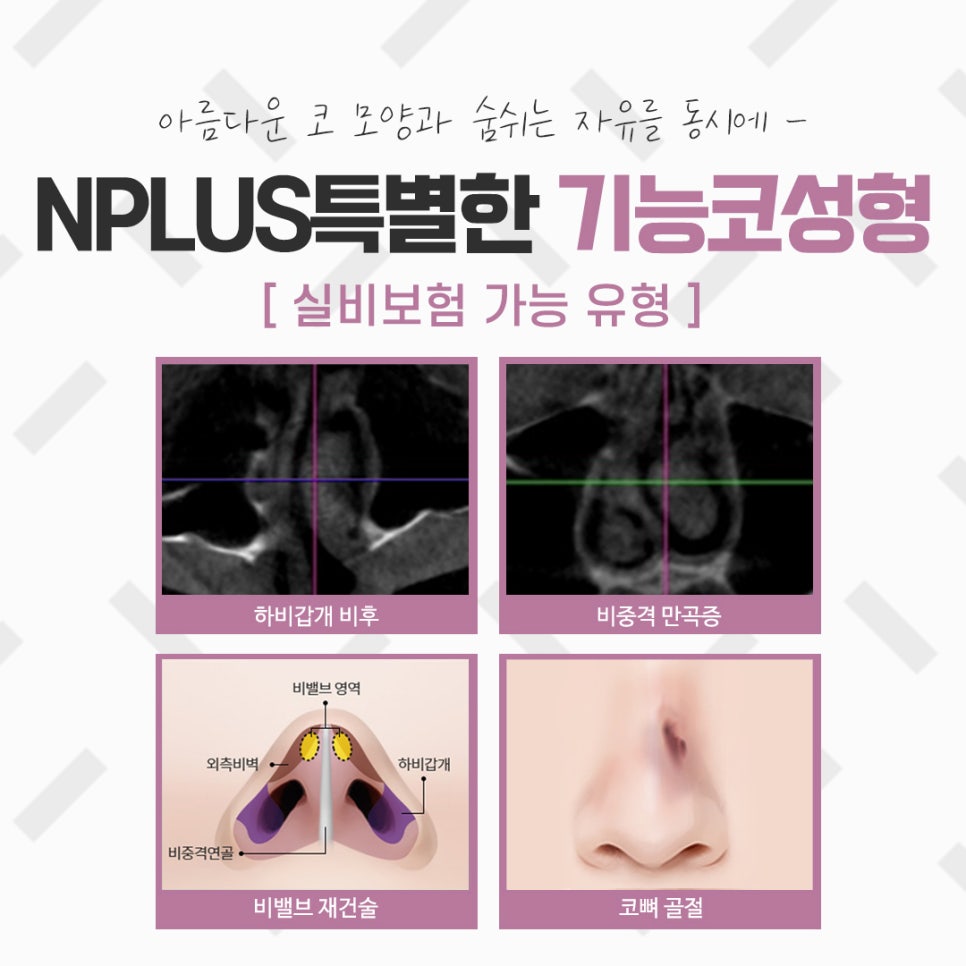
Therefore, for those who regularly experience inconvenience in daily life due to nasal congestion, if the symptoms are left untreated, they may develop into chronic rhinitis and worsen further due to decreased concentration, chronic fatigue, headaches, migraines, and more. If your current nasal congestion has lasted more than two weeks, it would be helpful to receive medical care. Through these conditions, you can also check whether you are eligible for individual rhinoplasty medical expense insurance benefits.
�
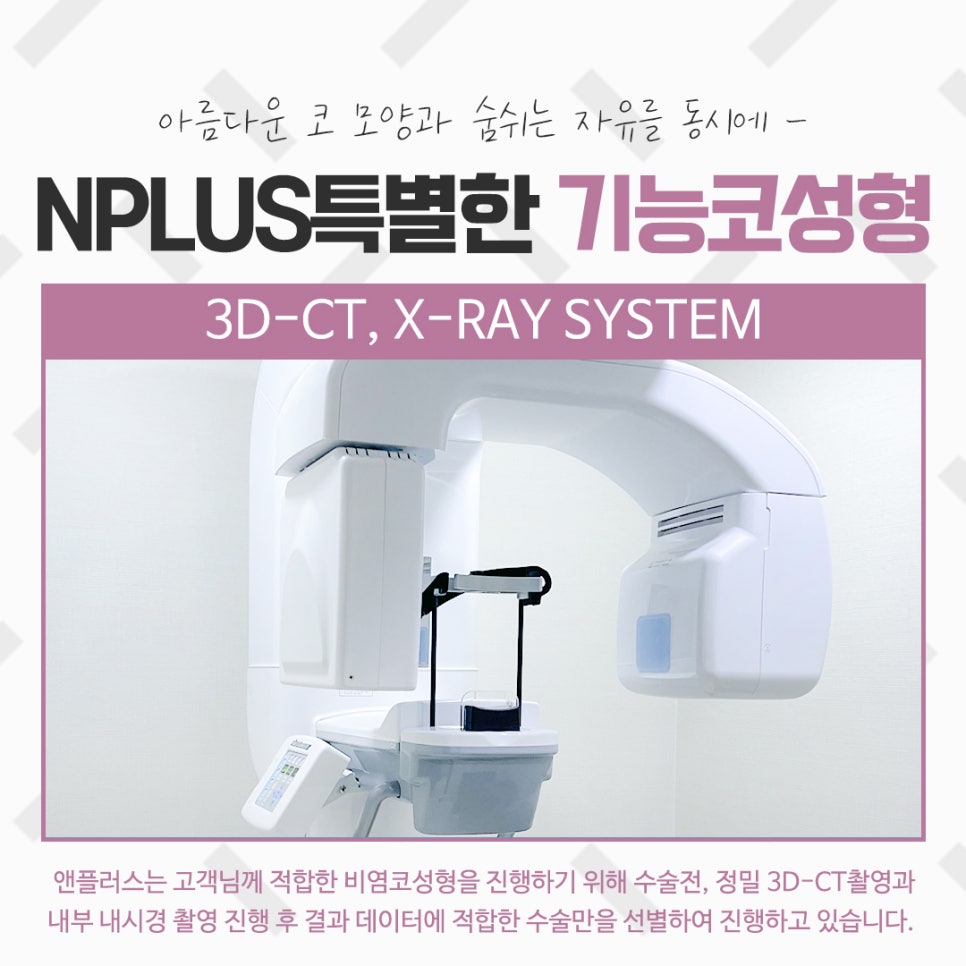
At Oji Ko Hospital N+ Plus, preoperative 3D-CT imaging, internal endoscopic imaging, various allergy tests, internal nasal function tests, and multi-angle photography are performed to accurately assess each patient’s current condition. Based on the extracted data, a surgical plan is established and carried out.
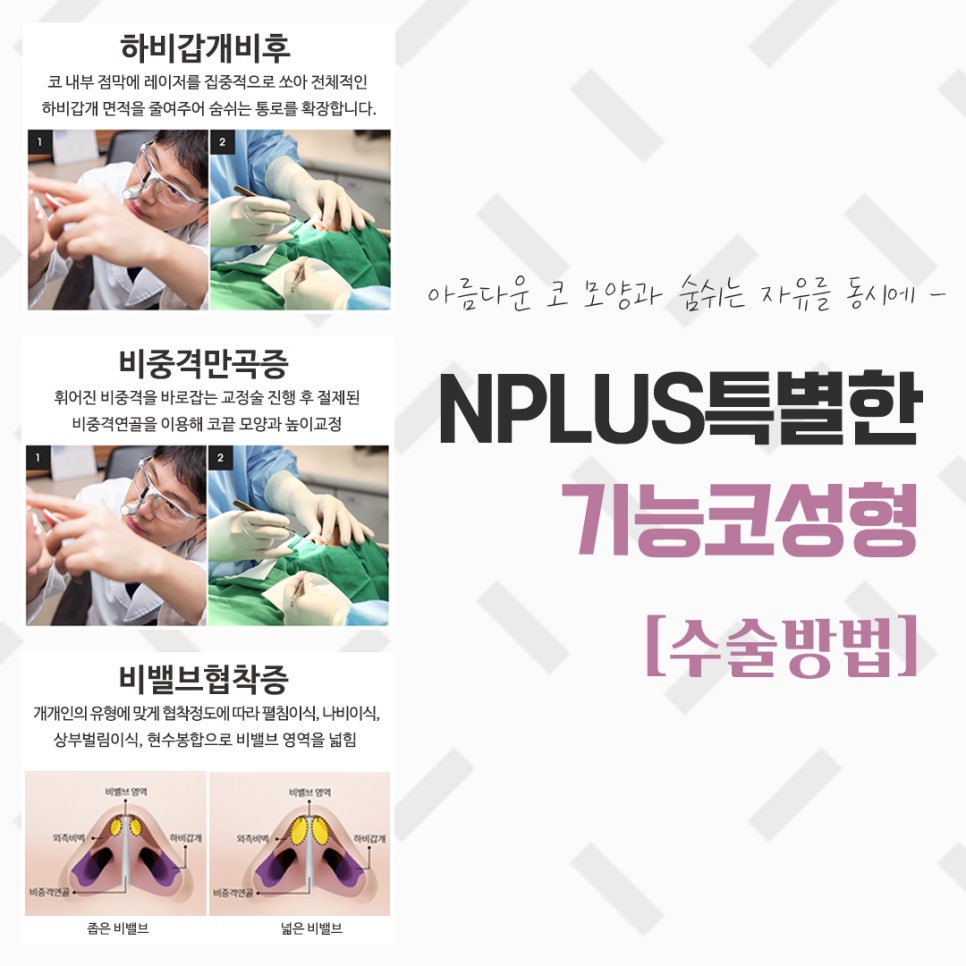
The method for performing functional rhinoplasty involves accurately identifying the causes of deviated septum, inferior turbinate hypertrophy, and nasal valve stenosis, then selecting the appropriate surgical method and materials accordingly. If a surgery that does not match the symptoms is performed, the symptoms may not improve at all and may even worsen, so it is important to choose a place that performs surgery tailored to each individual.
�

The procedure for rhinoplasty medical expense coverage is as follows: after a detailed examination, confirm eligibility for payment and the reimbursement rate; proceed with surgery and treatment; check the documents required for medical expense insurance claims and request them from the hospital; submit the individual documents to the insurance company; and receive the insurance payout after the insurer’s individual review.

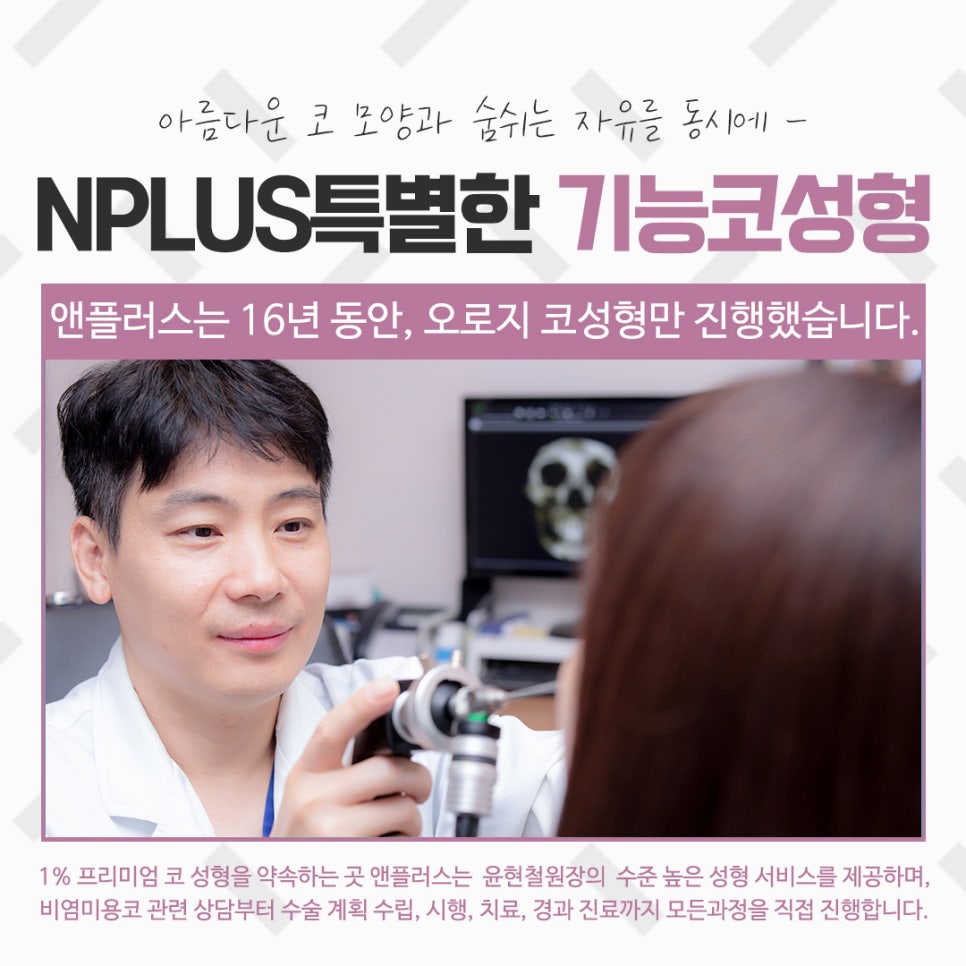
At Oji Ko Hospital N+ Plus, CEO Director Yoon Hyun-cheol personally handles everything one-on-one, from consultation related to nasal surgery to surgical planning, implementation, treatment, and follow-up care, so you can visit with confidence from before the surgery to after.

The aftercare provided after surgery includes an A/S system that guarantees one year after the procedure, as well as a surgical responsibility guarantee system prepared for all possible situations such as post-operative pain, inflammation, and dissatisfaction with the result. This means you can receive thorough aftercare after the surgery as well.
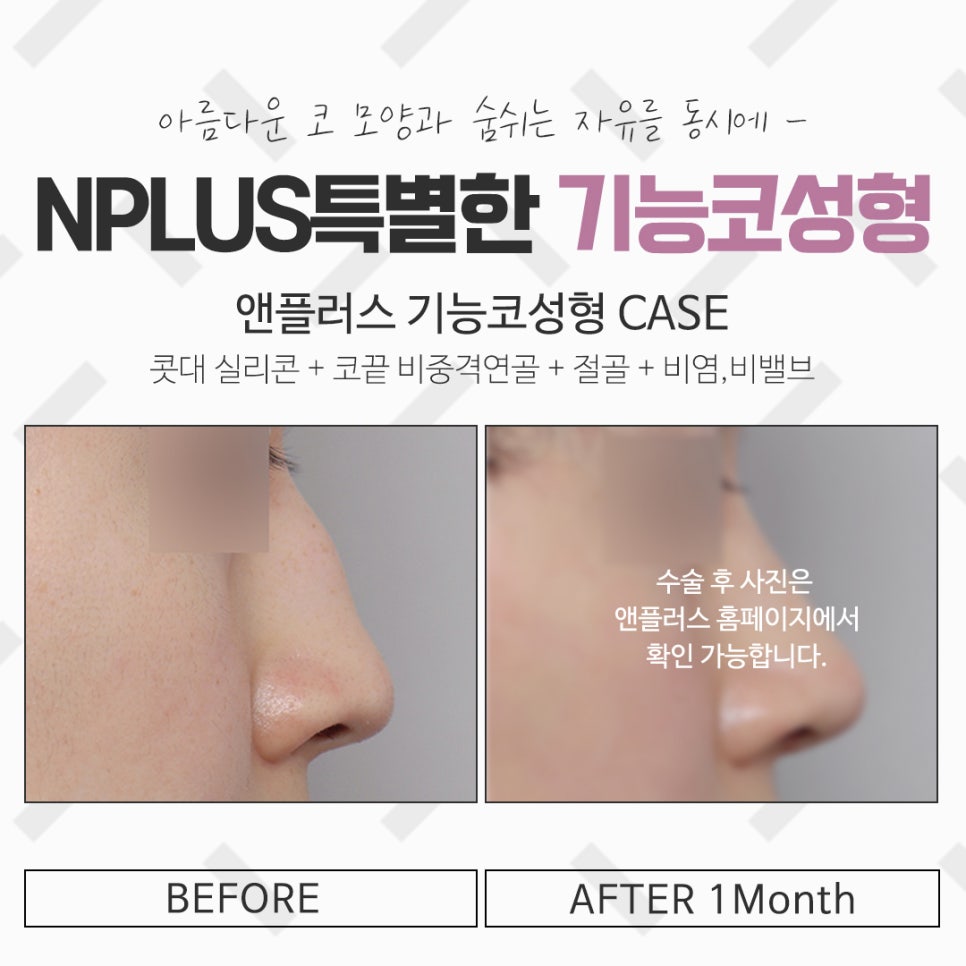
(These are before-and-after photos of rhinoplasty at Oji Ko N+ Plus.)
That concludes the explanation of rhinoplasty medical expense coverage and functional rhinoplasty related to Oji Ko Hospital N+ Plus. I hope this article has been very helpful for those looking into medical expense insurance benefits for internal nasal functional issues or cosmetic concerns.
https://youtu.be/z1EfbyjrujE?si=W8-cWn_XFK0AwV42
�