
Sometimes, when looking at one’s own face, certain features that feel unattractive can become a complex, and people of all ages and genders may develop a deep interest in cosmetic surgery. If performed carelessly, cosmetic surgery can lead to various side effects, but on the other hand, it can also be a good way to resolve personal concerns, so it is best to think carefully before proceeding.

There are many different types of cosmetic procedures, and because the areas they are applied to vary, many people find the decision quite difficult. In particular, the nose is located at the center of the face and is one of the most three-dimensional features, so even a small change in the shape of the nose can have a major effect on improving one’s image. As a result, more people are choosing rhinoplasty to balance their facial features.

For people who have these concerns, rhinoplasty may be considered for nose shapes such as a nose that is too low, a hump nose, an upturned nose, a crooked nose, a bulbous nose, or a drooping nose. This is because improving these shapes can help balance the overall face. In a typical rhinoplasty, the bridge is improved with silicone and the tip with autologous cartilage. However, for those who feel burdened by full rhinoplasty or want a more natural improvement, it may be helpful to look into non-implant rhinoplasty in more detail.
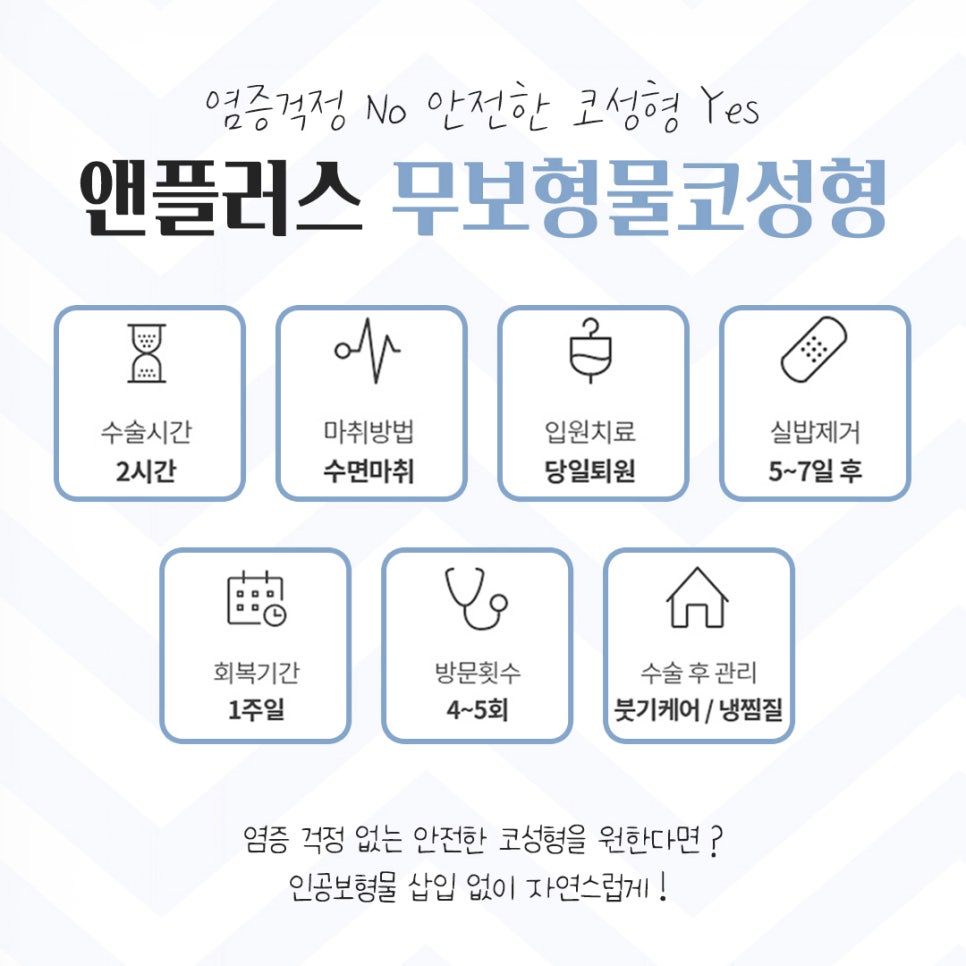
Non-implant rhinoplasty refers to surgery that does not use silicone in the bridge, but instead uses autologous cartilage at the nasal tip to correct it. Because non-implant rhinoplasty is performed using the patient’s own tissue, the likelihood of inflammation is significantly lower than with full rhinoplasty, making it suitable for people who are sensitive to inflammatory reactions or want a natural-looking improvement in the shape of the nose.
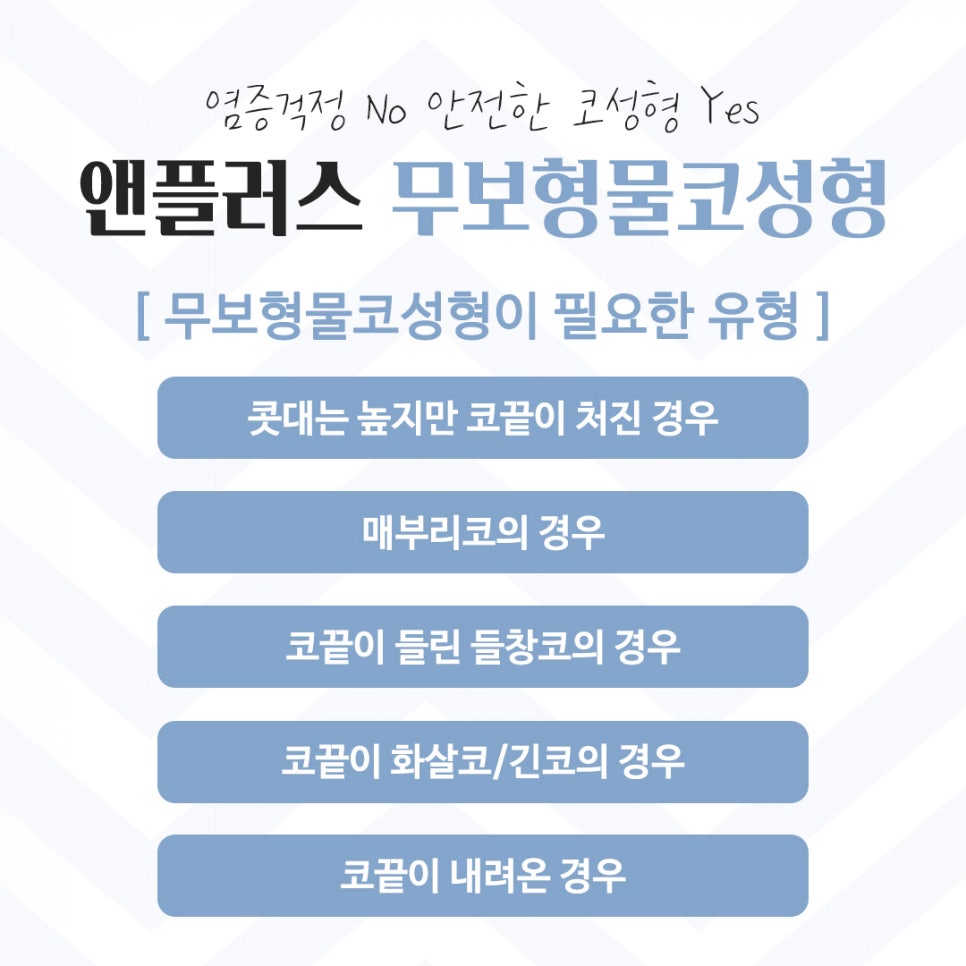
Therefore, the nose shapes commonly considered for non-implant rhinoplasty include cases where the bridge is high but the tip droops, hump noses, upturned noses, arrow-shaped noses with a drooping tip, or long noses with a lowered tip.
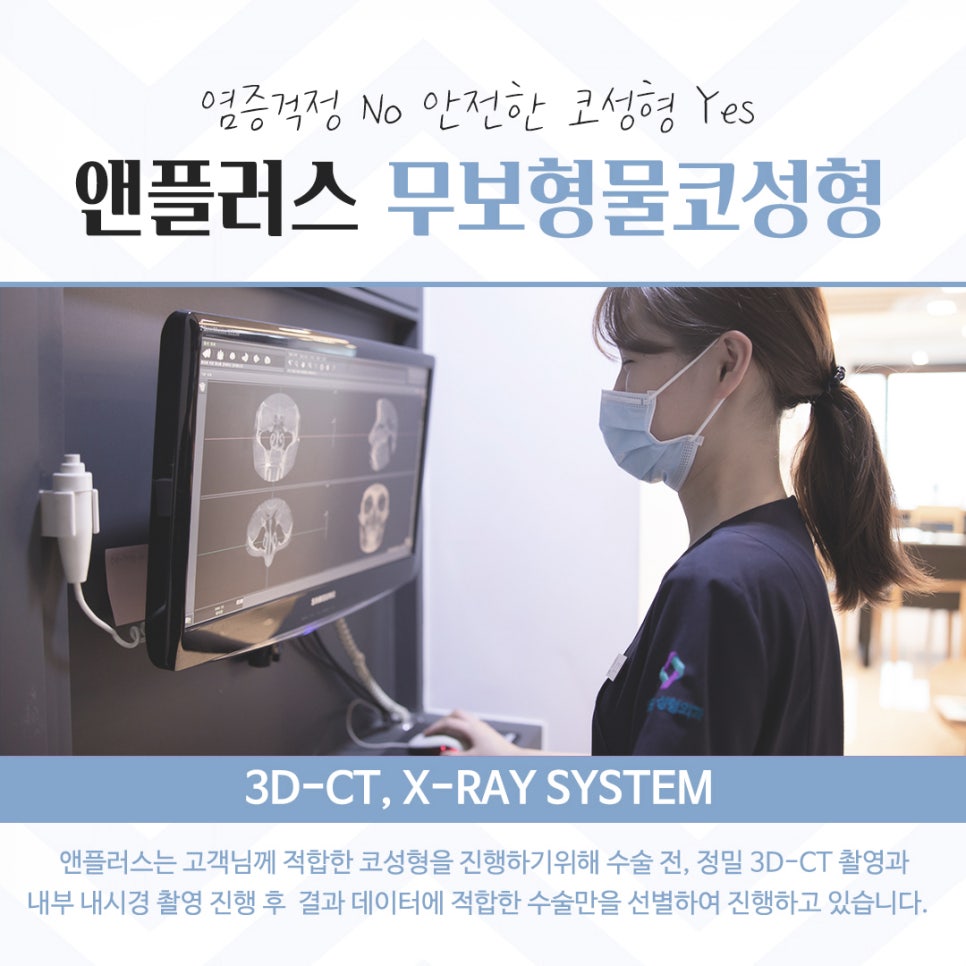
At Ohjigo & Plus Clinic, to ensure safe and satisfactory non-implant rhinoplasty, the current internal and external condition of each patient’s nose is accurately assessed through preoperative 3D-CT imaging, internal endoscopy, various allergy tests, internal nasal function tests, and multi-angle photography. Based on the extracted data, a surgical plan is established and then performed.
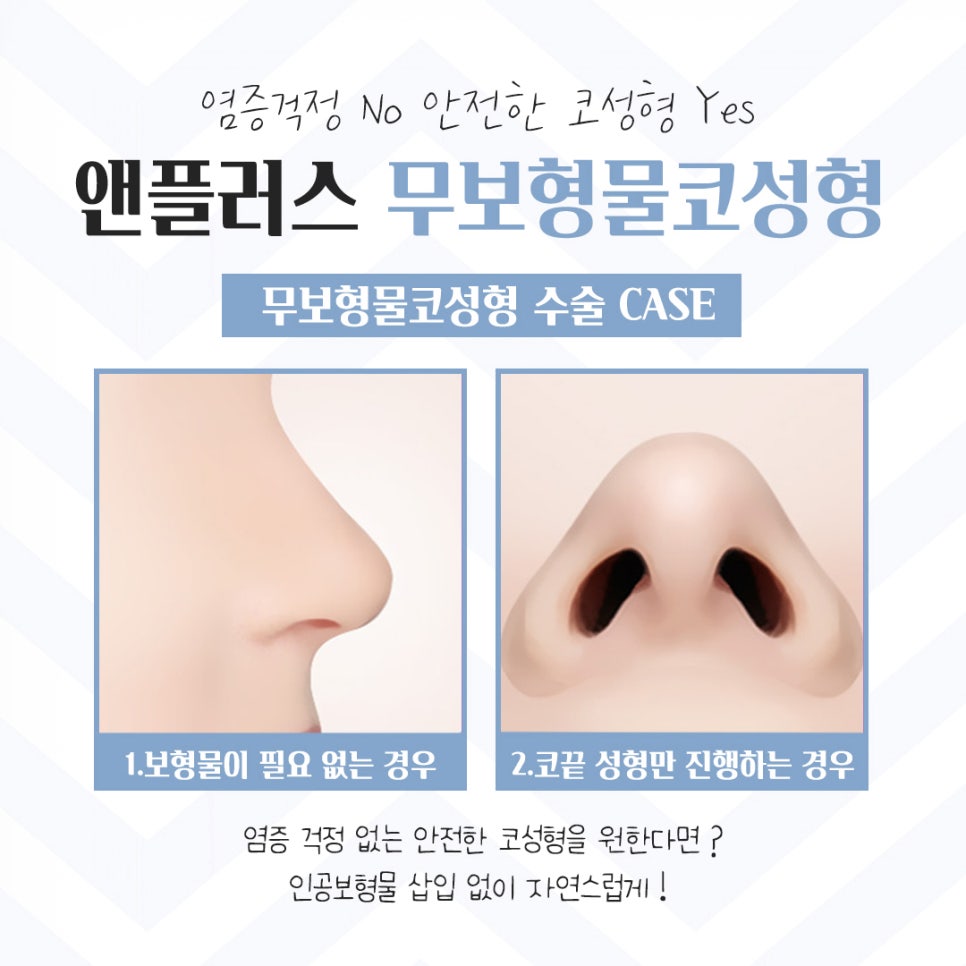
The non-implant rhinoplasty methods are divided into cases where the bridge is already high and does not require an implant, and cases where the bridge is not a major issue and only tip surgery is desired.
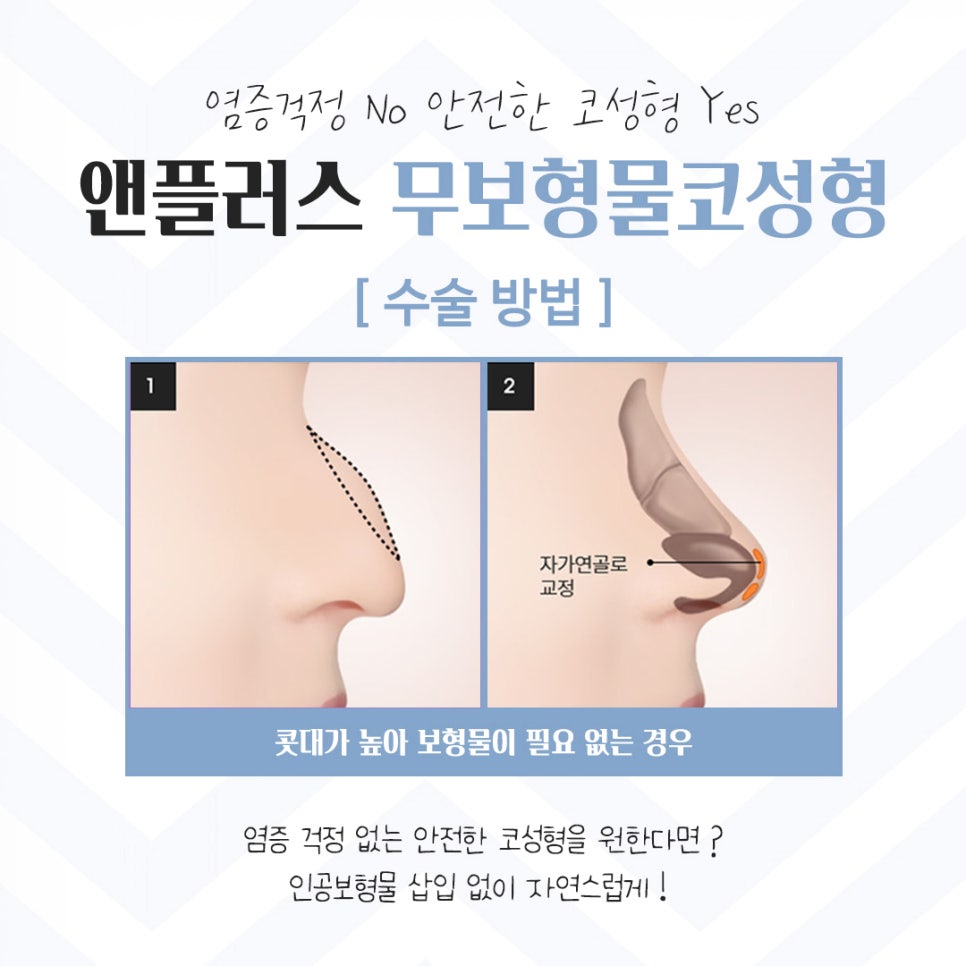
If the bridge is already high and does not require an implant, and there is a hump on the bridge, the hump can be removed and autologous cartilage can be inserted into the nasal tip to correct the overall nasal line so that there is no feeling of a break between the bridge and the tip.
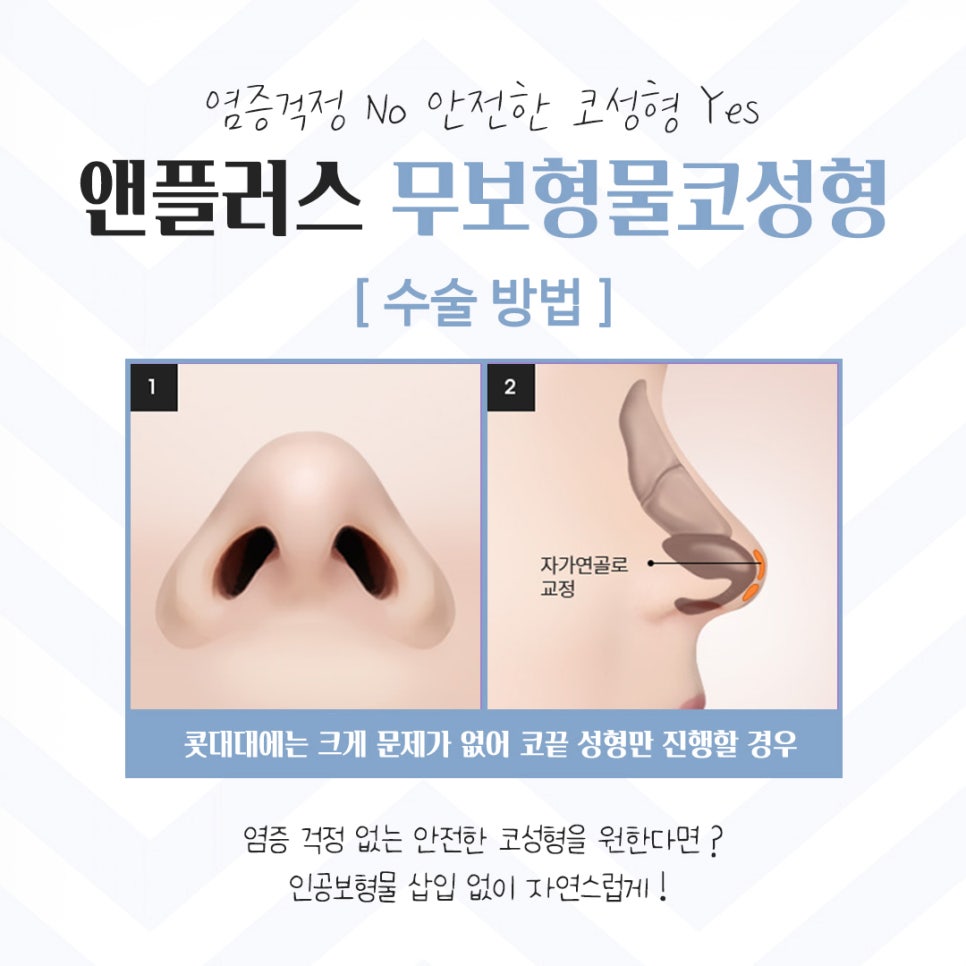
If the bridge is not a major issue and only tip surgery is performed, autologous cartilage can be inserted into the nasal tip to correct the overall nasal line.
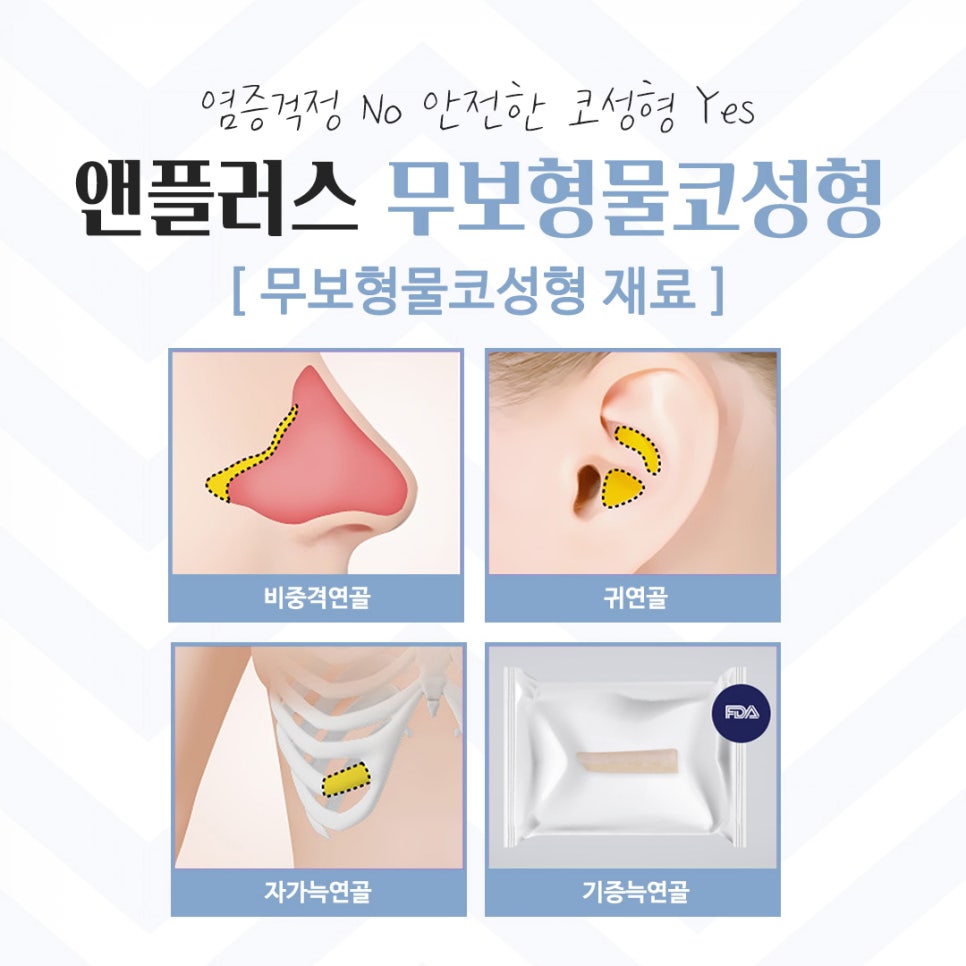
The autologous cartilage used in non-implant rhinoplasty includes septal cartilage, ear cartilage, and autologous rib cartilage. In the case of autologous cartilage, the appropriate material for each person can be selected through preoperative testing. If the use of autologous cartilage is unavoidably difficult, donor rib cartilage approved by the U.S. FDA can be used instead.
As such, because non-implant rhinoplasty generally focuses on tip surgery, people may think it is a relatively simple procedure. However, the nose plays an important external role and is also a functional organ responsible for breathing and smell. Since its internal structure is much more complex, rhinoplasty itself is considered one of the more difficult plastic surgery procedures. Therefore, it is important to make decisions carefully. In addition, it is helpful to check more closely whether the medical team has strong anatomical knowledge of the nose, whether they have sufficient experience and expertise, whether they have the equipment needed to accurately assess the condition of your nose, and whether postoperative care is reliably guaranteed.

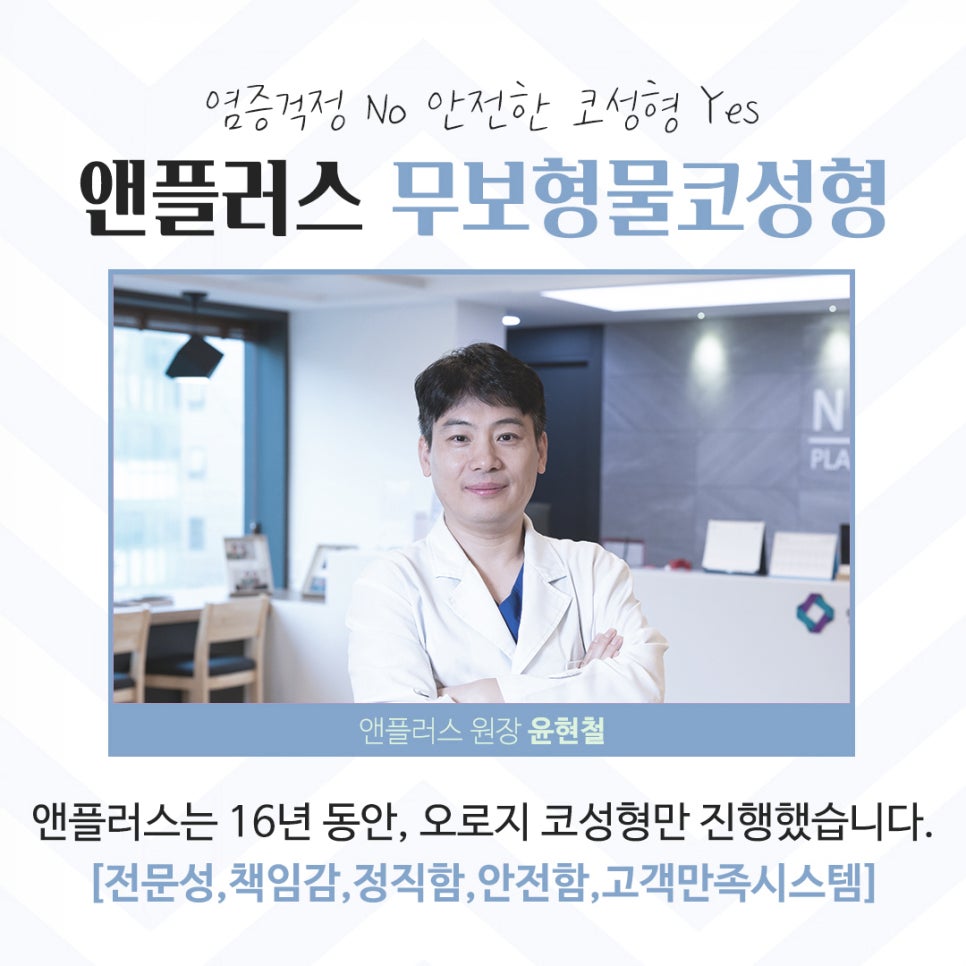
At Ohjigo & Plus Clinic, CEO Director Yoon Hyun-cheol personally handles every step one-on-one, from consultation regarding non-implant rhinoplasty, to surgical planning, the procedure itself, treatment, and follow-up visits, so you can proceed with peace of mind from before surgery to after.

The postoperative care provided after surgery includes a free after-sales service system guaranteed for one year after surgery, as well as a surgical responsibility warranty system to prepare for any situation that may arise, such as postoperative pain, inflammation, or dissatisfaction with the appearance. This allows you to receive reliable postoperative care as well.
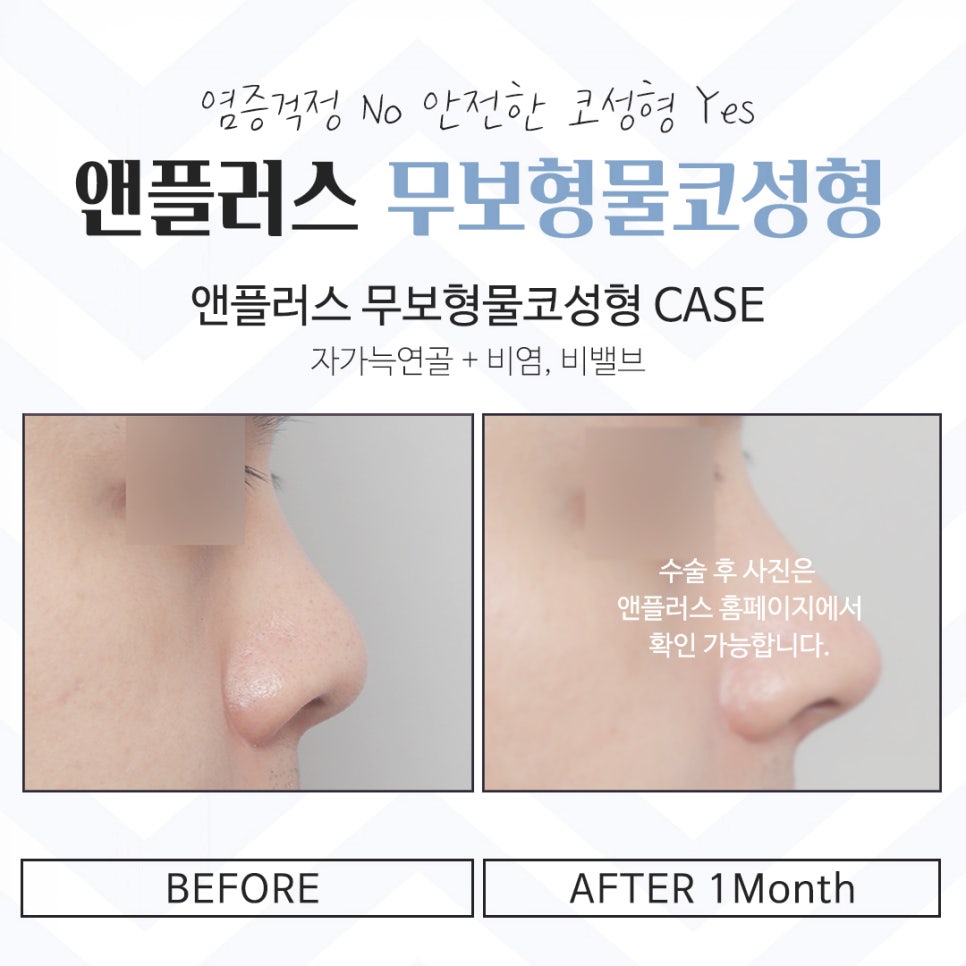
(The images above are before-and-after photos of non-implant rhinoplasty at Ohjigo & Plus Clinic.)
That concludes the explanation of non-implant rhinoplasty at Ohjigo & Plus Clinic. I hope this article is very helpful for those who are unhappy with the shape of their nose or are looking into natural-looking rhinoplasty. Thank you.
https://youtu.be/TSEqUwUlqao?si=sv09oftdLHp6kYI6