
For those who choose rhinoplasty, many think of it as a way to improve the overall impression of the face by changing the shape of the nose. The nose is located at the center of our face and is the most three-dimensional feature, so even a small change in its shape can help the balance of the facial features look more harmonious.

Therefore, when the nose is too low, has a bumpy hump, is upturned, droops downward, is crooked, or has a bulbous shape, many people first pursue a cosmetic approach to improve a nose shape that is not straight or well aligned.
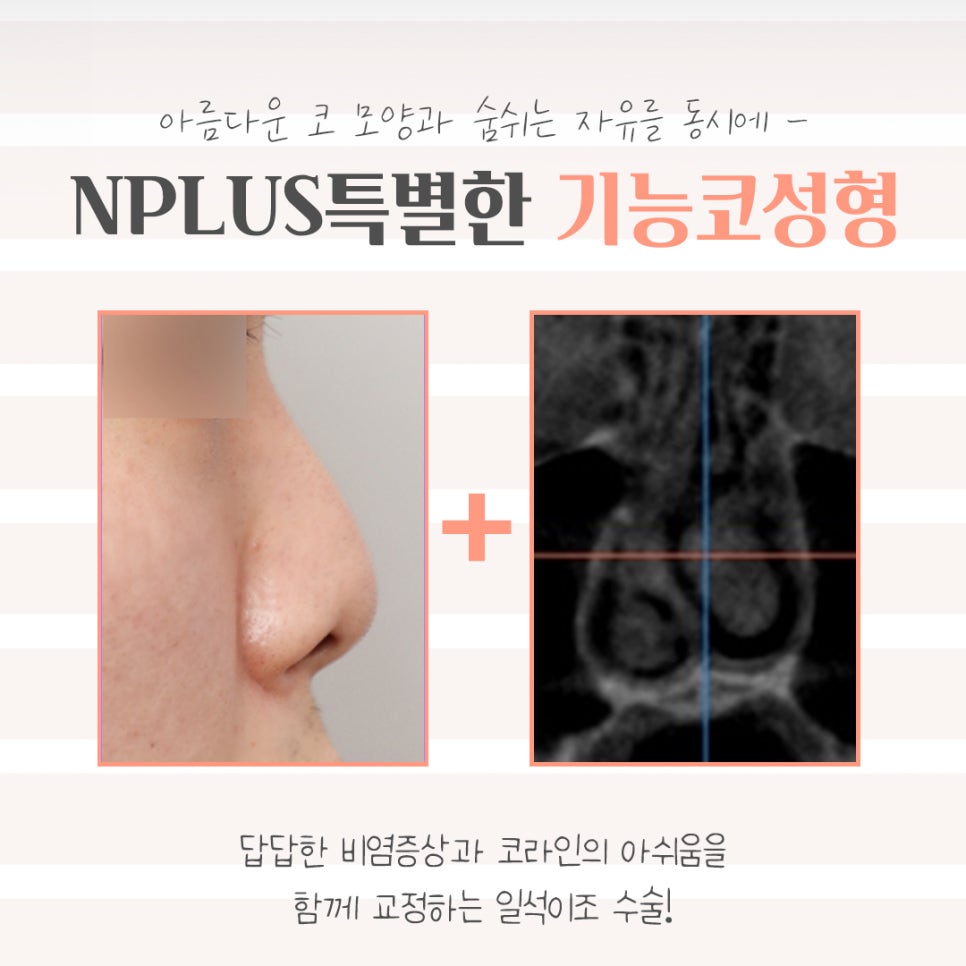
However, our nose plays an important cosmetic role while also being a functional organ responsible for breathing and smelling. When rhinoplasty is performed, surgery should proceed only after fully considering both external issues and internal functional problems. This can help prevent revision surgery caused by functional problems after the operation. That is why it is important to check the inside of the nose before proceeding with rhinoplasty. You can learn more in detail about functional rhinoplasty reviews, which cover both external and internal nasal problems at the same time.
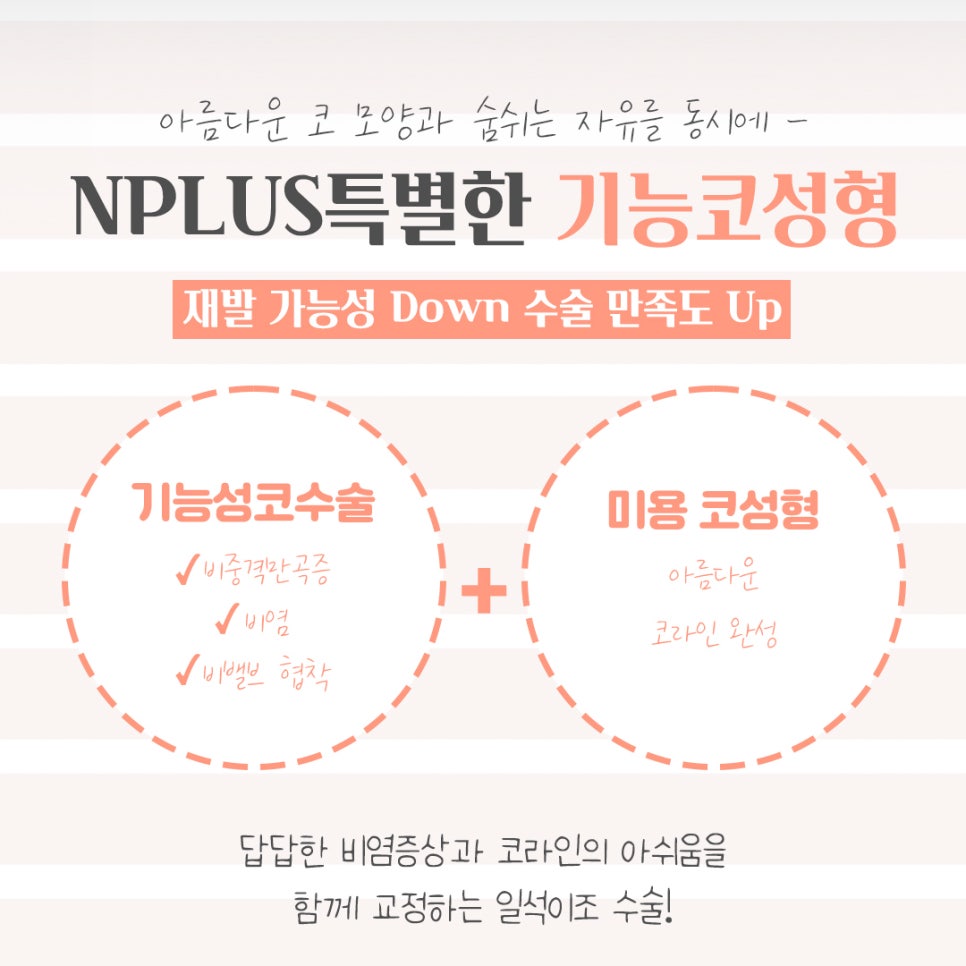
When talking about improving the functional aspects of the nose through surgery, the most representative symptom is nasal congestion caused by rhinitis. Rhinitis is a condition that more than 70% of adults in Korea have, and it can be divided into allergic rhinitis and structural rhinitis. Allergic rhinitis appears due to specific substances or environments, so a complete cure is difficult, and medication or strengthening immunity should be the priority.
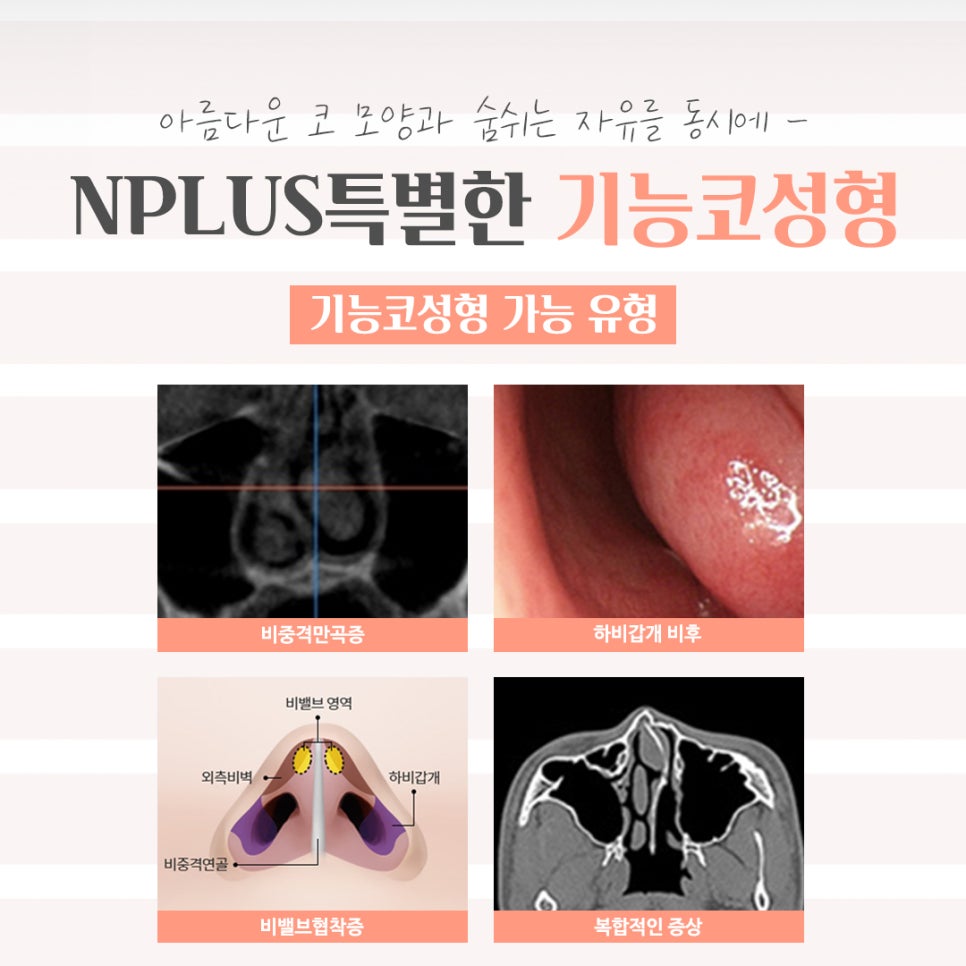
In the case of structural rhinitis, complete recovery can be expected by correcting the deformed internal nasal structure through surgery. The causes of structural rhinitis can be identified as a combination of conditions such as septal deviation, inferior turbinate hypertrophy, and nasal valve stenosis. If you look at functional rhinoplasty reviews, you will see that even when the nose shape is the same, each person’s symptoms are clearly different, so it is essential to accurately check the condition inside the nose through equipment.

However, nasal congestion symptoms alone do not tell you whether it is allergic rhinitis, structural rhinitis, or a cold. If the symptoms are mild, treatment may not be necessary, but if nasal congestion worsens and develops into chronic rhinitis, the lack of oxygen to the brain caused by nasal obstruction can lead to migraines, headaches, reduced concentration, and loss of motivation. Therefore, if nasal congestion lasts for more than two weeks, it would be helpful to visit a nearby clinic, receive an accurate diagnosis of your current condition, and then look into functional rhinoplasty reviews.
As mentioned above, those looking into functional rhinoplasty reviews may consider rhinoplasty for various symptoms. However, if a surgery that does not match the symptoms is performed, the symptoms after surgery may not improve at all and may instead worsen. Therefore, for those researching functional rhinoplasty reviews, it is also helpful to carefully check whether the medical team has strong anatomical knowledge of the nose, whether they have abundant relevant experience and career history, whether they are equipped with tools that can accurately assess the condition of your nose, and whether aftercare can be fully guaranteed.
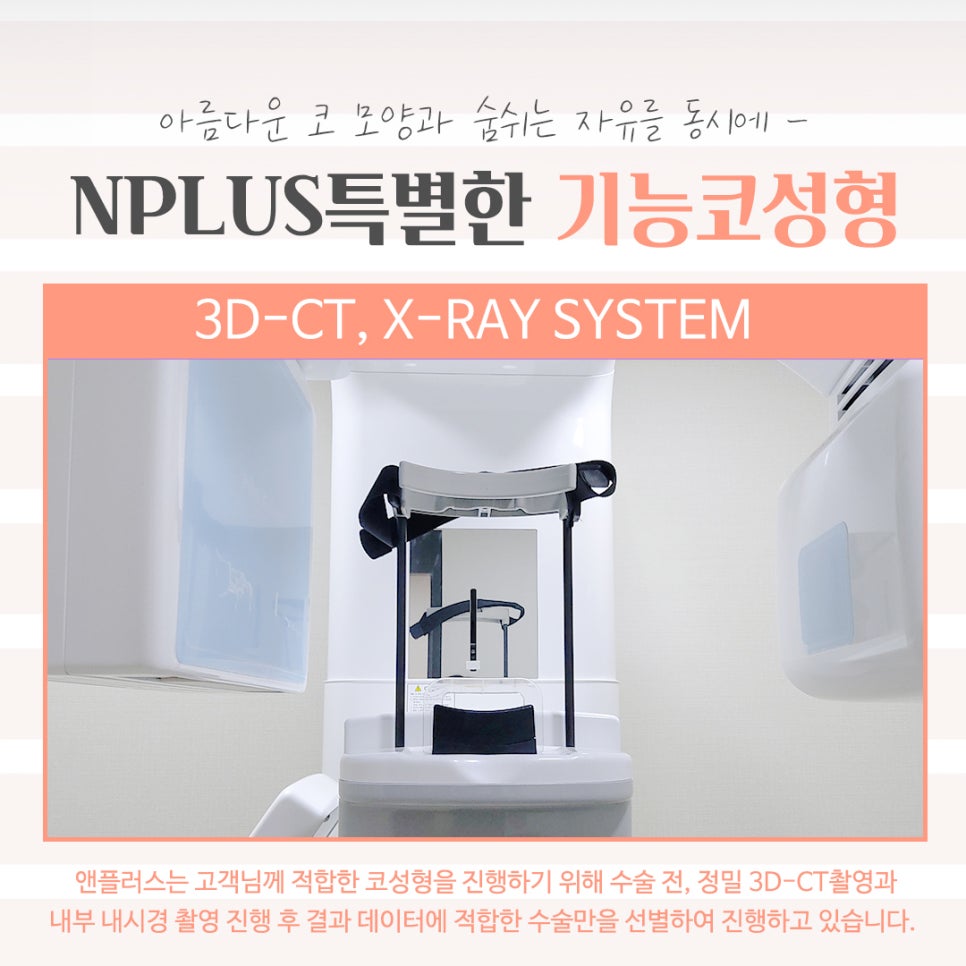
Therefore, at OJIKO N Plus Clinic, before rhinoplasty, various allergy tests, internal nasal function tests, 3D-CT scans, multi-angle photography, and internal endoscopic imaging are performed to accurately determine the current condition of each patient’s external and internal nose. Based on the extracted data, a surgical plan is established and carried out.

If you look at functional rhinoplasty reviews, you can see that different materials and surgical methods are applied depending on each individual’s condition. First, for functional correction, septal deviation, inferior turbinate hypertrophy, and nasal valve stenosis are carefully identified, and then functional improvement is achieved through the appropriate surgical method before proceeding with cosmetic rhinoplasty.
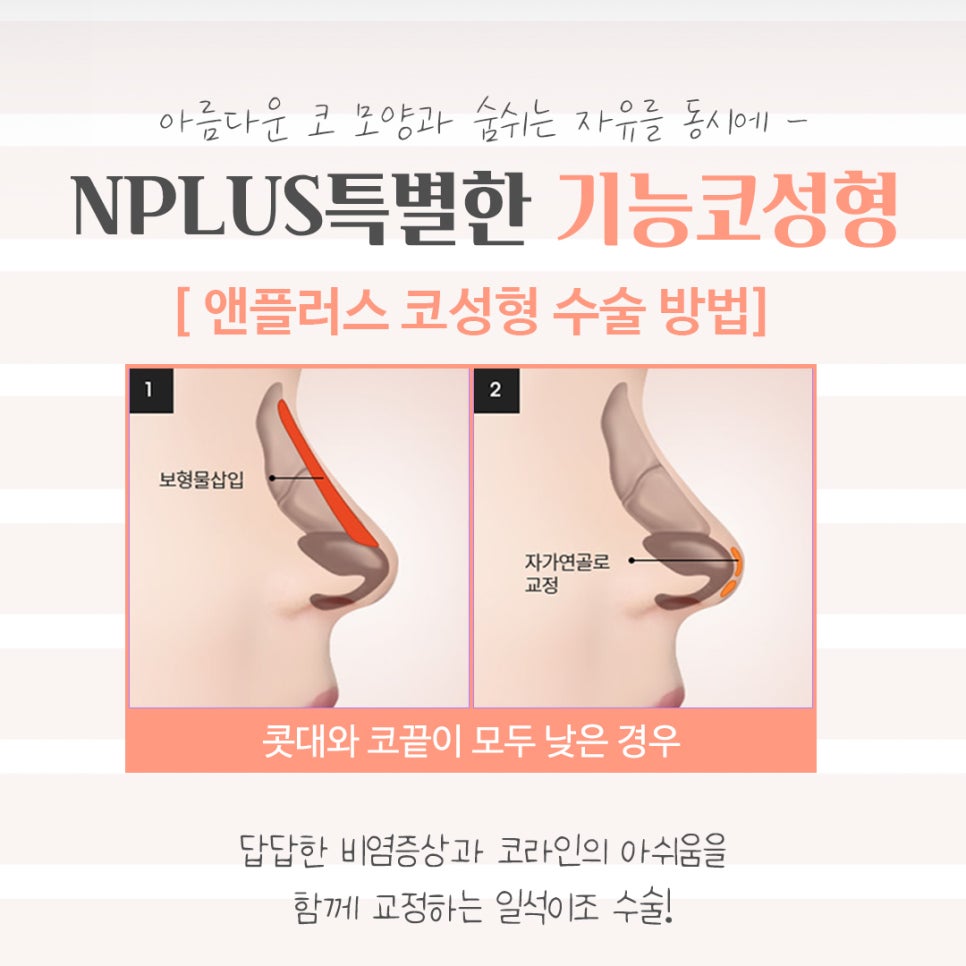
In cosmetic rhinoplasty, the bridge is generally corrected with silicone, and the tip with autologous cartilage to refine the overall nasal line.
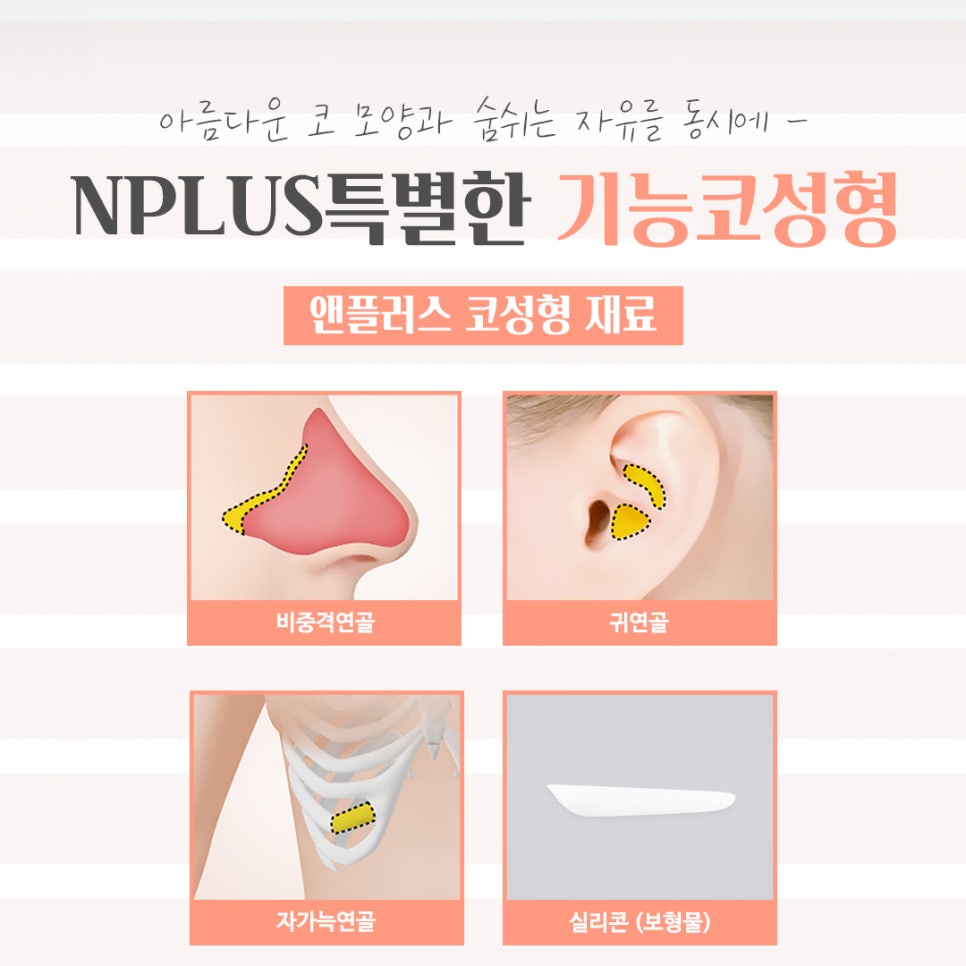
The materials used in cosmetic rhinoplasty include silicone for the bridge and autologous cartilage for the tip. In the case of autologous cartilage, preoperative screening allows the selection of a material that suits the individual. Autologous cartilage includes ear cartilage, septal cartilage, and autologous rib cartilage.
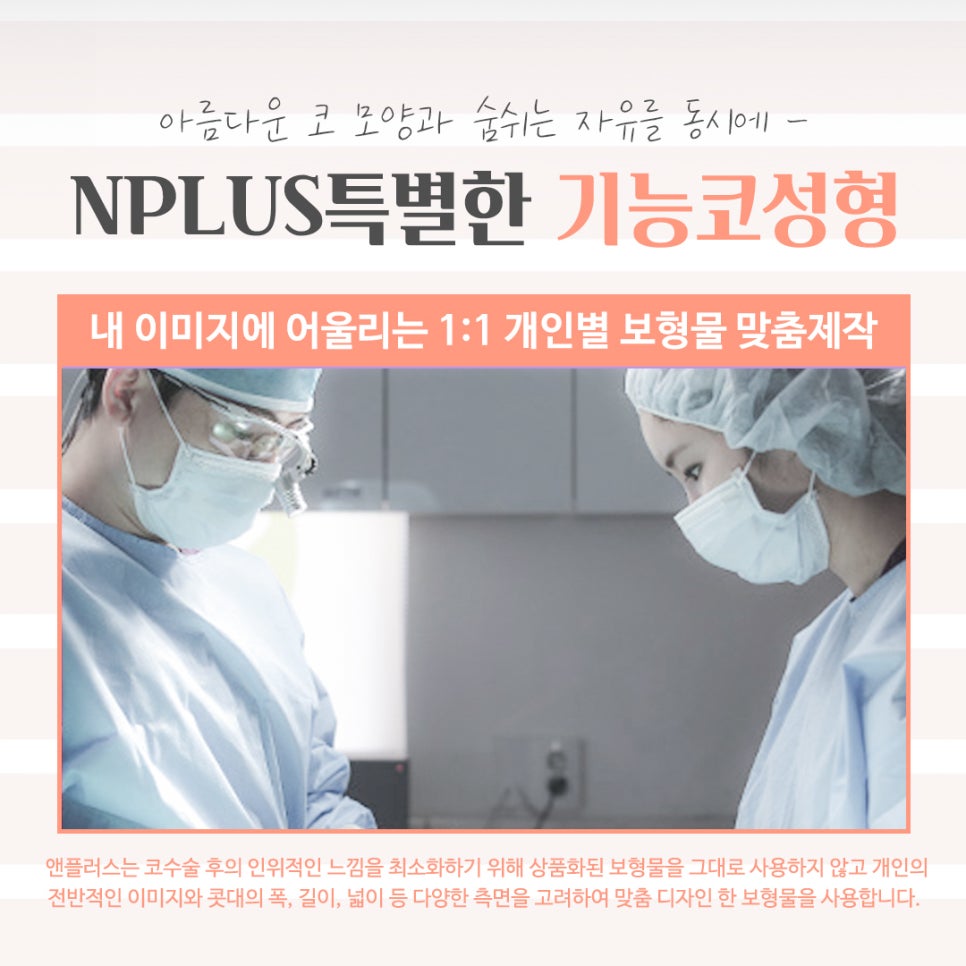
The bridge is given volume using silicone. In this case, rather than using a pre-manufactured silicone product as is, the material is carefully and delicately shaped by hand while considering various aspects such as the person’s overall image, as well as the width, length, breadth, and height of the nasal bridge.

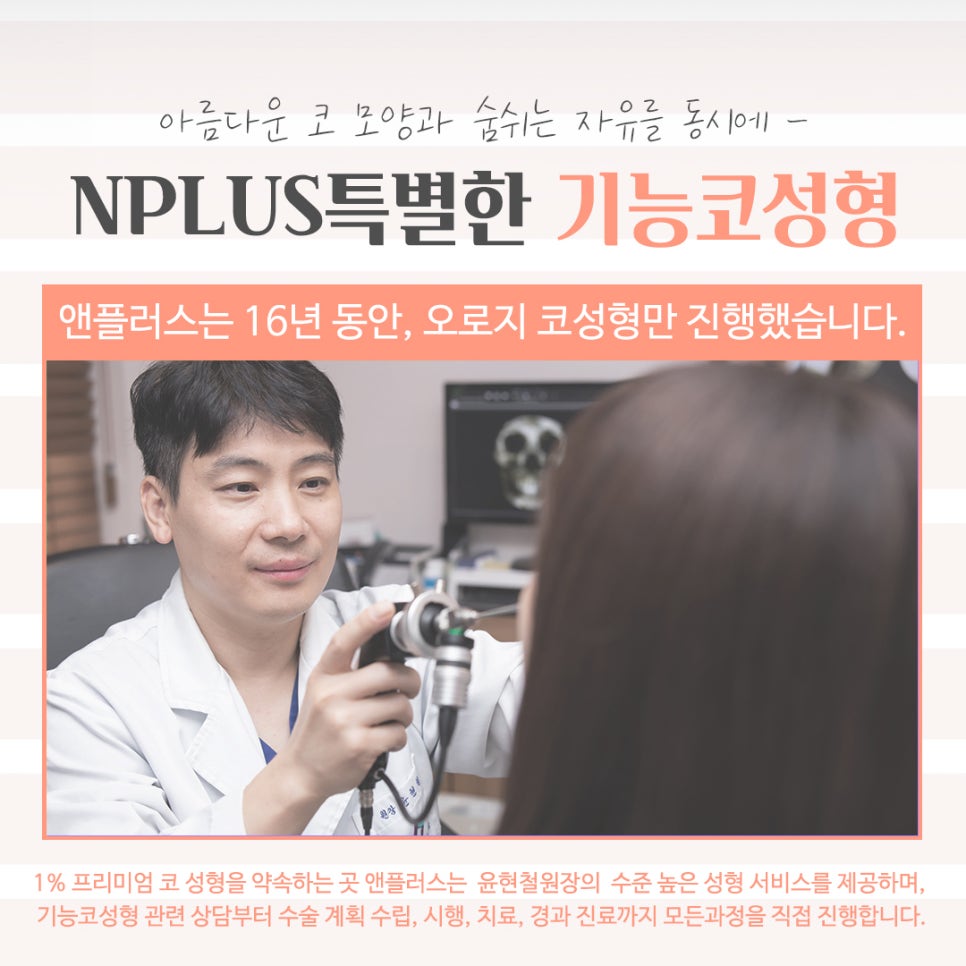
At OJIKO N Plus Clinic, Director Yoon Hyun-cheol personally handles every step one-on-one, from consultation related to rhinoplasty, to surgical planning, performance, treatment, and follow-up care, so you can receive high-level medical service from before surgery through after surgery.

Postoperative aftercare is also provided with an after-sales service system that guarantees one year after surgery, as well as a surgical responsibility guarantee system prepared for any situations that may arise after surgery, such as postoperative pain, inflammation, or dissatisfaction with the shape. This ensures clear benefits for postoperative aftercare, making it an even more satisfying functional rhinoplasty review.
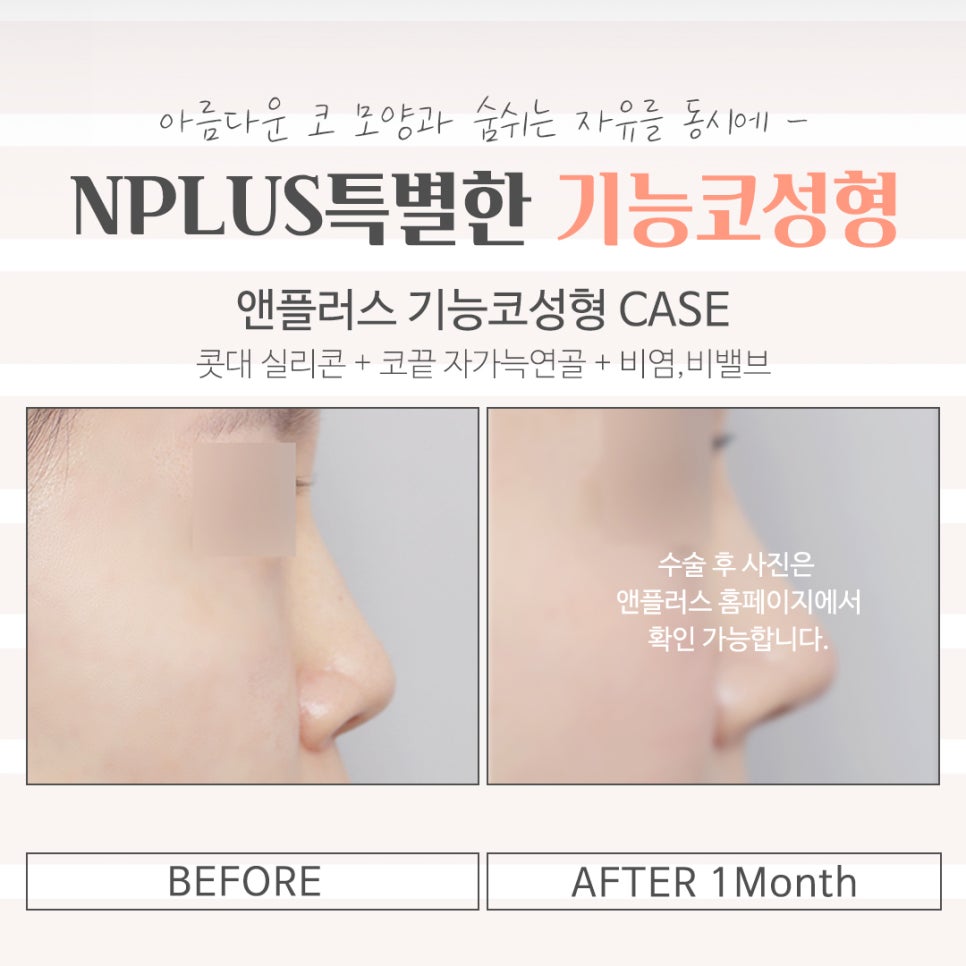
(The image above shows before-and-after photos from OJIKO N Plus Clinic's functional rhinoplasty review.)
That concludes my explanation of OJIKO N Plus Clinic’s functional rhinoplasty review. I hope this post has been very helpful for those who are considering rhinoplasty because of internal functional issues with the nose or dissatisfaction with its shape. Thank you.
https://youtu.be/a4GpYOCHp-k?si=ubrD_6BiwuCSaDTf