Many people are interested in cosmetic surgery as a way to improve their appearance. However, indiscriminate surgery is more likely to cause side effects, so it should be decided carefully. Among various procedures, the nose is located at the center of the face and is one of the most three-dimensional features, so even a small change in its shape can have a large impact on the overall facial image, making it a procedure that may be considered first. Therefore, those who have these concerns may want to look into information about places known for rhinoplasty in more detail.

Accordingly, the types of noses that people researching places known for rhinoplasty may have can be categorized as a nose that is too low and lacks definition, a hump nose, a crooked nose, an upturned nose, a drooping nose, or other nasal shapes. Since these are generally not straight or well-balanced shapes, an external approach may be prioritized to improve them.

In this way, the shape of the nose plays an important role in determining our outward appearance, but because it is also a functional organ responsible for breathing and smell, surgery must consider both the external and internal structure of the nose at the same time to help prevent revision surgery caused by functional problems after the operation.
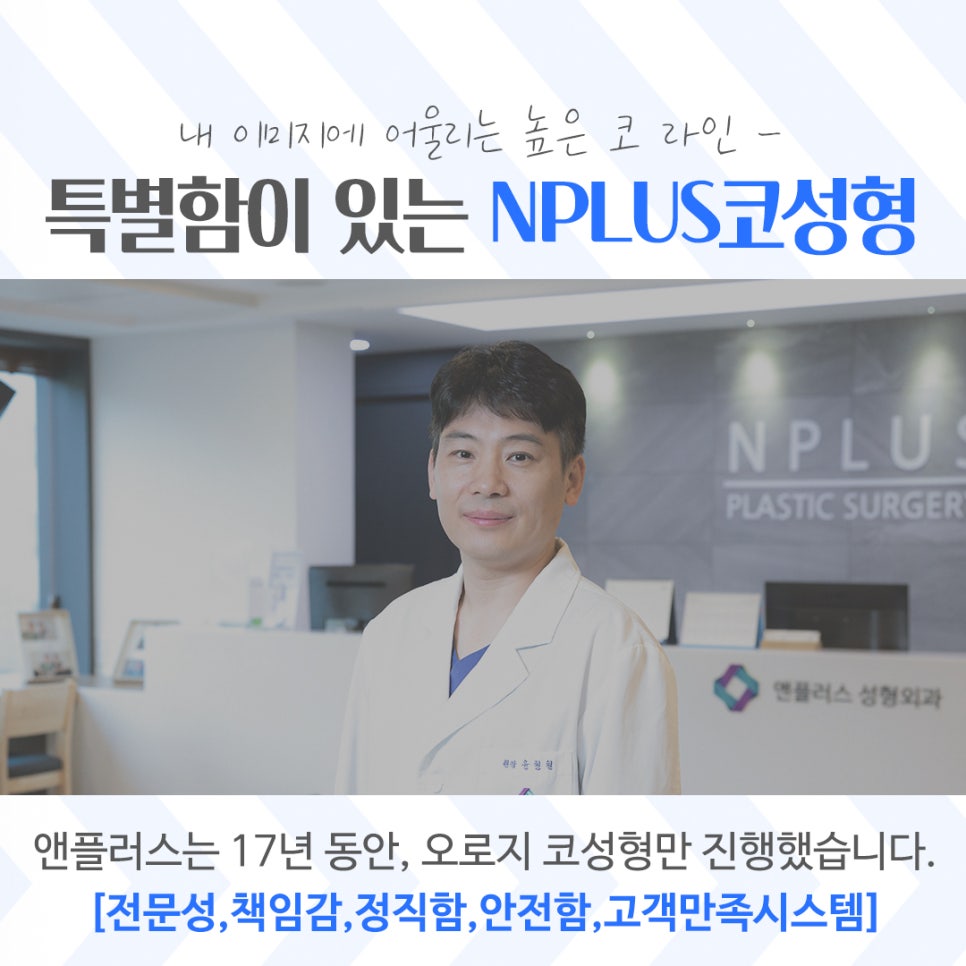
Therefore, those looking for information about places known for rhinoplasty should carefully check whether the medical staff have a high level of anatomical knowledge about the nose, whether they have abundant related experience and expertise, whether equipment is available to accurately assess the condition of the nose, and whether aftercare is reliably provided. Doing so may help with making a choice.

In rhinoplasty, the bridge of the nose is generally corrected with silicone, and the tip is corrected using autologous cartilage. If there is a problem inside the nose, functional improvement may be performed first, followed by cosmetic rhinoplasty. When improving functional issues through surgery, the most representative condition is structural rhinitis caused by abnormalities in the internal structure, and structural rhinitis can be divided into septal deviation, inferior turbinate hypertrophy, nasal valve stenosis, and complex symptoms.
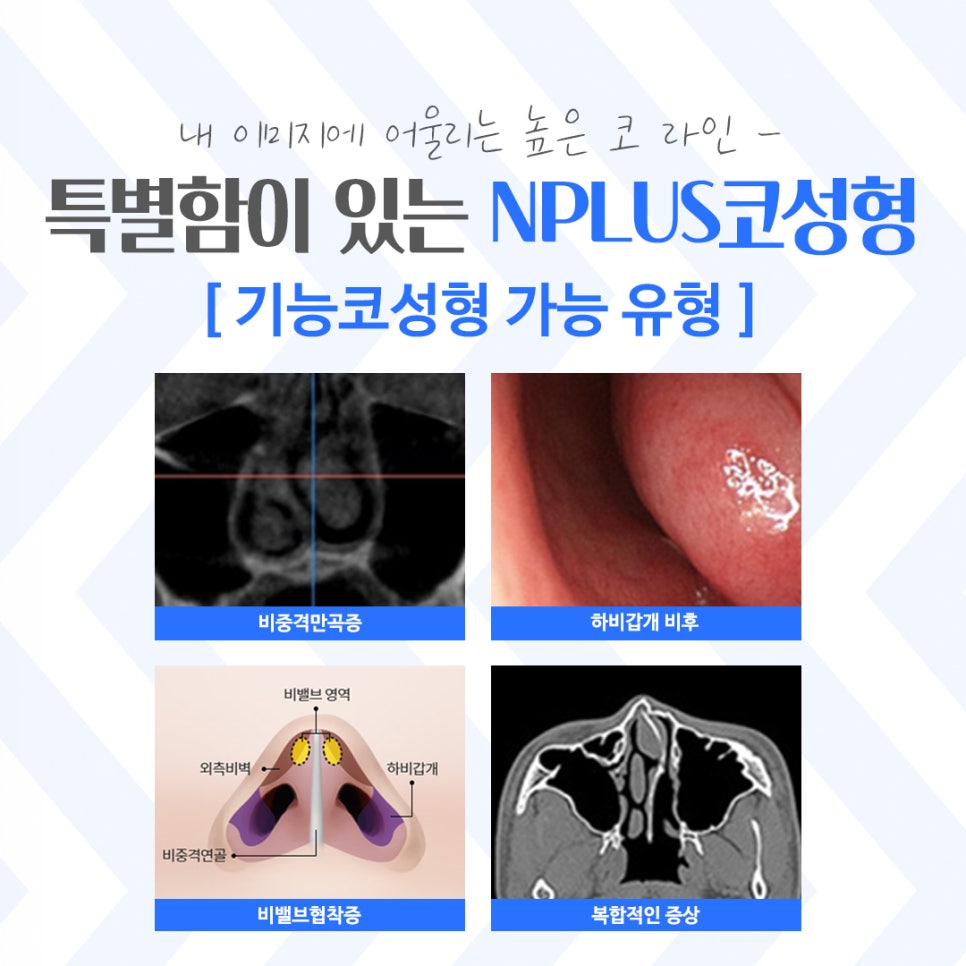
If such functional problems occur (septal deviation, inferior turbinate hypertrophy, nasal valve stenosis), the appropriate surgical method is applied based on preoperative examinations.
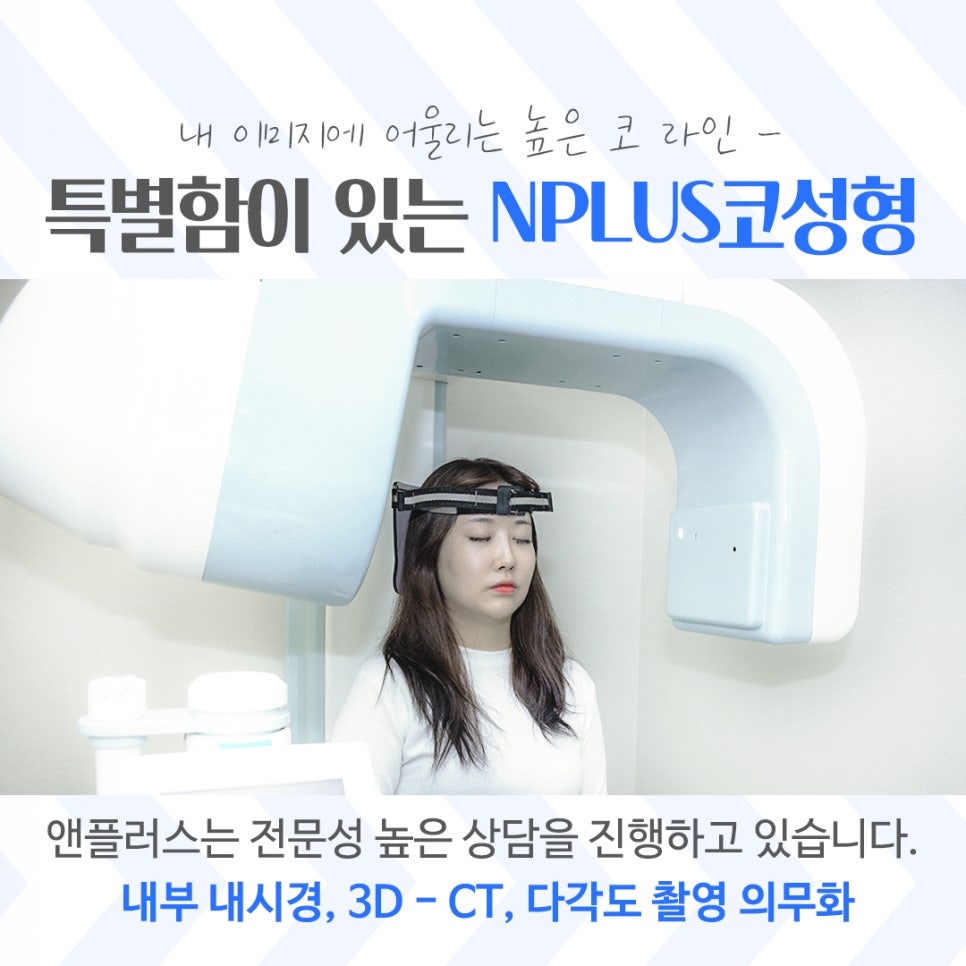
At A+ for rhinoplasty, in order to perform surgery suited to each individual, the clinic accurately assesses the current condition through multi-angle photography, CT scans, internal endoscopy, internal nasal function tests, and various allergy tests before surgery, then establishes and carries out a surgical plan based on the extracted data.
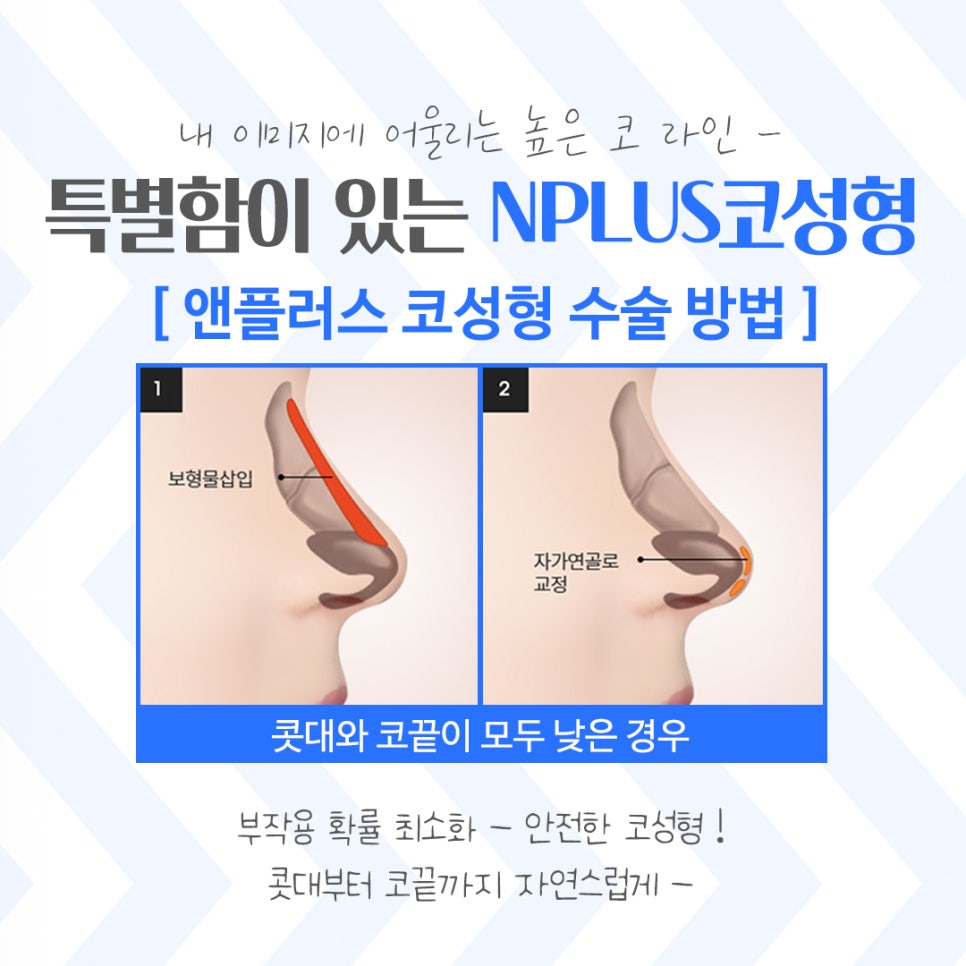
In general cosmetic rhinoplasty, the bridge can be corrected with silicone and the tip with autologous cartilage to refine the overall nose line.

If preoperative examinations show functional problems, septal deviation, inferior turbinate hypertrophy, and nasal valve stenosis can be improved first, followed by cosmetic rhinoplasty.

At A+ for rhinoplasty, the silicone used for the nasal bridge is not simply taken from a pre-made commercial product. Instead, it is carefully shaped by hand after considering various aspects such as the individual's overall image, as well as the width, length, breadth, and height of the nasal bridge.
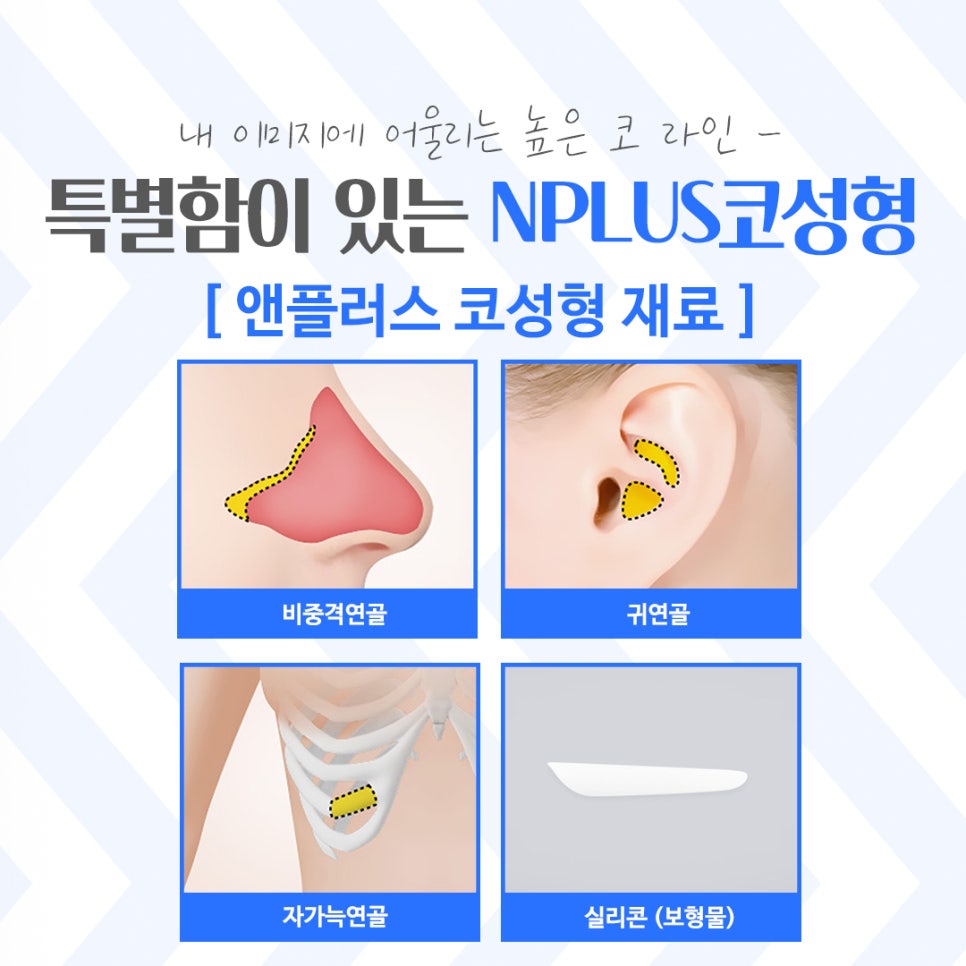
For the autologous cartilage used at the nasal tip, the material can be selected according to the individual through preoperative examinations. Autologous cartilage can be divided into septal cartilage, ear cartilage, and autologous rib cartilage.

At A+ for rhinoplasty, Director Yun Hyun-cheol personally handles every step one-on-one, from rhinoplasty consultation and surgical planning to the procedure itself, treatment, and follow-up care, so you can proceed with peace of mind from before surgery through after.

For aftercare, the clinic provides an after-sales service system guaranteed for one year after surgery, as well as a surgical responsibility guarantee system prepared for any situations that may arise after surgery, such as postoperative pain, inflammation, or dissatisfaction with the result. This allows you to receive clear aftercare benefits after the procedure.
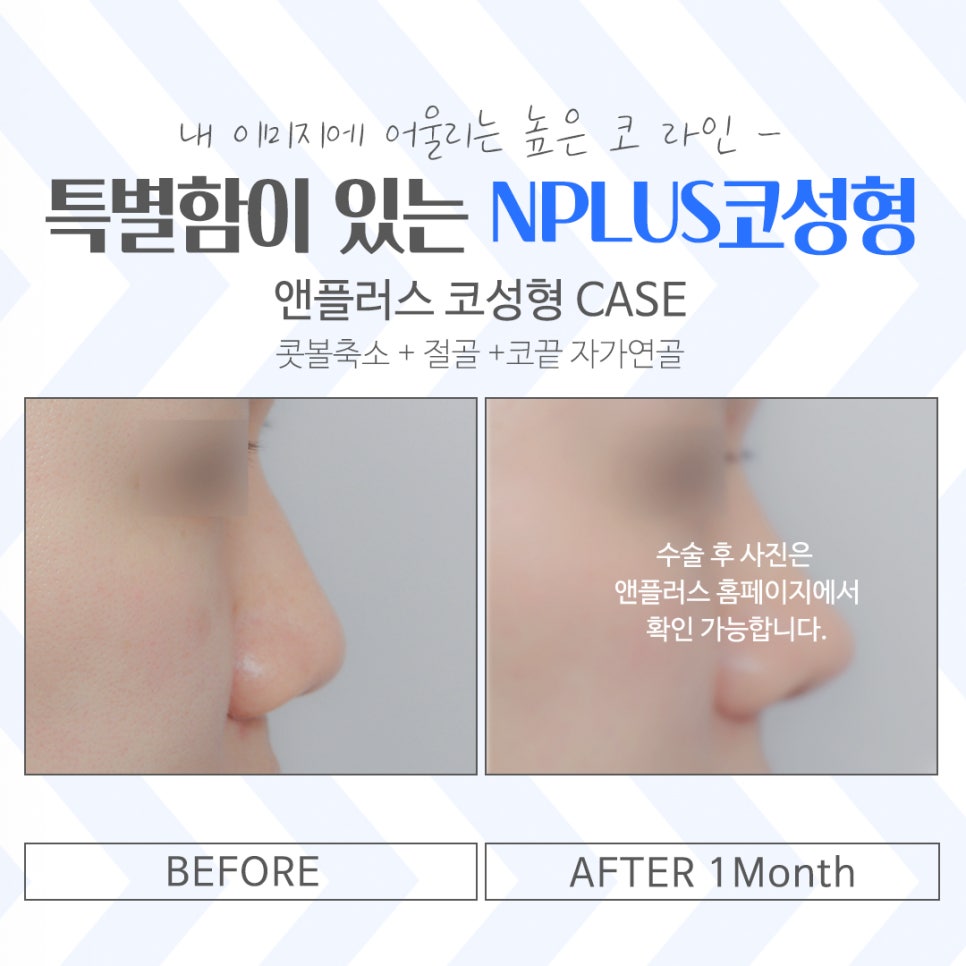
(The above image shows before-and-after photos of rhinoplasty at A+ for rhinoplasty.)
This concludes my explanation of rhinoplasty performed at A+ for rhinoplasty. I hope this post is helpful for those who are considering rhinoplasty because they are dissatisfied with the shape of their nose or have problems with internal nasal function. Thank you.
https://youtu.be/KNpdCAfP5Mk