
To transform their appearance into something natural and beautiful, many people are increasingly interested in nose surgery reviews, as they seek to change the shape of the nose, which is located at the center of the face and is the most three-dimensional feature.

For this reason, many people look into nose surgery reviews. Common characteristics of such people include a low bridge or tip that lacks definition, a crooked nose, a bumpy bridge or aquiline nose, an upturned or lifted nose, and cases accompanied by nasal congestion due to rhinitis. In these cases, they may first consider plastic surgery because they are dissatisfied with the shape of their nose.

However, while the nose plays an important external role in shaping one’s impression, it is also a functional organ responsible for breathing and smell. Therefore, it is helpful to choose a place that can check the shape of the nose while also determining whether there are any internal functional problems.

A representative symptom in which the functional aspect of the nose is corrected together with nose surgery is nasal congestion caused by rhinitis. Rhinitis is a common condition affecting more than 70% of adults in Korea. It is divided into allergic rhinitis and structural rhinitis. In the case of allergic rhinitis, symptoms appear due to specific substances or environments, so a complete cure is difficult, and strengthening immunity or medication treatment should be prioritized.
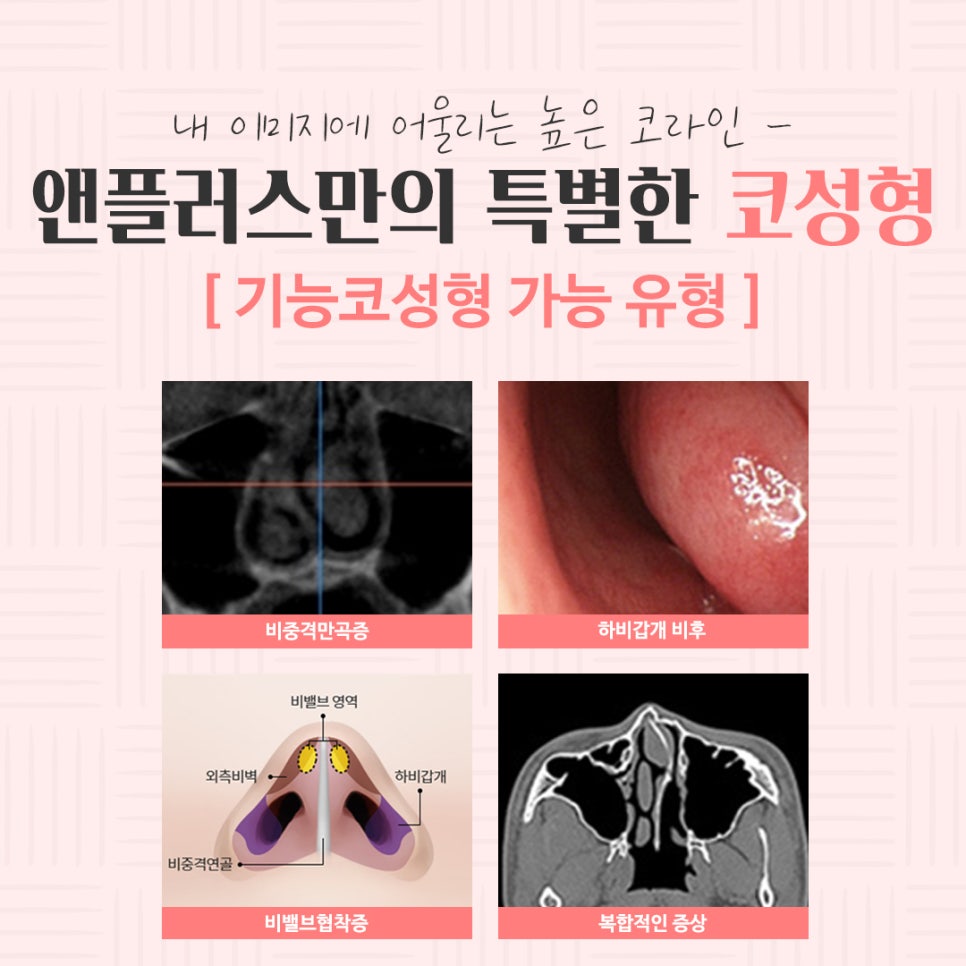
However, structural rhinitis occurs due to abnormalities in the internal structure of the nose. If surgery is performed without identifying this structural rhinitis, postoperative functional problems may arise and may instead cause nasal congestion. Therefore, checking for functional issues and performing surgery accordingly is necessary to achieve satisfactory results. Structural rhinitis includes a deviated septum, inferior turbinate hypertrophy, and nasal valve stenosis.
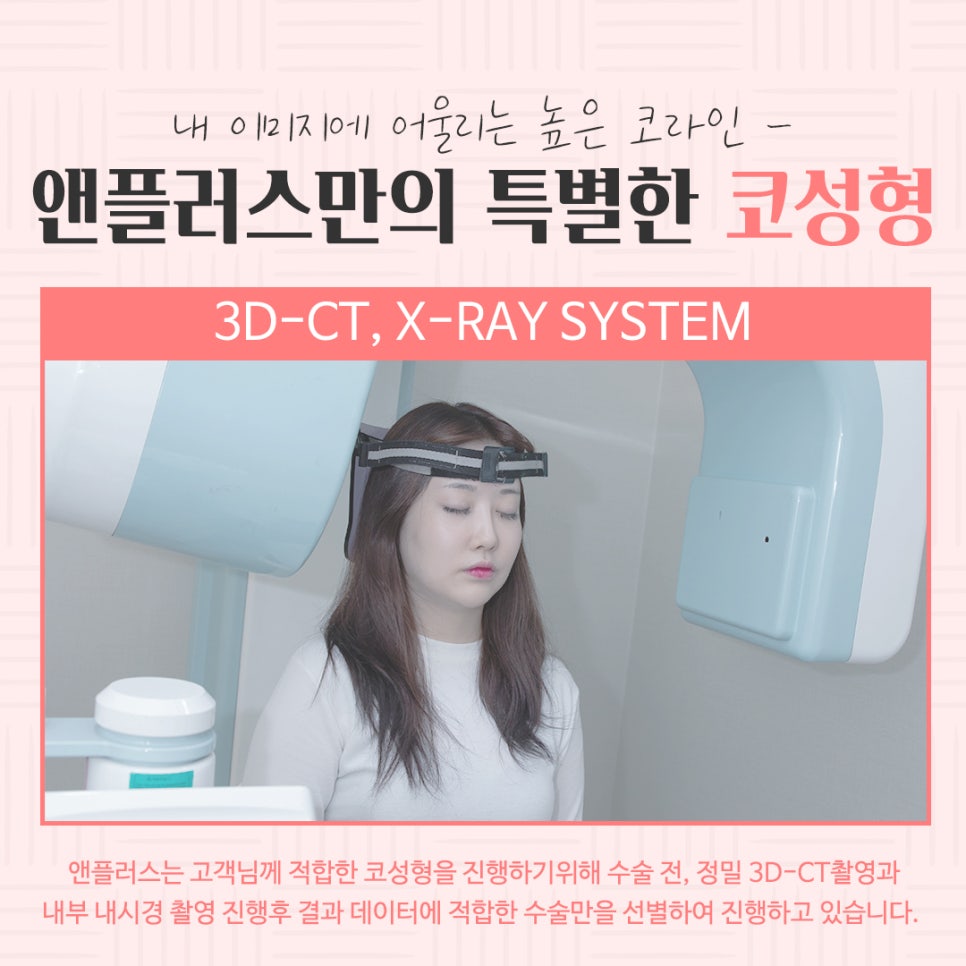
At Aplus, before all nose surgeries, various allergy tests, internal nasal function tests, 3D-CT scans, multi-angle photography, and internal endoscopic imaging are performed to accurately assess the current internal and external condition of the individual’s nose. Based on the extracted data, a surgical plan is established and carried out.

As for the surgical method, when checking nose surgery reviews, even if the shape of the nose is the same, the surgery is not performed using the same method and materials. It can vary depending on the condition of the nasal bone, internal nasal function, and cartilage condition. Nose surgery methods can be broadly classified into three types: when both the bridge and tip are low, when only the bridge is low, and when only the tip is low.
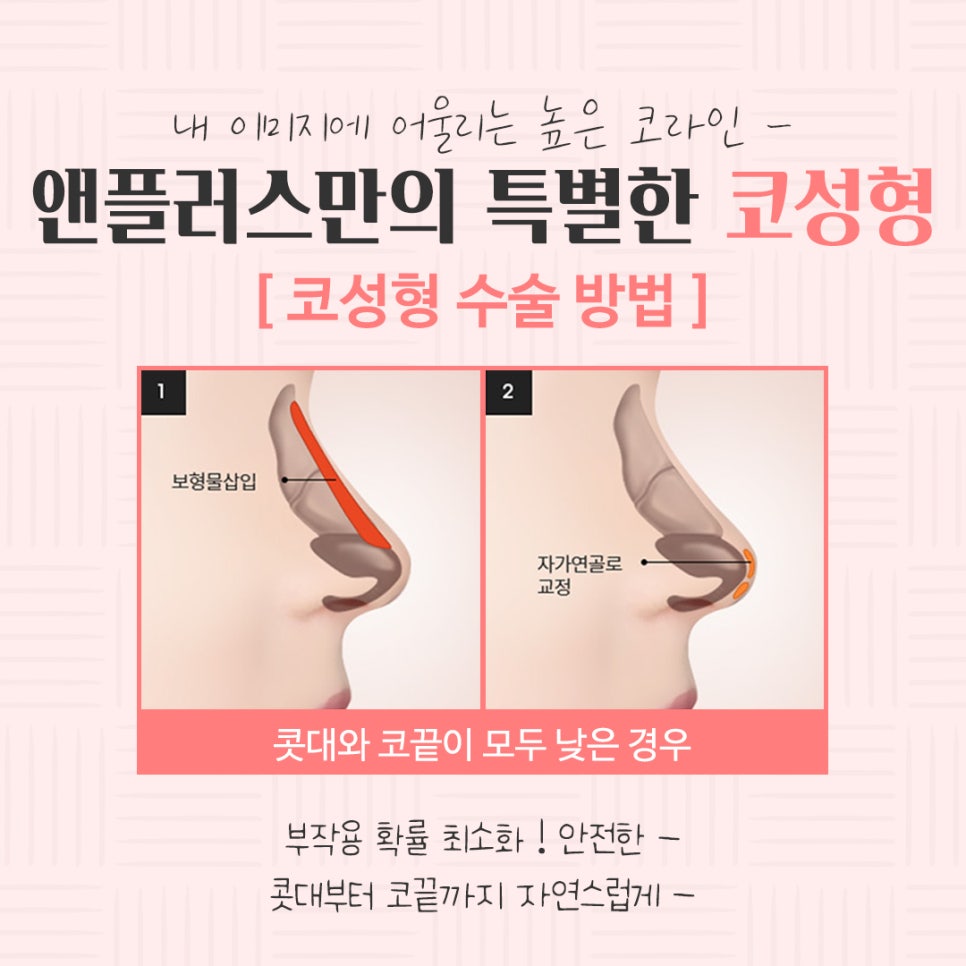
When both the bridge and tip are low, an implant can be inserted into the bridge, and the tip can be corrected using autologous cartilage to improve the overall nasal line.
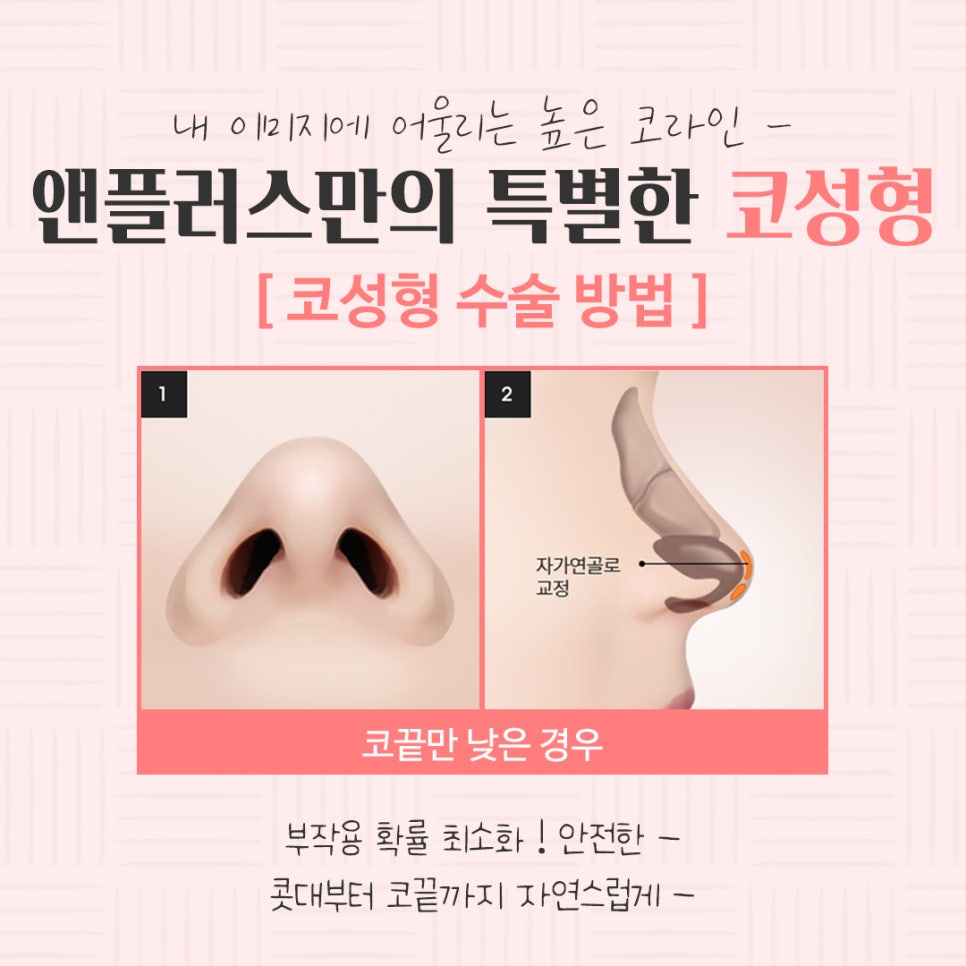
When only the tip is low, if there is a hump on the bridge, the hump is removed, and only the tip is corrected using autologous cartilage. The design is adjusted so that the line from the bridge to the tip remains continuous.

When only the bridge is low, an implant can be inserted into the bridge to correct the overall nasal line. As with tip surgery, the implant can be designed and adjusted so that the line remains continuous from the bridge to the tip.

If there is a problem with internal nasal function, functional issues such as a deviated septum, nasal valve stenosis, or inferior turbinate hypertrophy are corrected first, followed by cosmetic rhinoplasty.
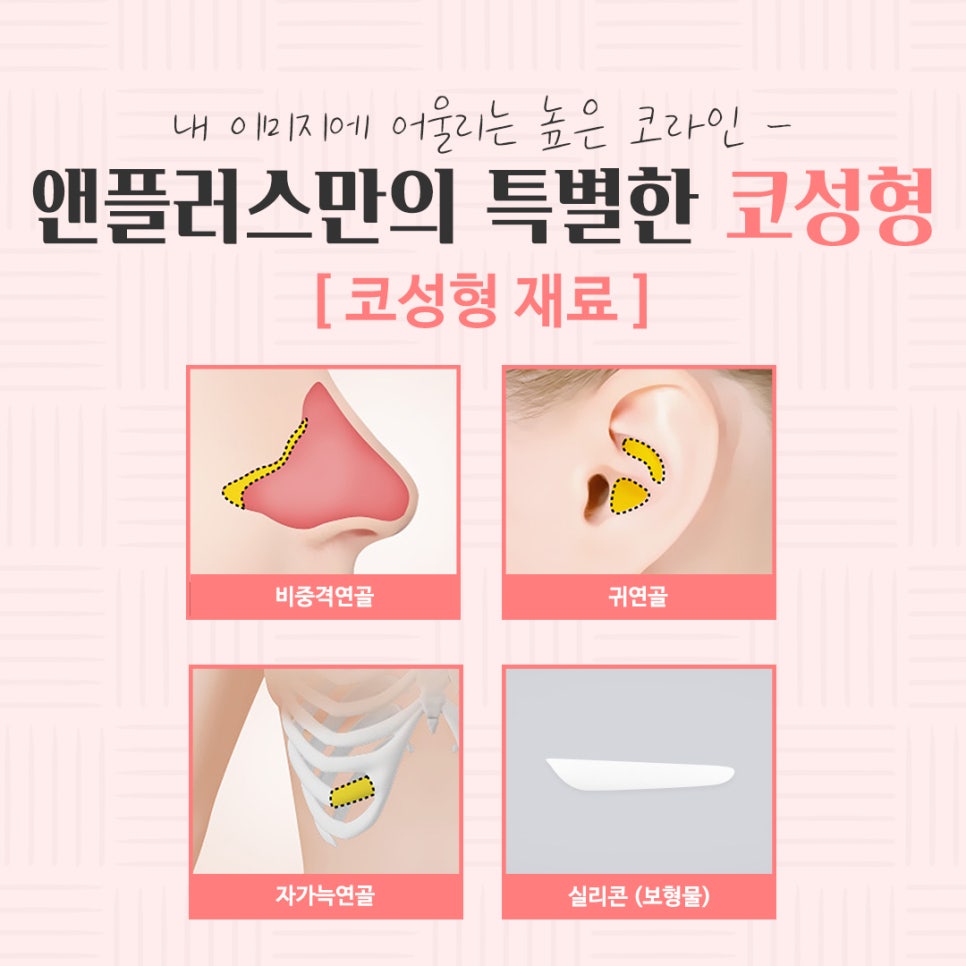
The materials used in nose surgery include silicone for the bridge and autologous cartilage for the tip. Autologous cartilage includes ear cartilage, septal cartilage, and autologous rib cartilage. During preoperative testing, the materials can be selected according to what is suitable for each individual.

Silicone is inserted into the bridge. In the case of silicone, commercially produced silicone is not used as-is. Instead, it is carefully and individually shaped by hand after considering various factors such as the person’s overall image and the width, length, breadth, and height of the nasal bridge. This can lead to greater satisfaction after surgery.
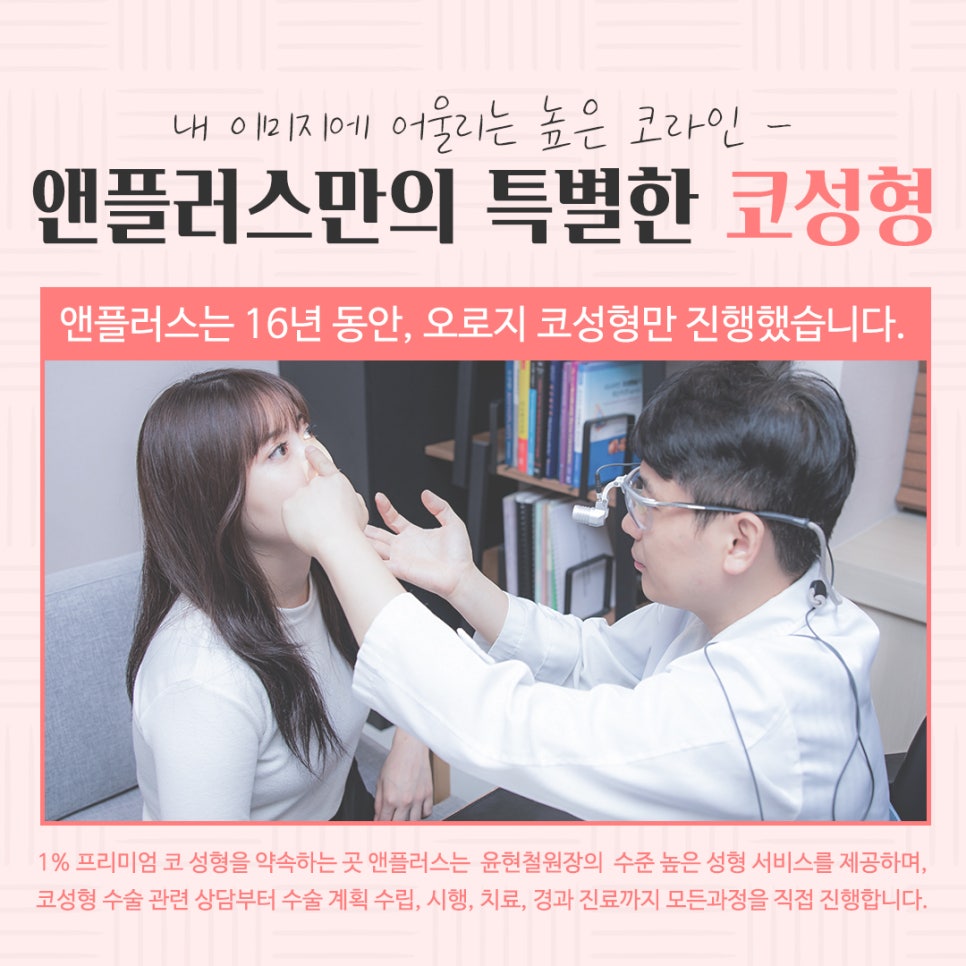
Therefore, for those looking into nose surgery reviews, it is important not to decide on surgery based only on the external appearance of the nose. After reviewing various materials, it is important to make a careful choice. It is helpful to thoroughly check whether the medical staff have a high level of anatomical knowledge of the nose, whether they have extensive related experience and expertise, whether equipment is available to assess the condition of your nose, and whether aftercare can be reliably guaranteed. At Aplus, Director Yoon Hyun-cheol personally handles every step of the process one-on-one, from consultation related to nose surgery to surgical planning, implementation, treatment, and follow-up care, allowing patients to receive high-level medical services before and after surgery.

The aftercare provided after surgery includes a one-year warranty system and a surgical responsibility guarantee system prepared for all situations that may arise after surgery, such as postoperative pain, inflammation, or dissatisfaction with the result. This ensures reliable aftercare.
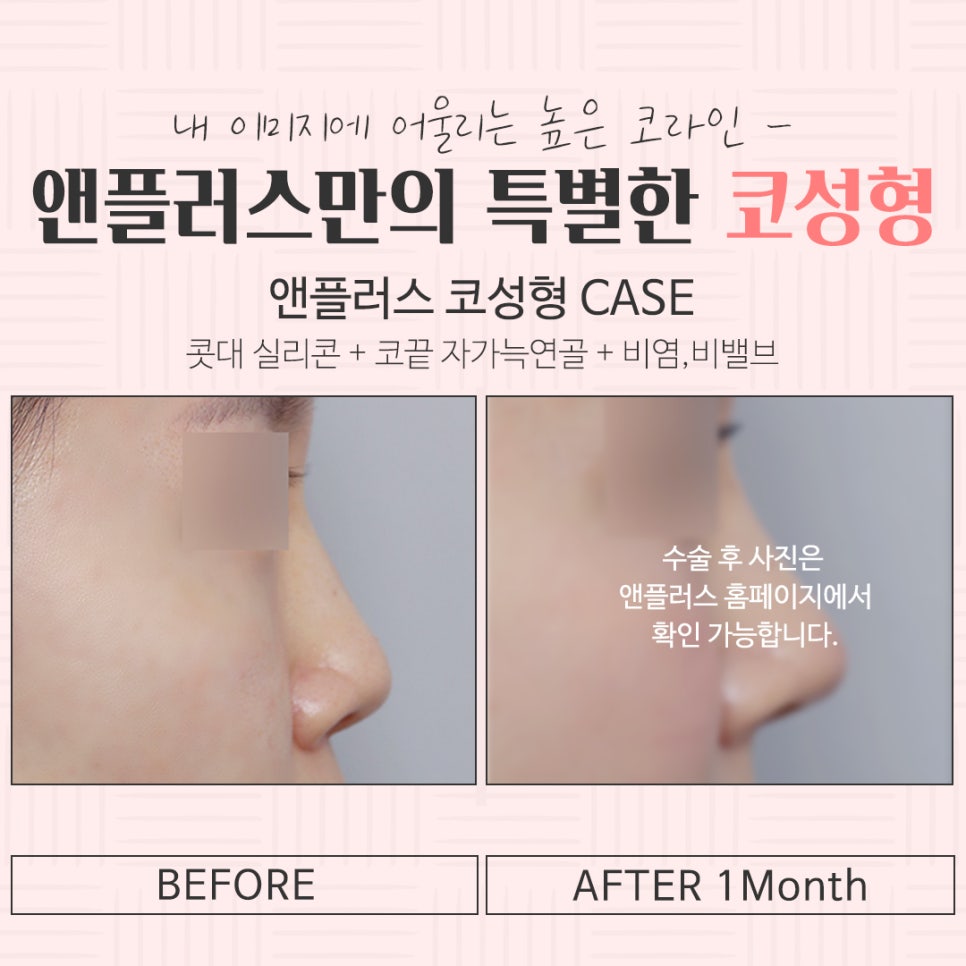
(The images above are before-and-after photos of Aplus nose surgery reviews.)
I have explained Aplus nose surgery reviews. I hope this article is of great help to those who are looking into nose surgery reviews because they are unhappy with the shape of their nose or because of internal nasal function problems. Thank you.
https://youtu.be/OMfAEz3xh4U?si=8RrC1j-ot6HA8QHO