
This is Oziko N Plus, which thinks only about your healthy and beautiful nose.
This time, we have prepared a story related to small nose surgery.

Recently, through various media, self-care has become a trend, so many people can try dieting, exercise, skincare, hairstyle changes, makeup, and more. Even with these efforts, there may be areas that are difficult to improve, leading some people to consider cosmetic surgery. Our facial features are broadly divided into face shape, eyes, nose, mouth, and forehead, but especially since the nose is located at the center of the face and is the most three-dimensional area, if its shape does not match the standard one has in mind, the overall image balance can seem off, making it one of the first cosmetic procedures people consider.

That is why those looking for information about rhinoplasty may think of noses that are too low, small, upturned, have a hump, are crooked, or have a bulbous shape. Because these nose shapes can become a complex in daily life, people may look into rhinoplasty to improve their appearance. Among these, people who want to improve a nose that looks small or low and seems to lack dimension, aiming for a fuller and more refined image, may look into small nose surgery in more detail.

In the case of those considering small nose surgery, many have a low nasal bridge and an upturned tip. Because the nose itself is small and the skin is thin, they may think surgery has limitations, leading to deeper concern. They may look for before-and-after images, but even if the nose shape seems similar, the surgical method and materials can differ depending on the condition of the nasal bone, skin, and cartilage. Rather than self-diagnosing, it is best to receive a consultation with a specialist to accurately understand your condition.

As explained above, our nose is very important in appearance, but it is also a functional organ responsible for breathing and smell, playing an important role in the entire body. If only aesthetic surgery is performed, postoperative functional problems may occur. Therefore, when considering rhinoplasty, it is important to proceed with surgery that takes both the external and internal structures of the nose into account.
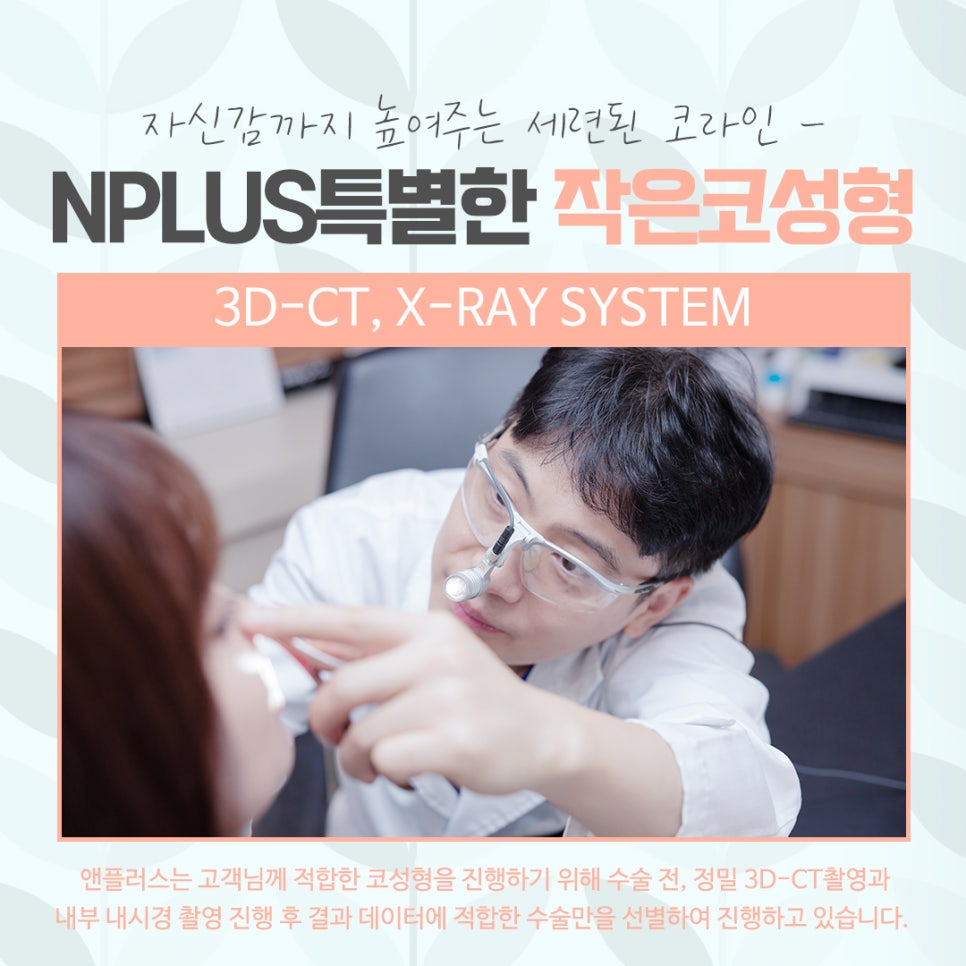
At Oziko N Plus, before surgery, we accurately assess the individual’s nasal bone condition, position, skin condition, and cartilage condition through 3D-CT scans, internal endoscopy, various allergy tests, internal nasal function tests, and multi-angle photography. Based on the extracted data, we establish and carry out a surgical plan.

Therefore, if you look at reviews of small nose surgery, as mentioned above, the surgical method and materials vary depending on the condition of the nasal bone, cartilage, and skin. On average, the nasal bridge can be corrected with silicone, and the nasal tip can be corrected with autologous cartilage.
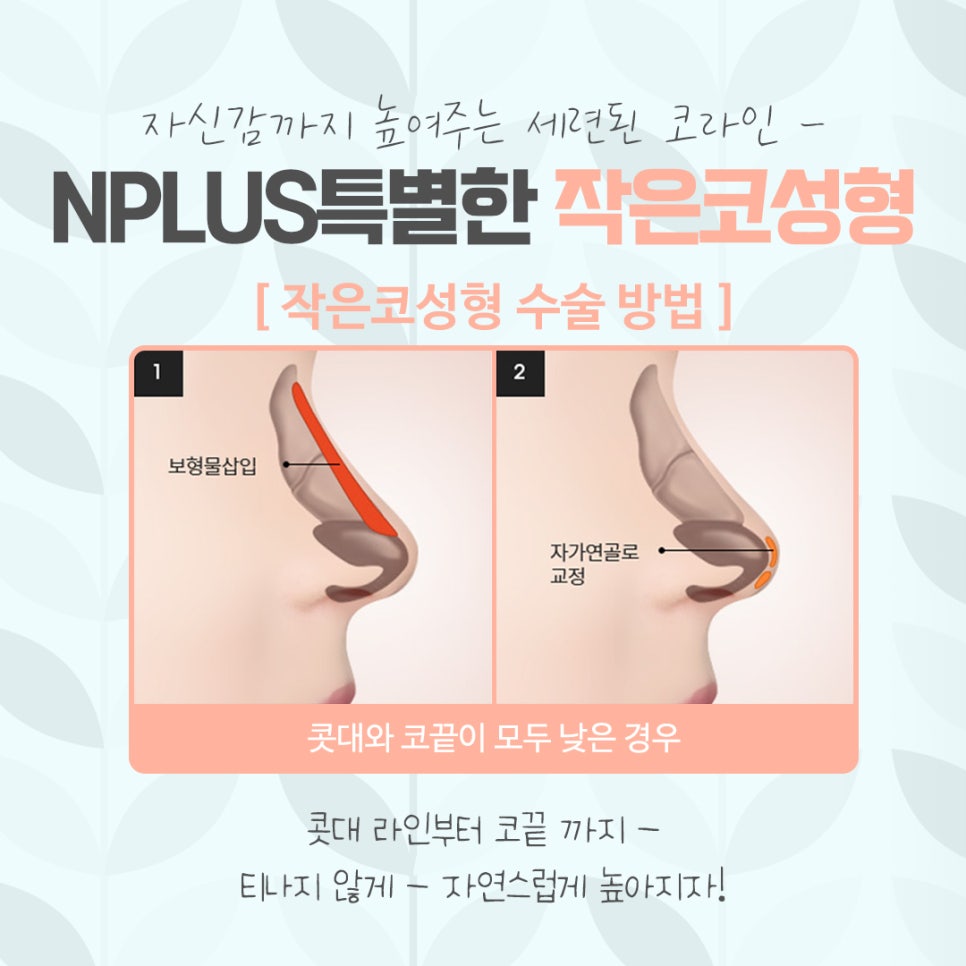
As shown in the illustration, it is common to correct the nasal bridge with silicone and the nasal tip with autologous cartilage. If only the nasal bridge is low, silicone may be used; if only the nasal tip is low, autologous cartilage may be used. What matters is maintaining a continuous line from the bridge to the tip.
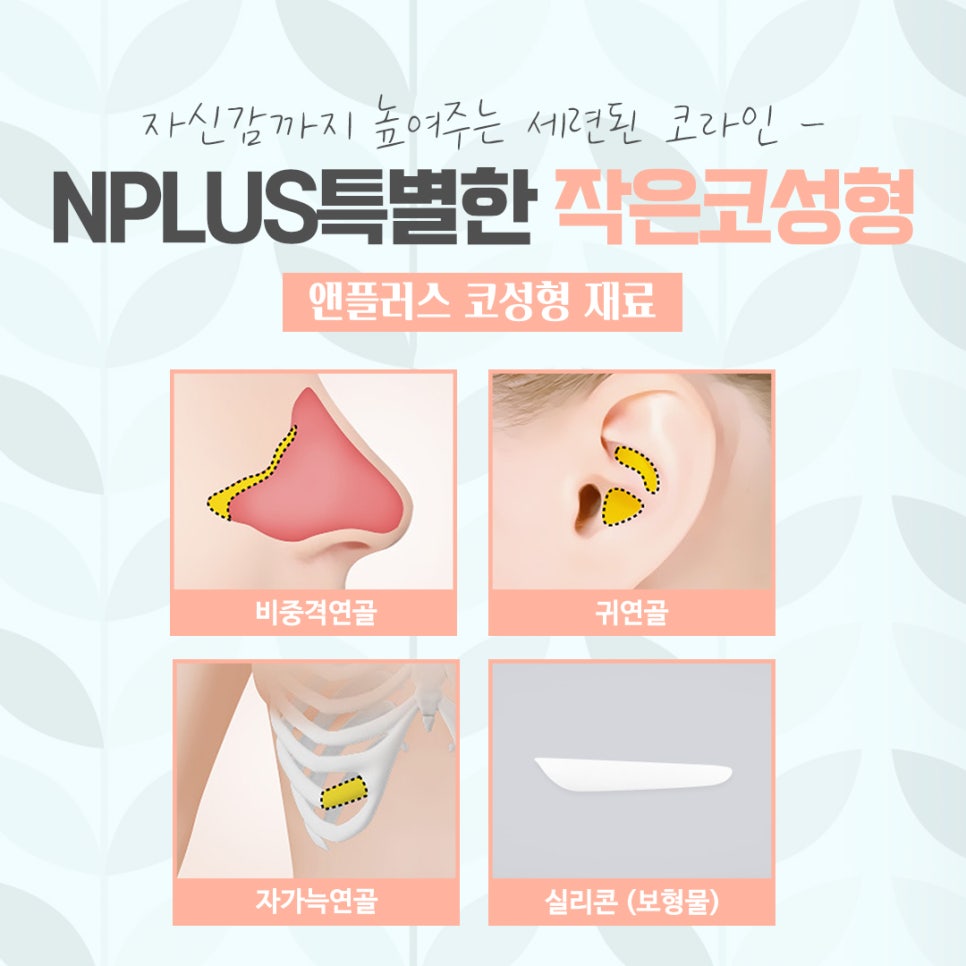
Materials used for the nasal tip include ear cartilage, septal cartilage, and autologous rib cartilage. In the case of autologous cartilage, the most suitable material for each individual can be selected through preoperative testing.
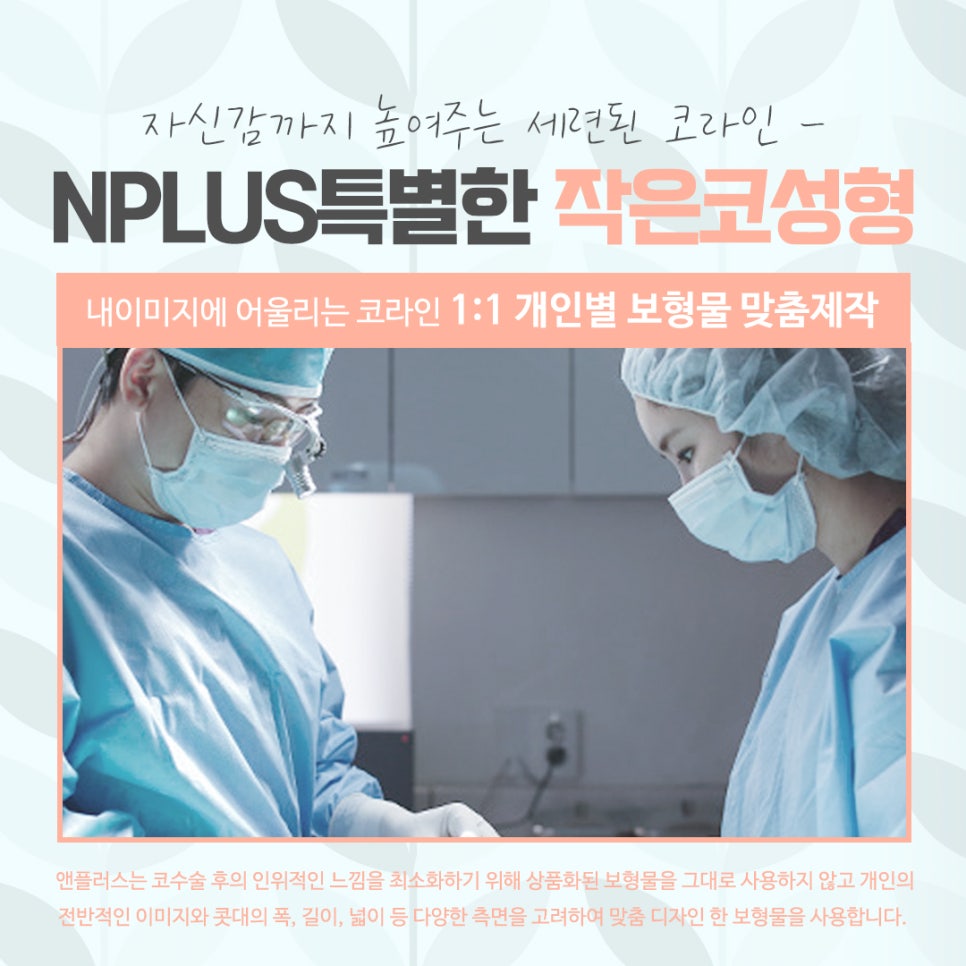
Silicone is used for the nasal bridge, and the silicone used is not a pre-made commercial product used as is. Instead, it is carefully shaped by hand while considering the individual’s overall image as well as various aspects such as the width, length, breadth, and height of the nasal bridge. This may lead to greater satisfaction after small nose surgery.

Therefore, if you are looking into small nose surgery, it is important not to judge only by before-and-after images. After receiving a consultation, you should carefully check whether the medical team has strong anatomical knowledge of the nose, whether they have sufficient experience and career history, whether the necessary equipment is available to accurately assess the condition of your nose, and whether aftercare can be reliably provided. At Oziko N Plus, Director Yun Hyeon-cheol personally handles every step of the process one-on-one, from consultation on small nose surgery to surgical planning, the procedure itself, treatment, and follow-up care, so you can visit with greater peace of mind.

Aftercare is also supported by a one-year warranty system after surgery, as well as a surgical responsibility guarantee system that covers all possible situations such as postoperative pain, inflammation, and dissatisfaction with the shape. This means you can receive reliable aftercare benefits after the procedure as well.
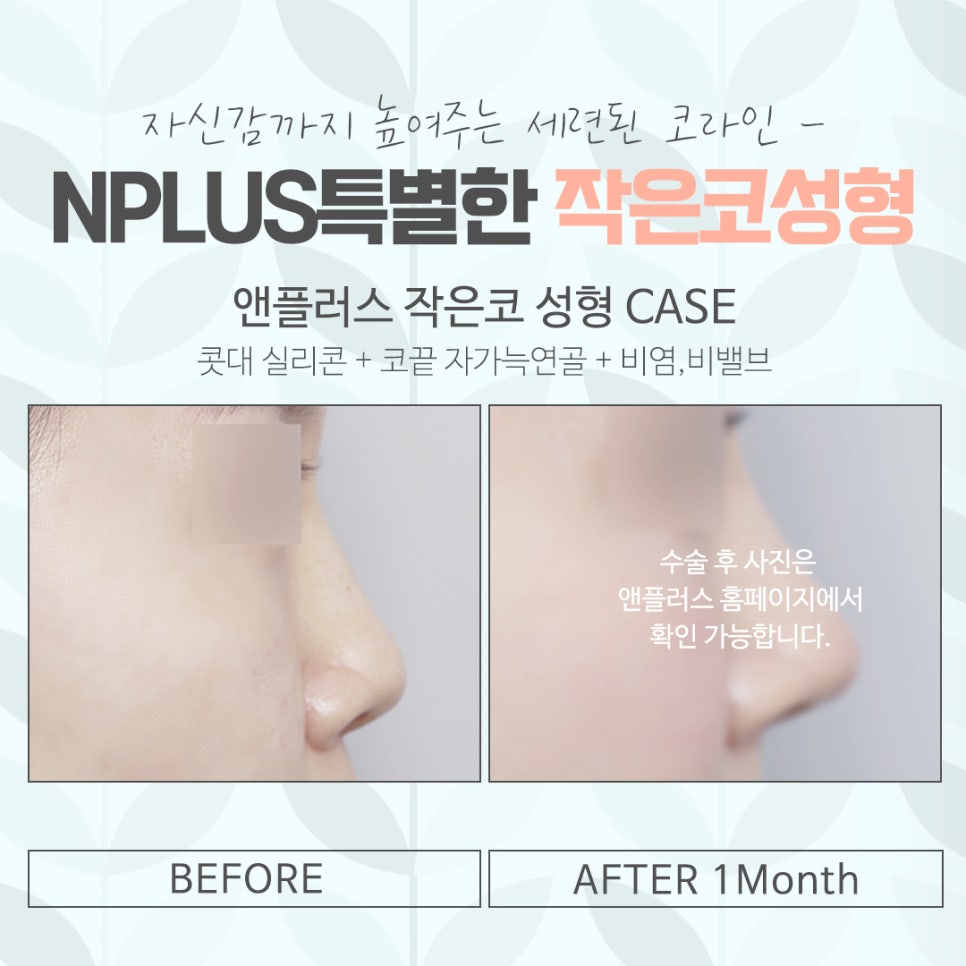
(The image above shows before-and-after photos of small nose surgery at Oziko N Plus.)
This concludes the explanation about small nose surgery. I hope this post was helpful to those looking into rhinoplasty because their nose is too low or small. Thank you.
https://youtu.be/GD714lY3tKI