
For those looking into rhinoplasty, the first priority is often to achieve facial balance. The nose is the most three-dimensional feature among the overall facial features and is located at the center, so even a small change in the shape of the nose can make the face look different. As a result, interest in rhinoplasty continues to grow.

So, when people look into rhinoplasty, they may first consider appearance-based factors such as a nose that is too low, a hump, a crooked nose, an upturned nose, or a bulbous nose.
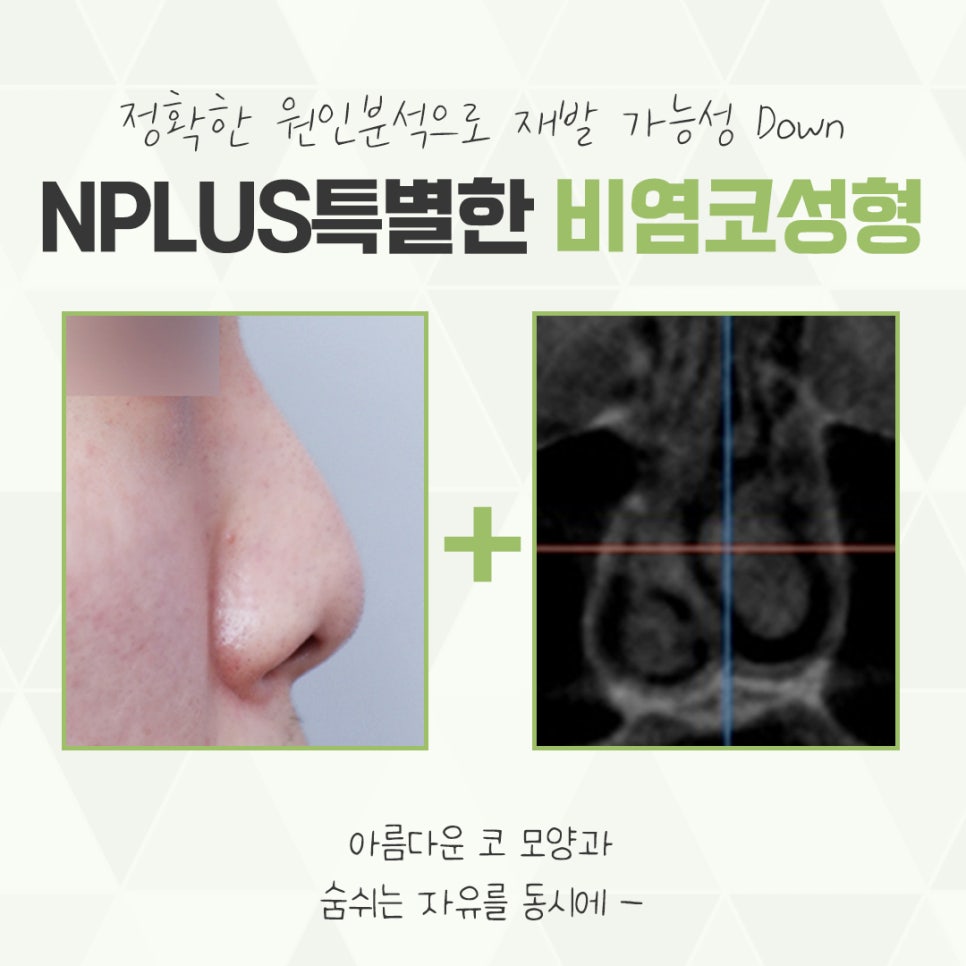
However, our nose is not only important in appearance but is also a functional organ responsible for breathing and smell. Therefore, surgery should consider both the inside and outside of the nose at the same time. This can help prevent revision surgery caused by functional problems after the operation, which is why interest in rhinoplasty combined with rhinitis surgery is increasing.

When people look into rhinoplasty combined with rhinitis surgery and think about improving the internal function of the nose through surgery, the most representative symptom is nasal congestion caused by rhinitis. Rhinitis is a condition that more than 70% of adults in Korea have. It is divided into allergic rhinitis and structural rhinitis. In the case of allergic rhinitis, because it appears due to specific substances or environments, surgical treatment is difficult, and only temporary improvement may be seen through consistent medication and strengthening of the immune system.
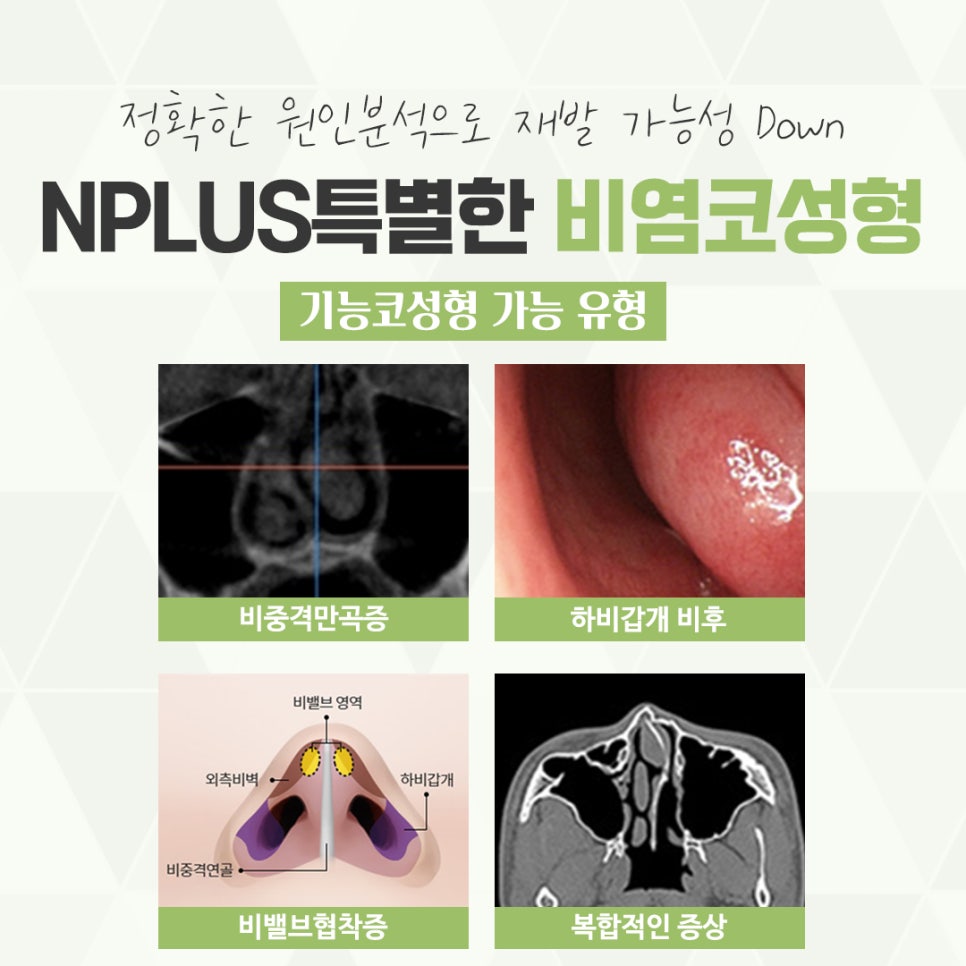
However, in the case of structural rhinitis, a cure may be expected through surgery, but the surgical method must be applied according to each symptom. The causes of structural rhinitis include a deviated septum, inferior turbinate hypertrophy, and nasal valve stenosis, and these symptoms can also be classified as combined symptoms when they appear together.
If rhinoplasty combined with rhinitis surgery, as explained above, is being considered, it is difficult to determine by appearance alone whether nasal congestion is due to allergic rhinitis, structural rhinitis, or a cold. Therefore, it is helpful to choose a place that can accurately check the condition of both the outside and inside of the nose through medical equipment.
For that reason, those looking into rhinoplasty combined with rhinitis surgery should not judge only by after-surgery photos or place priority on appearance alone. It is also important to check whether the medical staff have strong anatomical knowledge of the nose, whether they have abundant experience and expertise, whether the necessary equipment is available to accurately assess the condition of your nose, and whether aftercare can be clearly guaranteed.

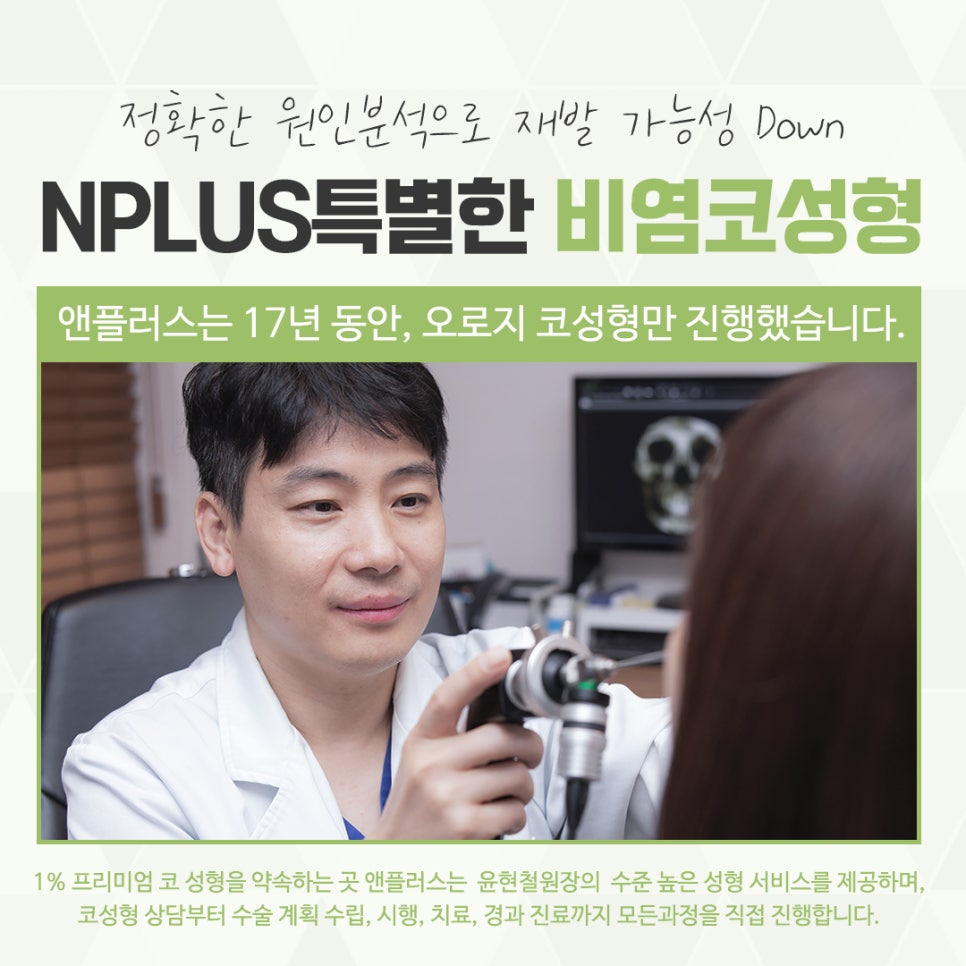
At OjiKo & Plus, Director Yoon Hyun-cheol personally takes charge one-on-one of the entire process related to rhinoplasty combined with rhinitis surgery, from consultation, surgical planning, and surgery to treatment and follow-up care, so you can receive a high level of medical service from before the operation through recovery.
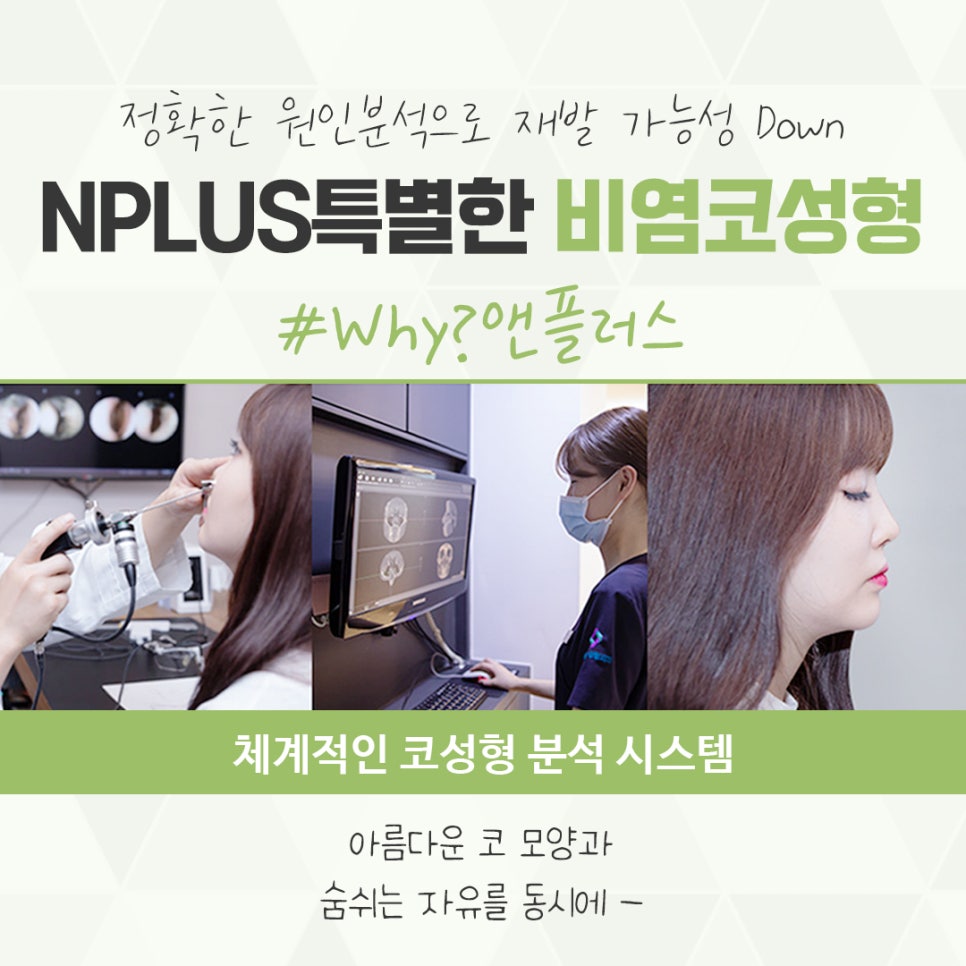
In addition, before surgery, they accurately assess each person’s current condition through multi-angle photography, 3D-CT scans, internal endoscopy, various allergy tests, and internal nasal function tests, then establish and carry out a surgical plan based on the collected data.

The method for performing rhinitis nose surgery begins by identifying deviated septum, inferior turbinate hypertrophy, and nasal valve stenosis, then applying the appropriate surgery and treatment. After prioritizing functional improvement, the nasal bridge can be corrected with silicone, and the nasal tip with autologous cartilage to adjust the overall nasal line.
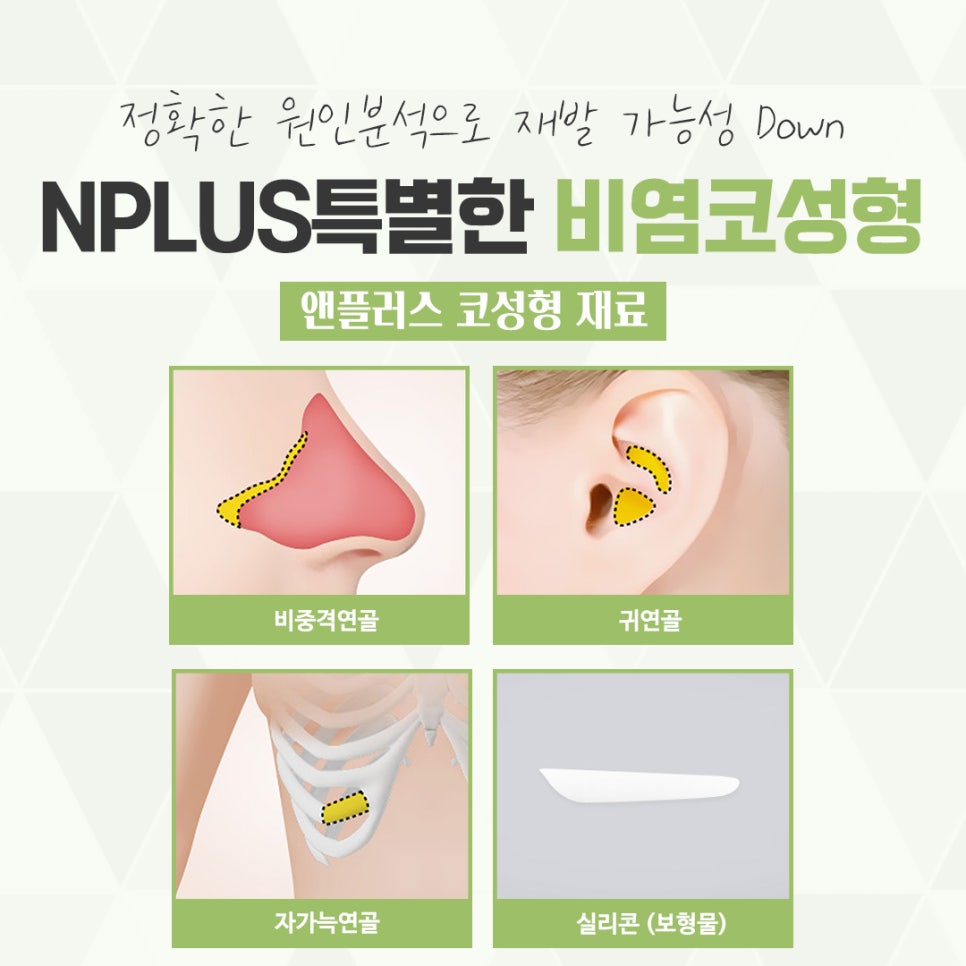
In the case of cosmetic rhinoplasty performed during rhinoplasty combined with rhinitis surgery, as explained above, silicone is used for the nasal bridge and autologous cartilage for the nasal tip. For autologous cartilage, the appropriate material for each individual can be selected through preoperative testing. Types of autologous cartilage include ear cartilage, septal cartilage, and autologous rib cartilage.

Also, with the silicone used for the nasal bridge, rather than using a mass-produced implant as-is, it is carefully and individually shaped after considering various factors such as the person’s overall appearance, as well as the width, length, breadth, and height of the nasal bridge. This helps minimize an artificial look after surgery and increases satisfaction.

As such, with rhinoplasty, the surgical method and materials can differ greatly depending on the condition of the inside and outside of each person’s nose. Therefore, it is helpful to make a decision only after 충분한 consultation with a specialist.
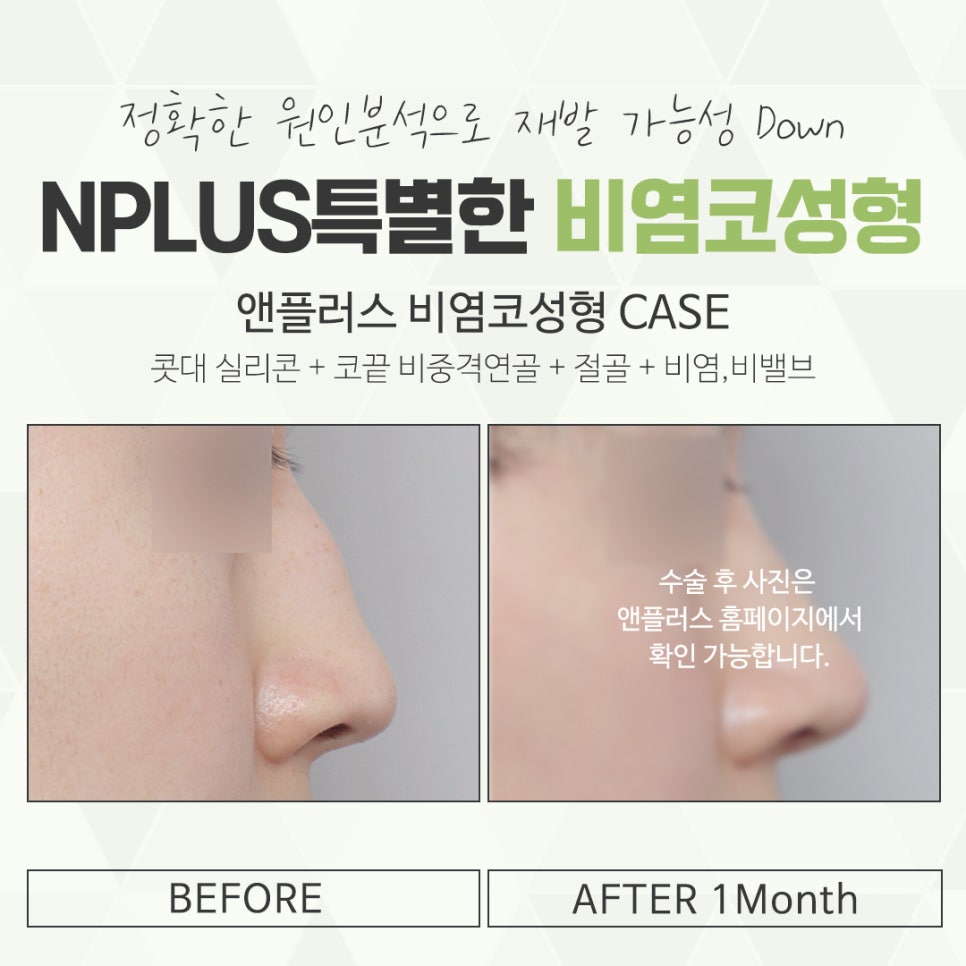
(The image above shows before-and-after photos of rhinoplasty combined with rhinitis surgery at OjiKo & Plus.)
This concludes the explanation of rhinoplasty combined with rhinitis surgery at OjiKo & Plus. I hope this article is of great help to those who are unhappy with the shape of their nose or are looking for information about rhinoplasty due to nasal congestion caused by rhinitis. Thank you.
https://youtu.be/dSBxqOR43IU?si=CMV01bzOcupTIzJ2