
This time, we organized information about correction through autologous cartilage rhinoplasty to achieve a natural and beautiful line.

In the past, when people thought of rhinoplasty, they often imagined a nose line that was simply high. Today, however, many people prefer a naturally elevated line that suits their face, so they look into autologous cartilage rhinoplasty. In general, rhinoplasty does not have many side effects, but if we take an example of possible complications, excessive use of artificial implants can thin the skin, or the body may recognize the implant as a foreign substance and cause inflammation or contracture. People who feel burdened by these side effects may seek information about this type of surgery.

The nasal shapes of people who look into autologous cartilage rhinoplasty can be categorized as a nose that is too low, has a bumpy dorsal hump, is crooked, turned up, drooping, or is accompanied by nasal congestion due to rhinitis. In general, they want the nose to be improved into a straight and balanced shape. However, because each person’s nose has different characteristics, the condition of the nasal bones, cartilage, skin, and whether there are internal functional issues all differ. Therefore, the materials and surgical methods also differ, so it is better to make a careful choice.
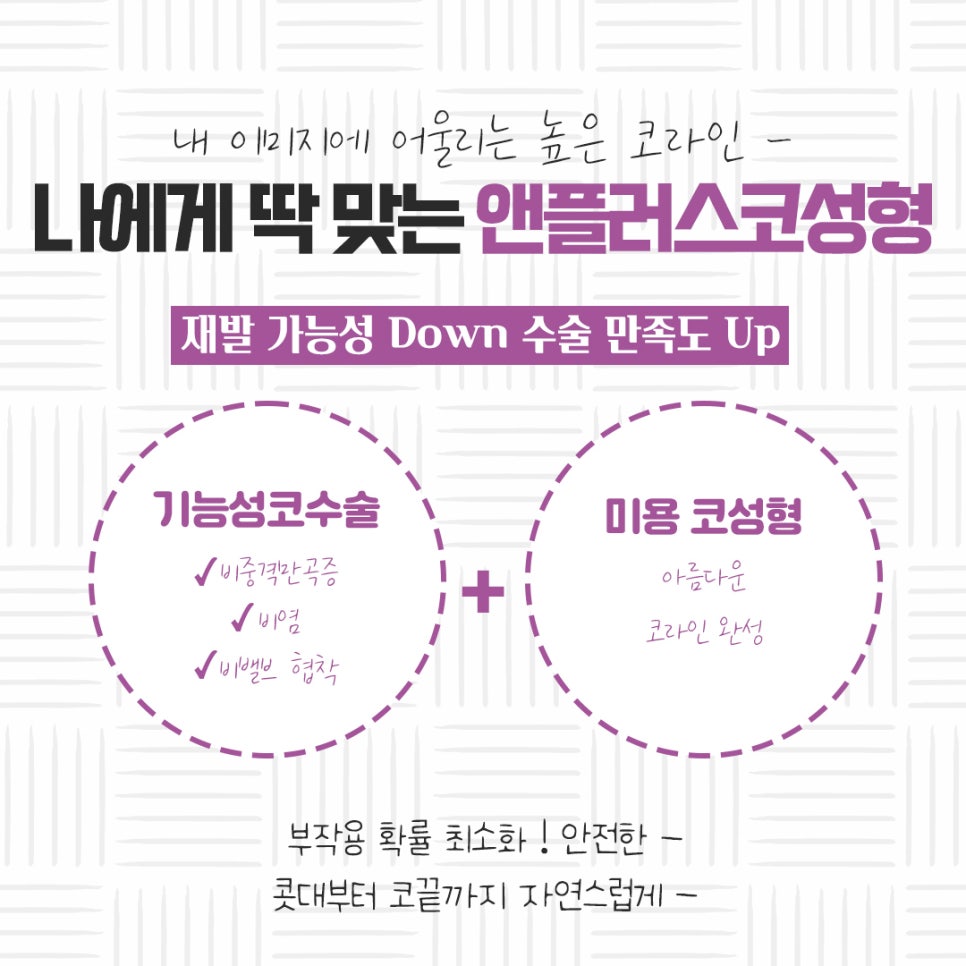
As such, for those considering autologous cartilage rhinoplasty, the aesthetic approach is prioritized. The nose is located at the center of our face and is the most three-dimensional area, so it plays an important role in appearance. However, as a functional organ responsible for breathing and smell, surgery should proceed only after clearly checking whether there are any internal functional problems. This can help prevent revision surgery caused by postoperative functional issues.
Therefore, if you are looking into autologous cartilage rhinoplasty, it is helpful not to judge based only on before-and-after photos, but to carefully check whether the medical staff have strong anatomical knowledge of the nose, whether they have sufficient experience and expertise, whether the clinic has equipment that can accurately assess the condition of your nose, and whether postoperative care is fully guaranteed.
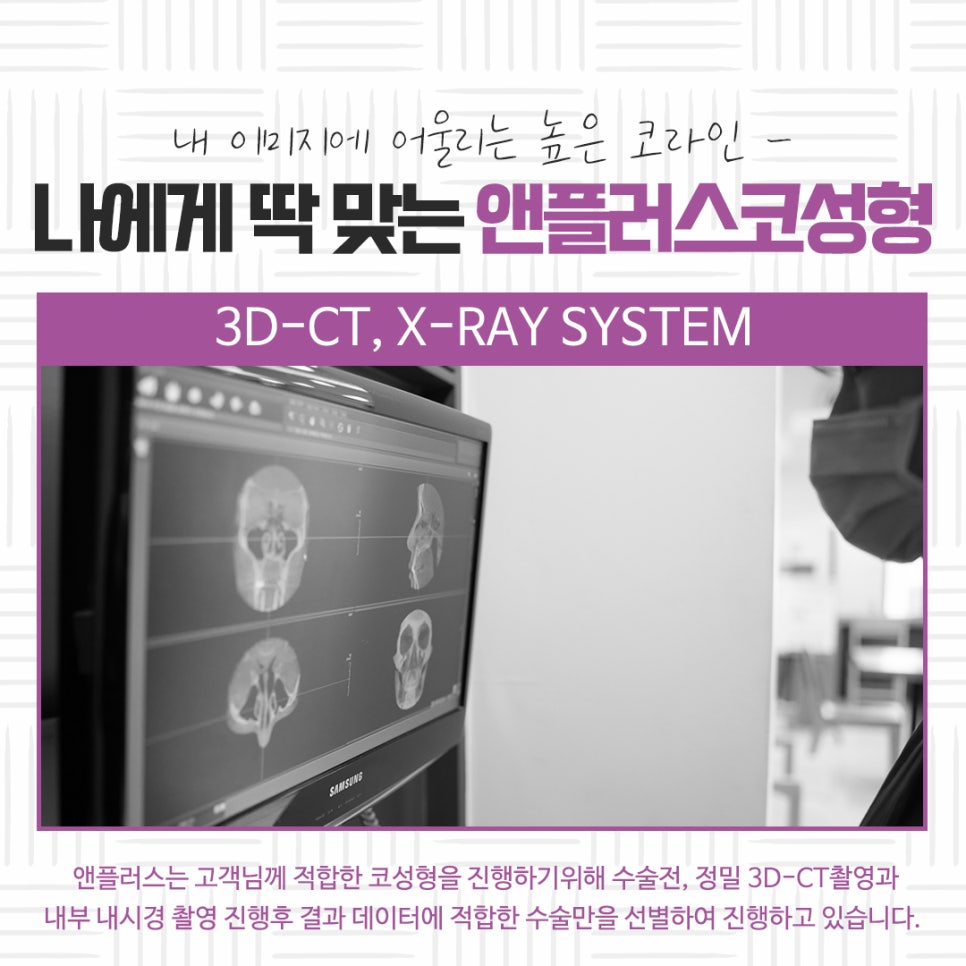
At Ohji Nose Hospital & N+Plus, before rhinoplasty, the patient’s current condition is accurately assessed through 3D-CT imaging, internal endoscopy, various allergy tests, nasal functional testing, and multi-angle photography. Based on the extracted data, a surgical plan is established and then carried out.

In the case of autologous cartilage rhinoplasty, the bridge is generally corrected with silicone and the tip with autologous cartilage, allowing the overall nasal line to be improved. If there is a problem with internal nasal function, functional improvement can be prioritized first.
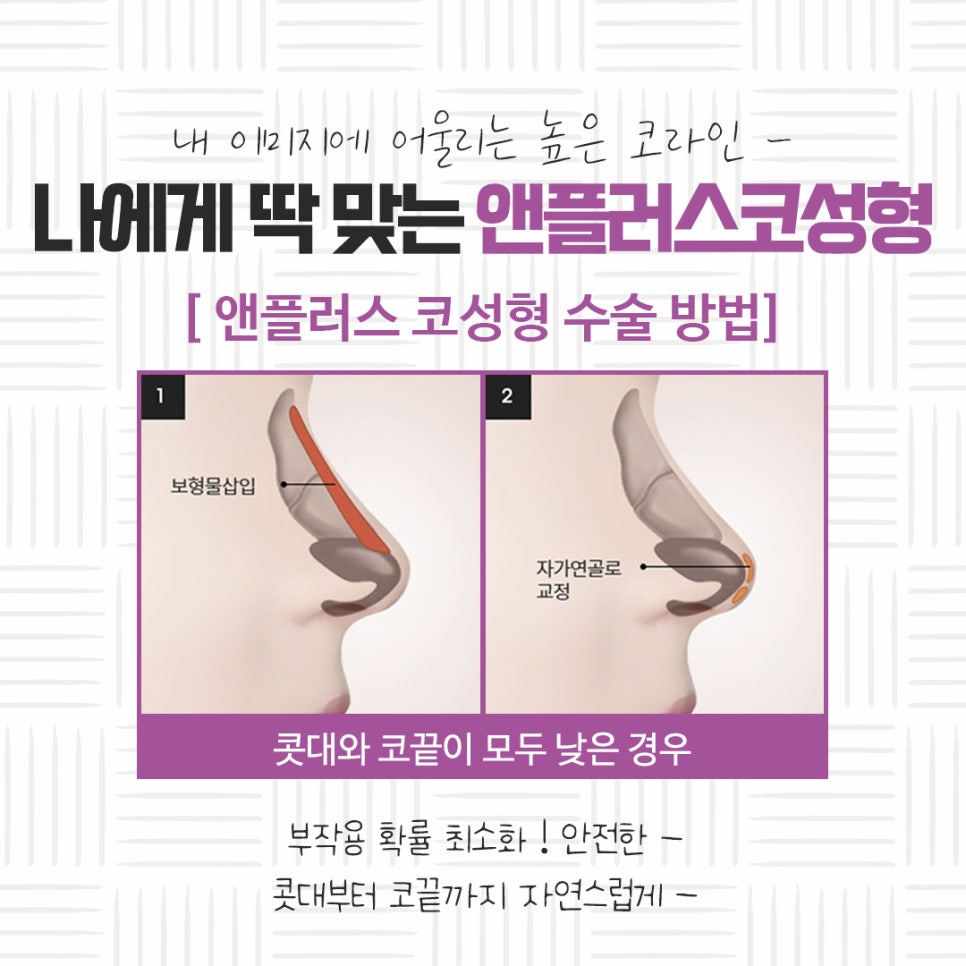
Usually, surgery that corrects both the bridge and the tip is performed. However, if only the bridge is low, silicone is used for the bridge; if only the tip is low, autologous cartilage is used for the tip, and the overall nose line is designed to be harmonious.
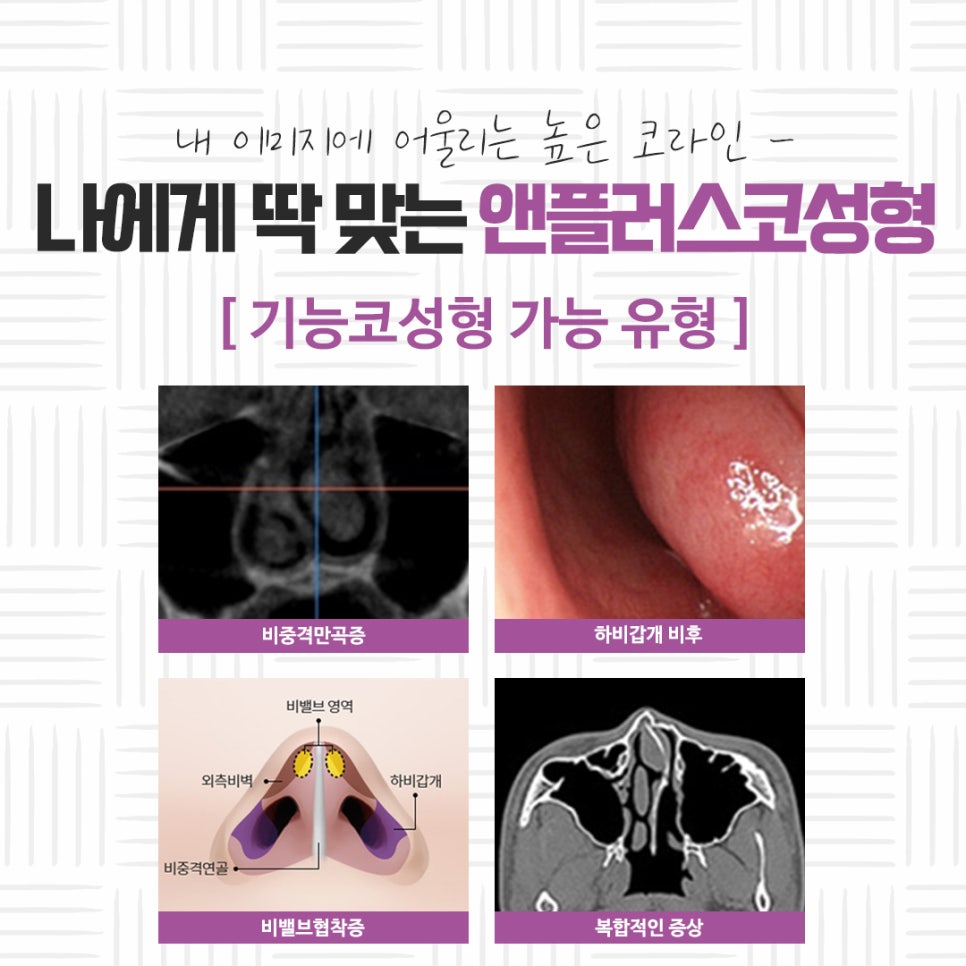
When there is a functional problem, structural rhinitis caused by abnormalities in the internal structure may occur. Structural rhinitis can be classified into deviated septum, inferior turbinate hypertrophy, nasal valve stenosis, and complex cases where these symptoms appear together. Before cosmetic rhinoplasty, functional improvement can be performed first, followed by cosmetic rhinoplasty.
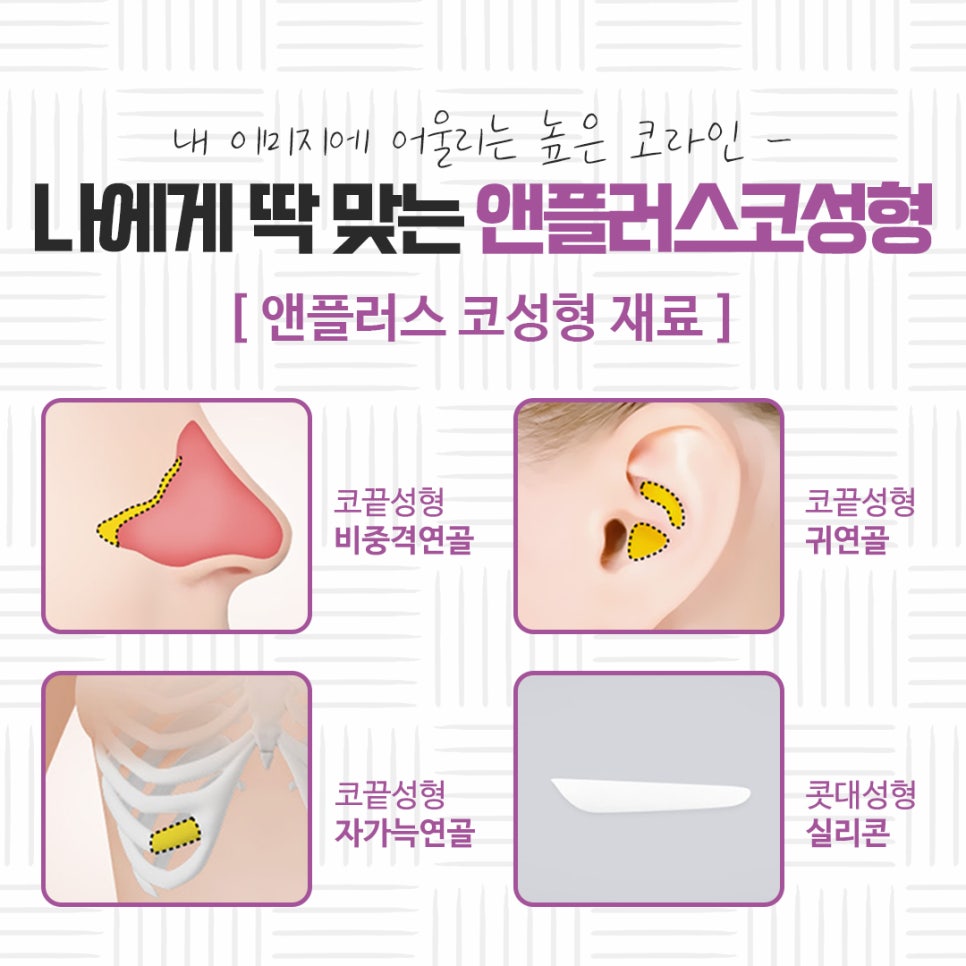
The autologous cartilage used in autologous cartilage rhinoplasty includes septal cartilage, ear cartilage, and autologous rib cartilage. In the case of autologous cartilage, preoperative testing can be used to select the material that best suits the individual.

For the silicone used in the bridge, rather than using a standard commercial implant as-is, it is finely customized by hand after considering the patient’s overall image and various aspects such as the width, length, breadth, and height of the nasal bridge, in order to minimize any artificial feeling after surgery.

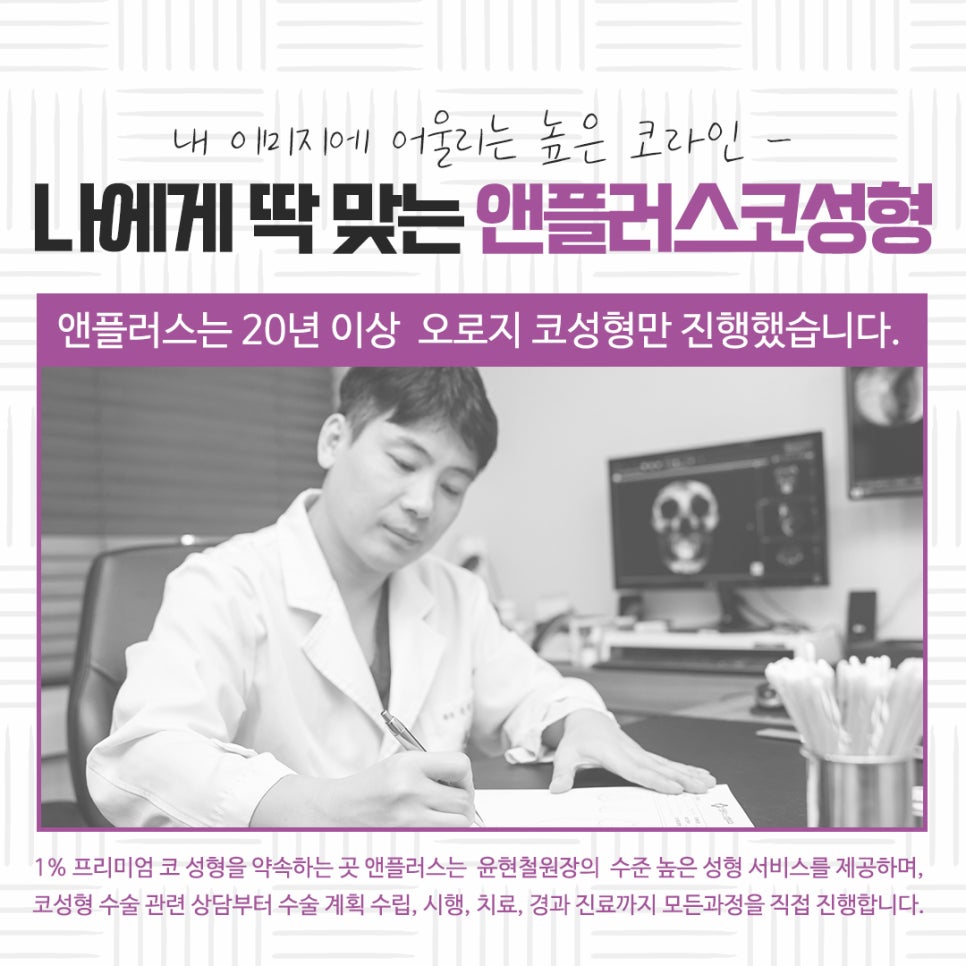
At Ohji Nose Hospital & N+Plus, CEO Director Yun Hyun-cheol personally oversees the entire process one-on-one, from consultation about rhinoplasty to surgical planning, execution, treatment, and follow-up care. This allows patients to receive a high level of medical service from before surgery through recovery.

Postoperative care includes an A/S system that guarantees support for one year after surgery, as well as a surgery responsibility guarantee system prepared for all possible situations such as postoperative pain, inflammation, and dissatisfaction with the shape. This means you can also receive reliable postoperative care benefits.
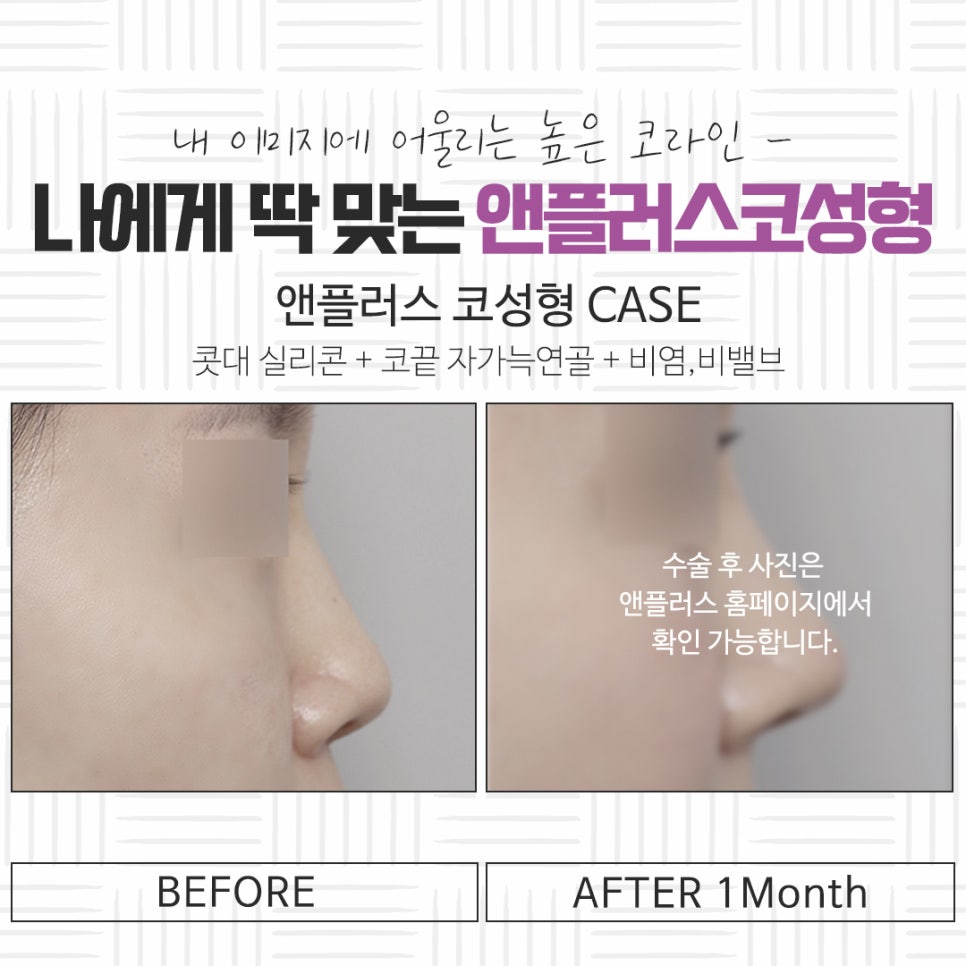
That concludes the explanation of autologous cartilage rhinoplasty at Ohji Nose Hospital & N+Plus. I hope this article was very helpful for those who are considering rhinoplasty because of the shape of their nose or internal rhinitis. Thank you.
https://youtu.be/QMA3SXpgOzw