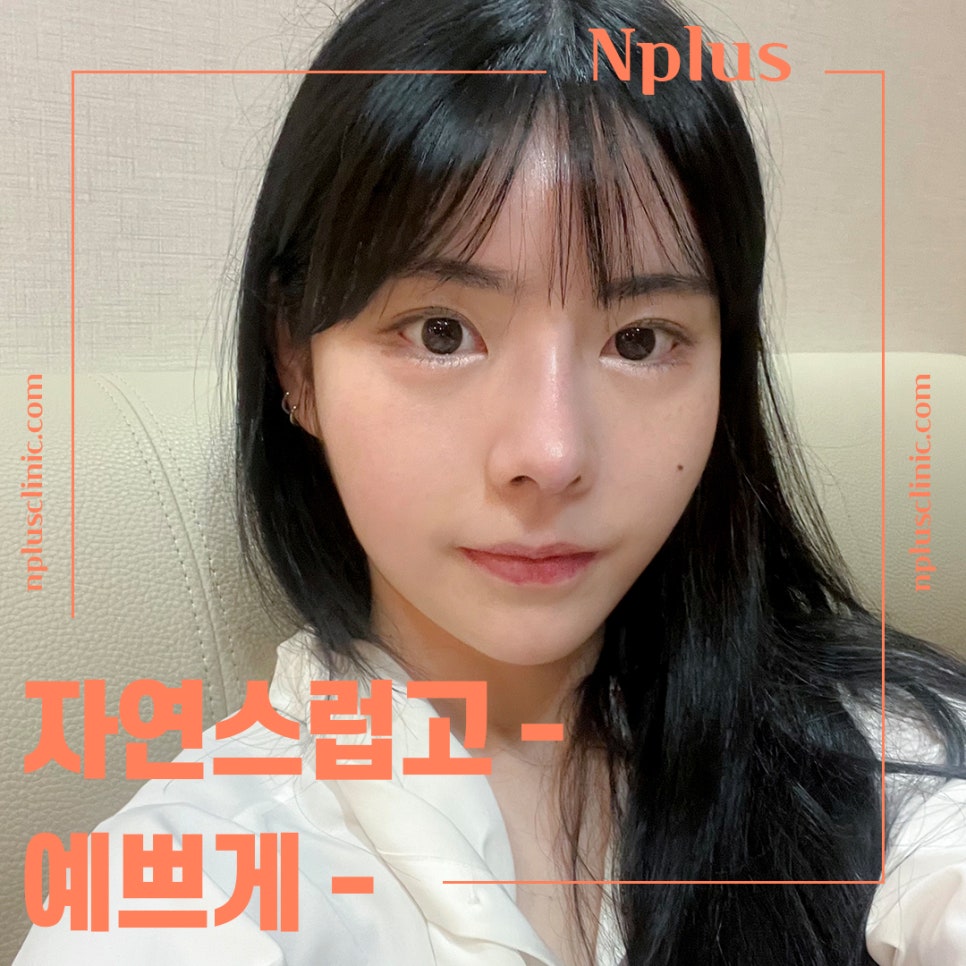
For various reasons, many people may be considering plastic surgery. Our facial features can be divided into the eyes, nose, mouth, face shape, forehead, and more. Among these, the nose is located at the center of the face and is the most three-dimensional feature. If the shape of the nose is out of balance, the entire facial balance may appear disrupted, so you may want to look into rhinoplasty information in more detail.
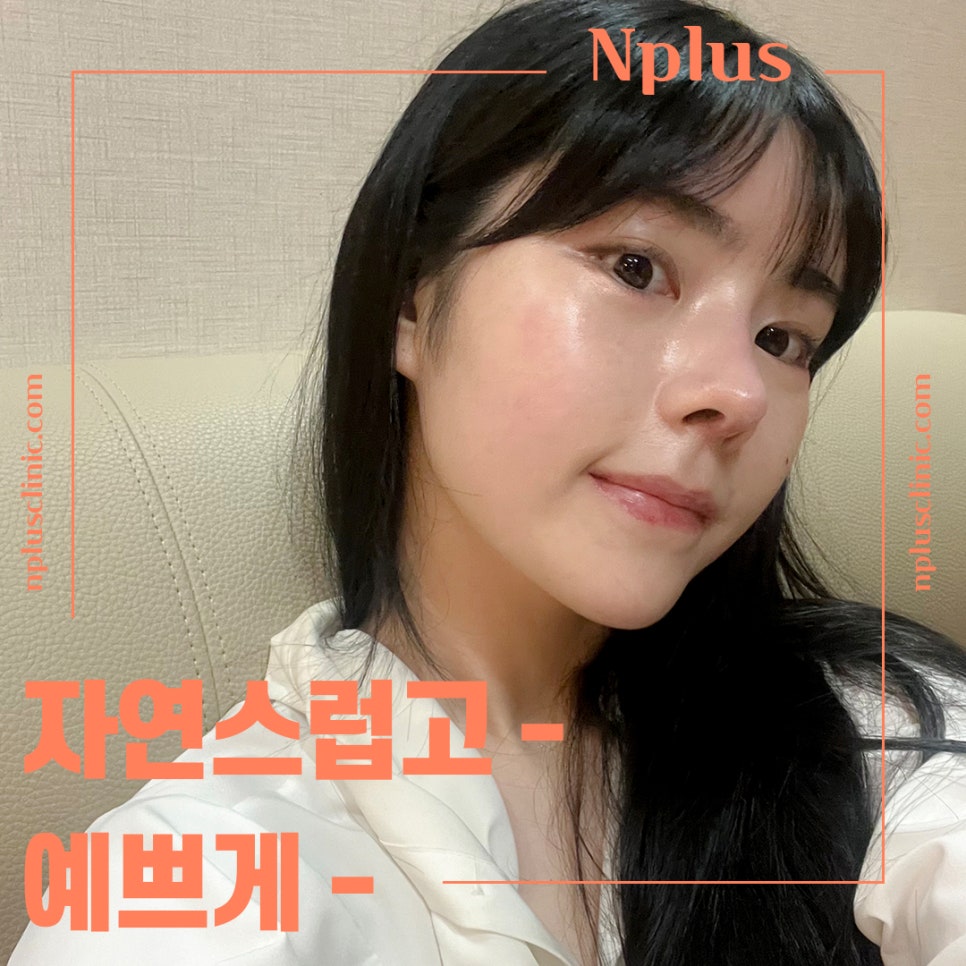
Accordingly, the nose shapes that people researching rhinoplasty may have include a nose that is too low, has a dorsal hump, is upturned, droops, is crooked, or has a bulbous shape. Because these nose shapes stand out, you may look into rhinoplasty to improve them. Among these types of rhinoplasty, when the nose has an upturned shape, the overall facial image can look old-fashioned and out of balance, which can become a complex. To improve this, you may look into upturned nose rhinoplasty in more detail.
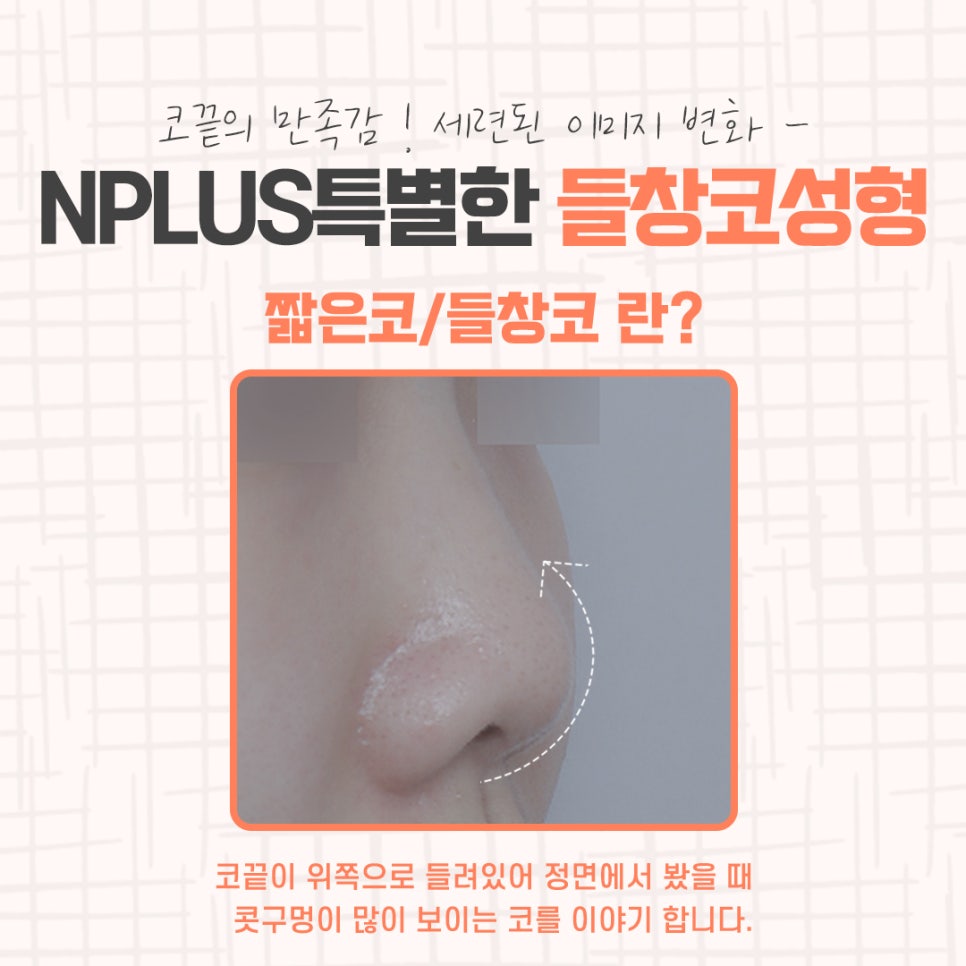
Upturned nose rhinoplasty refers to surgery for a nose whose tip is turned upward and in which a large part of the nostrils is visible when viewed from the front. An upturned nose can be divided into a congenital cause and an acquired cause, where the nose becomes upturned due to contracture after surgery.
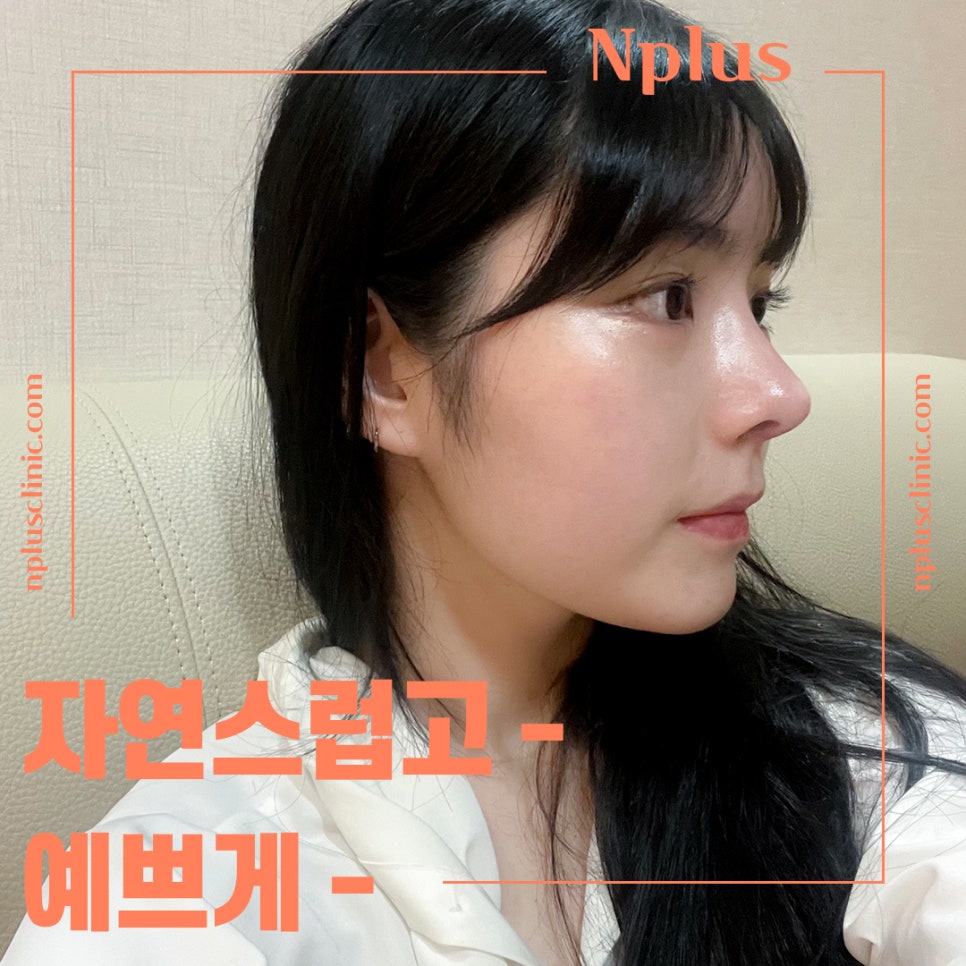
When looking into this type of upturned nose rhinoplasty, the aesthetic approach may be prioritized, but our nose is a functional organ responsible for breathing and smell. Along with the aesthetic approach, the internal functional aspects of the nose must also be clearly checked before surgery proceeds so that revision surgery caused by postoperative functional problems can be prevented.
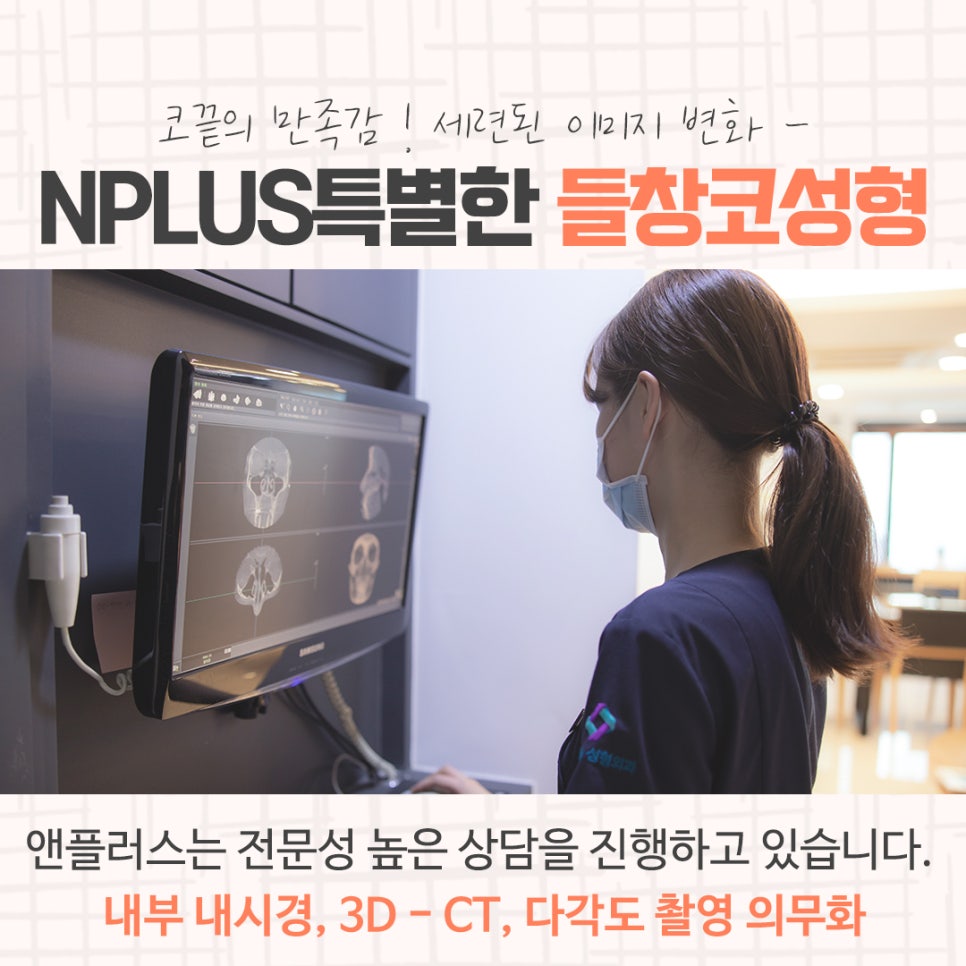
Accordingly, at Ojiko N Plus, before surgery they accurately assess each individual's current condition through multi-angle photography, internal endoscopic imaging, 3D-CT scans, various allergy tests, and internal nasal function tests. Based on the extracted data, they establish and carry out a surgical plan.
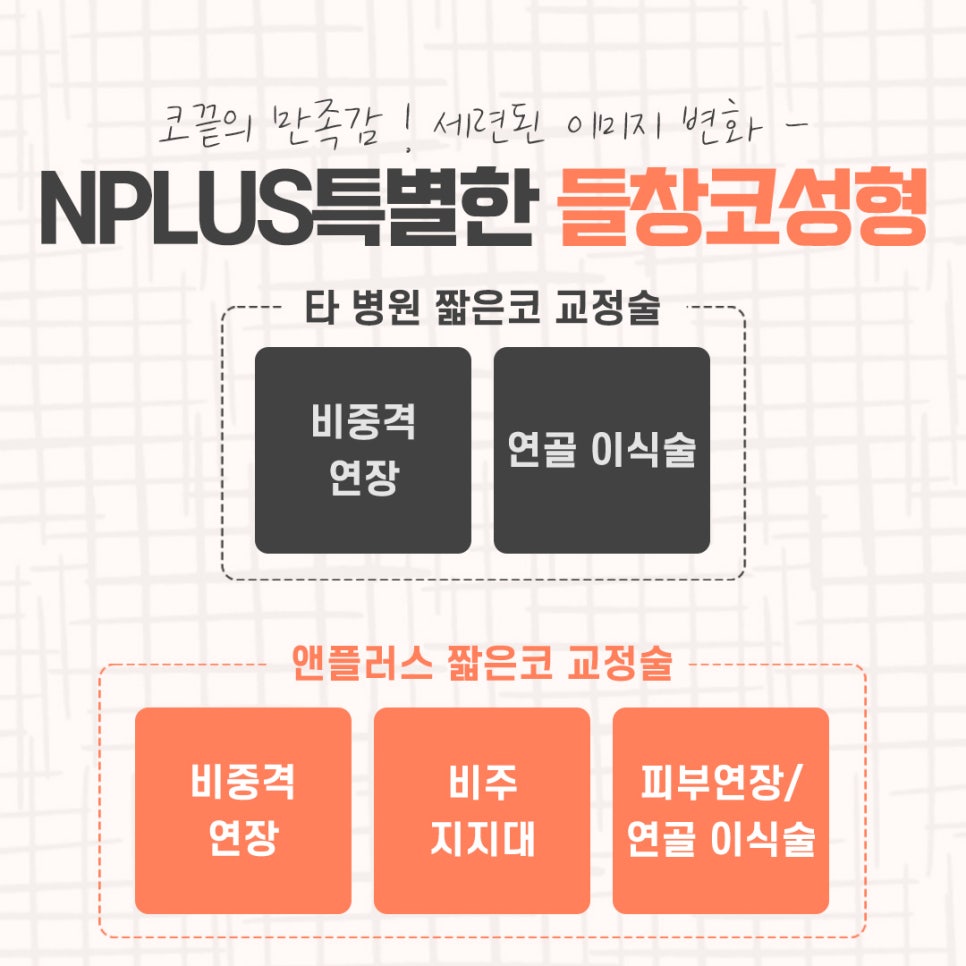
At N Plus, a combined correction is performed for upturned nose rhinoplasty. The methods of combined correction are divided into skin extension/cartilage grafting, septal extension, and columellar support, and surgery is performed with a combined approach so that a more definite correction effect can be seen. The surgical method is also divided into cases where the upturn of the nasal tip is severe and cases where it is mild.
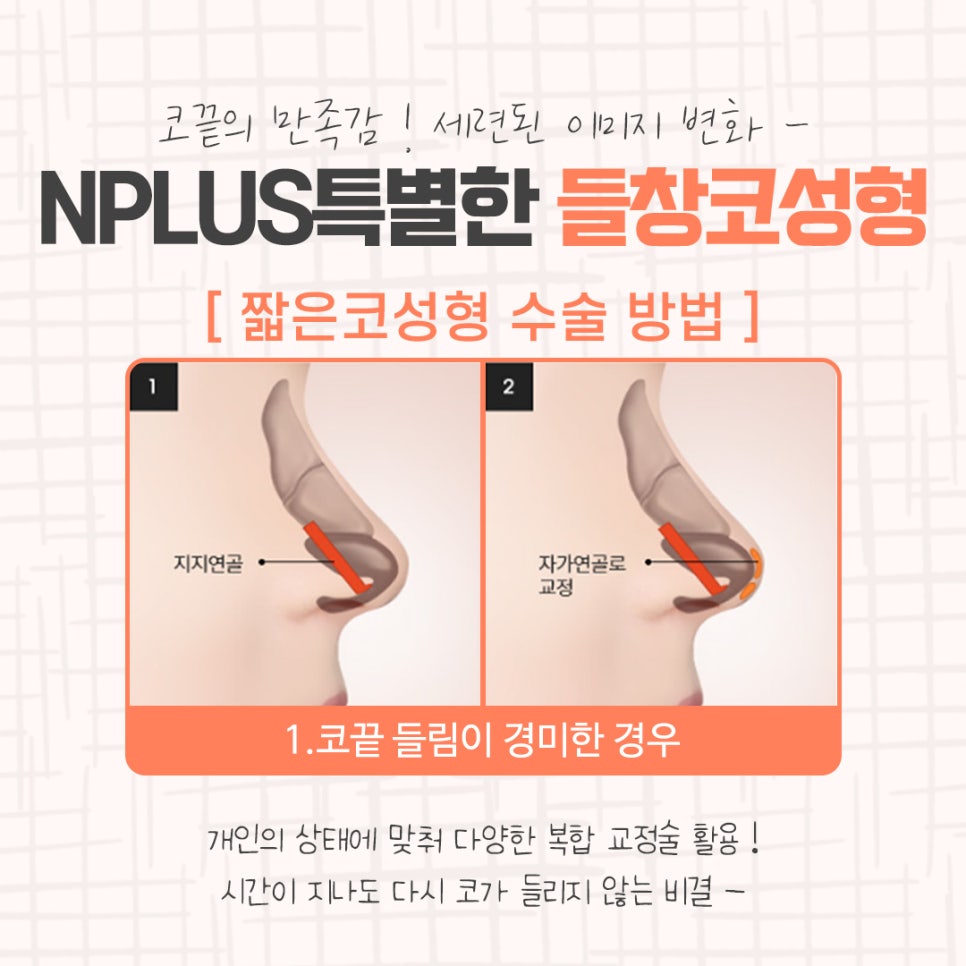
When the upturn of the nasal tip is mild, the tip is fixed using supportive cartilage, and then the tip is corrected with autologous cartilage.
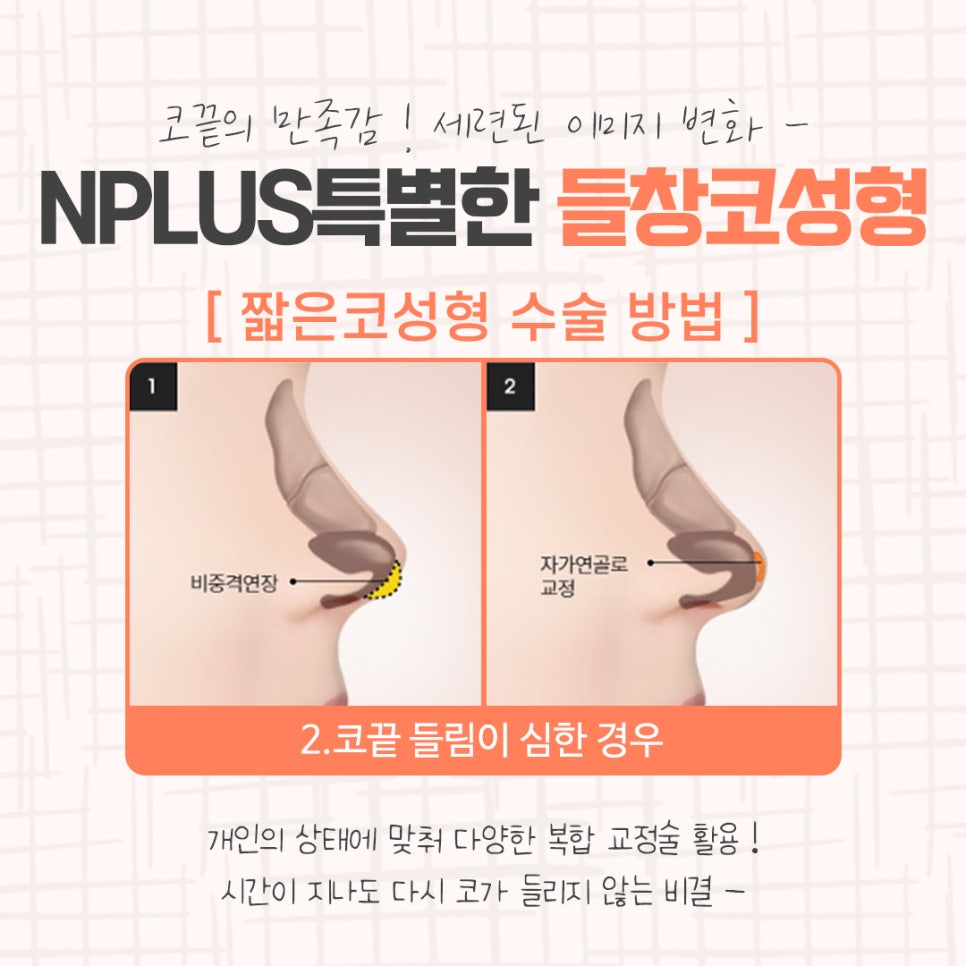
When the upturn of the nasal tip is severe, the septum can be lengthened and sufficiently fixed, and then the overall nasal line can be corrected using autologous cartilage.
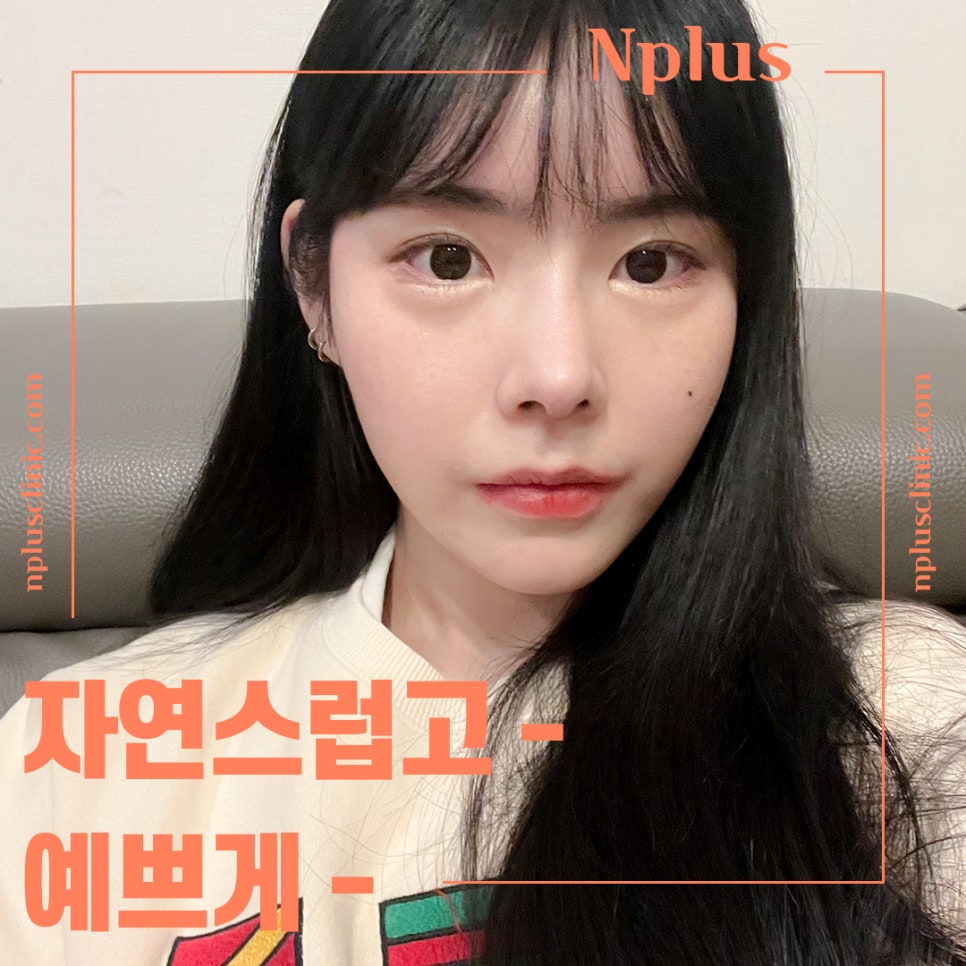
In the case of upturned nose rhinoplasty, because it is necessary to perform surgery to lower the upturned nasal tip, correct the height of the nose, and also check the internal function of the nose, more than two different combined correction procedures are carried out for comprehensive improvement, and the nose is corrected firmly so that it does not become upturned again.
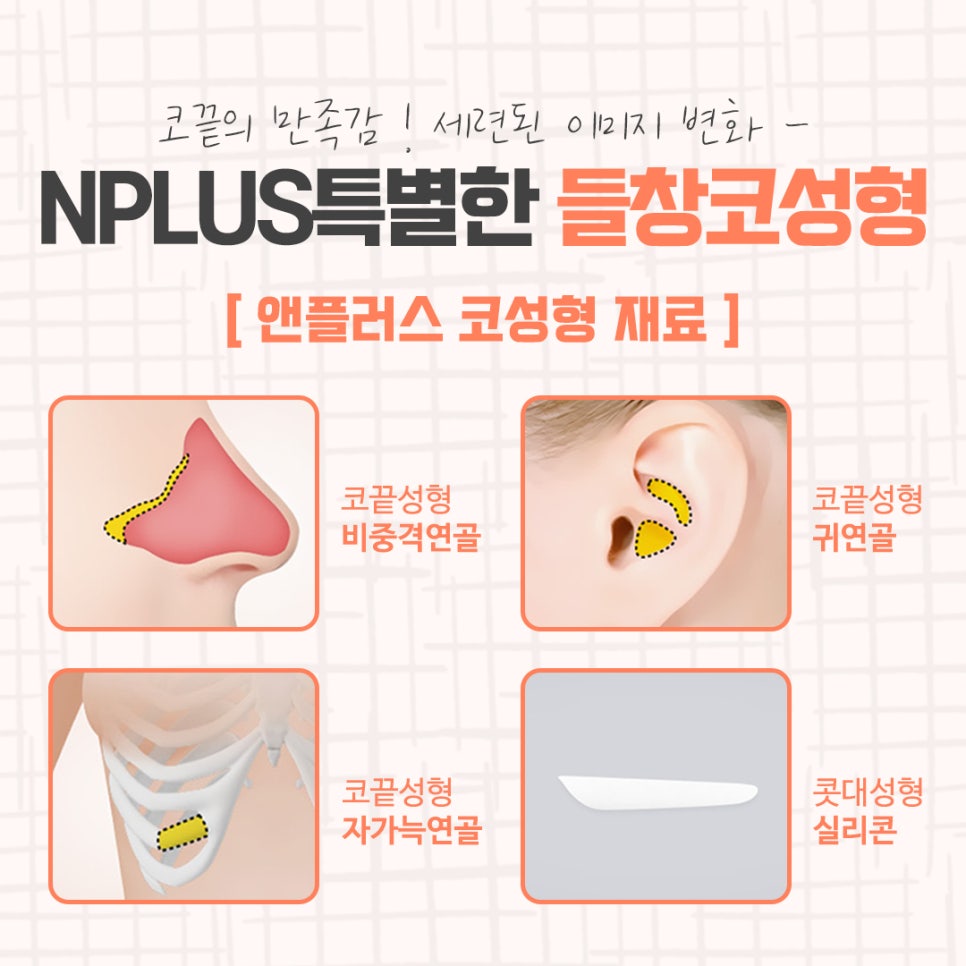
The materials used for upturned nose rhinoplasty are silicone for the bridge and autologous cartilage for the tip. The autologous cartilage used for the tip can be selected as a suitable material for each individual through preoperative testing. Autologous cartilage includes ear cartilage, septal cartilage, and autologous rib cartilage.
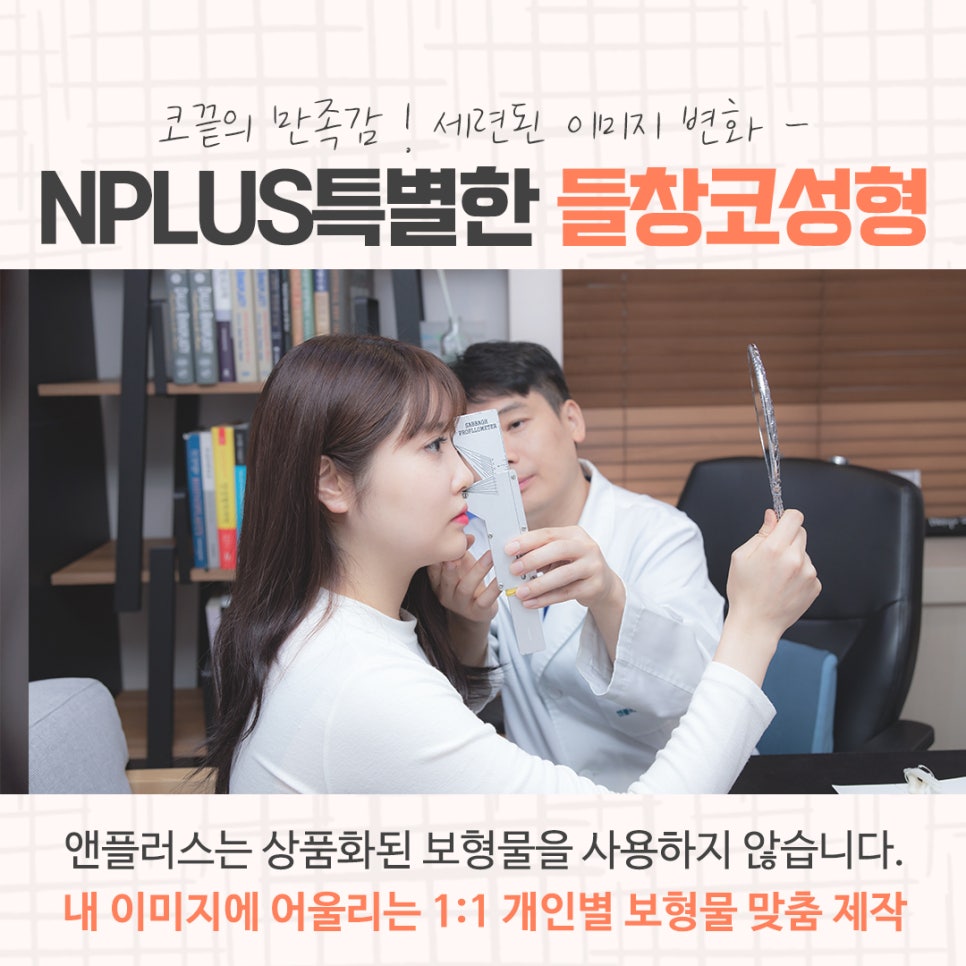
In the case of silicone, rather than using existing commercially produced silicone as is, it is carefully shaped by hand after considering various aspects such as the person's overall image, and the width, length, breadth, and height of the nasal bridge. This can lead to higher postoperative satisfaction.
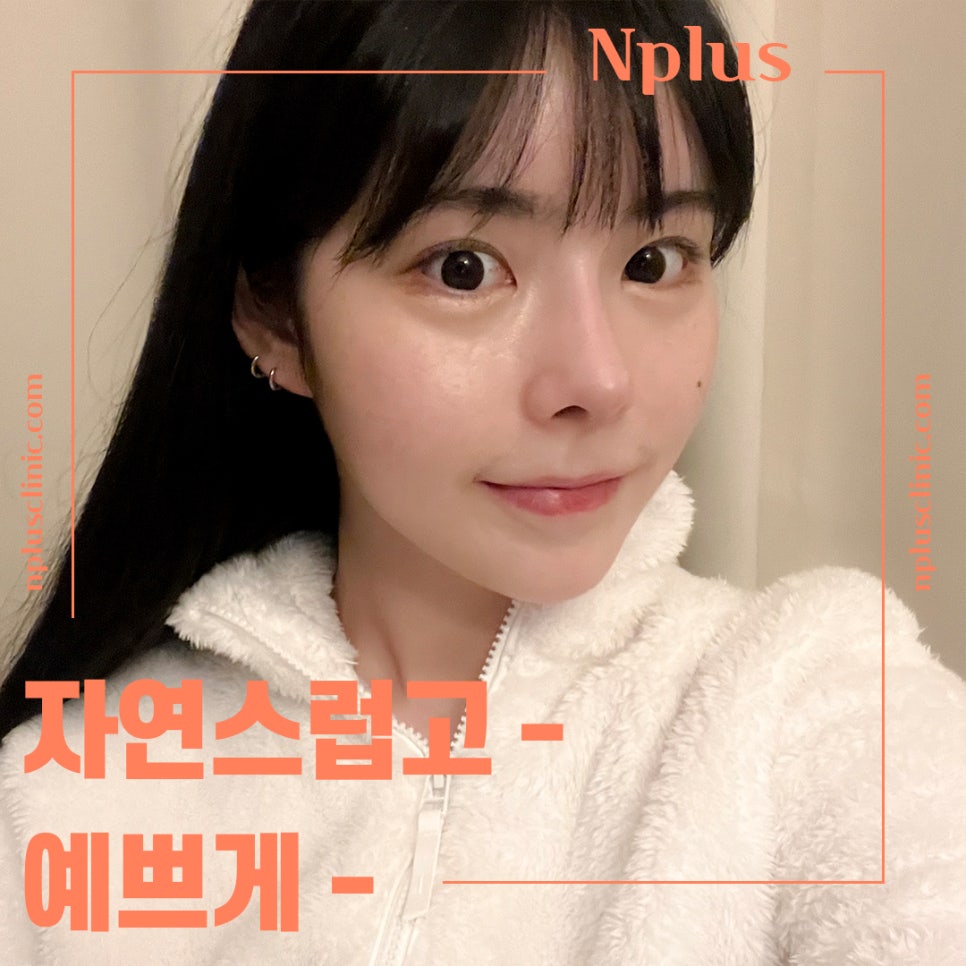
As such, upturned nose surgery involves a complex structure both inside and outside the nose, and is therefore one of the more difficult types of rhinoplasty. For those considering surgery, it is helpful to carefully check whether the medical staff have strong anatomical knowledge of the nose, whether they have sufficient experience and expertise, whether equipment is available to accurately assess the condition of your nose, and whether reliable aftercare is guaranteed.
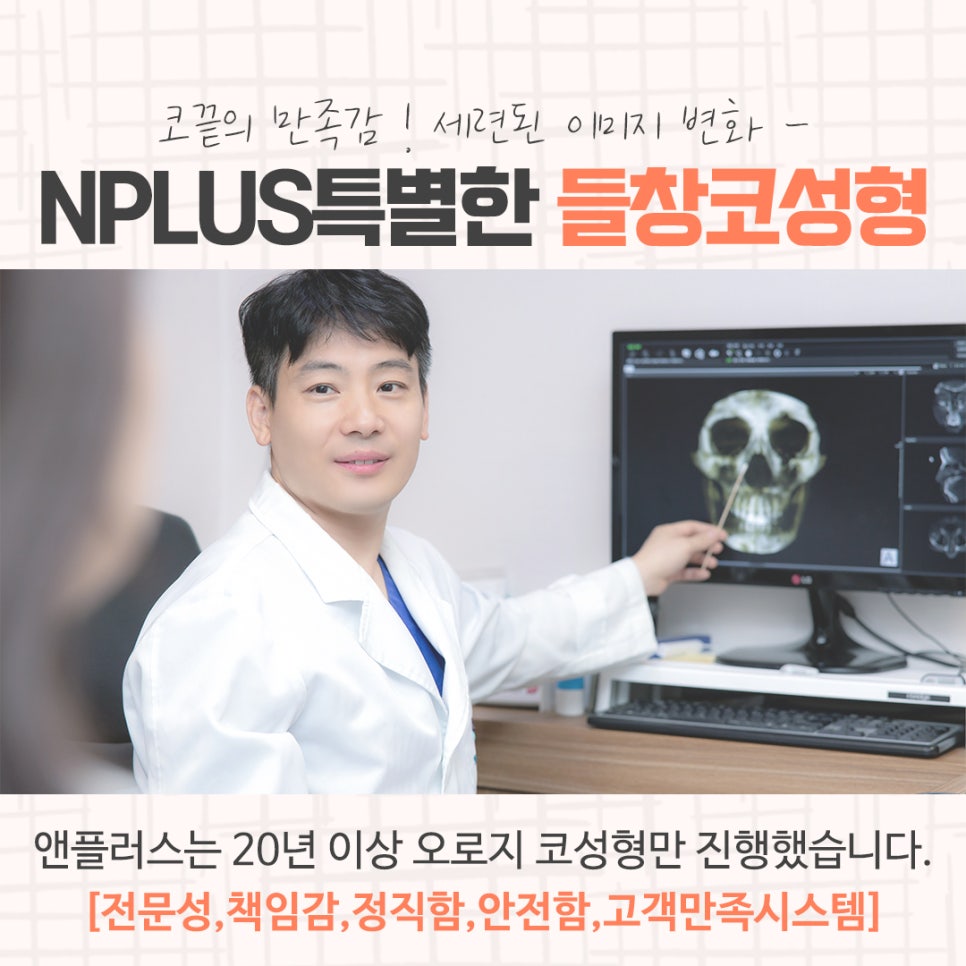
At Ojiko N Plus, Director Yoon Hyun-cheol personally handles everything one-on-one, from consultations related to nose surgery to surgical planning, execution, treatment, and follow-up care, so you can proceed with peace of mind from before surgery through after surgery.
For aftercare, they issue an N Plus membership card and provide an A/S system that guarantees support for one year after surgery. They also operate a surgical responsibility guarantee system in preparation for any postoperative pain, inflammation, or dissatisfaction with the appearance that may arise, so you can clearly receive aftercare benefits after surgery as well.
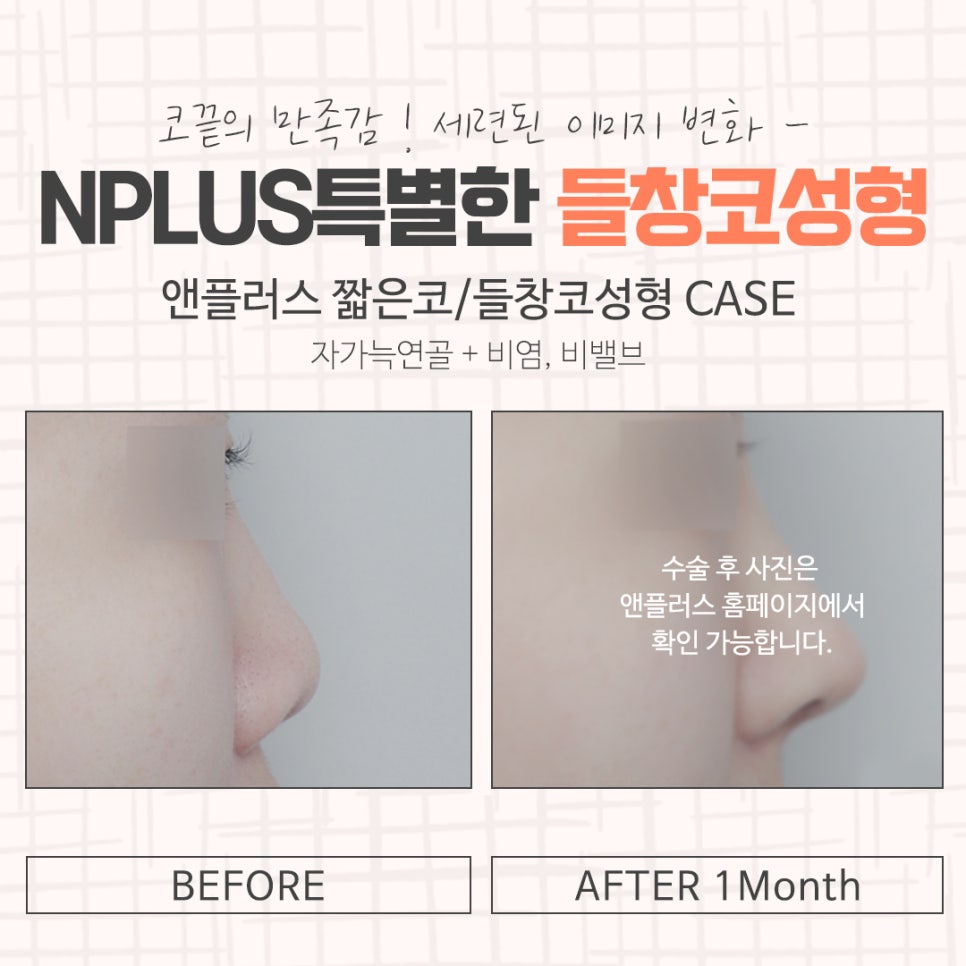
That concludes the explanation of Ojiko N Plus upturned nose rhinoplasty. I hope this article is of great help to those whose nose is very upturned or whose nostrils are highly visible from the front. Thank you.
https://youtu.be/KNpdCAfP5Mk