
The shape of the nose is located at the center of our face and, as the most three-dimensional feature, can play a role in anchoring the overall balance. Because it helps balance the facial features, more people are looking into rhinoplasty when they feel their nose does not meet the standard they have in mind and want to improve its shape.

In the case of rhinoplasty that is commonly performed, people with a low nasal bridge and a low tip often want the bridge to be corrected with silicone and the tip with their own cartilage for a fuller, more defined line. Recently, however, the trend has shifted away from excessively dramatic lines and toward improvement that considers the person’s overall image, creating a distinctive line that suits the individual. As a result, more people are also looking into reviews of non-implant nose surgery.
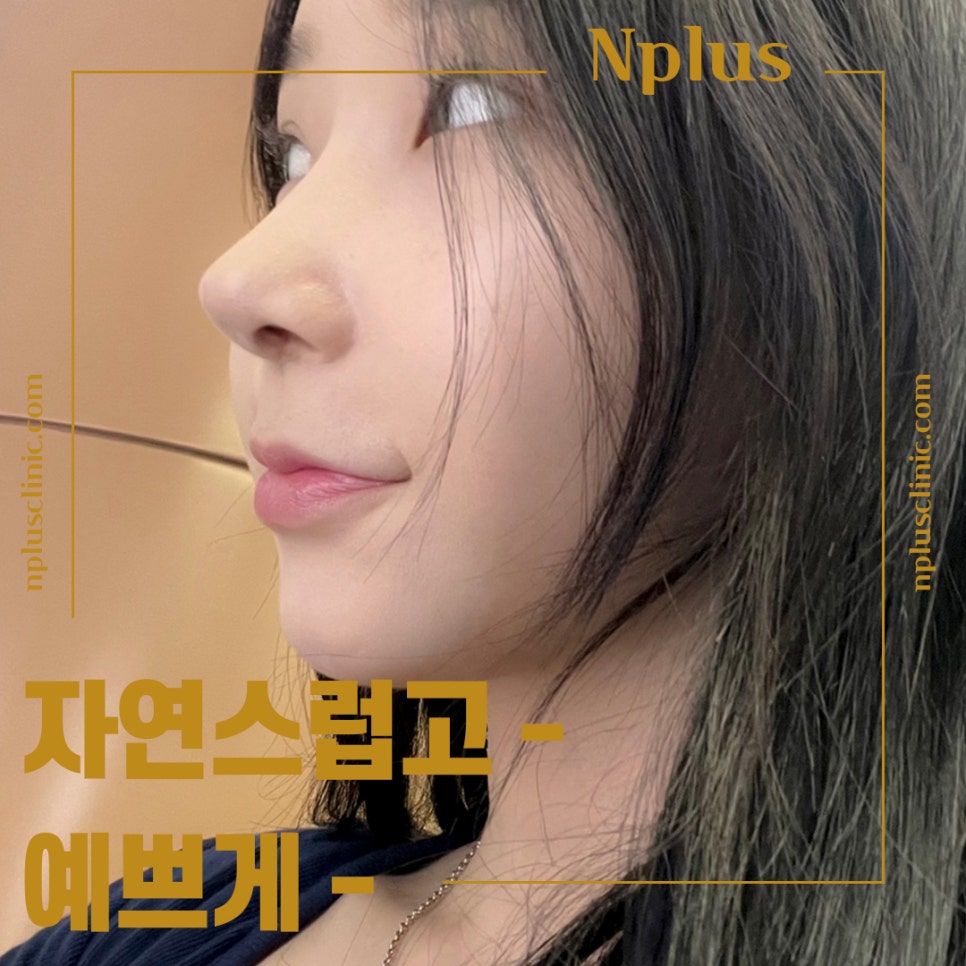
Non-implant nose surgery is an operation performed without using an implant such as silicone for the nasal bridge, and instead uses the patient’s own cartilage for the nose tip. Because autologous cartilage is used, the likelihood of inflammation is relatively low, making it suitable for people who are sensitive to inflammatory reactions or who want a more natural-looking rhinoplasty.

Accordingly, the nose types of those looking into reviews of non-implant nose surgery can be grouped as follows: cases with a high nasal bridge but a drooping tip, a hump nose, an upturned tip, a short upturned nose, a long nose, or a nose tip that has descended.
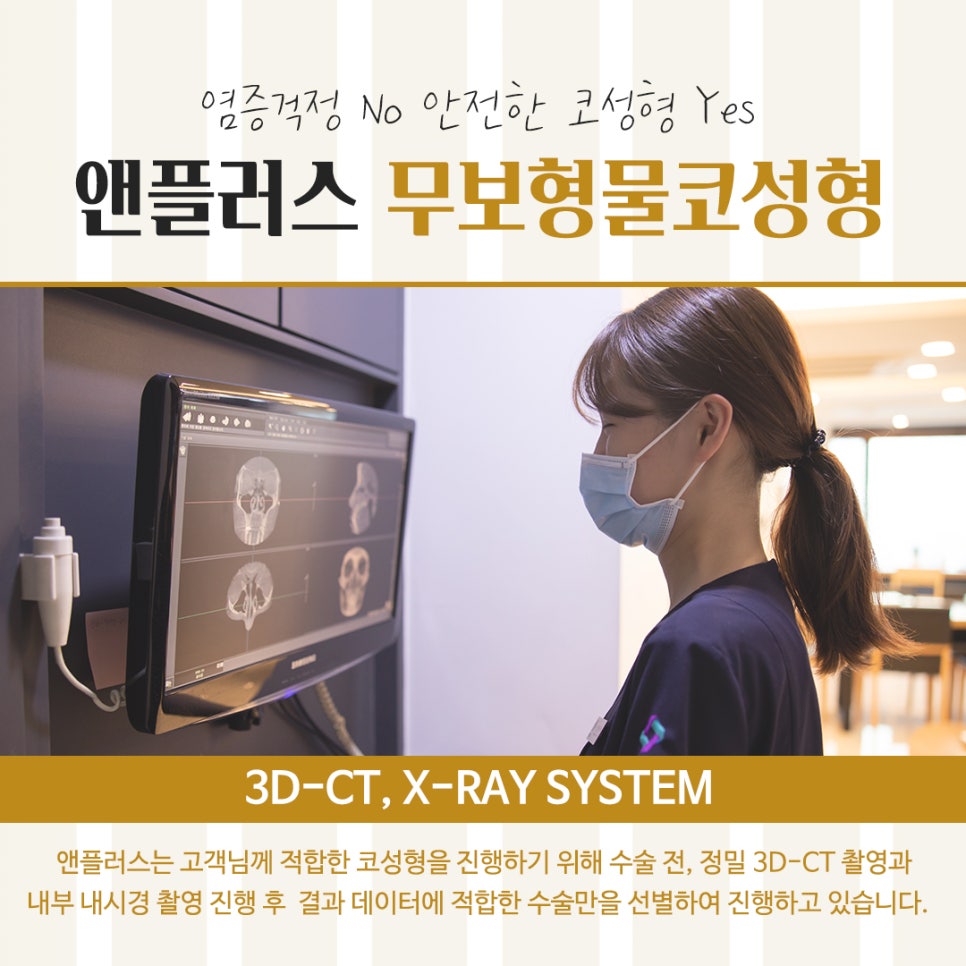
Since there are also various reasons for undergoing non-implant nose surgery, A+ Plus carefully assesses each person’s current condition before surgery through 3D-CT imaging, internal endoscopic imaging, multi-angle photography, various allergy tests, and nasal function tests. Based on the collected data, a surgical plan is established and then carried out.
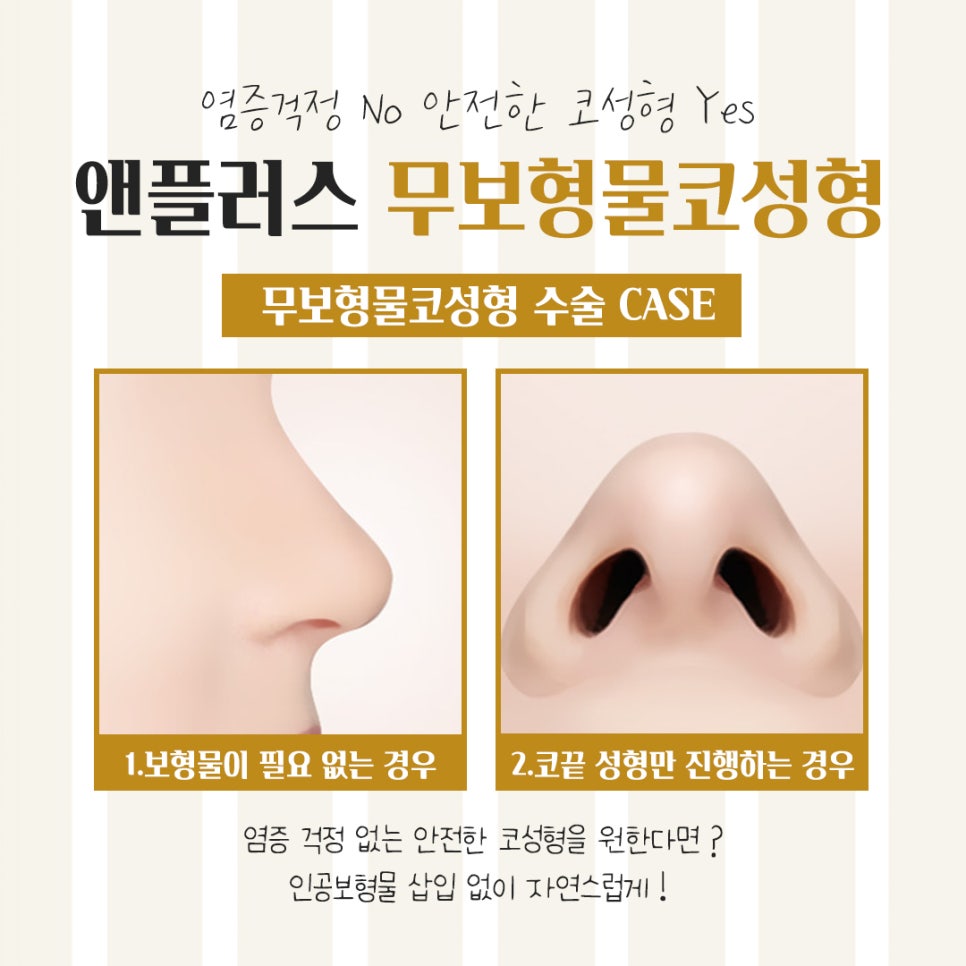
Therefore, non-implant nose surgery can be carried out in two ways: when the nasal bridge is high enough that an implant is not needed, or when only tip surgery is performed.
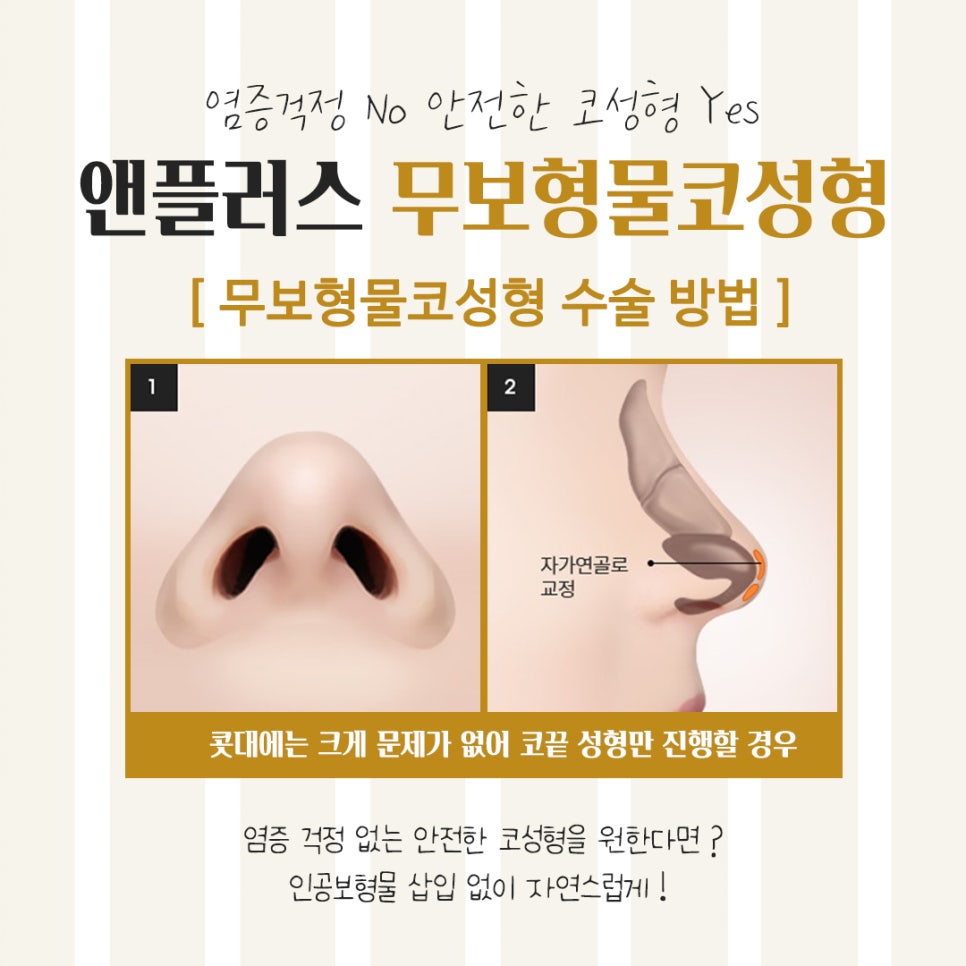
If the bridge has no major issues and only tip surgery is performed, correction can be made using the patient’s own cartilage at the tip, and it is important to design the line so that it remains continuous with the nasal bridge.
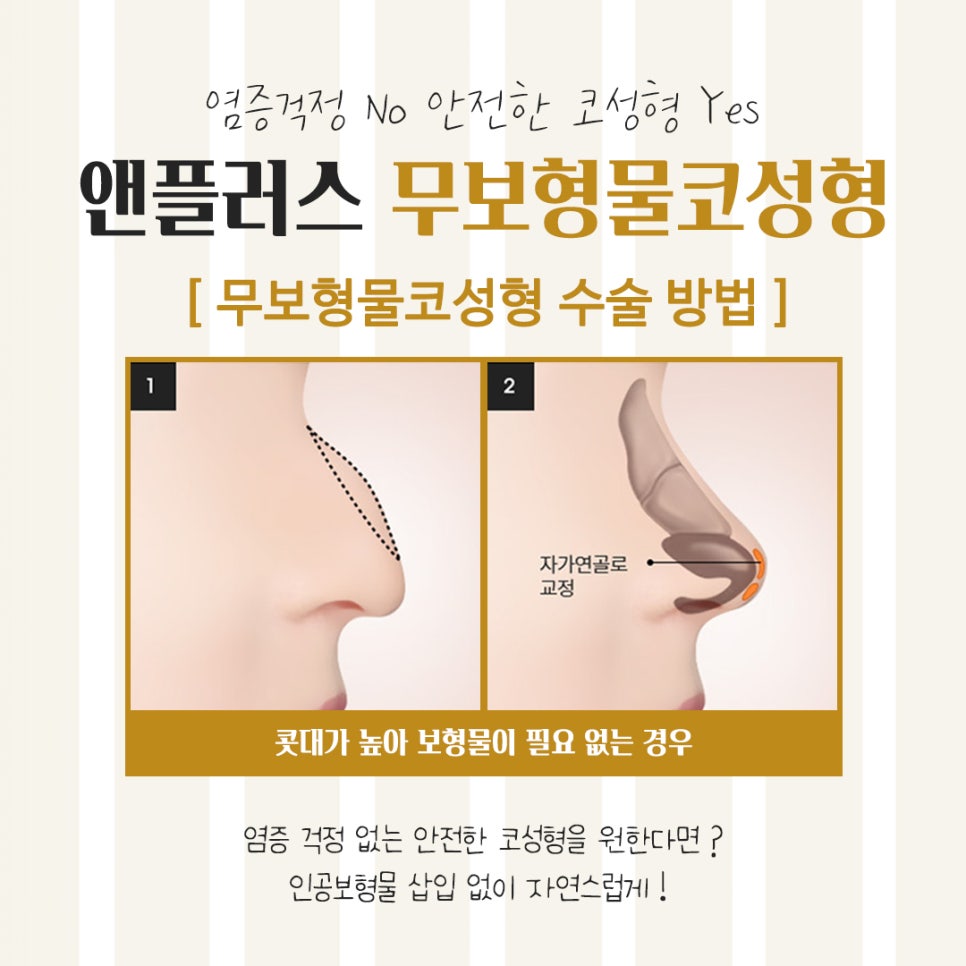
When the nasal bridge is high enough that an implant is not needed, if there is a hump on the bridge, it can be removed and the area can be refined by osteotomy before correcting the tip with autologous cartilage. It is important to design the tip so that it does not appear disconnected from the bridge.
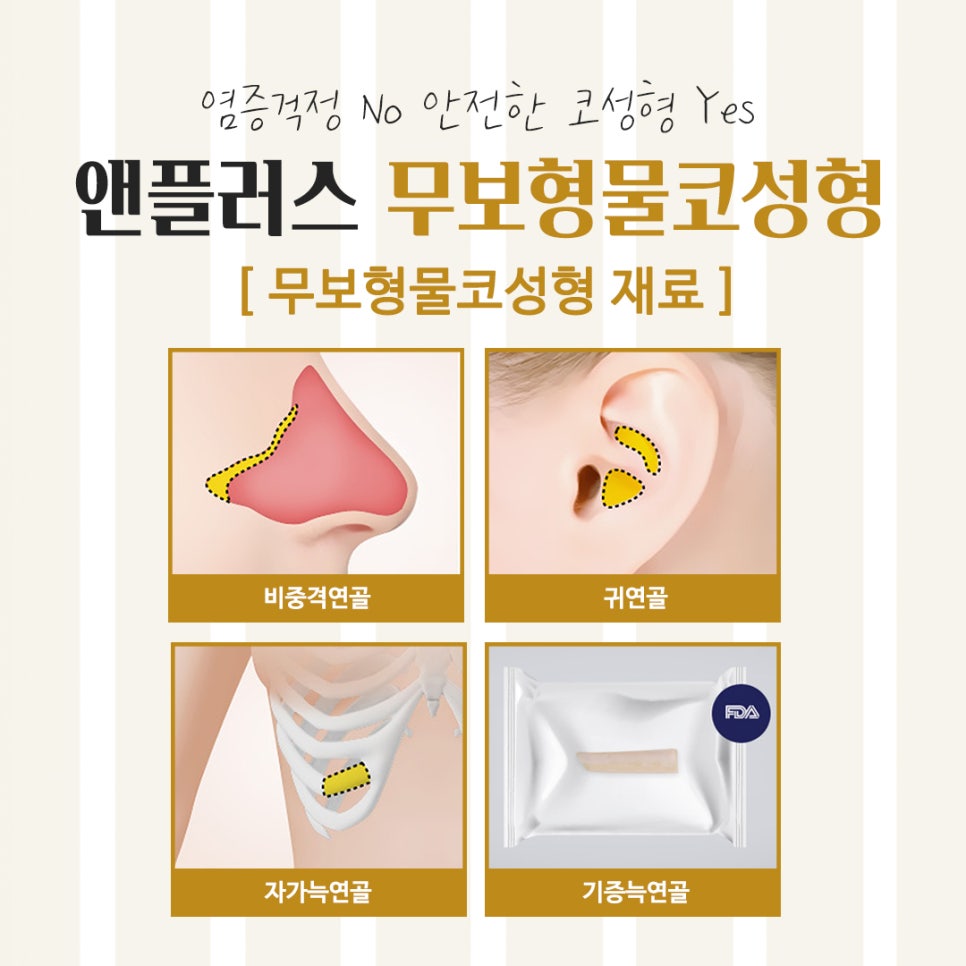
If you look at reviews of non-implant nose surgery, you can see that the autologous cartilage used for the nose tip also differs from person to person. This can vary depending on the condition of the skin, the condition of the cartilage, and whether there are internal nasal function issues. The cartilage used for the tip can be selected through preoperative testing to match the individual, and the options include ear cartilage, septal cartilage, and autologous rib cartilage. If use of autologous cartilage is unavoidably difficult, it can be replaced with donated rib cartilage approved by the U.S. FDA.
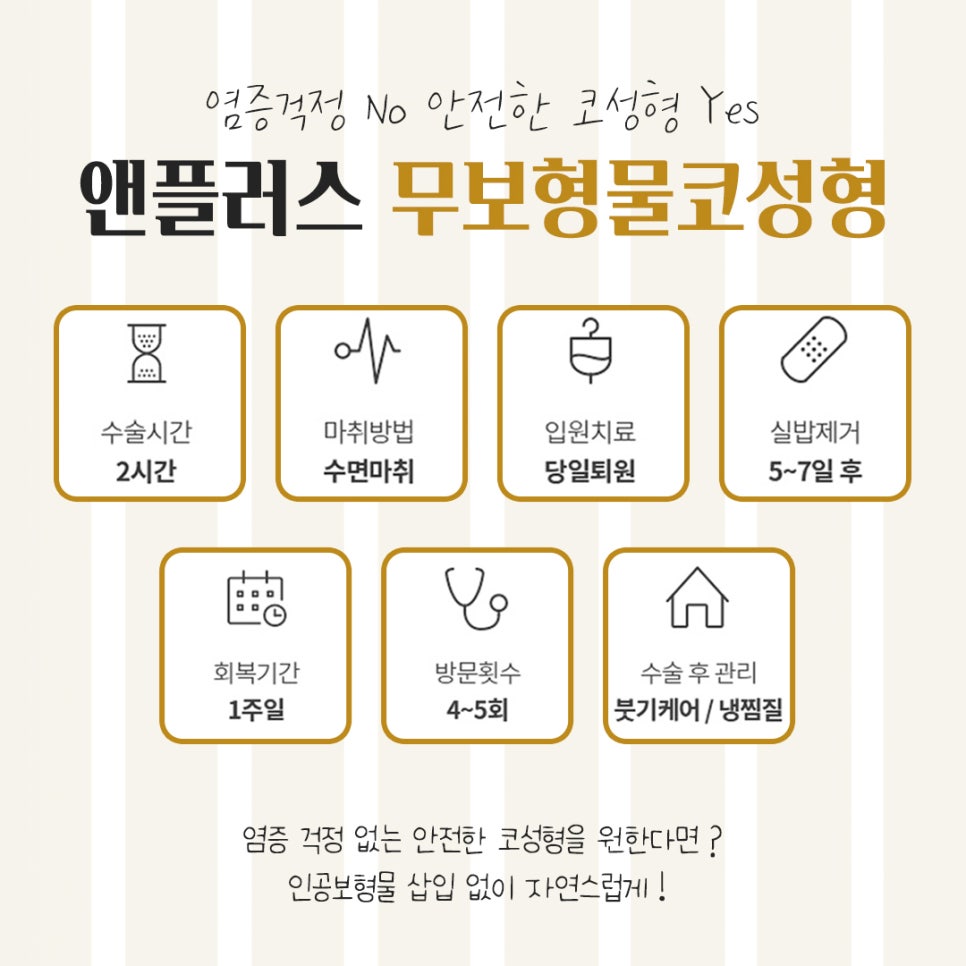
Also, in rhinoplasty, while the external appearance of the nose is important, the nose is an important functional organ responsible for breathing and smell throughout the body. Surgery should therefore be performed with consideration of any internal nasal function issues as well, so that revision surgery caused by postoperative functional problems can be prevented.

For this reason, if you are looking into reviews of non-implant nose surgery, it is helpful not to judge based only on the images in the reviews and proceed with rhinoplasty. In addition, it would be helpful to carefully check whether the medical staff have strong anatomical knowledge of the nose, whether they have extensive relevant experience and expertise, whether the necessary equipment is available to accurately assess the condition of your nose, and whether aftercare can be properly guaranteed.
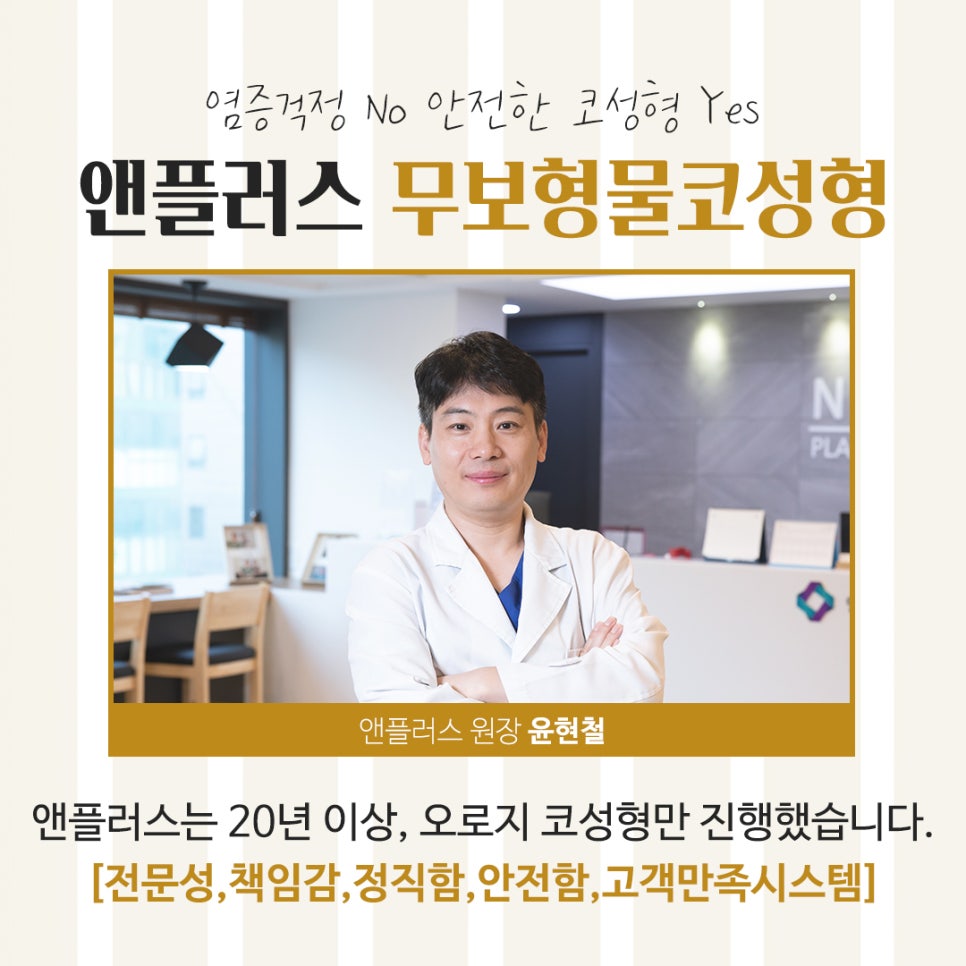
At A+ Plus, Director Yoon Hyun-cheol personally handles everything one-on-one with more than 20 years of rhinoplasty experience, from consultation related to nose surgery to surgical planning, performance, treatment, and follow-up care, so you can receive a high level of medical service before and after surgery.

For aftercare following surgery, A+ Plus issues a membership card and operates a warranty-based A/S system that guarantees support for one year after surgery. It also implements a surgery responsibility guarantee system in preparation for any postoperative pain, inflammation, shape-related dissatisfaction, or any other situation that may arise, so you can receive solid aftercare benefits after surgery as well.
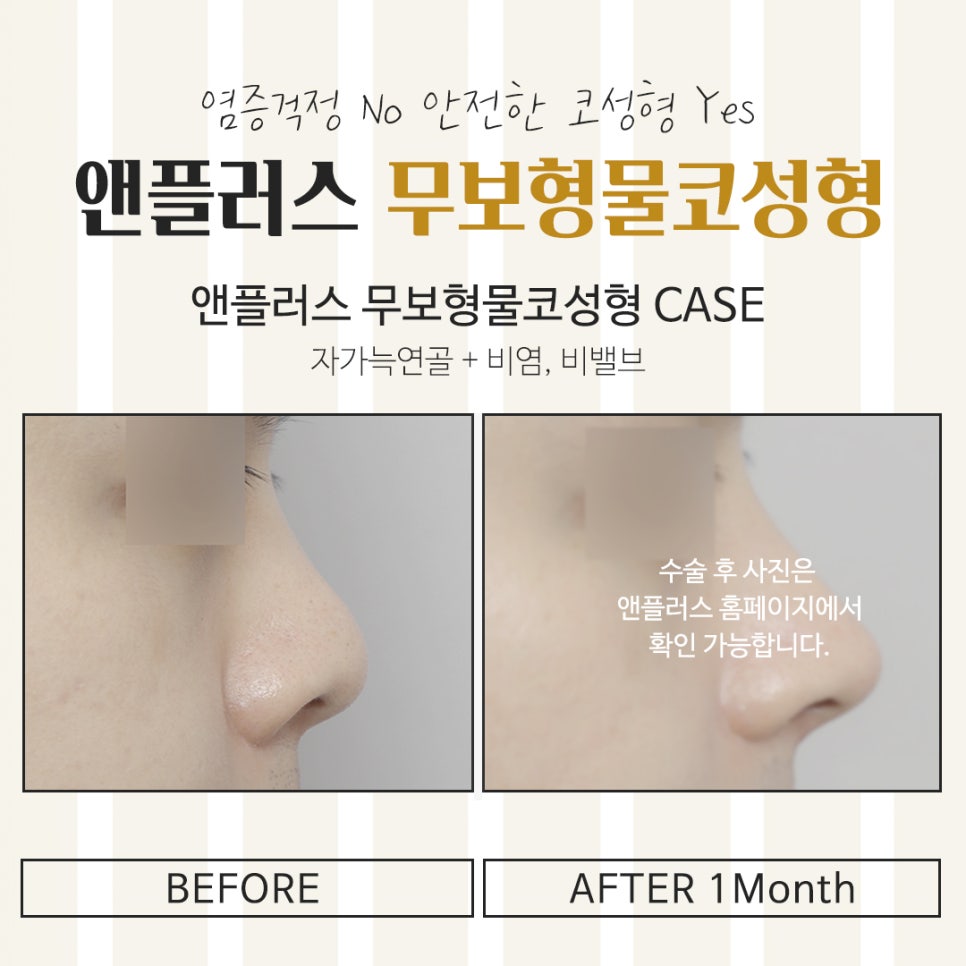
This has been an explanation of the review of non-implant nose surgery performed at A+ Plus. I hope this article has been very helpful for those who want to improve the shape of their nose with a natural line. Thank you.
https://youtu.be/Arb4hfVzgWE?si=sg4rc1FNzsv591CX