
When judging first impressions, appearance may serve as a standard, but in modern times, as the standards for appearance have risen, managing oneself has become a trend, and people hope to improve into a better version of themselves than they are now. Accordingly, while people try changes in makeup, exercise, dieting, and hairstyles, they may also consider plastic surgery for areas that are difficult to improve through such efforts.

Among various types of plastic surgery, the procedure that is most often performed first when aiming to improve one's impression is rhinoplasty. The nose is located at the center of our facial features and is the most three-dimensional area. When the shape of the nose is straight and balanced, the overall harmony of the face can be achieved. Because of this, it is one of the more popular procedures, and those with such concerns can look into rhinoplasty reviews in more detail.

For those looking into rhinoplasty reviews, the shapes of noses they may be concerned about include a nose that is too low, a bumpy hump, a bridge or tip that is low and lacks definition, a crooked nose, an upturned nose, or a drooping nose. In such cases, surgery may be considered first for aesthetic reasons.
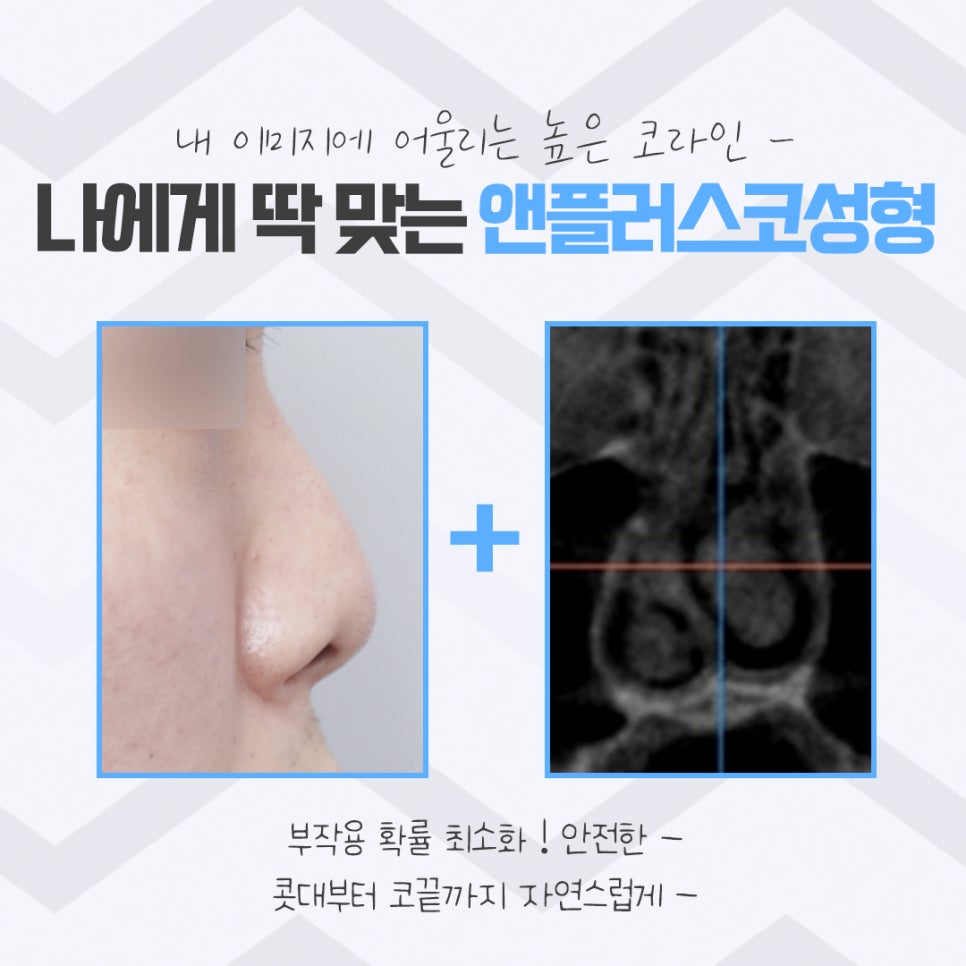
However, the nose plays an important role not only in balancing facial features aesthetically, but also as a functional organ responsible for breathing and smelling. For this reason, surgery should be performed while considering both the external and internal aspects of the nose, so that postoperative functional problems do not lead to revision surgery.
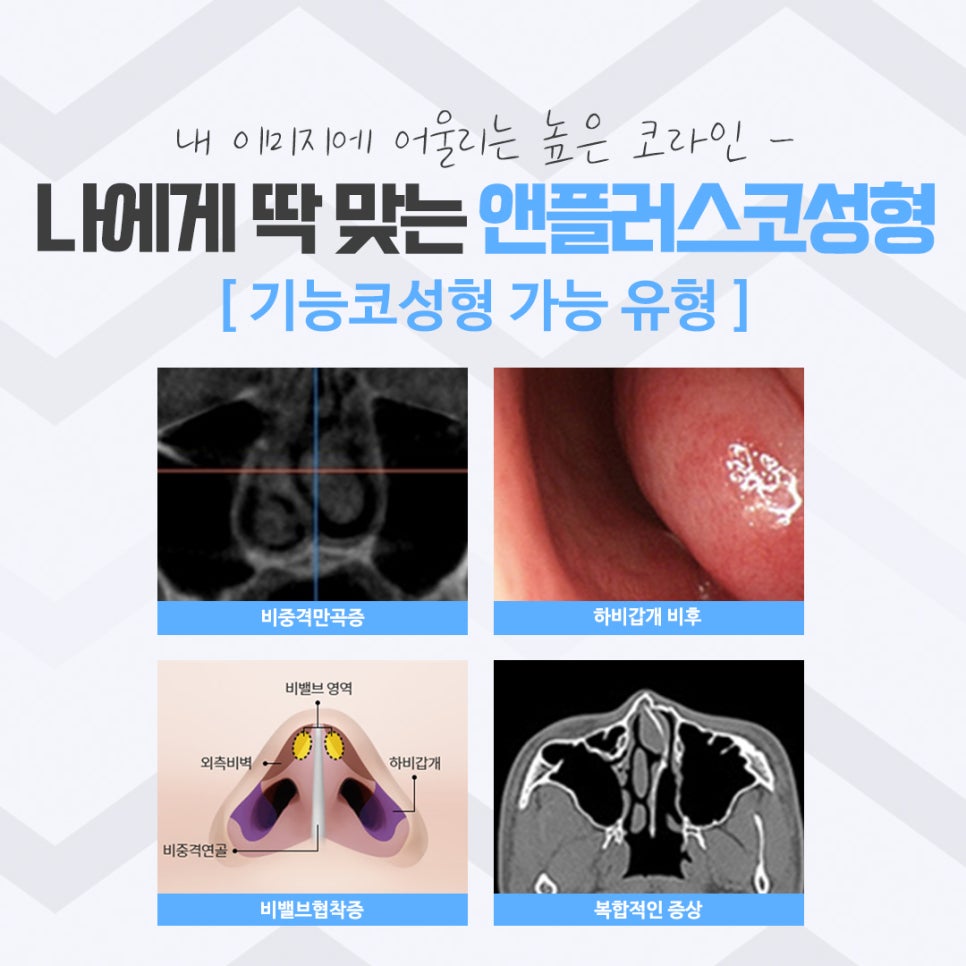
To explain the functional aspects of the nose in more detail, one symptom that can be improved through rhinoplasty is nasal congestion caused by rhinitis. Rhinitis is a common condition affecting more than 70% of adults in Korea. It is divided into allergic rhinitis and structural rhinitis. In the case of allergic rhinitis, it reacts to the environment or specific substances, so a practical cure is difficult; ongoing immune support and medication treatment should be prioritized. In contrast, structural rhinitis occurs due to problems in the internal structure of the nose, and surgical cure is possible. The causes of structural rhinitis can be classified as a deviated septum, inferior turbinate hypertrophy, nasal valve stenosis, and combined symptoms.

Therefore, for those looking into rhinoplasty reviews, it is important to refer to images from reviews for the external appearance of the nose, but it would also be helpful to receive a consultation at a place that can clearly diagnose whether there are functional problems inside the nose.

At N+Plus, before nasal surgery, we perform multi-angle photography, internal endoscopic imaging, various allergy tests, 3D-CT imaging, and internal nasal function tests. After accurately identifying the patient's internal and external nasal conditions, we establish and carry out a surgical plan based on the extracted data.
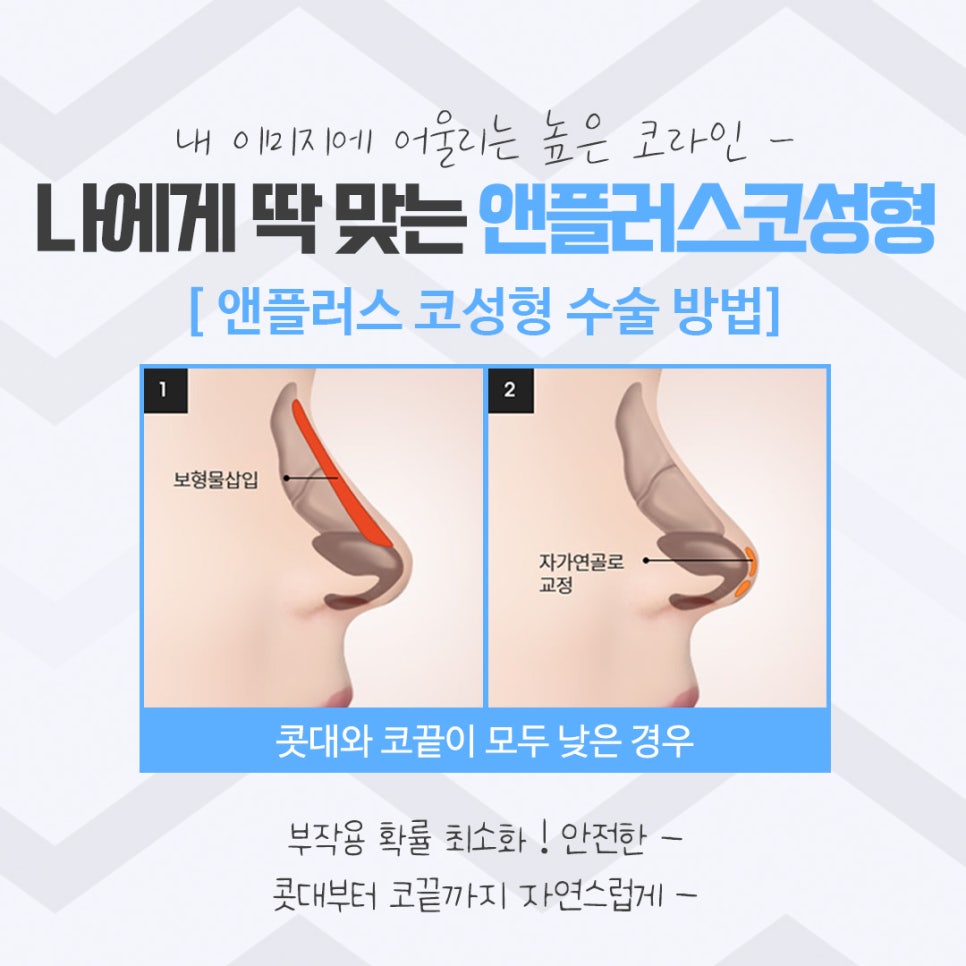
On average, the method used for rhinoplasty can improve the overall line by using silicone for the bridge and autologous cartilage for the tip.
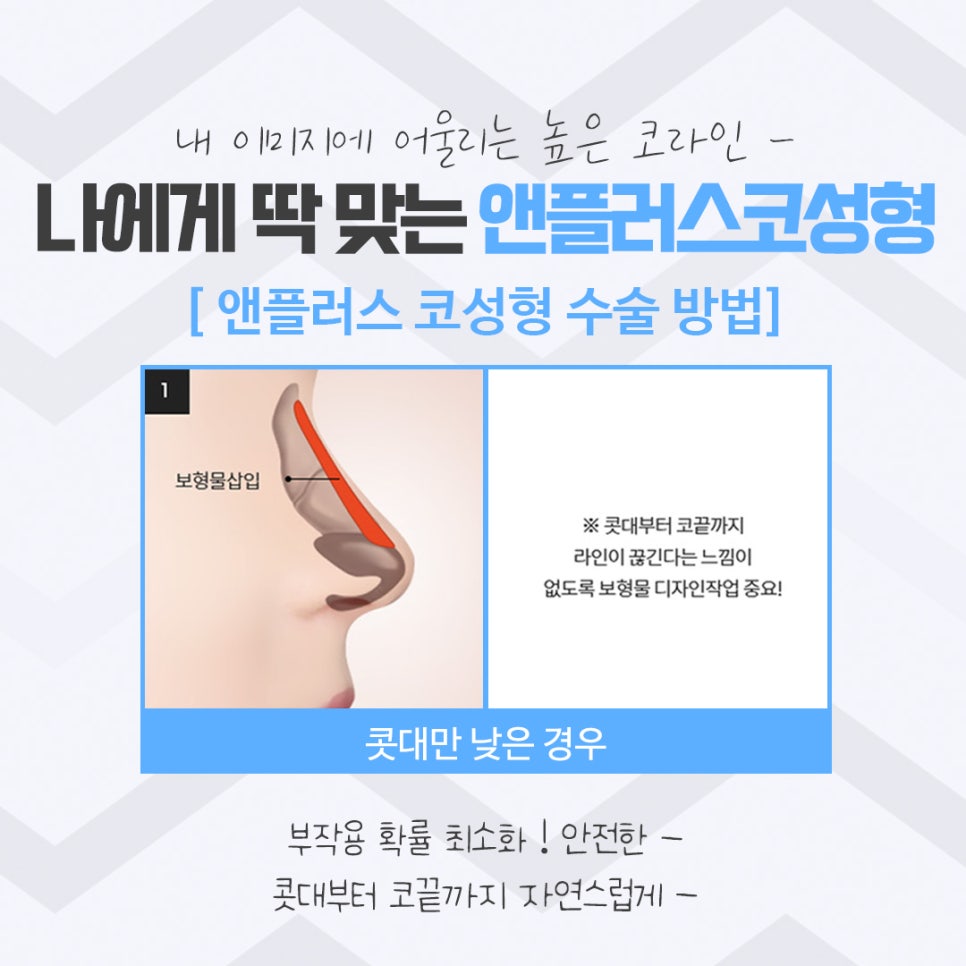
If only the bridge is low, an implant can be inserted into the bridge to add volume, and the implant can be designed so that there is no feeling of a break in the line from the bridge to the tip, allowing the overall line to be corrected.
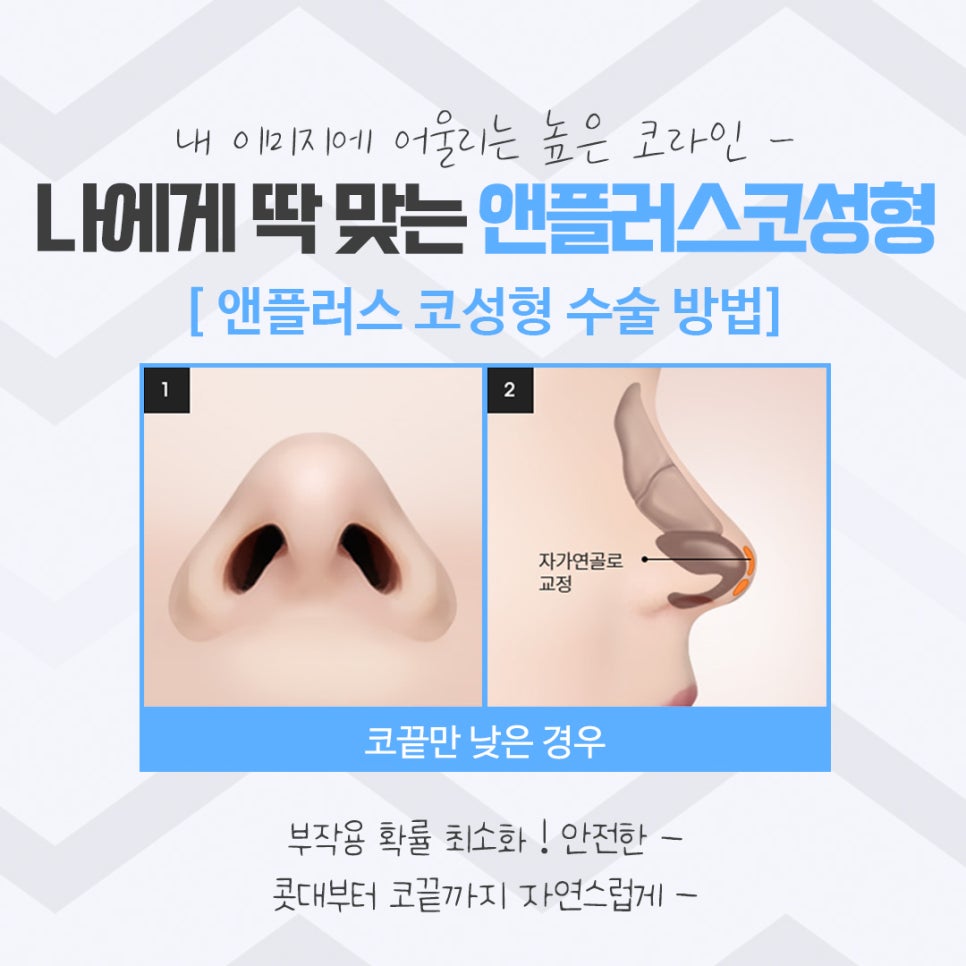
If only the tip is low, autologous cartilage can be used to add volume to the tip and design it so that it does not appear disconnected from the bridge, allowing the overall nose line to be corrected.

In the case of silicone, the implant used for the bridge is not used as a mass-produced product as-is in order to minimize an artificial look after surgery. Instead, it is carefully and finely shaped by hand while considering various aspects such as the patient's overall image, and the width, length, breadth, and height of the bridge, which can lead to a more satisfying rhinoplasty review.
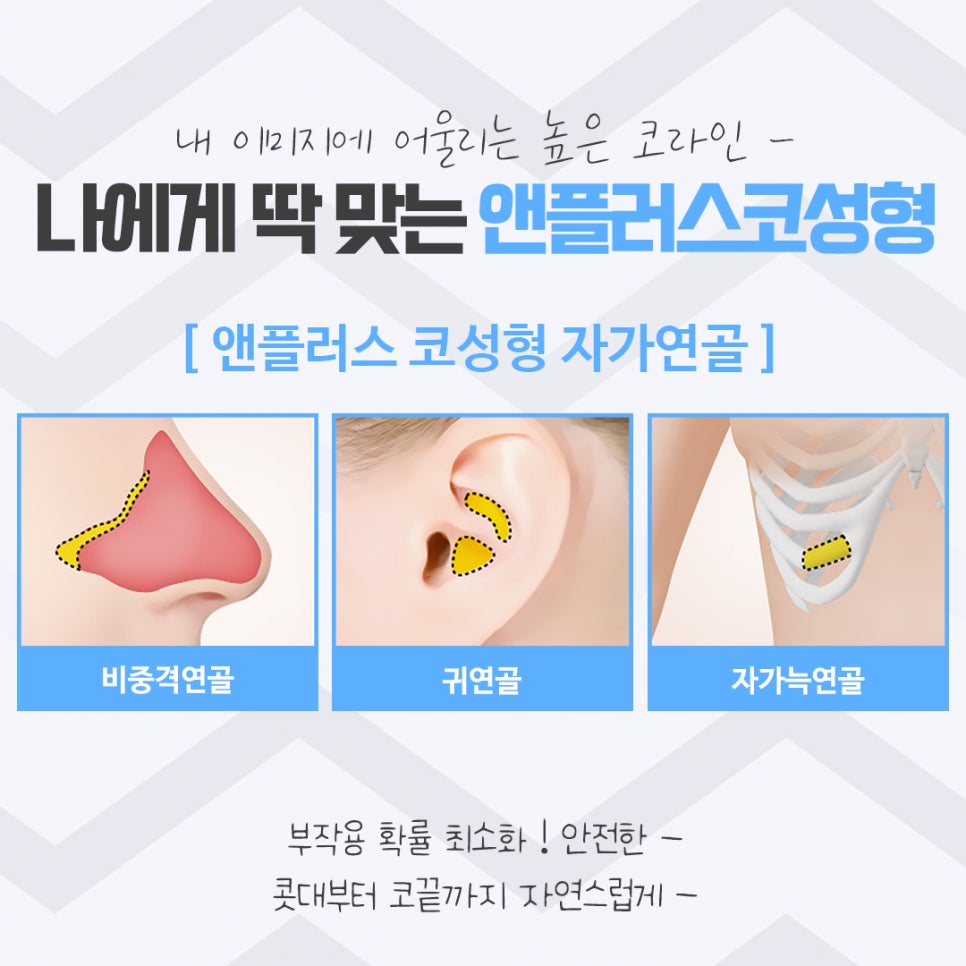
For autologous cartilage used in the tip, there are septal cartilage, ear cartilage, and autologous rib cartilage. When preoperative testing is performed, the appropriate material can be selected according to the condition of the patient's skin, cartilage, and nasal bone.

As such, rhinoplasty is a surgery that must be performed while considering both the inside and outside of the nose, so it is considered one of the more difficult procedures among plastic surgeries. For those looking into rhinoplasty reviews, it is important to check whether the medical team has strong anatomical knowledge of the nose, whether they have sufficient experience and expertise, whether equipment is available to accurately assess the condition of your nose, and whether postoperative care is reliably guaranteed.

At N+Plus, Director Yoon Hyun-cheol personally oversees all processes one-to-one, from consultation related to rhinoplasty to surgical planning, execution, treatment, and follow-up care, providing high-level medical services before and after surgery.

For postoperative care, an N+Plus membership card is issued, and an after-sales service system is provided that guarantees one year after surgery. In addition, a surgery responsibility guarantee system is implemented to prepare for all possible situations such as postoperative pain, inflammation, and dissatisfaction with the shape, so you can also receive reliable postoperative care benefits after surgery.
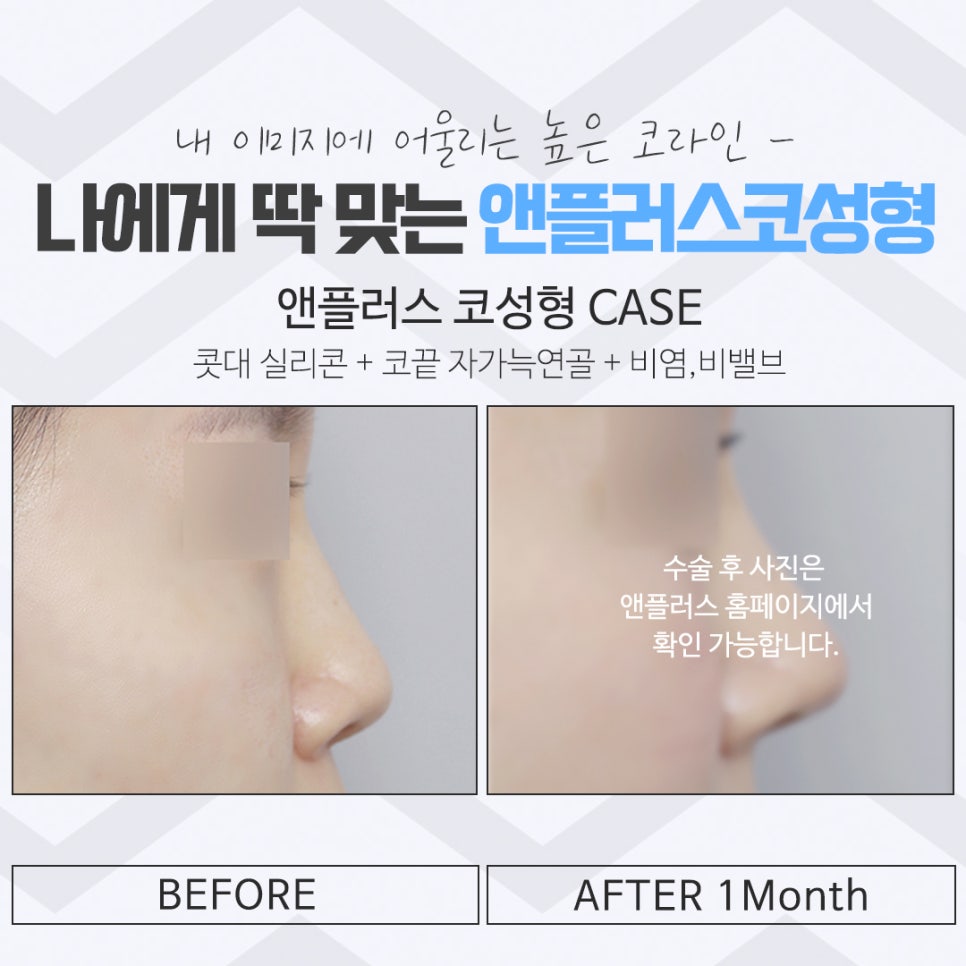
(The image above is a before-and-after photo from an N+Plus rhinoplasty review.)
I have explained the rhinoplasty review from N+Plus. I hope this article is very helpful for those who are unhappy with the shape of their nose or are looking into rhinoplasty because of rhinitis. Thank you.
https://youtu.be/8eyjf7nVBHI?si=OnzH-A0q9aDij6tC