
As the weather has turned colder, many people are finding daily life uncomfortable because of nasal congestion caused by colds and similar conditions. Today, we have prepared information related to rhinoplasty for rhinitis, as many people are looking for various details about nasal congestion surgery, rhinitis surgery, and reviews of rhinoplasty for rhinitis.

For those looking into nose surgery, the appearance aspect is often considered first. However, our nose is located at the center of the face and is one of the most three-dimensional features. If the shape of the nose is not to your liking, the overall balance of the face may seem off or the nose may stand out more. Because of this, while external factors are important, the nose is also a functional part of the body responsible for breathing and the sense of smell. When considering nose surgery, it is important that surgery is performed only after a thorough diagnosis of both the external and internal functional aspects of the nose.
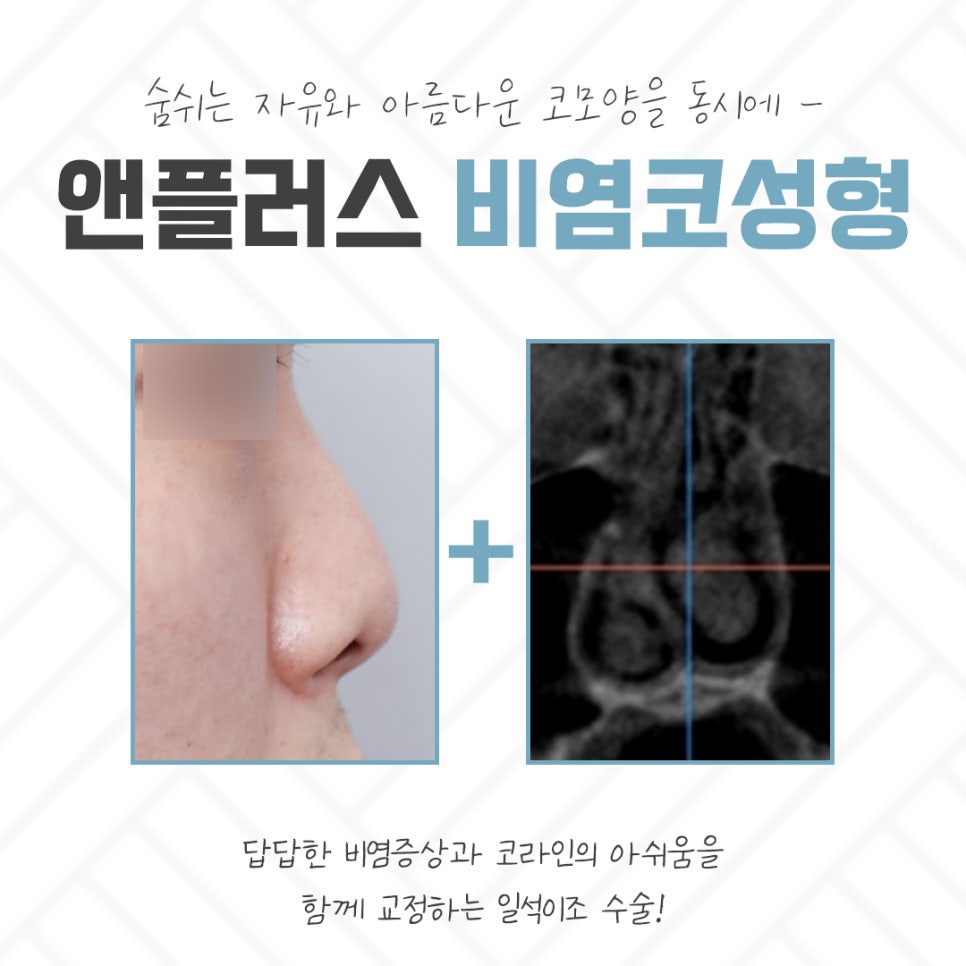
For this reason, more and more people are looking into reviews of rhinoplasty for rhinitis, which combines cosmetic nose surgery and rhinitis surgery at the same time. Rhinoplasty for rhinitis refers to surgery that improves the visible cosmetic aspects while addressing the most representative symptom among the functional issues of the nose: nasal congestion caused by rhinitis. Therefore, external features of the nose and cosmetic improvement can be addressed simultaneously.

Those looking into the rhinoplasty for rhinitis reviews described above may consider this surgery because of nasal congestion caused by rhinitis. Rhinitis is a common condition affecting more than 70% of Korean adults and can be divided into allergic rhinitis and structural rhinitis. In the case of allergic rhinitis, it appears due to specific substances or environments, so a complete cure is practically difficult. Treatment usually begins with improving immunity and medication.
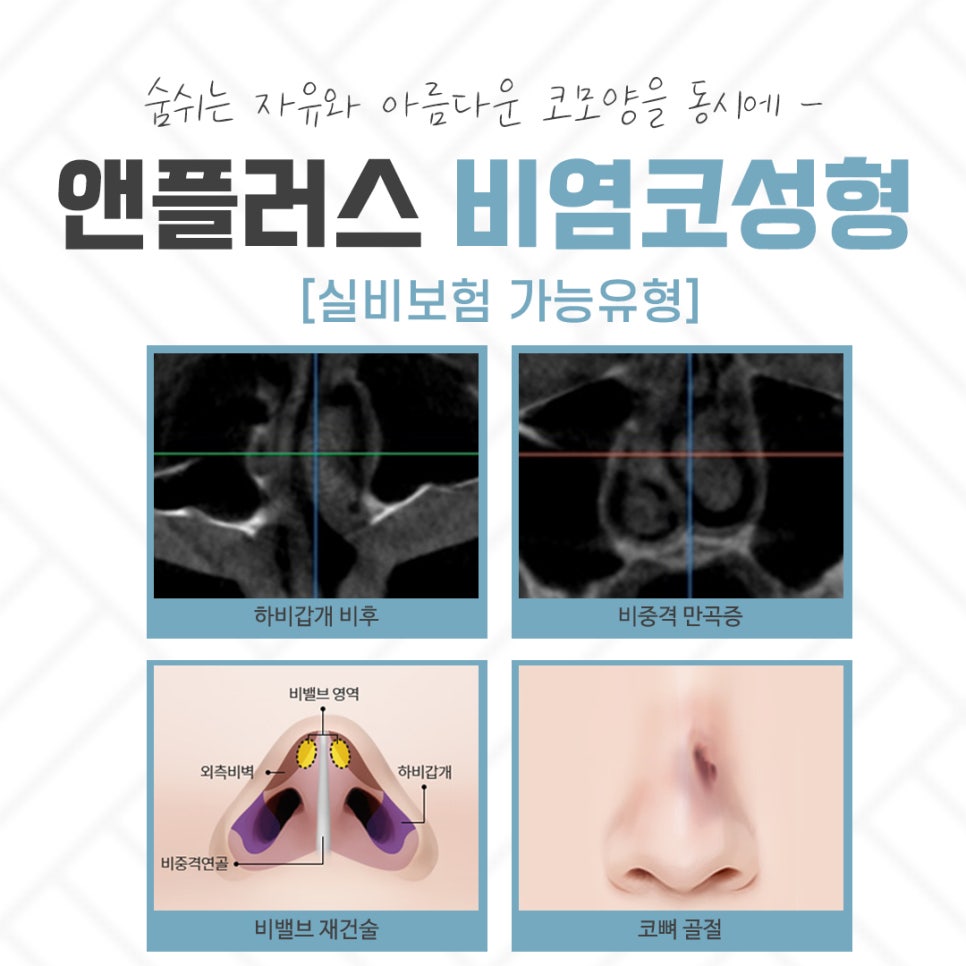
By contrast, structural rhinitis can be cured through surgery. Because rhinitis occurs due to changes in the internal structure of the nose, the cause must be accurately identified before surgery. This helps prevent the need for revision surgery due to postoperative functional problems.
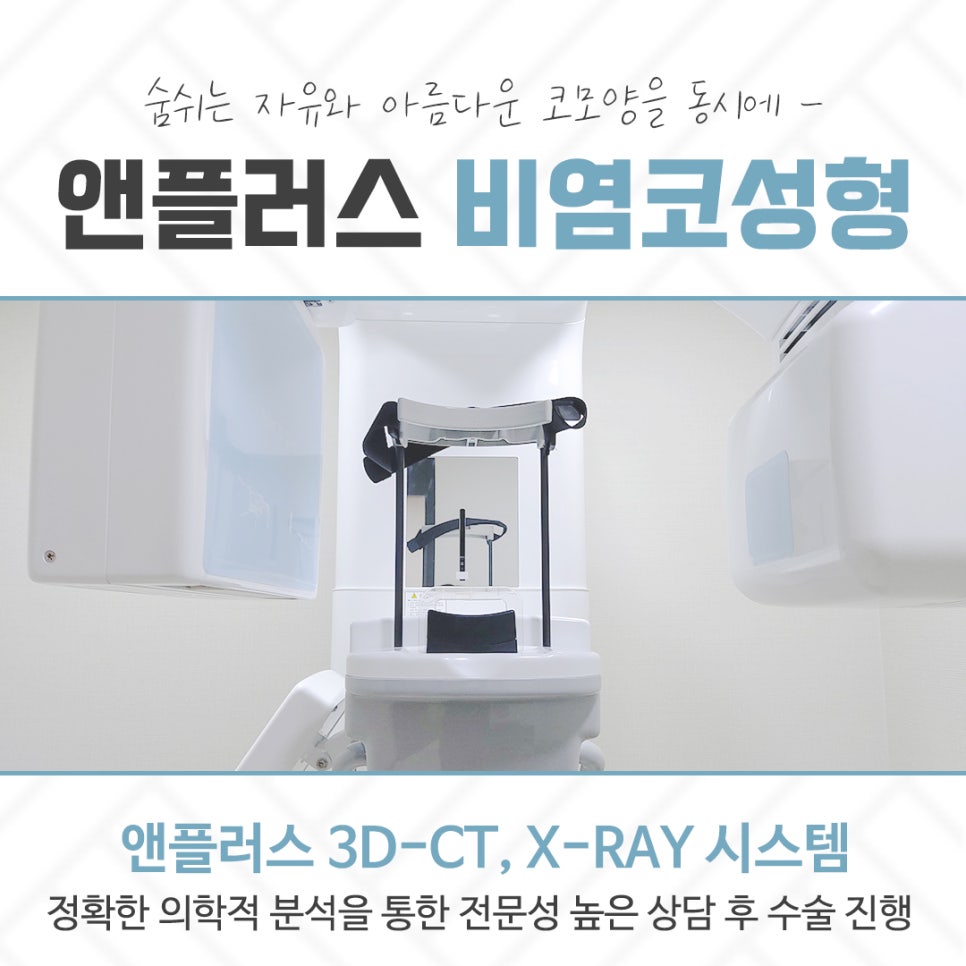
At N+Plus, for an accurate diagnosis, preoperative 3D-CT imaging, internal endoscopic imaging, various allergy tests, internal nasal function tests, and multi-angle photography are performed to precisely understand the current internal and external condition of each individual’s nose. Based on the extracted data, a surgical plan is established and carried out.

The rhinoplasty for rhinitis procedure is applied differently depending on septal deviation, nasal valve stenosis, and inferior turbinate hypertrophy, and the surgical method is tailored to each person’s symptoms. In the case of septal deviation, surgery corrects the bent septum. For nasal valve stenosis, the narrowed nasal valve is corrected using four different methods. For inferior turbinate hypertrophy, the size of the inferior turbinate can be adjusted with a laser. Different surgical methods based on each individual’s symptoms are necessary for a satisfying rhinoplasty for rhinitis review after surgery.
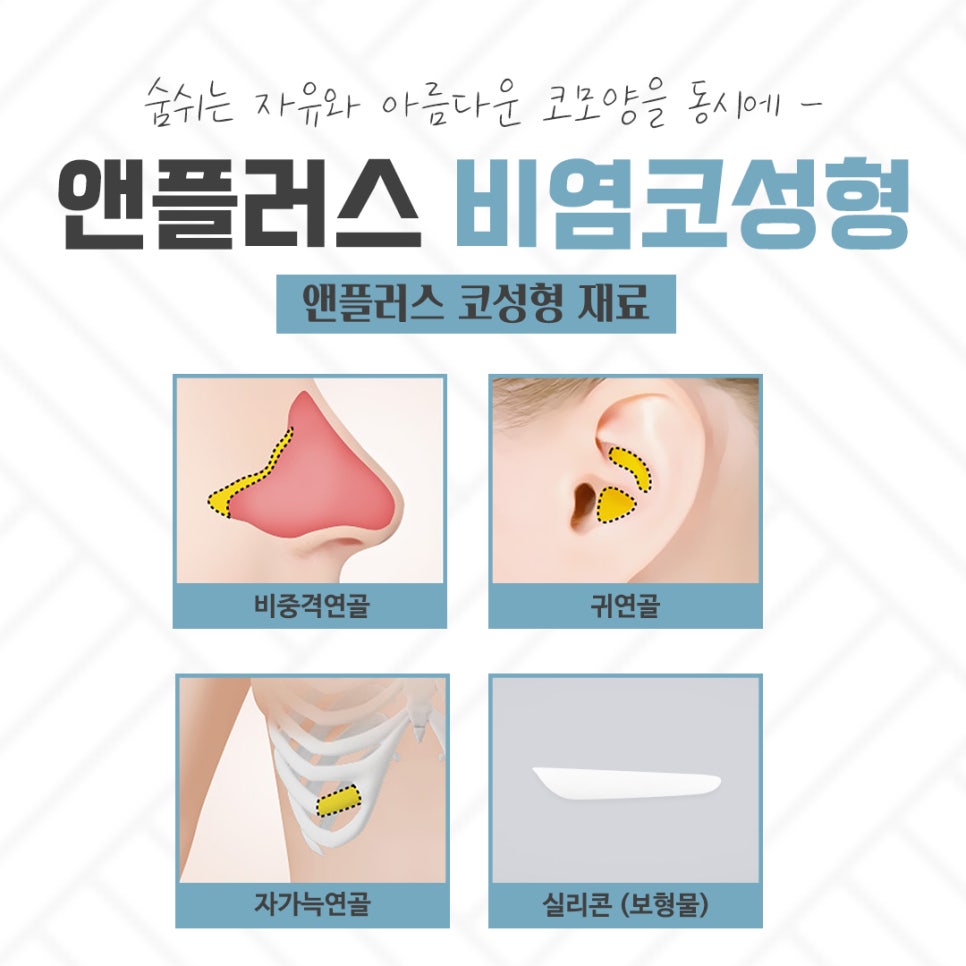
In addition, cosmetic nose surgery is performed after functional correction. In the case of cosmetic nose surgery, the bridge of the nose is generally corrected with silicone, and the tip of the nose with autologous cartilage to improve the overall line. The autologous cartilage used for the tip is selected as a material suited to the individual’s condition through preoperative examinations. Autologous cartilage includes ear cartilage, septal cartilage, and autologous rib cartilage.

To minimize any artificial feeling after nose surgery, the silicone used is not a commercial product used as-is. Instead, a customized silicone is used after being carefully shaped by hand, taking into account the person’s overall image as well as the width, length, breadth, and height of the nasal bridge from various angles.

If you look into reviews of rhinoplasty for rhinitis, you will find that it is not limited to one symptom and also includes cosmetic aspects. Since at least two surgical methods are applied, those looking for reviews of cost-related nose surgery should additionally consider whether the medical team has strong anatomical knowledge of the nose, whether they have rich experience and expertise, whether equipment is available to accurately assess the condition of your nose, and whether aftercare can be reliably guaranteed. It is helpful to choose a hospital after reviewing these additional points.

At N+Plus, Director Yoon Hyun-cheol provides one-on-one care throughout the entire process, directly handling everything from nose surgery consultations, surgical planning, and the procedure to treatment and follow-up care. This allows for high-level medical service from before surgery through after surgery, so you can proceed with greater peace of mind.

N+Plus issues a membership card and offers a free after-service system guaranteed for one year after surgery. In addition, they operate a surgical responsibility guarantee system in preparation for any postoperative pain, inflammation, or dissatisfaction with the result that may occur, so you can also receive clear aftercare benefits after surgery.
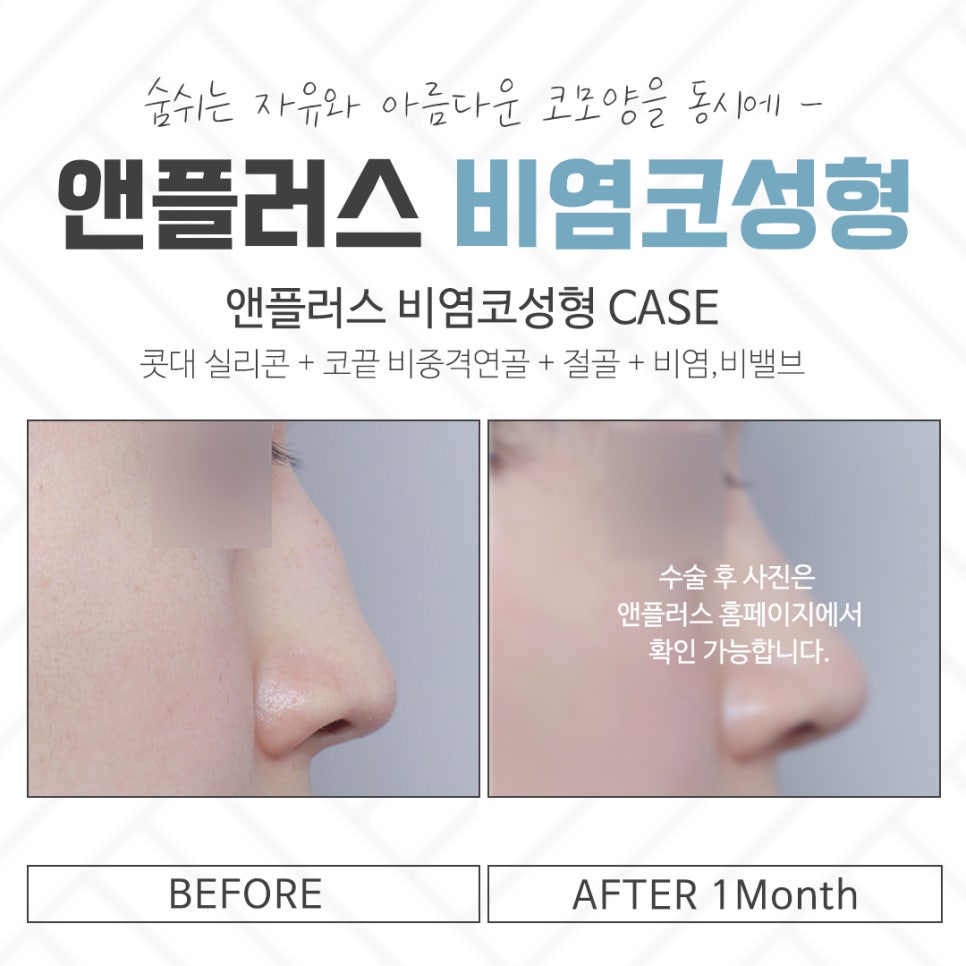
(The image above shows before-and-after photos from N+Plus rhinoplasty for rhinitis reviews.)
That concludes the explanation of the rhinoplasty for rhinitis reviews performed at N+Plus. I hope this article is helpful for those who are looking into improving the shape of the nose while also addressing nasal congestion caused by rhinitis. Thank you.
https://youtu.be/a4GpYOCHp-k