
With only more than 20 years of experience, An Plus thinks only about your beautiful and healthy nose.
The content prepared this time is about tip rhinoplasty aftercare reviews.

First, for those looking into rhinoplasty, one reason they place nose surgery as a priority is that the nose is located at the center of the face and is the most three-dimensional feature. When the shape of the nose is not straight or well balanced, the overall harmony of the face can appear disrupted, so it may be considered as a way to improve this. This is because even a small change to the nose can have a big effect on improving the image. Therefore, you can look into various information. For those who find full silicone and autologous cartilage rhinoplasty burdensome, you may look into tip rhinoplasty aftercare reviews for a more natural improvement.

Accordingly, the nose shapes of people looking into tip rhinoplasty aftercare reviews can be classified as a low nasal tip, an upturned nose tip, a drooping nose tip, an aquiline nose or long nose tip, and a wide nose tip. In general, the focus may be on appearance, but our nose is a functional organ responsible for breathing and smelling, so it is important to consider the inside of the nose as well and proceed with surgery suited to the individual.
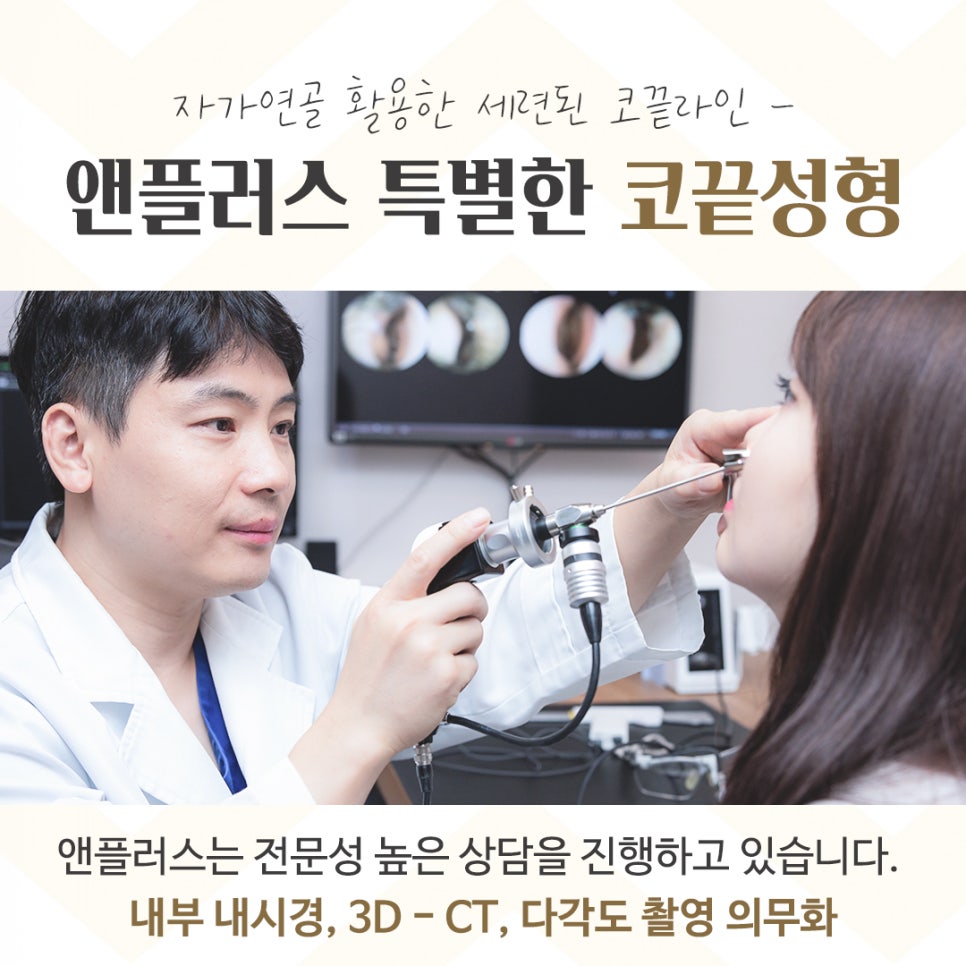
At An Plus, in order to accurately understand the inside and outside of the nose, we establish a surgical plan based on extracted data after accurately considering the patient's current condition through preoperative 3D-CT scans, internal endoscopy, multi-angle photography, various allergy tests, and internal nasal function tests, and then proceed with the surgery.
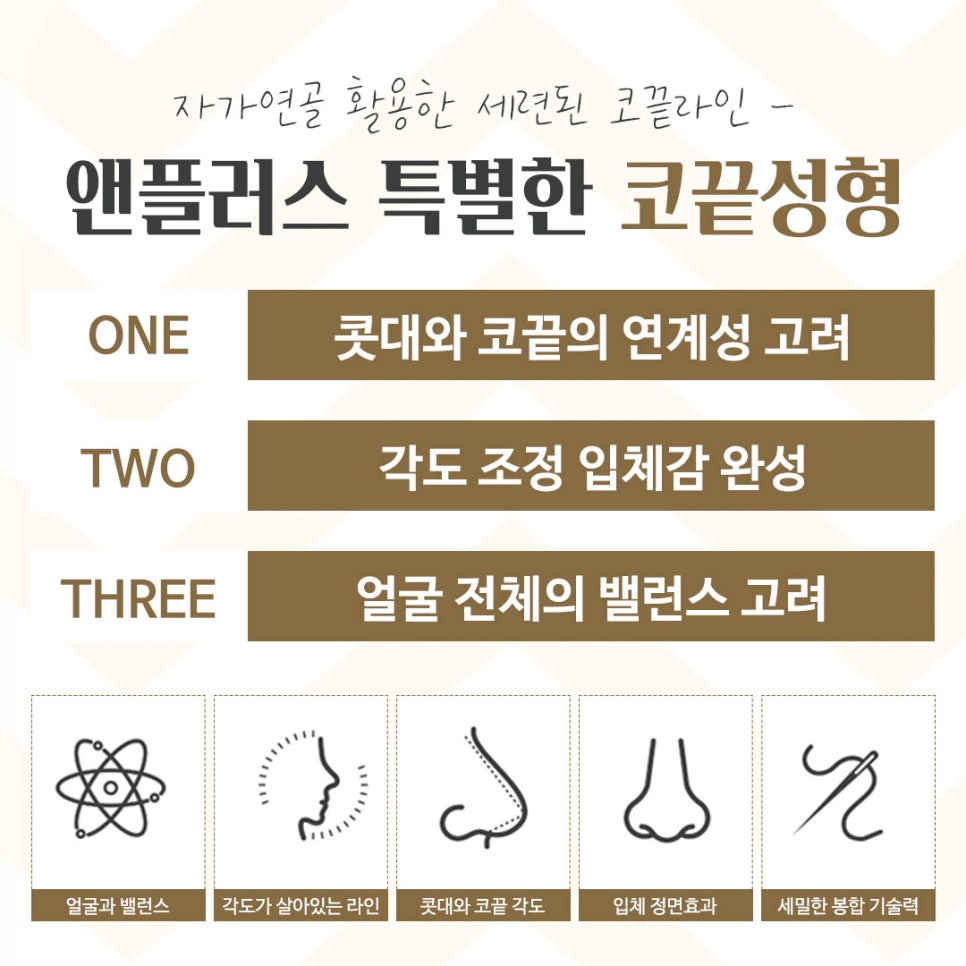
Also, depending on the shape of the nose of those looking into tip rhinoplasty aftercare reviews, the surgical method and materials are carried out differently. This can vary depending on the condition of the individual's tip cartilage, problems with internal nasal function, skin condition, cartilage condition, and so on. The methods for tip rhinoplasty are categorized and performed according to whether the tip is low, upturned, or drooping.
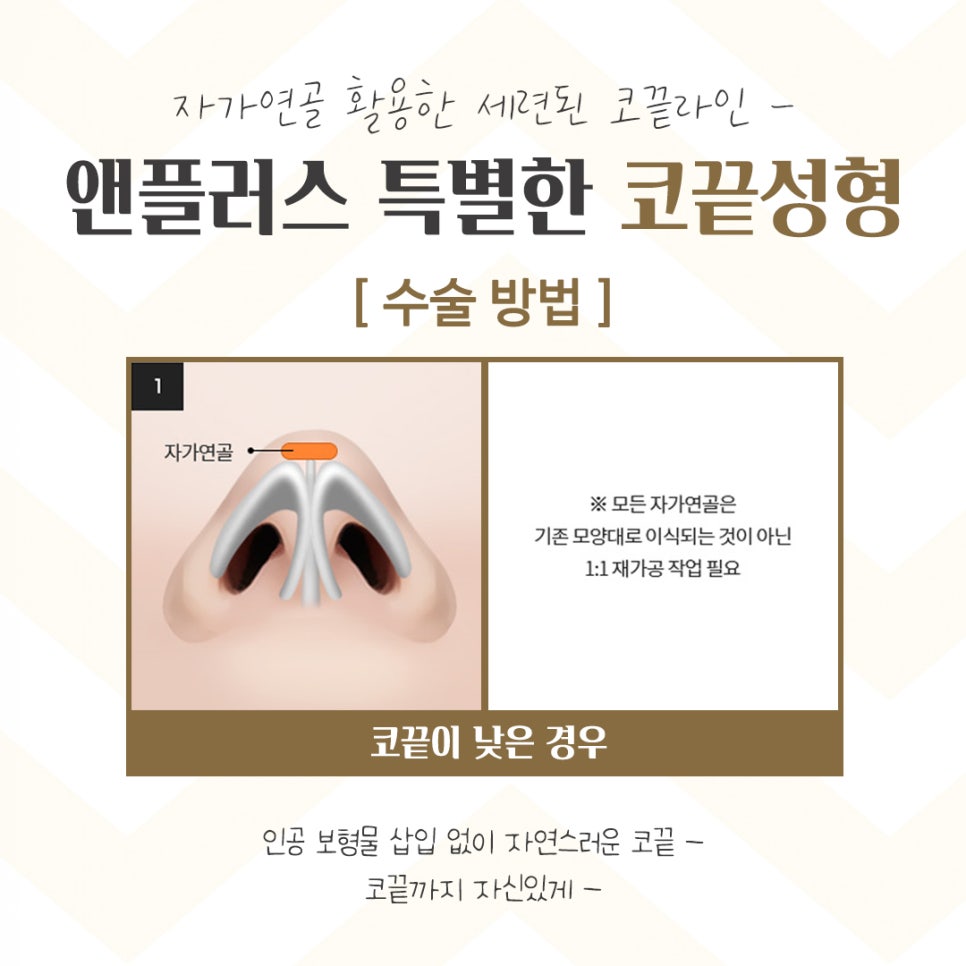
In the case of a low nasal tip, the shape of the tip can be corrected by placing additionally processed autologous cartilage onto the low tip.
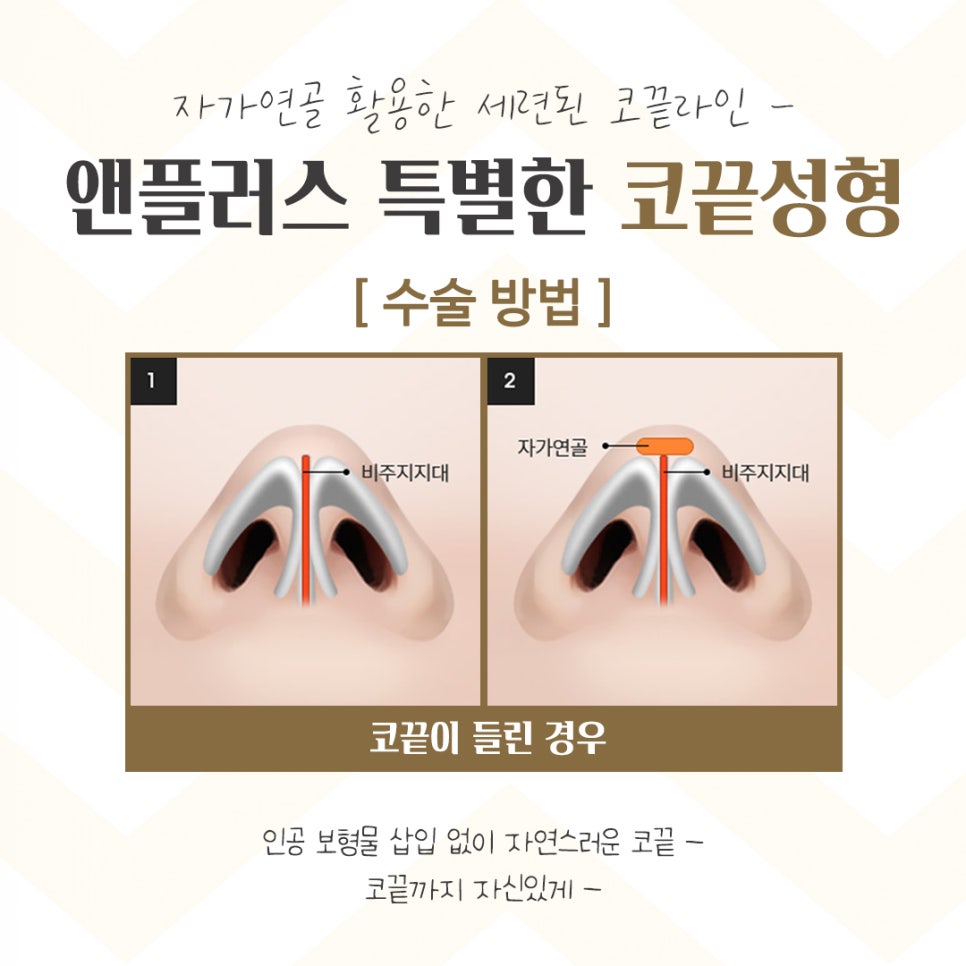
For an upturned nose tip, a strong autologous cartilage columellar strut is inserted to fix the nose so that it does not turn up again, and through septal extension, additional autologous cartilage can be placed on the supported tip cartilage to correct the shape of the nasal tip.
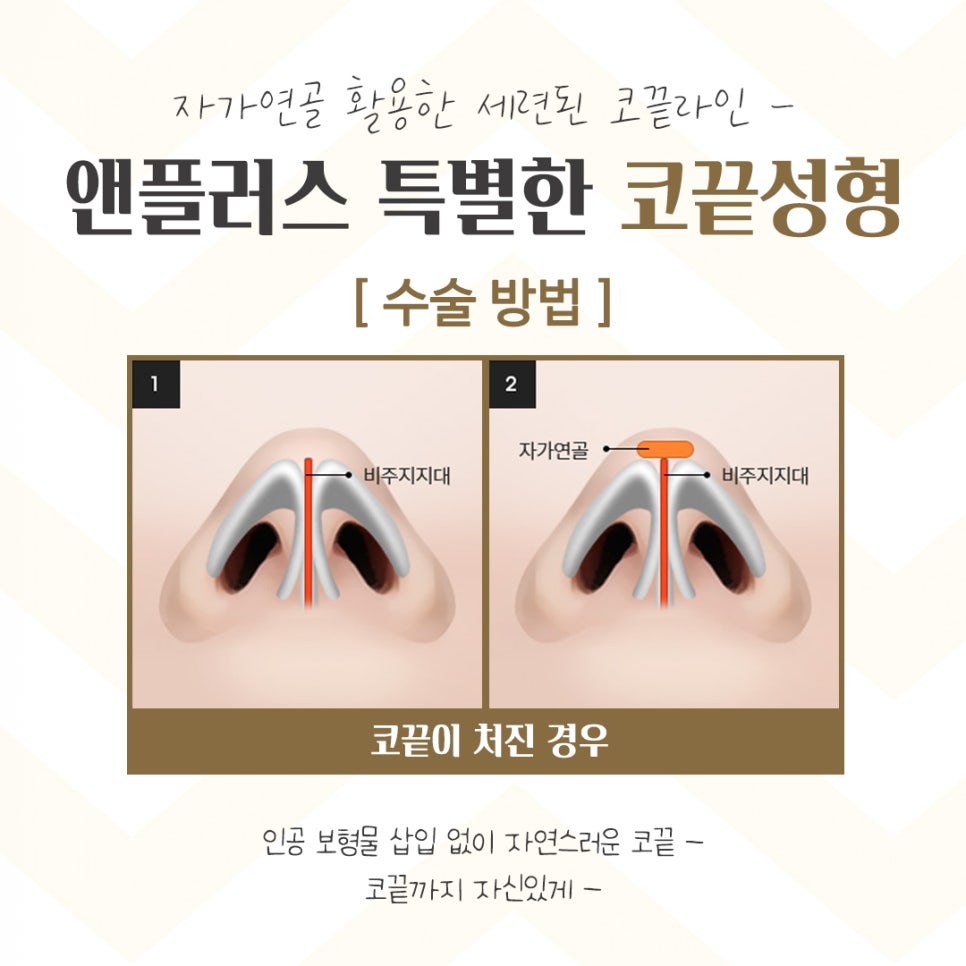
In the case of a drooping nasal tip, the weak and drooping tip cartilage is firmly fixed with a columellar strut, and additional autologous cartilage can be placed on the supported cartilage to correct the shape of the tip.
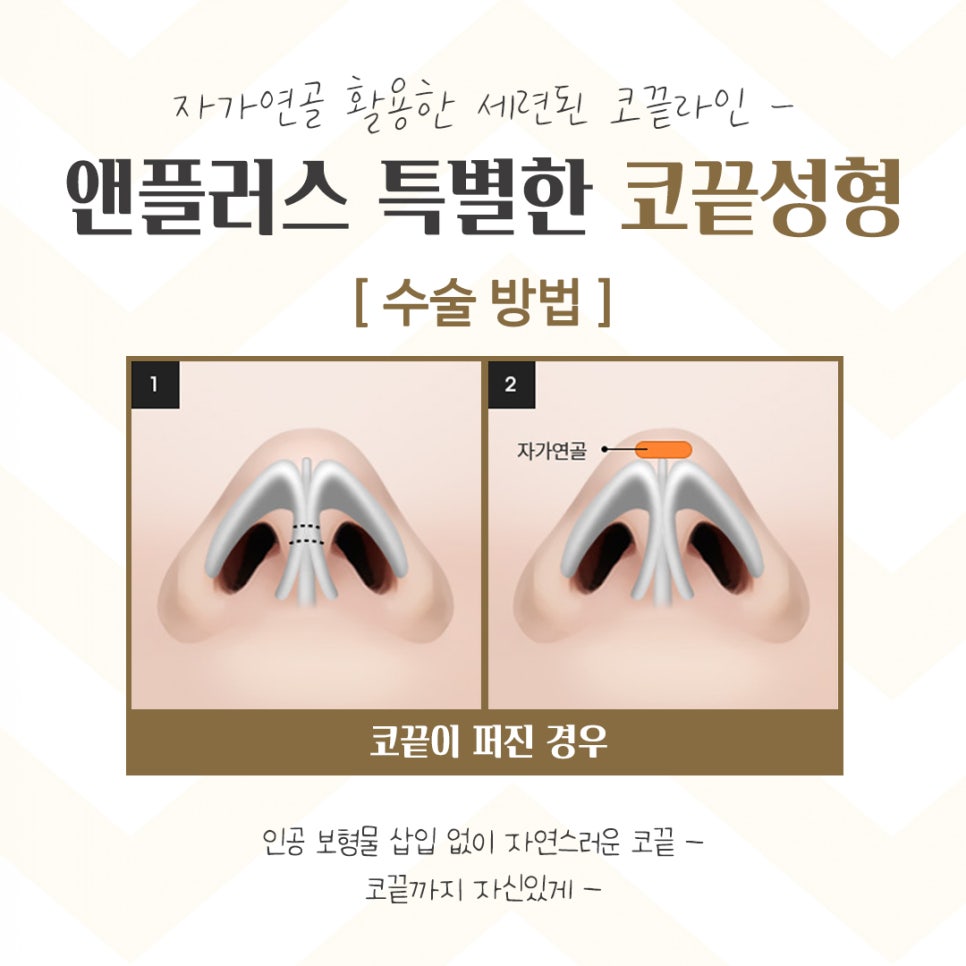
Lastly, in the case of a wide nasal tip, cartilage binding is performed using special threads to bind and firmly fix it. If cartilage binding alone does not produce enough effect, additional autologous cartilage can be placed to correct the shape of the nasal tip.

In the case of tip rhinoplasty, people usually want the tip to be improved into a refined and sharp image. However, because the septal cartilage of the nasal tip, alar cartilage, surrounding soft tissue, skin thickness, and the nasal framework differ from person to person, it is important to refer to tip rhinoplasty aftercare review images, but the most accurate way to know is to visit the clinic and precisely check the condition of the inside and outside of the nose through equipment.
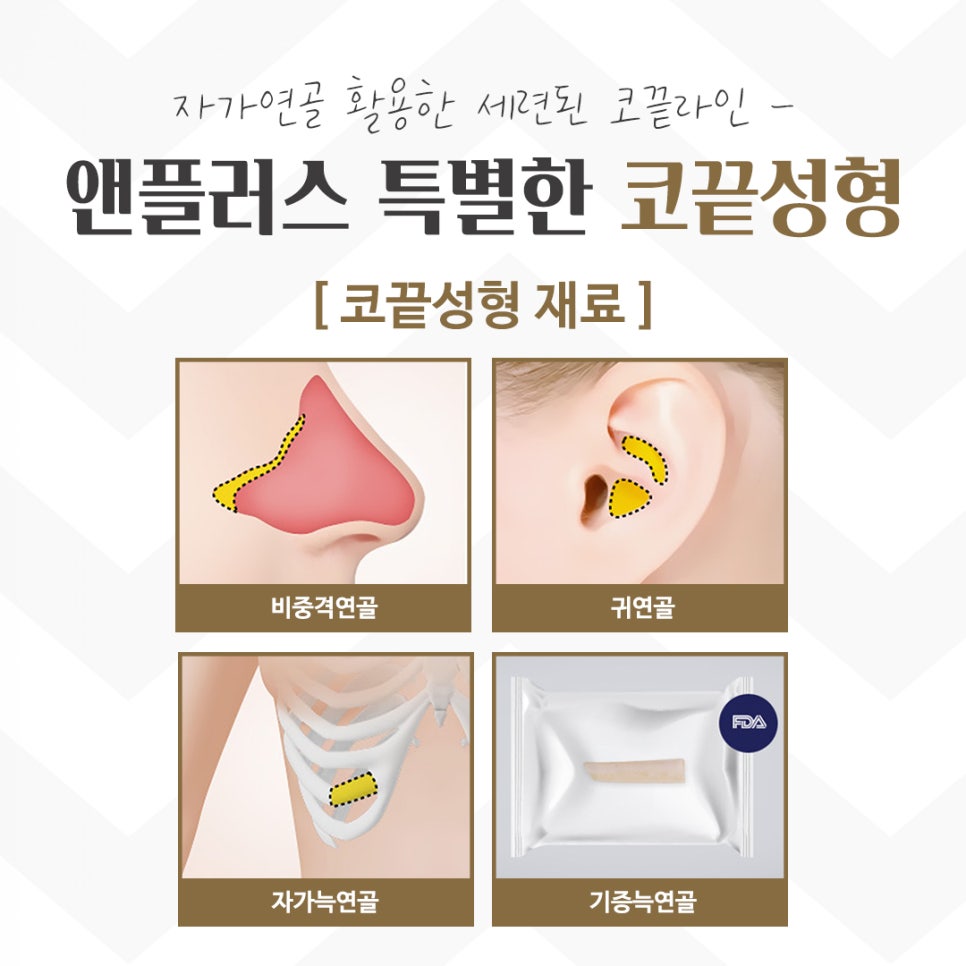
The materials used in tip rhinoplasty are mainly autologous cartilage. Autologous cartilage includes septal cartilage, ear cartilage, and autologous costal cartilage. In the case of autologous cartilage, appropriate materials can be selected and used according to the individual’s current condition through preoperative tests. If the use of autologous cartilage is difficult, FDA-approved donated rib cartilage from the United States can be used as a substitute.
If the nasal bridge is too low, silicone for the bridge may be used additionally. The silicone used at this time is not a premanufactured commercial product, but is carefully hand-shaped after considering various aspects such as the individual's overall image and the width, length, breadth, and height of the nasal bridge, which makes for a more satisfying tip rhinoplasty aftercare review.

If you look at tip rhinoplasty aftercare reviews, it is important not simply to add volume to the tip, but to check the individual's overall image and features and to understand any internal nasal issues. In addition, it would be helpful to carefully check whether the medical staff have a high level of anatomical knowledge of the nose, whether they have abundant relevant experience, whether equipment is available to accurately confirm the condition of your nose, and whether aftercare can be reliably guaranteed.
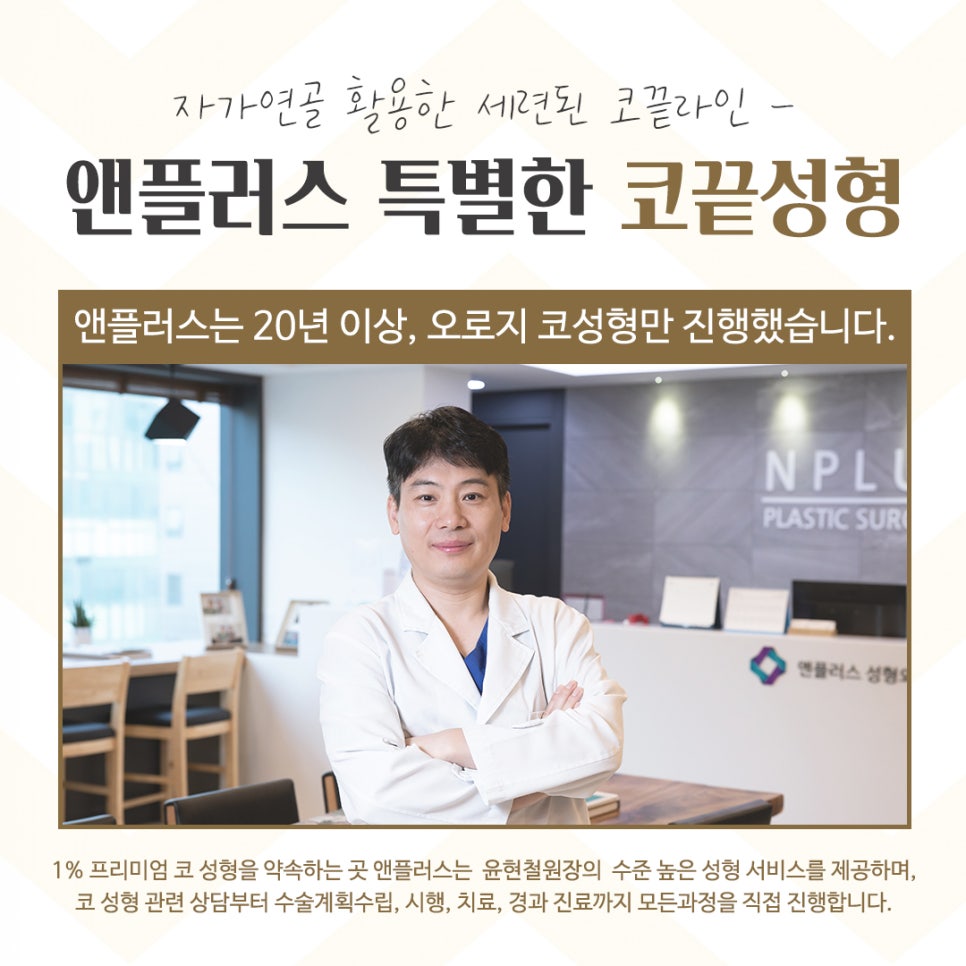
At An Plus, Director Yoon Hyun-cheol personally handles everything one-on-one with more than 20 years of experience, from consultation related to rhinoplasty to surgical planning, implementation, treatment, and follow-up care, so you can receive a high level of medical service from before surgery through after.

For aftercare, they operate an after-sales service system that guarantees one year after surgery, as well as a surgical responsibility guarantee system prepared for all situations such as postoperative pain, inflammation, and dissatisfaction with the result that may occur, so you can clearly receive aftercare benefits after surgery as well.
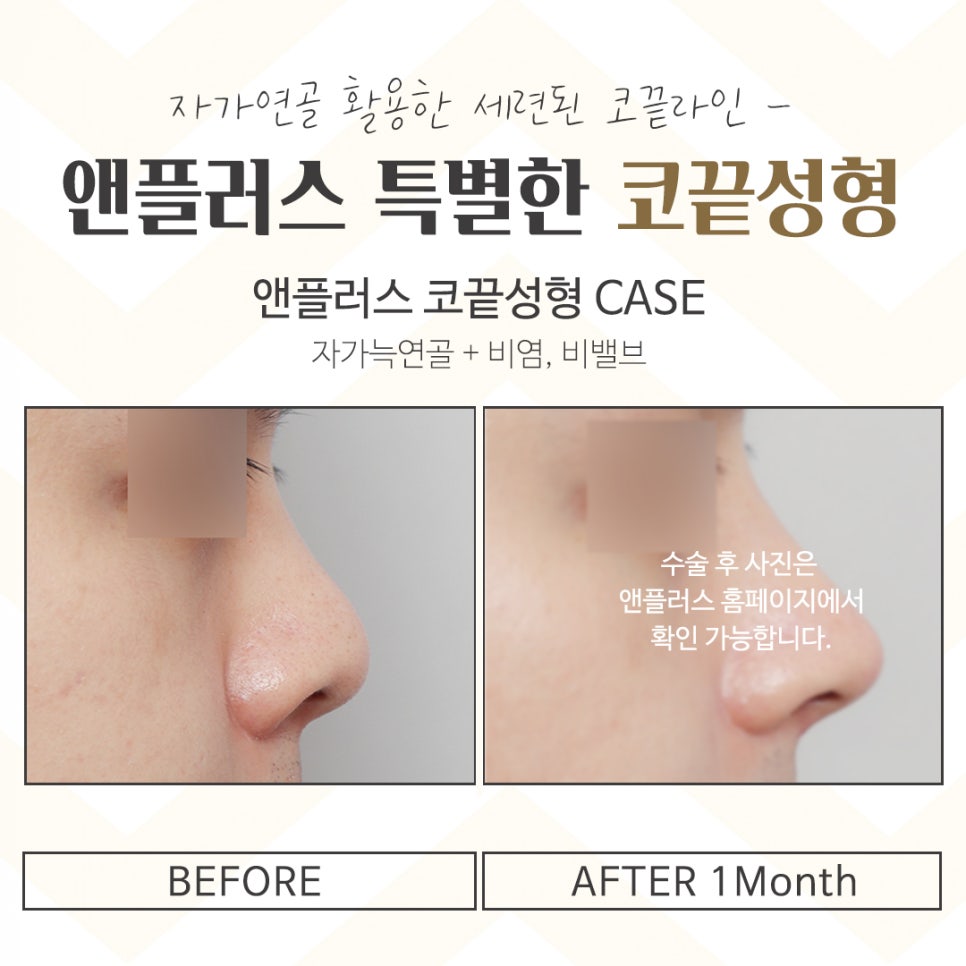
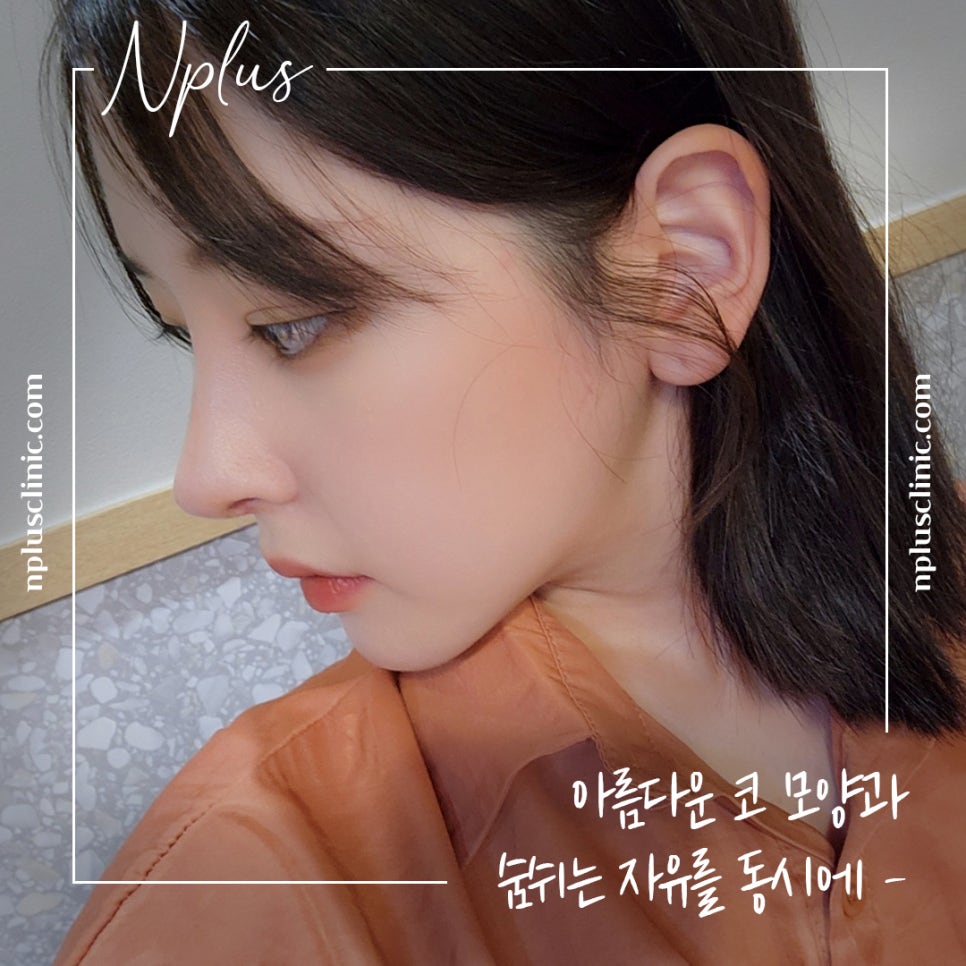
(The above image is a before-and-after photo of tip rhinoplasty actually performed at An Plus.)
I have explained the tip rhinoplasty aftercare reviews carried out at An Plus. I hope this article is of great help to those who are looking into tip rhinoplasty aftercare reviews in order to improve the overall balance of the nose because of the shape of the tip. Thank you.
https://youtu.be/KtMY9Qc6tN0