
Recently, many people have been trying various ways to improve their own image, and for areas where change is difficult despite these efforts, they hope to improve them through plastic surgery. Since indiscriminate plastic surgery can cause side effects, it is even more important to look into it carefully. Among the various types of plastic surgery, improving only the truly necessary areas can be more helpful. That is why people look into a wide range of procedures, and especially when it comes to the nose, which is positioned prominently in the center of the face and is one of the most three-dimensional features, people first want to improve it when its shape is not straight or well-balanced.

So when looking into rhinoplasty, the nose can first serve as an aesthetic 기준, and if the nose is too low, has a hump, is upturned, bent, drooping, or has a bulbous shape, people want it improved into a straight and balanced shape.

Even if you first looked into rhinoplasty with an emphasis on the external appearance of the nose, our nose is a functional organ responsible for breathing and smelling, so when performing nose surgery, the surgery must also take the nose’s functional aspects into account. This can help prevent the need for revision surgery due to functional problems after surgery. And if there is already a functional problem with the nose, both the functional and aesthetic aspects can be improved at the same time, so you can take a closer look at functional rhinoplasty reviews.
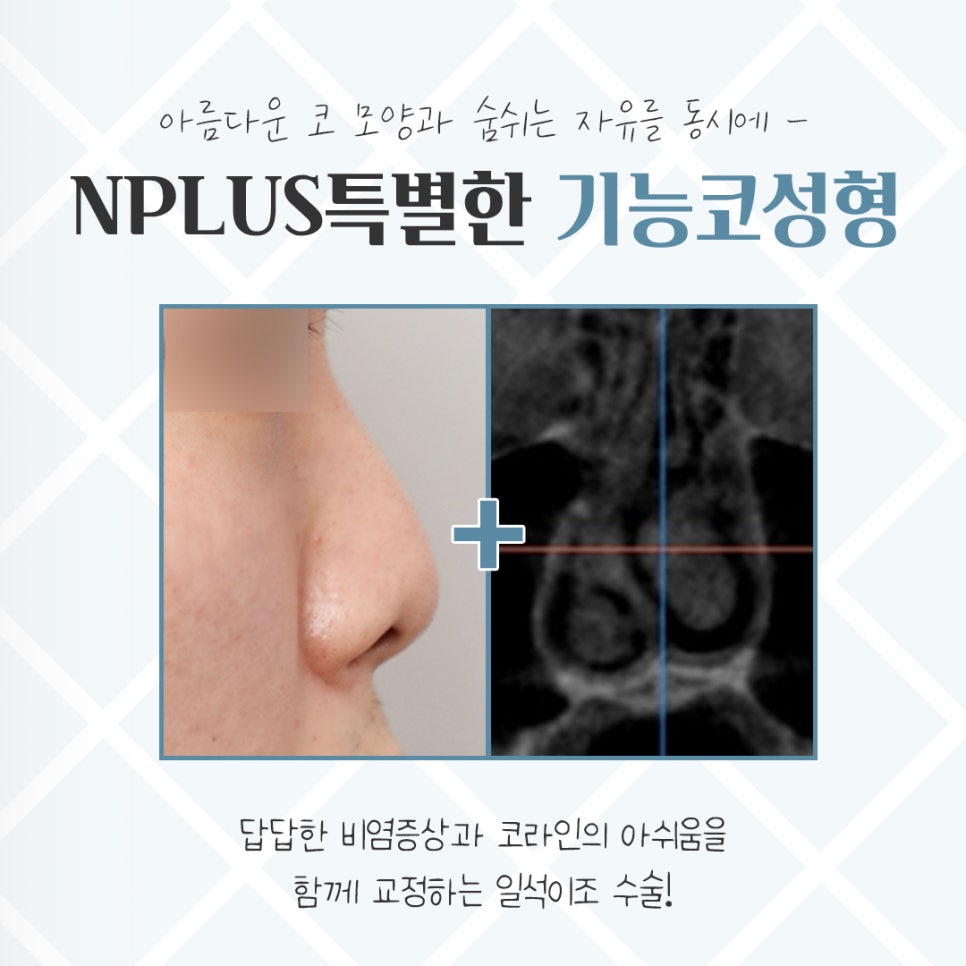
In functional rhinoplasty reviews, surgery can address both the functional aspects of the nose and the parts that are aesthetically unsatisfactory. A representative symptom of these functional issues is nasal congestion caused by rhinitis. Rhinitis is a very common condition affecting more than half of adults in Korea and is divided into allergic rhinitis and structural rhinitis. In the case of allergic rhinitis, it appears due to specific substances or environmental factors, so improving immunity and medication treatment should take priority.
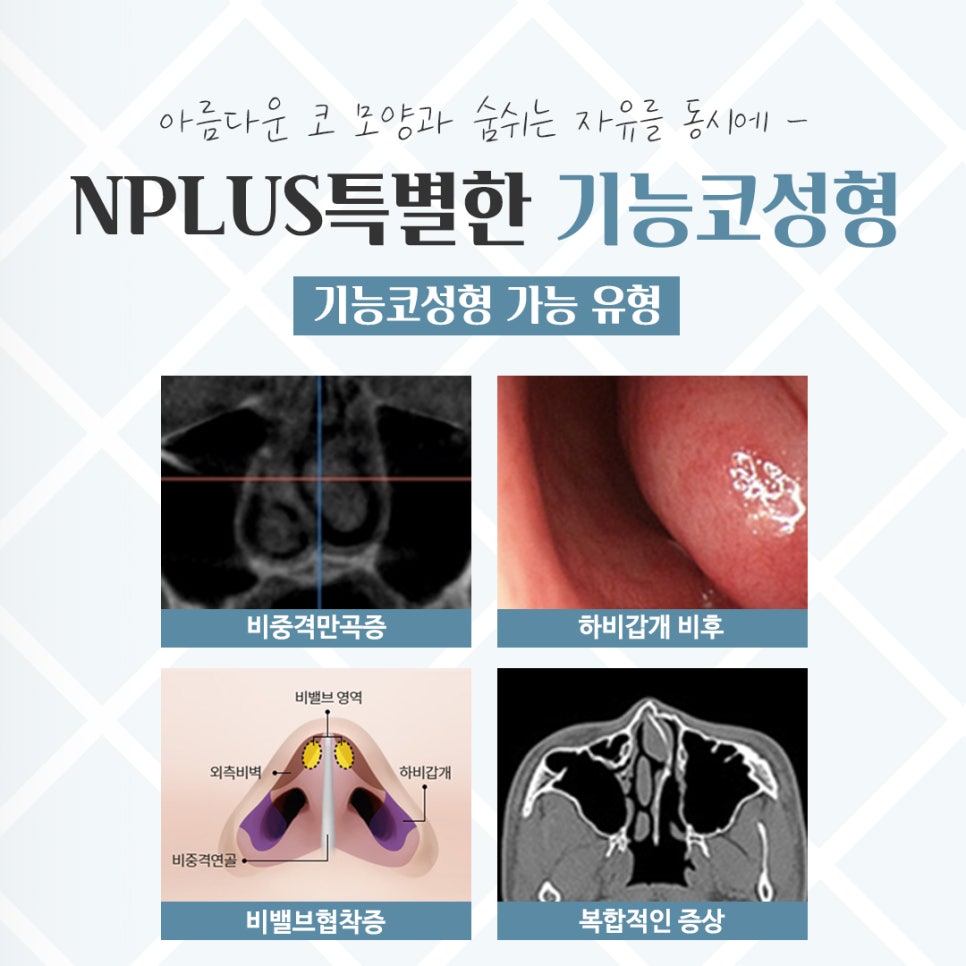
Structural rhinitis occurs due to problems in the internal structure of the nose, so it is important to identify the cause accurately and perform surgery accordingly. The causes of structural rhinitis can be categorized as a deviated septum, inferior turbinate hypertrophy, nasal valve stenosis, or a combination of these conditions. Because structural problems obstruct the airflow entering through the nose, people with these issues may find functional rhinoplasty reviews especially satisfying.

Structural rhinitis can be divided into severe and mild cases. If the symptoms are mild, surgery may not be necessary, but if it is left untreated and develops into chronic rhinitis, nasal blockage can reduce oxygen supply to the brain, leading to complications such as migraines, headaches, reduced concentration, loss of motivation, and dry mouth. For this reason, accurate diagnosis through diagnostic equipment and surgery tailored to the condition make for a safer and more satisfying functional rhinoplasty experience.

If you have nasal congestion, it is impossible to tell by visual inspection alone whether it is allergic rhinitis, structural rhinitis, or just a cold. It is important to receive a diagnosis through equipment. Since functional rhinoplasty involves two or more procedures, it is considered a highly difficult surgery. Those looking into functional rhinoplasty reviews should carefully check whether the medical team has strong anatomical knowledge of the nose, whether they have extensive experience and expertise, whether equipment is available to accurately assess the condition of your nose, and whether postoperative care is reliably guaranteed. This will help you choose the right clinic.
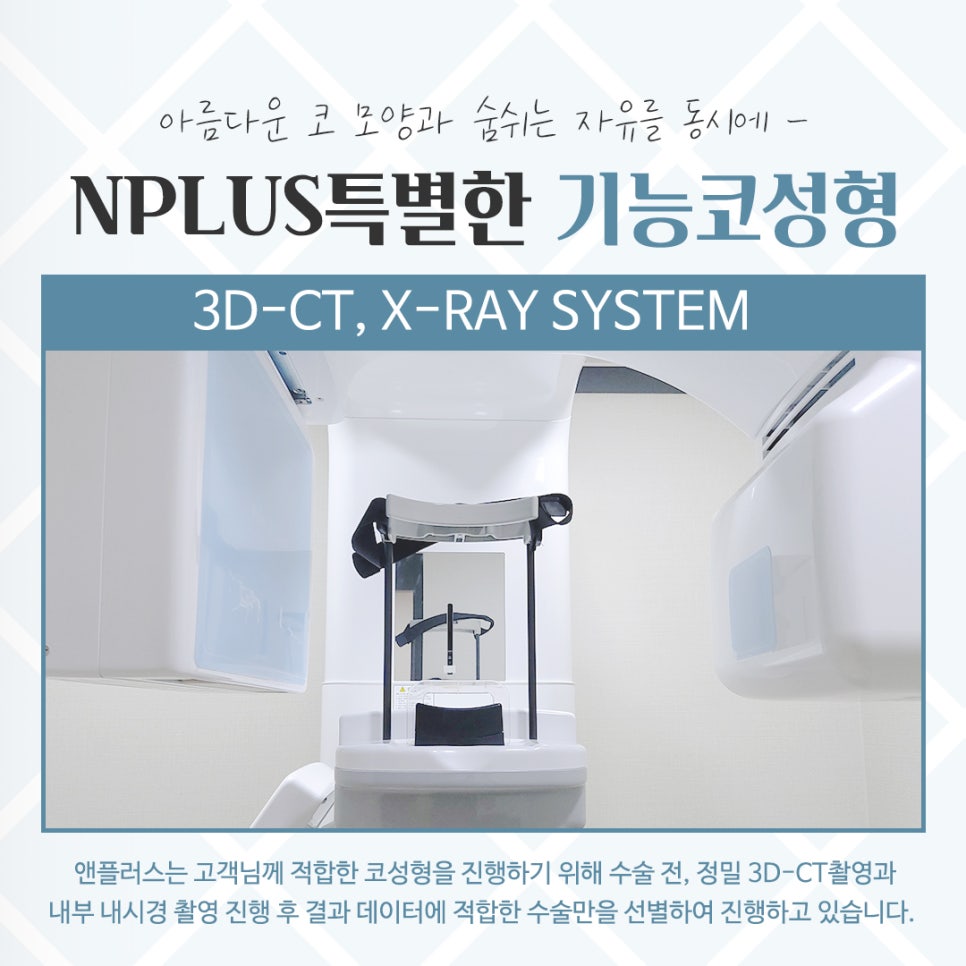
Oji Nose Plastic Surgery & N Plus conducts preoperative 3D-CT scans, internal endoscopic imaging, multi-angle photography, allergy testing, and internal nasal function tests to accurately understand the inside and outside of the patient’s nose, and then establishes and carries out a surgical plan based on the collected data.

If you look at functional rhinoplasty reviews, as explained above, various surgical methods and procedures are applied depending on the individual’s internal nasal condition. The exact causes of structural rhinitis, such as a deviated septum, inferior turbinate hypertrophy, and nasal valve stenosis, are identified, surgery is performed accordingly, and aesthetic improvement can then be carried out after the operation.

In cosmetic rhinoplasty, silicone can be used for the bridge and autologous cartilage for the tip to correct the overall nasal line,
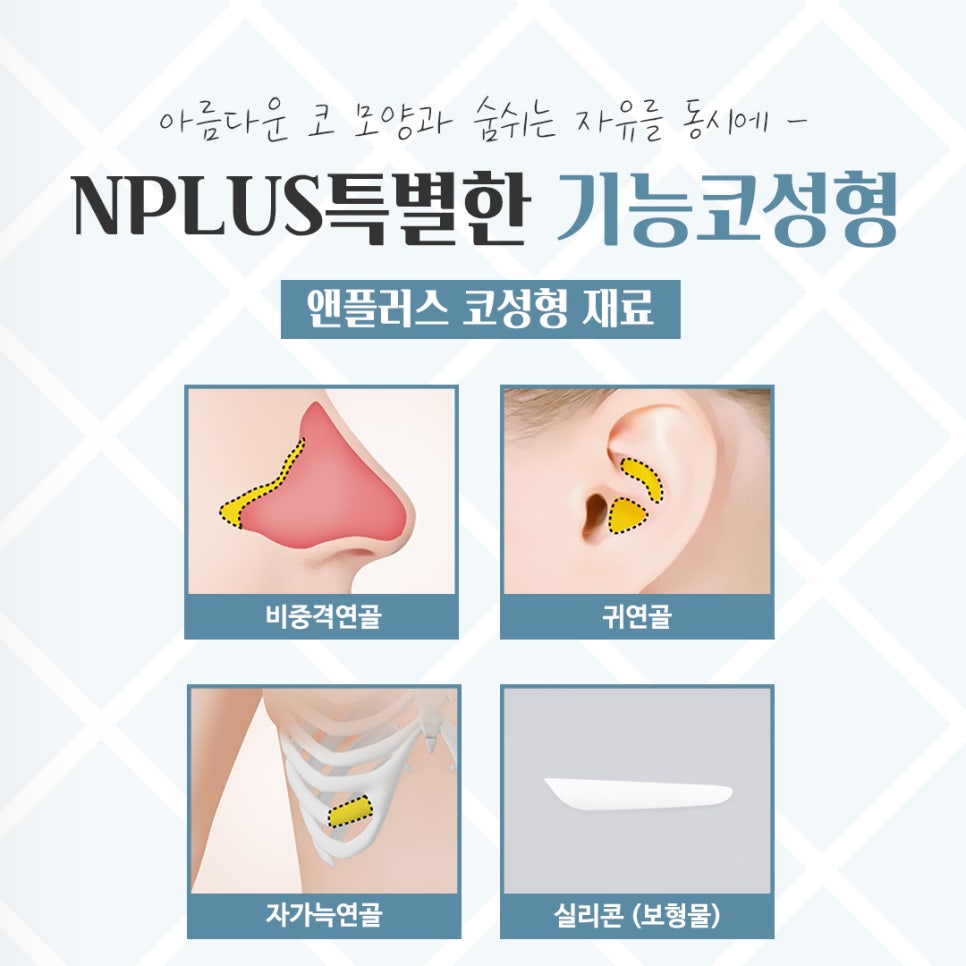
and for autologous cartilage, the material can be selected according to the individual’s current condition through preoperative screening. Autologous cartilage includes septal cartilage, ear cartilage, and rib cartilage.

At Oji Nose Plastic Surgery & N Plus, to minimize an artificial look after nose surgery, they do not use mass-produced implants as they are. Instead, they carefully shape them by hand while considering the individual’s overall image and various aspects such as the width, length, breadth, and height of the nasal bridge.

In addition, Director Yoon Hyun-cheol personally handles every step one-on-one, from rhinoplasty consultation to surgical planning, performance, treatment, and follow-up visits, so you can receive high-level medical service from before the surgery through aftercare.

For postoperative care, they operate an A/S system that guarantees one year after surgery, as well as a surgical responsibility guarantee system prepared for all possible situations such as postoperative pain, inflammation, and dissatisfaction with the result, so you can also receive clear benefits in aftercare.
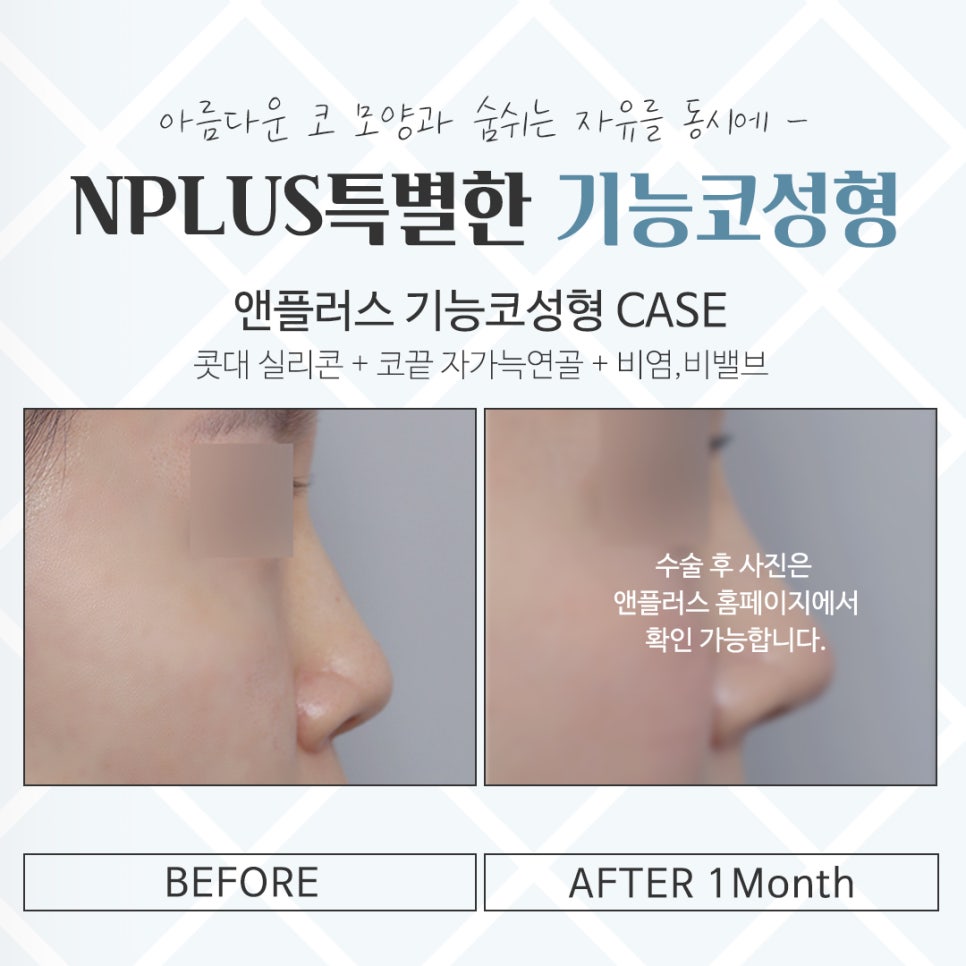
(The image above is before-and-after photos from Oji Nose Plastic Surgery & N Plus functional rhinoplasty reviews.)
I have explained the functional rhinoplasty reviews carried out at Oji Nose Plastic Surgery & N Plus. I hope this article is very helpful for those who are unhappy with the shape of their nose or are looking into functional rhinoplasty reviews because of internal nasal rhinitis. Thank you.
https://youtu.be/6cnvJrMeV_I?si=D9B6I9p0HdaZQ-Jt