
For those looking into rhinoplasty, it is usually because they are not satisfied with their current facial features and want to improve their image into something more appealing. The shapes of the noses of people considering rhinoplasty can generally be divided into cases such as a very low nose, a hooked nose, an upturned nose, a crooked nose, or a bulbous nose. In particular, when the nose has a wide and spread-out bulbous shape, the whole face can look plain or dull, so many people look more closely into bulbous nose surgery reviews in order to improve it into a sharper and more refined image.

For that reason, many people who look into rhinoplasty do so based on the appearance of the nose. The nose is located at the center of the face and is the most three-dimensional feature, so it plays an important role in appearance. It is also a functional organ responsible for breathing and smell, so it is important to consider rhinoplasty when shape-related concerns and functional problems inside the nose are causing everyday inconvenience.

Bulbous nose surgery refers to a procedure that improves a nose tip that is blunt and spread out into a sharper and more refined shape. In the past, it was named a bulbous nose because it was believed to bring good fortune, but in modern times, more and more people want improvement because the blunt and spread-out appearance can make it look dull or old-fashioned.

Accordingly, the characteristics of the noses of people looking into bulbous nose surgery reviews can be divided into cases such as a blunt or unsharply defined nose tip, wide and spread-out nostrils, thick skin tissue and fat in the nostril area, a generally flat nostril area and nose tip, or a case where they already had bulbous nose surgery but saw no improvement and want revision surgery.
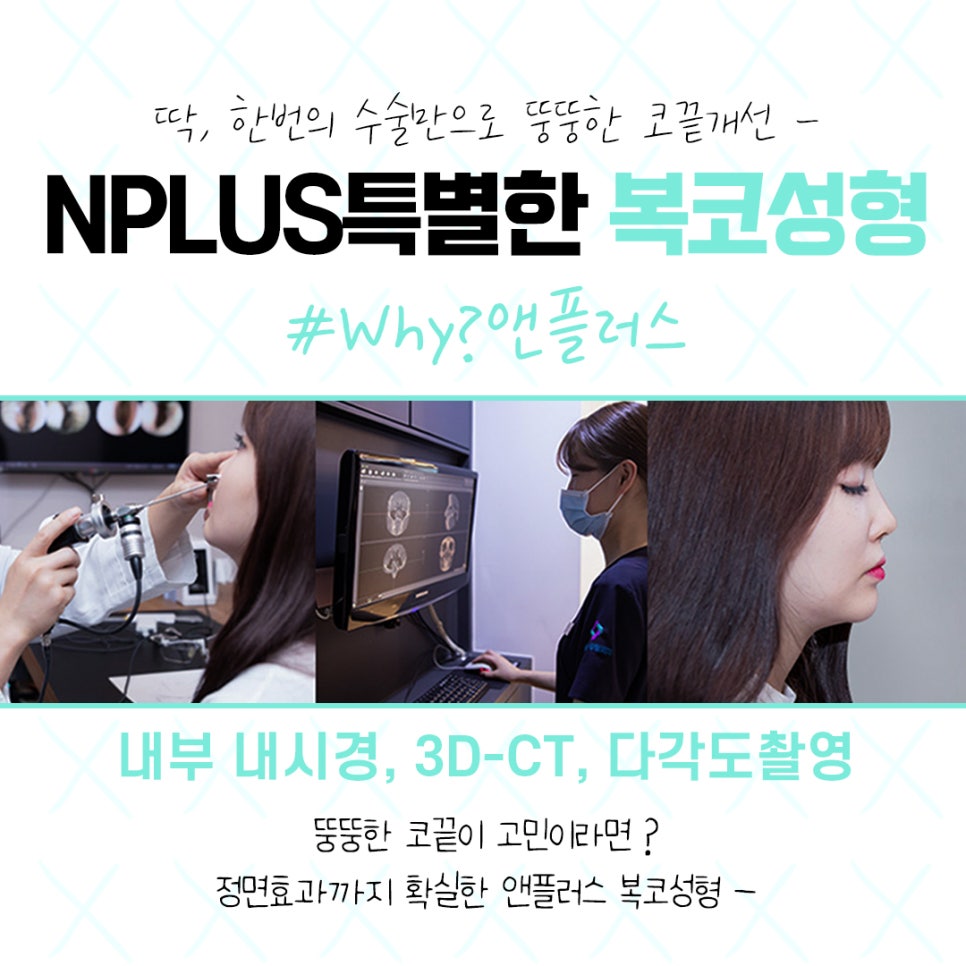
As explained above, those looking into bulbous nose surgery reviews may first focus mainly on appearance, but because the nose is also a functional area, surgery should only proceed after thoroughly checking whether there are any functional issues. This can help prevent revision surgery caused by functional abnormalities after the operation. At Anplus, preoperative 3D-CT scans, internal endoscopic imaging, various allergy tests, internal nasal function tests, and multi-angle photography are performed to accurately identify the inside and outside of the nose. Based on the extracted data, a surgical plan is established and carried out, allowing for a more reassuring procedure.

The bulbous nose surgery methods performed at Anplus are divided into four categories: cases with a large amount of subcutaneous fat at the nose tip, cases where the nose tip cartilage is spread apart, cases where the nostrils themselves are wide, and cases where the nose tip cartilage is too large. If there is a functional problem, functional improvement is addressed first, followed by aesthetic rhinoplasty.
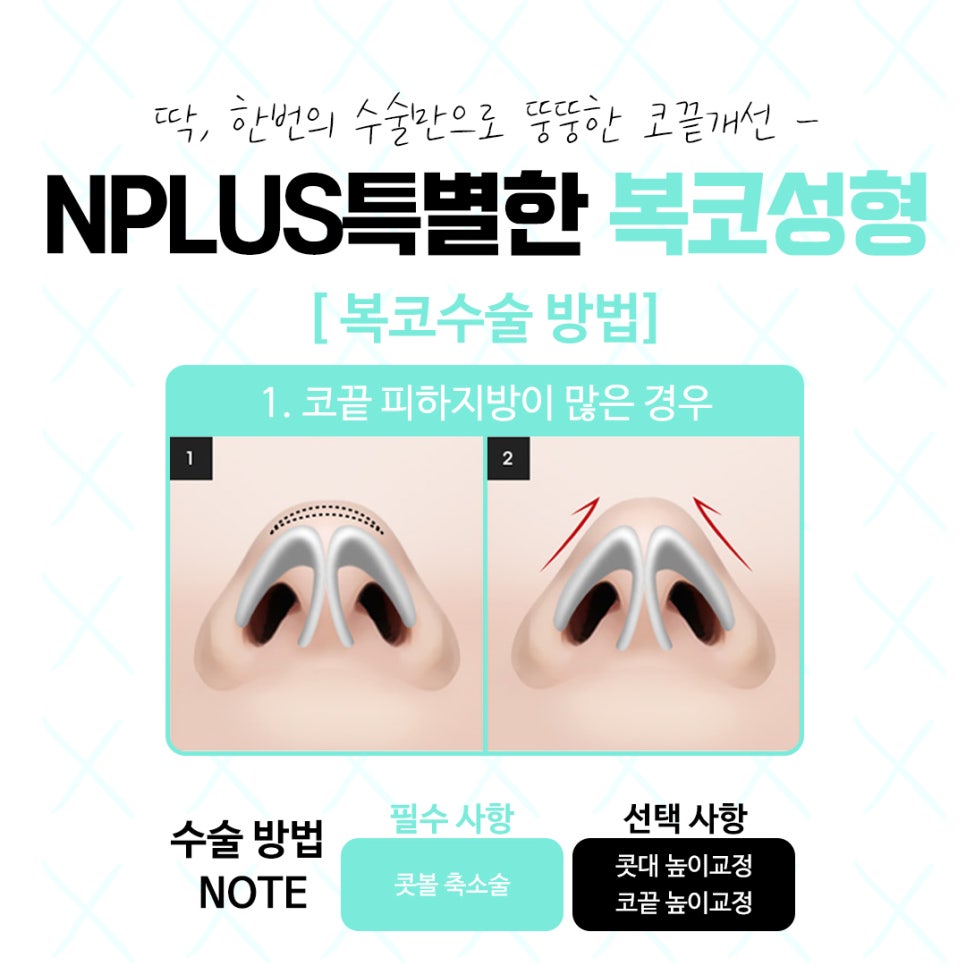
If there is a lot of subcutaneous fat at the nose tip, the unnecessary fat and soft tissue at the nose tip are removed, and if needed, silicone is used for the bridge and autologous cartilage for the nose tip to adjust the overall volume of the nose.
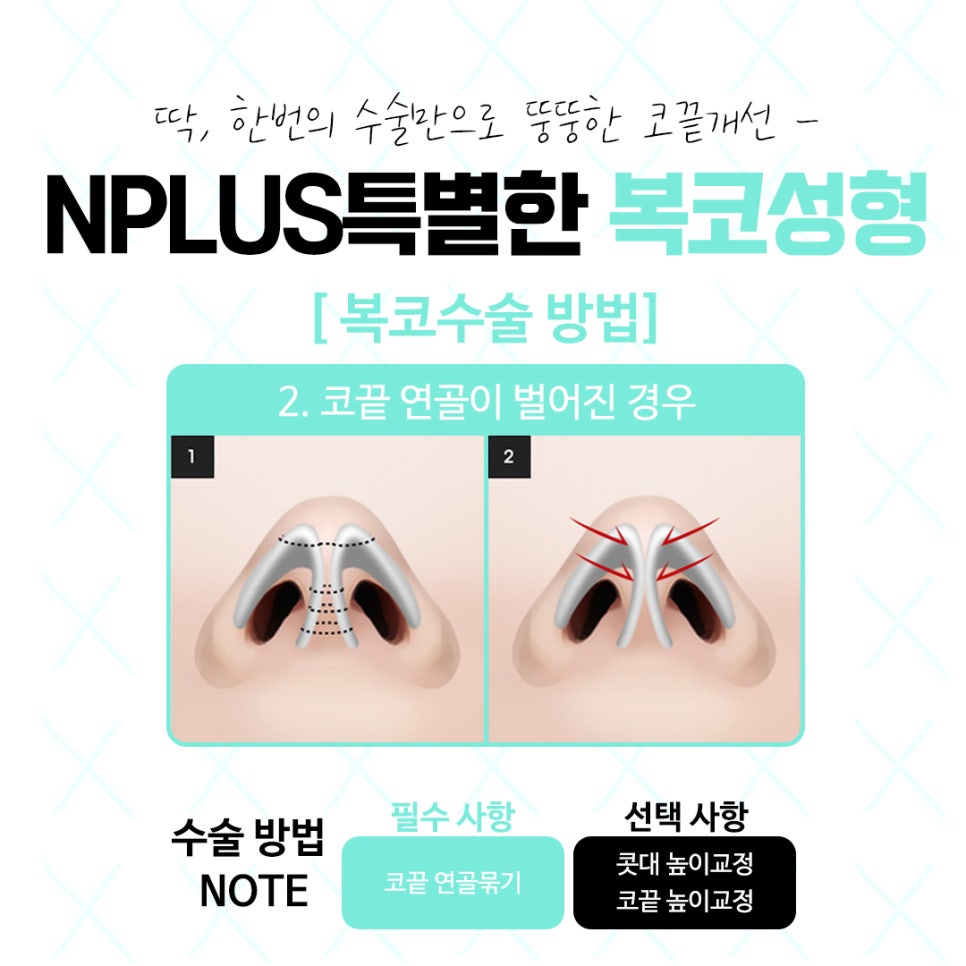
If the nose tip cartilage is spread apart, the widely separated alar cartilages at the tip are sutured together to bring them in naturally, and if needed, silicone is used for the bridge and autologous cartilage for the nose tip to adjust the overall volume of the nose.
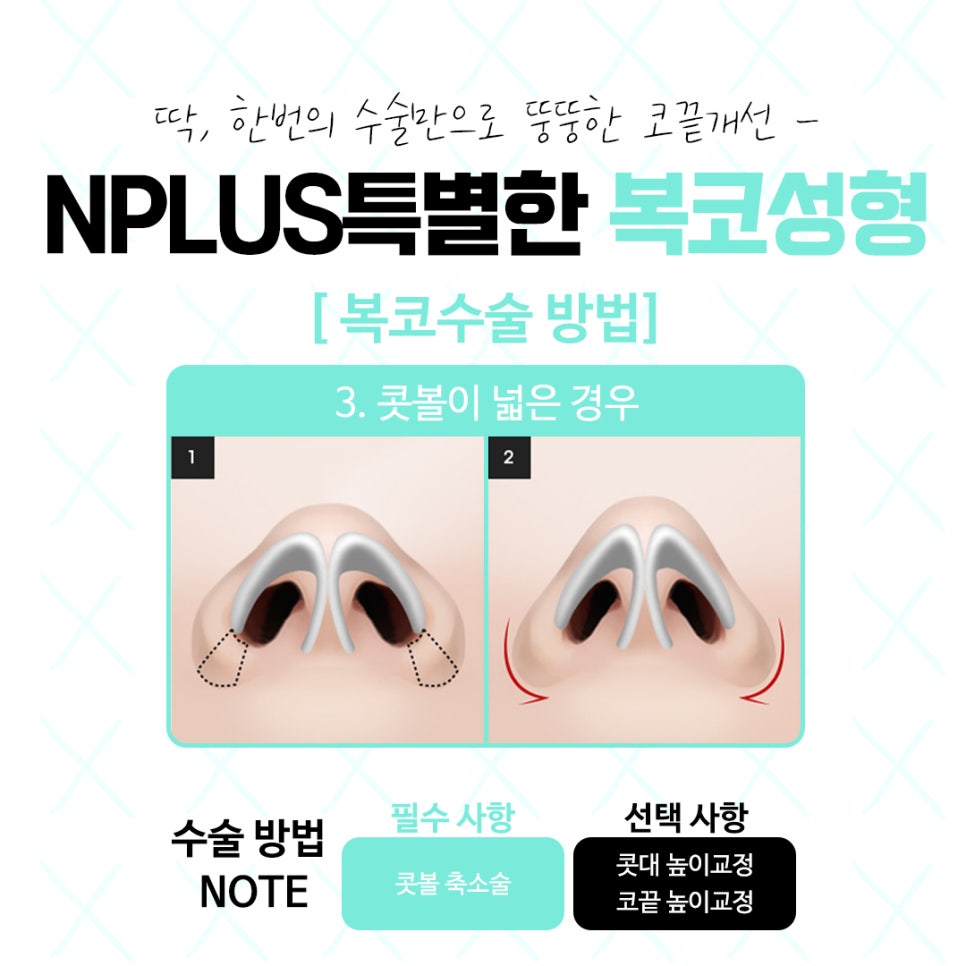
If the nostrils are wide, part of the nostril tissue is excised. If the degree of width is slight, the nostrils are corrected by tying them with special thread, and if needed, silicone for the bridge and autologous cartilage for the nose tip can be used to adjust the overall volume of the nose.
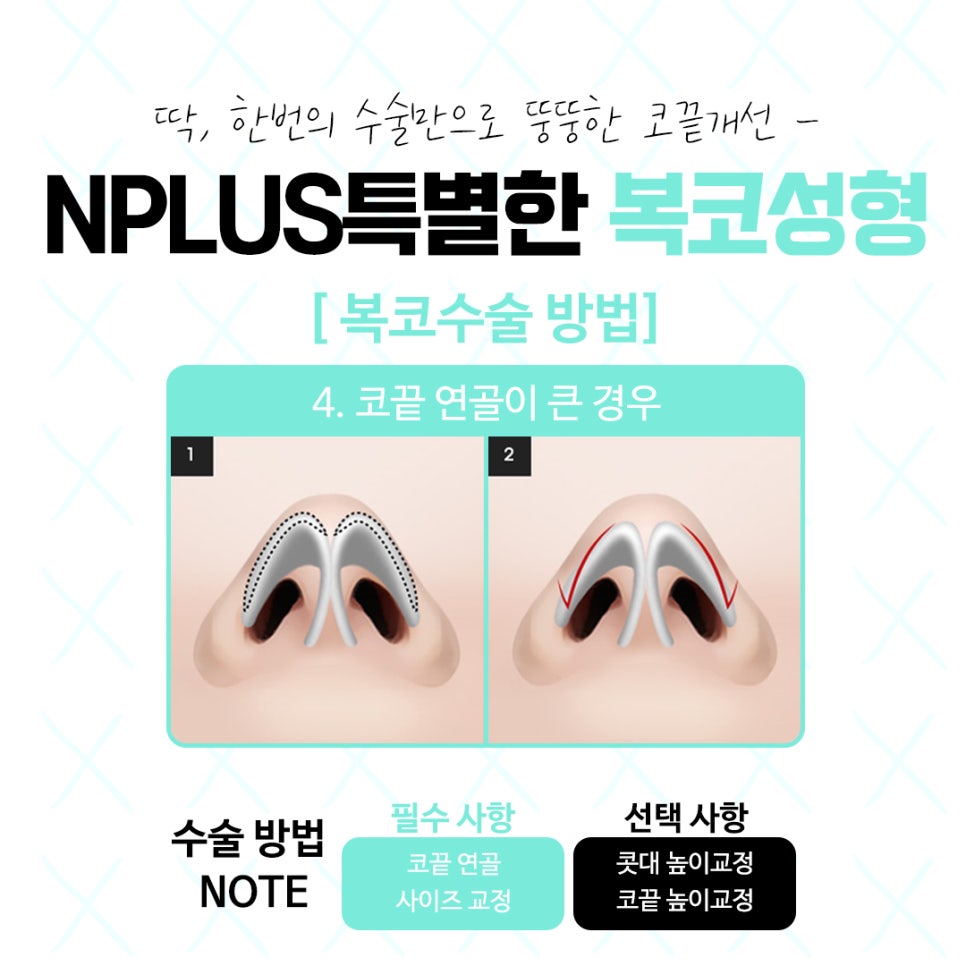
If the nose tip cartilage itself is large, part of the cartilage is cut away, and if needed, silicone for the bridge and autologous cartilage for the nose tip can be used to adjust the overall volume of the nose.

As such, for those looking into bulbous nose surgery reviews, it is not enough to judge only by the images in the reviews. Because the surgical method and materials differ depending on the individual’s condition, it is also helpful to check whether the medical team has strong anatomical knowledge of the nose, whether they have sufficient experience and expertise, whether the necessary equipment is available to accurately assess the condition of your nose, and whether aftercare can be reliably guaranteed.

At Anplus, CEO and lead doctor Yoon Hyun-cheol, who has more than 20 years of experience, personally handles everything one-on-one, from consultation related to rhinoplasty to surgical planning, procedure, treatment, and follow-up care, so you can receive high-level medical service from before surgery through after.

For aftercare, Anplus operates a one-year warranty A/S system after surgery and a surgical responsibility guarantee system prepared for any possible postoperative pain, inflammation, shape-related dissatisfaction, and other situations, so you can clearly receive aftercare benefits after surgery as well.
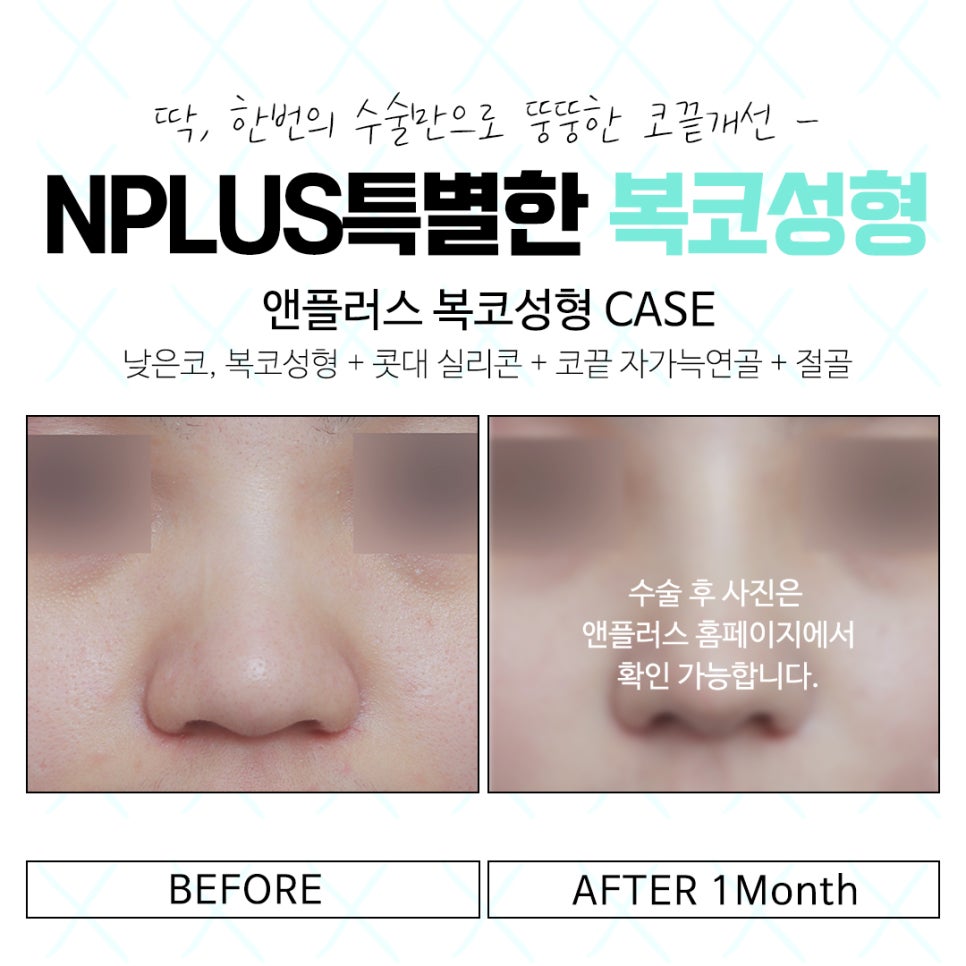
(The image above is a before-and-after photo from an actual bulbous nose surgery performed at Anplus.)
https://youtu.be/VfPvFtnQyzU?si=dg6xoZLceGDwc0yh