
Many people looking into nose surgery may seek information to improve their current personal image. In particular, the nose is one of our facial features and is located at the center of the face, making it a prominent area. When the shape of the nose is considered to go against one’s personal standards, the balance of the entire image can seem disrupted, which is why people may look into ways to improve it. For this reason, you may explore nose surgery for various reasons. Today, we would like to share information about bulbous nose surgery through nose fat removal for noses that appear broad and fatty.

Bulbous nose surgery refers to a nose shape in which the bridge is low and the tip spreads out, making the nose appear blunt. Compared with Westerners, this is a characteristic more commonly seen in East Asians. In the past, it was called a "lucky nose" because it was thought to bring good fortune, but today it can be improved through surgery to create a slimmer and more refined nose line that meets aesthetic standards.
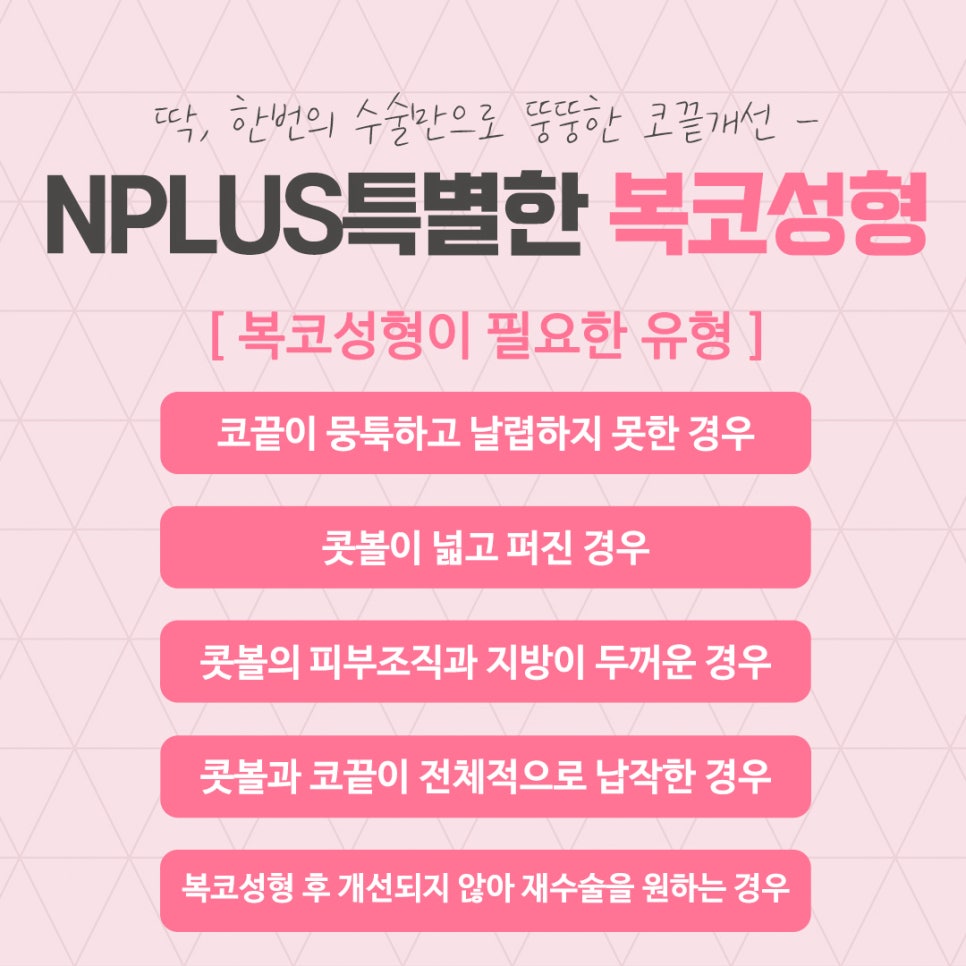
Bulbous nose surgery can be categorized by cases such as when the nasal tip is blunt or not sharp, when the alar is wide and spread out, when the skin tissue and fat of the alar are thick, when the alar and nasal tip are flat, or when previous bulbous nose surgery did not improve the condition. Depending on the various causes, improvement can be achieved through different surgical methods such as nose fat removal and nasal tip cartilage suturing.
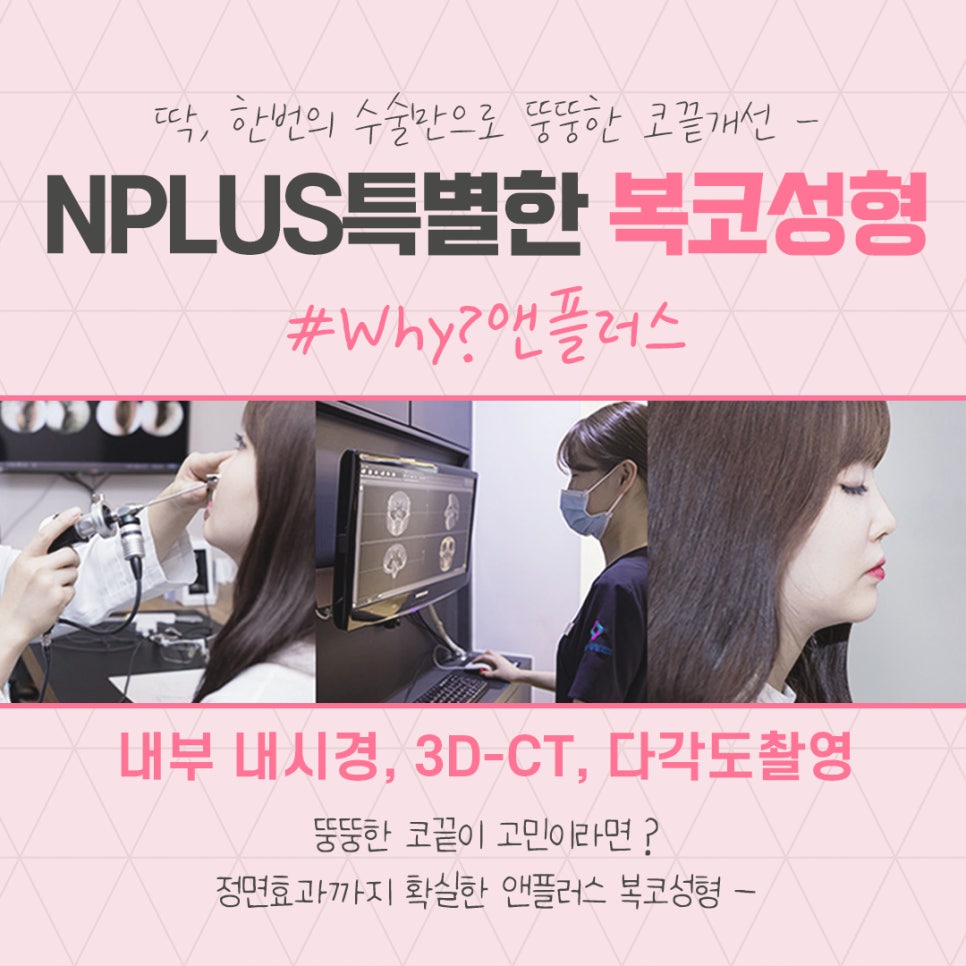
At Oji Nose Plastic Surgery and N+ Plastic Surgery, various examinations are performed before surgery, including multi-angle photography, internal endoscopic imaging, various allergy tests, 3D-CT scans, and functional tests inside the nose, to accurately identify the cause of the bulbous nose. Based on the data obtained, a surgical plan is established and carried out so that safe and satisfying surgery can be performed.
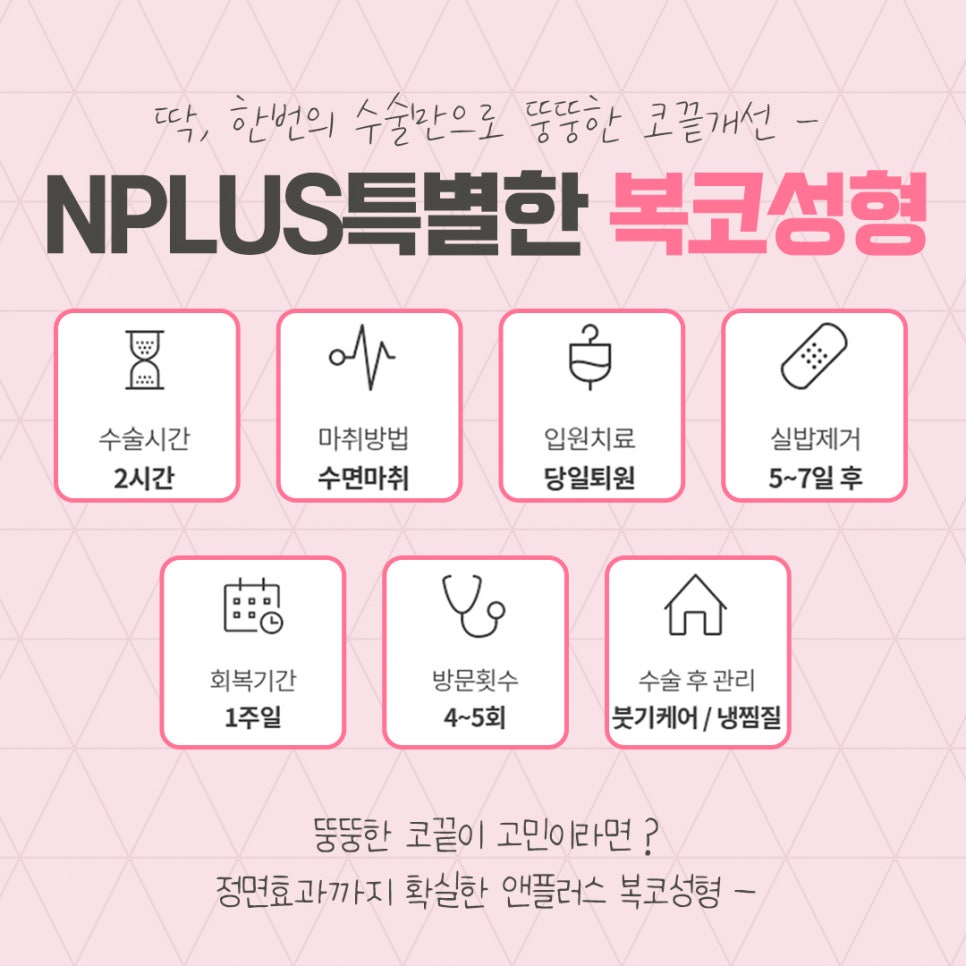
The methods used for bulbous nose surgery are determined by various causes, such as the condition of the internal nasal cartilage, the condition of the nasal bones, the condition of the skin, and functional issues inside the nose. Broadly, the procedure is performed by dividing cases such as when there is excess subcutaneous fat at the nasal tip and nose fat removal is needed, when the nasal tip cartilage is separated, when the alar is wide, and when the nasal tip cartilage is large.
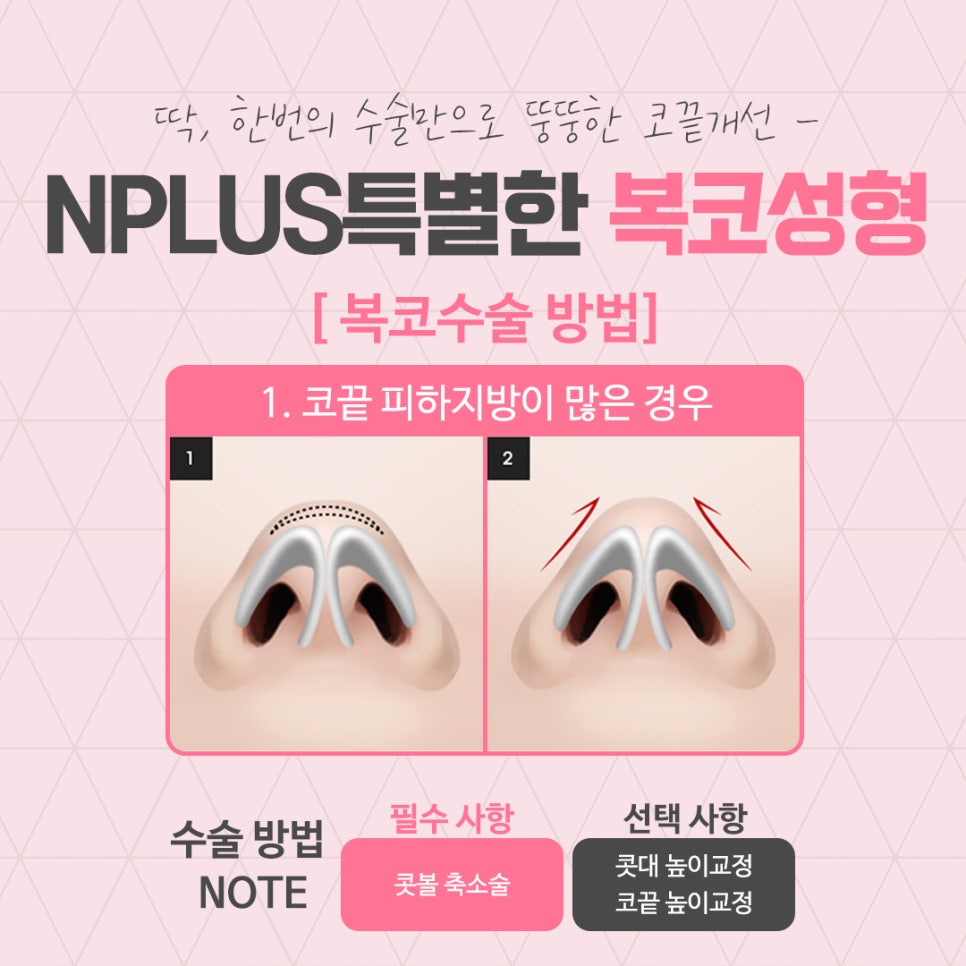
When there is a large amount of subcutaneous fat at the nasal tip, unnecessary soft tissue in the nose can be removed through nose fat removal, and the overall nose line can be further improved with silicone and autologous cartilage.
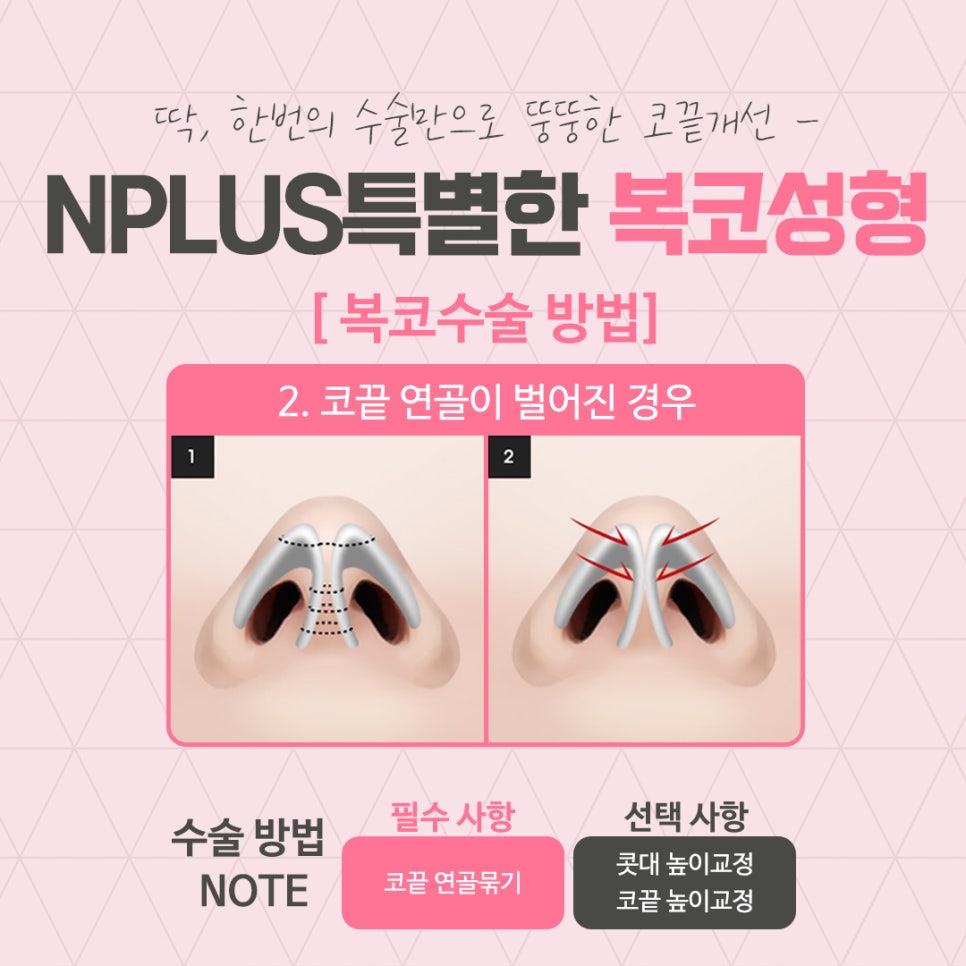
When the cartilage at the nasal tip is separated, the cartilage spread widely to both sides is naturally brought together and sutured, and in addition, the overall nose line can be corrected with bridge silicone and autologous cartilage.
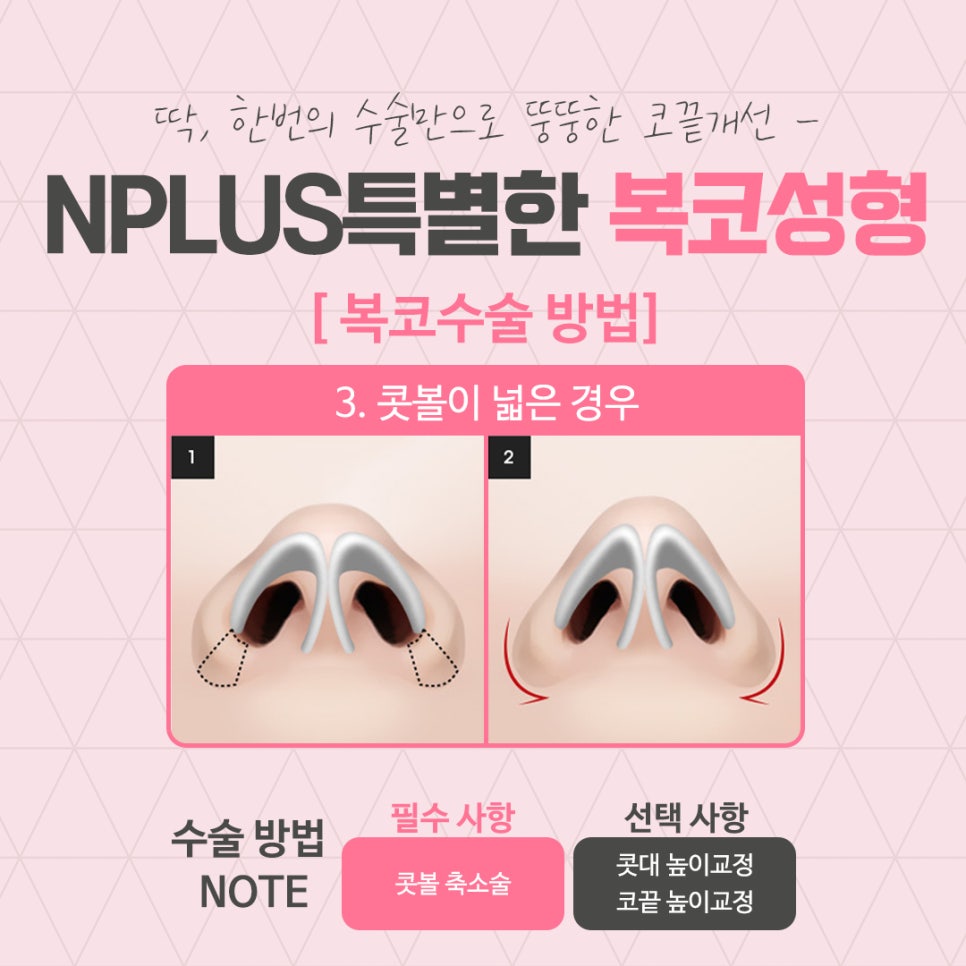
When the alar is wide, part of the alar can be excised or tied with a suture method for correction. The bridge can then be corrected with silicone and the tip with autologous cartilage to improve the overall nose line.
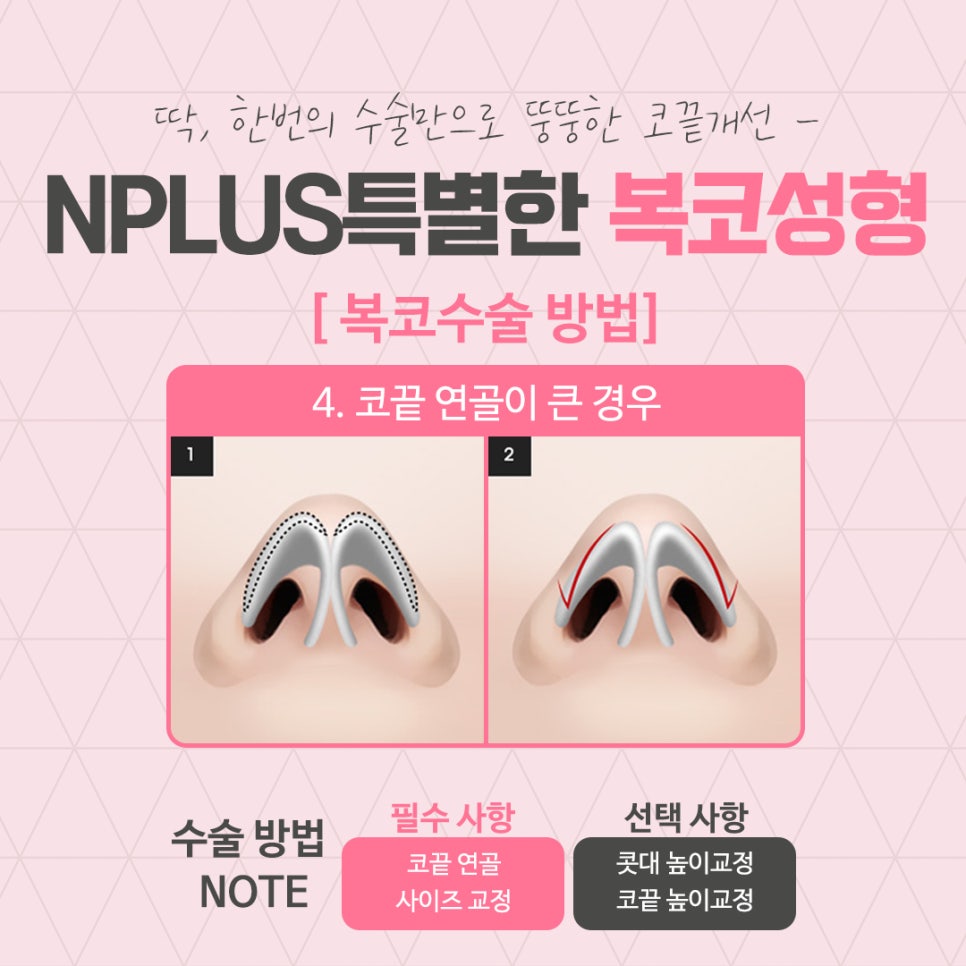
When the nasal tip cartilage is large, part of the cartilage is trimmed to correct the cartilage size and overall nose shape, and the overall nose line can be improved with bridge silicone and autologous cartilage at the tip.
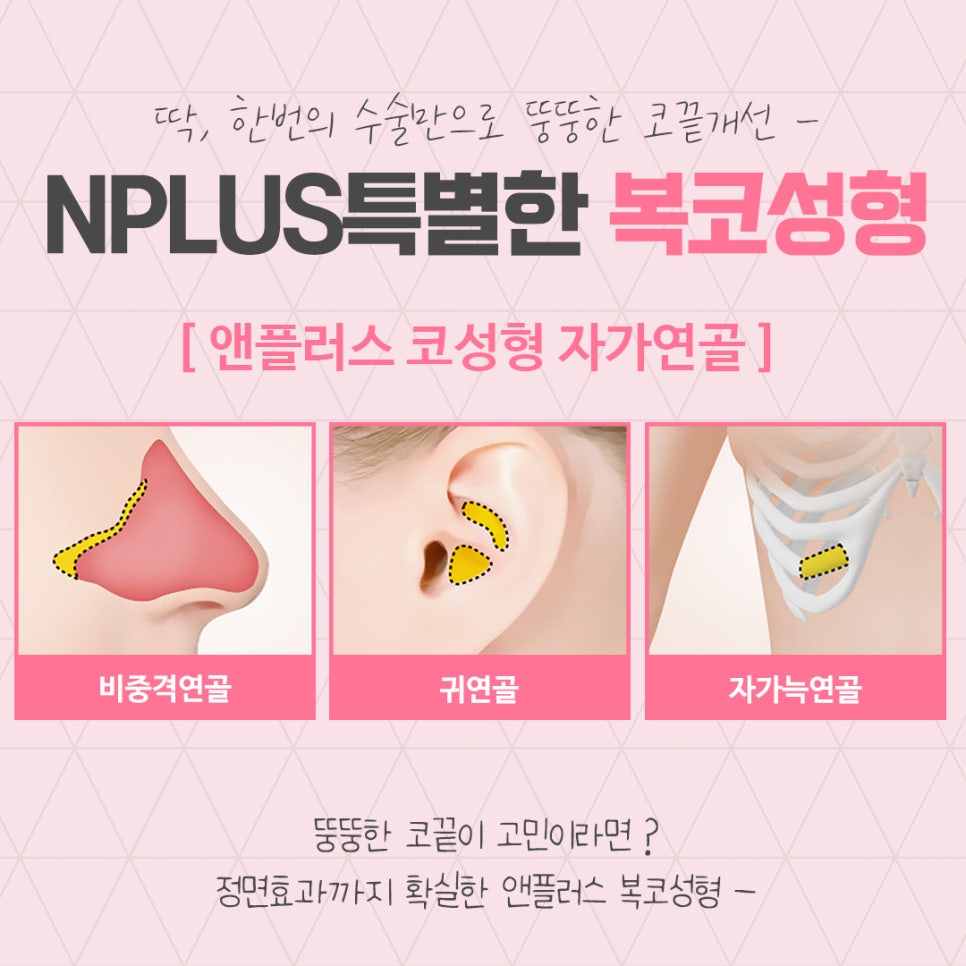
Autologous cartilage is used for the nasal tip. In such cases, the appropriate material for each individual can be selected through preoperative testing. Autologous cartilage includes ear cartilage, septal cartilage, and autologous rib cartilage.
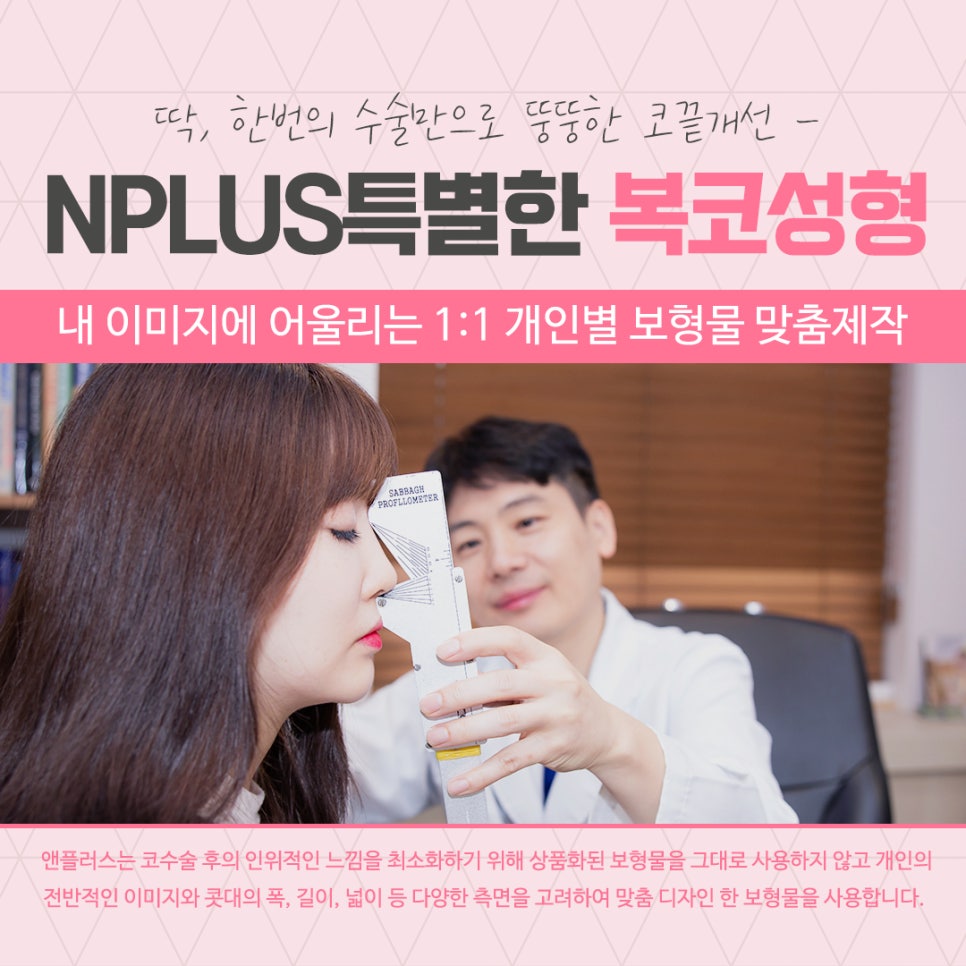
The silicone used for the bridge is not standard commercial silicone used as-is. Instead, it is carefully shaped by hand after considering various aspects such as the individual's overall image and the bridge's width, length, thickness, and height, allowing for a more satisfying nose surgery.
Since bulbous nose surgery involves complex procedures due to multiple causes, it is considered one of the more difficult cosmetic surgeries. For those considering bulbous nose surgery through nose fat removal, it is helpful to carefully check whether the medical team has strong anatomical knowledge of the nose, whether they have abundant experience and expertise, whether the necessary equipment to accurately assess the condition of your nose is in place, and whether aftercare is firmly guaranteed.
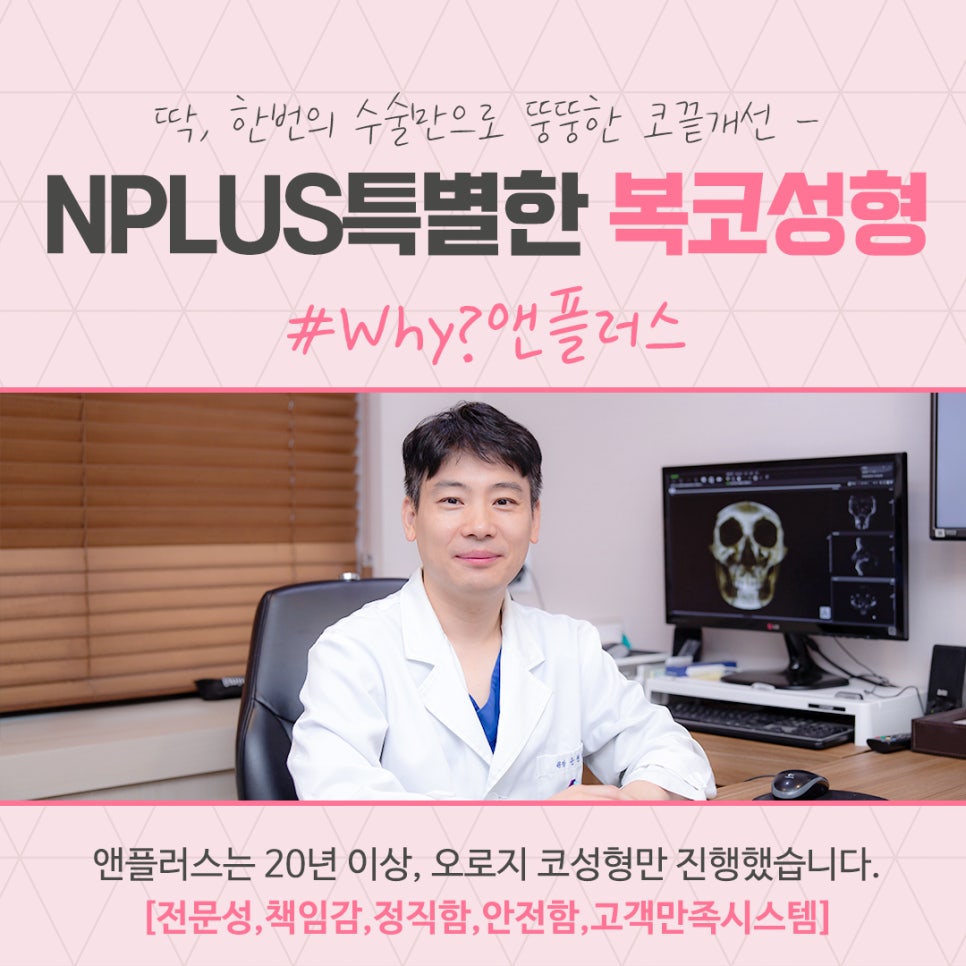
With more than 20 years of experience, Oji Nose Plastic Surgery and N+ Plastic Surgery are led one-on-one by Director Yun Hyun-cheol, who personally handles every step of the process related to nose surgery, from consultation and surgical planning to the procedure, treatment, and follow-up care, providing high-level medical services before and after surgery.

For aftercare, they operate an A/S system that guarantees support for one year after surgery, as well as a surgery responsibility guarantee system that prepares for all possible situations, including postoperative pain, inflammation, and dissatisfaction with appearance, so you can receive solid aftercare benefits after surgery.
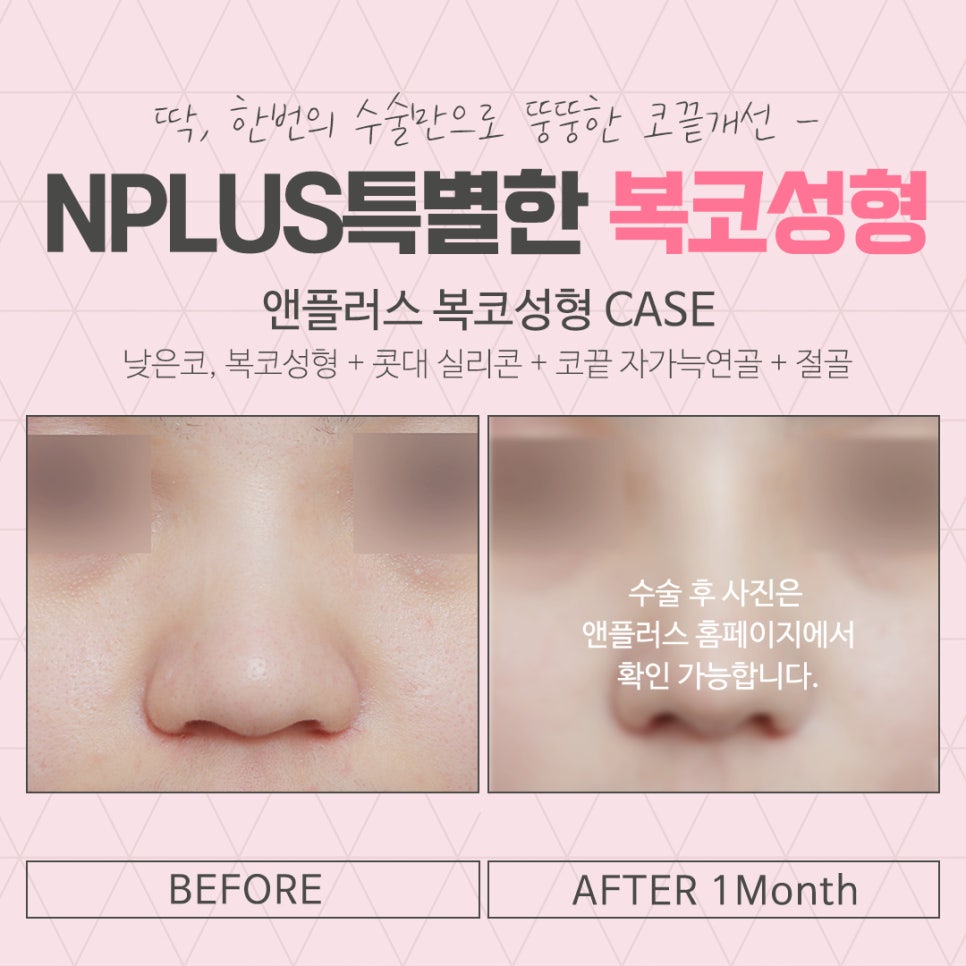
(The images above are before-and-after photos of bulbous nose surgery performed at N+.)
We have explained bulbous nose surgery through nose fat removal performed at Oji Nose Plastic Surgery and N+. I hope this article has been very helpful for those who are looking into nose surgery because they are unhappy with the shape of their nose. Thank you.
https://youtu.be/KtxU1WIxhCE