These days, trends are changing in many different ways, and this means that the types of images people prefer also change over time. Therefore, if there is something about your current appearance that you do not like, you may try to improve it through cosmetic surgery. However, indiscriminate cosmetic procedures can cause side effects, so it is important to make decisions more carefully. Among the many types of cosmetic surgery, the nose is located at the center of the face and is one of the most three-dimensional features, so its shape can greatly affect your overall image, making it one of the more popular procedures.
For this reason, those who usually have concerns about their appearance may look into rhinoplasty in more detail. If the nose is too low, has a hump, is upturned, is crooked, is drooping, or has a bulky shape, there may be strong interest in rhinoplasty because of the nose’s appearance.
Among the various nose shapes described above, if the nose is upturned enough that the nostrils are visible, the overall image may look old-fashioned or dull. For those who want to improve this into a more refined, straight line, upturned nose surgery is something worth looking into in more detail.
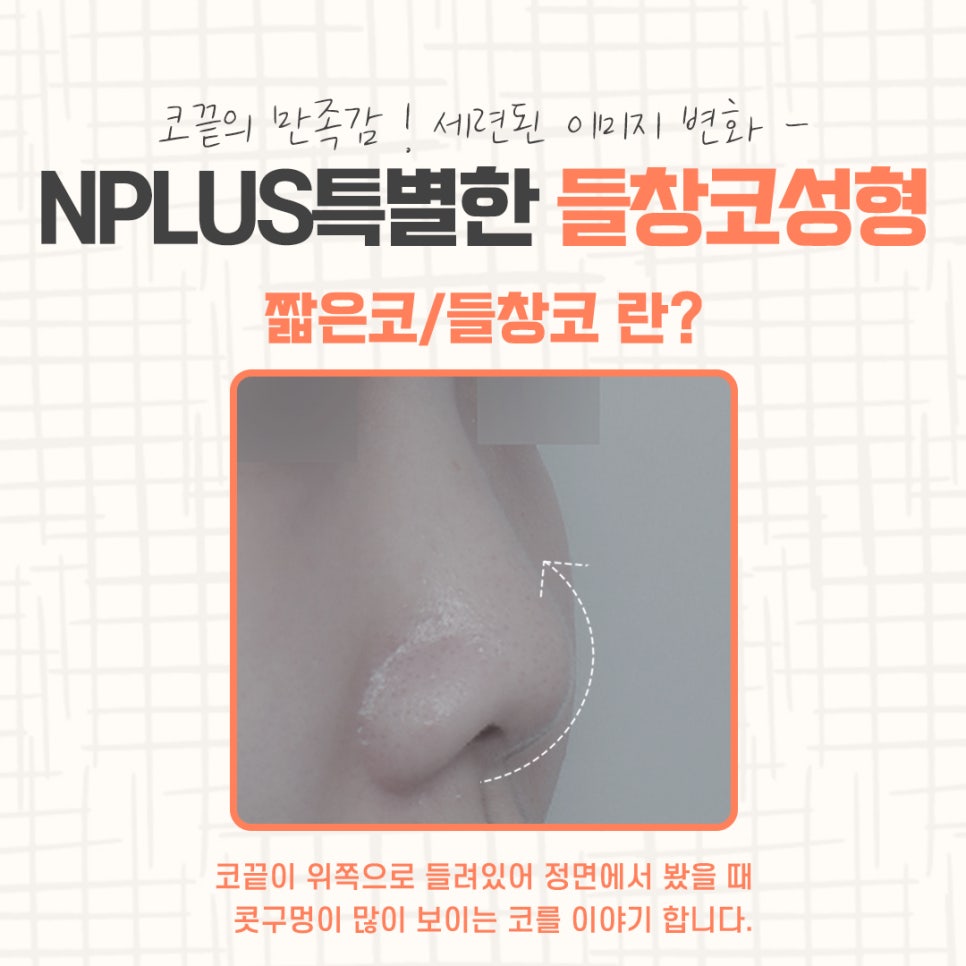
In the case of upturned nose surgery, the tip of the nose is turned upward so that the nostrils are highly visible from the front. Because the nose itself is short and turned upward, many people approach surgery as a way to address an aesthetic complex caused by the nose’s shape. However, the nose also plays an important functional role by handling breathing and smell, so it is important that surgery consider both the external and internal parts of the nose.
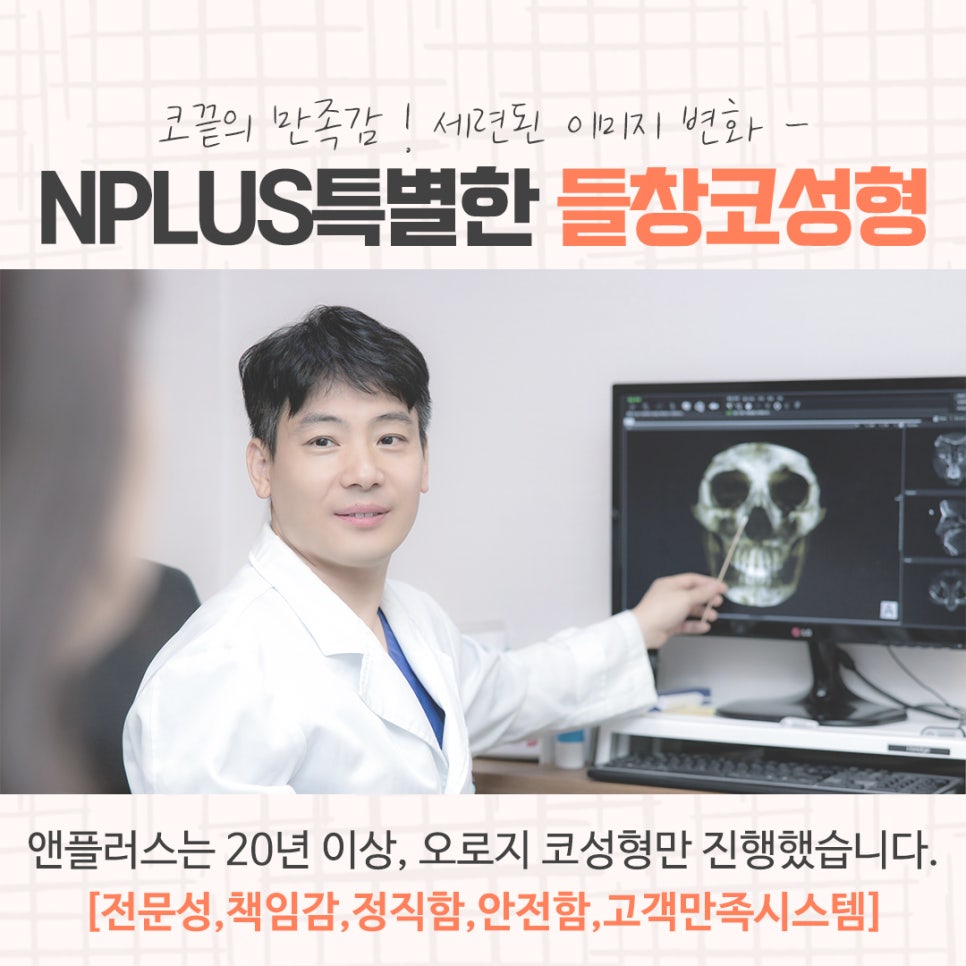
Therefore, for those looking into upturned nose surgery, it is important to choose a place that considers both the external and internal aspects at the same time. In addition, it would be helpful to carefully check whether the medical staff have a high level of anatomical knowledge of the nose, whether they have abundant experience and expertise, whether equipment is in place to accurately assess the condition of your nose, and whether aftercare can be reliably guaranteed.
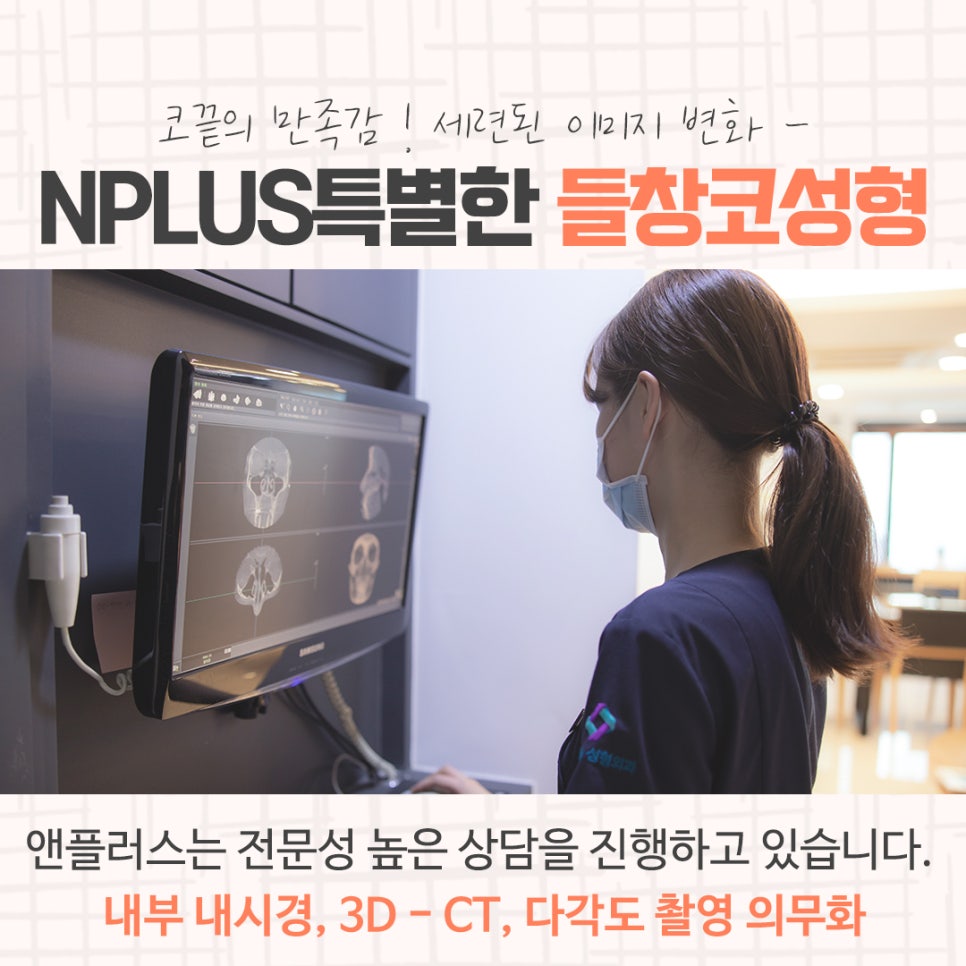
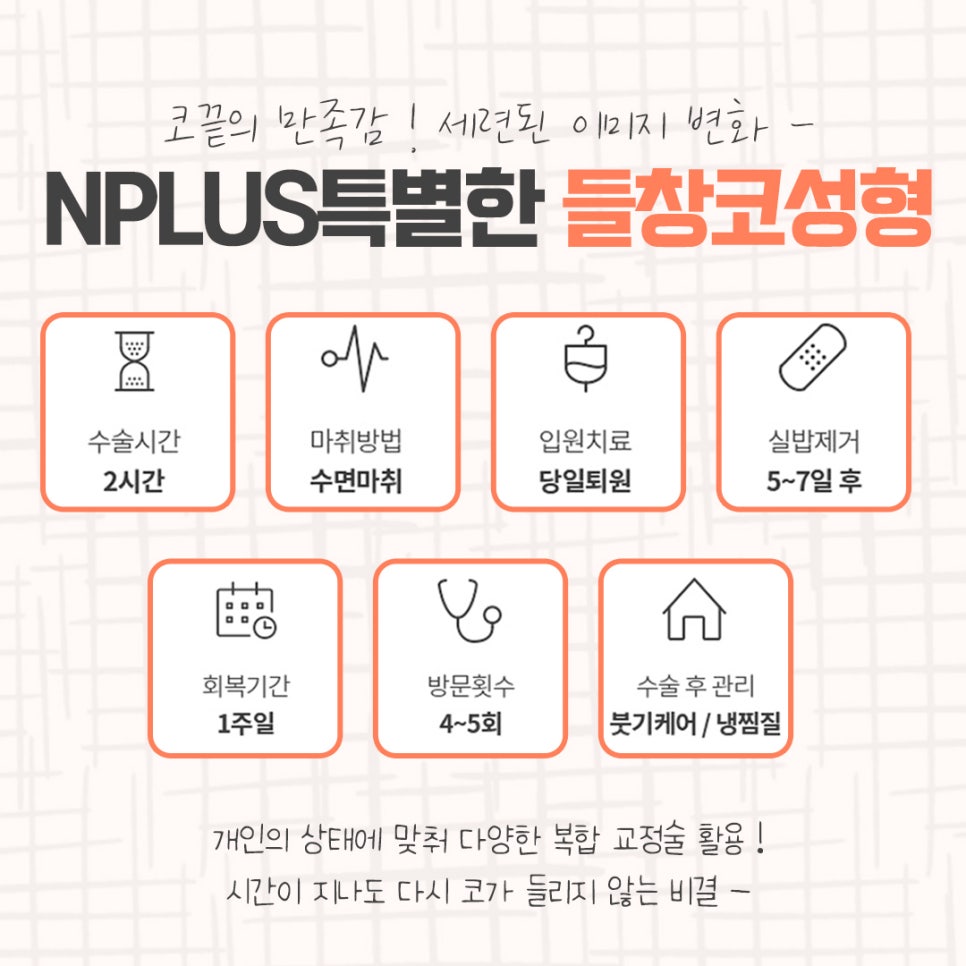
At Oji Hospital & Plus, to provide highly specialized consultations, 3D-CT imaging, internal endoscopic imaging, various allergy tests, and nasal function tests are performed before upturned nose surgery to accurately understand the current internal and external condition of the individual’s nose. Based on the extracted data, a surgical plan is established and carried out.
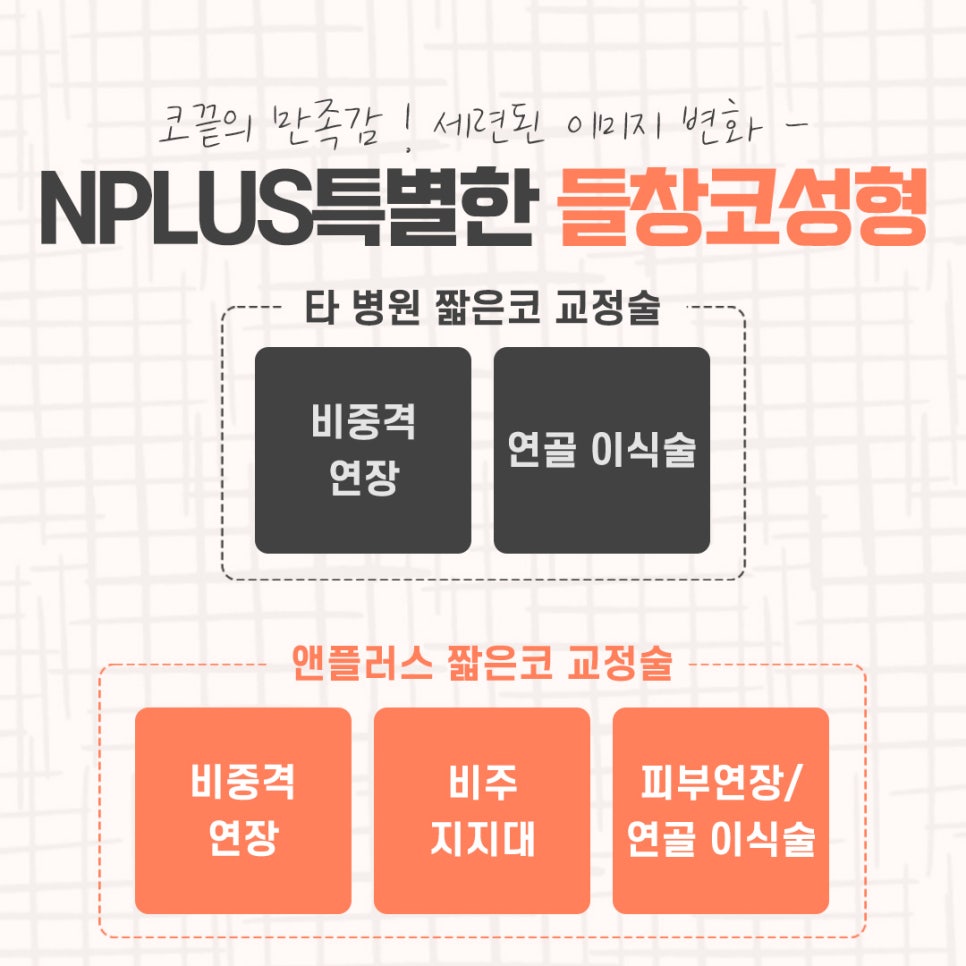
In the case of upturned nose surgery performed at Oji Hospital & Plus, to prevent the nose from turning up again over time, multiple surgical methods are applied according to the individual’s current skin, cartilage, and nasal bone condition. The combined procedures are categorized into skin extension, cartilage grafting, septal extension, and columellar support, and are applied according to the individual’s condition. The surgical methods are also divided into cases where the tip’s upturning is mild and cases where the tip’s upturning is severe.
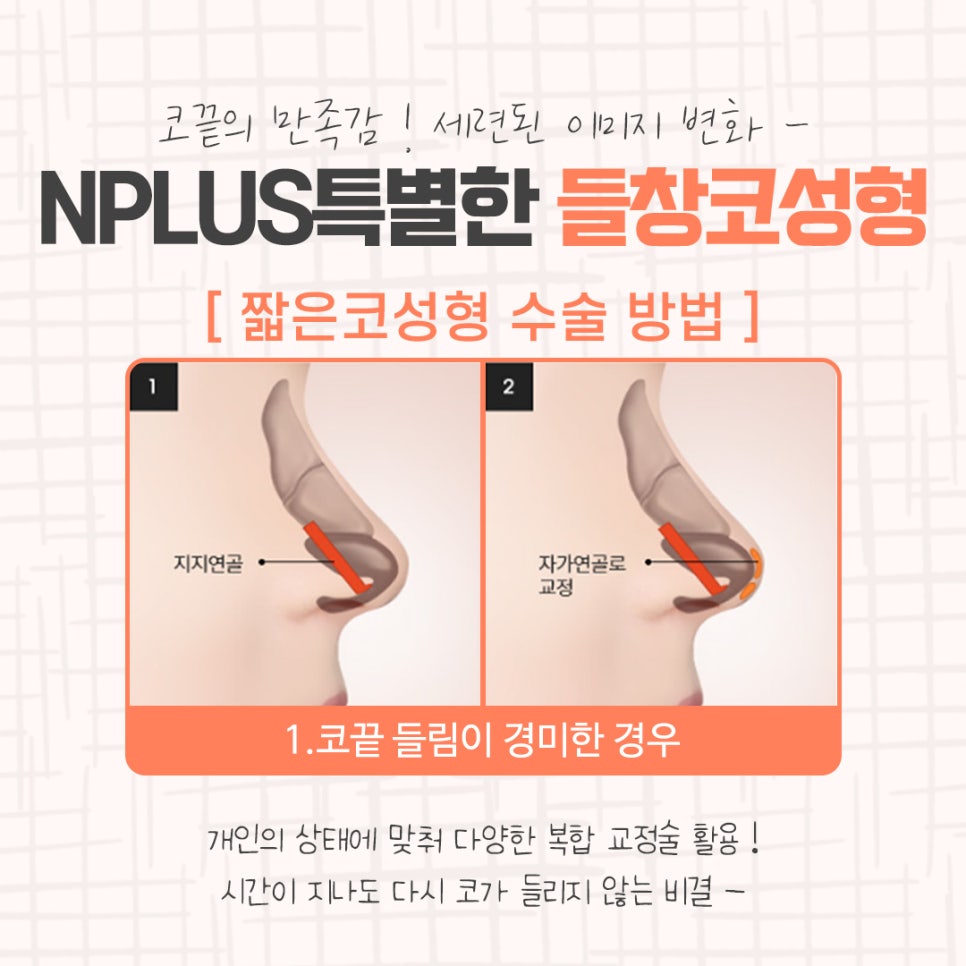
First, in cases of mild tip upturning, a strong support cartilage is grafted between the columellae to build a columellar support, and after fixing the tip cartilage so that it does not turn up again, autologous cartilage is grafted to the nasal tip to correct the overall nose line.
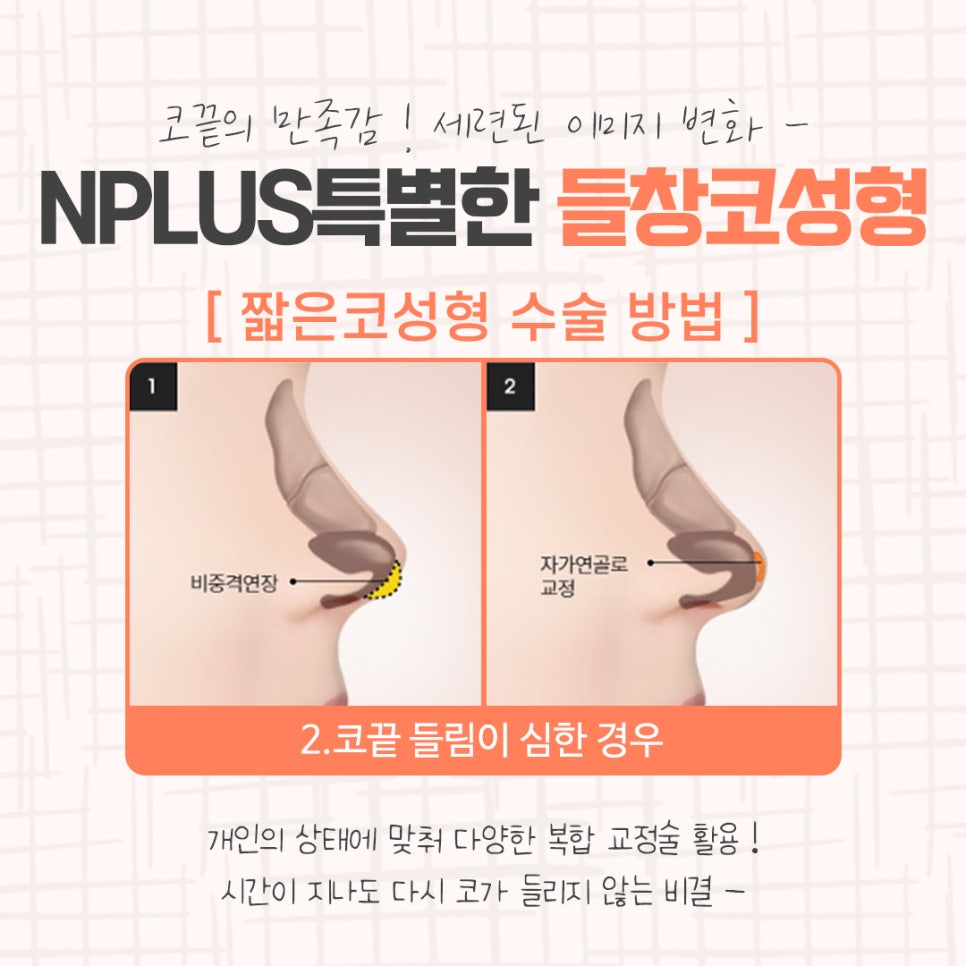
In cases of severe tip upturning, strong autologous cartilage is used to sufficiently lengthen the nasal tip, and autologous cartilage is grafted to correct the overall nose line.
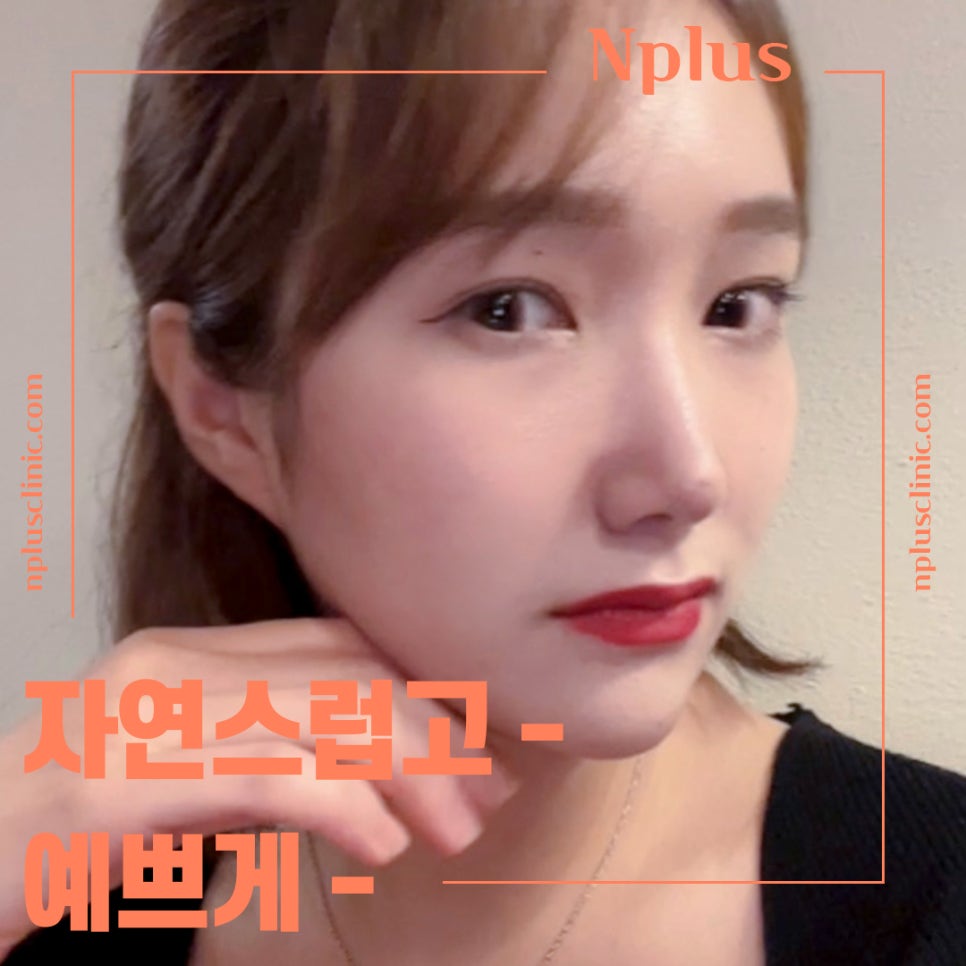
In this way, because upturned nose surgery combines an operation to lower the nasal tip and an operation to correct the height of the tip, it can help prevent the nose from turning up again in advance.
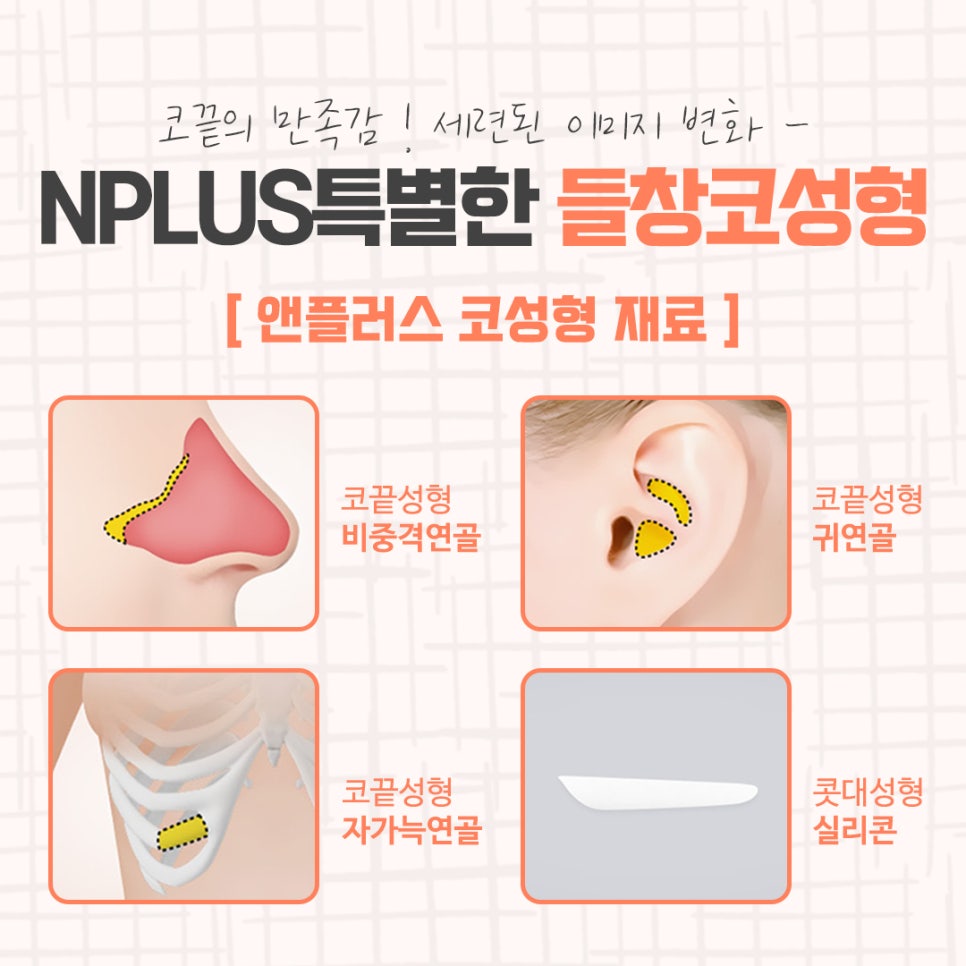
In upturned nose surgery, autologous cartilage is used, and silicone may additionally be used for the bridge of the nose. For autologous cartilage, the type can be selected according to the individual’s current condition after preoperative testing. Autologous cartilage includes septal cartilage, ear cartilage, and autologous rib cartilage.
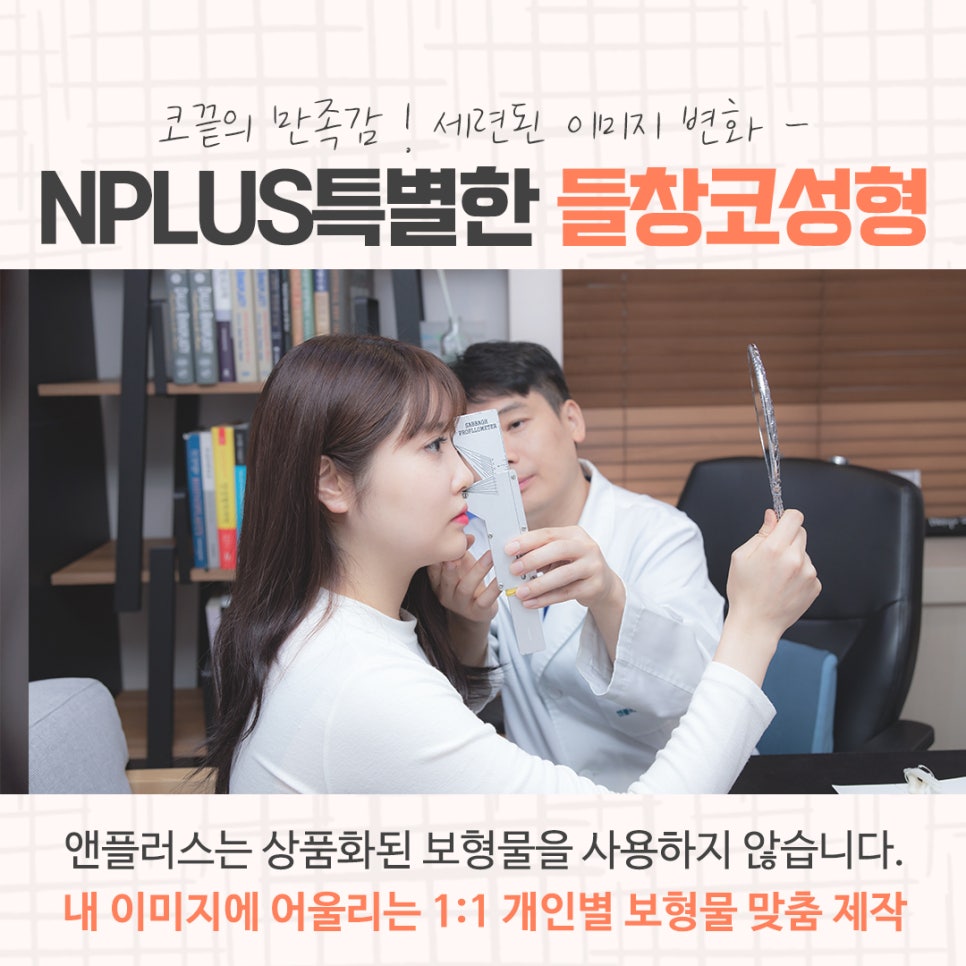
For the nasal bridge, a silicone implant is used. Rather than using a premanufactured silicone product as is, it can be carefully shaped by hand after considering various aspects such as the individual’s overall image, as well as the width, length, breadth, and height of the nasal bridge, which may lead to greater satisfaction after surgery.
In addition, at N Plus, Director Yoon Hyun-cheol, who has over 20 years of experience, handles upturned nose surgery consultations, surgical planning, procedure, treatment, and follow-up visits one-on-one, directly managing every step so that high-level medical service can be provided from before surgery through aftercare.

Aftercare is also covered by a one-year after-sales service guarantee after surgery, as well as a surgical responsibility guarantee system prepared for all possible situations such as postoperative pain, inflammation, or dissatisfaction with the result, so you can receive reliable post-surgery aftercare benefits as well.
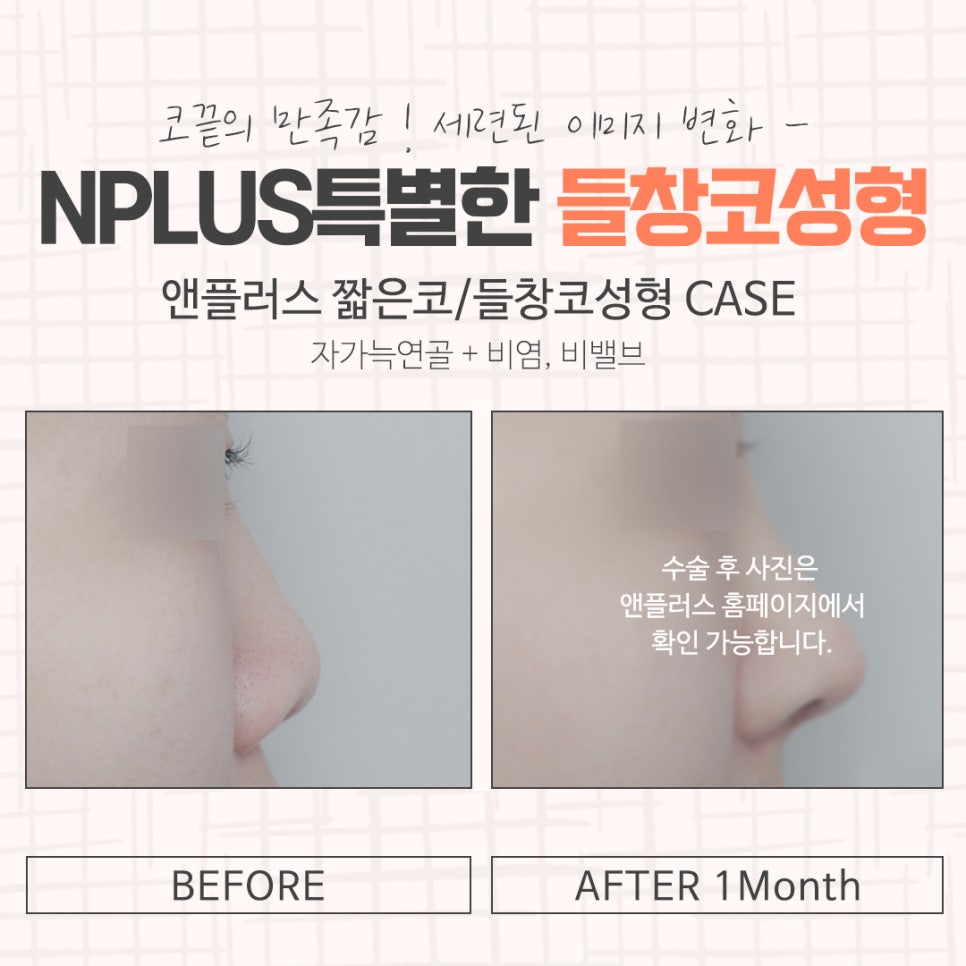
(The image above shows before-and-after photos of upturned nose surgery at N Plus.)
I have explained the upturned nose surgery performed at Oji Hospital & Plus. I hope this article is very helpful for those whose nasal tips are upturned and whose nostrils are visible from the front, and who would like to improve this. Thank you.
https://youtu.be/EICkHdjKX3I