
While preserving your own individuality and improving areas that feel lacking through various methods, you can try different approaches such as dieting, skin care, and changes in hairstyle. Even with these efforts, if change is difficult, you may consider cosmetic surgery. Because indiscriminate plastic surgery can cause side effects, greater caution is necessary. Among various types of cosmetic surgery, the shape of the nose is located at the center of our face and is the most three-dimensional feature, so if the nose is judged to be out of balance, the overall harmony of the face may appear disrupted. For this reason, those with this concern may look for information about autologous cartilage rhinoplasty.

For those looking into autologous cartilage rhinoplasty, the shape of the nose may be categorized as a nose that is too low, has a hump, is bent, upturned, drooping, or has a bulbous shape. Functionally, it may also be considered when nasal congestion due to rhinitis is present.

As such, people looking into autologous cartilage rhinoplasty usually do so based on external appearance. However, our nose plays an important external role while also serving as an internal functional organ responsible for breathing and smell. If rhinoplasty is performed, these internal functional aspects of the nose must be carefully checked before surgery to help prevent the need for revision surgery caused by postoperative functional problems.
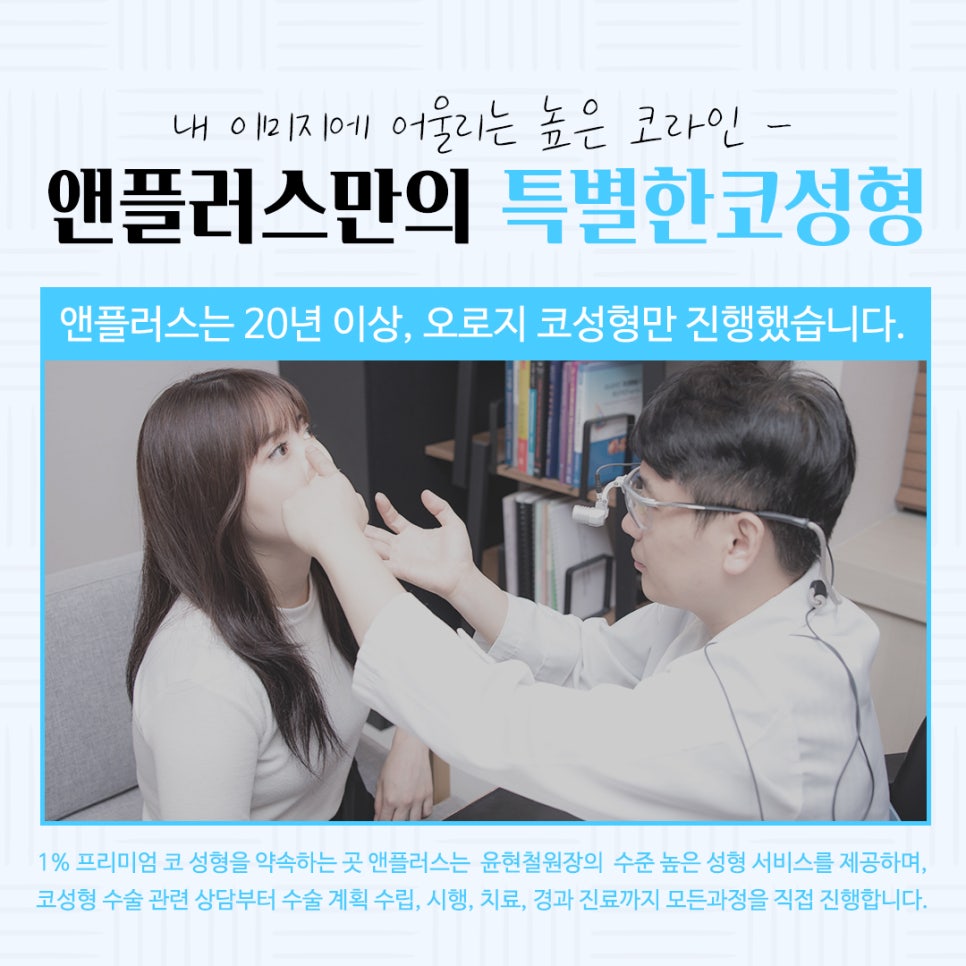
Therefore, those considering autologous cartilage rhinoplasty should not judge based only on before-and-after images. It is also helpful to carefully check whether the medical team has strong anatomical knowledge of the nose, whether they have sufficient experience and expertise, whether equipment is available to accurately assess the condition of your nose, and whether postoperative care can be reliably guaranteed.
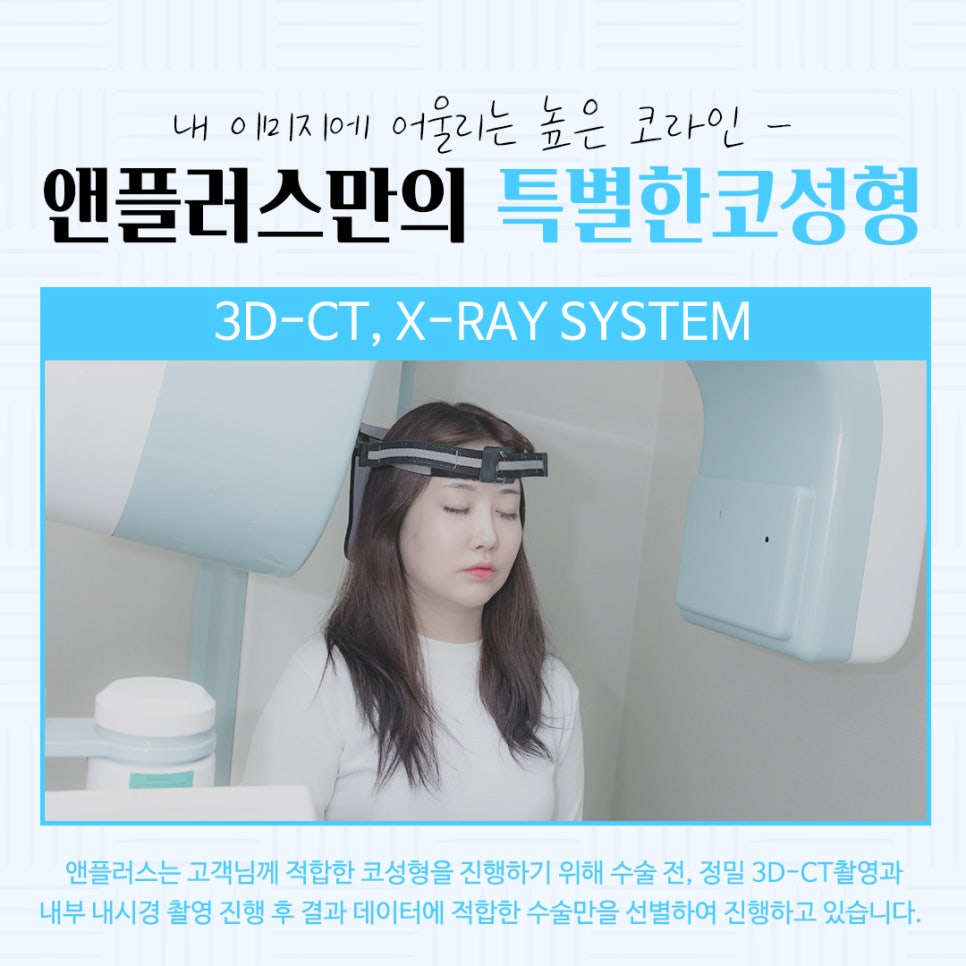
At Ojiko N Plus Clinic, to ensure safe and satisfactory autologous cartilage rhinoplasty, preoperative multi-angle photography, internal endoscopic imaging, various allergy tests, internal nasal function tests, and 3D-CT scans are performed to accurately identify the condition inside and outside the nose. Based on the collected data, a surgical plan is established and carried out.

In the case of autologous cartilage rhinoplasty, the bridge of the nose is usually corrected with an implant such as silicone, while the tip of the nose is corrected with autologous cartilage to improve the overall nasal line. Surgical methods are divided into cases where both the bridge and tip are low, only the bridge is low, or only the tip is low.
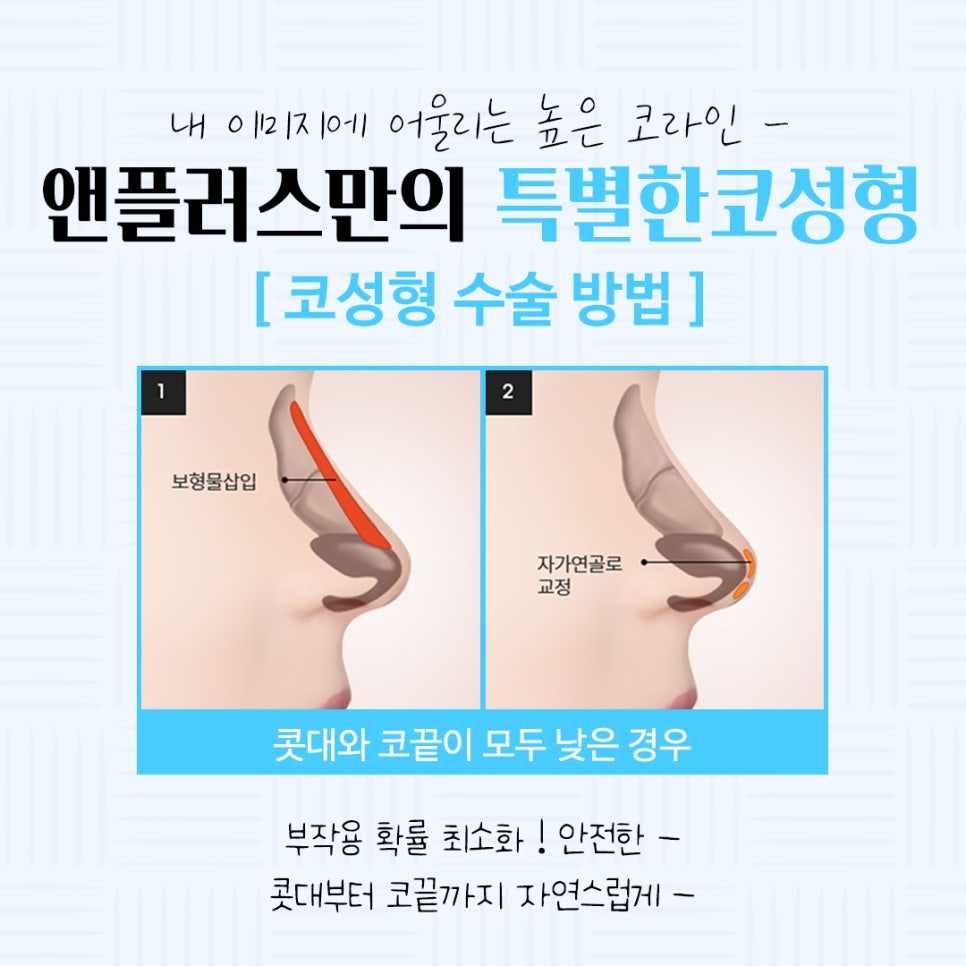
When both the bridge and tip are low, the overall line of the nose can be corrected with silicone for the bridge and autologous cartilage for the tip.
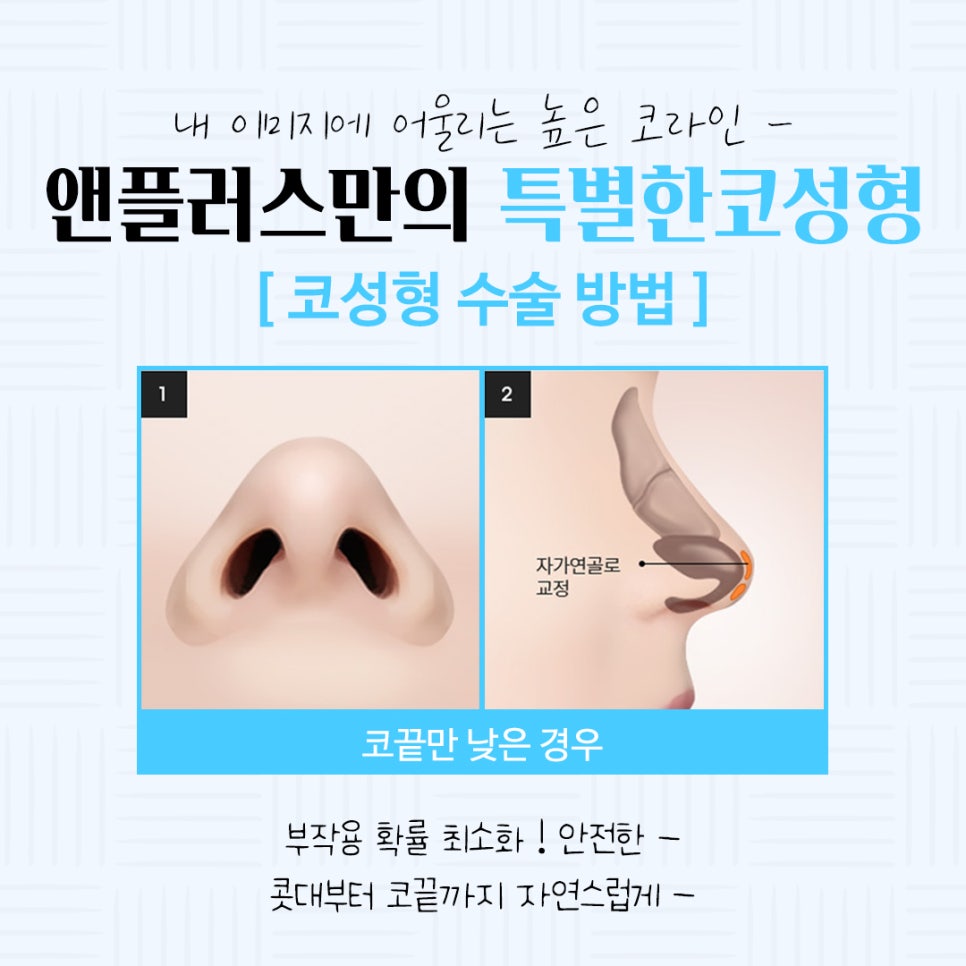
When only the tip is low, autologous cartilage is used to correct the tip, but it is important to design the nose so that the line does not break between the bridge and the tip.
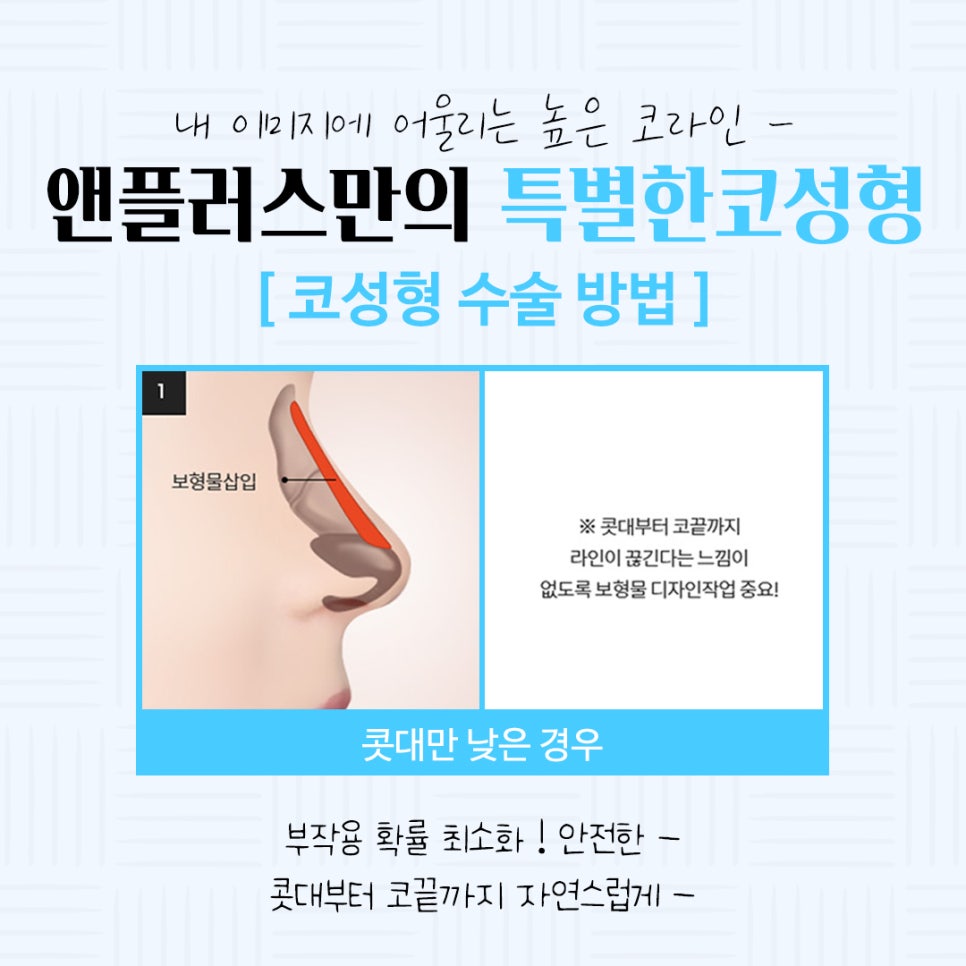
When only the bridge is low, it is important to insert an implant and design it so that the line does not break where it connects to the tip.
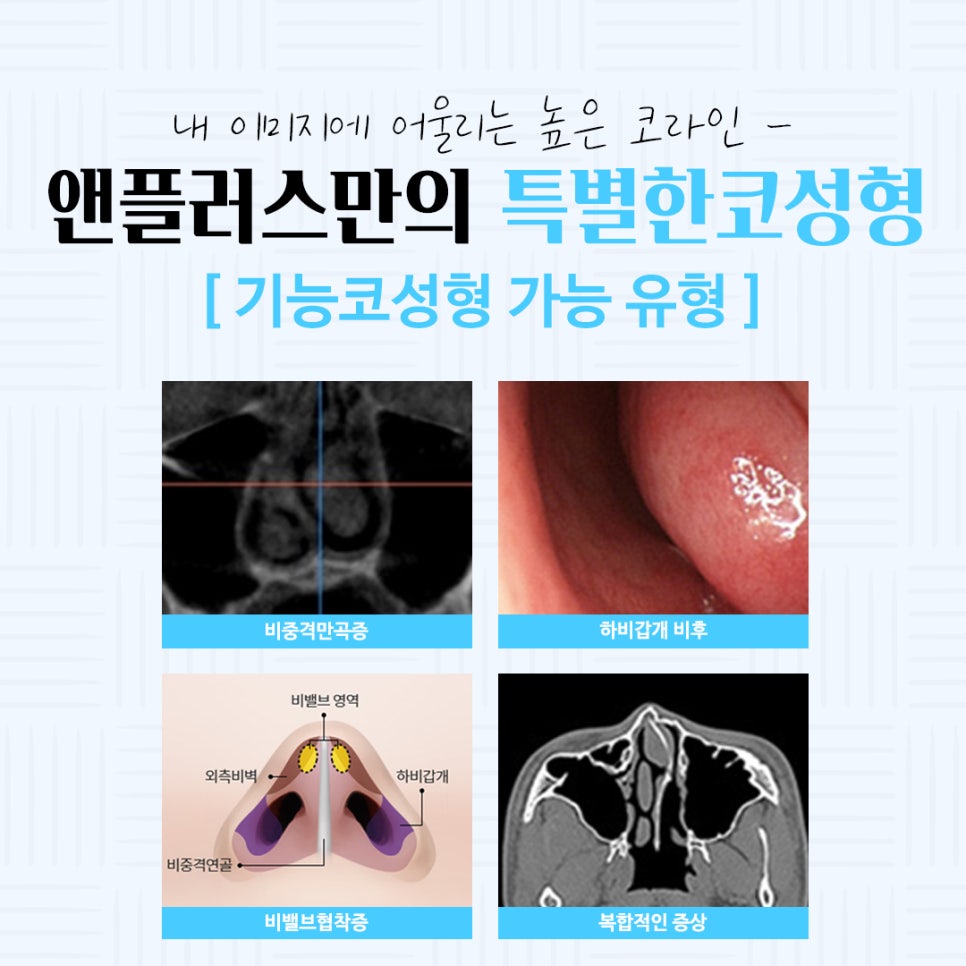
If there is a problem with internal nasal function, functional improvement may be performed first. Causes of rhinitis that can be functionally improved can be classified as a deviated septum, inferior turbinate hypertrophy, nasal valve stenosis, or complex symptoms in which these conditions occur together. After functional improvement is addressed first, aesthetic rhinoplasty can then be performed.
�

For the silicone used in the bridge of the nose, instead of using a commercial implant as is to minimize the conventional artificial look, it is carefully and delicately shaped by hand while considering various aspects such as the individual's overall image, and the width, length, breadth, and height of the nasal bridge. This helps achieve more satisfactory autologous cartilage rhinoplasty after surgery.
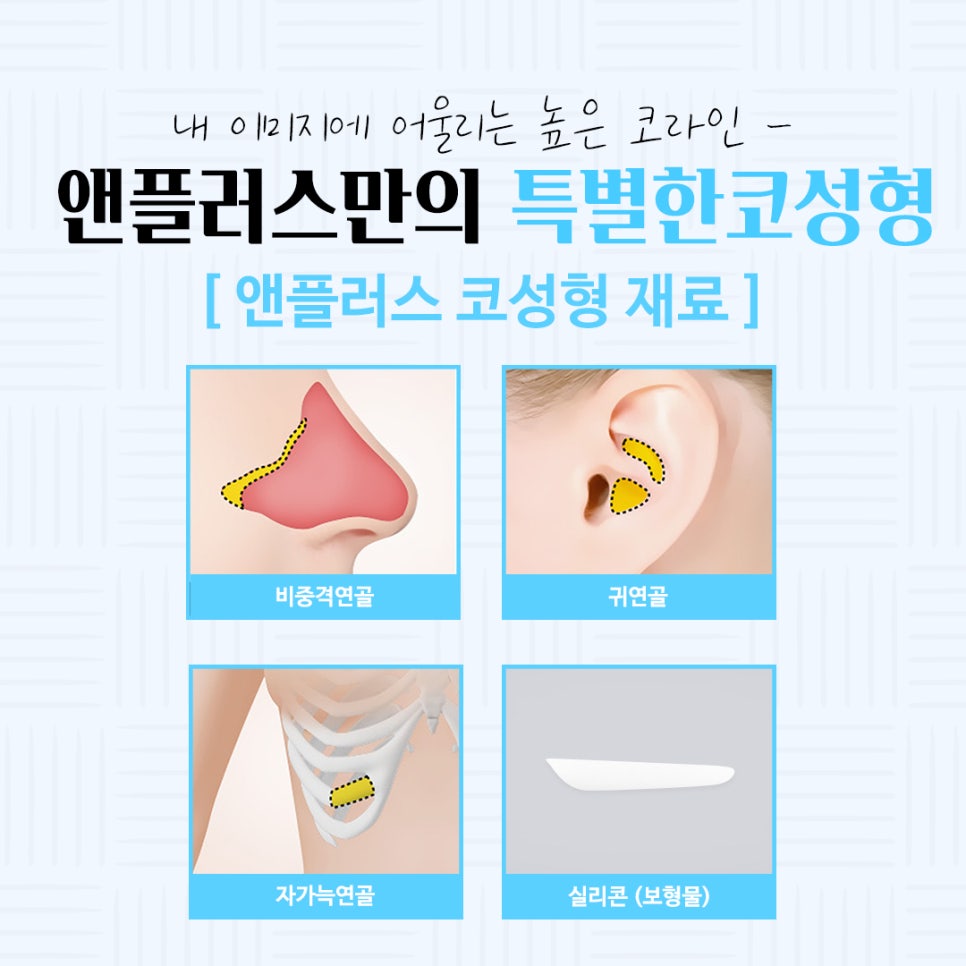
For the autologous cartilage used in autologous cartilage rhinoplasty, the appropriate material for each individual can be selected through preoperative screening. Autologous cartilage includes septal cartilage, ear cartilage, and the person's own rib cartilage. If the use of such autologous cartilage is difficult, it can be replaced with donated rib cartilage approved by the U.S. FDA.

In addition, at Ojiko N Plus Clinic, Representative Director Yoon Hyun-cheol, who has over 20 years of experience, personally handles everything one-on-one, from consultation regarding autologous cartilage rhinoplasty to surgical planning, procedure, treatment, and follow-up visits. This means you can receive a high level of medical service before and after surgery.

For postoperative care, an N Plus membership card is issued, providing an A/S service guaranteed for one year after surgery, and a surgical responsibility guarantee system is in place to prepare for all possible situations that may arise after surgery, such as postoperative pain, inflammation, or dissatisfaction with the shape. This allows you to receive reliable aftercare benefits following surgery.
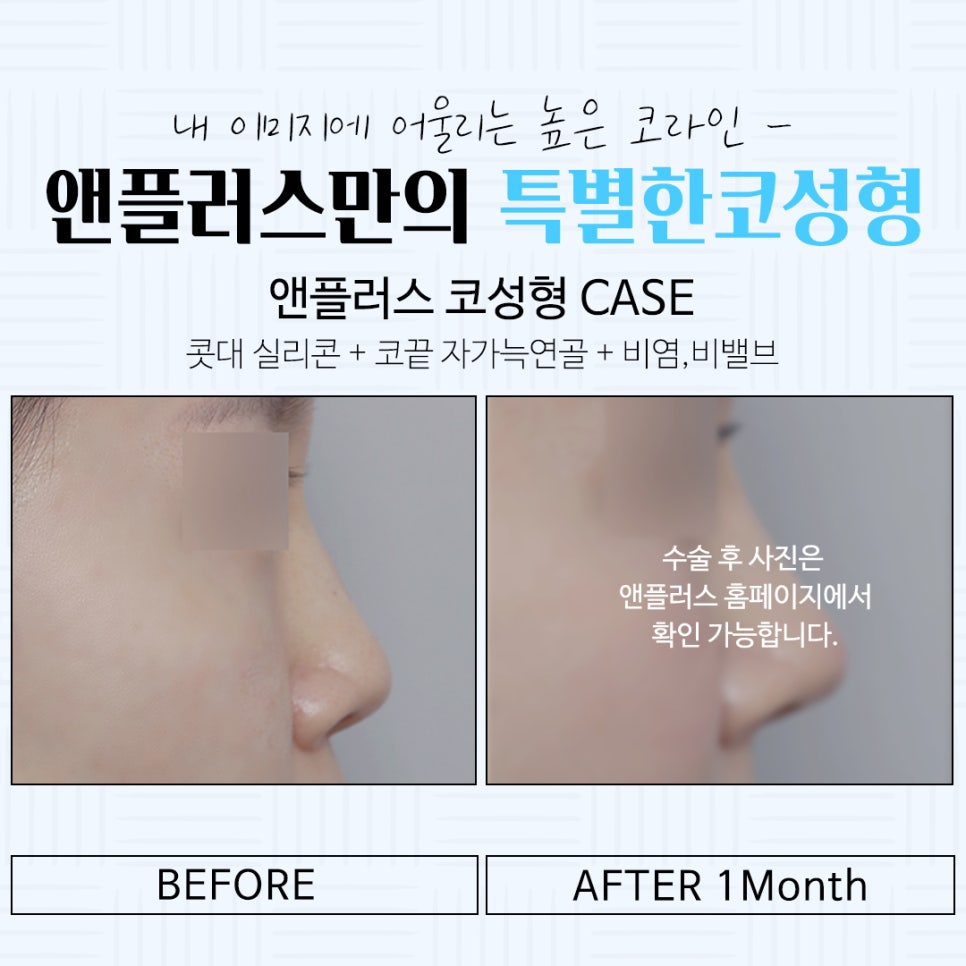
(The image above shows actual before-and-after photos of autologous cartilage rhinoplasty at Ojiko N Plus Clinic.)
Today, I explained information related to autologous cartilage rhinoplasty performed at Ojiko N Plus Clinic. I hope this article is very helpful for those who are not satisfied with the shape of their nose or are looking into autologous cartilage rhinoplasty due to nasal congestion caused by rhinitis. Thank you.
https://youtu.be/wcmlYFmqckQ?si=Tx3S9S69J8pvYjjx
�