
When people of all ages and genders are dissatisfied with their current appearance, they may try to improve it on their own through various media. Even so, for areas that are difficult to change, they may consider plastic surgery.

Usually, people may consider surgery because of concerns about facial features. In particular, the nose is located at the center of the face and is the most three-dimensional feature. If the shape of the nose is judged to deviate even slightly from a person’s own standard, the balance of the entire face may appear off. For that reason, nose surgery can be considered one of the top priorities among facial procedures.

Among the nose shapes that people researching nose surgery may have are a nose that is too low, a hump nose, an upturned nose, a drooping nose, a crooked nose, or a bulbous nose. This time, I would like to explain reviews of bulbous nose surgery for noses that appear large.

Bulbous nose surgery refers to surgery for a nose that is low and broadly rounded. In the past, a bulbous nose was considered to bring fortune and was seen in a positive light. However, as standards of beauty have changed in modern times, a large nose shape may make the overall face look unfashionable or dull, so surgery that refines a wide, spread-out nose into a sharper and more sophisticated shape is called bulbous nose surgery. People with this concern can learn more about reviews of bulbous nose surgery.
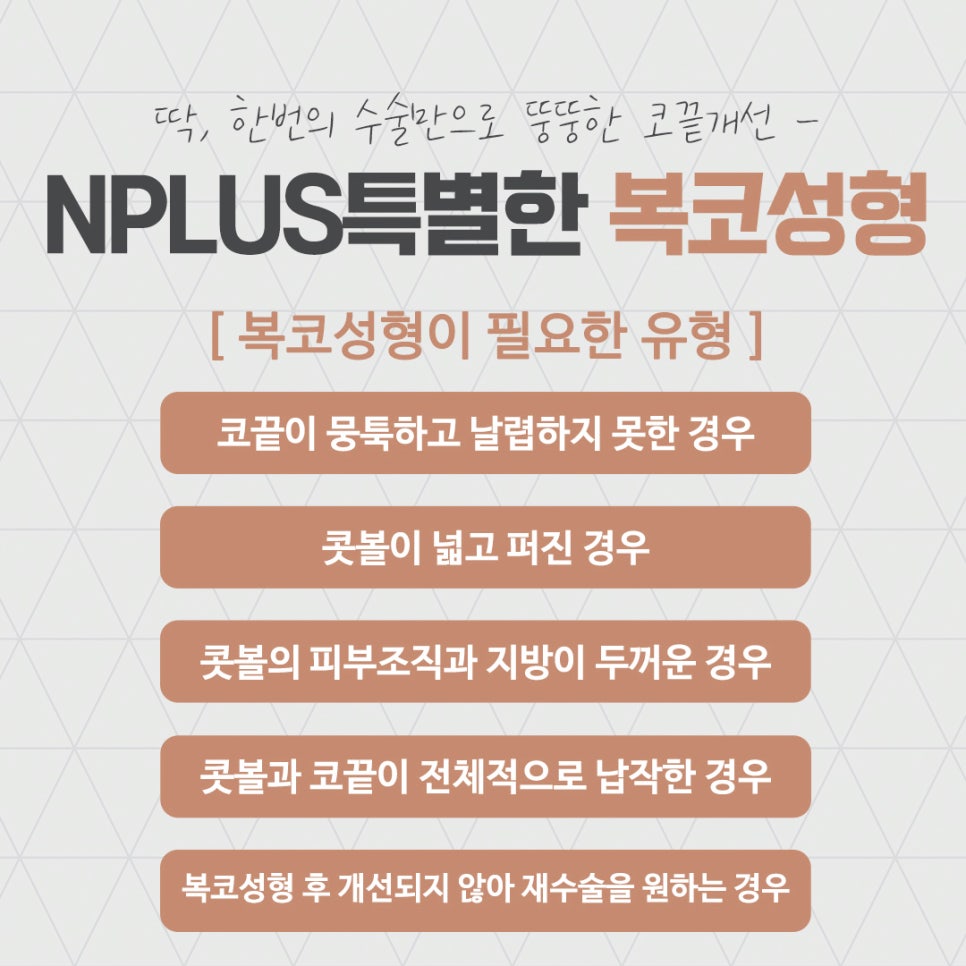
The nose shapes of people looking into reviews of bulbous nose surgery can be classified as cases where the tip of the nose is blunt and not sharp, the nostrils are wide and spread out, the skin tissue and fat around the nostrils are thick, the nostrils and tip of the nose are overall flat, or where revision surgery is desired because the condition did not improve even after bulbous nose surgery. As noted above, many East Asians tend to have nasal tips that look generally larger and more blunt than those of Westerners.
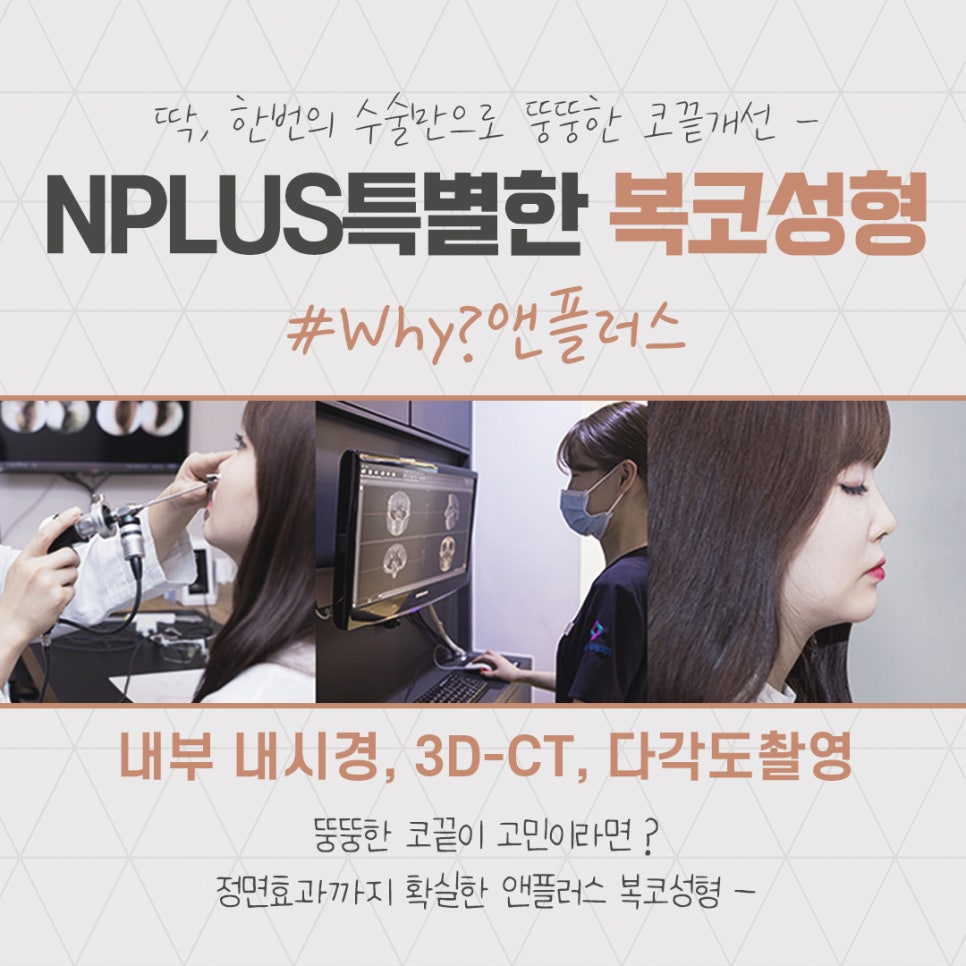
At N+ Plus Clinic, to improve this type of bulbous nose, 3D-CT scans, internal endoscopic imaging, multi-angle photography, and various allergy tests are performed before surgery to accurately identify internal and external nasal issues. Based on the extracted data, a surgical plan is established and carried out.

If you look at reviews of bulbous nose surgery, you will find that various surgical methods and materials are used. These may vary depending on the individual’s skin condition, nasal bone condition, and cartilage condition. Because the surgery must also take the internal functional aspects of the nose into account, those researching reviews of bulbous nose surgery should carefully check whether the medical staff have strong anatomical knowledge of the nose, whether they have ample relevant experience and expertise, whether equipment is available to accurately assess the condition of the nose, and whether aftercare can be reliably guaranteed. Surgical methods are divided and performed according to cases such as when there is a lot of subcutaneous fat at the nasal tip, when the nasal tip cartilage is spread apart, when the nostrils are wide, or when the nasal tip cartilage is large.
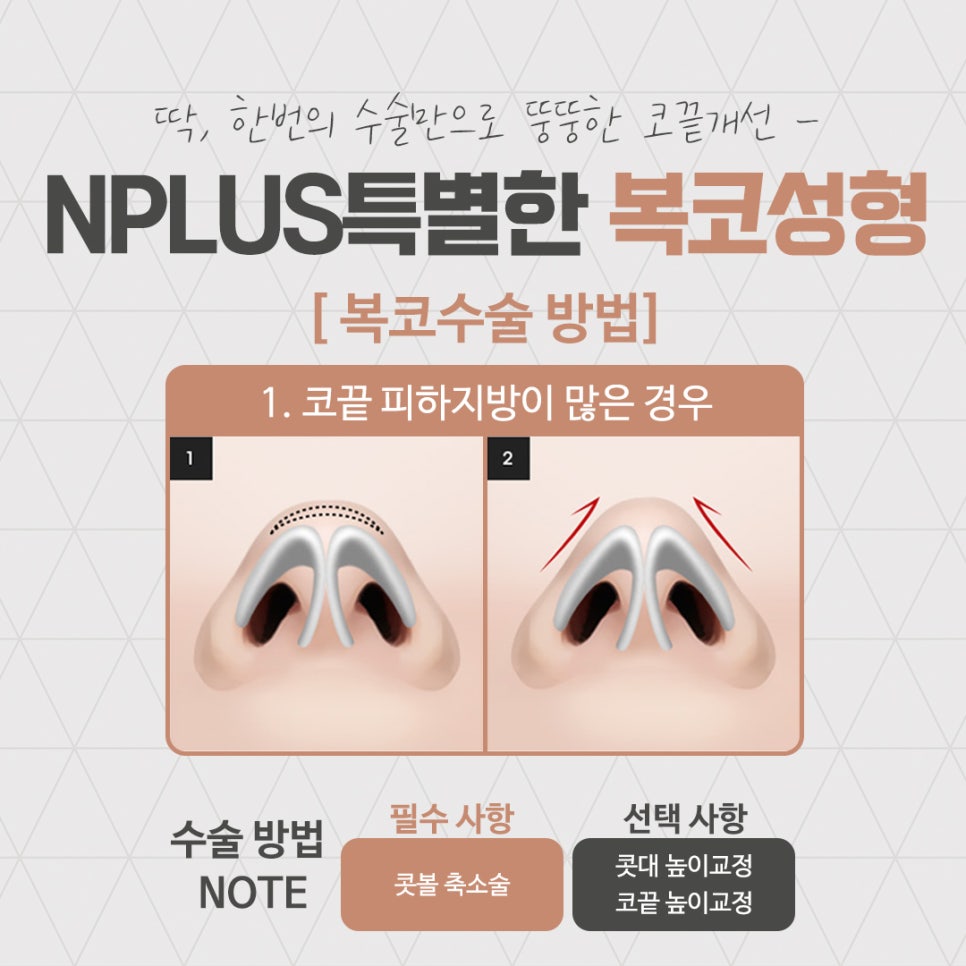
When there is a lot of subcutaneous fat at the nasal tip, unnecessary subcutaneous fat and soft tissue are removed, and the height of the bridge and tip of the nose can additionally be corrected.
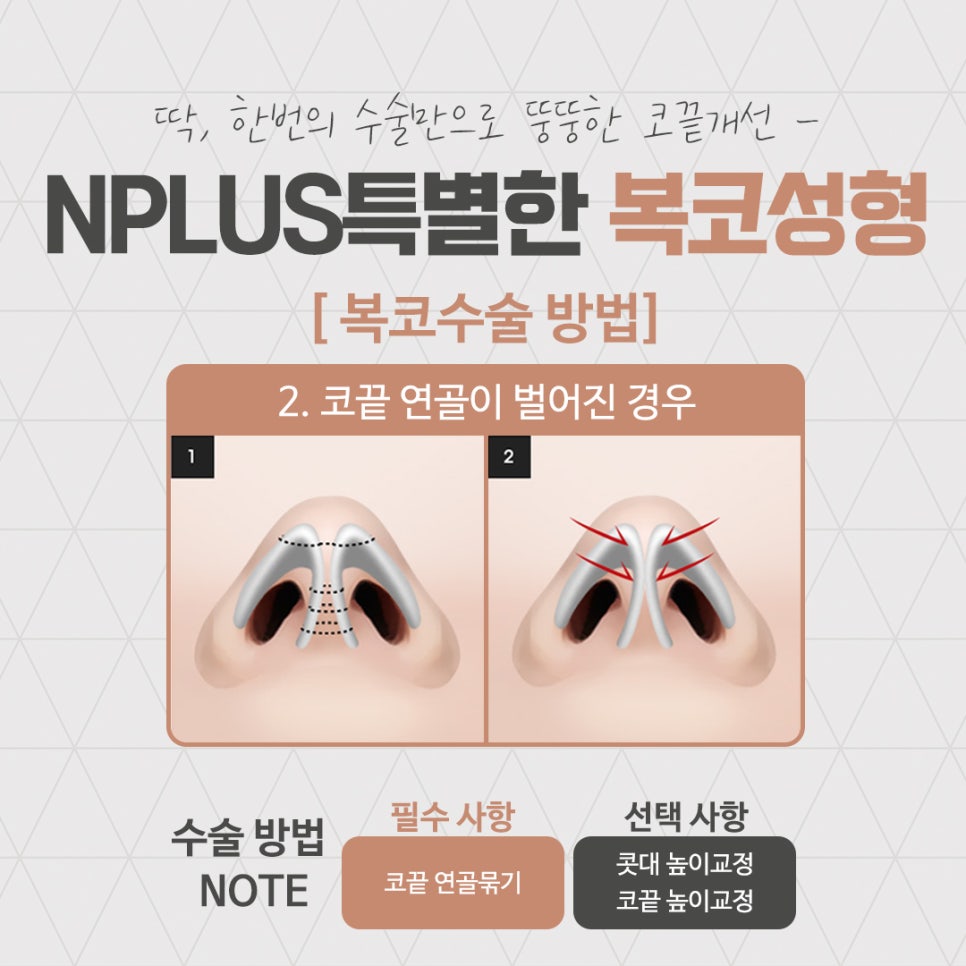
When the nasal tip cartilage is spread apart, the laterally spread alar cartilage at the tip of the nose is sutured together naturally, and the height of the bridge and tip of the nose can additionally be corrected.
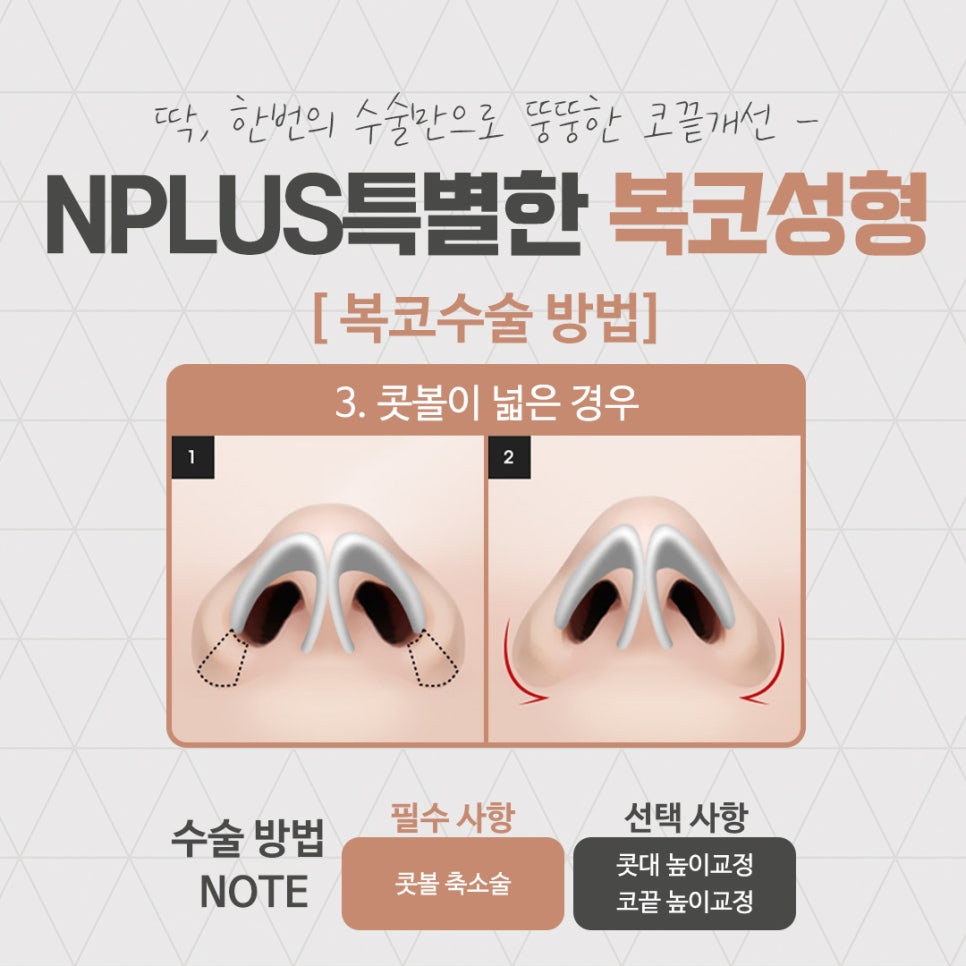
When the nostrils are wide, a nostril reduction can be performed by partially excising tissue from the nostrils or by tying them with special threads, and the height of the bridge and tip of the nose can additionally be corrected.
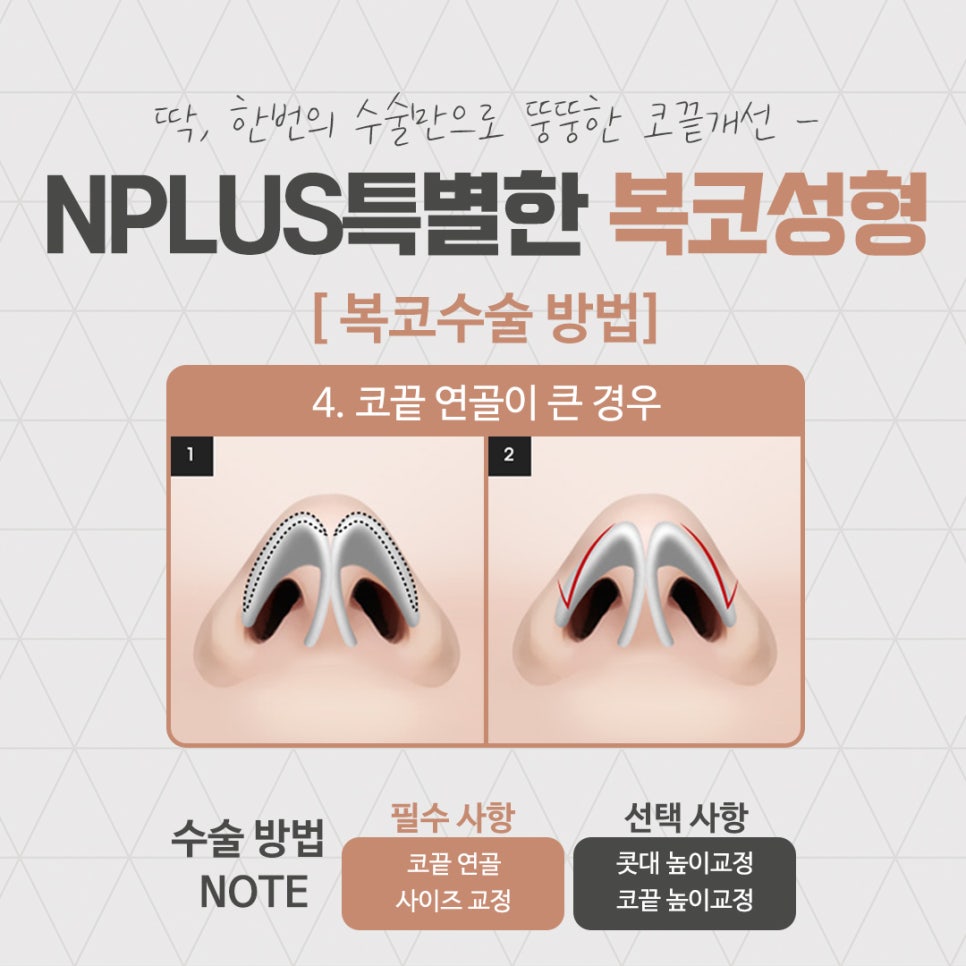
When the cartilage at the nasal tip is large, part of the nasal tip cartilage can be trimmed, the cartilage size can be corrected, and the height of the bridge and tip of the nose can additionally be corrected.
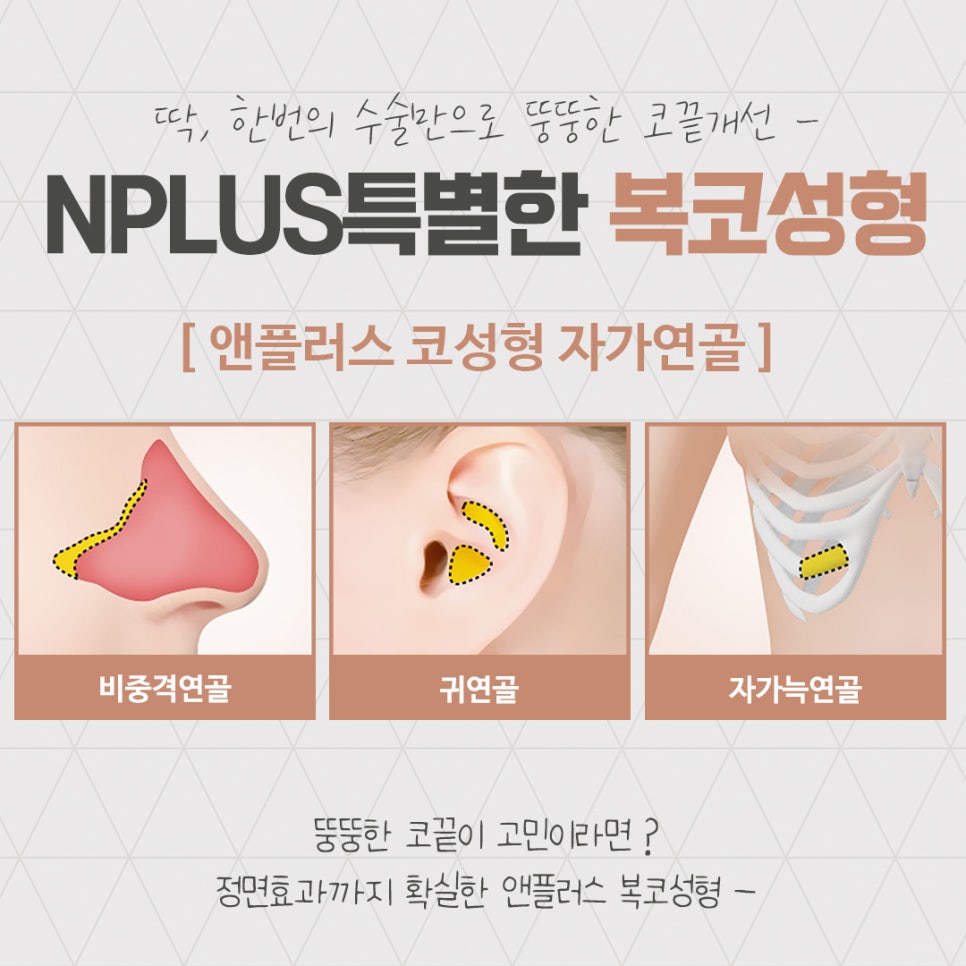
The material used in bulbous nose surgery includes autologous cartilage. This autologous cartilage can be selected based on the individual’s condition through preoperative testing, and includes septal cartilage, ear cartilage, and autologous rib cartilage.
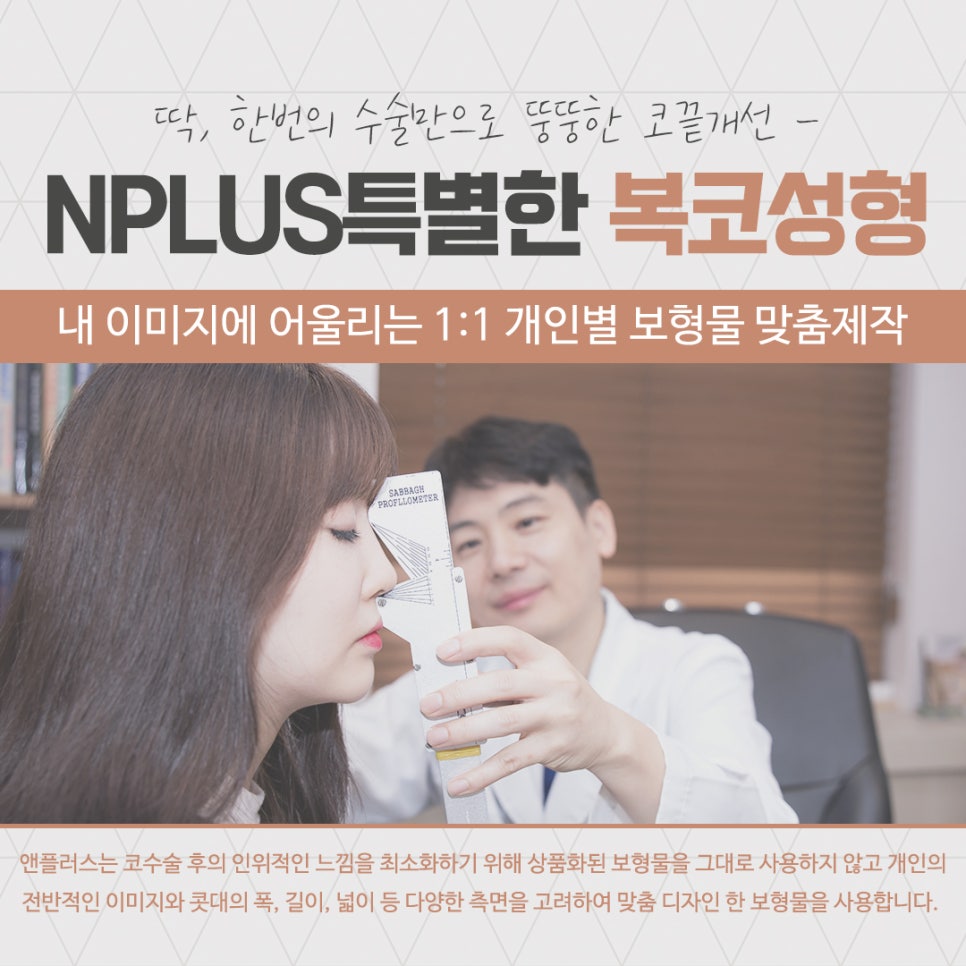
In the case of silicone, which is an additional implant material used, commercially produced silicone is not used as-is in order to minimize an artificial appearance after nose surgery. Instead, it is carefully shaped by hand after considering various factors such as the individual’s overall facial image and the width, length, breadth, and height of the nasal bridge.
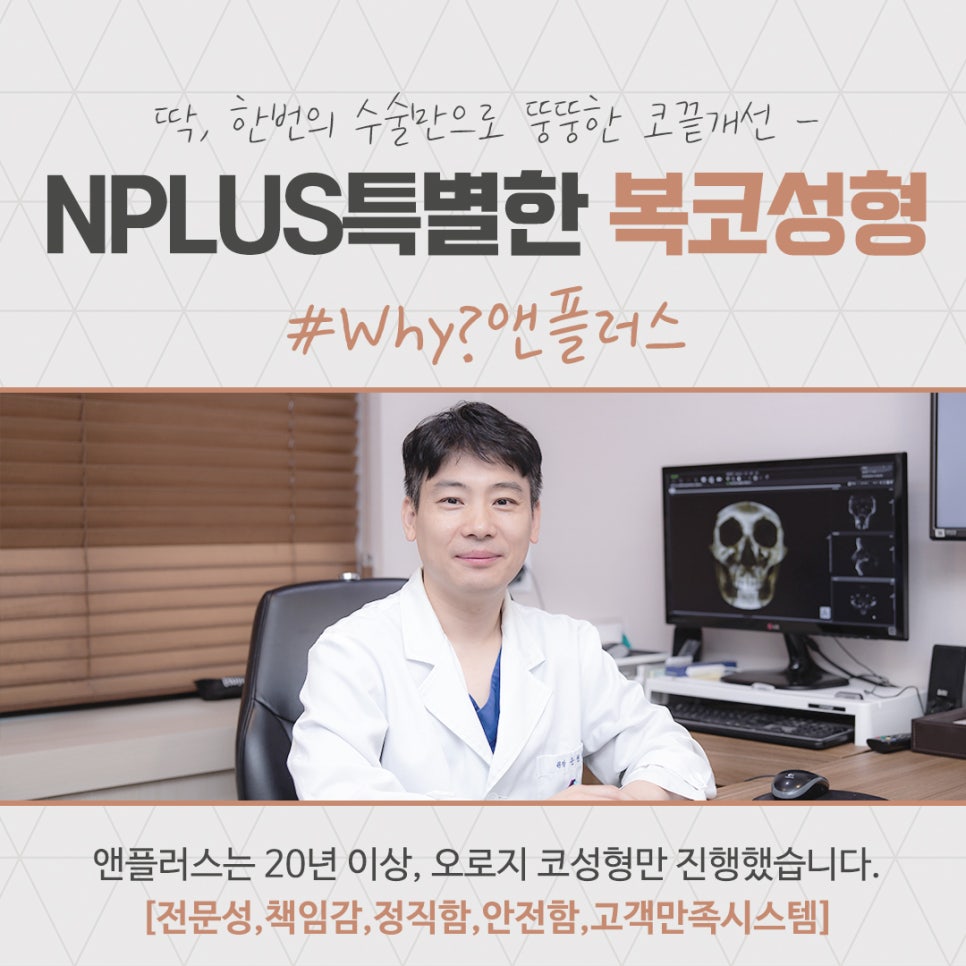
In addition, to ensure safe and satisfying reviews of bulbous nose surgery, Director Yoon Hyun-cheol, who has more than 20 years of experience, personally handles each patient one-on-one at N+ Plus Clinic, taking charge of the entire process from consultation related to nose surgery, to surgical planning, execution, treatment, and follow-up visits. This means you can receive high-level medical care before and after surgery.

The aftercare provided after surgery is also reinforced through an N+ Plus Clinic membership card, which provides an A/S system guaranteed for one year after surgery, as well as a surgical responsibility guarantee system prepared for any situation that may arise after surgery, such as pain, inflammation, or dissatisfaction with the shape. You can therefore receive reliable aftercare benefits after surgery as well.
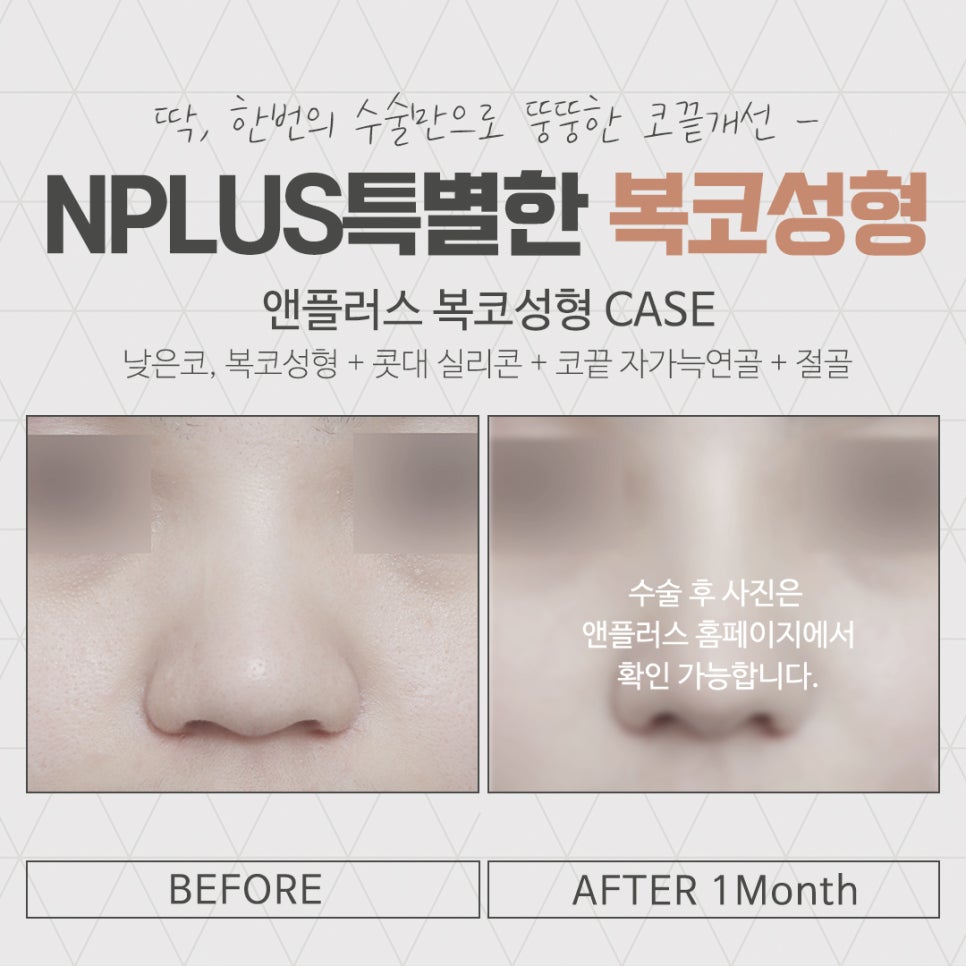
(The image above is a review of bulbous nose surgery performed at N+ Plus Clinic.)
I have explained reviews of bulbous nose surgery performed at N+ Plus Clinic, and I hope this article is very helpful for those who are looking into bulbous nose surgery because their nose is too wide or has the shape of a bulbous nose. Thank you.
https://youtu.be/wAlMey5rN20?si=wNvaH-1jgW74f4Qs