
Hello. We are Ohjiko N Plus Clinic, with over 20 years of experience and focused only on your beautiful and healthy nose.
The topic we are introducing this time is prepared around autologous rib rhinoplasty.

First, our nose is located at the center of the face and is the most three-dimensional area. Because the shape of the nose can adjust the balance of the entire facial features, it can be said to be the first area many people consider when thinking about cosmetic surgery. In particular, even a slight change in the shape of the nose can have a major effect on improving one’s image. On the other hand, when the shape of the nose is judged to be out of line with one’s personal standards, it can stand out even more, so it is worth learning more about rhinoplasty to improve it.

Usually, in rhinoplasty, silicone is used for the bridge and autologous cartilage for the tip to correct the overall nose line. Most people choose rhinoplasty for these external reasons. However, since the nose is a functional organ responsible for breathing and smell as well as an important external feature, it is helpful to choose a clinic that checks these functional aspects too, rather than focusing only on appearance or cost.
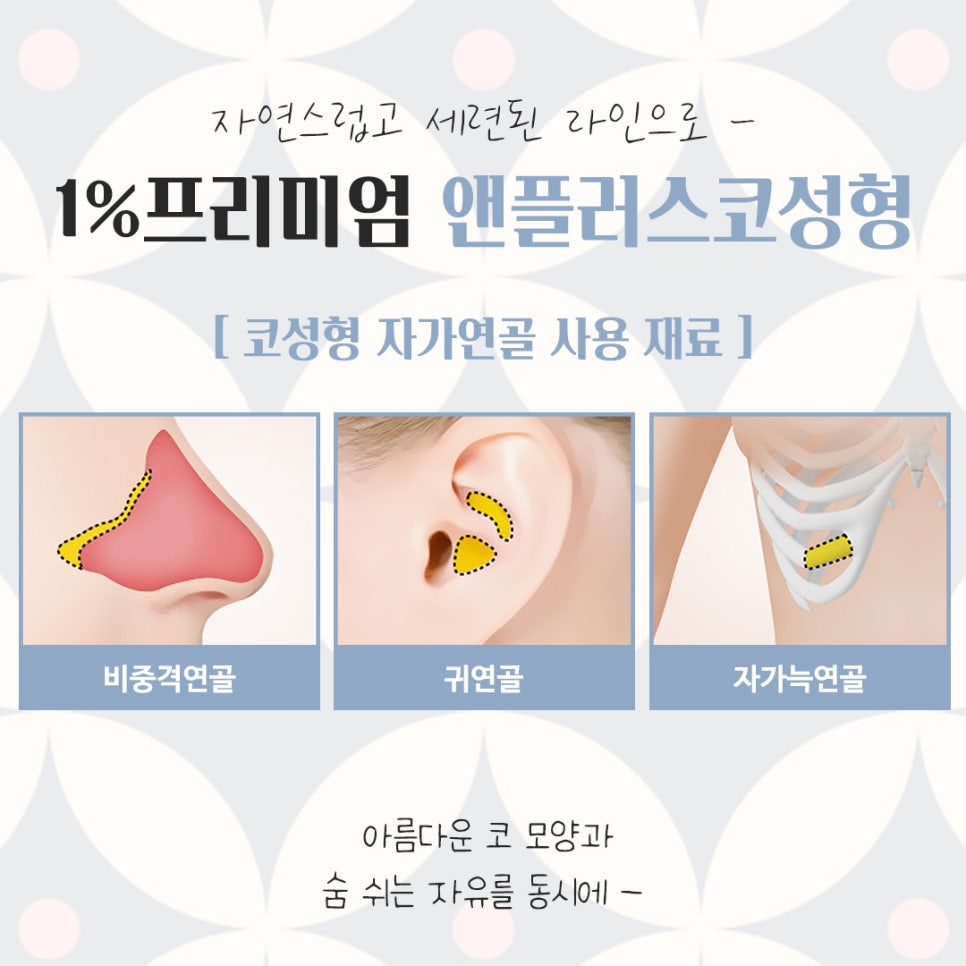
When looking into rhinoplasty, you can also choose materials for the procedure. The materials most commonly used in rhinoplasty are ear cartilage, septal cartilage, and autologous rib cartilage. Septal cartilage or ear cartilage is known to be used first in rhinoplasty procedures, while autologous rib cartilage is often known as a material for revision surgery. However, nowadays, because of its large size and firmness, autologous rib cartilage is also widely used in primary rhinoplasty. Today, you can learn more about autologous rib rhinoplasty.
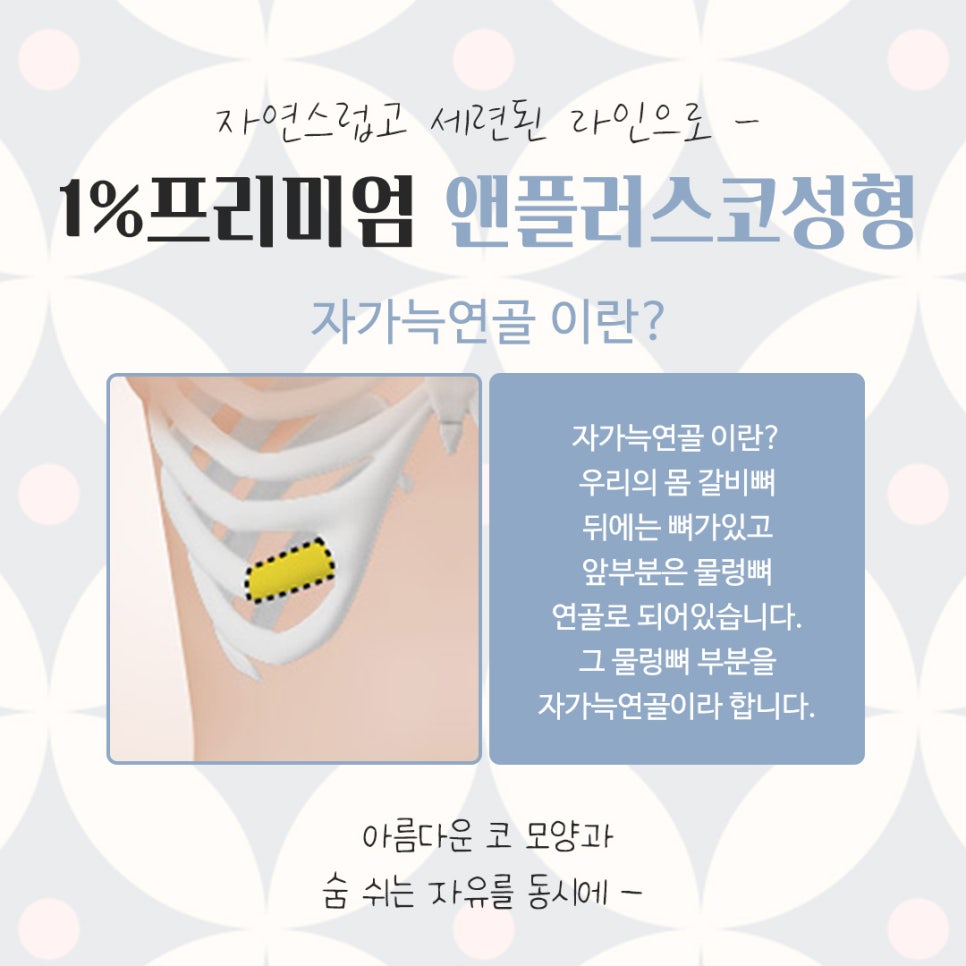
In the case of autologous rib rhinoplasty, when looking at our ribs, there is a hard bone at the back and cartilage at the front. This cartilage portion is called autologous rib cartilage, and rhinoplasty using this cartilage can be referred to as autologous rib rhinoplasty. As explained above, it has the advantage of being large and firm, so it was often used in revision rhinoplasty when ear cartilage or septal cartilage was insufficient. However, it is also widely used in primary rhinoplasty in cases where the nose is upturned, small, or when ear cartilage and septal cartilage are not sufficient.
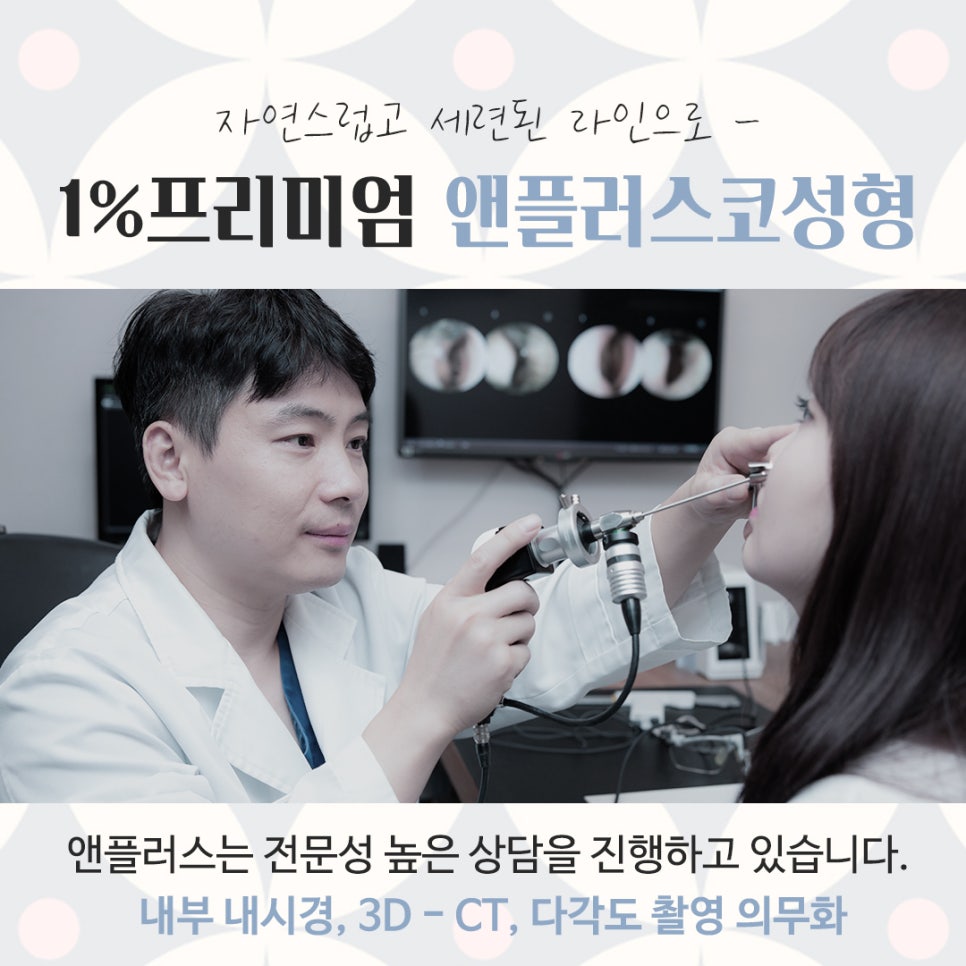
At Ohjiko N Plus Clinic, to provide highly specialized consultations for autologous rib rhinoplasty, we perform multi-angle photography, internal endoscopic imaging, various allergy tests, internal nasal function tests, and 3D-CT imaging before surgery. Based on the data collected after accurately assessing the patient’s internal and external nasal condition, we establish and carry out the surgical plan.

The main approaches to autologous rib rhinoplasty are broadly divided into three categories: cases where only the bridge is low, cases where both the bridge and tip are low, and cases where only the tip is low.
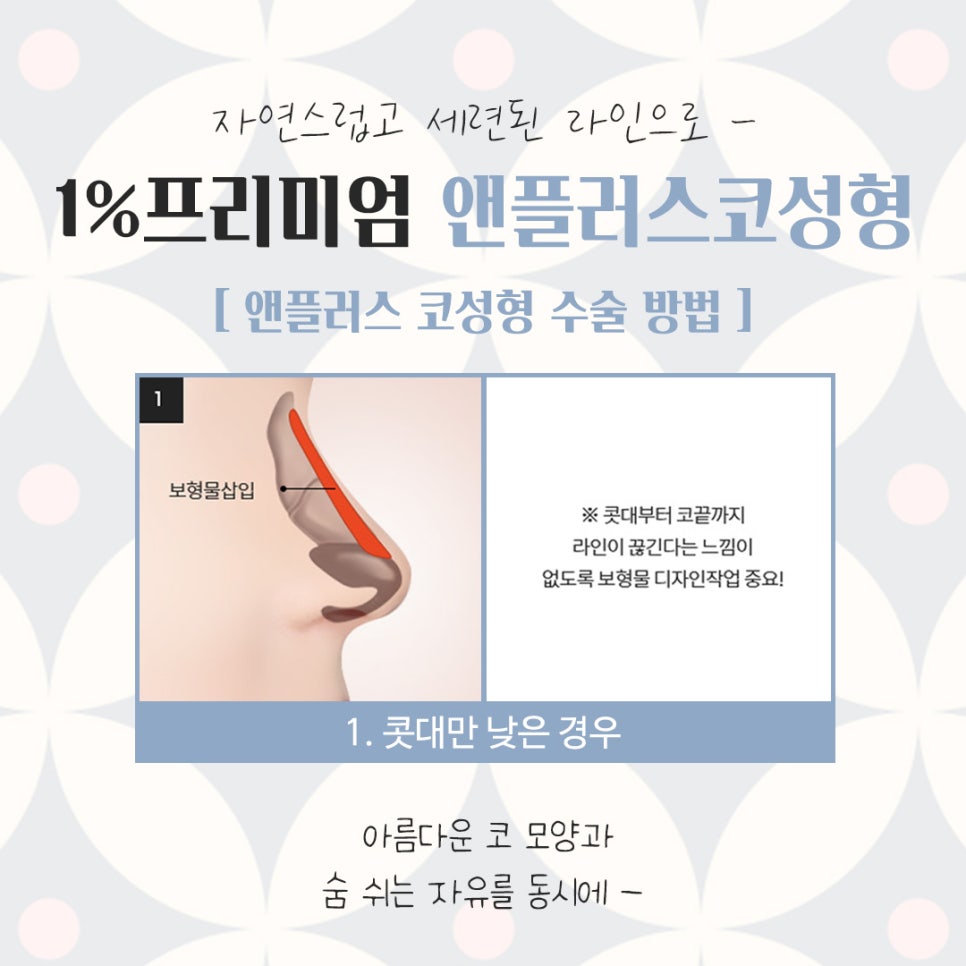
In cases of autologous rib rhinoplasty where only the bridge is low, the bridge volume can be increased using autologous rib cartilage or a custom implant.
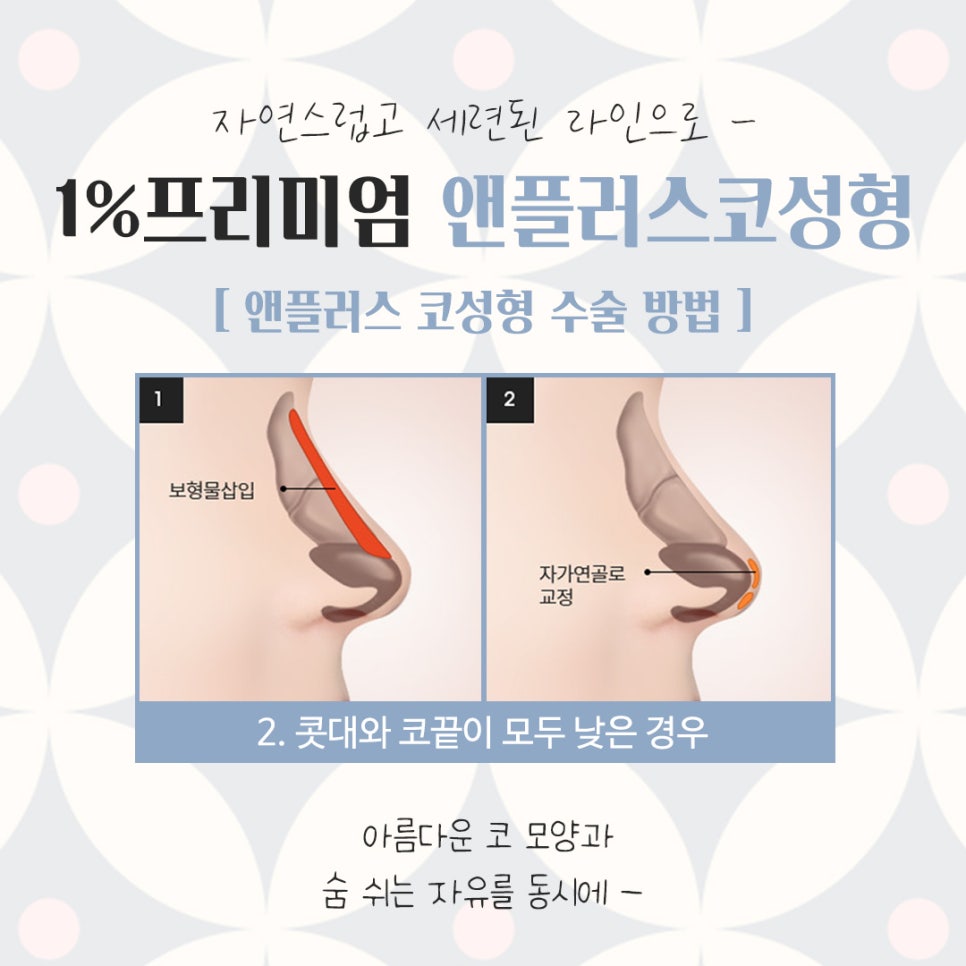
In cases of autologous rib rhinoplasty where both the bridge and tip are low, the bridge can be corrected with an implant or autologous rib cartilage, and the tip can also be corrected using autologous rib cartilage to improve the overall line.
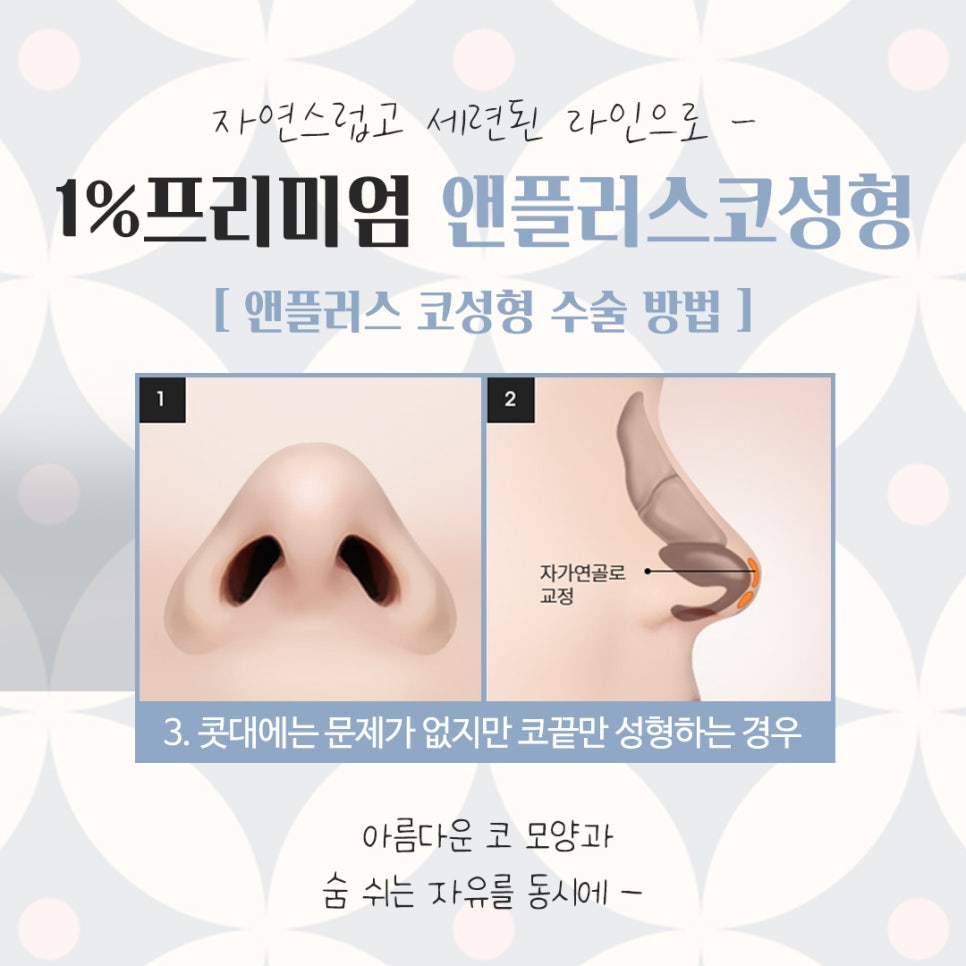
If there is no issue with the bridge and only the tip is addressed with autologous rib rhinoplasty, the overall nose line can be corrected using autologous rib cartilage at the tip.
�

In addition, silicone may be used during autologous rib rhinoplasty. In such cases, the silicone used is not the existing commercially available product as-is; instead, it is carefully shaped by hand while considering various factors such as the patient’s overall facial image and the width, length, breadth, and height of the bridge.

However, if autologous rib rhinoplasty is performed without careful consideration, even if the autologous rib cartilage is a highly excellent and safe material, surgery carried out only from a cosmetic perspective without checking the inside of the nose may lead to revision surgery due to functional issues after the operation. Therefore, to achieve safe and satisfying autologous rib rhinoplasty, those considering the procedure should also check whether the medical team has strong anatomical knowledge of the nose, whether they have sufficient experience and expertise, whether equipment is available to examine the inside of the nose, and whether aftercare is properly guaranteed. These points can help with making a good choice.
�

At Ohjiko N Plus Clinic, Director Yoon Hyun-cheol, with over 20 years of experience, personally handles everything one-on-one, from consultation related to autologous rib rhinoplasty to surgical planning, procedure, treatment, and follow-up care. This allows you to receive high-level medical service throughout the entire process, before and after surgery.

Aftercare is also provided through an after-sales service system that guarantees support for one year after surgery, as well as a surgery responsibility guarantee system that prepares for all possible post-surgery situations such as pain, inflammation, or dissatisfaction with the result. This means you can receive clear aftercare benefits after the procedure as well.
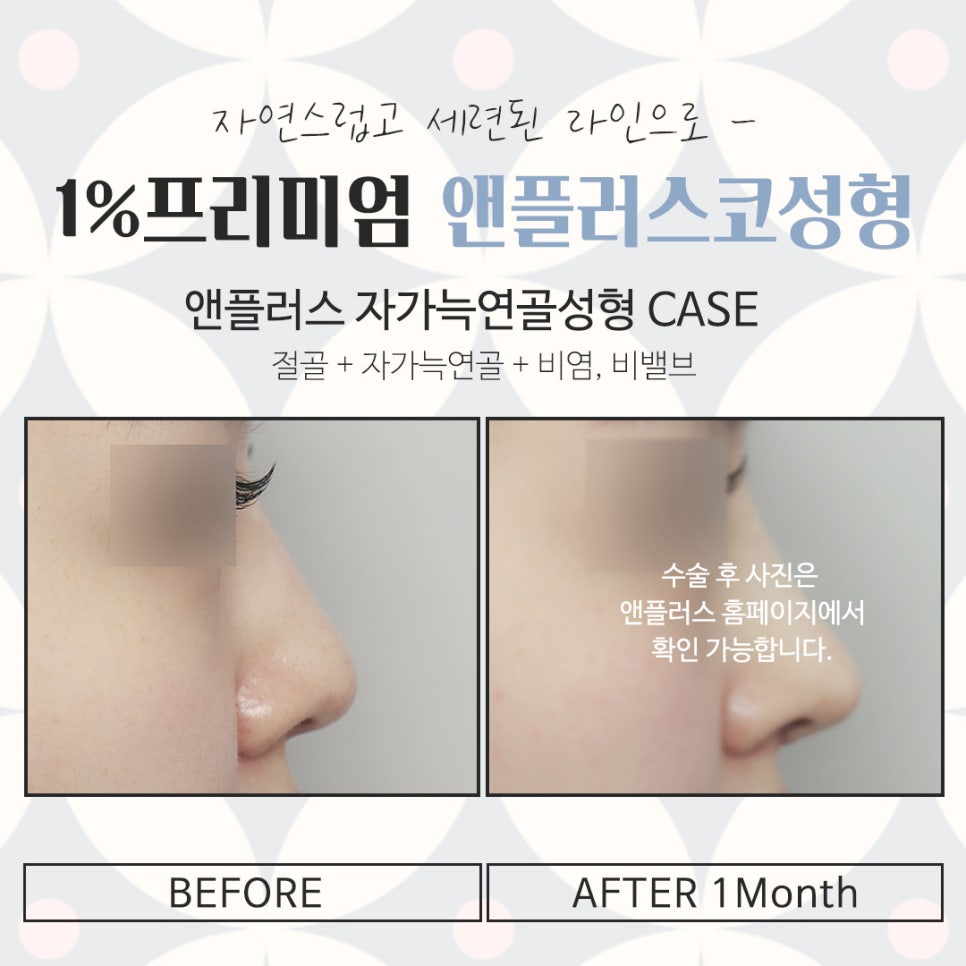
Today, we explained content related to autologous rib rhinoplasty performed at Ohjiko N Plus. I hope this article was very helpful for those who are unhappy with the shape of their nose or are interested in learning about rhinoplasty materials. Thank you.
https://youtu.be/B_jYXbPN-Qo