
Hello. This time, I have prepared content related to short nose surgery performed at N+ Clinic. Recently, because many people have become interested in improving their appearance due to personal complexes, regardless of age or gender, self-care has become popular. As a result, people may try various methods to become better than they are now, and when it is difficult to see changes even after different attempts, they tend to consider plastic surgery. However, while plastic surgery can improve complexes, indiscriminate procedures can also cause various side effects, so if you are thinking about surgery, it is helpful to make the decision more carefully.

Among the many different types of plastic surgery, the nose is located at the center of the face and is one of the most three-dimensional features. If the shape of the nose is judged to deviate even slightly from an individual's preferred standard, the balance of the entire face can appear disrupted, which is why it is often considered a top priority surgery. This is because changing the shape of the nose can have a major effect on improving the overall image.

For those looking into nose surgery, the shape of the nose may be categorized as having a low bridge or tip, a bumpy hump, an upturned nose, a crooked nose, a drooping nose, or a bulbous nose. In the case of the short nose surgery explained today, it applies to cases where the nose is low, short, and upturned. In everyday life, this can make the image look old-fashioned or dull, and many people want to improve it into a sharper and more refined appearance.
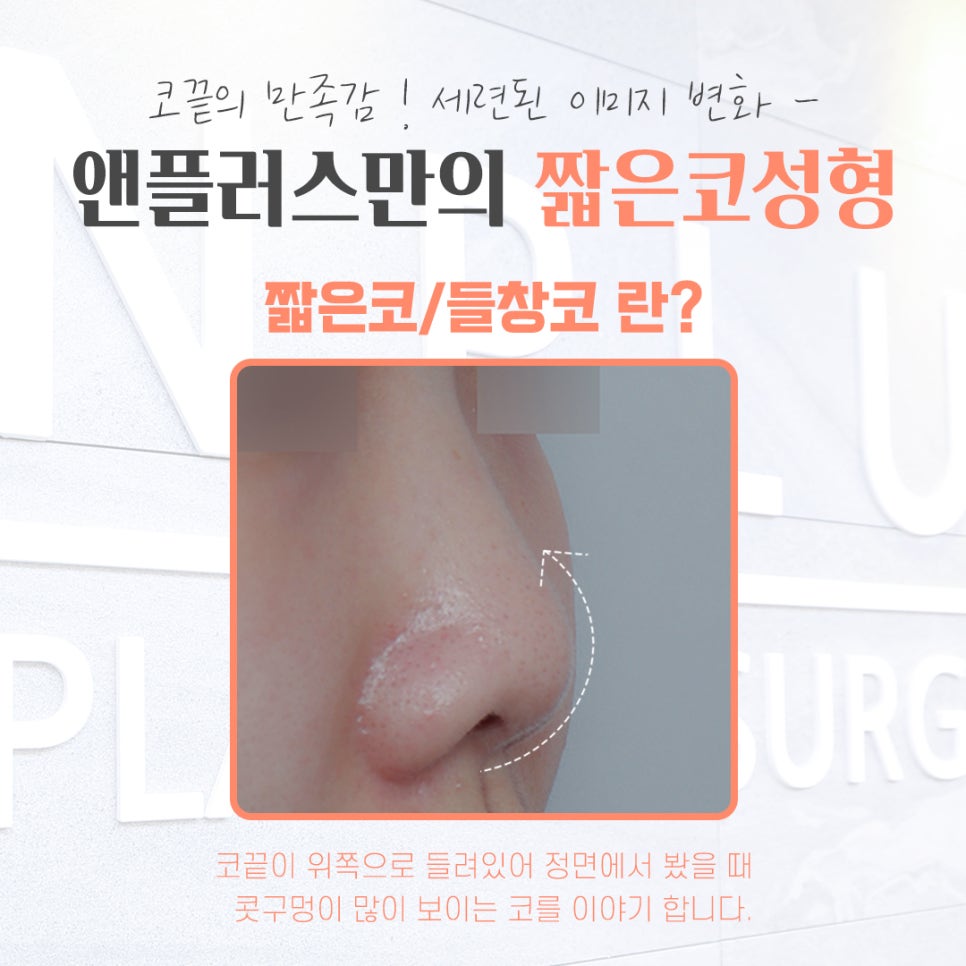
Short nose surgery refers to a nose with an upturned tip and, when viewed from the front, nostrils that are very visible. Such a short nose can be divided into cases caused by congenital factors and cases caused later by post-surgical contracture. One way to improve it is to build a columellar support or perform surgery to lower the tip of the nose, which can improve the short-looking nose into a more refined line.
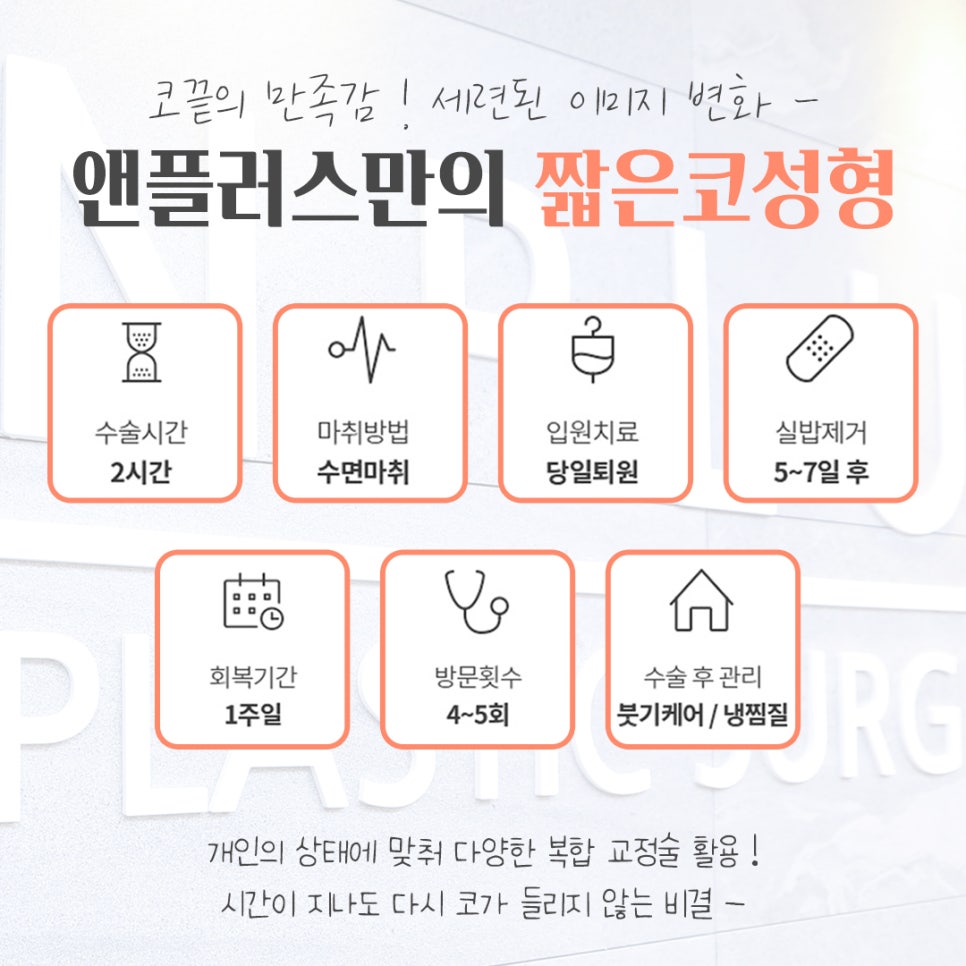
A common characteristic of people looking into short nose surgery is that they may have significant concerns about the nose tip. In the case of short nose surgery, the surgical method and materials differ depending on the condition of the individual's cartilage, skin, and nasal bone, rather than deciding based only on before-and-after photos. Therefore, it is helpful to receive a professional consultation after diagnosis through equipment.

Also, for those looking into short nose surgery, it is important to check not only the external appearance of the nose but also its internal functional aspects before proceeding. In the case of short nose surgery, the causes vary, and surgery must be performed according to the current condition in order to prevent revision surgery caused by functional problems after the operation. In addition, it is helpful to carefully check whether the medical team has strong anatomical knowledge of the nose, whether they have extensive experience and expertise in this field, whether the necessary equipment to accurately assess the condition of your nose is available, and whether postoperative care can be reliably guaranteed.
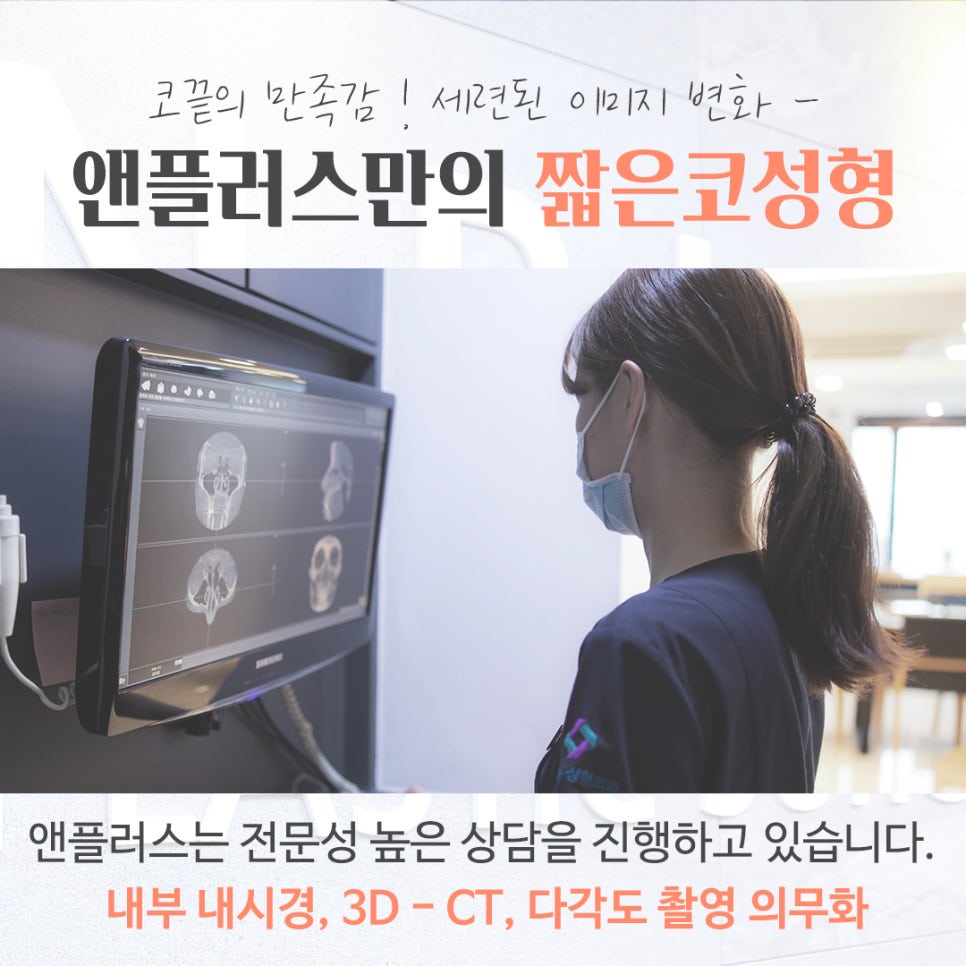
At N+ Clinic, to ensure safe and satisfying short nose surgery, preoperative multi-angle photography, internal endoscopic imaging, 3D-CT scans, and various allergy tests are performed to accurately determine the current external and internal condition of each individual's nose. Based on the collected data, a surgical plan is established and carried out.
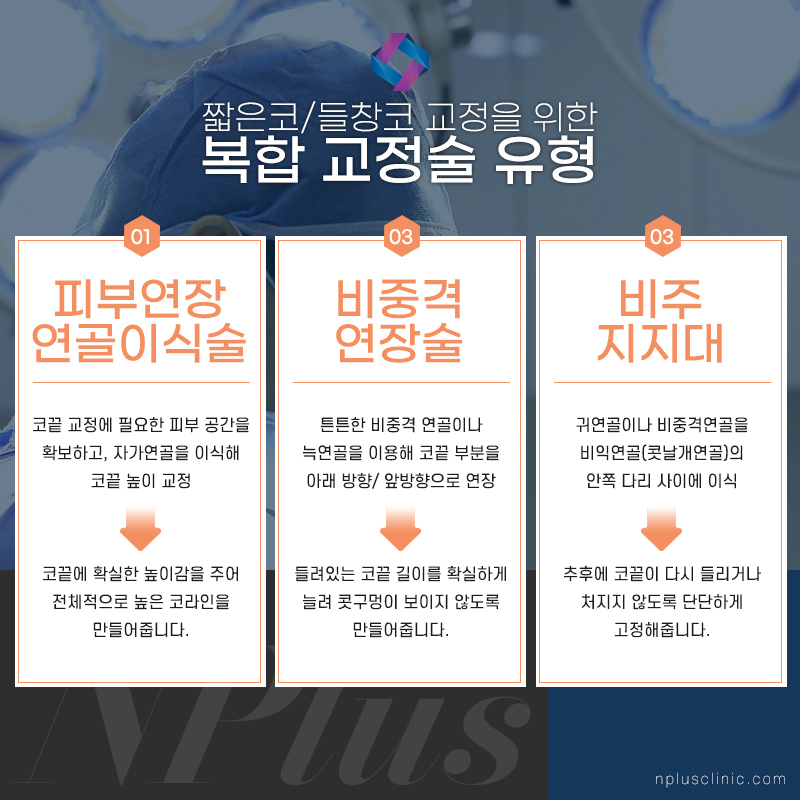
At N+ Clinic, to differentiate the procedure for short nose surgery, the operation is not performed using only one method. Instead, it is carried out by combining septal extension, columellar support, skin extension, and cartilage grafting. This can help prevent the nose from becoming upturned again, and the surgical approach for short nose surgery can be divided according to whether the tip is mildly upturned or severely upturned.
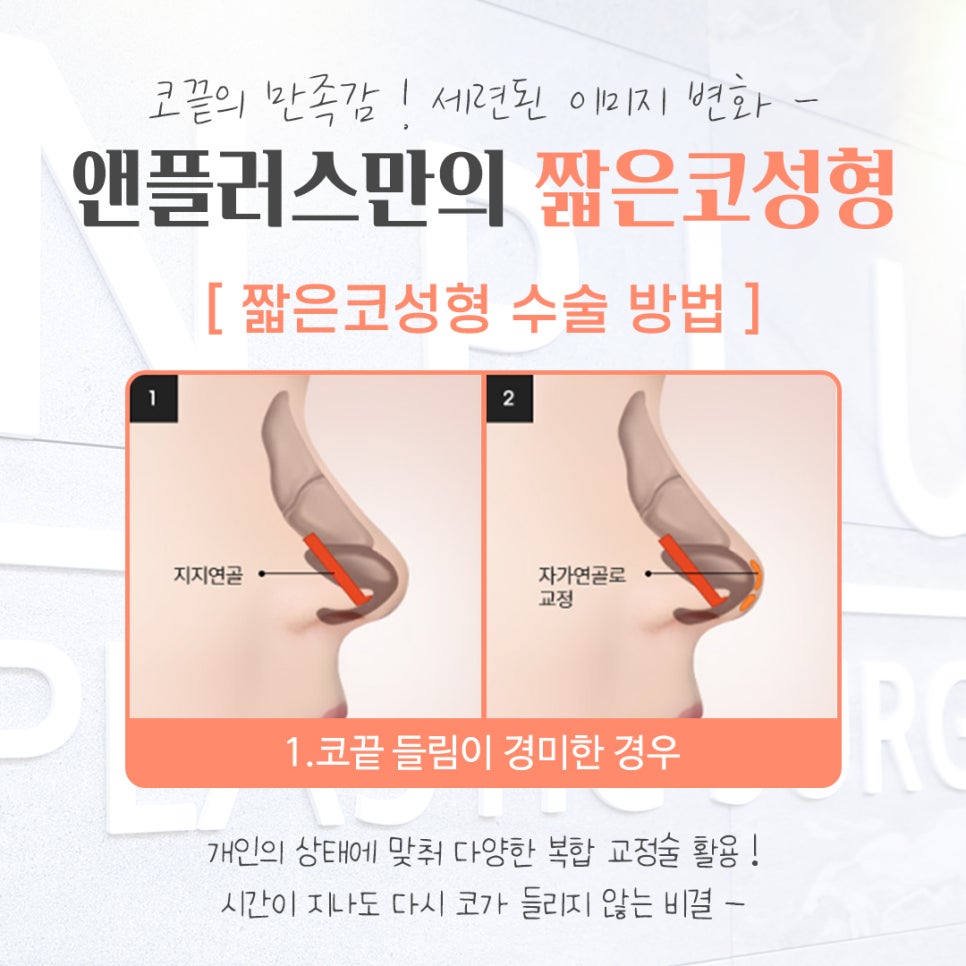
When the upturn of the tip is mild, strong autologous cartilage is used to create a columellar support to fix the tip of the nose, and autologous cartilage is used to add volume to the tip and correct the overall line.
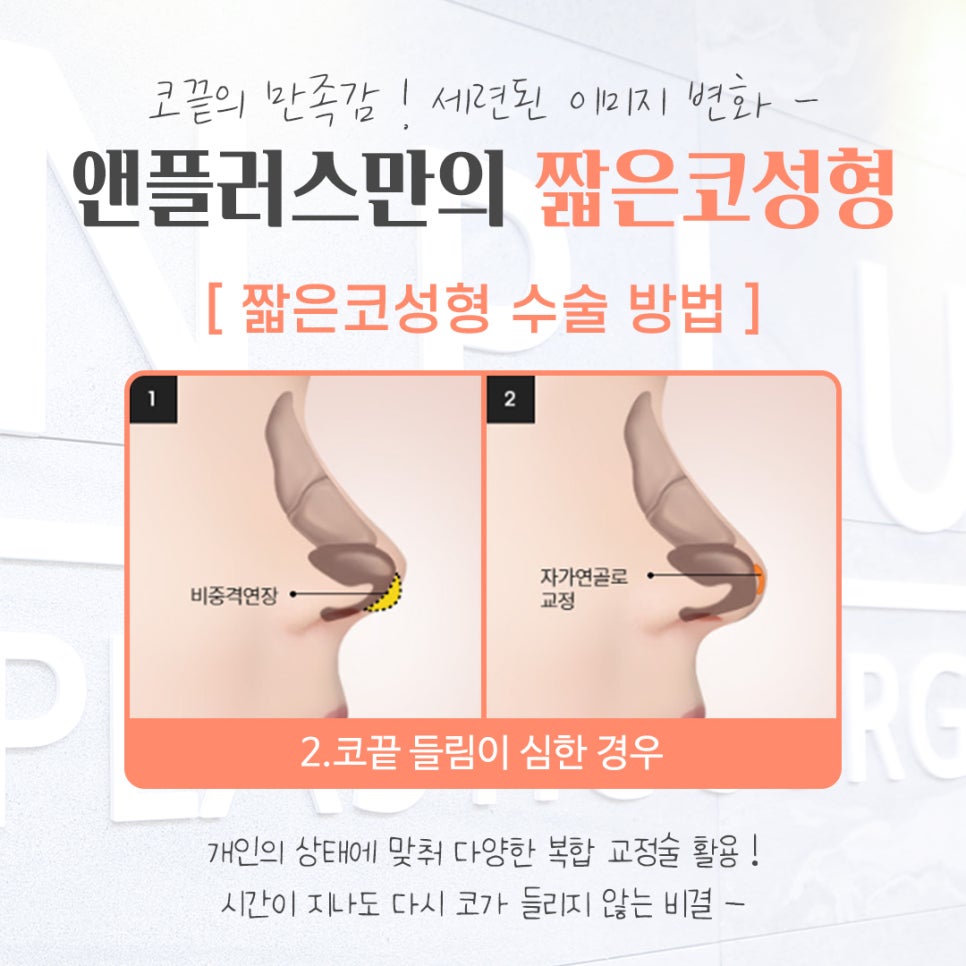
When the upturn of the tip is severe, strong autologous cartilage is used to perform septal extension to lengthen the tip of the nose, and autologous cartilage can then be used to correct the tip.
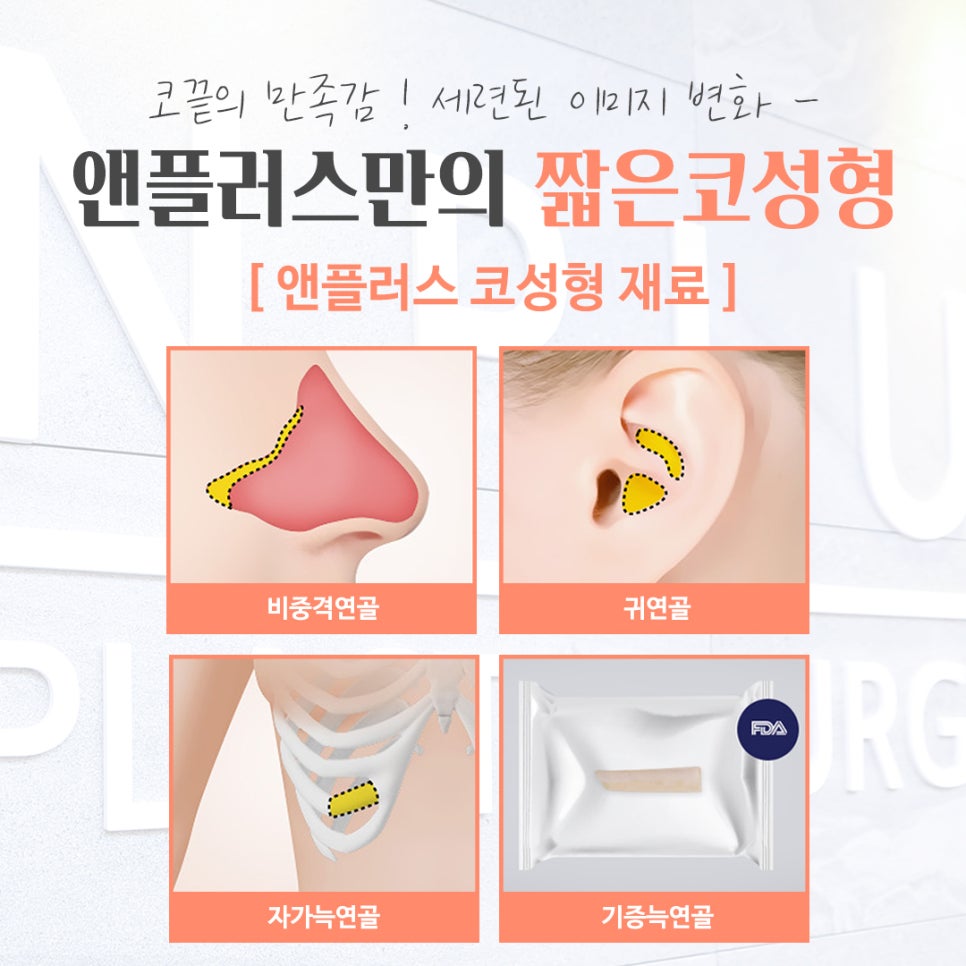
The autologous cartilage materials used in short nose surgery can be selected according to the individual through preoperative testing. Autologous cartilage includes septal cartilage, ear cartilage, and rib cartilage. If using autologous cartilage is difficult, it can be replaced with donated rib cartilage approved by the U.S. FDA.
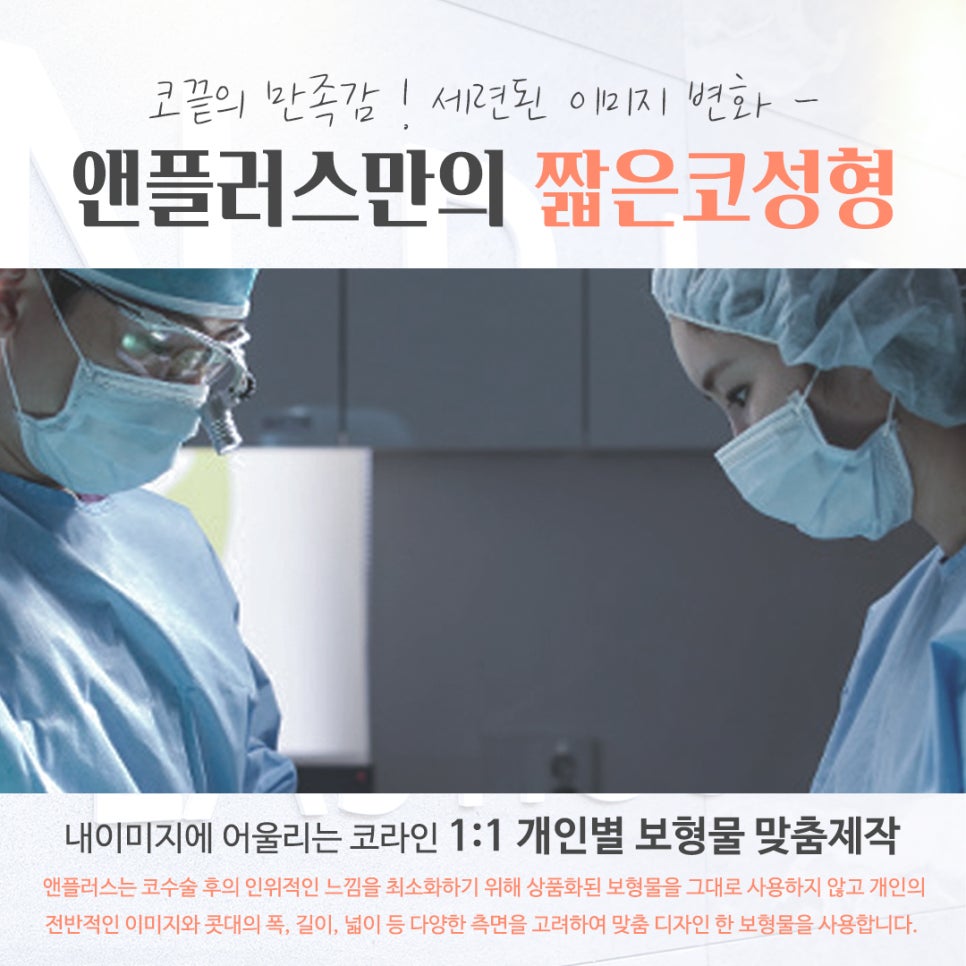
In addition, silicone may be used for the nasal bridge. In this case, the clinic does not simply use a pre-made commercial implant as is. Instead, it is carefully shaped by hand while considering various aspects such as the individual's overall image and the width, length, breadth, and height of the nasal bridge, which can lead to more satisfying short nose surgery after the operation.
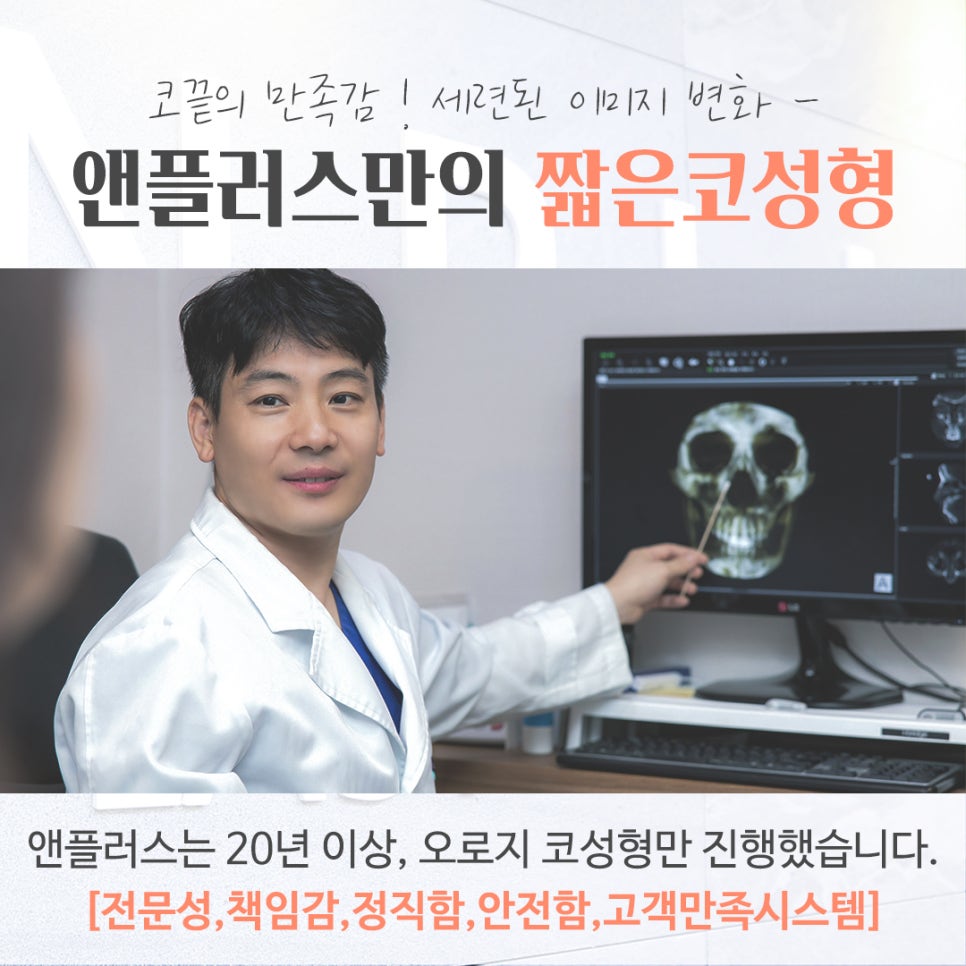
At N+ Clinic, Director Yoon Hyun-cheol, who has more than 20 years of experience, personally handles one-on-one care throughout the entire process, from consultation related to nose surgery to surgical planning, execution, treatment, and follow-up examinations, allowing patients to receive a high level of medical service.

For postoperative care, N+ Clinic issues a membership card and provides an A/S system that guarantees support for one year after surgery. It also operates a surgery responsibility guarantee system prepared for all possible situations, including postoperative pain, inflammation, and dissatisfaction with the shape, so you can receive clear benefits in postoperative care as well.
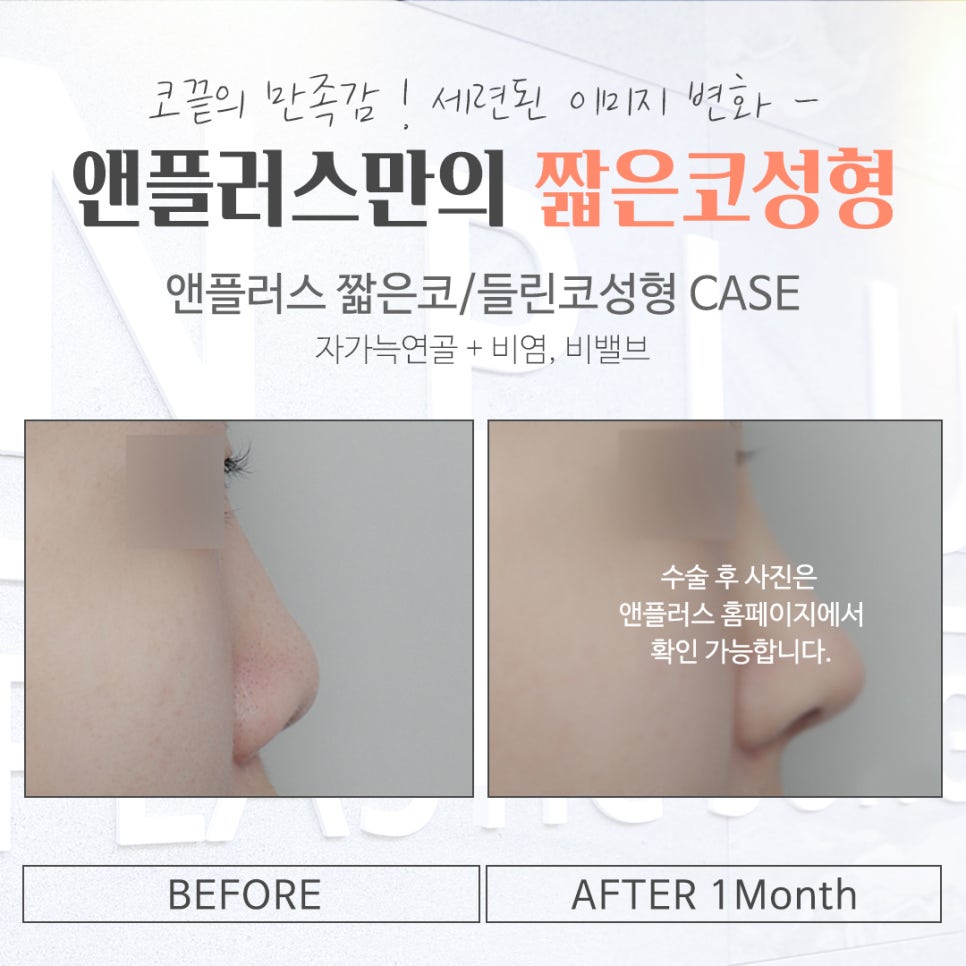
(The image above shows before-and-after photos of short nose surgery at N+ Clinic.)
This time, I have summarized content related to short nose surgery. I hope this article is very helpful for those who are currently looking for information about short nose surgery because their nose is low, short, or upturned. Thank you.
https://youtu.be/iY2pyDSjs1k