
For a variety of reasons, people of all ages and genders today can try various methods to improve their appearance. What can be done on one’s own includes dieting, exercise, and skin care, but for areas that are still difficult, people may consider cosmetic surgery. However, indiscriminate plastic surgery can cause side effects, so it is essential to look into it carefully. In particular, the nose is located at the center of the face and is the most three-dimensional feature, so if the shape of the nose is not straight or well-balanced, the overall balance of the face can appear disrupted. Because of this, more people are increasingly considering nose surgery first to improve it.

Among those looking into nose surgery, common nose shape characteristics include a nose that is too low, has a hump, is upturned, is crooked, is drooping, or has a bulbous shape. When people look into nose surgery, they usually approach it as a cosmetic issue, but the nose also plays an important external role and is a functional part of the body responsible for breathing and smell. If improvement is focused only on the external appearance of the nose, postoperative functional problems can lead to revision surgery. To learn more in detail, you can look into functional nose surgery reviews.
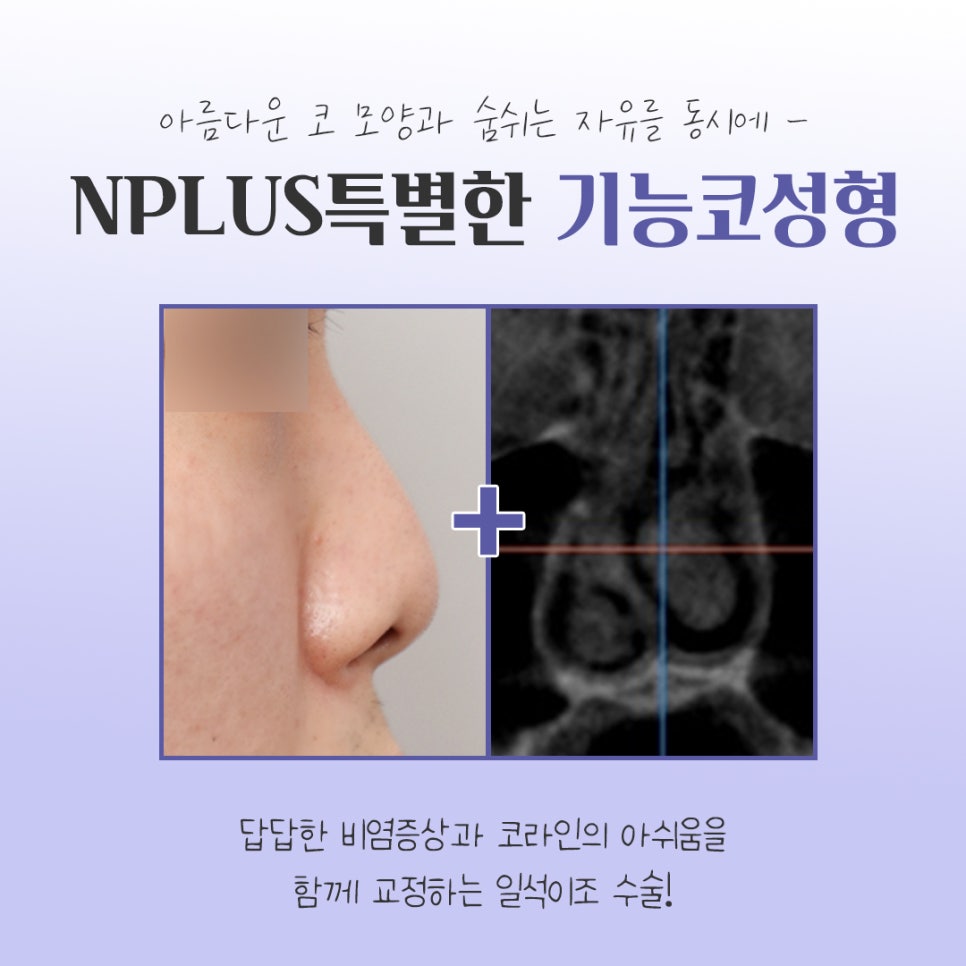
Functional nose surgery refers to surgery that corrects various uncomfortable symptoms inside the nose while also correcting an externally unsatisfactory shape at the same time.

This type of functional nose surgery can be performed when there are problems with the internal function of the nose. In functional nose surgery reviews, there are cases where it can be applied, and a representative example is nasal congestion caused by rhinitis. Rhinitis is a common condition affecting more than 70% of adults in Korea, and it can be divided into allergic rhinitis and structural rhinitis. In the case of allergic rhinitis, symptoms appear due to specific substances or environments, so it is difficult to identify the exact cause, and because a complete cure is difficult, treatment may begin with improving immunity and using medication first.
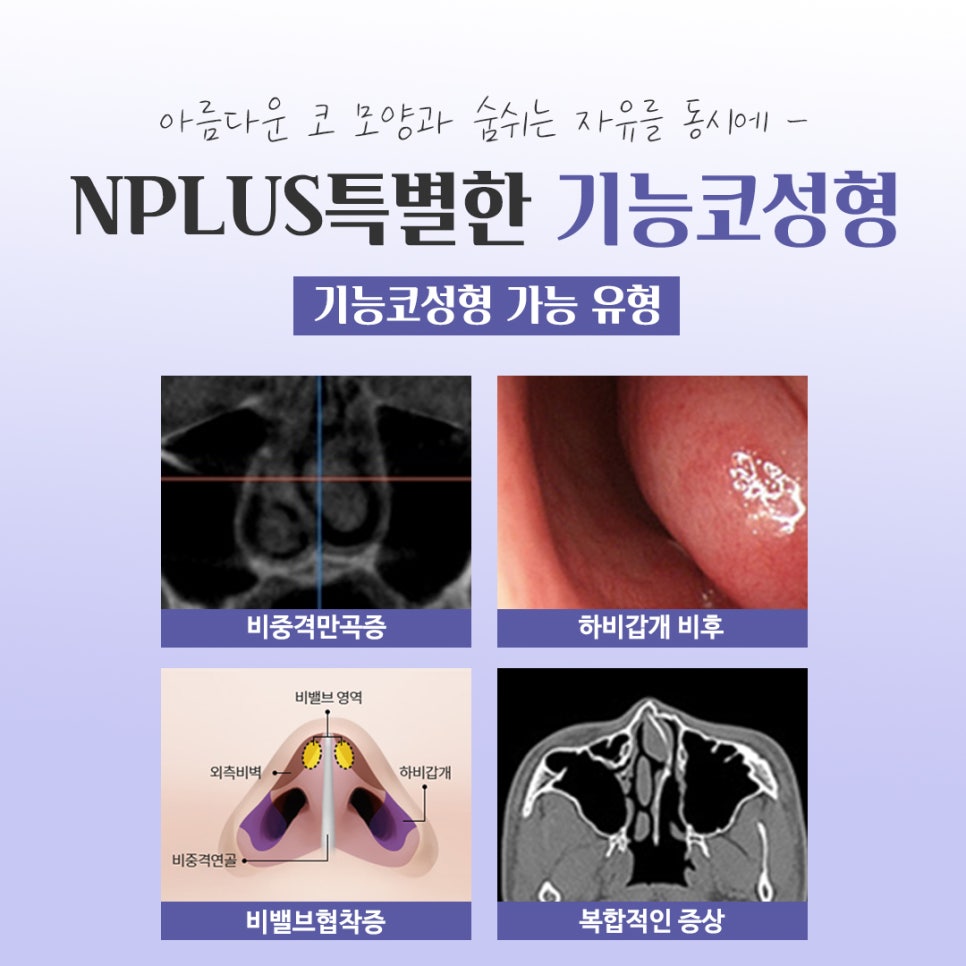
Unlike allergic rhinitis, structural rhinitis has a clear cause. If the problem with the nasal structure is accurately identified and surgery appropriate for it is performed, a cure can be expected. Causes of structural rhinitis are classified as deviated septum, inferior turbinate hypertrophy, nasal valve stenosis, and complex symptoms. In each case, the airflow entering the nose is obstructed, and nasal congestion appears as a common symptom. By checking functional nose surgery reviews, you can learn more about these symptoms and visit a hospital to receive an accurate diagnosis of your current condition, which may help you make your decision.

In the case of rhinitis described above, treatment may not be necessary if the symptoms are mild. However, if the symptoms are left untreated and develop into chronic rhinitis, it can become more inconvenient in daily life. With chronic rhinitis, nasal congestion can cause a lack of oxygen to the brain, leading to decreased concentration, headaches, migraines, loss of motivation, as well as sore throat and complications due to dry mouth. Therefore, it would be good to consult a specialist and receive a diagnosis of your current condition.
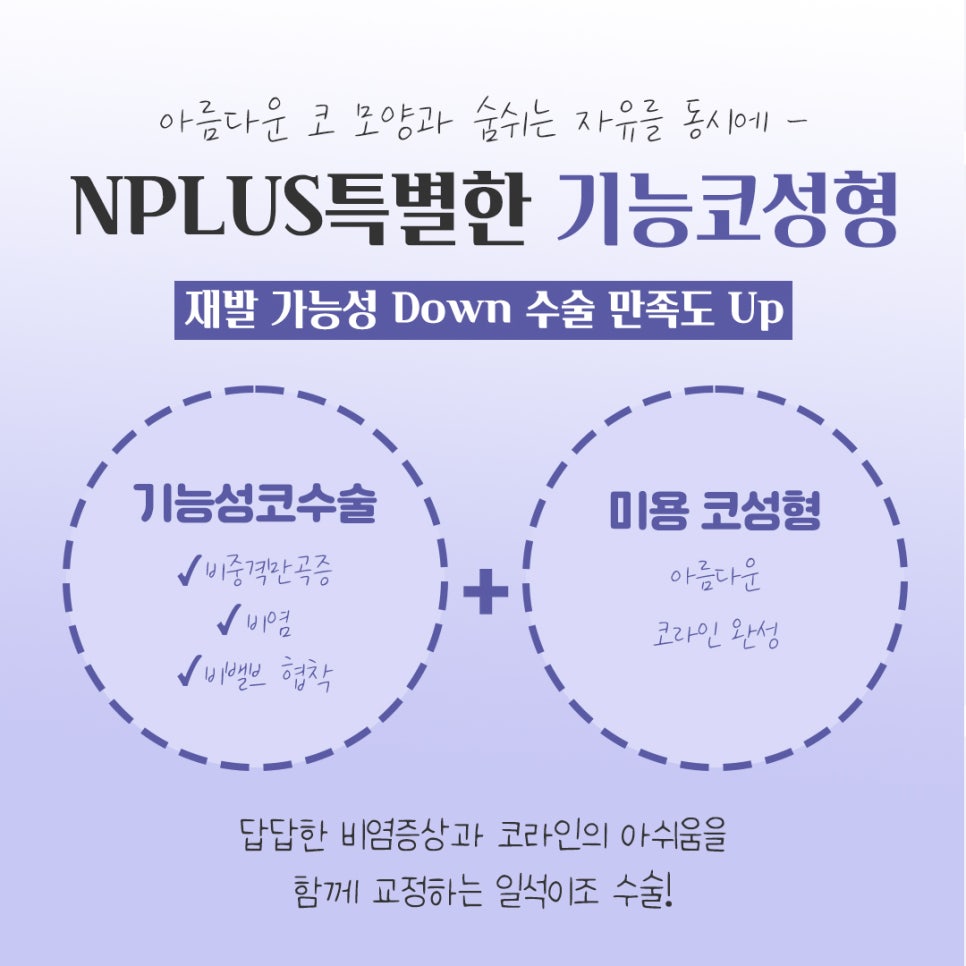
Also, because it is difficult to determine by sight alone whether nasal congestion is due to a cold, allergic rhinitis, or structural rhinitis, it is important to visit a specialized clinic and have the inside and outside of the nose accurately examined through equipment-based tests and physical examinations.
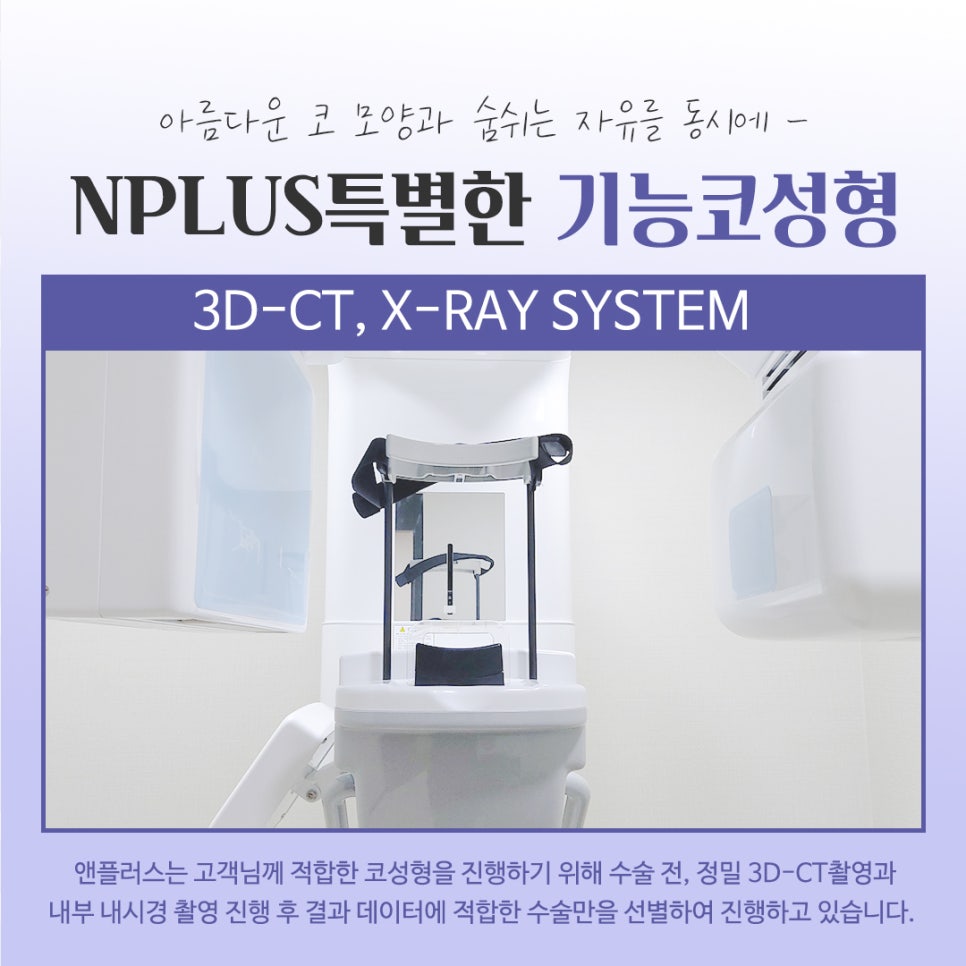
At Oji-ko Hospital N Plus, to ensure a safe and satisfying functional nose surgery experience, they perform multi-angle photography, 3D-CT scans, internal endoscopy, various allergy tests, and internal nasal function tests before surgery. Based on the extracted data, they assess the current internal and external condition of the individual’s nose accurately and establish a surgical plan accordingly.

As for the methods of functional nose surgery, after first identifying symptoms such as deviated septum, inferior turbinate hypertrophy, and nasal valve stenosis, surgery and treatment appropriate to the condition can be performed, and cosmetic nose surgery can be carried out after functional improvement.
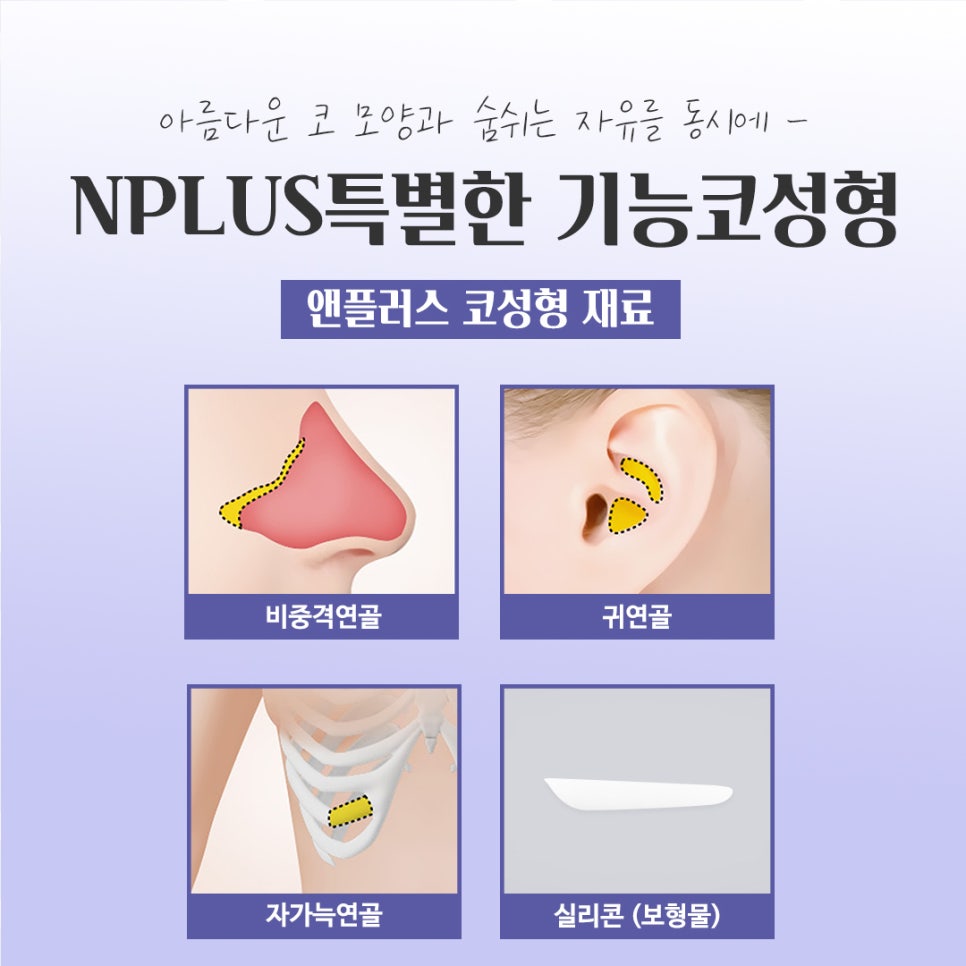
In cosmetic nose surgery, the bridge of the nose can be improved with silicone, and the tip of the nose can be improved with autologous cartilage to enhance the overall nasal line. Autologous cartilage can be selected and used according to the condition of the nose after preoperative testing, and it includes ear cartilage, septal cartilage, and autologous costal cartilage.
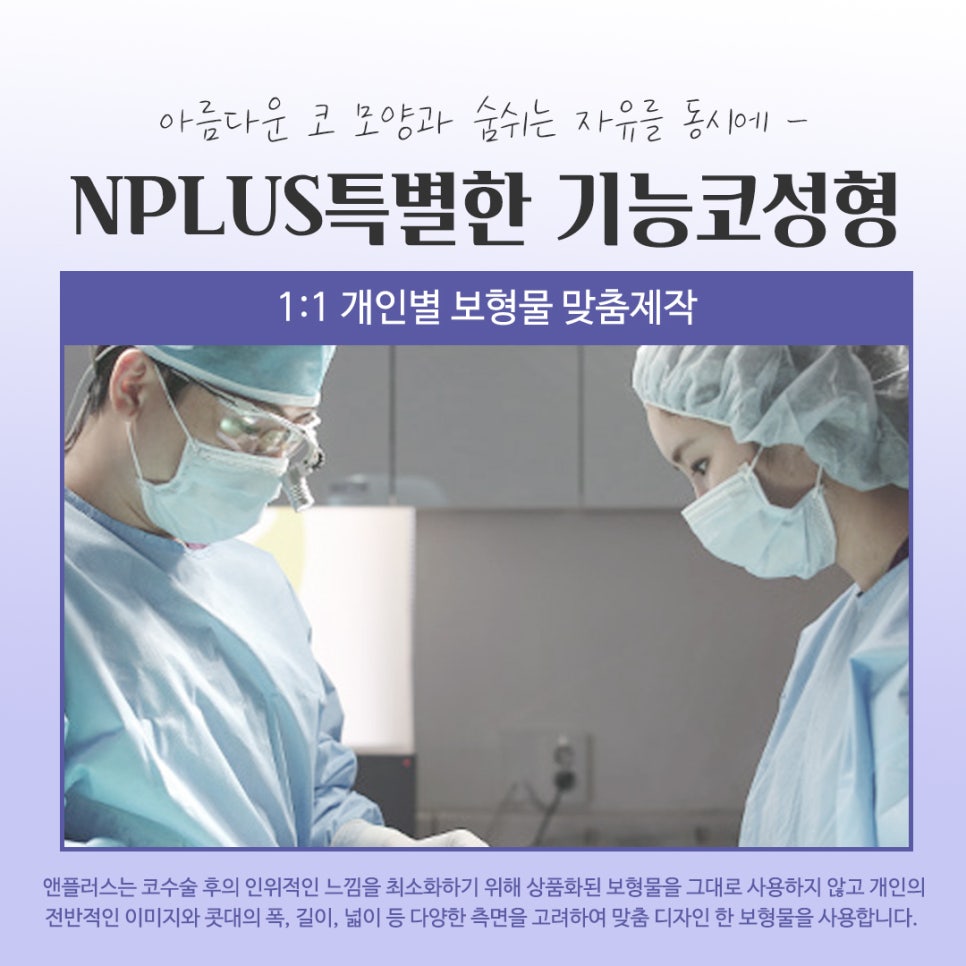
In the case of silicone, to minimize an artificial feeling after surgery, they do not use mass-produced silicone as is. Instead, they carefully shape it by hand while considering various aspects such as the individual’s overall image and the width, length, breadth, and height of the nasal bridge. This can lead to a more satisfying functional nose surgery experience.

As such, for those looking into information about functional nose surgery reviews, it is important not to judge the surgery hastily based only on the images in the reviews. In particular, functional nose surgery requires an accurate understanding of the internal and external condition of the nose, and because two or more surgical methods are applied, it is considered a relatively difficult procedure among surgeries. For those researching functional nose surgery reviews, it would be helpful to additionally check whether the medical staff have strong anatomical knowledge of the nose, whether they have sufficient experience and expertise, whether the necessary equipment to accurately assess the condition of your nose is available, and whether post-treatment care can be reliably guaranteed.
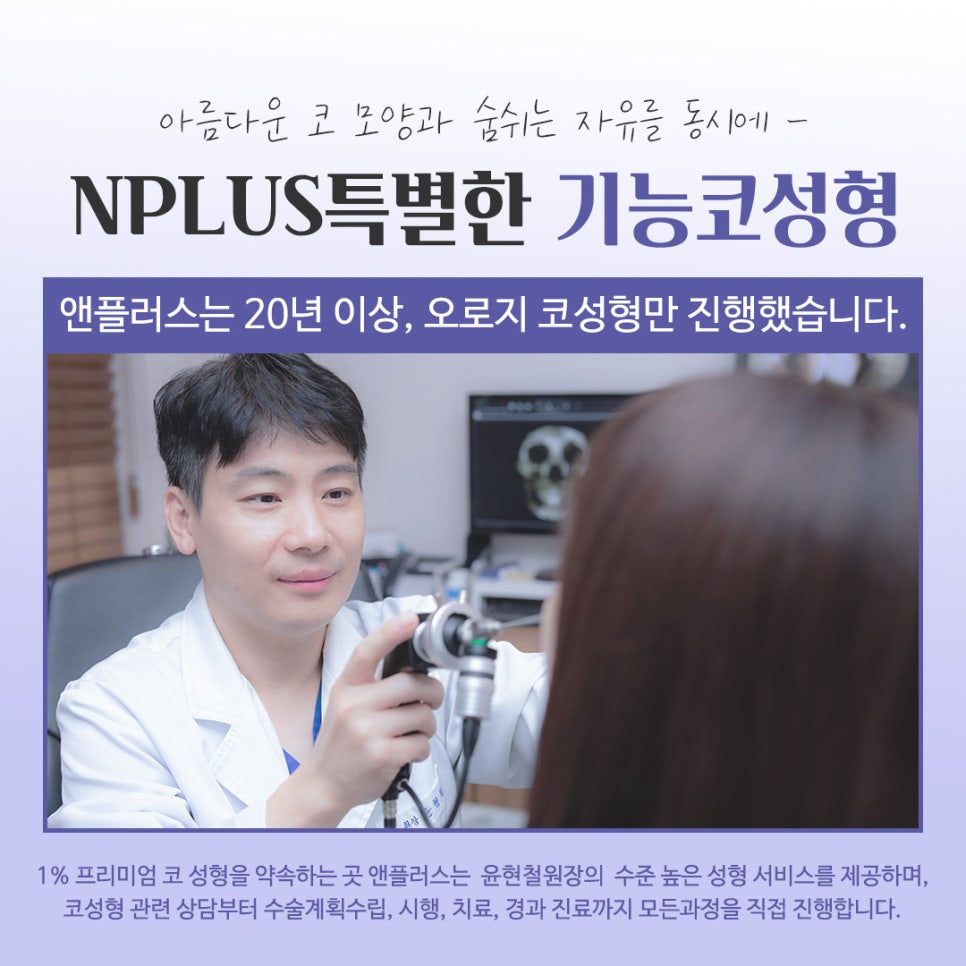
At Oji-ko Hospital N Plus, Director Yoon Hyun-cheol, who has over 20 years of experience, provides one-on-one dedicated care and personally handles the entire process, from consultation related to nose surgery to establishing the surgical plan, performing the surgery, treatment, and follow-up visits. As a result, you can receive high-level medical services.

For aftercare, they issue an Oji-ko Hospital N Plus membership card and operate a service warranty system that guarantees support for one year after surgery. They also implement a surgical responsibility guarantee system to prepare for any postoperative pain, inflammation, dissatisfaction with appearance, or other situations that may arise, so you can receive clear aftercare benefits after surgery.
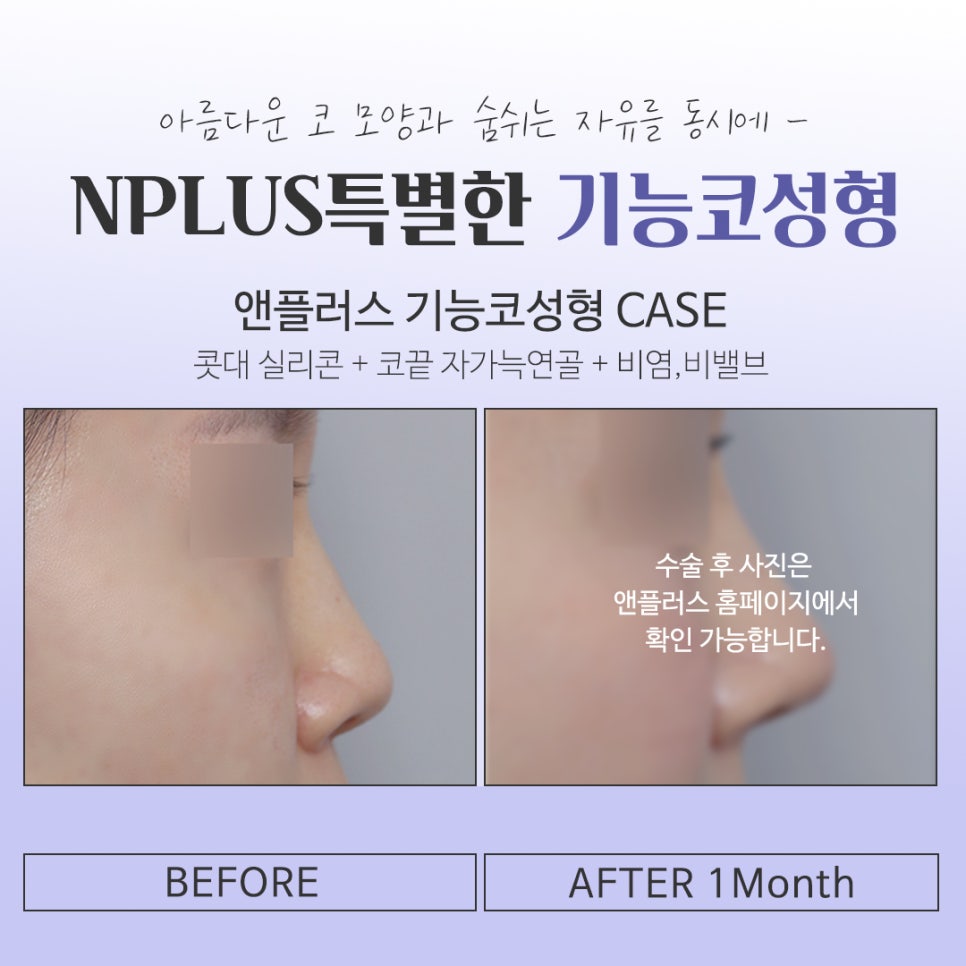
(The image above is a before-and-after photo of functional nose surgery at Oji-ko Hospital N Plus.)
This time, I explained information related to functional nose surgery reviews. I hope this article was helpful for those who are considering functional nose surgery reviews because they are unhappy with the shape of their nose or because they have nasal congestion caused by rhinitis. Thank you.
https://youtu.be/dSBxqOR43IU?si=PG_eDv-RJ_xbUuEc