
Many people who experience discomfort due to chronic nasal congestion visit the clinic. In cases like this, nasal congestion is often mistaken for a mild cold or temporary rhinitis and left untreated. If the symptoms are mild, treatment may not be necessary, but if they are left untreated, they can develop into chronic rhinitis, which may cause complications such as headaches, migraines, reduced concentration, mouth breathing, and dry mouth, leading to greater disruption in daily life. Therefore, if your symptoms are mild, it is helpful to visit a hospital to receive a diagnosis of your current condition, and before doing so, it would be good to look into information about before and after nasal surgery for rhinitis.

For people looking into rhinoplasty, cost or cosmetic considerations are often prioritized on average. However, since nasal congestion caused by rhinitis can also be improved through surgery, it is worth looking into this in more detail. If we classify the nose shapes of those looking into before and after nasal surgery for rhinitis, they can be categorized as a nose that is too low, has a hump, is upturned, is crooked, is drooping, or has a bulbous shape. Although such external factors are prioritized, checking internal nasal problems with equipment before proceeding with surgery can help prevent revision surgery caused by postoperative functional issues.
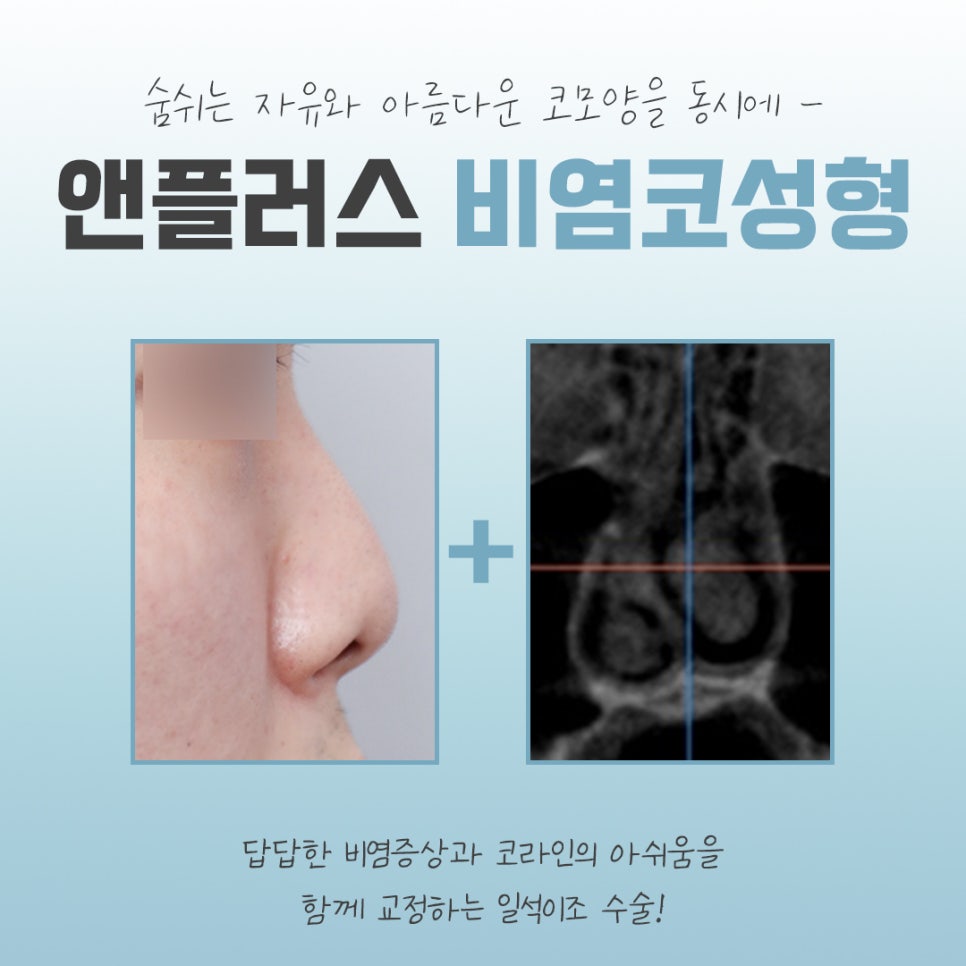
As explained above, rhinitis is a common condition affecting more than half of Korean adults, and it can be divided into allergic rhinitis and structural rhinitis. In the case of allergic rhinitis, symptoms appear due to specific substances or environments, so a complete cure is difficult, and medication treatment or strengthening the immune system should be prioritized.
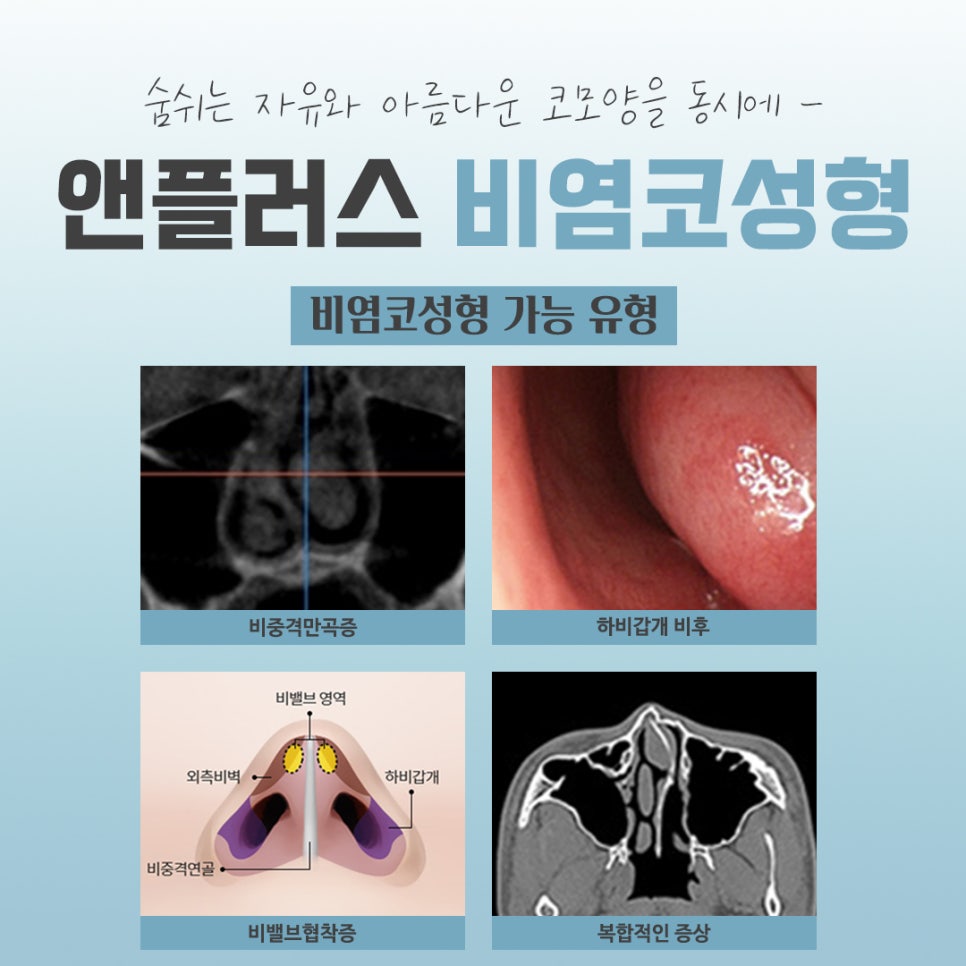
On the other hand, structural rhinitis can be expected to be cured through surgery. Structural rhinitis appears when different conditions obstruct the flow of air entering through the nose, and its causes can be classified as a deviated septum, inferior turbinate hypertrophy, nasal valve stenosis, or a combination of symptoms. Since it is not possible to visually distinguish whether rhinitis is a cold, structural rhinitis, or allergic rhinitis, it is important to receive an accurate diagnosis of the current condition through proper equipment.

If you look into before and after nasal surgery for rhinitis, many cases involve improving rhinitis caused by cosmetic concerns or internal structural problems. This is because rhinitis has a high likelihood of developing internal structural problems in the nose due to trauma, so surgery can address both the external and internal aspects at the same time.
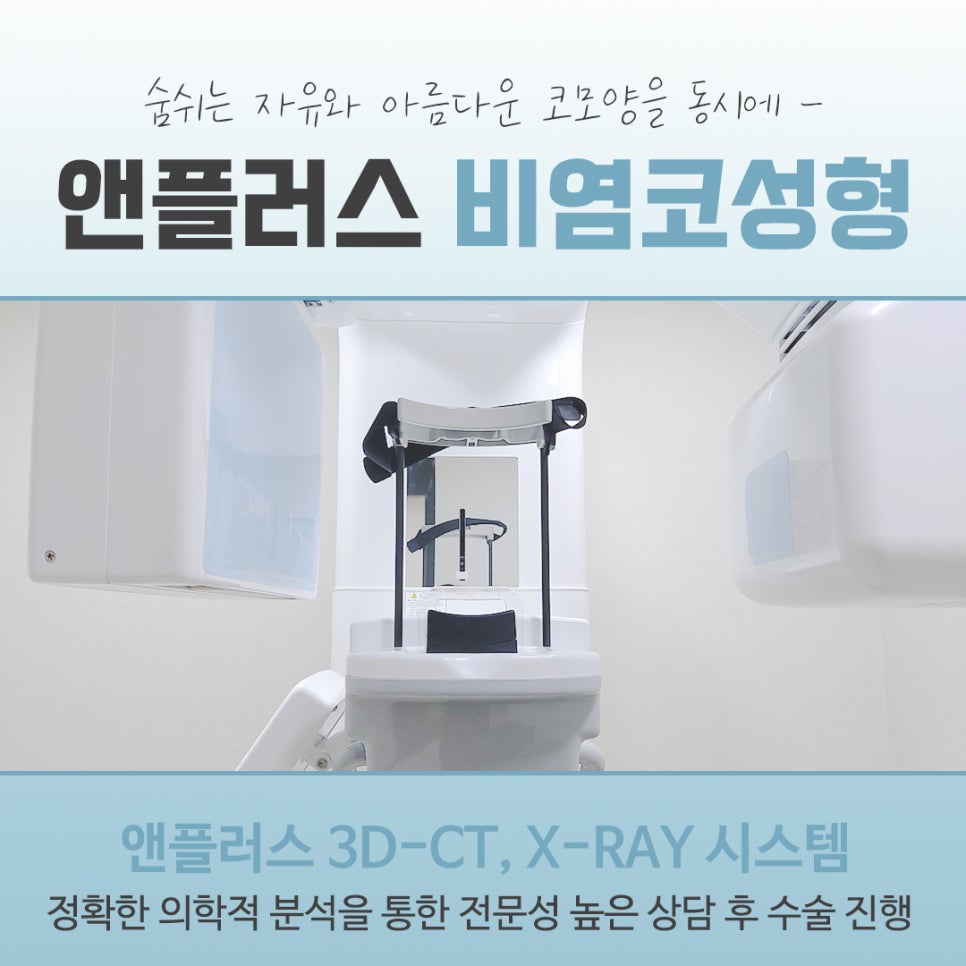
At N+ Clinic, to ensure safe and satisfying before and after results for nasal surgery for rhinitis, preoperative 3D-CT scans, internal endoscopy, various allergy tests, and internal nasal function tests are performed to accurately understand the patient’s internal and external nasal condition. Based on the collected data, a surgical plan is established and carried out.

The surgical approach for before and after nasal surgery for rhinitis can vary depending on the condition—such as a deviated septum, inferior turbinate hypertrophy, nasal valve stenosis, or combined symptoms—by applying the appropriate surgical method and materials. After prioritizing functional improvement in this way, cosmetic rhinoplasty can be performed additionally.
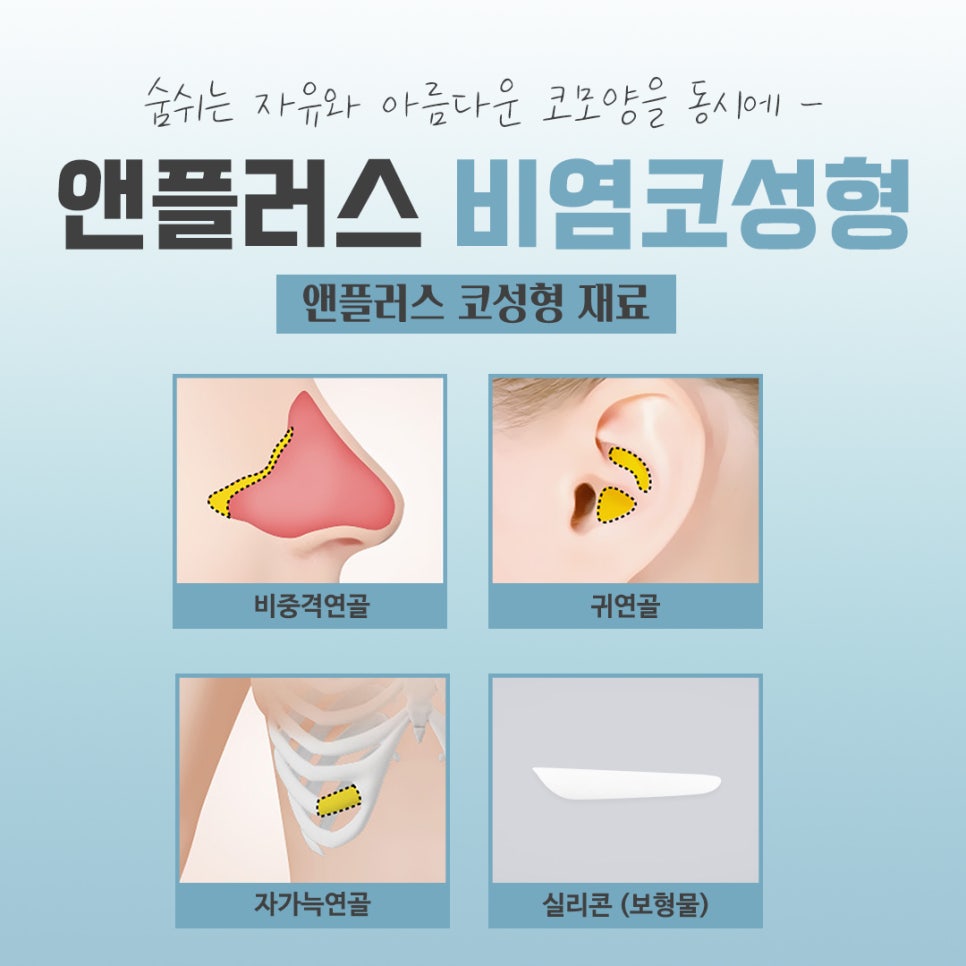
In the case of cosmetic rhinoplasty, the bridge of the nose can be done with silicone, and the nasal tip with autologous cartilage. For autologous cartilage, it can be selected through preoperative screening to choose the material most suitable for the individual.

For silicone, the implant used for the nasal bridge is not simply a pre-made commercial product. Instead, it is carefully and delicately shaped by hand after considering various factors such as the patient’s overall appearance, the width, length, breadth, and height of the nasal bridge, which can lead to a more satisfying result.

As such, those looking into before and after nasal surgery for rhinitis should not focus only on cosmetic or cost-related aspects when gathering information about surgery. In addition, it is helpful to carefully check whether the medical staff have a high level of anatomical knowledge of the nose, whether they have abundant relevant experience and expertise, whether the necessary equipment to accurately assess the condition of your nose is available, and whether aftercare can be reliably guaranteed.

At N+ Clinic, Director Yoon Hyun-cheol, who has more than 20 years of experience, personally handles one-on-one care and directly manages every step related to before and after nasal surgery for rhinitis, from consultation and surgical planning to the procedure, treatment, and follow-up care, allowing patients to receive high-level medical services before and after surgery.

The aftercare provided after surgery also includes an A/S system guaranteed for one year after the operation, as well as a surgery responsibility guarantee system in preparation for any possible postoperative pain, inflammation, or dissatisfaction with appearance, so you can be assured of thorough aftercare benefits.
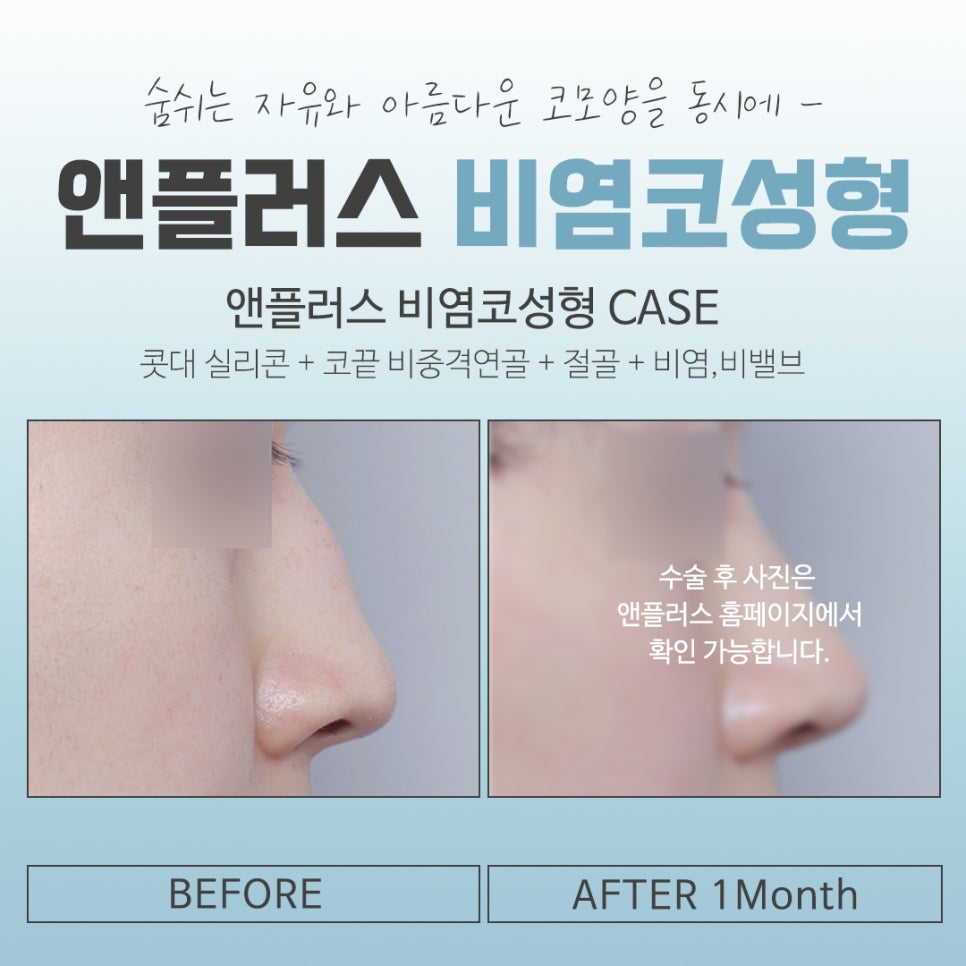
(The image above shows before and after photos of nasal surgery for rhinitis from N+ Clinic.)
This time, I shared information related to before and after nasal surgery for rhinitis. I hope this article is very helpful for those who are currently experiencing inconvenience in daily life due to rhinitis, or who are looking into rhinoplasty because they are dissatisfied with the shape of their nose. Thank you.
https://www.youtube.com/shorts/4EhmZZxhLyk?feature=share