
At present, for various reasons, many people try to improve their image on their own through various media. When it comes to concerns that are difficult to address despite these efforts, rhinoplasty is often one of the first things people consider. The nose is located at the center of the face and is the most three-dimensional feature, so even a small change in its shape can have a strong effect on improving the overall image. Today, among the various types of rhinoplasty, I would like to explain cases in which the nasal tip is improved into a natural line through tip cartilage suturing without using silicone.

For those looking into rhinoplasty, the nose may be categorized as very low, bumpy, humped, upturned, crooked, drooping, or a bulbous nose. In general, because the nose is not straight and properly shaped, the balance of the entire face may look disrupted due to the nose’s shape, so it can be considered as a way to improve that.
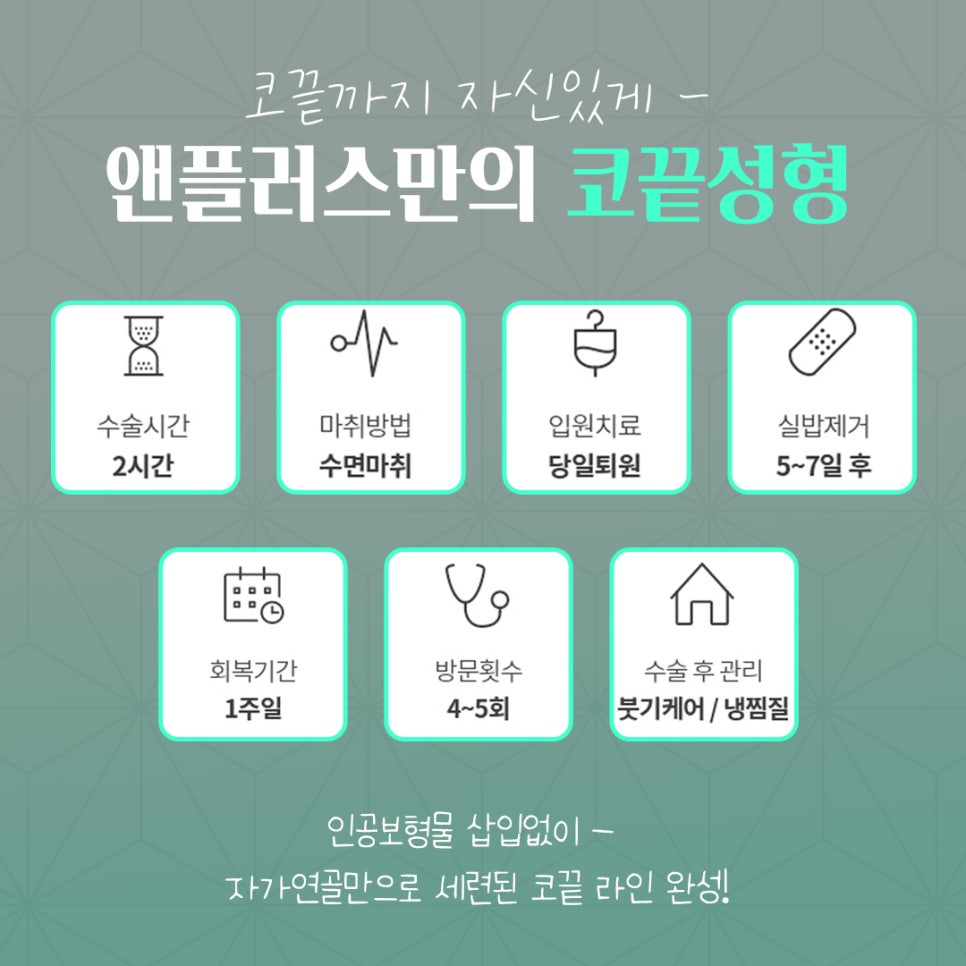
As mentioned above, when it comes to rhinoplasty for improving the overall line of the nose, cases that may require nasal tip surgery through tip cartilage suturing, as explained today, can be grouped into a low nasal tip, an upturned tip, a drooping tip, a drooping or arrow-shaped nose tip, a long nose, or a tip that looks wide and spread out.

Therefore, for those looking into rhinoplasty and tip cartilage suturing, an aesthetic approach may be prioritized. However, the nose is an internal functional organ responsible for breathing and smell, so surgery must consider both the external appearance and internal function of the nose. Only then can revision surgery due to postoperative functional problems be prevented.
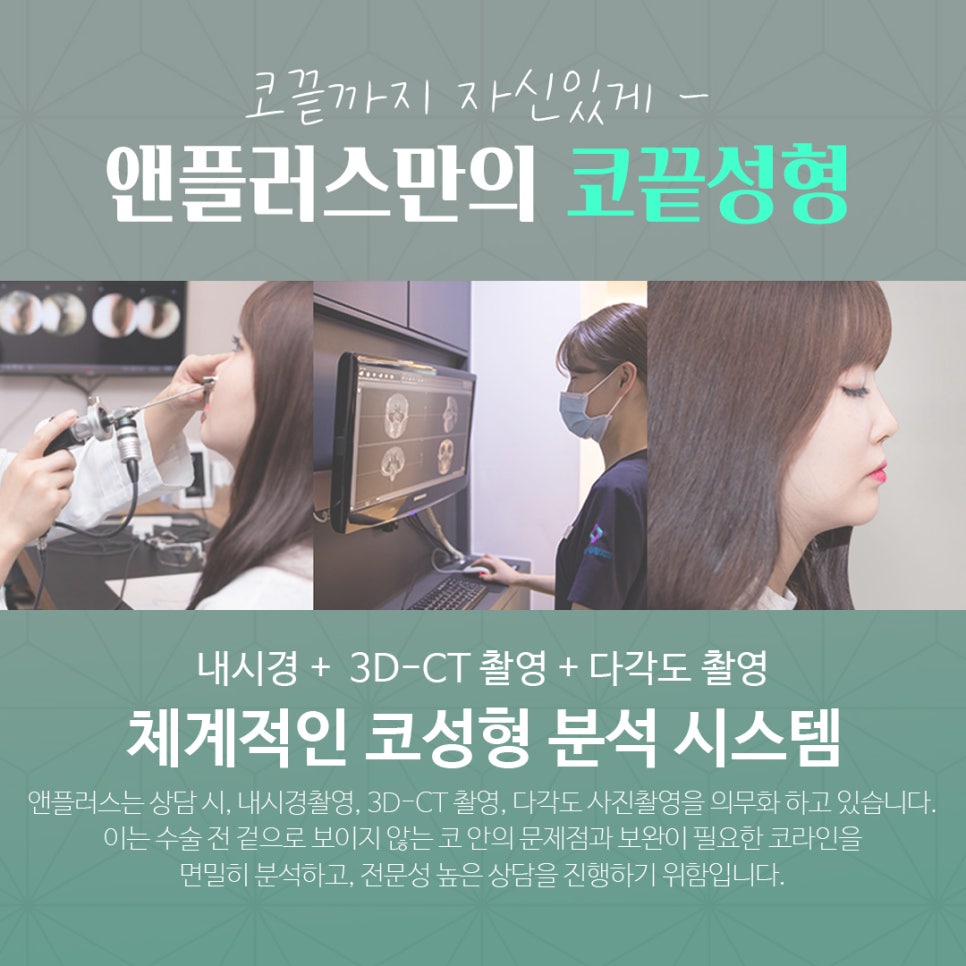
At Oji Korean Hospital & N Plus, to ensure safe and satisfying rhinoplasty or tip cartilage suturing, preoperative multi-angle photography, internal endoscopic imaging, various allergy tests, internal nasal function tests, and 3D-CT scans are performed. Based on the data obtained after accurately identifying the current condition of each individual’s external and internal nose, a surgical plan is established and carried out.
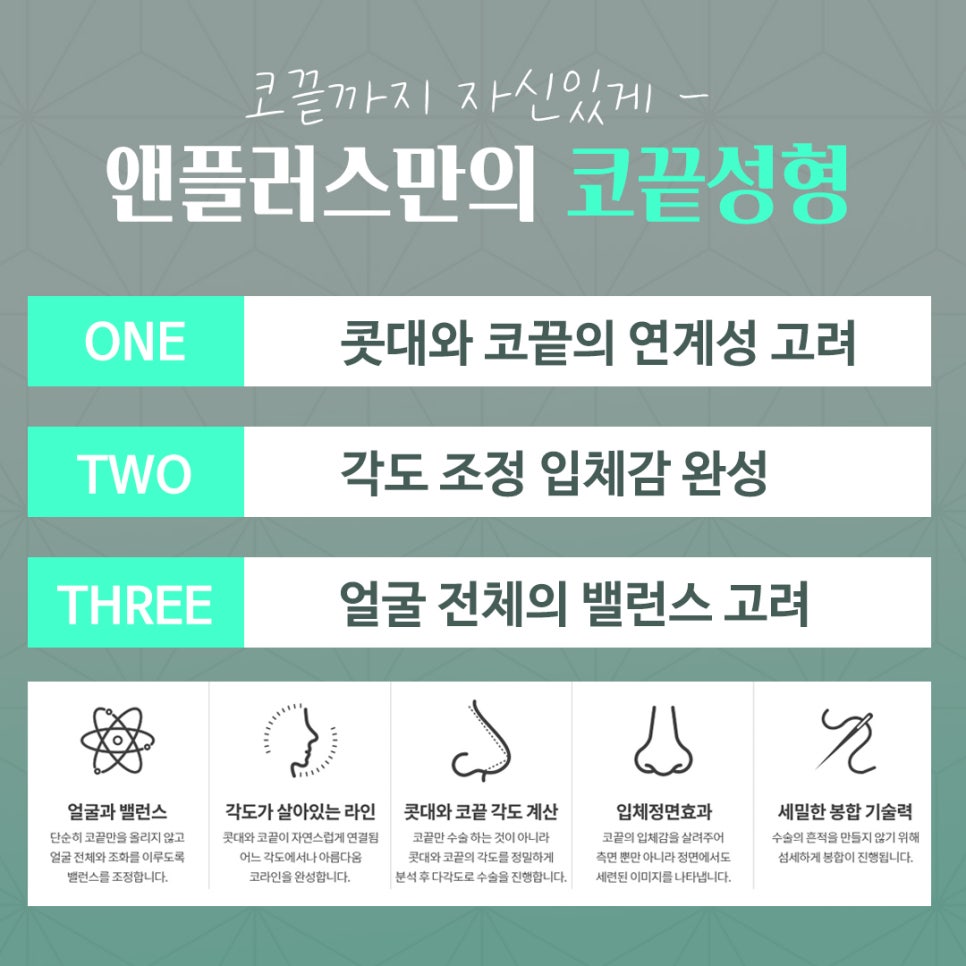
Methods used for nasal tip surgery may include tip cartilage suturing and columellar strut support. Even if the nose appears the same in before-and-after photos, it does not mean the same surgery is applied. Because the surgical method and materials differ depending on the condition of the skin, cartilage, nasal bone, and whether there are functional issues, it is more accurate not to judge on your own but to visit the hospital and receive a diagnosis with equipment. Methods for nasal tip surgery can be divided into cases such as a low tip, an upturned tip, a drooping tip, or a spread-out tip.
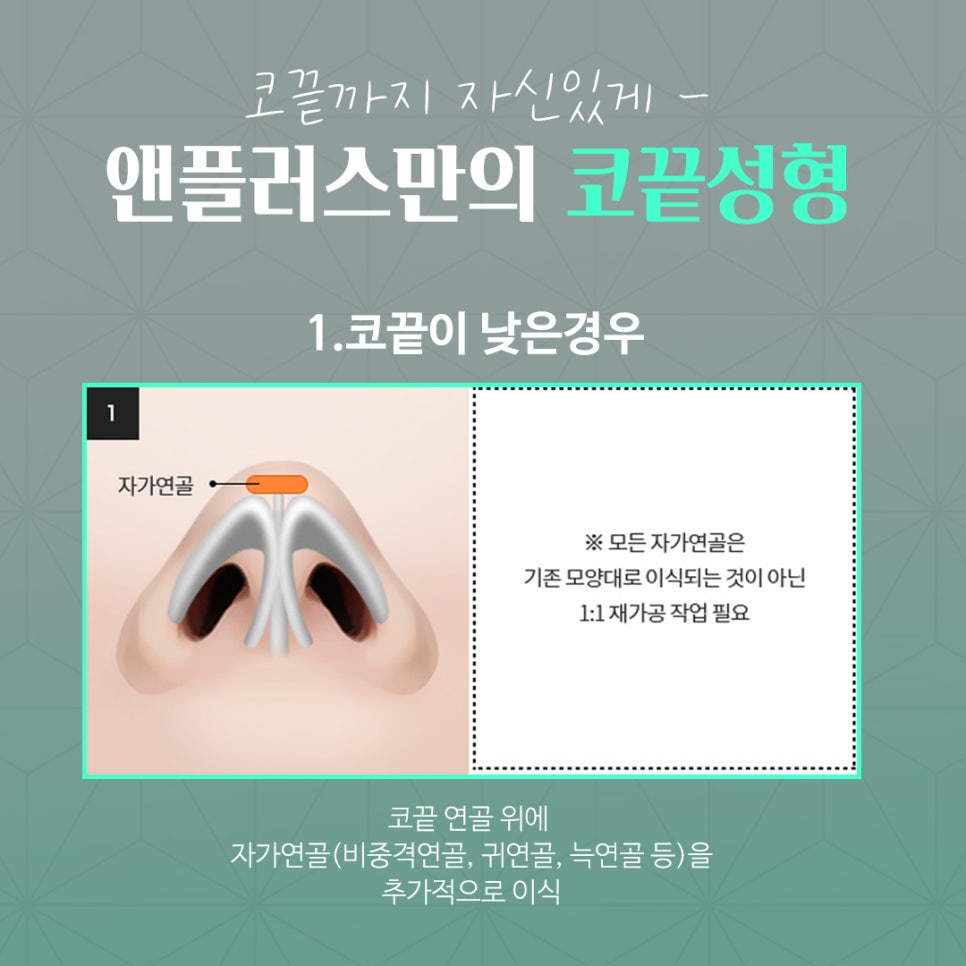
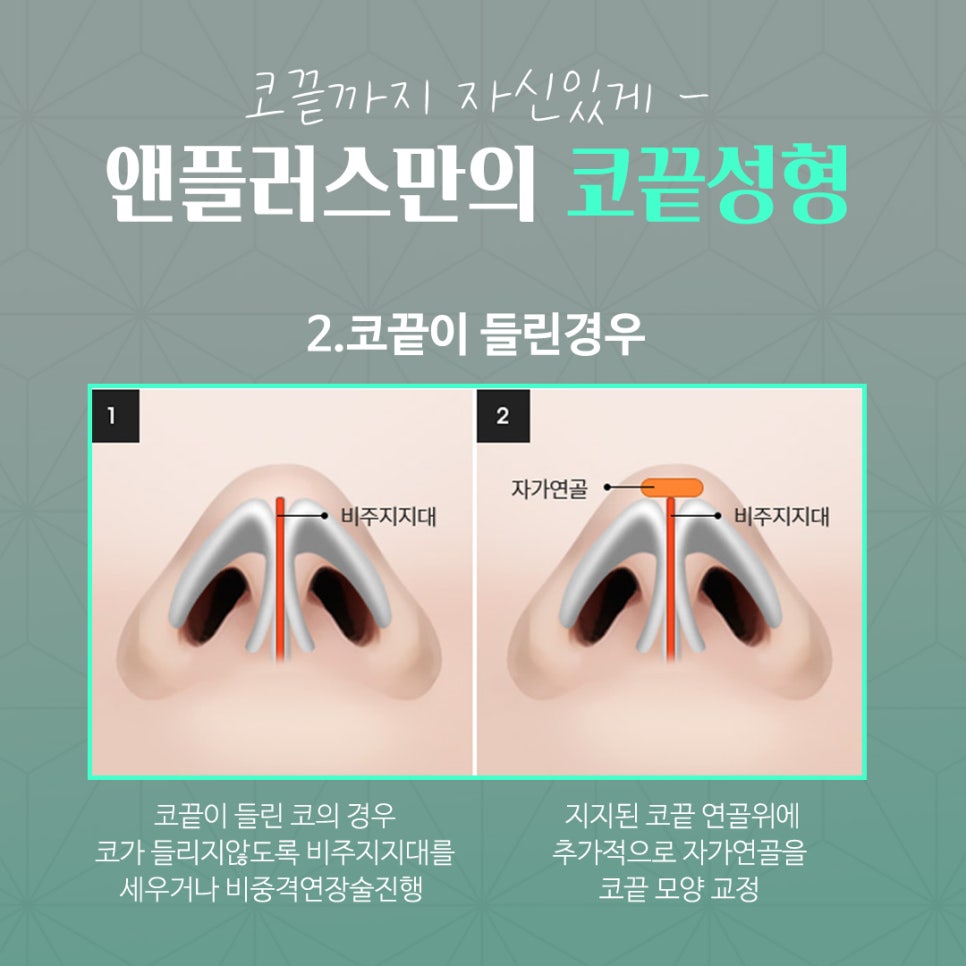
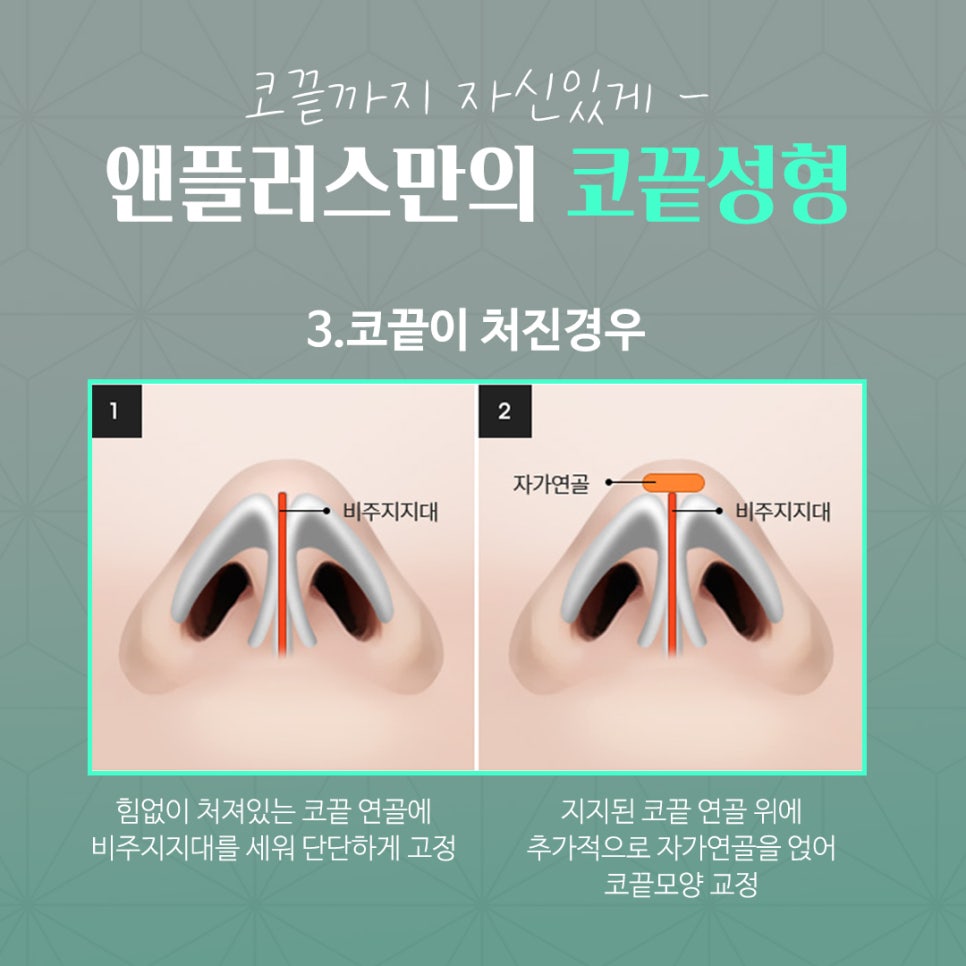
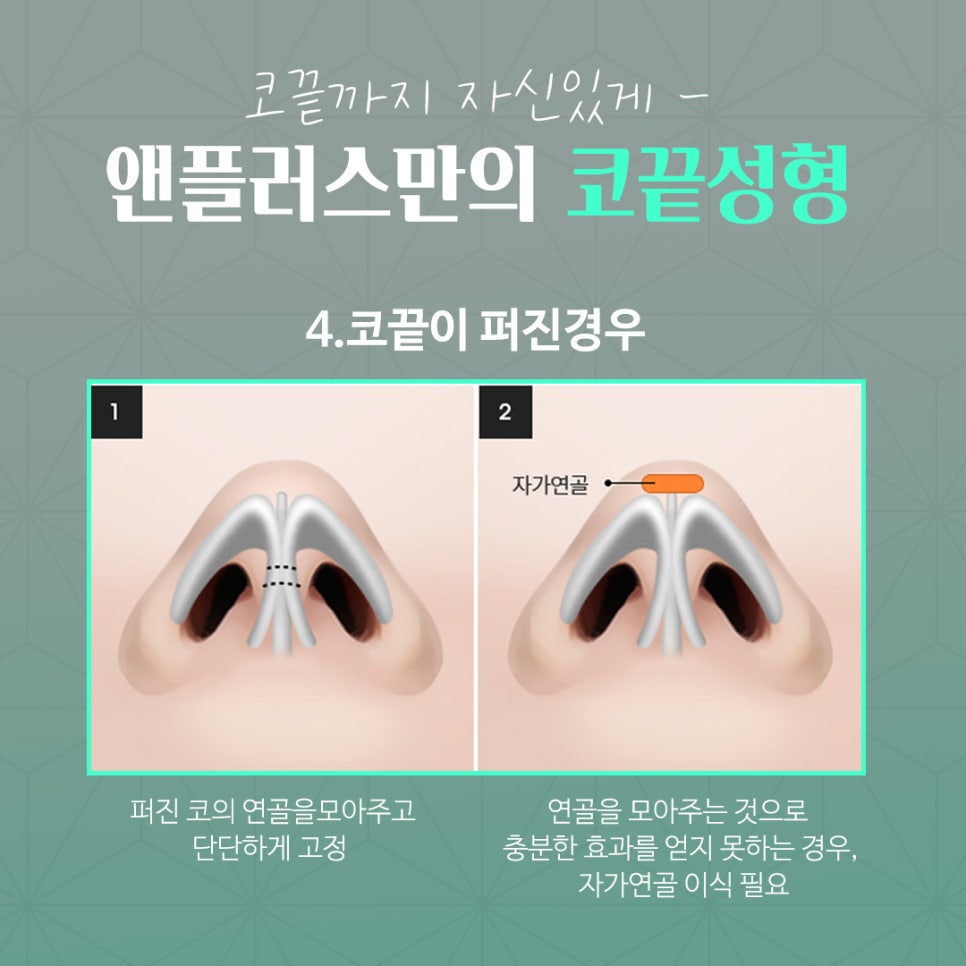
Depending on the condition, if the nasal tip is upturned or drooping, a columellar strut can be used to firmly support the tip. If the nose is spread out, tip cartilage suturing can be used to bring it together and secure it firmly. To add volume to the nasal tip, it is important to insert autologous cartilage and design the line so that there is no break between the bridge and the tip.
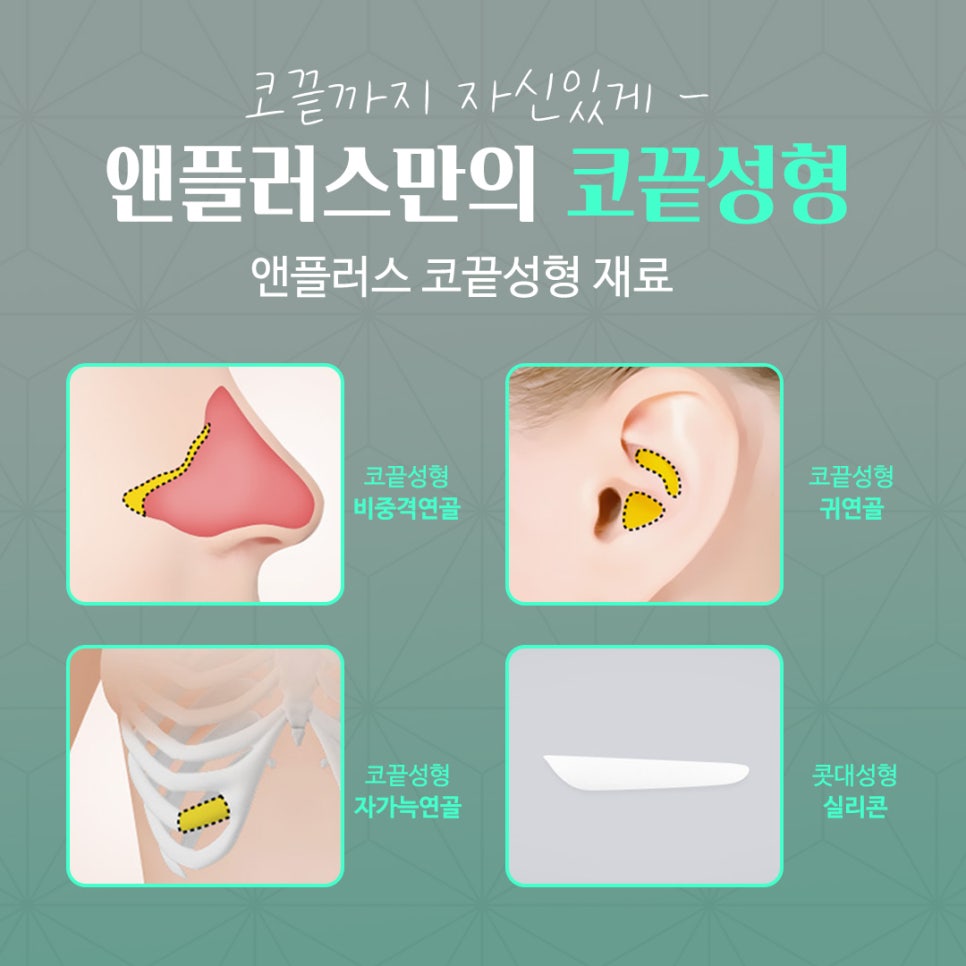
The material used for nasal tip surgery includes autologous cartilage. In the case of autologous cartilage, preoperative examinations allow the surgeon to select a material appropriate for the individual’s condition. Types of autologous cartilage include ear cartilage, septal cartilage, and autologous rib cartilage. If the use of autologous cartilage is unavoidably difficult, it can be replaced with donated rib cartilage approved by the U.S. FDA.
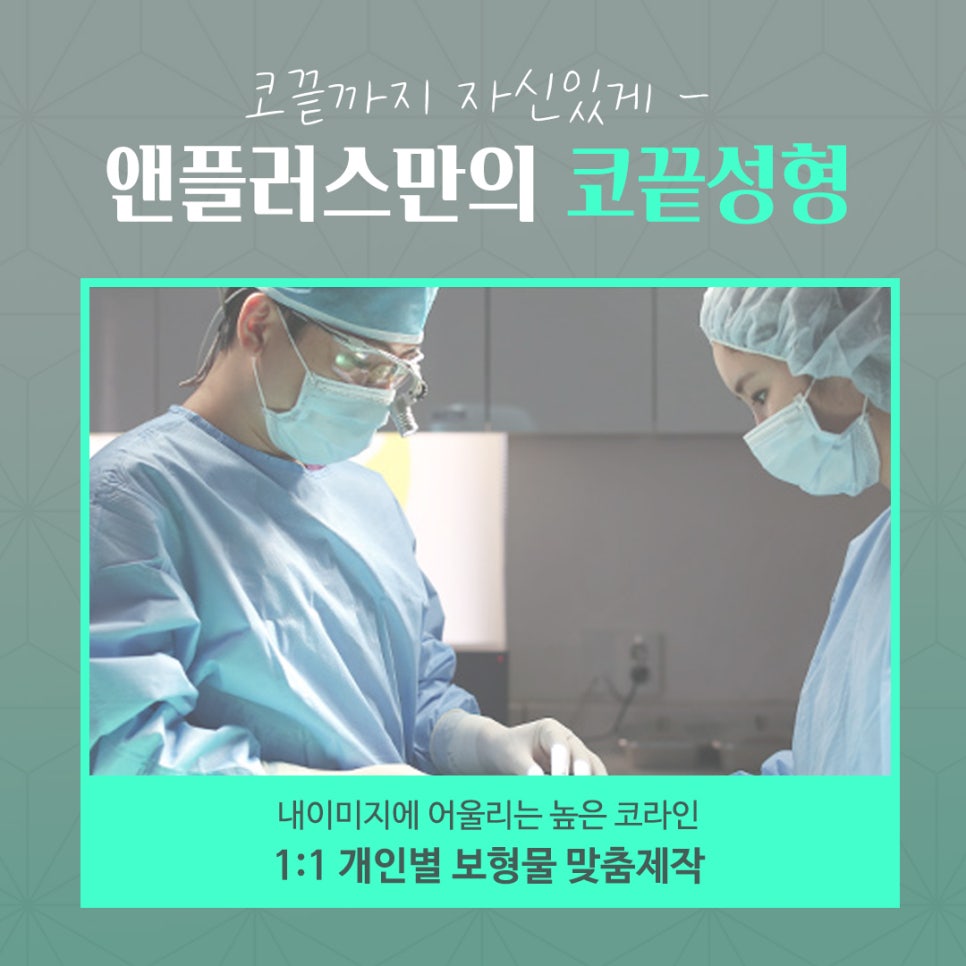
If necessary, silicone can be used on the nasal bridge to add volume. In this case, instead of using a pre-made commercial silicone as is, it can be carefully shaped by hand while considering the individual’s overall appearance and various aspects such as the width, length, breadth, and height of the nasal bridge, allowing for a more satisfying rhinoplasty and tip cartilage suturing procedure.

Therefore, for those looking into nasal tip surgery or tip cartilage suturing, it may be helpful to carefully check not only before-and-after photos, but also whether the medical team has strong anatomical knowledge of the nose, whether they have abundant experience and expertise, whether the clinic is equipped with devices that can accurately assess the condition of your nose, and whether aftercare is reliably guaranteed.
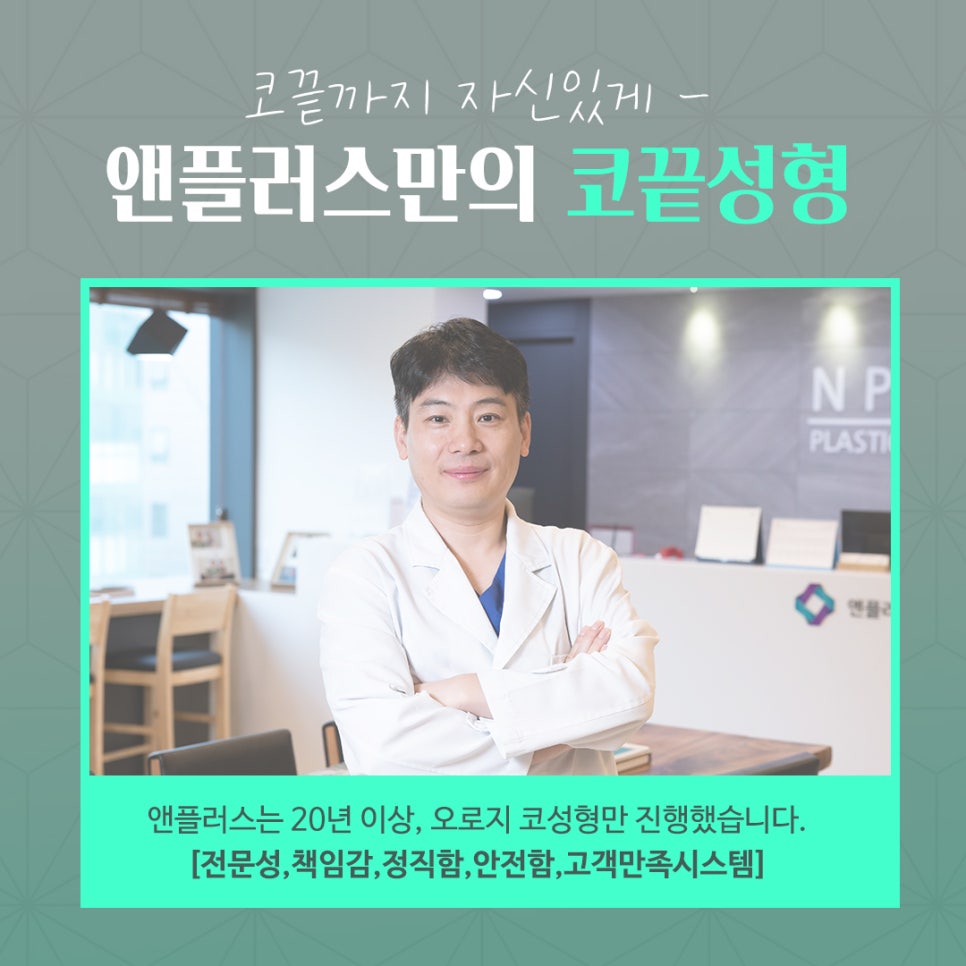
At Oji Korean Hospital & N Plus, Director Yoon Hyun-chul, who has over 20 years of experience, personally handles everything one-on-one, from consultation related to rhinoplasty to surgical planning, surgery, treatment, and follow-up care. This allows patients to receive a high level of medical service from before surgery through recovery.
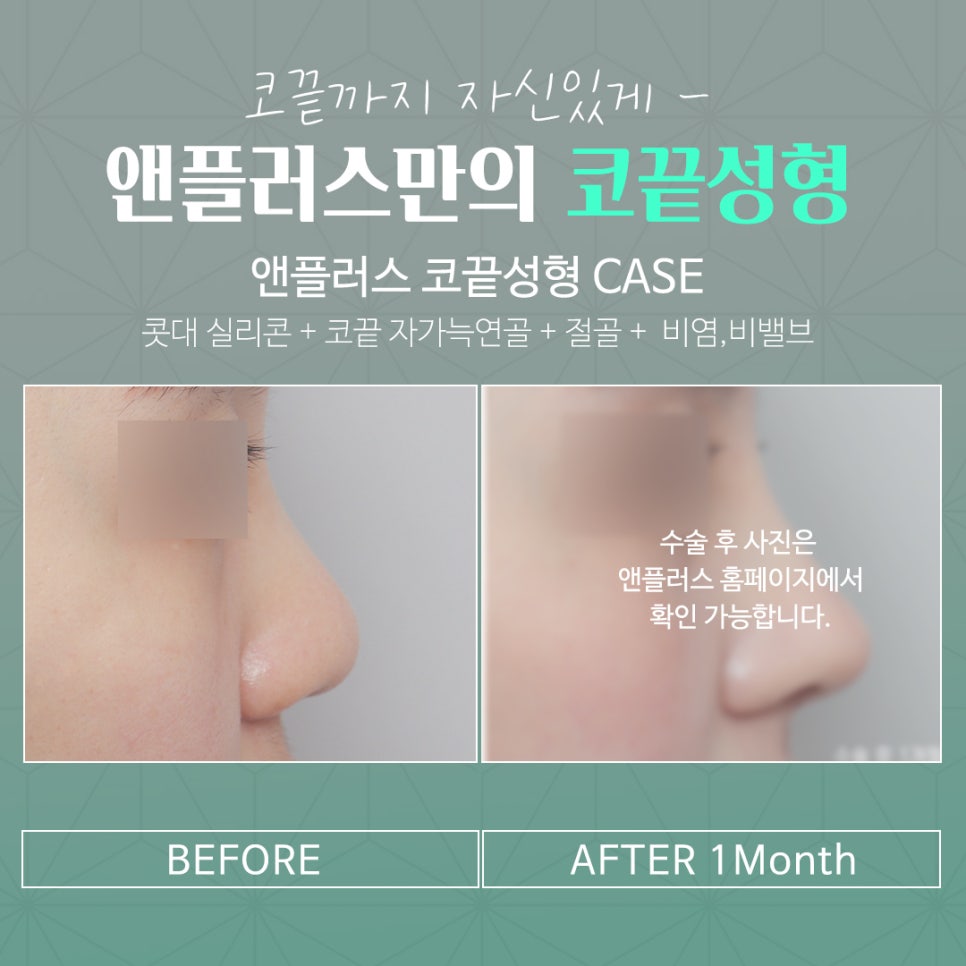
(The image above is a before-and-after photo of nasal tip surgery performed at Oji Korean Hospital & N Plus.)
This time, I shared information about nasal tip surgery and tip cartilage suturing performed at Oji Korean Hospital & N Plus. I hope this article is very helpful for those who are currently looking into rhinoplasty because they are not satisfied with the shape of their nasal tip. Thank you.
https://youtu.be/ikUp0zIMZvQ?si=X8oQ1nLYEhqMkpAN