
When meeting someone for the first time, the impression of the face can be important. That impression can vary depending on each person’s image and feeling. Among the facial features—eyes, nose, and mouth—the nose is located at the center of the face and is one of the most three-dimensional features. If the shape of the nose is not straight and balanced, the overall image balance of the face can appear disrupted. For that reason, you can learn more about rhinoplasty to improve it.

Common characteristics of people looking into rhinoplasty include a nose that is too low, has a hump, is upturned, crooked, drooping, or has a bulbous shape rather than a straight and balanced form. To achieve better facial balance, they may consider various options. In particular, when the nose is too low or lacks dimension, it can look flat, so you can look into low nose surgery in more detail to address these shortcomings.

In the past, when people thought about low nose surgery, the trend was to improve the nose into a high and striking line. In modern times, however, it is important to create a line that suits the individual. When designing the shape of the nose, the focus should not be only on the side profile; it is also worth looking into low nose surgery in more detail to create a three-dimensional look from the front and give the entire face a more defined impression.

However, when people look into low nose surgery, many tend to focus mainly on cosmetic aspects or cost. The nose plays an important external role, but it is also an internal functional organ responsible for breathing and smell. Therefore, surgery must consider both the external and internal condition of the nose to help prevent the need for revision surgery due to functional problems after the operation.

For those researching low nose surgery, it is helpful not to judge based only on before-and-after images. It is also important to carefully check whether the medical staff have strong anatomical knowledge of the nose, whether they have sufficient experience and expertise, whether the necessary equipment is available to accurately assess the condition of your nose, and whether aftercare is properly guaranteed.
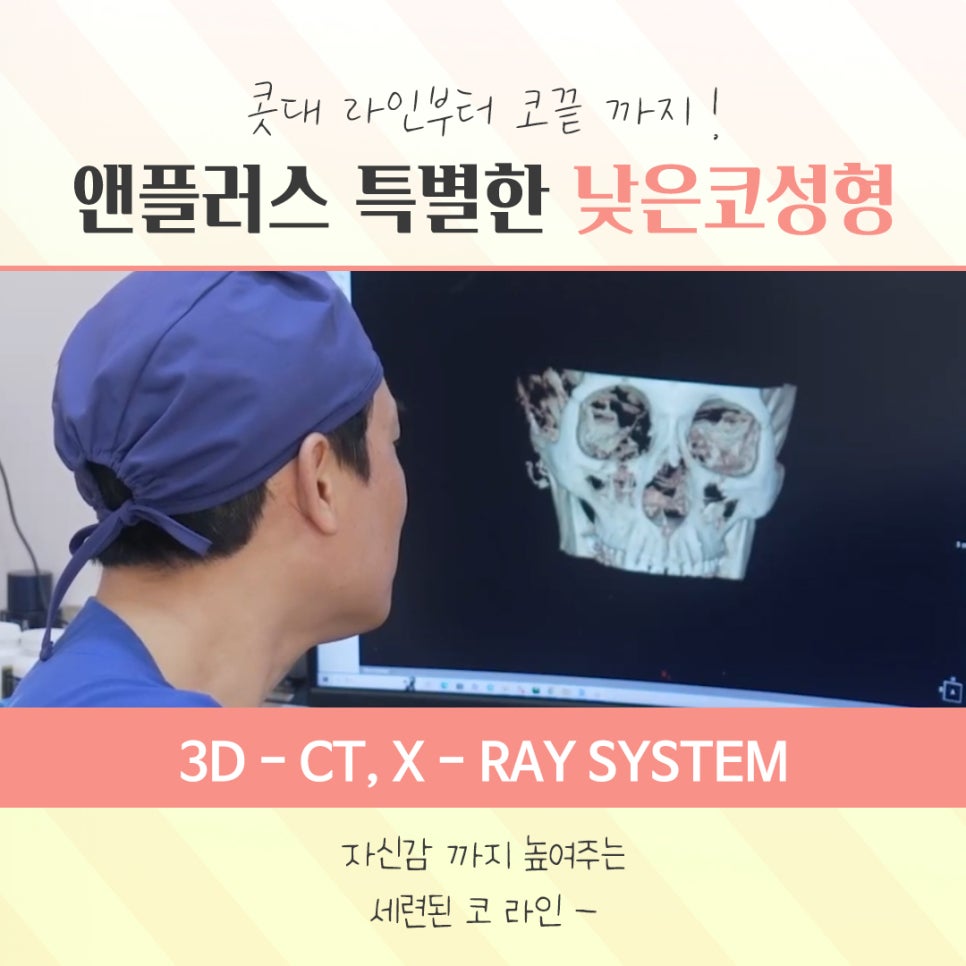
At A+ Hospital, to help ensure safe and satisfying low nose surgery, preoperative 3D-CT scans, internal endoscopic imaging, various allergy tests, internal nasal function tests, and multi-angle photography are performed to accurately understand the current external and internal condition of each patient’s nose. Based on the data obtained, a surgical plan is established and carried out.
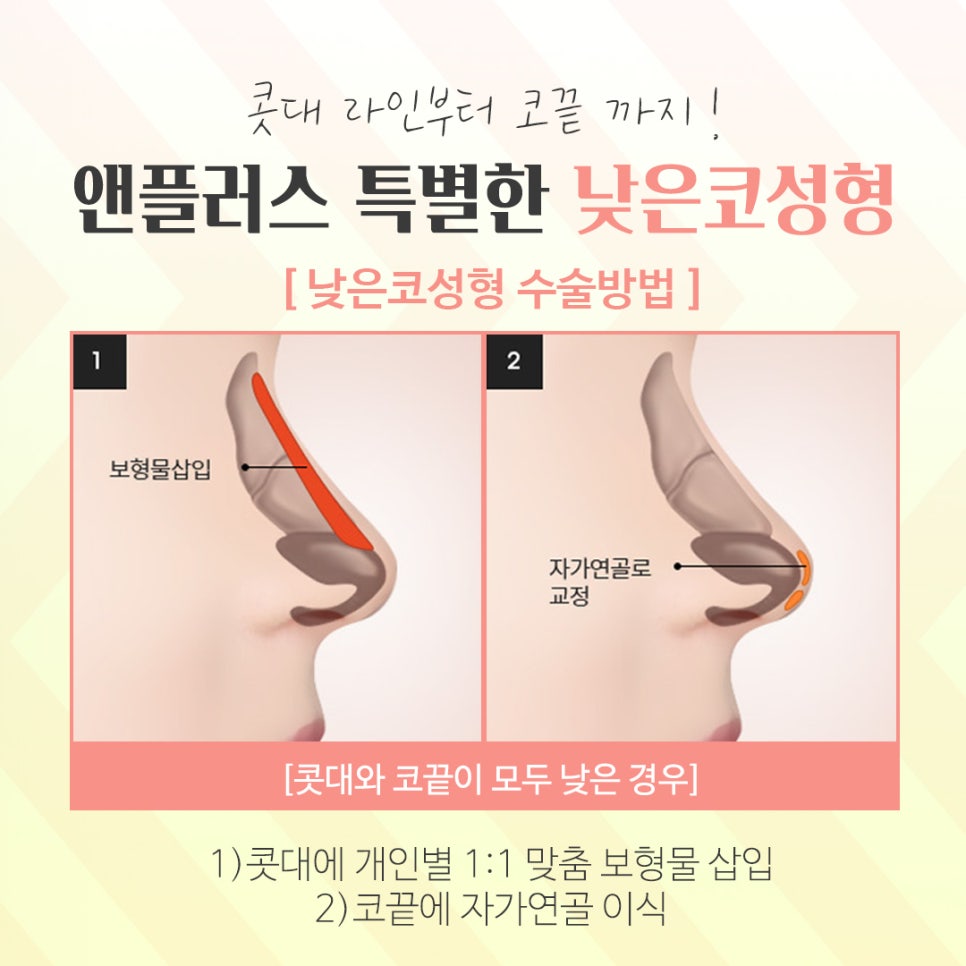
In the case of low nose surgery performed at A+ Hospital, the nasal bridge is usually corrected with silicone, while the nasal tip is corrected with autologous cartilage to improve the overall nasal line.
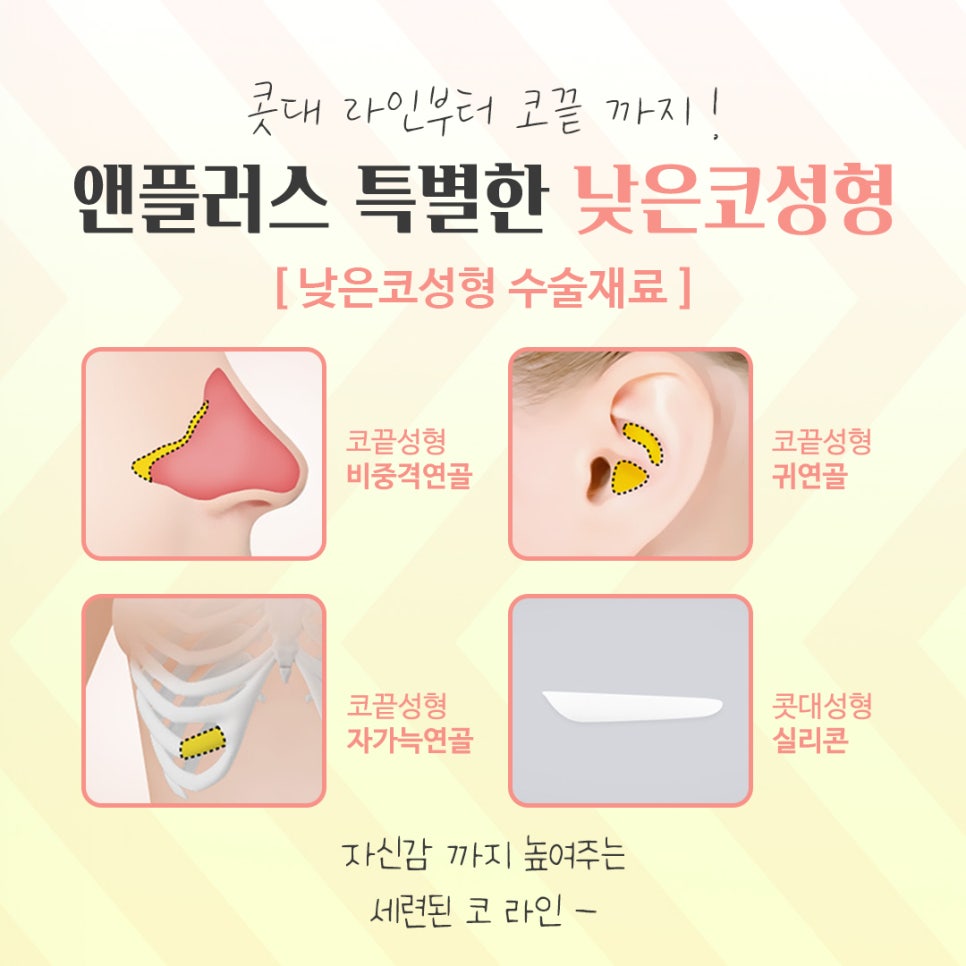
For the autologous cartilage used in low nose surgery, the material can be selected in advance through preoperative testing to suit each individual. Autologous cartilage includes septal cartilage, ear cartilage, and autologous rib cartilage.

The silicone used for the nasal bridge is not used as an existing mass-produced product. Instead, it is carefully shaped by hand after considering various factors such as the patient’s overall image and the width, length, breadth, and height of the nasal bridge, which can lead to higher satisfaction when low nose surgery is performed.

In addition, at A+ Hospital, Director Yoon Hyun-cheol, who has over 20 years of experience, personally handles every process one-on-one, from consultation related to nose surgery to surgical planning, performance, treatment, and follow-up visits, allowing patients to receive high-level medical service from before surgery through aftercare.

Aftercare is also supported by a one-year warranty system after surgery, as well as a surgical responsibility guarantee system that prepares for all possible situations such as postoperative pain, inflammation, and dissatisfaction with the shape. This allows patients to receive reliable aftercare benefits after surgery.
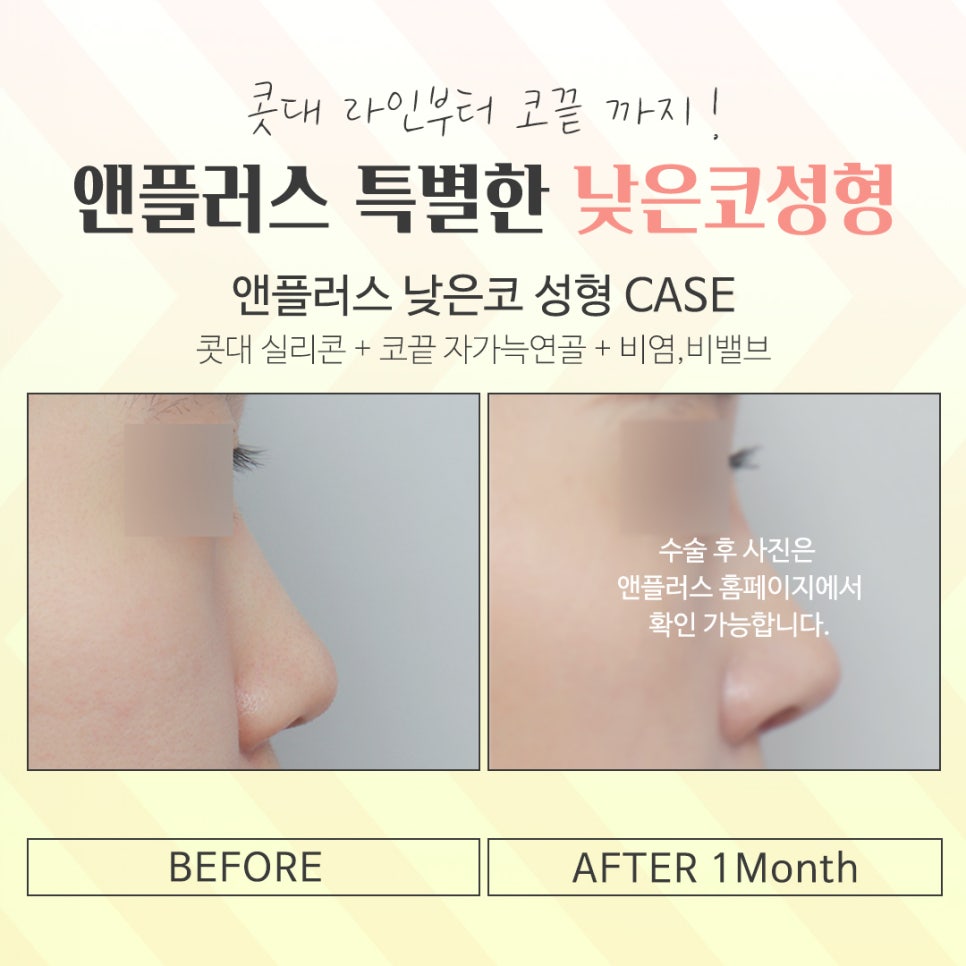
This time, I shared information related to low nose surgery performed at A+ Hospital. I hope this post is very helpful for those who feel that their nose is too low or lacks dimension and are looking into information about low nose surgery. Thank you.
https://youtu.be/wHcTAWabLxU?si=w462f4titt6Y18ju