Looking into cases of before and after hump nose surgery

When you look at your own image and feel that your appearance looks too strong or severe, you may try changing your makeup or hairstyle to improve it. Even so, for parts that are difficult to improve that way, you may consider cosmetic surgery. Among the features of the face, the nose is one of the first areas people may consider, because it sits at the center of the face and is one of the most three-dimensional parts. This is because even a small improvement in the shape of the nose can have a significant effect on improving the overall image.

In terms of appearance, the nose plays an important external role in shaping how a face is perceived. When this central feature has a shape that is not straight or well-balanced, it can stand out even more. For this reason, people may consider nose surgery. The nose may be classified as being too low, too high, having a hump, being upturned, being crooked, or having a bulbous shape. In particular, if the overall impression looks fierce or strong, you may look more closely into before-and-after cases of hump nose surgery to improve it.
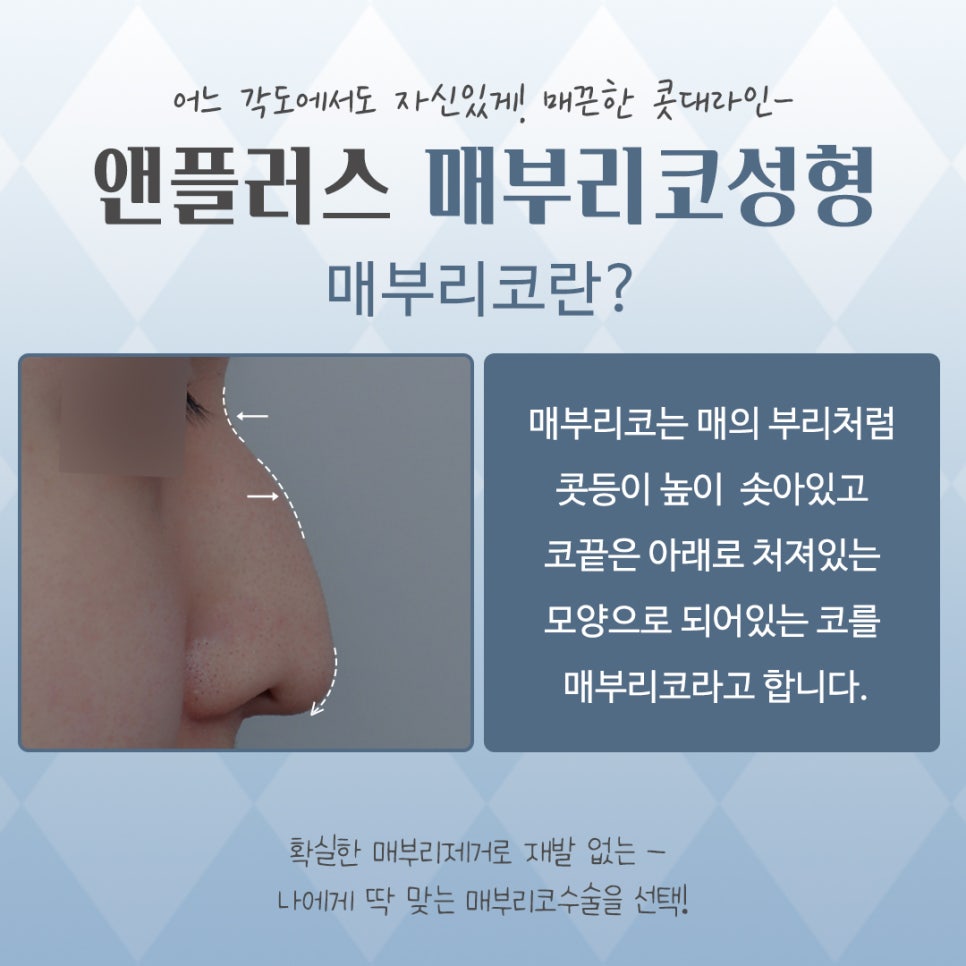
In the case of hump nose surgery, a nose with a bumpy bridge that rises like an eagle's beak and a tip that droops downward is called a hump nose because it resembles an eagle's beak. Hump noses can be divided into congenital causes and acquired causes such as trauma. The surgery that corrects this hump into a straight and balanced shape is called hump nose surgery.

Accordingly, people looking into before-and-after cases of hump nose surgery can be divided into various types, such as those with a hump on the bridge, a drooping or upturned tip, a crooked bridge, a wide nasal bridge bone, a severe hump, a mild hump, or a low hump. If you review before-and-after cases of hump nose surgery, you may see that the surgical method and materials used can differ depending on the cause.

Therefore, for those looking into before-and-after cases of hump nose surgery, it is difficult to assess the current condition on your own. Since the nose is not only important in appearance but also a functional organ responsible for breathing and smell, it is helpful to visit a hospital and receive a diagnosis of the current condition through equipment. In addition, it is advisable to carefully check whether the medical staff have strong anatomical knowledge of the nose, whether they have sufficient experience and expertise, whether the necessary equipment is available to accurately assess the condition of your nose, and whether postoperative care can be reliably provided.
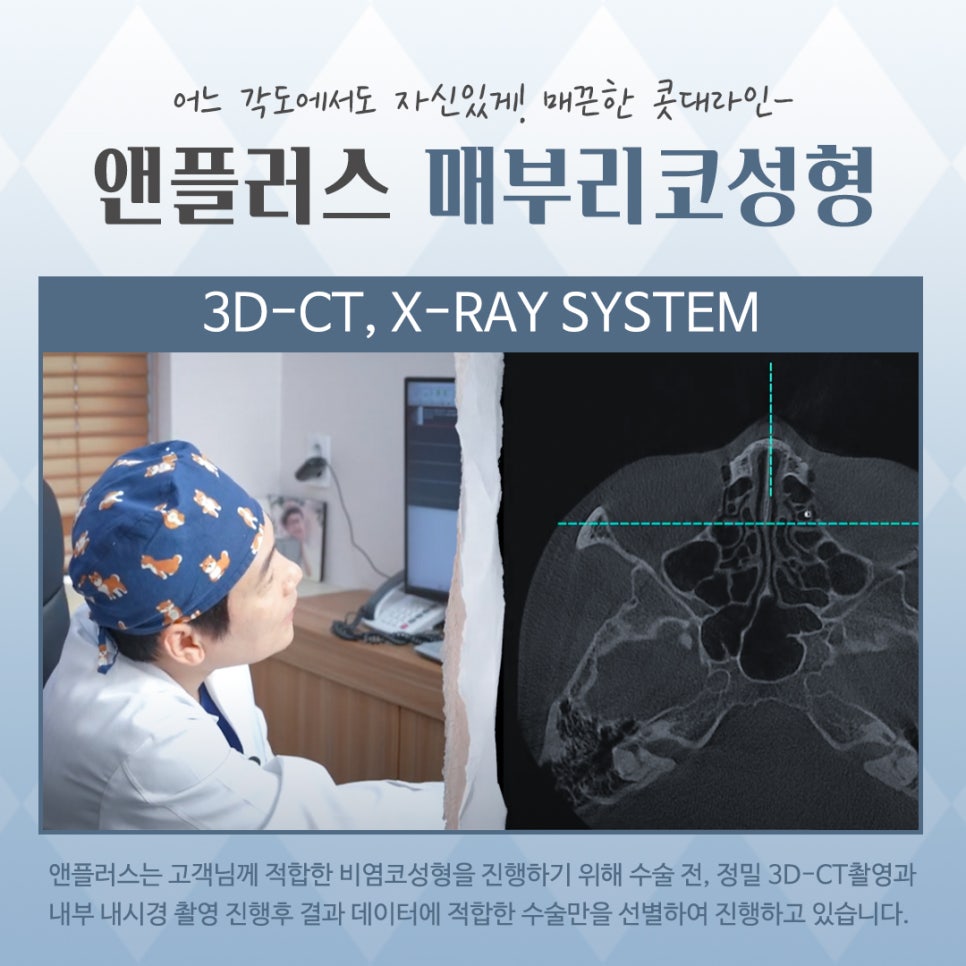
At N+ Clinic, to help ensure before-and-after results suitable for each patient’s hump nose surgery, they perform preoperative 3D-CT scans, internal endoscopic imaging, various allergy tests, and nasal function tests to accurately assess both the external and internal condition of the nose. Based on the extracted data, they establish and carry out a surgical plan.

The surgical method for hump nose correction varies depending on the individual’s current condition. It is classified into cases where the bridge line is high, cases where the bridge line is low, and cases where the hump on the bridge is mild.
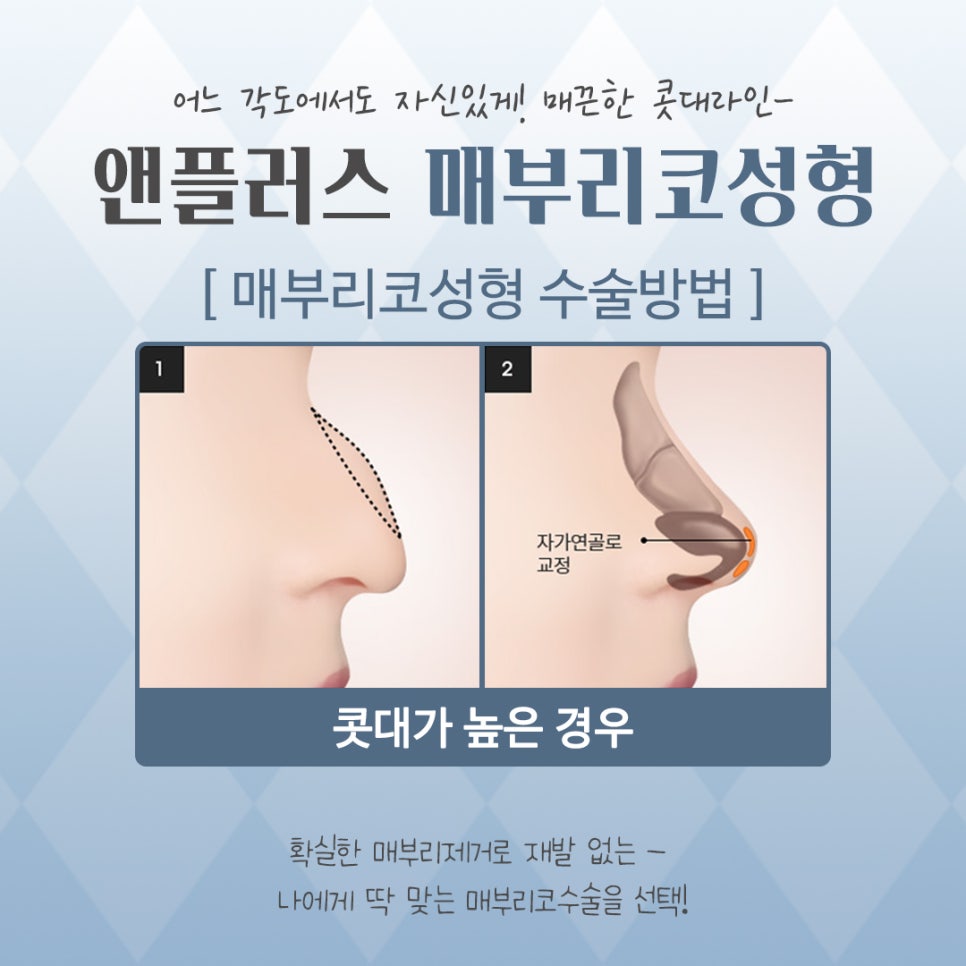
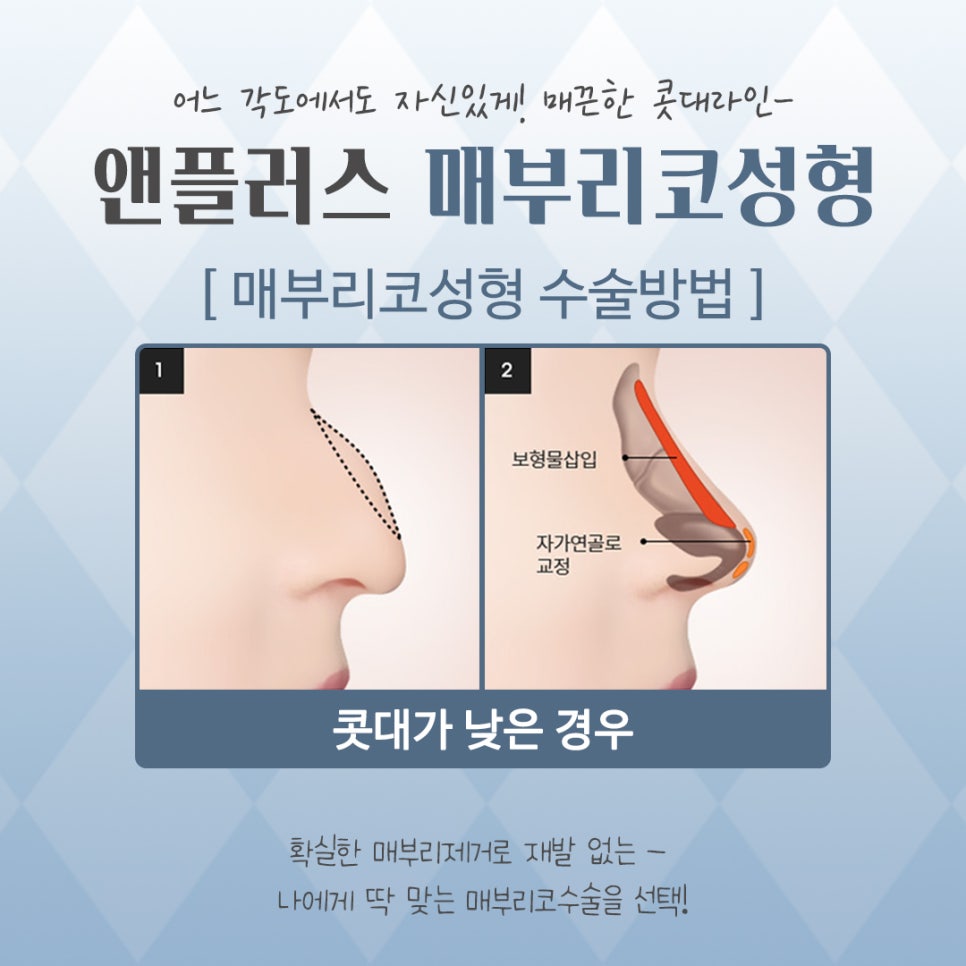
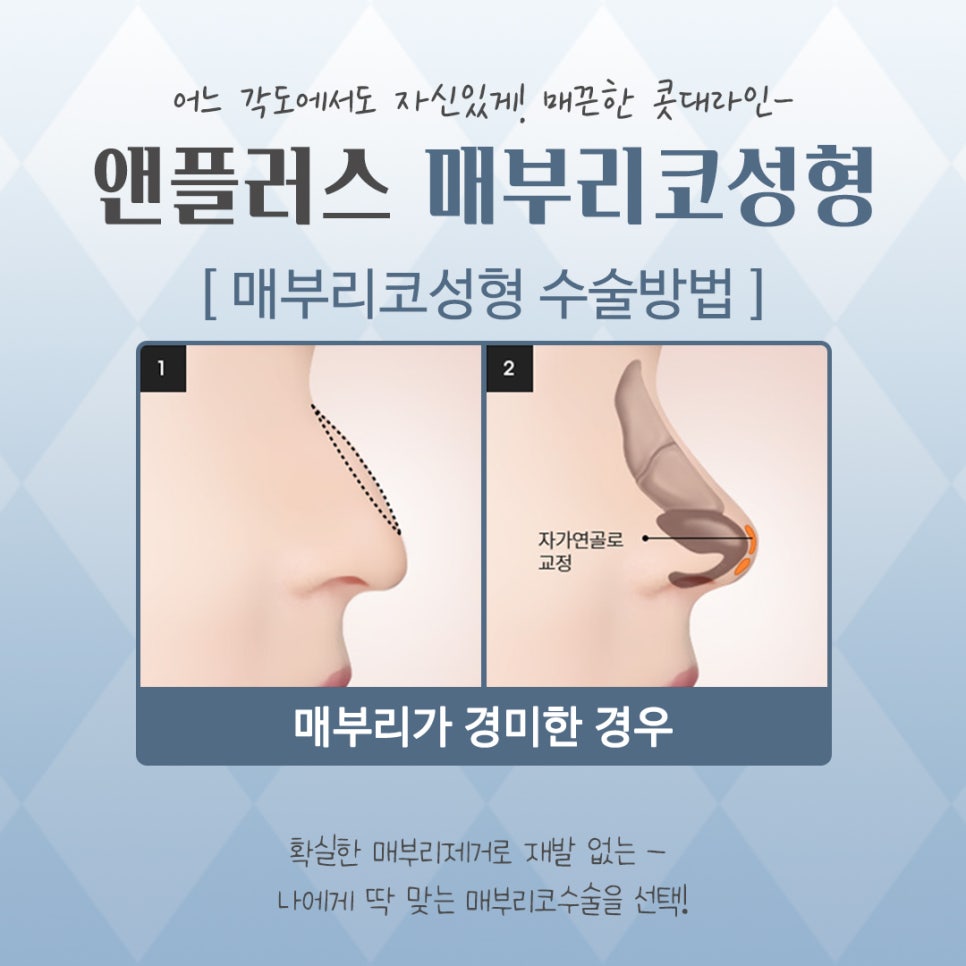
If the bridge is high, the hump is removed or reshaped through osteotomy, and the tip is corrected with autologous cartilage. If the bridge is low, the hump is removed, osteotomy is performed, an implant is inserted, and the tip line is corrected with autologous cartilage. Finally, if the hump is mild, the slightly raised hump can be removed to refine the bridge, and if necessary, the tip line can be corrected with autologous cartilage.

Therefore, if you look into these before-and-after cases of hump nose surgery, you can see that the hump must be clearly removed and the internal functional aspects of the nose must also be checked in order to help prevent postoperative functional problems or recurrence of the hump nose. In before-and-after cases of hump nose surgery, it is important that surgery be performed only after accurately assessing the condition of the nasal bones, the size of the hump, and the skin condition according to the cause of the hump.

At N+ Clinic, Director Yoon Hyun-cheol, who has over 20 years of experience, personally oversees each patient one-on-one and handles every step himself, from consultation about before-and-after hump nose surgery, to surgical planning, the procedure itself, treatment, and follow-up care. Because high-level medical services are provided from before surgery through aftercare, you can feel more at ease when undergoing the procedure.
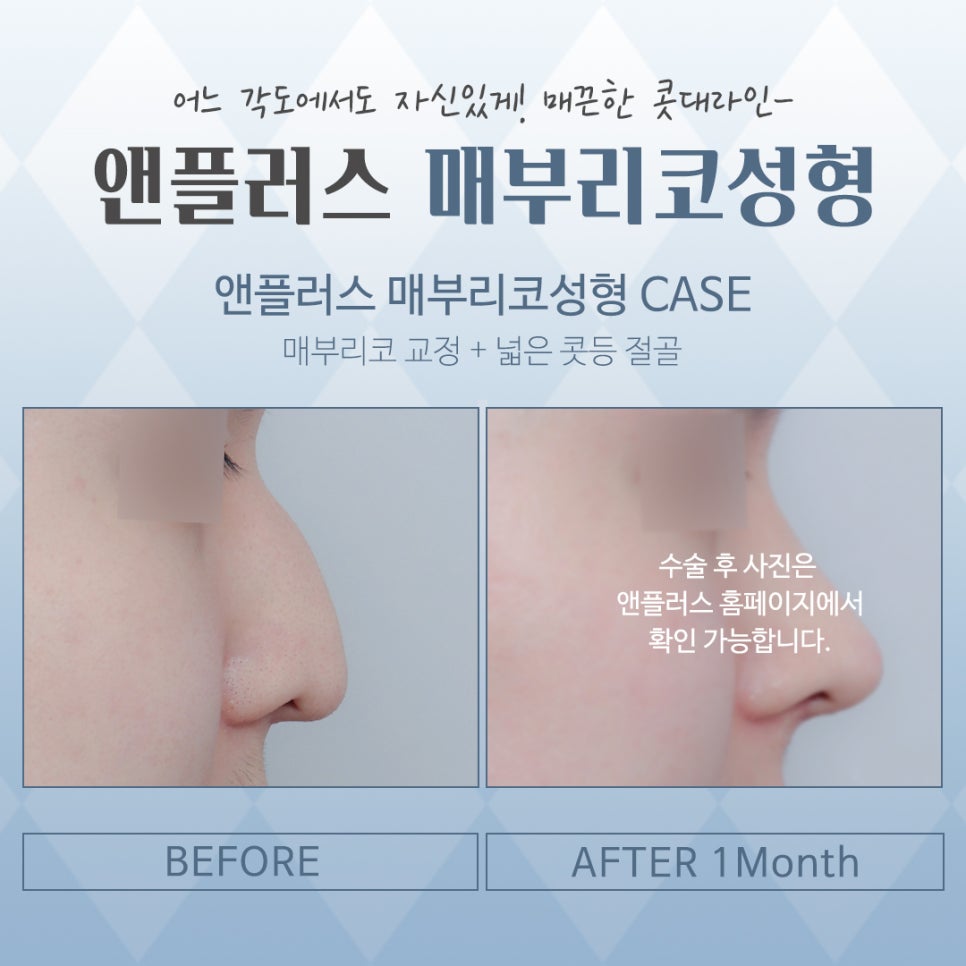
(The above image shows before-and-after photos of hump nose surgery performed at N+ Clinic.)
Today, I explained information related to before-and-after hump nose surgery performed at N+ Clinic. I hope this article is very helpful for those who are currently looking into before-and-after cases because of a bumpy hump or a drooping nasal tip. Thank you.
https://youtu.be/IyU7JRxFqbw?si=_3BD0k9CsDKYV5ne