
Recently, self-care to manage one’s personal image has become a trend for people of all ages and genders. Through various media, more and more people are trying to improve their personal image through changes in hairstyle, changes in makeup, photography techniques, exercise, dieting, and more. For areas that are difficult to change even with these efforts, you may consider plastic surgery.

Because there are various types of cosmetic surgery for the face, proceeding without restraint can cause side effects, so it requires even greater caution than any other concern. Therefore, priorities can be set. The nose is located at the center of our face and is the most three-dimensional area. When the shape of the nose is not straight and well-proportioned, the overall balance of the face can appear disrupted. For those with such concerns, information about primary nose surgery may be helpful.
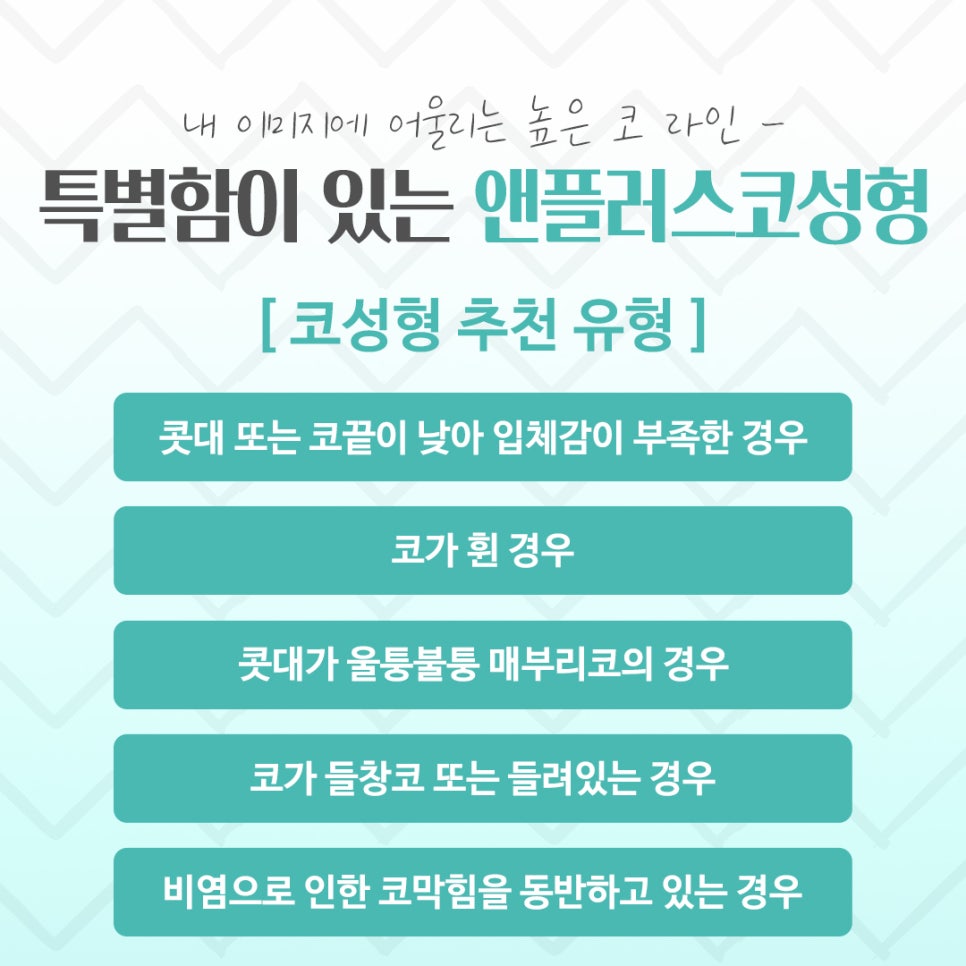
If we look at the nose shapes of people searching for information related to primary nose surgery, the concerns may include a low bridge or tip with insufficient projection, a crooked nose, a bridge that is uneven with a hump, a drooping tip, or a nose that is upturned or lifted. These may be considered from an external perspective first, but
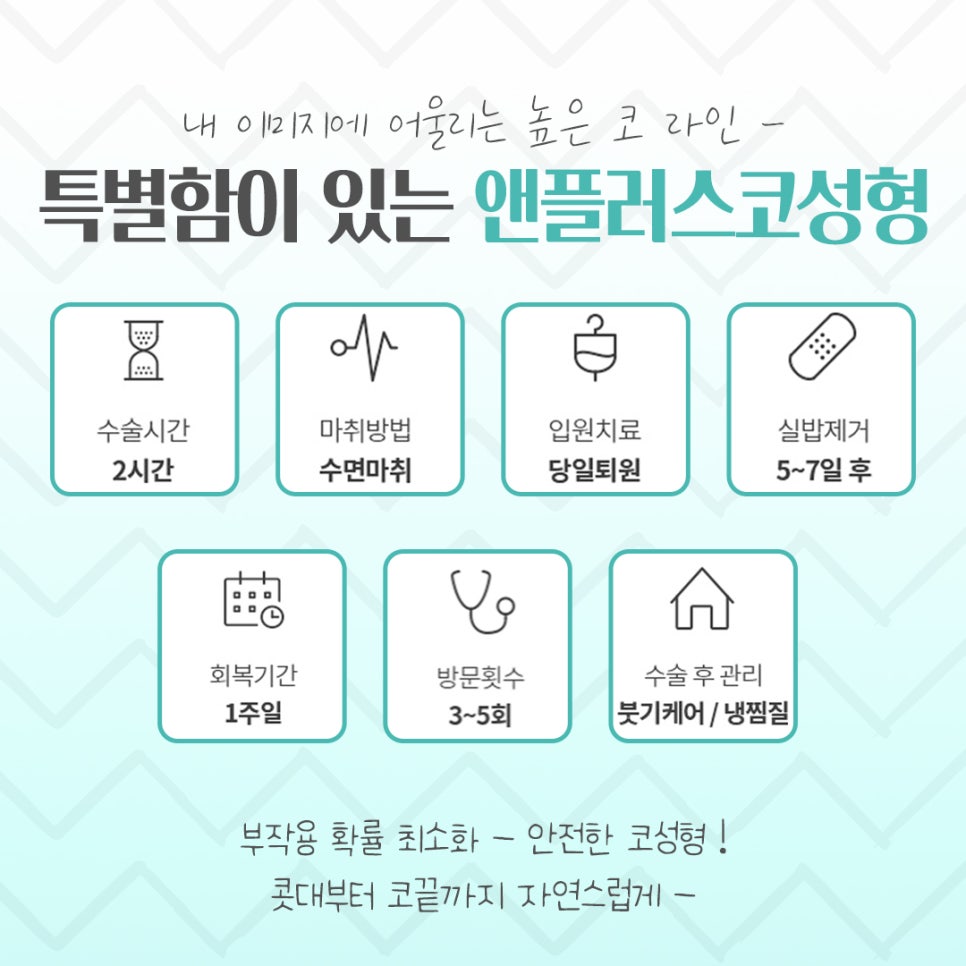
our nose also plays an important internal role, handling breathing and the sense of smell. In addition, if nasal congestion caused by rhinitis is present, you may also look into primary nose surgery. Therefore, for those researching primary nose surgery, it is helpful to choose a place that can check both the external appearance of the nose and whether there are internal functional issues.
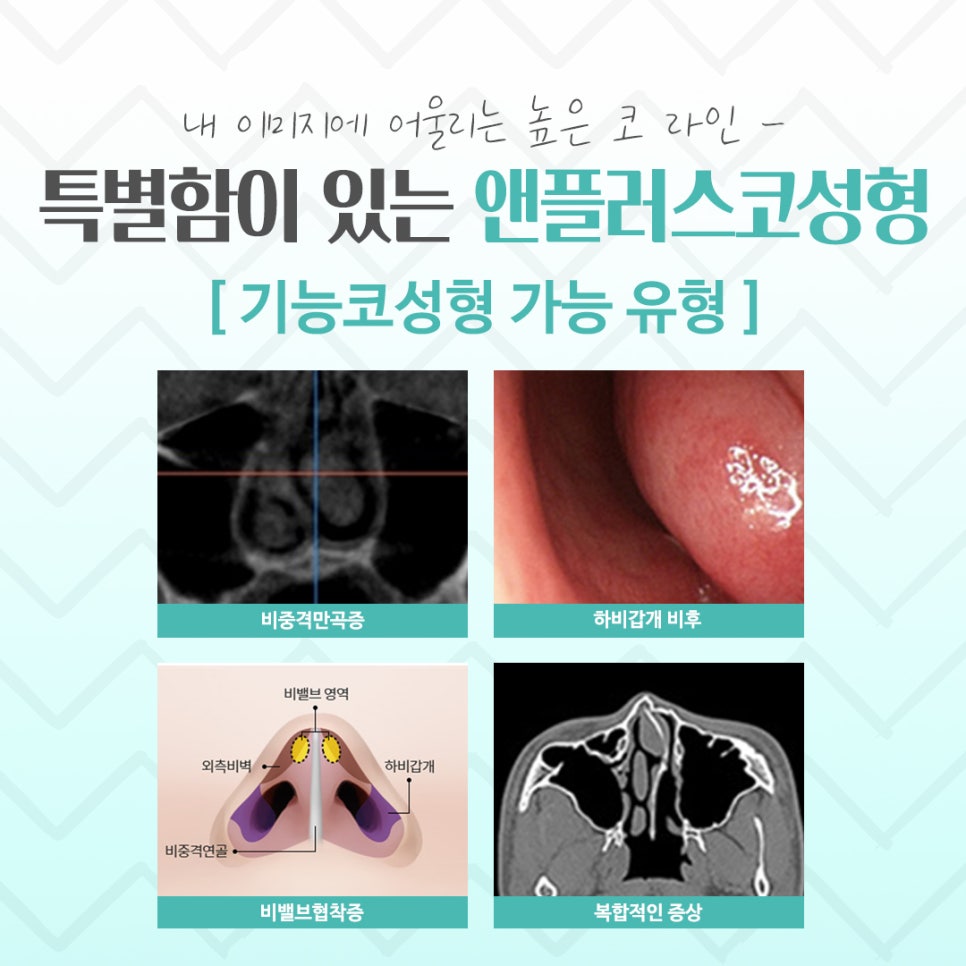
If the internal functional aspects of the nose are improved through primary nose surgery, the most representative symptom is nasal congestion caused by rhinitis. Rhinitis is a common condition affecting more than 70% of Korean adults and is divided into allergic rhinitis and structural rhinitis. In the case of allergic rhinitis, complete cure through surgery cannot be expected, and consistent medication treatment or strengthening of immunity should take priority for functional improvement. However, in the case of structural rhinitis, if the cause is identified and improved through surgery, a cure can be expected. Causes of structural rhinitis can be classified as a deviated septum, hypertrophy of the inferior turbinate, nasal valve stenosis, or a combination of these symptoms.
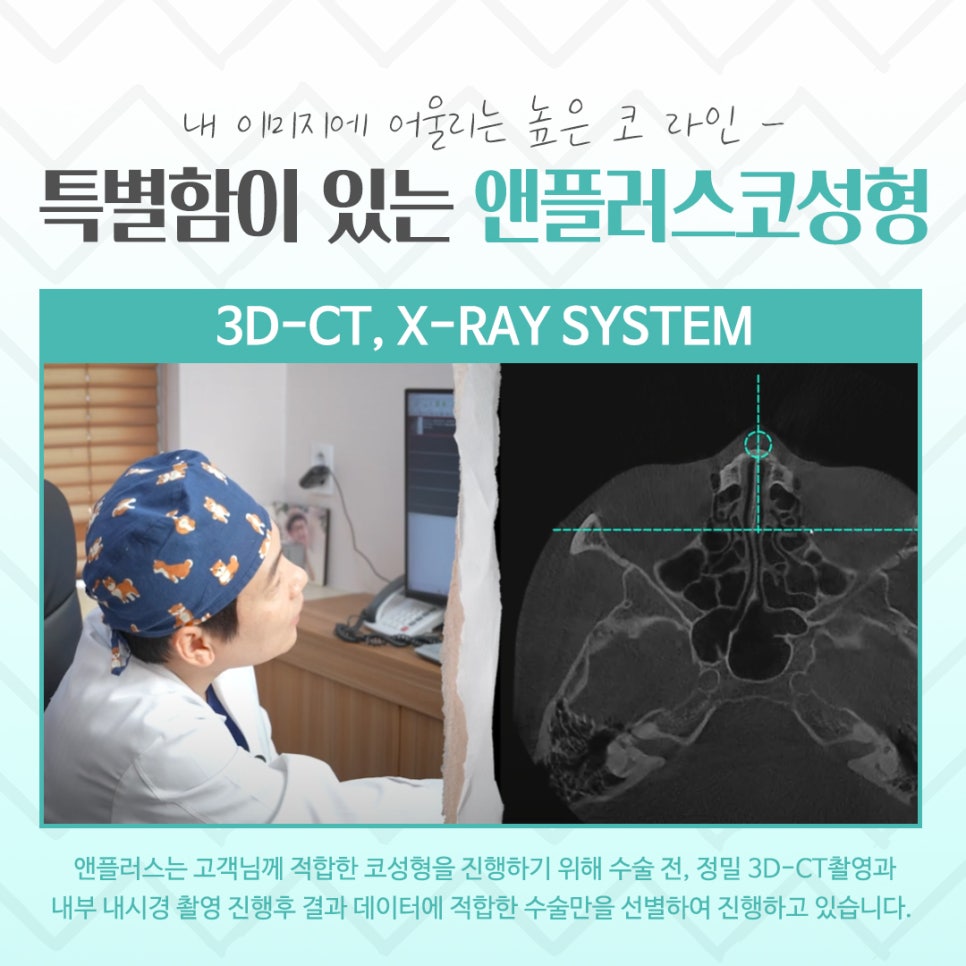
At OJIKO Hospital & N Plus, in order to make primary nose surgery safe and satisfying, multiple-angle photography, internal endoscopy, various allergy tests, internal nasal function tests, and 3D-CT imaging are performed before surgery to accurately understand the external and internal condition of the individual’s nose. Based on the collected data, a surgical plan is established and carried out.
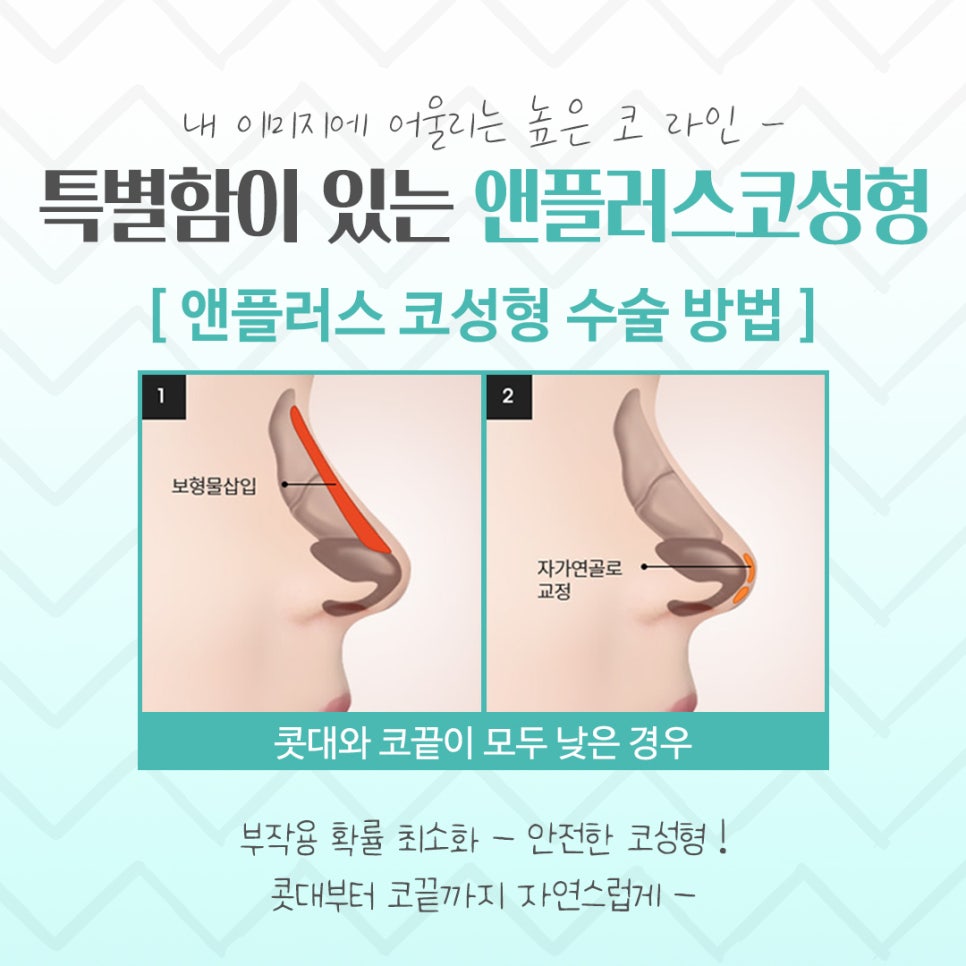
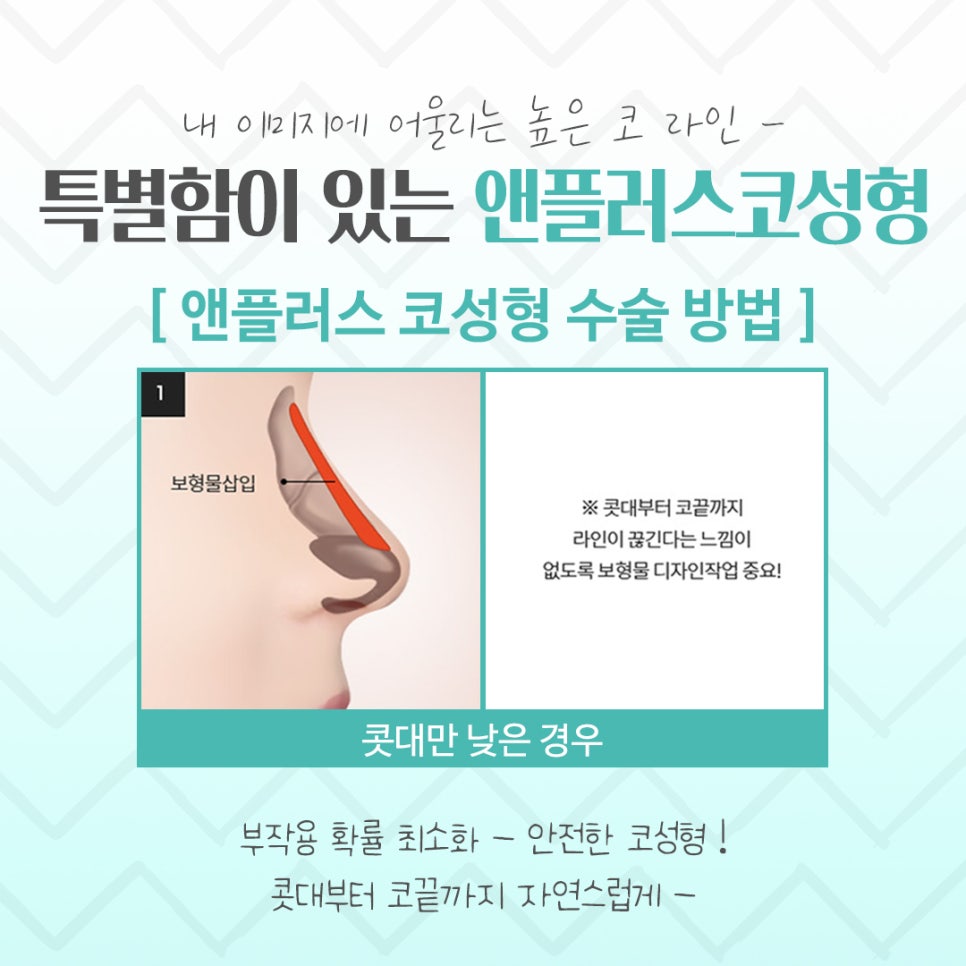
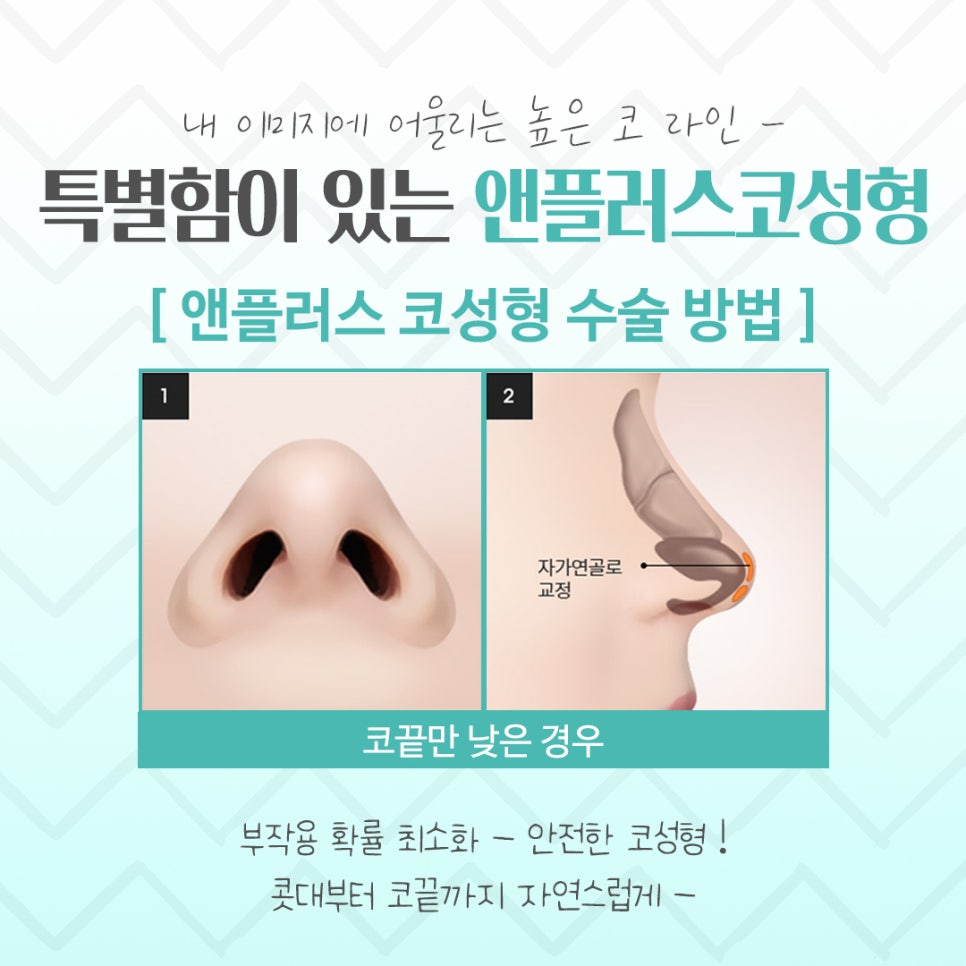
The average method for primary nose surgery uses silicone for the bridge and autologous cartilage for the tip to correct the overall nasal line. The procedure is divided into detailed cases such as when the entire nose is low, when only the bridge is low, or when only the tip is low. If the entire nose is low, silicone is used for the bridge and autologous cartilage for the tip. If only the bridge is low, silicone is inserted into the bridge to correct the nasal line. If only the tip is low, autologous cartilage can be used to correct the nasal line. In all three methods, it is important to design the bridge and tip so that the line is continuous without interruption.
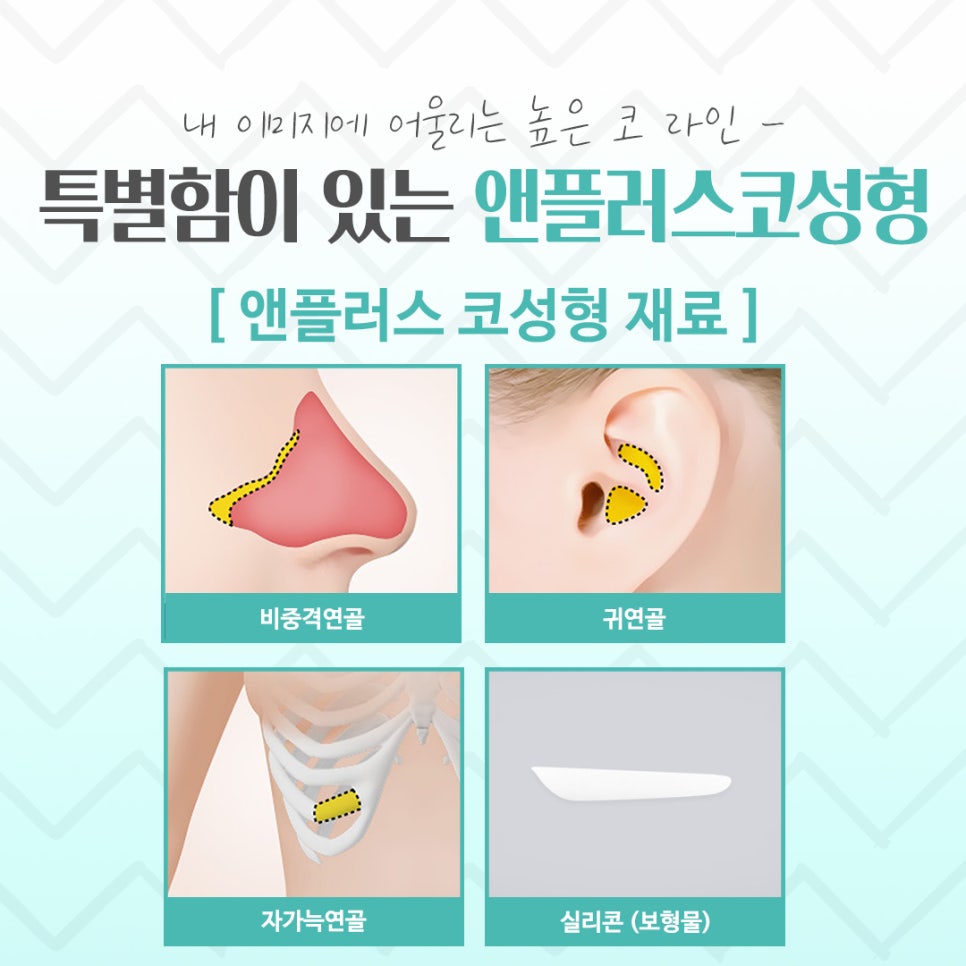
In the case of autologous cartilage used for primary nose surgery, suitable materials can be selected for each individual through preoperative tests. Autologous cartilage includes septal cartilage, ear cartilage, and autologous rib cartilage.
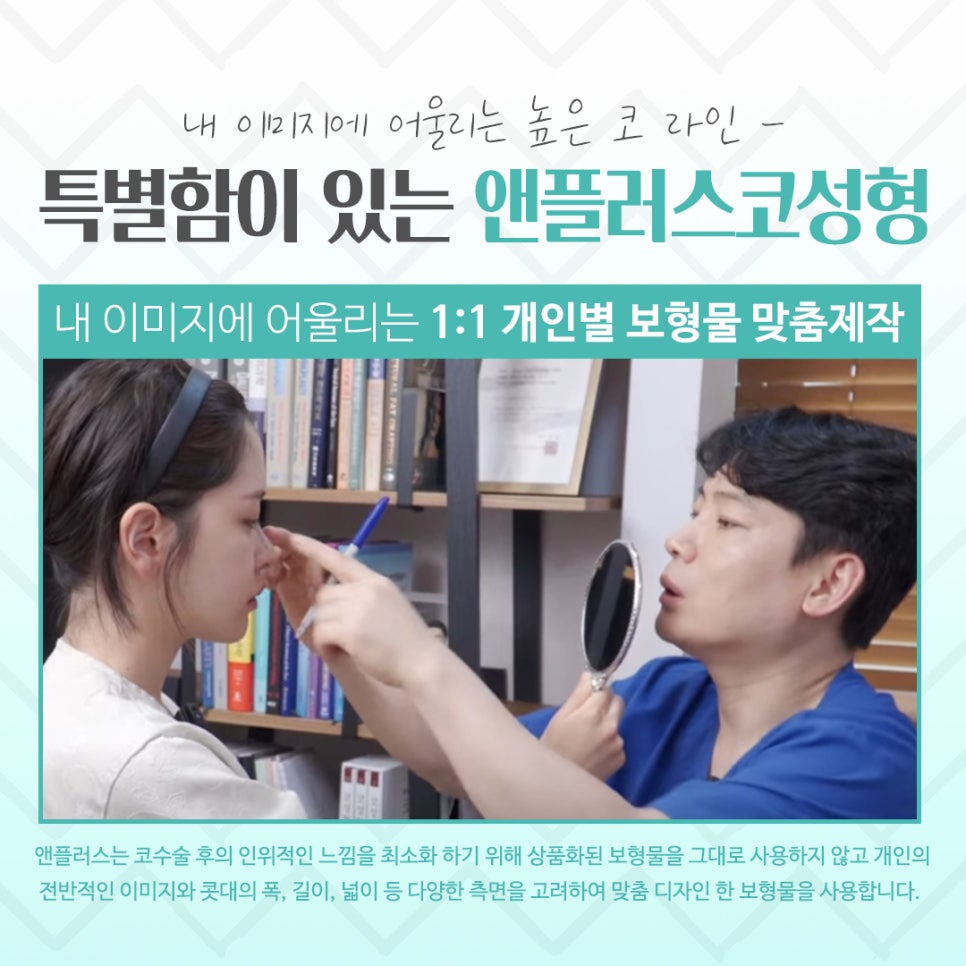
In the case of silicone, rather than using a pre-manufactured silicone product as is, it is carefully shaped by hand while considering various factors such as the individual’s overall image and the width, length, breadth, and height of the nasal bridge. This makes for a more satisfying primary nose surgery.

Therefore, for those researching primary nose surgery, it is helpful not to judge based only on before-and-after photos, but to first learn about the surgical methods and materials. In addition, carefully check whether the medical team has strong anatomical knowledge of the nose, whether they have extensive relevant experience, whether the necessary equipment to accurately assess the condition of your nose is available, and whether aftercare can be reliably guaranteed before making a decision.
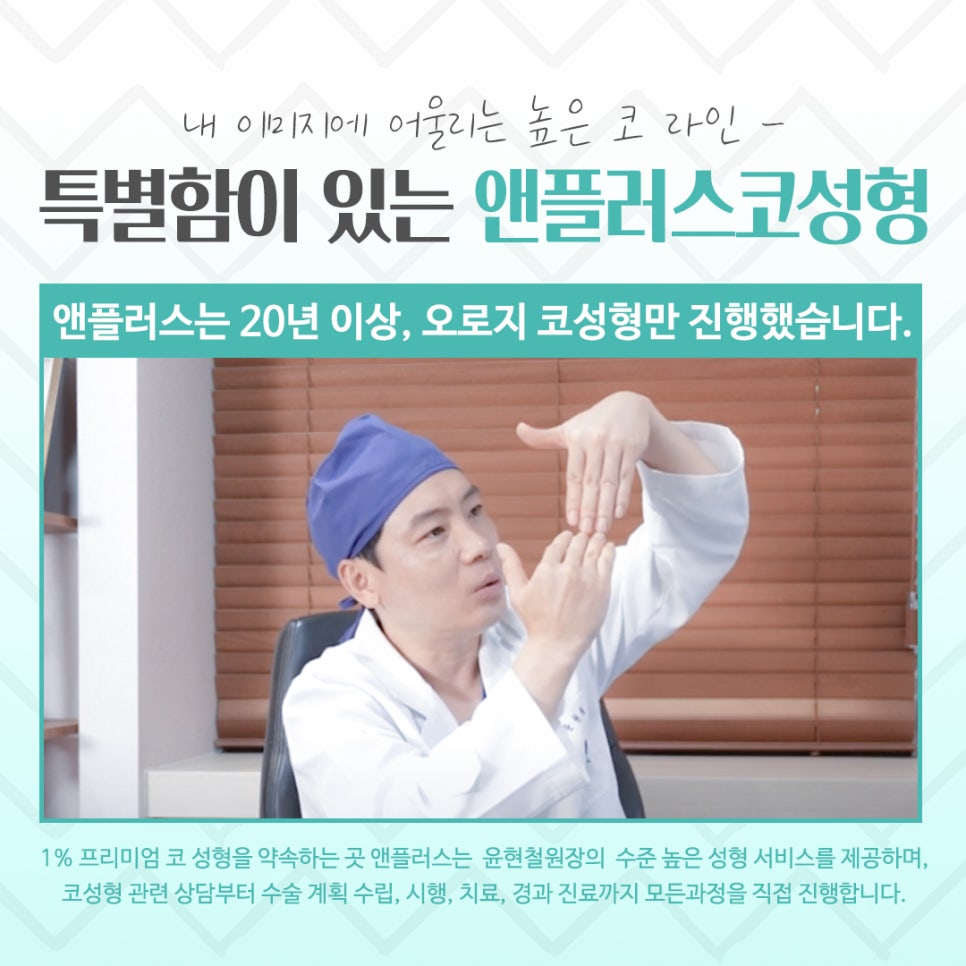
At OJIKO Hospital & N Plus, Director Yoon Hyun-cheol, with over 20 years of experience, personally handles one-on-one consultations, surgical planning, surgery, treatment, and follow-up care for primary nose surgery, providing high-level medical service from before the operation through recovery.
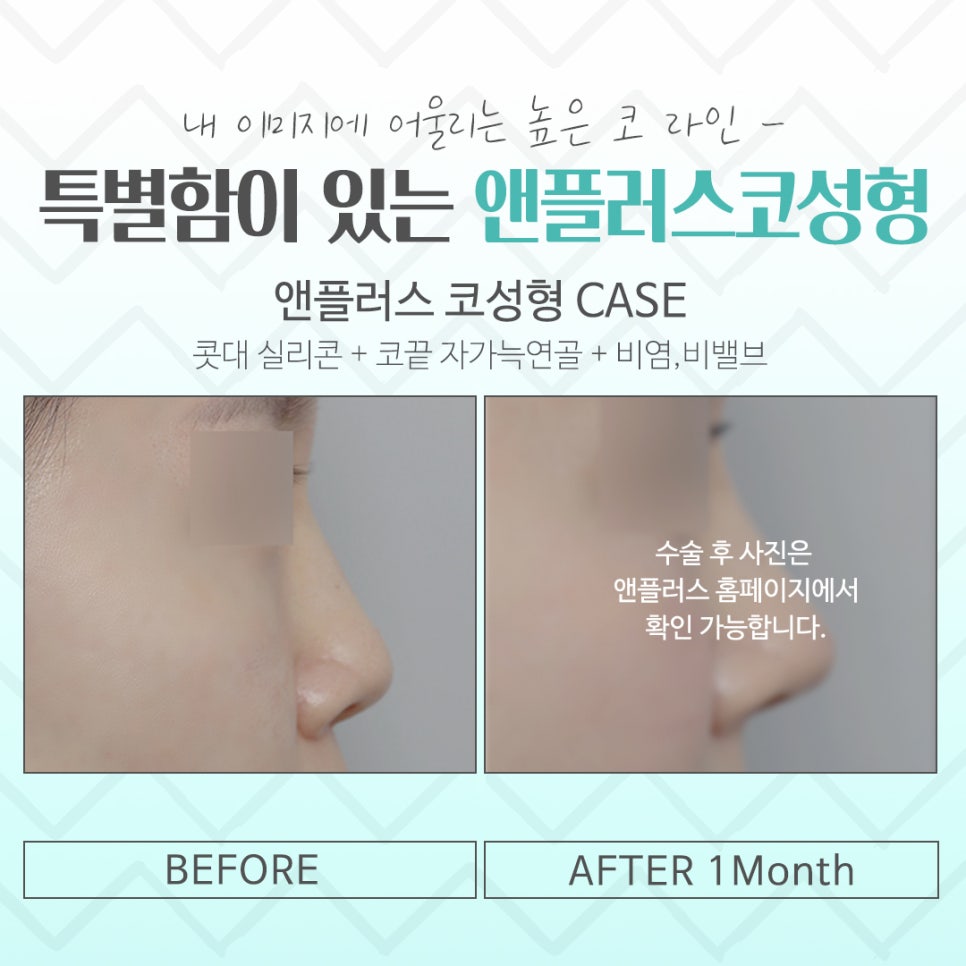
(The above images are before-and-after photos of primary nose surgery performed at OJIKO Hospital & N Plus.)
Today, I explained information related to primary nose surgery performed at OJIKO Hospital & N Plus. I hope this article will be very helpful for those who are researching primary nose surgery because it is difficult to change the shape of the nose despite various attempts. Thank you.
https://youtu.be/VlKaPZmQYuQ?si=XhAom4TvJkQS81n4