Basic Rhinoplasty Review
Osteotomy + rhinoplasty without an implant + septal cartilage and ear cartilage for the nasal tip

Hello. This is N Plus.
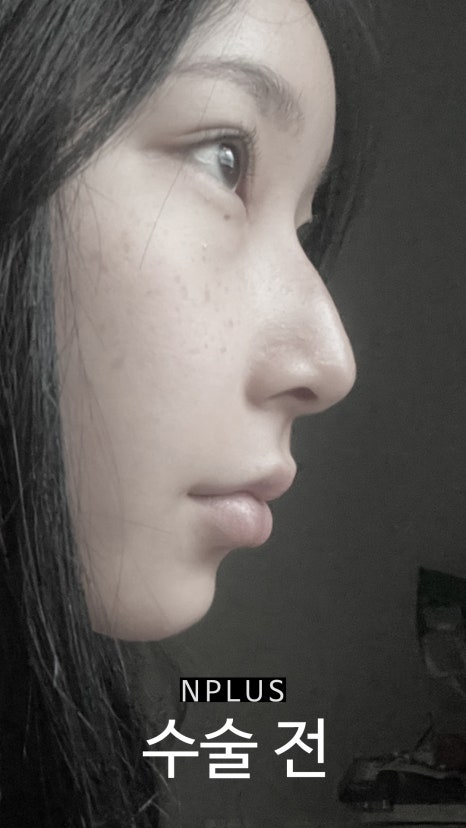
The model above is a case of basic rhinoplasty performed at N Plus. In this basic rhinoplasty review, the model was corrected with osteotomy + rhinoplasty without an implant + septal cartilage and costal cartilage for the nasal tip. In this case, because filler had been injected into the nose to hide a dorsal hump, the first step was to dissolve the filler before surgery.
After the filler was dissolved, the dorsal hump on the bridge became visible, and the bridge itself was not low.
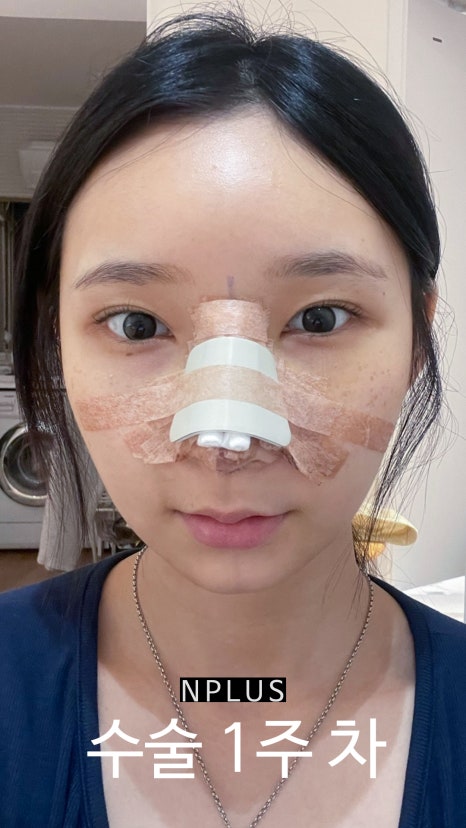

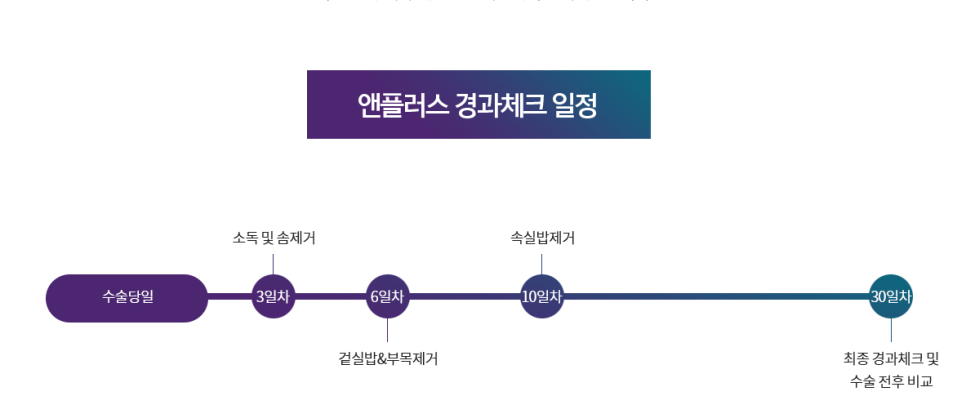
A splint is kept on the nose for one week, and because packing remains inside the nose until day 3, breathing may be uncomfortable. The splint and stitches are removed on day 6, so for about 6 days after surgery, there may be some discomfort.




Previous image
Next image
If you look at this basic rhinoplasty review, you can see that from two weeks after surgery, the major swelling noticeably decreases, and over time even the remaining minor swelling improves. However, swelling differs from person to person, so rather than judging only by the review images, taking light walks and avoiding salty foods would be more helpful for reducing swelling.



Previous image
Next image
By the time 3 months have passed, most of the swelling in the nose has gone down, and you can see improvement into a sharper, slimmer line. After reviewing this basic rhinoplasty case, you may become interested in rhinoplasty. However, our nose plays an important external role while also functioning as an organ responsible for breathing and smell. Therefore, surgery must consider not only the external appearance but also internal issues. This can help prevent revision surgery caused by functional problems after the operation. For those looking into basic rhinoplasty reviews, it would be helpful to closely check whether the medical team has extensive anatomical knowledge of the nose, whether they have sufficient experience and expertise, whether equipment is in place to accurately assess both the external and internal condition of your nose, and whether aftercare can be reliably guaranteed.
https://youtu.be/DG6TNljZaaU?si=ubG41gAOrFT1OQ1x
At N Plus, to ensure a safe and satisfying basic rhinoplasty experience, a systematic process is used to accurately identify both internal and external nasal issues. Director Yoon Hyun-cheol, who has more than 20 years of experience, personally handles the entire process one-on-one—from rhinoplasty consultation and surgical planning to the procedure itself, treatment, and follow-up care—providing high-level medical services before and after surgery. In addition, postoperative aftercare is covered by a one-year A/S system, and a surgical responsibility guarantee system is in place to prepare for all situations, including postoperative pain, dissatisfaction with the result, and inflammation. This means you can receive solid aftercare as well. This concludes the information related to the basic rhinoplasty review performed at N Plus. If you are unhappy with the current shape of your nose and are looking into rhinoplasty reviews, I hope this post is of great help to you. Thank you.