
An+ Plastic Surgery Clinic is a Gangnam nose surgery clinic that has focused only on your healthy and beautiful nose for more than 20 years. This time, we would like to explain the types of nose surgery performed at An+ and how the procedures are carried out.

Sometimes people feel dissatisfied with their appearance and try various methods to improve it, such as changing their hairstyle, changing makeup, using editing or correction, skin care, and exercise. For areas that are difficult to change even with these efforts, people may seriously consider plastic surgery. Since plastic surgery involves an operation, making a careful decision can help minimize side effects.

For that reason, among the many types of plastic surgery, the nose is often considered first because it is located at the center of the face and is one of the most three-dimensional features. To learn more about nose surgery, you can look into Gangnam nose surgery, where many plastic surgery clinics are concentrated. For those looking into this type of surgery, common nose shapes that are often concerns include noses that are too low, have a dorsal hump, are upturned, crooked, drooping, or have a hooked shape.

Those looking for information on Gangnam nose surgery are often searching because of external concerns. However, the nose plays an important aesthetic role and also handles breathing and smell, so surgery should address both the visible aspects and the internal functional aspects of the nose in order to help prevent postoperative functional problems.
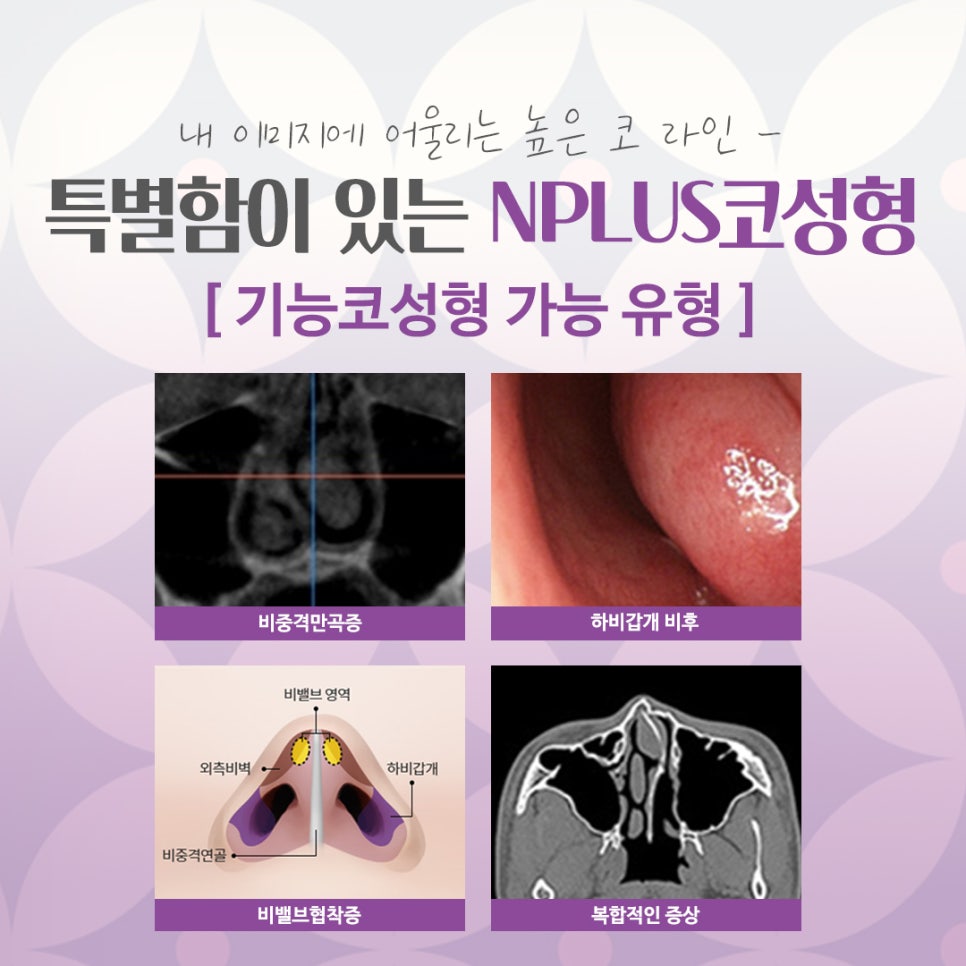
When looking into Gangnam nose surgery, if functional issues are also taken into account, the most representative symptom is nasal congestion caused by rhinitis. Rhinitis is a common condition affecting more than half of adults in Korea, but allergic rhinitis and structural rhinitis are difficult to distinguish with the naked eye. In the case of allergic rhinitis, surgery is not necessary, and improving immunity and medication treatment should come first. In contrast, structural rhinitis occurs due to problems in the internal nasal structure, so it is important to accurately diagnose the functional cause inside the nose. Causes of structural rhinitis include a deviated septum, inferior turbinate hypertrophy, and nasal valve stenosis, and improvement may be expected through surgery tailored to the cause.
�a0

Therefore, when both external nasal issues and internal functional issues are present, surgery that improves both is called functional rhinoplasty. In the case of functional rhinoplasty, the surgical method and materials may differ depending on the condition of the individual’s nasal bone, whether there are internal functional problems, the condition of the skin, and the condition of the cartilage. For this reason, it is essential to accurately diagnose the current condition using equipment before surgery and to proceed with a surgery that is suitable for the individual. This can help prevent revision surgery caused by dissatisfaction with appearance or by functional problems.
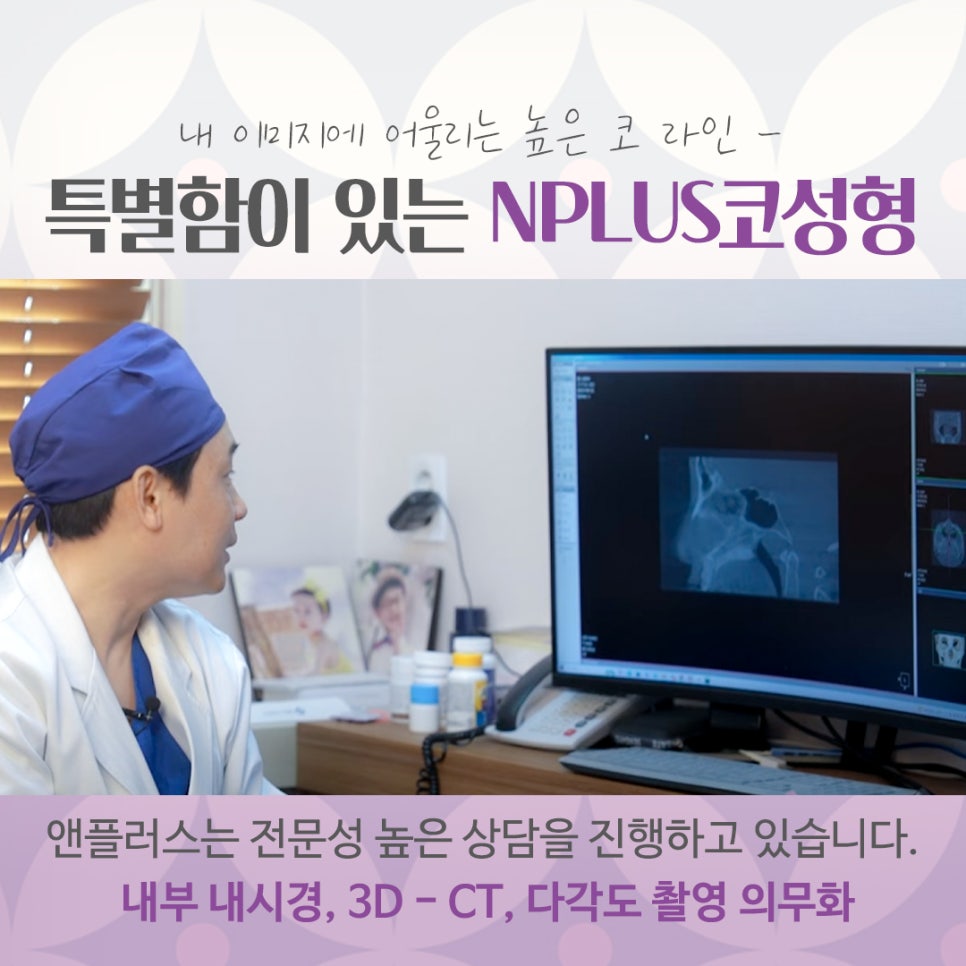
At An+ for Gangnam nose surgery, to perform an accurate preoperative examination, multi-angle photography, internal endoscopic imaging, 3D-CT scans, and various allergy tests are conducted. After accurately identifying the internal and external condition of the individual’s nose, a surgical plan is established and carried out based on the extracted data.
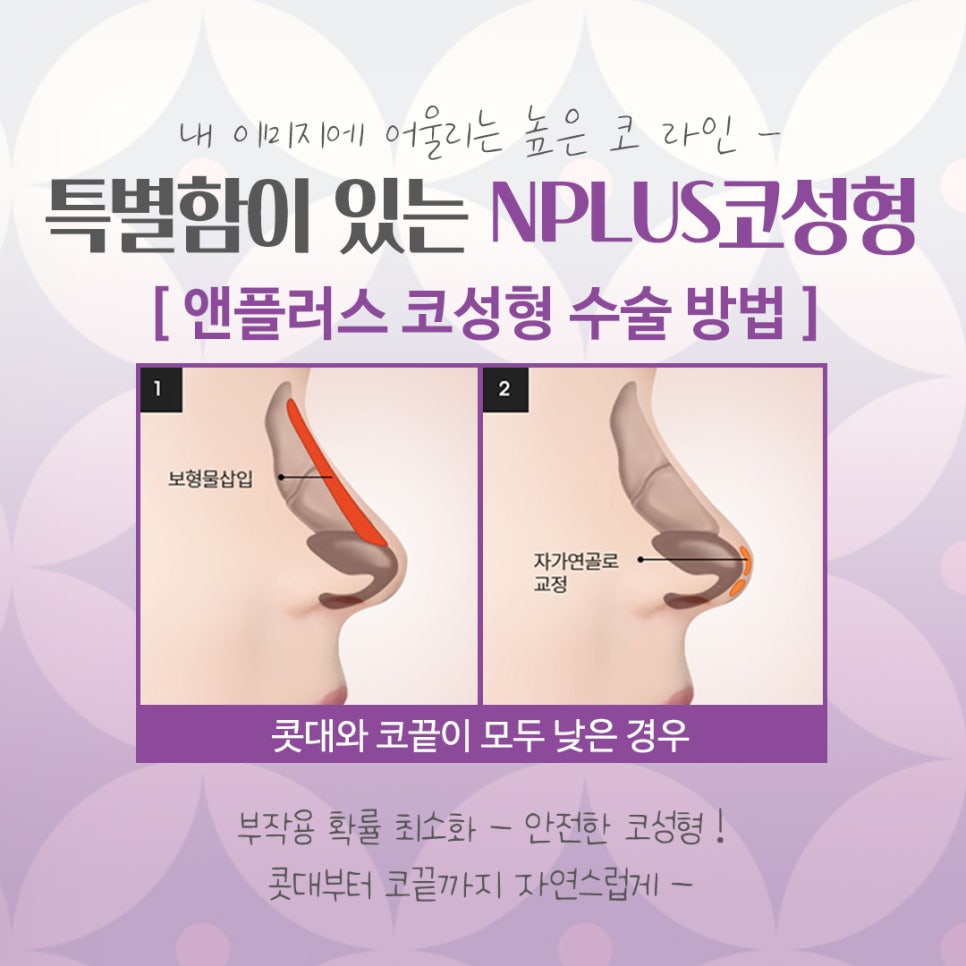
In nose surgery, the overall nose line can usually be improved by using silicone for the bridge and autologous cartilage for the tip.

If there is a problem with the internal function of the nose, functional improvement is performed first, and then cosmetic rhinoplasty can be carried out.
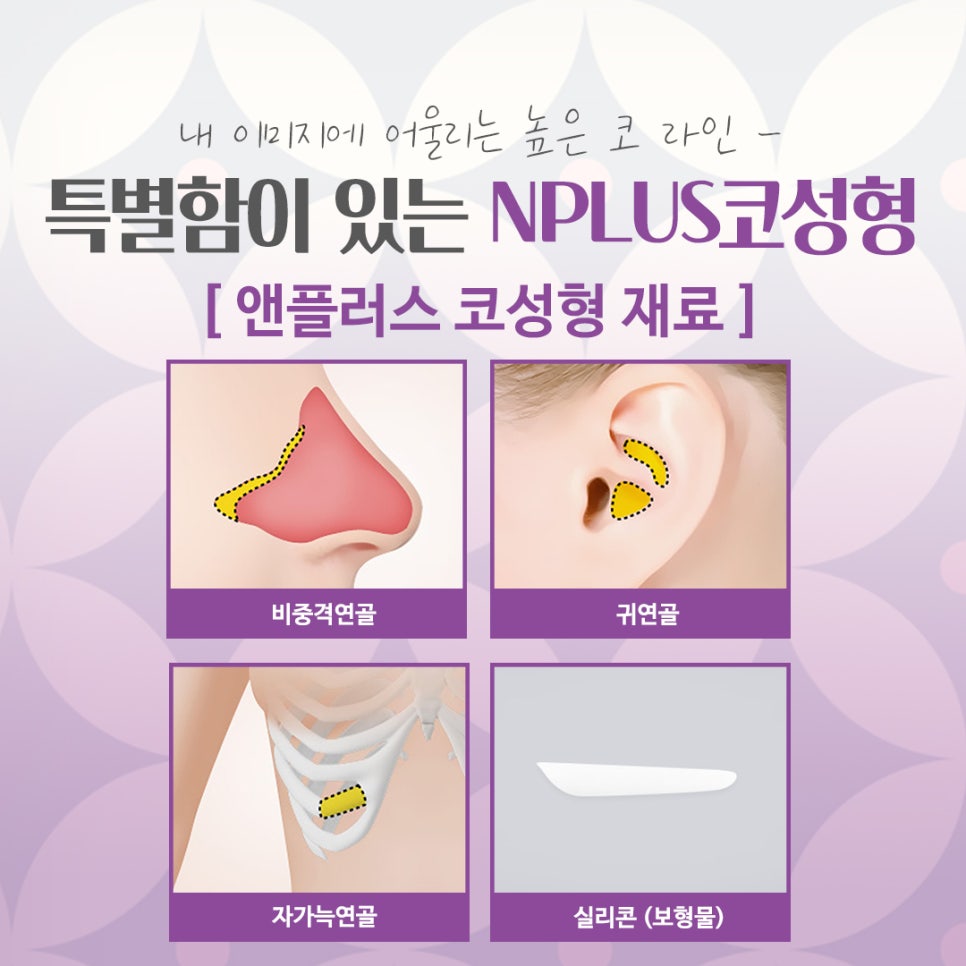
In the case of the autologous cartilage used at An+ for Gangnam nose surgery, materials are selected based on the individual's condition after a preoperative examination. Autologous cartilage includes septal cartilage, ear cartilage, and autologous rib cartilage.
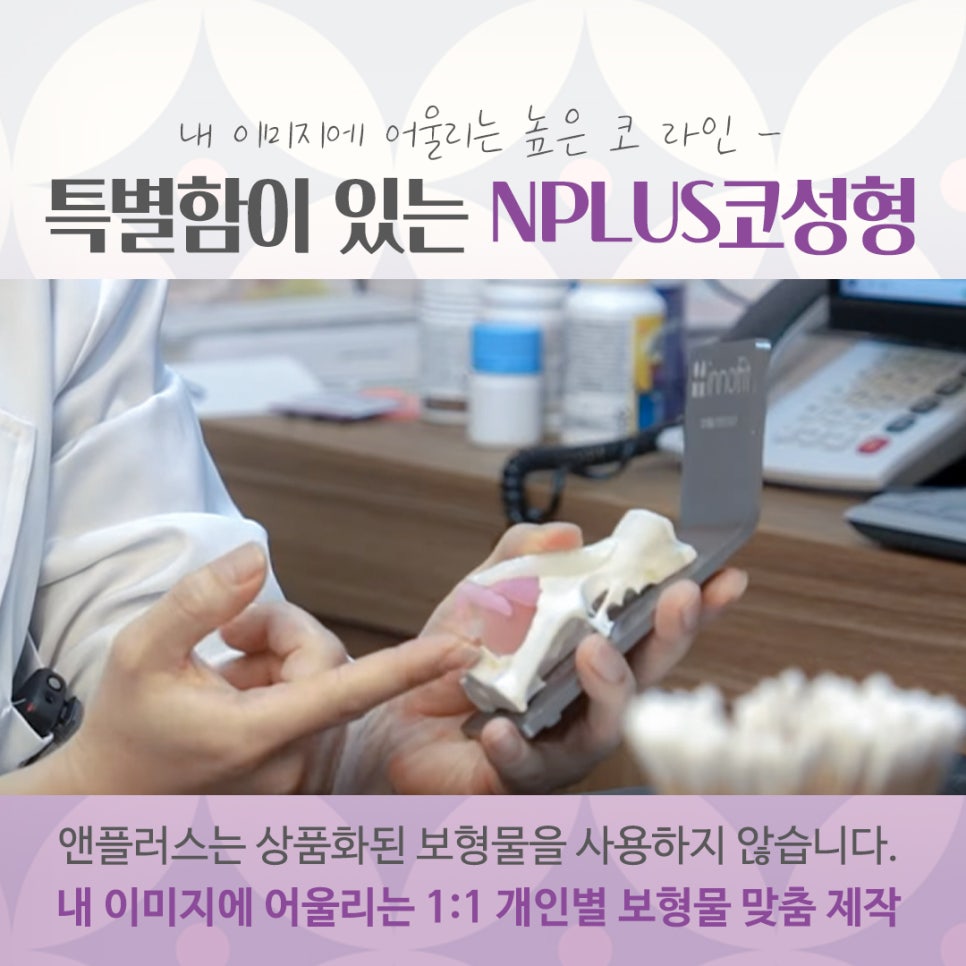
Silicone is used for the bridge of the nose. In this case, the clinic does not use pre-made commercial silicone as is; instead, it is carefully shaped by hand after considering various factors such as the person's overall image, and the width, length, breadth, and height of the nasal bridge. This can lead to a more satisfying improvement in the nose line after surgery.

As explained above, in nose surgery, the materials and methods are not the same for everyone but vary depending on the current internal and external condition of the nose. In particular, because rhinoplasty must also take internal functional aspects into account, it is considered a difficult procedure. If you are looking into Gangnam nose surgery, it is a good idea to carefully check whether the medical staff have strong anatomical knowledge of the nose, whether they have sufficient experience and expertise, whether equipment is available to accurately assess the condition of your nose, and whether aftercare can be reliably provided before making your choice.
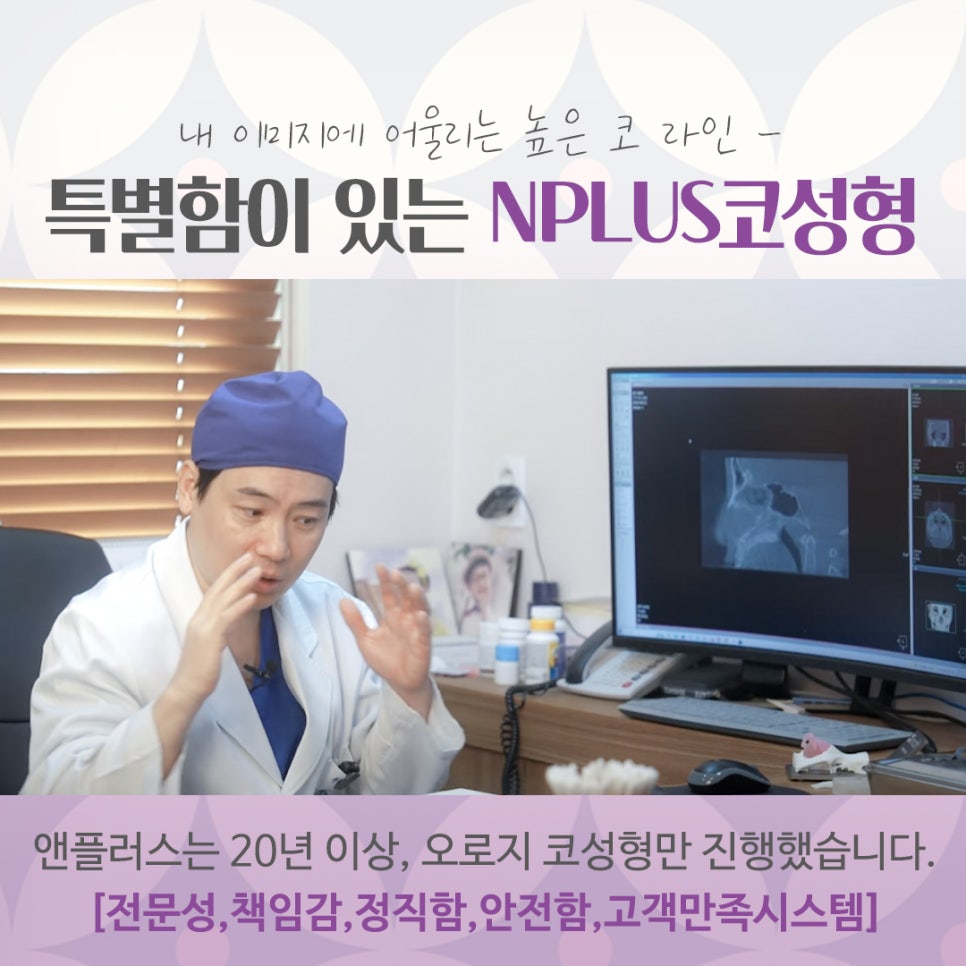
At An+ for Gangnam nose surgery, Director Surgeon Yoon Hyun-cheol, with over 20 years of experience, personally handles every process one-on-one, from consultation about nose surgery to surgical planning, procedure, treatment, and follow-up care. This means you can receive high-level medical service from before surgery through aftercare.

The aftercare provided after surgery includes an after-sales service system guaranteed for one year after surgery through the issuance of an An+ membership card, as well as a surgical responsibility guarantee system that prepares for any situation that may arise after surgery, such as pain, inflammation, or dissatisfaction with the appearance. As a result, you can also receive the benefits of postoperative care.
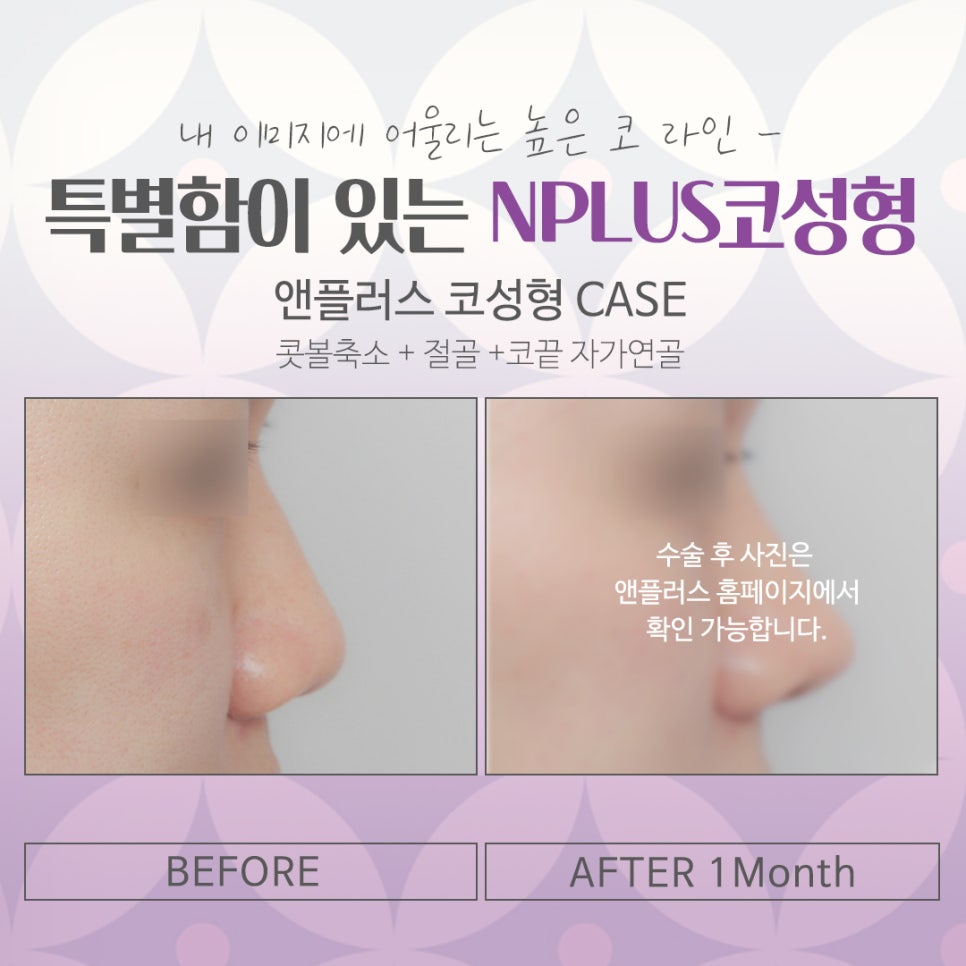
Today, we explained information related to nose surgery performed at An+ Plastic Surgery Clinic in Gangnam. We hope this article has been helpful for those who are not satisfied with the current shape of their nose or who are looking into Gangnam nose surgery because of internal functional problems. Thank you.
https://youtu.be/WXbwOtt5uJ0
�a0