
Due to the current weather and the temperature difference between indoors and outdoors, many people visit the hospital with nasal congestion caused by rhinitis. Today, we would like to introduce information about before and after rhinitis surgery, which is also included among rhinoplasty procedures.

When people think of rhinoplasty, the first thing many consider is the external issue of a nose that is not straight or balanced in shape. If the nose is too low, has a hump, is upturned, crooked, a bulbous nose, or drooping, people may look into surgery to improve it. In the case of rhinoplasty, it is often performed to treat these external aspects, but it can also be performed when nasal congestion caused by rhinitis inside the nose is present. Therefore, those who have nasal congestion due to rhinitis or who want to improve the appearance of the nose as well can look into before and after rhinitis surgery in more detail.
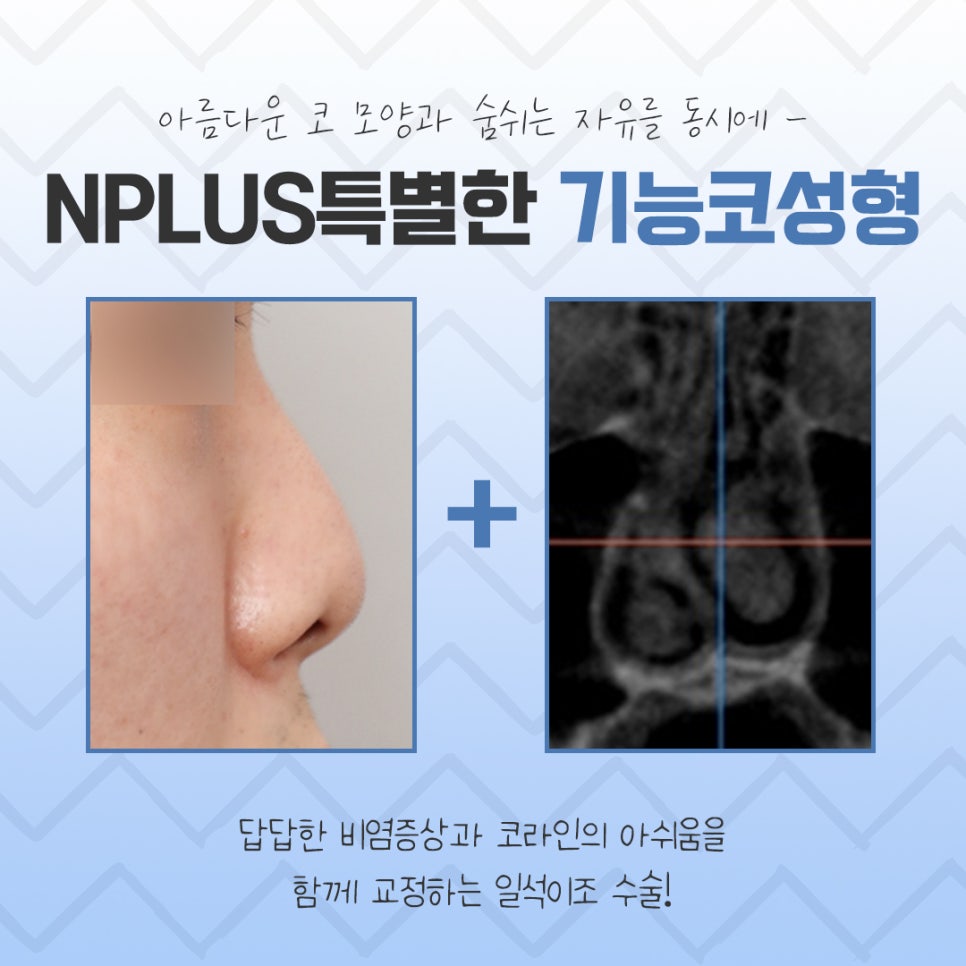
The difference between ordinary rhinoplasty and before and after rhinitis surgery is that functional aspects are also improved. Even if there is no problem with function, if rhinoplasty is performed while focusing only on cosmetic aspects without considering function, it can lead to revision surgery due to functional problems after the operation. Therefore, it is important that surgery is performed with consideration of both the external and internal functional aspects.
If you look at before and after rhinitis surgery, the representative symptom is usually nasal congestion due to problems with internal nasal function. Rhinitis is a condition that more than 70% of adults in Korea have, and it can be divided into allergic rhinitis and structural rhinitis. In the case of allergic rhinitis, medication and improved immunity should be prioritized for temporary improvement. However, in the case of structural rhinitis, nasal congestion occurs due to deformation of the internal nasal structure, so if surgery is performed according to the cause, a cure can be expected.
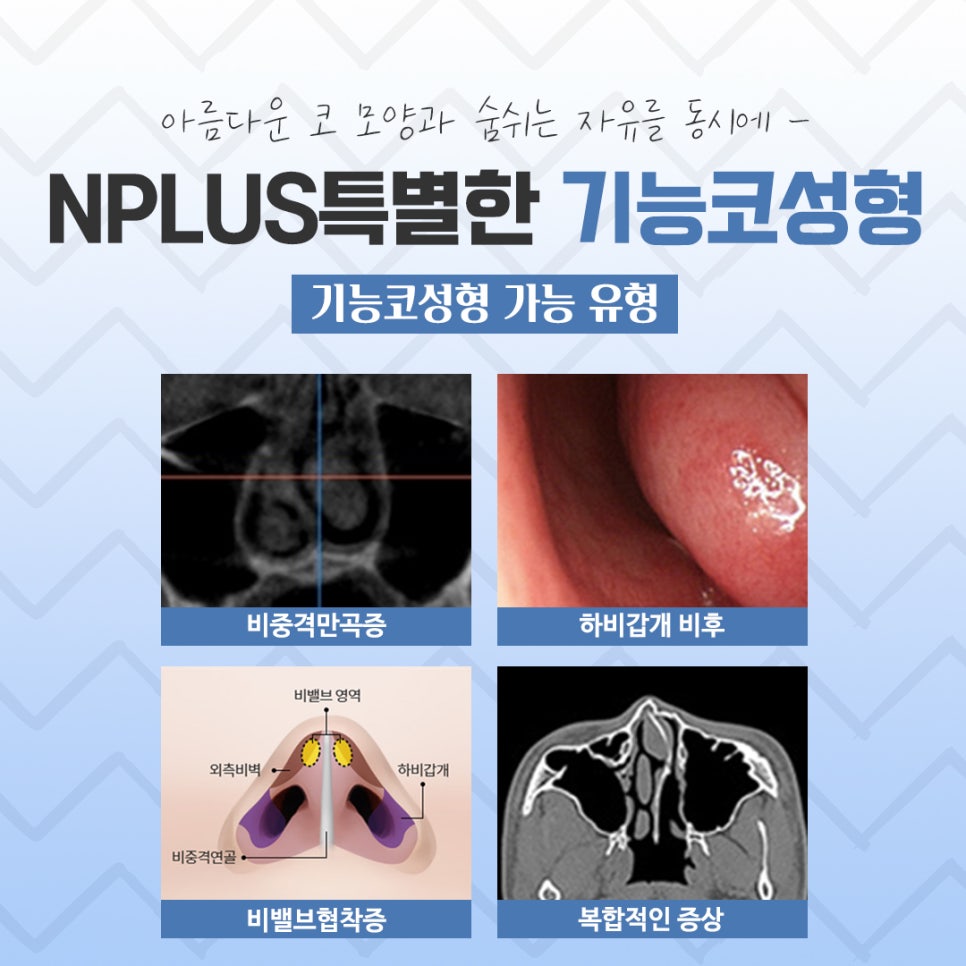
The causes of structural rhinitis include a deviated septum, inferior turbinate hypertrophy, and nasal valve stenosis. These can also appear in combination as complex symptoms. Since the overall condition of rhinitis, a cold, or nasal congestion alone cannot reveal the cause by visual inspection, it is essential to accurately check the structure through equipment and then receive a diagnosis through a physical examination so that you can know your condition more precisely.
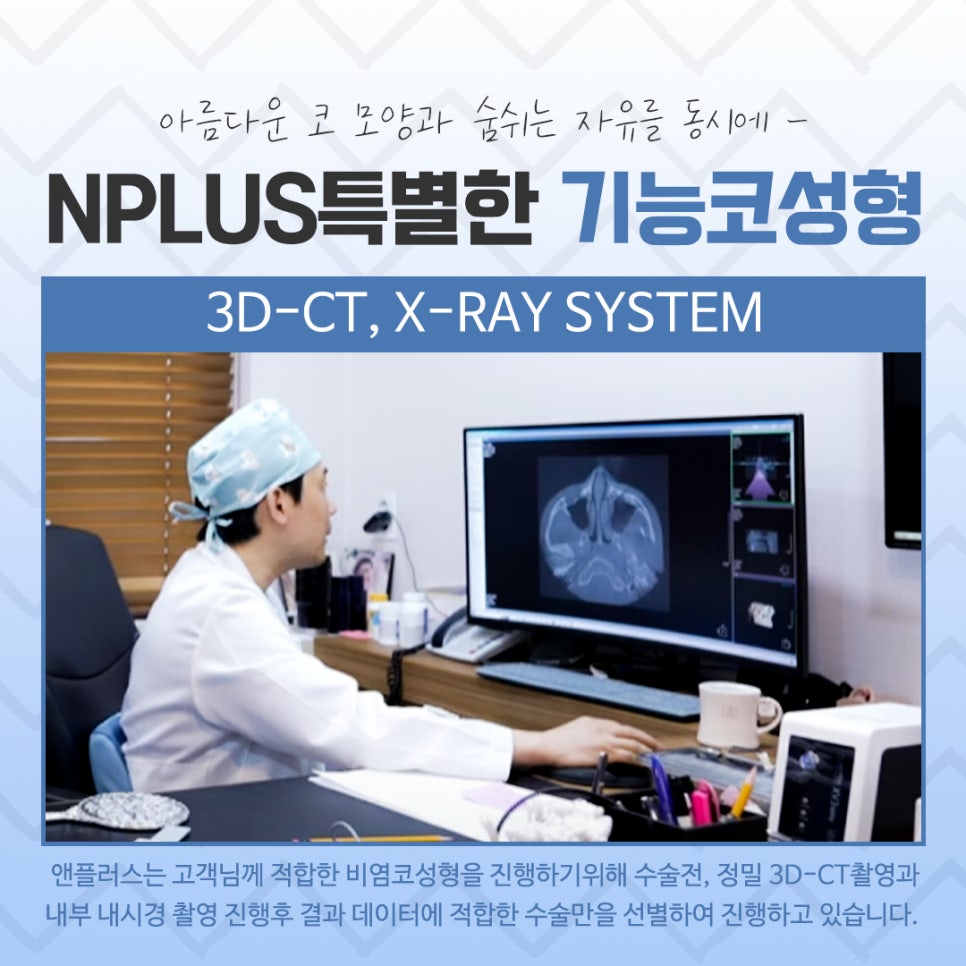
That is why, at N Plus Clinic, to perform the right surgery for each patient, preoperative multi-angle photography, internal endoscopic imaging, various allergy tests, internal nasal function tests, multi-angle photography, and 3D-CT scans are performed. Based on the collected data after accurately understanding the individual’s external and internal nasal condition, the appropriate surgery is carried out, making for a safe before and after rhinitis surgery.

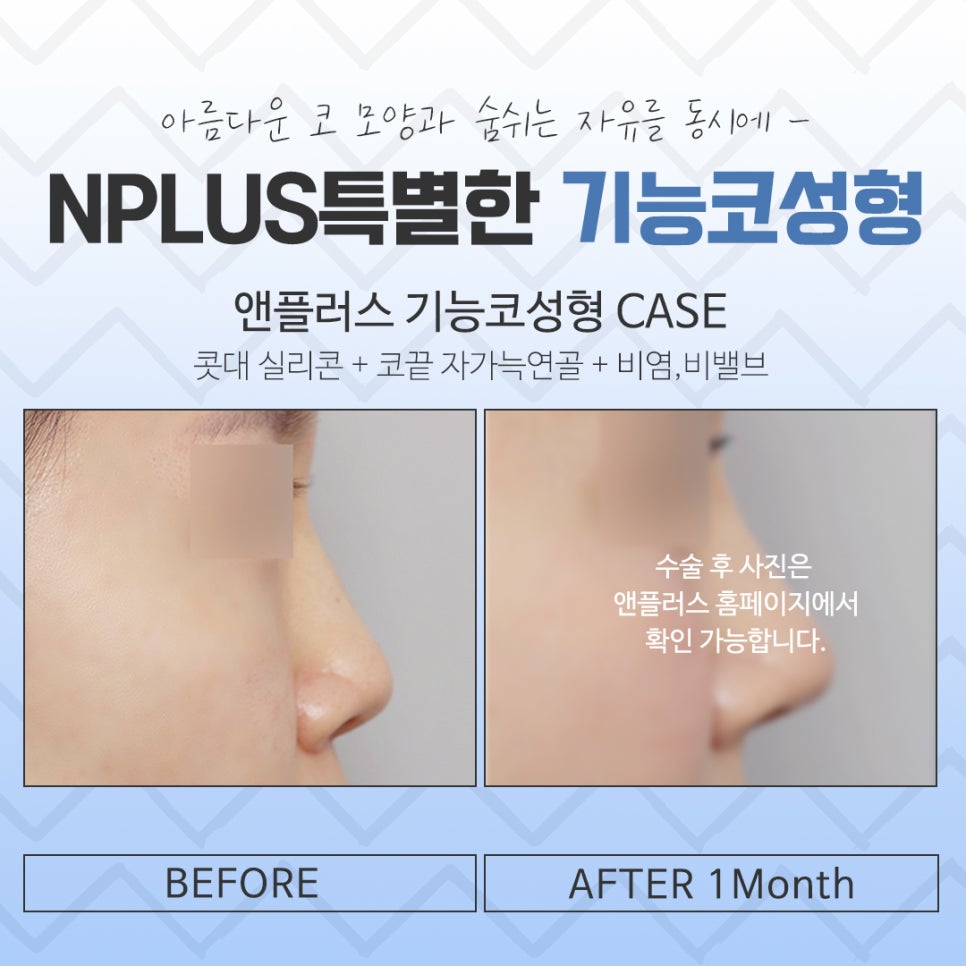
Ordinary rhinoplasty can make the nose straighter and more balanced, and the bridge can be improved with silicone while the tip can be improved with the patient’s own cartilage, enhancing the overall nasal line. If you look at before and after rhinitis surgery, rhinitis surgery can improve both the treatment and surgery for rhinitis as well as the cosmetic aspects at the same time.

In the case of rhinitis surgery, the causes of structural rhinitis—such as a deviated septum, inferior turbinate hypertrophy, and nasal valve stenosis—can be improved through surgery and treatment.
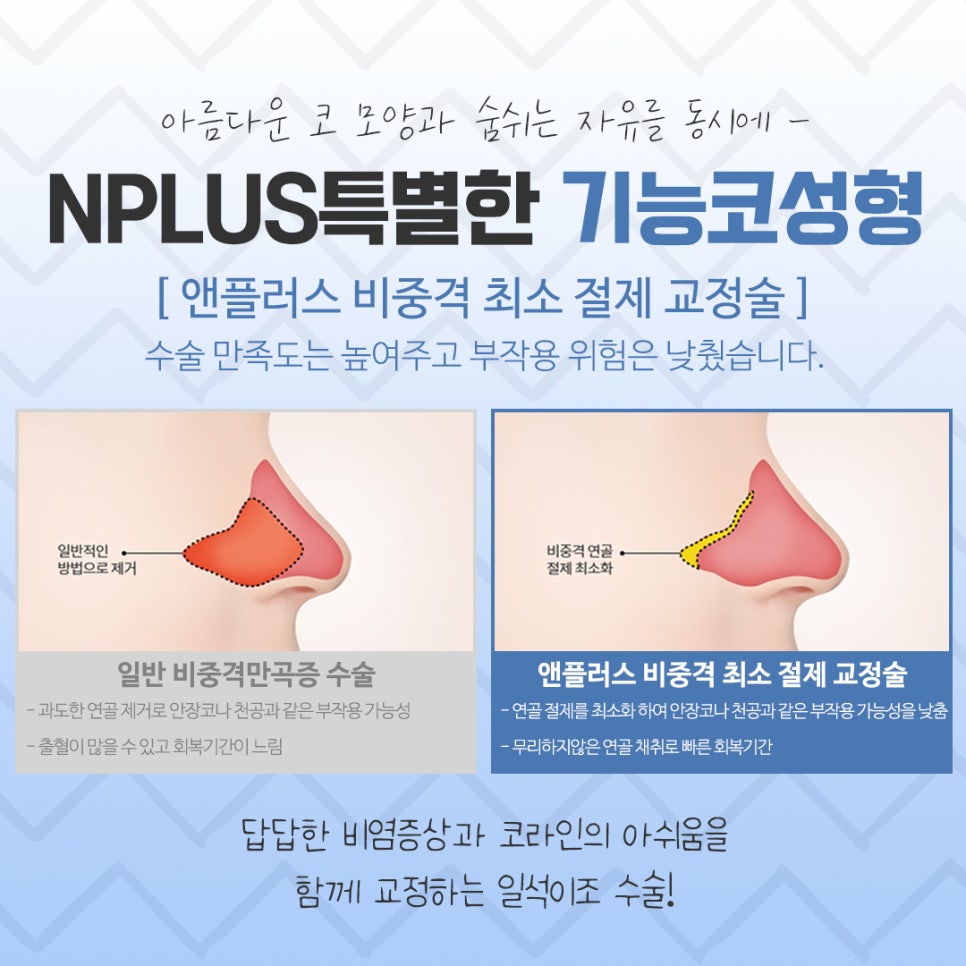
At this time, the septum may be resected to improve function, and the septal cartilage left after use can be used for cosmetic rhinoplasty to improve the nasal tip, resulting in a more satisfying before and after rhinitis surgery.
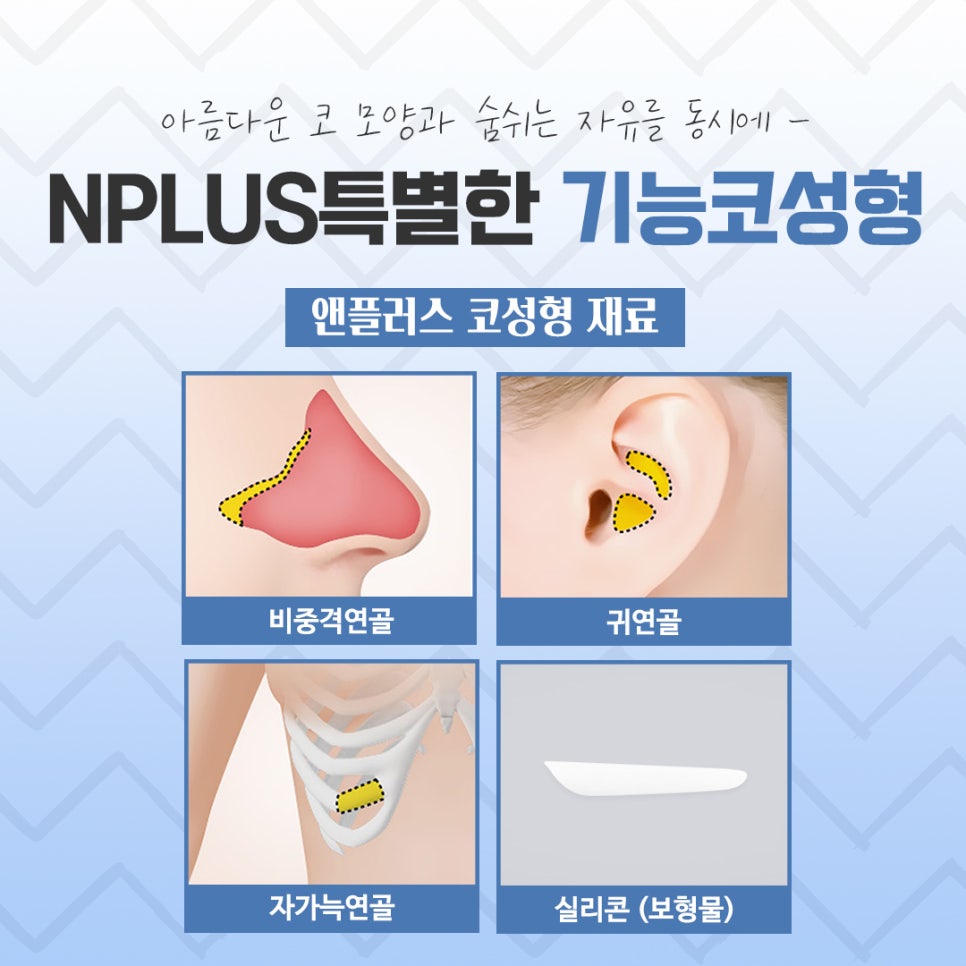
For autologous cartilage used in cosmetic rhinoplasty, when preoperative testing is performed, different materials can be selected depending on the condition of the individual’s nasal bone, cartilage, skin, and whether there are internal functional problems.
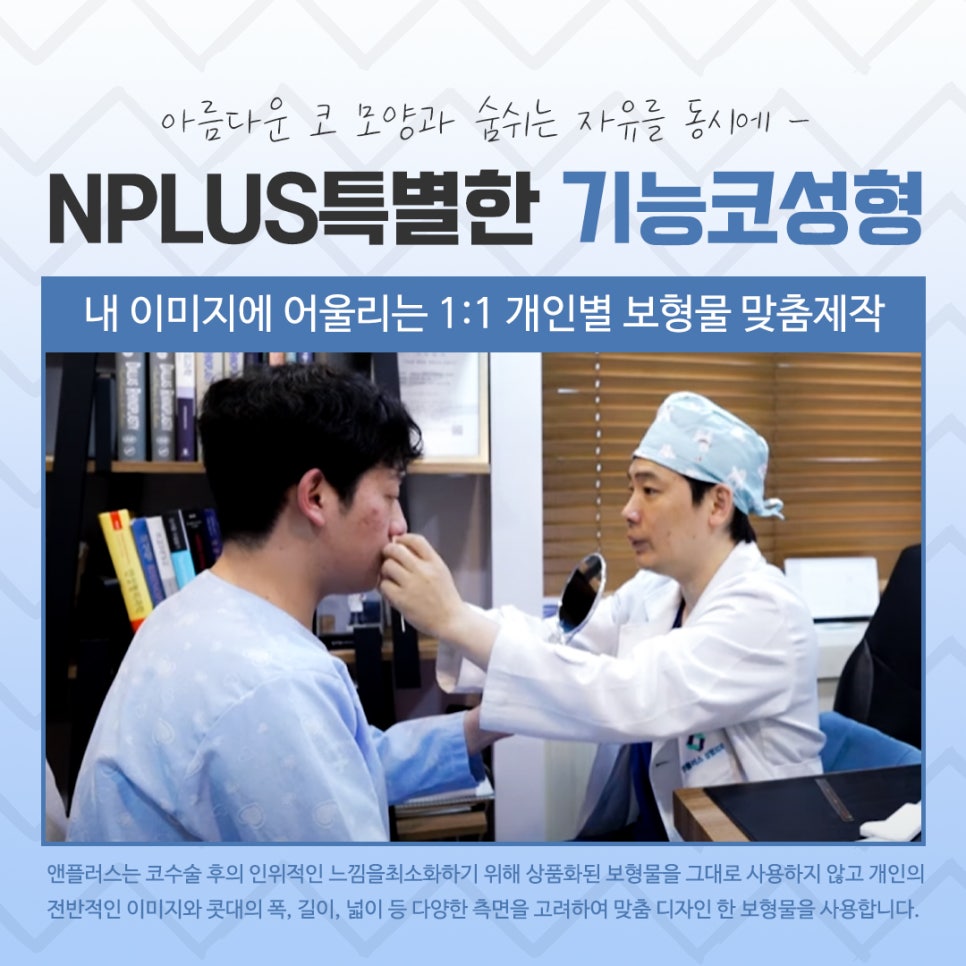
The silicone used for the nasal bridge is not a pre-made commercial silicone used as is. Instead, it is carefully hand-shaped after considering the individual’s overall image, as well as the width, length, breadth, and height of the nasal bridge, which can lead to greater satisfaction after surgery.

As such, rhinoplasty is performed with consideration of both the external appearance of the nose and its internal functional aspects, making it one of the more technically demanding surgeries among cosmetic procedures. Therefore, those looking into before and after rhinitis surgery should carefully check whether the medical staff have a high level of anatomical knowledge of the nose, whether they have abundant experience and expertise, whether equipment is available to accurately assess the condition of your nose, and whether aftercare can be reliably guaranteed before making a decision.
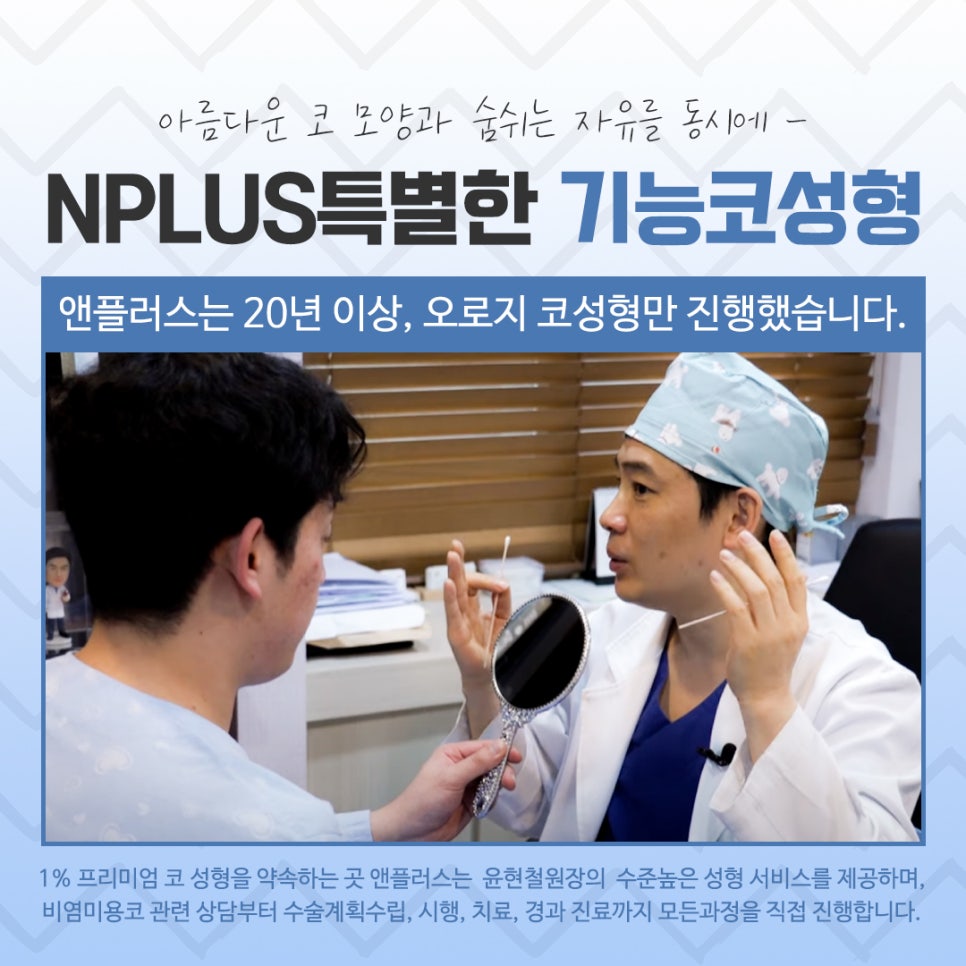
At N Plus Clinic, to ensure safe and satisfying before and after rhinitis surgery, CEO Director Yoon Hyun-cheol, with over 20 years of experience, personally provides one-on-one care and directly handles every process from consultation for before and after rhinitis surgery to surgical planning, implementation, treatment, and follow-up visits, allowing patients to receive high-level medical services from before the surgery through aftercare.

For aftercare, an N Plus membership card is issued to provide a warranty system covering one year after surgery, and a surgical responsibility guarantee system is implemented to prepare for any situation that may arise after surgery, including postoperative pain, inflammation, and dissatisfaction with the appearance. This allows patients to clearly receive aftercare benefits as well.
Today, we shared information related to before and after rhinitis surgery performed at N Plus Clinic. We hope this was of great help to those who are currently looking into before and after rhinitis surgery because of nasal congestion or dissatisfaction with the appearance of their nose. Thank you.
https://youtu.be/fgfCS8WcARY