
The parts that make up the face include the face shape, eyes, nose, mouth, forehead, chin, and ears, which together create an image. In modern times, as the standard for appearance has risen, people can make various efforts to improve their current appearance into a more favorable image. However, because individual self-directed efforts have limits, many people consider cosmetic surgery with the help of medical technology. Among various types of cosmetic surgery, the nose is especially located at the center of the face and is the most three-dimensional feature. If the shape of the nose is not straight and well-aligned, the balance of the entire face can appear disrupted, so it can be said to be one of the first procedures people consider.

So, although nose surgery is usually approached from the external appearance of the nose, our nose is not only responsible for balancing the face visually but also serves the functional roles of breathing and smelling. Therefore, if you are considering rhinoplasty, the surgery must take both these external aspects and the internal functional aspects into account. If there is a problem with function, you can look more closely at functional rhinoplasty reviews. In terms of the external shape of the nose, this may include a nose that is too low, has a hump, is upturned, is crooked, or has a bulbous shape.

Because of this, most people who look into functional rhinoplasty reviews have not only external concerns but also symptoms of nasal congestion. In most cases, nasal congestion is caused by rhinitis inside the nose. Rhinitis is a common condition that more than half of adults in Korea have, and it is divided into allergic rhinitis and structural rhinitis. In the case of allergic rhinitis, medication or improving immunity should be prioritized. On the other hand, structural rhinitis can be improved functionally through surgery.
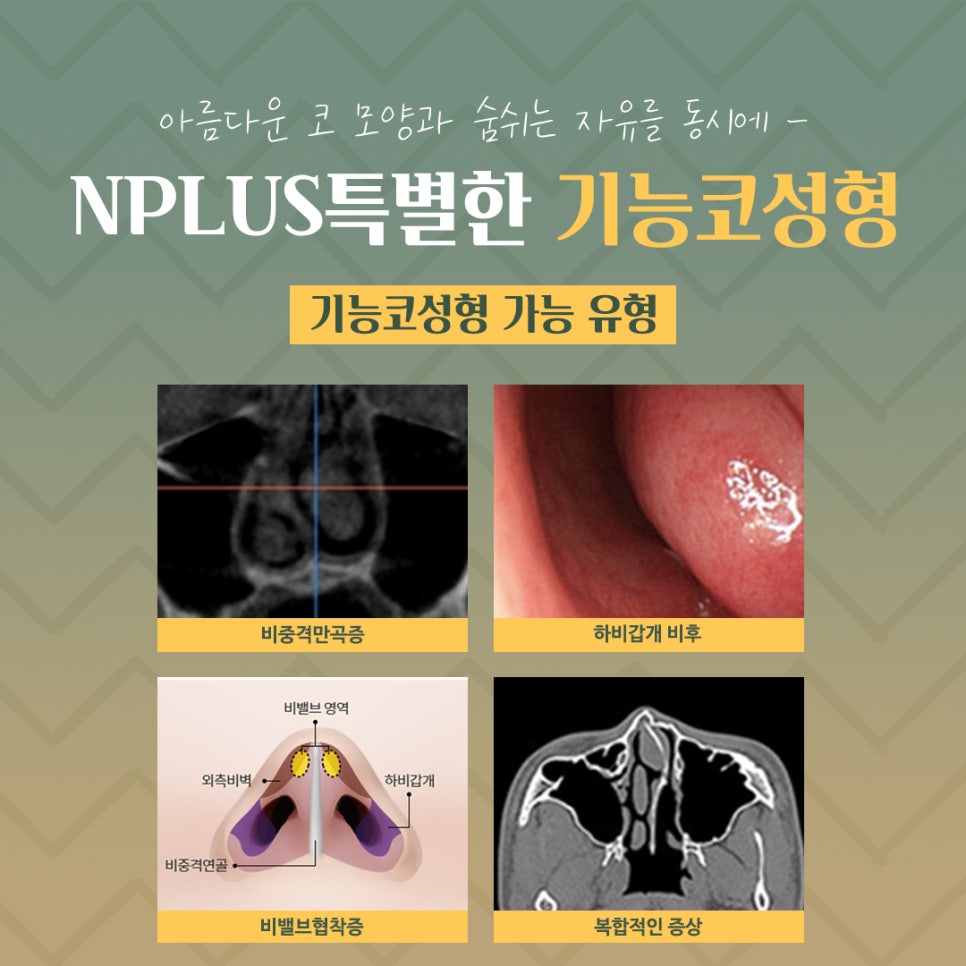
In the case of structural rhinitis, nasal congestion occurs due to deformities in the internal structure of the nose, which interfere with airflow entering through the nose. These problematic areas can be improved through surgery. Since it is important to identify the cause accurately and then perform the appropriate surgery, an exact diagnosis is essential. Structural rhinitis may be caused by a deviated septum, inferior turbinate hypertrophy, nasal valve stenosis, or a combination of these conditions.
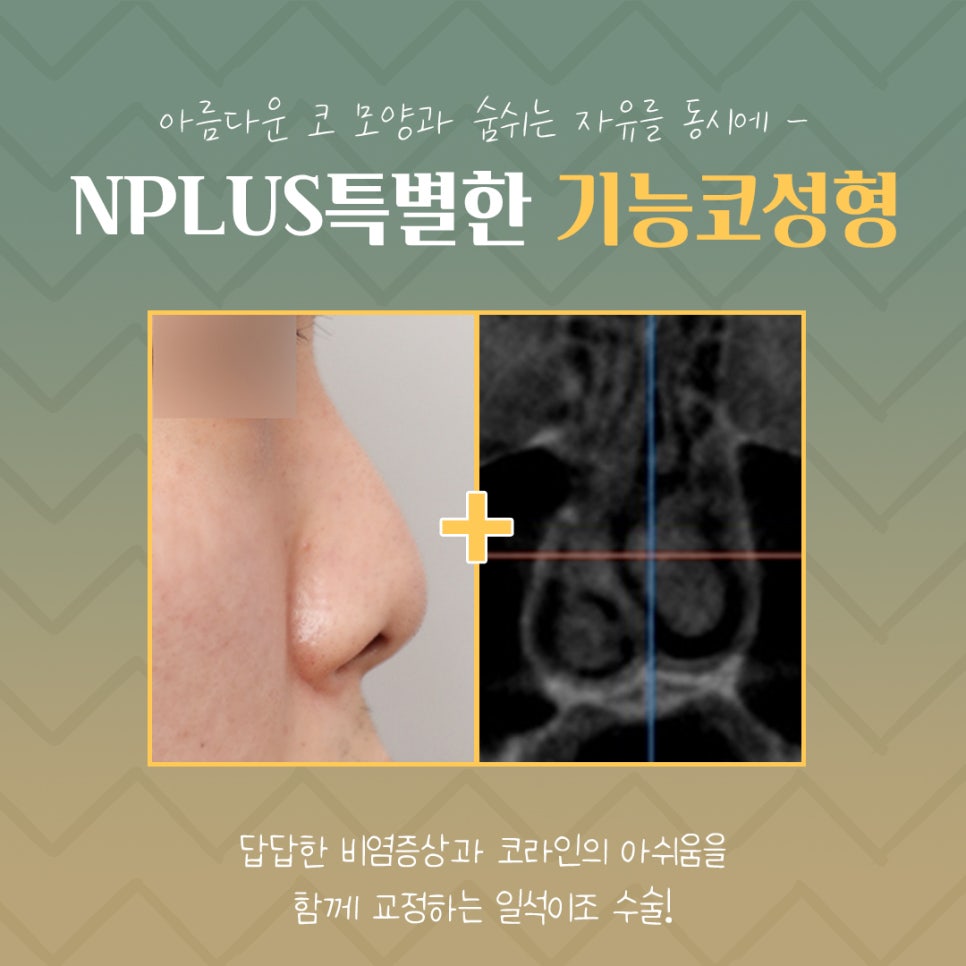
However, it is impossible to tell with the naked eye whether rhinitis is structural or allergic, so it is important to accurately assess the condition of a person's nose inside and out using proper equipment. For those looking into functional rhinoplasty reviews, rather than focusing only on cosmetic or cost-related factors, it is helpful to carefully check whether the medical staff have strong anatomical knowledge of the nose, whether they have sufficient experience and expertise, whether the hospital has the equipment needed to accurately evaluate the condition of your nose, and whether aftercare can be reliably guaranteed when choosing a clinic.
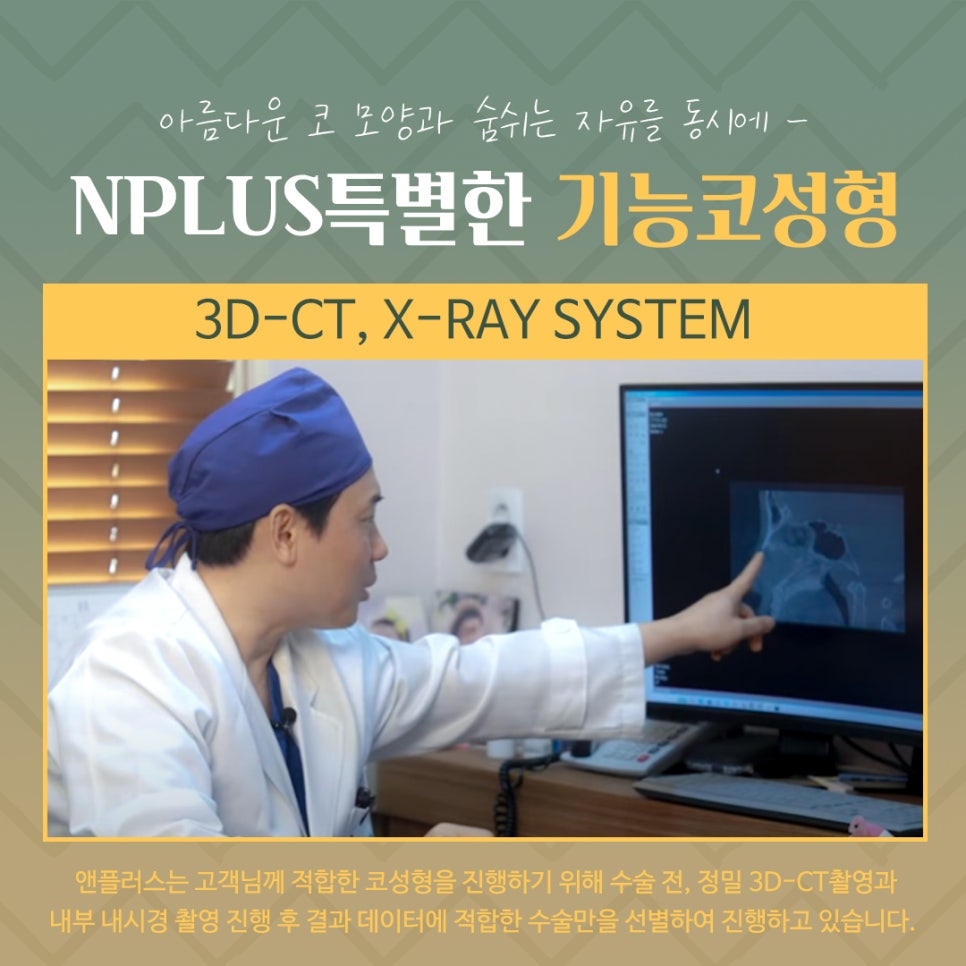
At N Plus, to help ensure a safe and satisfying functional rhinoplasty review, we perform multi-angle photography before surgery, internal endoscopic imaging, various allergy tests, internal nasal function tests, and 3D-CT imaging to accurately understand the current external and internal condition of the nose. Based on the extracted data, we establish the surgical plan.

If you look at functional rhinoplasty reviews, the surgical method and materials may vary depending on the condition of the individual's internal nasal function. After accurately identifying the issues such as a deviated septum, inferior turbinate hypertrophy, and nasal valve stenosis, surgery is performed accordingly, and cosmetic correction of the bridge and tip can be carried out using silicone for the bridge and autologous cartilage for the tip.
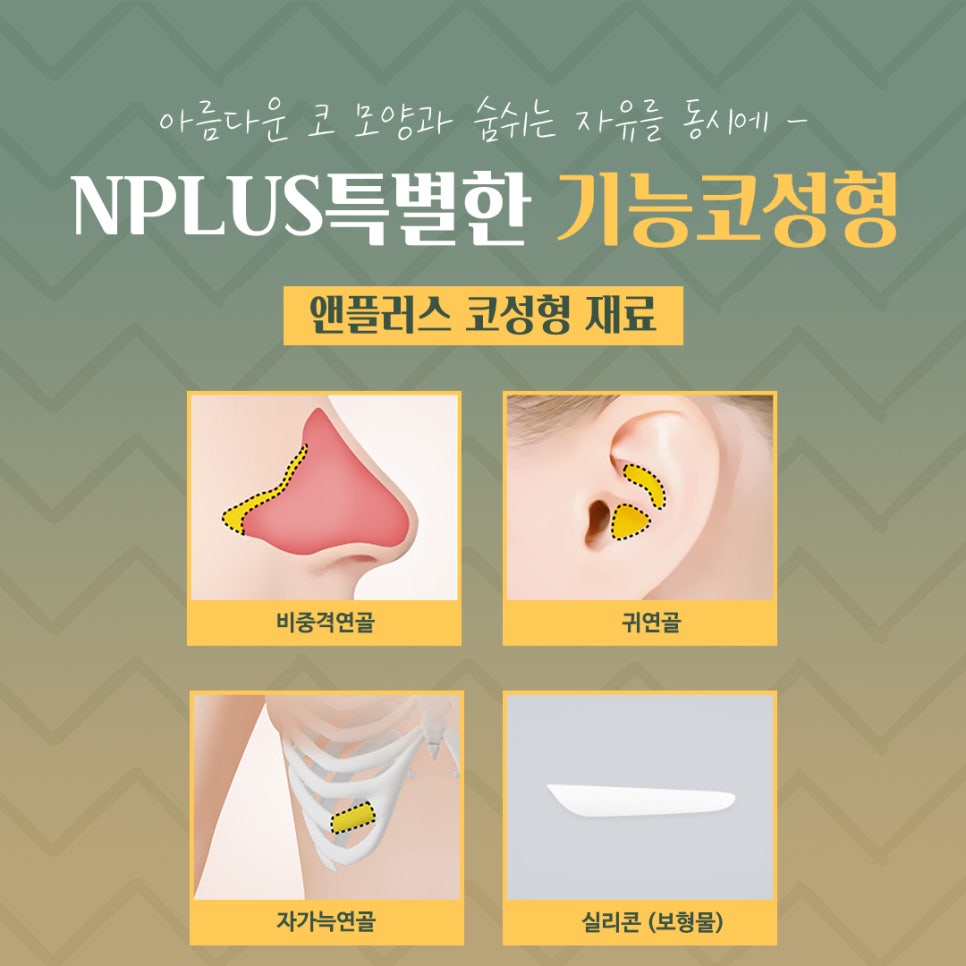
In the case of autologous cartilage used for cosmetic rhinoplasty, the most suitable material for each individual can be selected through preoperative screening. Autologous cartilage includes septal cartilage, ear cartilage, and autologous rib cartilage.

Silicone is used for the nasal bridge. The silicone used is not the existing mass-produced silicone as-is; instead, it is carefully shaped by hand while considering the person's overall image, as well as the width, length, breadth, and height of the nasal bridge. Because of this, you can look forward to a more satisfying functional rhinoplasty review.

Therefore, those looking into functional rhinoplasty reviews should not judge based only on the images in the review. It is better to carefully check whether the surgery is tailored to your nose, whether your condition can be accurately assessed, and how the surgery will be performed, and then choose the procedure that best suits you.

At N Plus, we do our best to deliver results that satisfy each individual. Director Yoon Hyun-cheol, with more than 20 years of experience, personally handles the entire process one-on-one, from consultations related to rhinoplasty to surgical planning, execution, treatment, and follow-up examinations, so you can receive high-level medical service from before surgery through aftercare.

At N Plus, a membership card is issued, along with an A/S system that guarantees support for one year after surgery. In preparation for any situation that may arise after surgery, such as pain, inflammation, or dissatisfaction with the shape, a surgical responsibility guarantee system is also implemented, helping make your post-surgery functional rhinoplasty review even more satisfying.
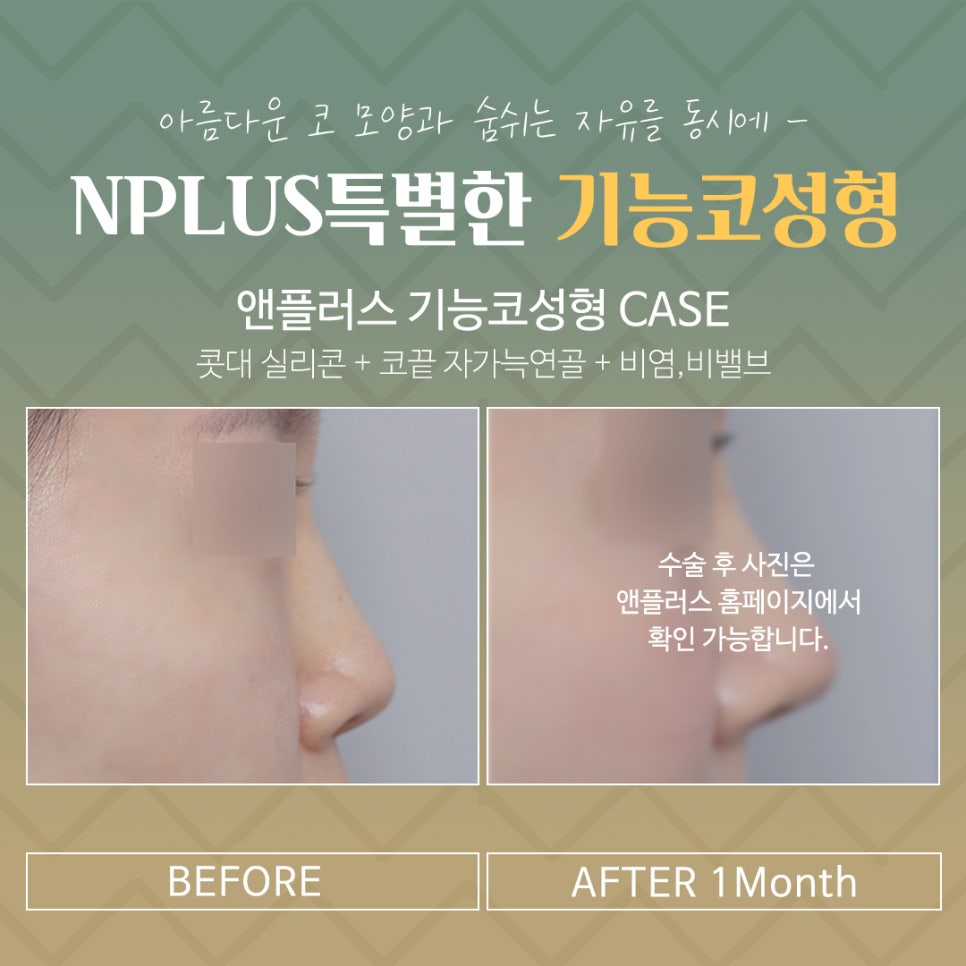
The image above shows before-and-after photos of a functional rhinoplasty procedure performed at N Plus.
That concludes the information we shared regarding functional rhinoplasty reviews performed at N Plus. We hope this article is helpful for those who are currently looking for information because they are dissatisfied with the shape of their nose or are experiencing functional problems inside the nose.

https://youtu.be/Pc8F7NxRiVQ?si=tLS_YeJSN6JIG7ov