
Hello. We are Ohjiko Hospital N+ Plus, which has spent more than 20 years caring only about your beautiful and healthy nose.
What we will introduce this time is information related to rhinitis surgery.

These days, as the seasons change and the temperature gap between day and night increases, many people are curious about rhinitis surgery because of nasal congestion caused by rhinitis. In cases of nasal congestion caused by rhinitis, symptoms may improve temporarily, but even with medication treatment, the symptoms may not get better and may worsen, causing inconvenience in daily life. Therefore, it is advisable to look into rhinitis surgery based on various cases.

To explain when rhinitis surgery is performed: rhinitis is a condition that more than 70% of adults in Korea have, and it can be divided into allergic rhinitis and structural rhinitis. In the case of allergic rhinitis, symptoms appear due to specific substances or environments, so a complete cure is difficult. If immune strengthening and medication treatment are prioritized, temporary improvement can be seen. However, structural rhinitis occurs due to deformation of the internal structures that obstruct the flow of air entering through the nose, so a complete cure may be expected through surgery. However, an accurate cause must be identified first, and the appropriate rhinitis surgery must be performed accordingly to prevent reoperation due to functional abnormalities after surgery.
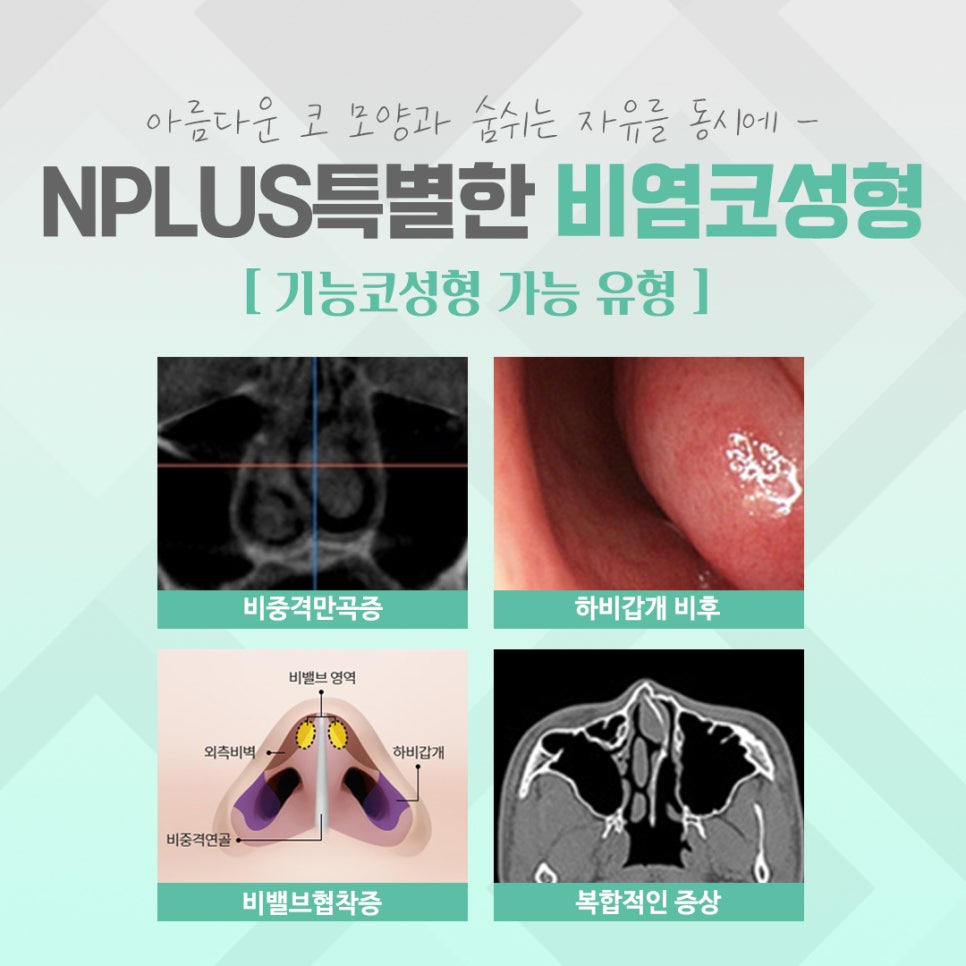
The causes of structural rhinitis can be classified as deviated septum, inferior turbinate hypertrophy, nasal valve stenosis, and complex symptoms. Since it is difficult to tell with the naked eye whether it is allergic rhinitis or structural rhinitis, the current condition must be checked through equipment, and surgery appropriate to that condition must be performed for satisfactory rhinitis surgery.

However, improving the functional aspects of the nose does not mean ignoring the external cosmetic aspects. Since rhinitis surgery can be performed at the same time, it can be considered a procedure that is prioritized when it comes to our facial features. The reason is that the nose is located at the center of our face and is the most three-dimensional area, so when the shape of the nose is outside the standard a person considers desirable, the overall balance of the image can appear disrupted.
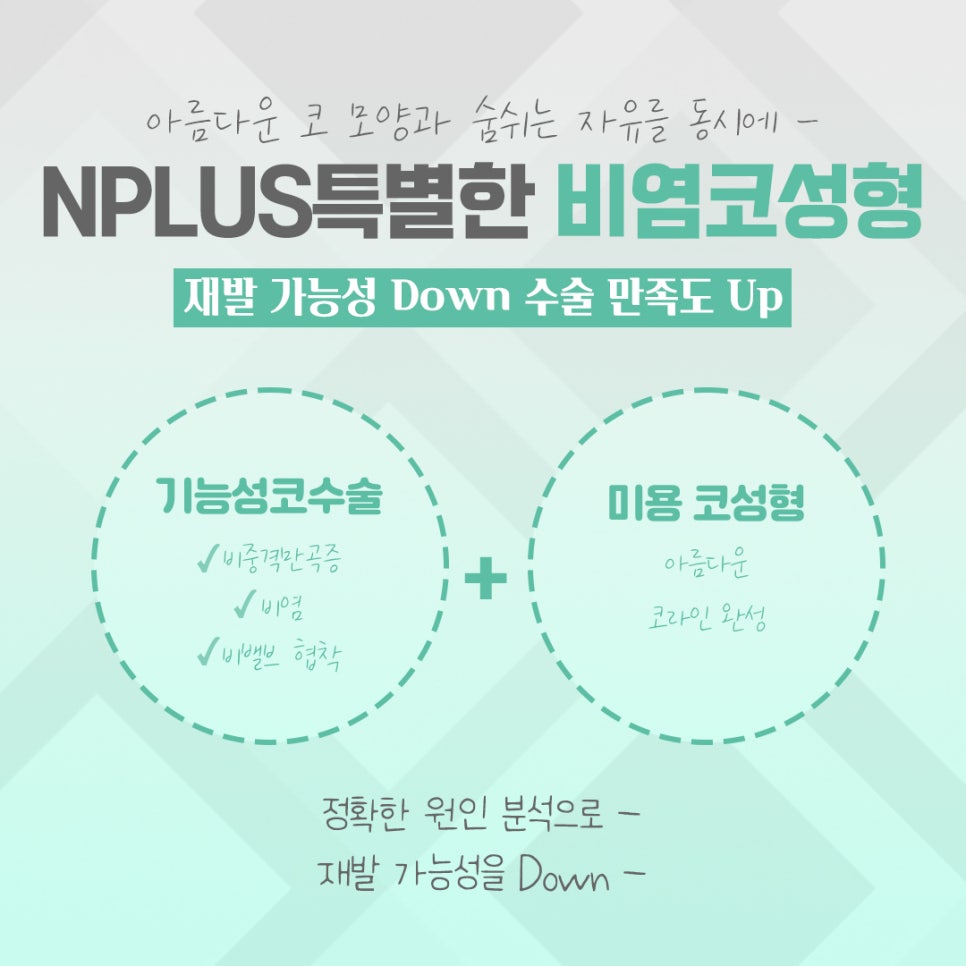
Therefore, for those looking into rhinitis surgery, it may also be helpful to note that improvement in nasal congestion caused by internal rhinitis and cosmetic improvement may be possible at the same time.
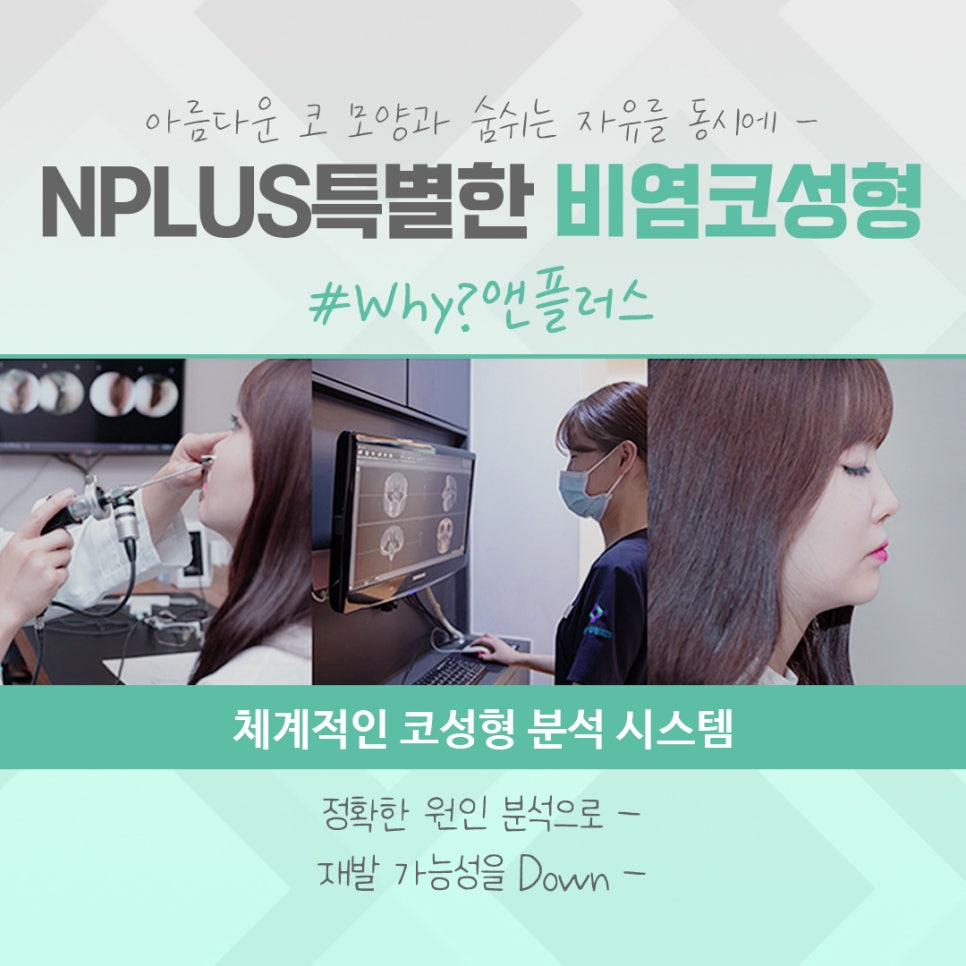
At Ohjiko Hospital N+ Plus, to systematically analyze nose surgery, we perform preoperative 3D-CT scans, internal endoscopic imaging, various allergy tests, nasal internal function tests, and more to accurately identify the external and internal condition of each person's nose. Based on the collected data, we establish and carry out a surgical plan.

First, in the case of rhinitis nose surgery, depending on the causes of internal nasal problems such as deviated septum, inferior turbinate hypertrophy, and nasal valve stenosis, functional improvement can be performed first, followed by cosmetic rhinoplasty. For cosmetic rhinoplasty, silicone can be used for the bridge of the nose, and autologous cartilage can be used for the tip of the nose to improve the overall nasal line.
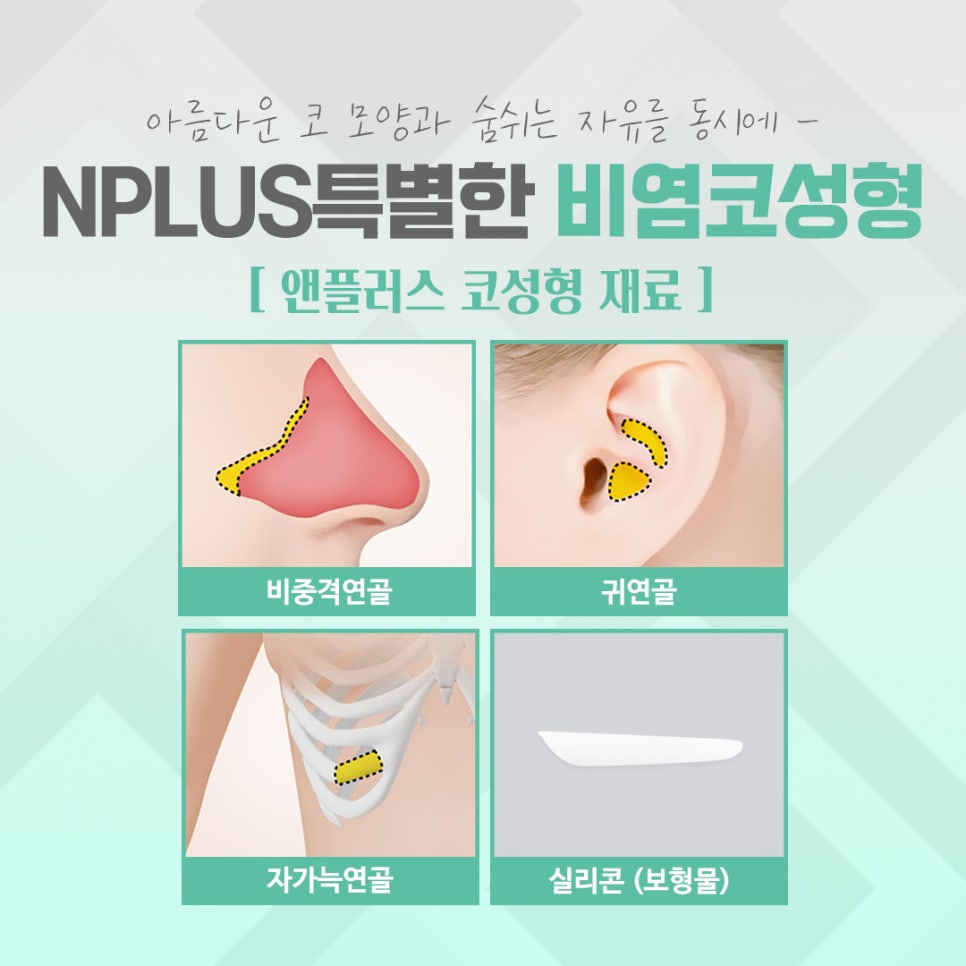
In the case of autologous cartilage used for the nasal tip, when it is performed through preoperative testing, the appropriate material can be selected according to the individual's condition. If rhinitis surgery is performed at the same time, the deviated septum can be removed and the remaining material can be used to improve the nasal tip, so the range of options is broad.
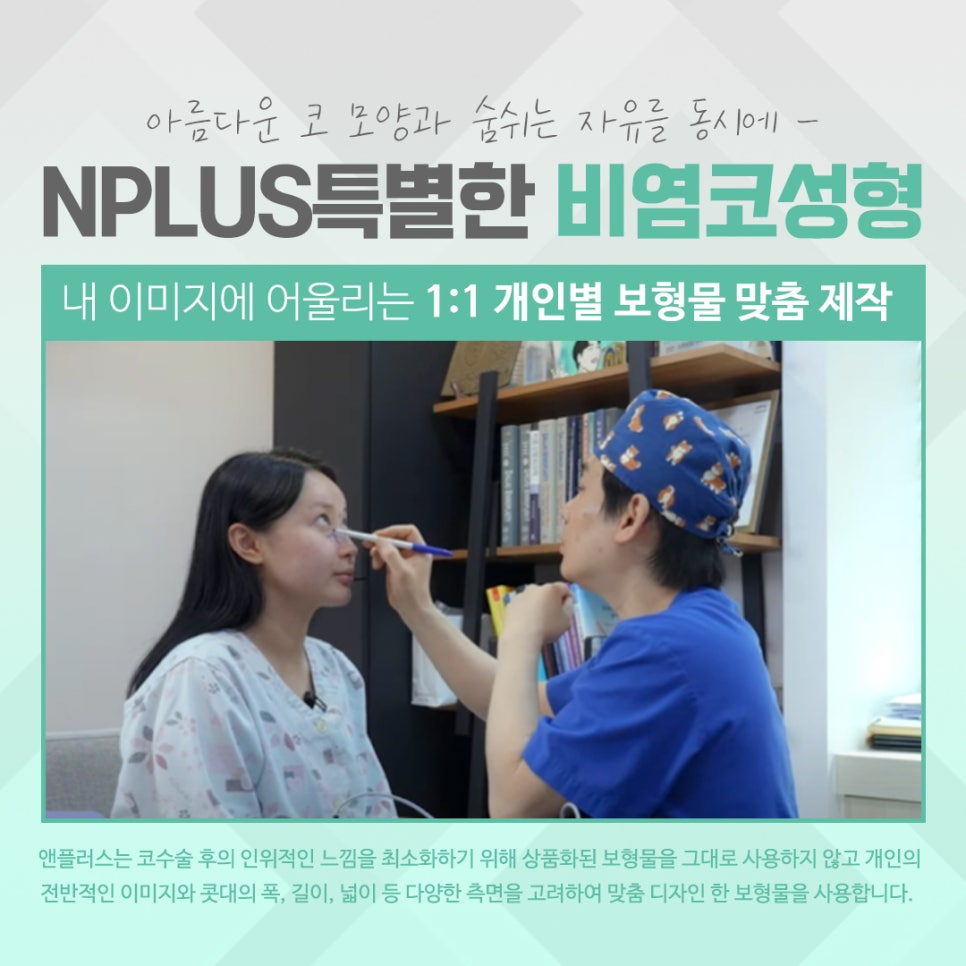
Silicone is most commonly used for the bridge of the nose. The silicone used here is not the existing mass-produced silicone used as is; instead, it is carefully and delicately trimmed by hand after considering various aspects such as the individual's overall image, as well as the width, length, breadth, and height of the nasal bridge. Therefore, satisfaction with appearance after rhinitis surgery can be even higher.

As such, for those who are looking into information related to rhinitis surgery, it is helpful not to choose a hospital based only on the images in reviews. In addition, you should carefully check whether the medical staff have a high level of anatomical knowledge of the nose, whether they have abundant relevant experience and expertise, whether the hospital is equipped with devices that can accurately assess the condition of your nose, and whether aftercare can be firmly guaranteed.
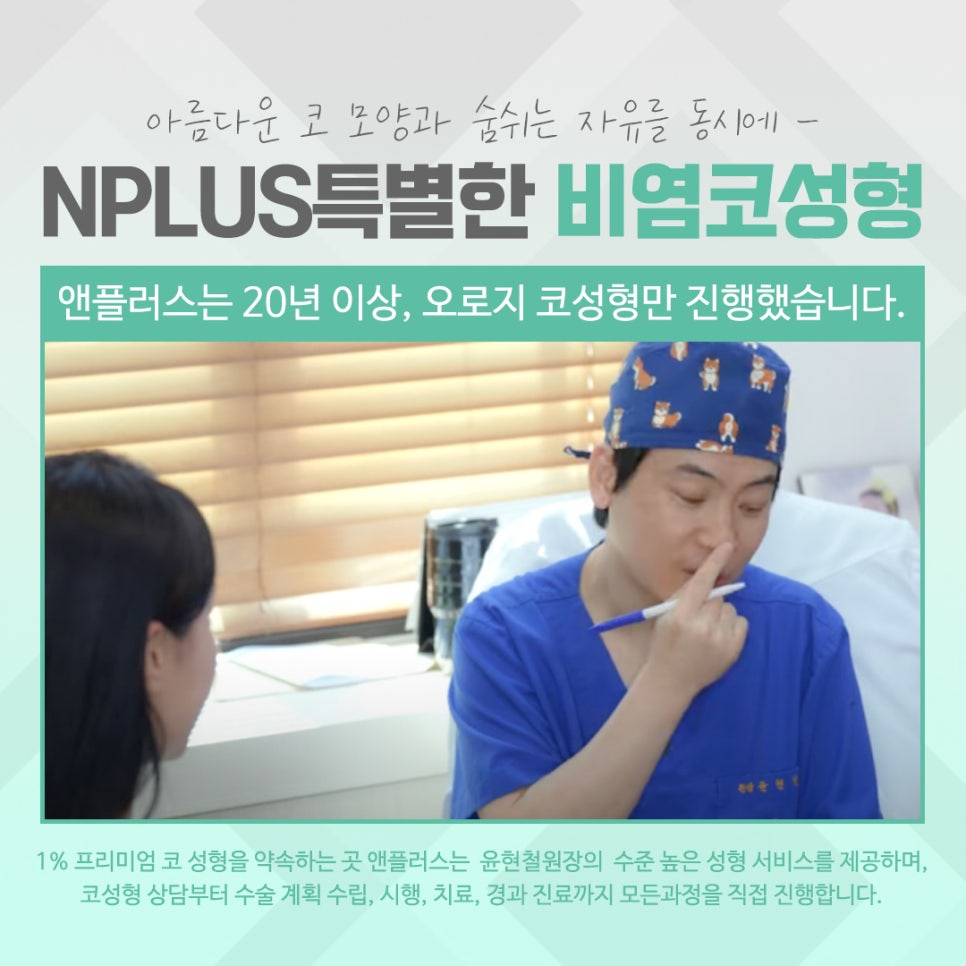
At Ohjiko Hospital N+ Plus, Director Yun Hyeon-cheol personally handles everything one-on-one—from consultation related to rhinoplasty, to establishing the surgical plan, performing the procedure, treatment, and follow-up care—so you can receive high-level medical services from before surgery through after surgery.
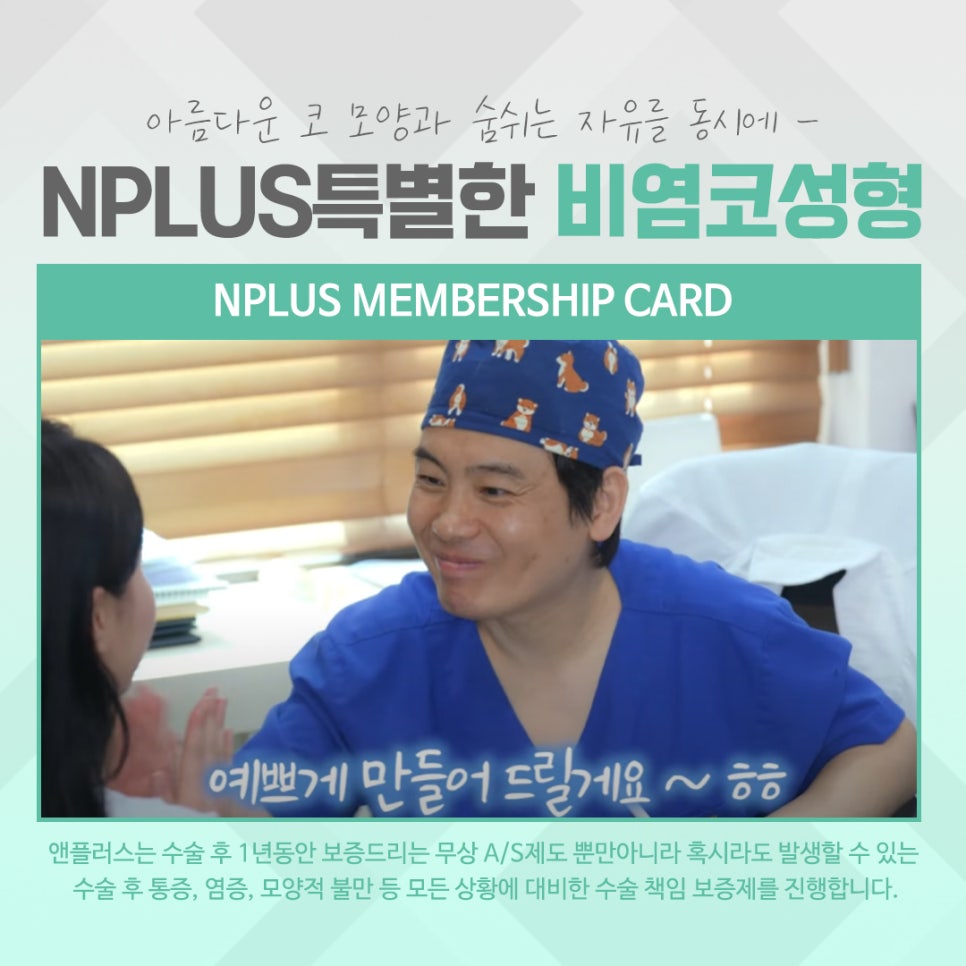
Aftercare is also well supported through an A/S system that guarantees one year after surgery, and a surgical responsibility guarantee system that prepares for all possible post-surgery situations such as pain, inflammation, or dissatisfaction with the shape, so you can fully benefit from aftercare services after surgery.
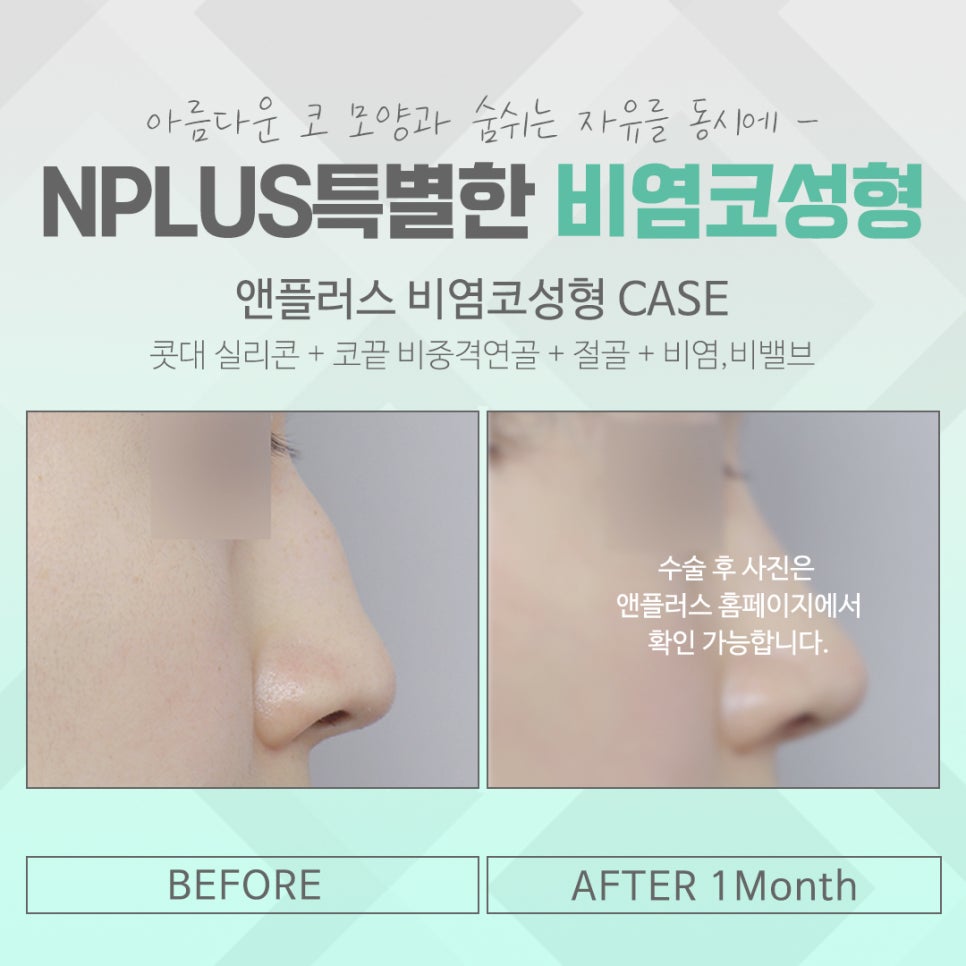
This has been an explanation of information related to rhinitis surgery performed at Ohjiko Hospital N+ Plus. I hope this article is of great help to those who are considering surgery because of internal rhinitis in the nose. Thank you.

https://youtu.be/UmY449jM4E8