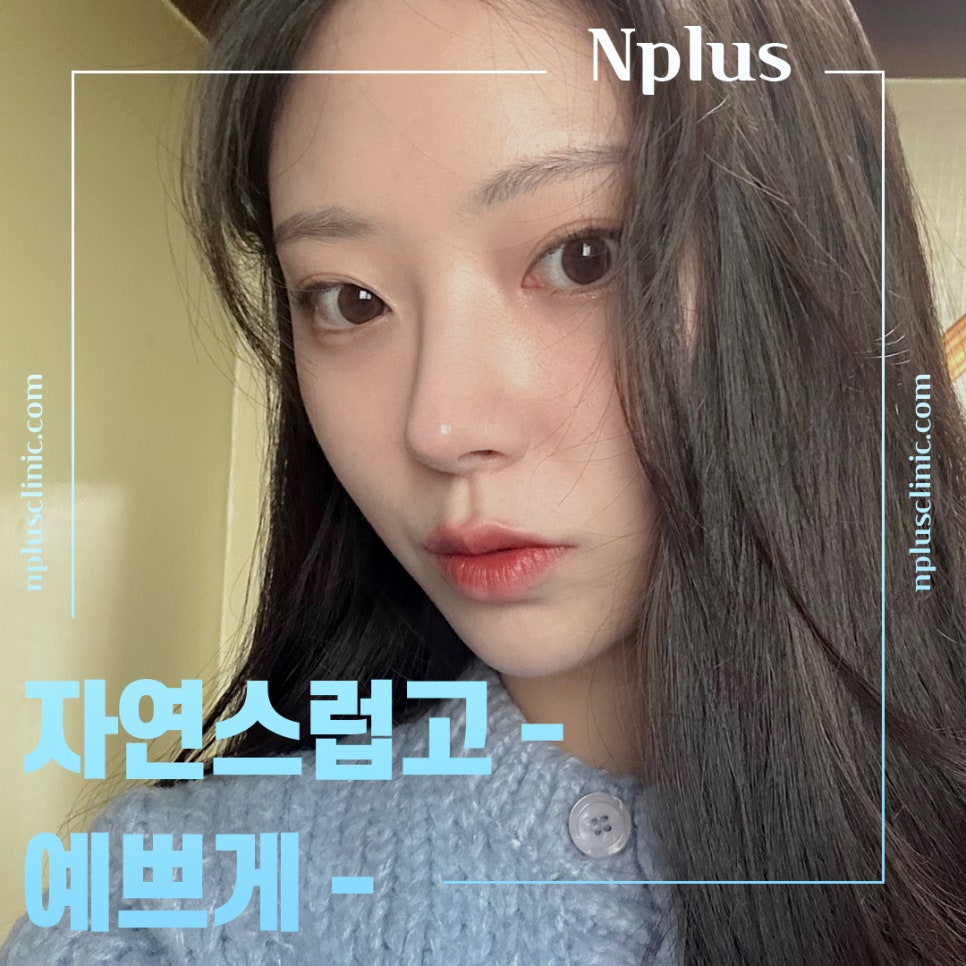
When we first judge a person, vision is highly developed, so appearance should not come first, but it can still be prioritized. Because of this, many people may try various things on their own due to dissatisfaction with their appearance, but if there are areas that are difficult to change even then, they may consider plastic surgery. However, unnecessary plastic surgery can cause various side effects, so it is important to look into it more carefully.
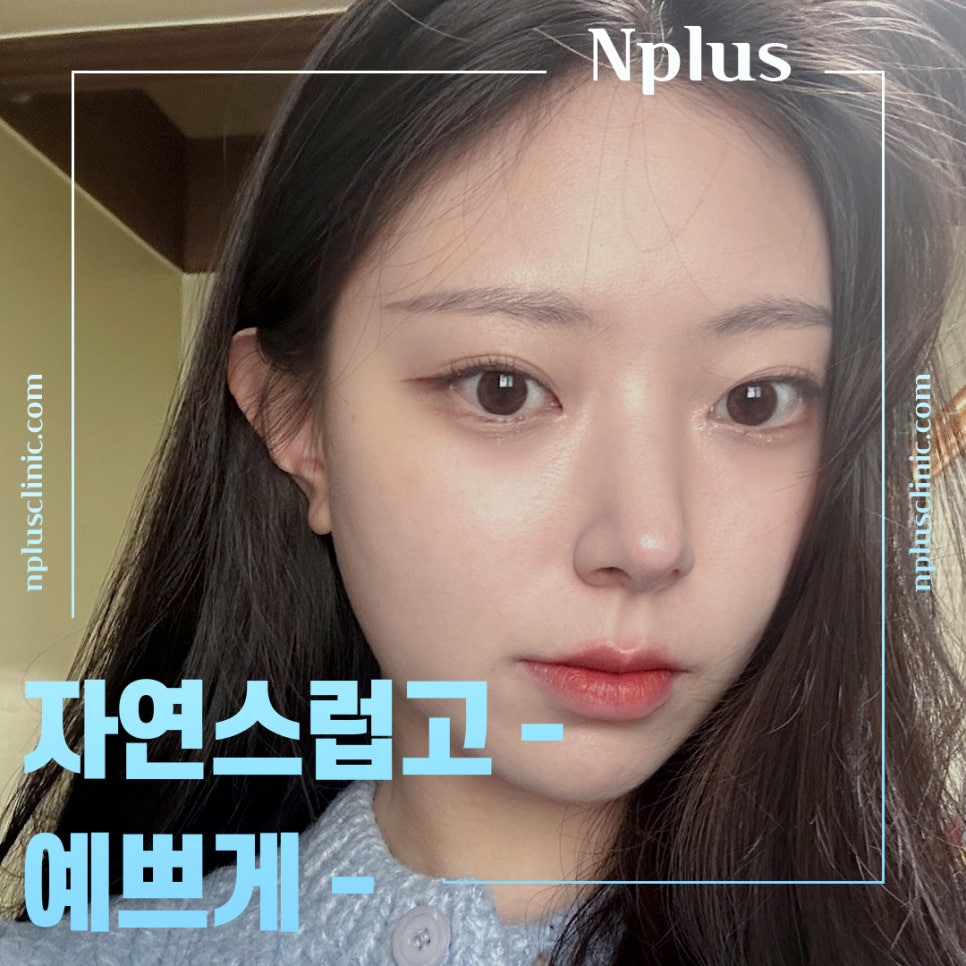
Accordingly, priorities can also be set within plastic surgery. In the case of the nose, which is located at the center of the face and is one of the most three-dimensional areas, if its shape is not straight and balanced, the overall facial balance can appear disrupted. That is why many people consider it a top priority among cosmetic procedures. They look into ways to improve it when the nose is too low, upturned, small, crooked, aquiline, or bulbous. In particular, if the nose is short, small, and upturned, the entire face may look dull or old-fashioned, and you may feel the limits of surgery, so you may search for information about short nose surgery more carefully.
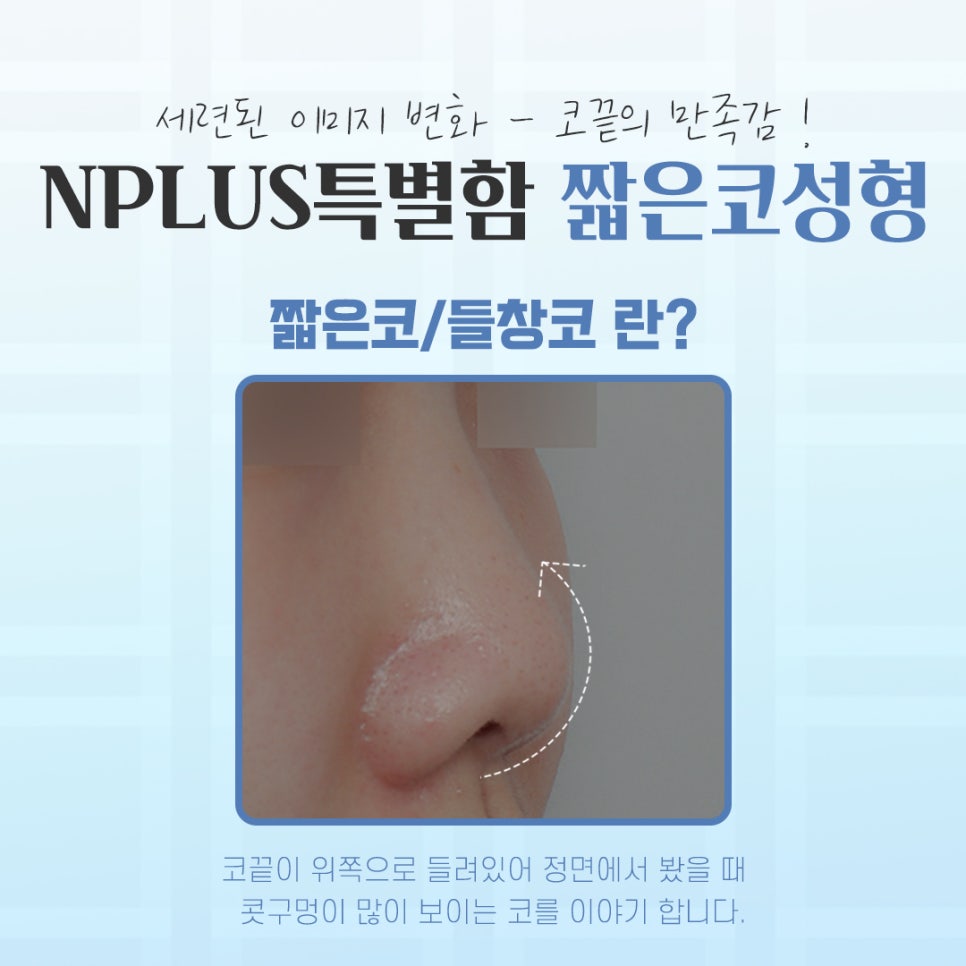
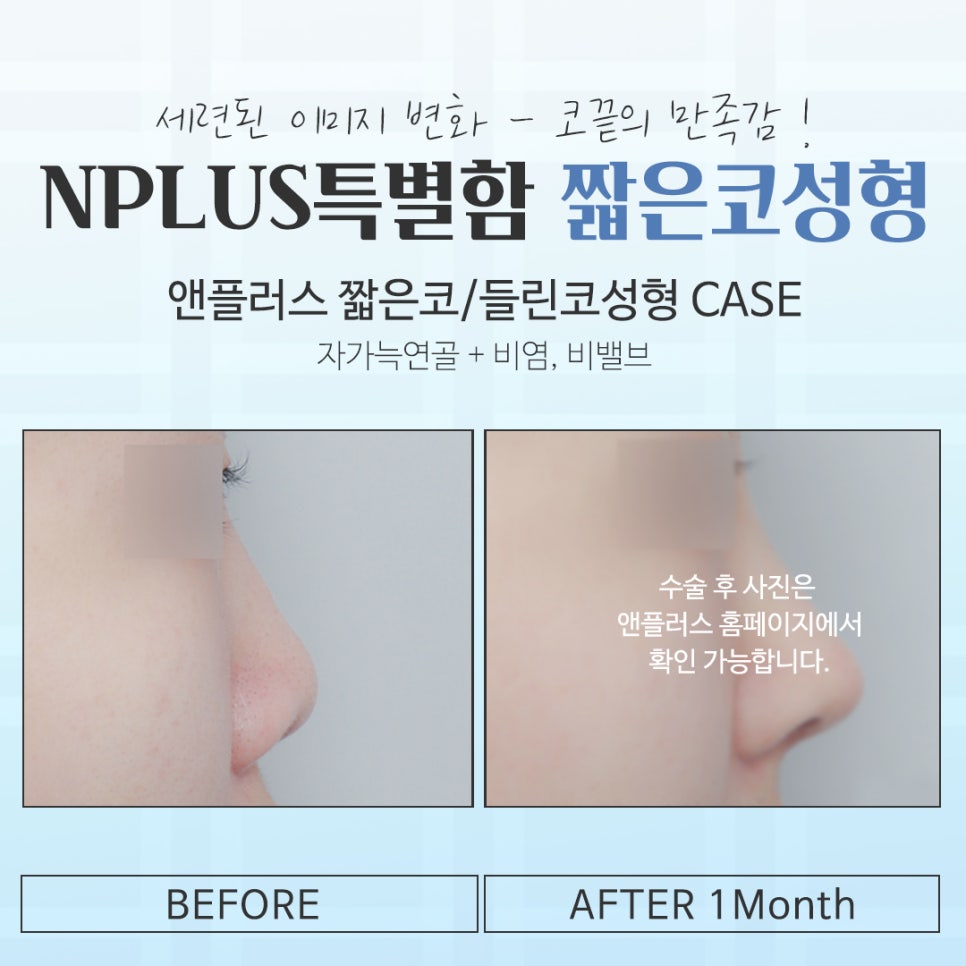
A case in which short nose surgery is performed refers to a nose whose tip is turned upward and whose nostrils are highly visible from the front. Short nose surgery is a procedure that lengthens this short nose tip and adds volume to improve it into a straight and balanced shape.
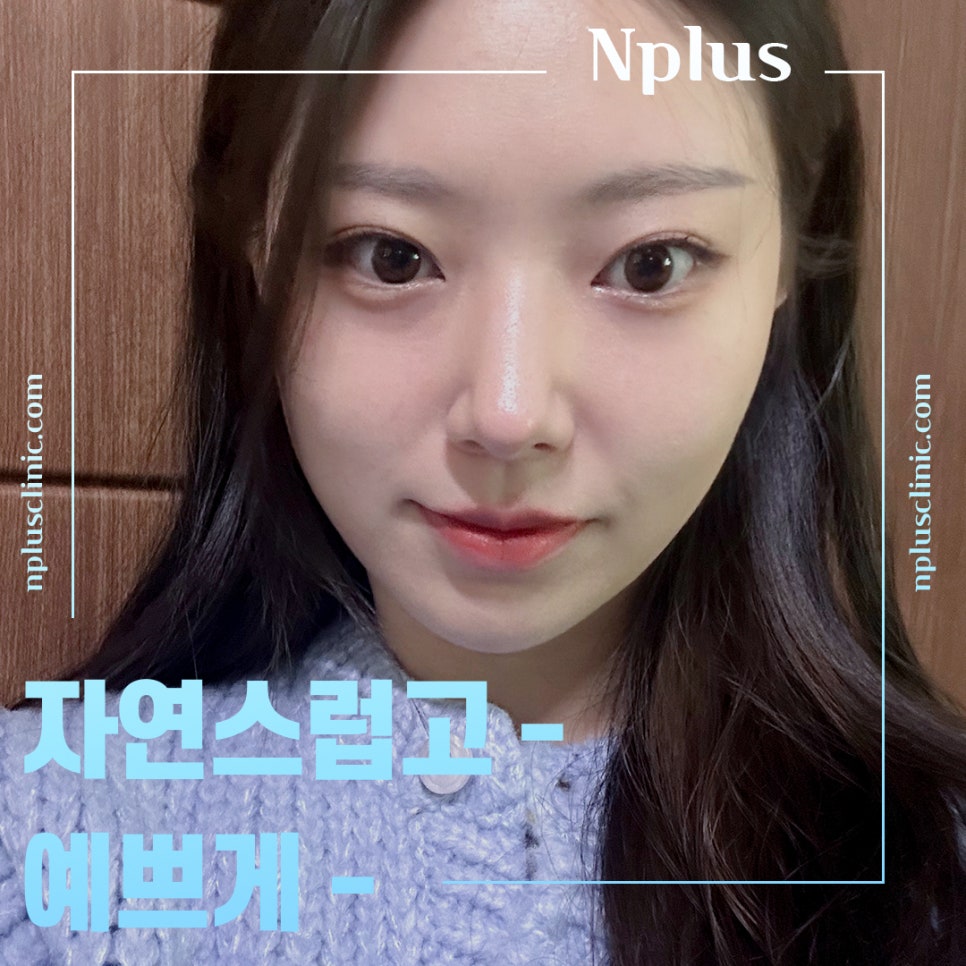
Those who look into short nose surgery generally may place greater emphasis on appearance, but the nose is also an important part of the face and a functional organ responsible for breathing and smell. Surgery should therefore take into account both the external appearance of the nose and its internal functional aspects, so that postoperative functional problems do not lead to revision surgery.
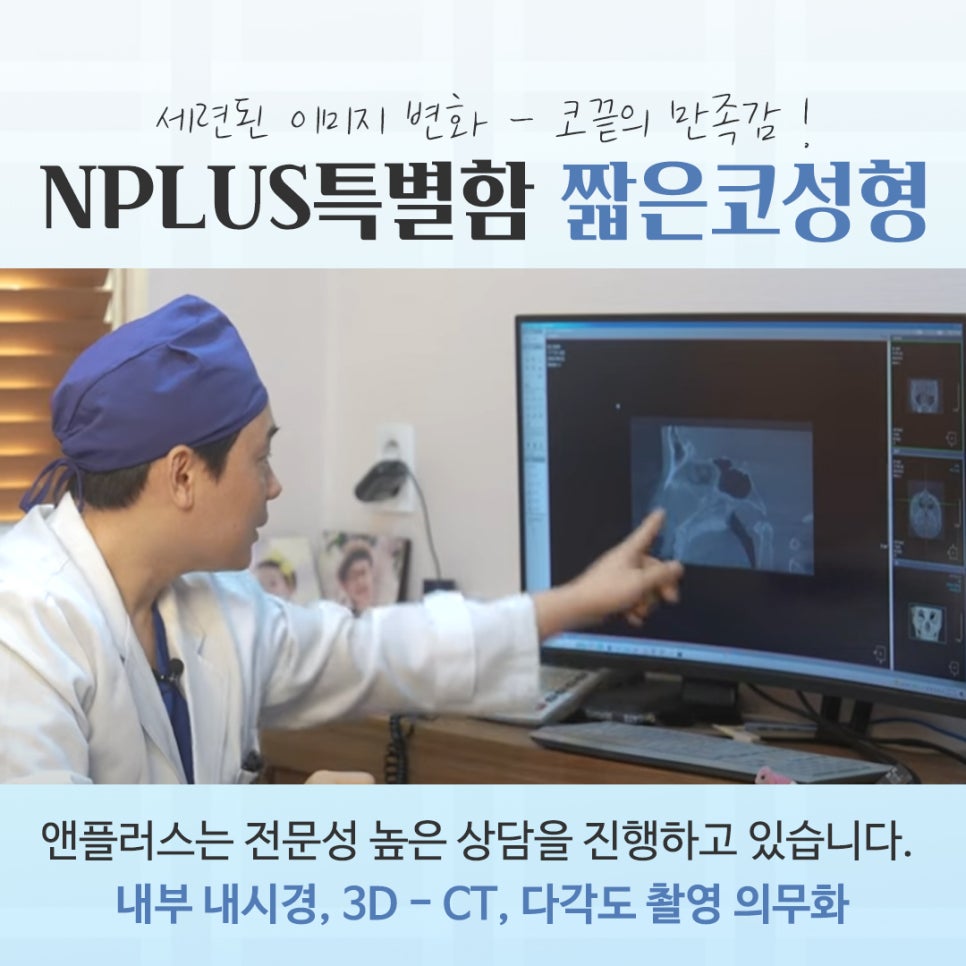
For this reason, at N+ Plus Clinic, to ensure safe and satisfying short nose surgery, preoperative 3D-CT scans, internal endoscopy, various allergy tests, internal nasal function tests, and multi-angle photography are performed. Based on the extracted data after accurately understanding each patient’s external and internal nasal condition, a surgical plan can be established and carried out.
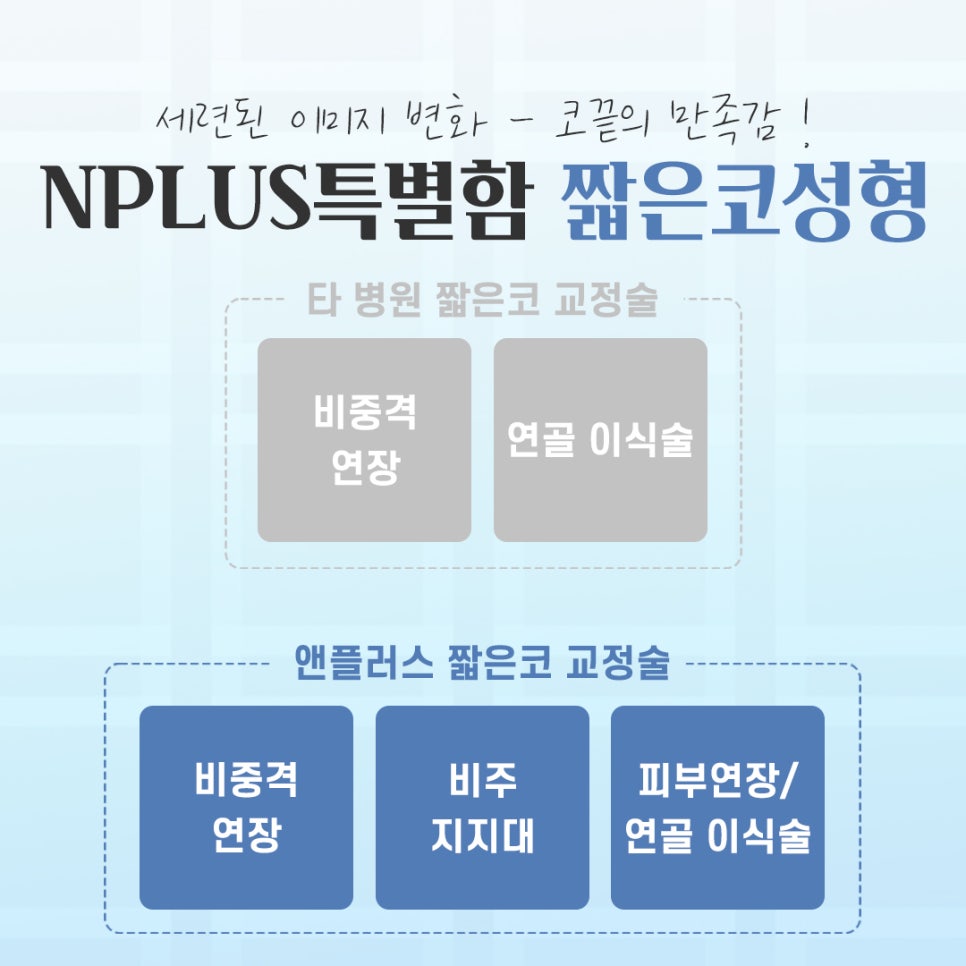
In particular, short nose surgery is one of the more difficult types of nose surgery because the length of the nasal tip must be extended. Rather than being performed simply, it is carried out by combining septal extension, columellar support, skin lengthening, and cartilage grafting to firmly secure the nose so that it does not turn up or become short again, resulting in a more satisfying short nose surgery.
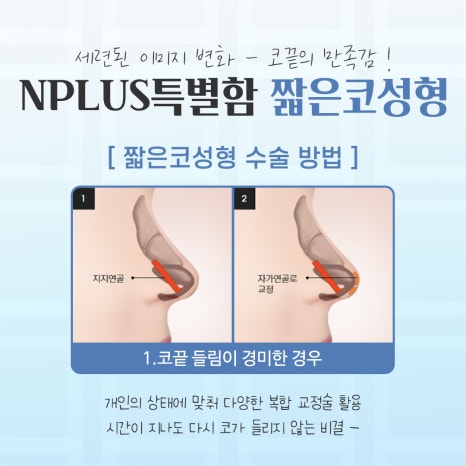
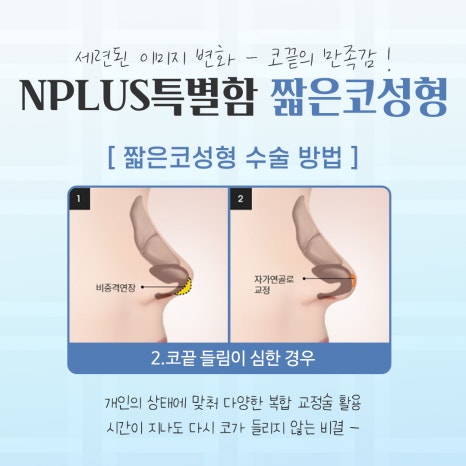
At N+ Plus Clinic, short nose surgery is performed by dividing cases into mild tip-upturning and severe tip-upturning.
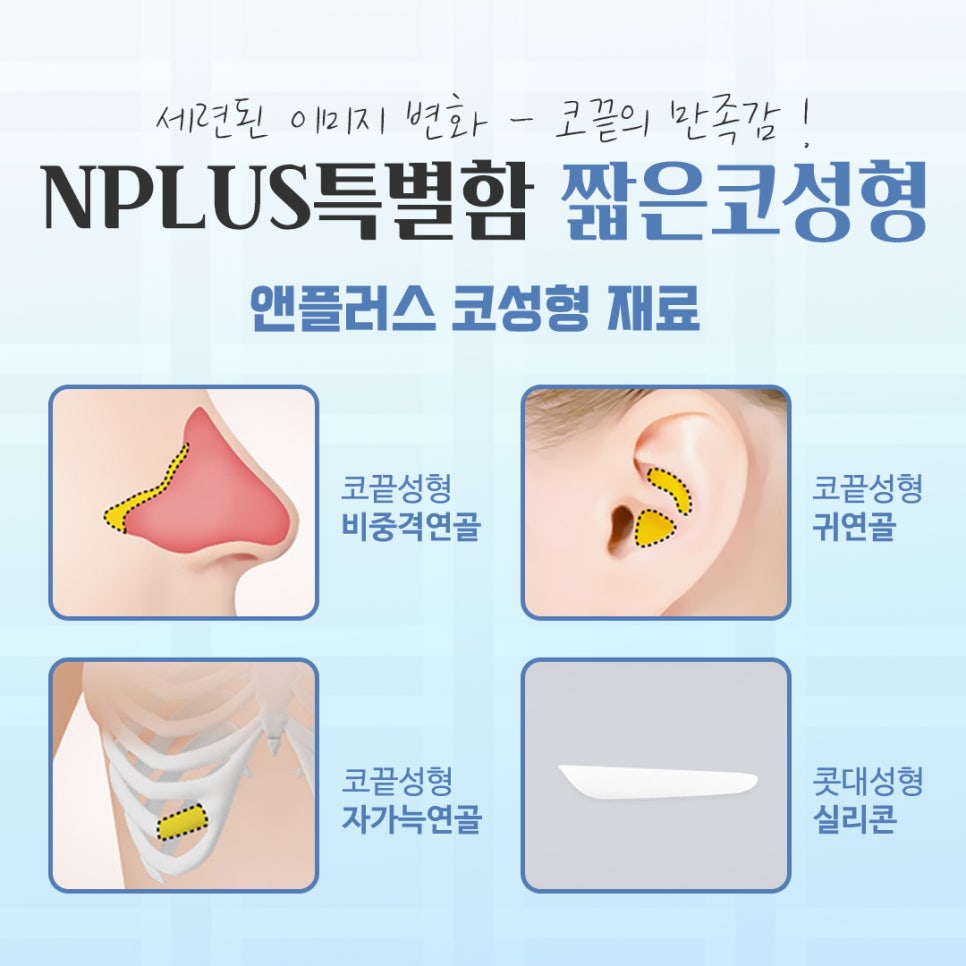
On average, the materials used in short nose surgery can correct the overall nasal line by using silicone for the bridge and autologous cartilage for the tip. Autologous cartilage can be selected according to the individual through preoperative testing, and includes ear cartilage, autologous rib cartilage, and septal cartilage. If such autologous cartilage cannot be used, it can be replaced with donated rib cartilage approved by the U.S. FDA.
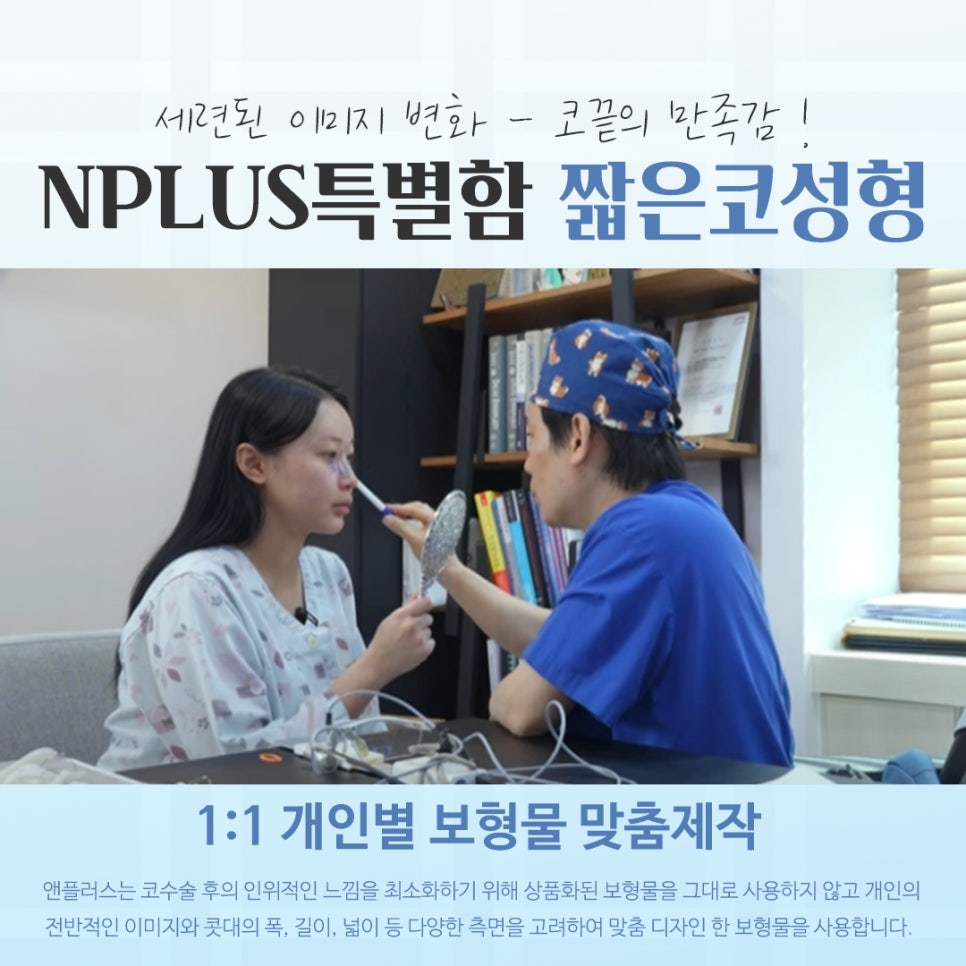
In the case of silicone, instead of using a pre-manufactured silicone product as is, it is carefully trimmed by hand after considering the individual’s overall image and various aspects such as the width, length, breadth, and height of the nasal bridge, and then inserted to improve the line so that it suits the individual.
As such, short nose surgery is not a simple procedure but one in which several methods are applied in combination. Rather than relying only on before-and-after photos, it is helpful to carefully check whether the medical team has strong anatomical knowledge of the nose, whether they have sufficient experience and expertise, whether equipment is available to accurately assess the condition of your nose, and whether postoperative care can be reliably guaranteed.
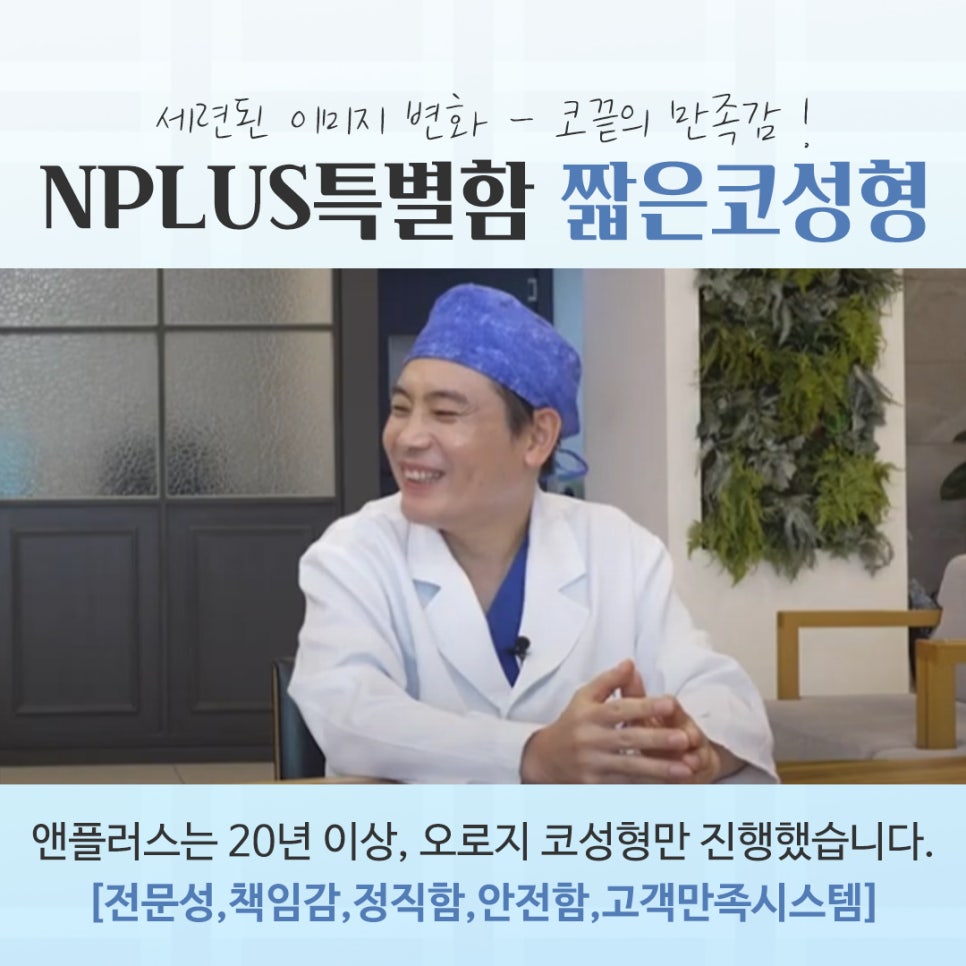
At N+ Plus Clinic, Director Yoon Hyun-cheol, with more than 20 years of experience, personally handles one-on-one consultations, surgical planning, the procedure itself, treatment, and follow-up care for rhinoplasty, allowing patients to receive high-level medical services from before surgery through after.

Postoperative care is also provided through a service warranty system guaranteed for one year after surgery, and a surgical responsibility guarantee system that prepares for all possible situations, including postoperative pain, inflammation, and dissatisfaction with the shape, so that thorough aftercare benefits are also provided.
Today, I shared information related to short nose surgery. I hope this post is very helpful for those whose current nose shape is too short or upturned and who are looking into short nose surgery because of appearance-related concerns. Thank you.