For those interested in cosmetic surgery, it is often because they are dissatisfied with their current appearance and are looking into it as a way to improve it. However, indiscriminate cosmetic surgery can lead to various side effects, so it is important to think more carefully. Even in cosmetic surgery, priorities can be set. Usually, improving the shape of the nose, which is located at the center of the face and is the most three-dimensional feature, can change the overall image of the face, so rhinoplasty can be considered a priority.

For that reason, the nose shapes often considered by people looking into rhinoplasty include noses that are generally too low, have a bumpy dorsal hump, have an upturned tip, a drooping tip, a crooked shape, or a bulbous shape. Since the nose plays an important role in appearance while also being a functional part of the body responsible for breathing and smell, when rhinoplasty is performed, surgery that considers both the external appearance and the internal functional aspects of the nose must be carried out to prevent revision surgery caused by functional problems after surgery.

Accordingly, interest is growing in functional nose surgery reviews that can improve even the internal functional aspects of the nose, and many people may look into various details due to changes in the nose shape and chronic rhinitis symptoms that make breathing uncomfortable.
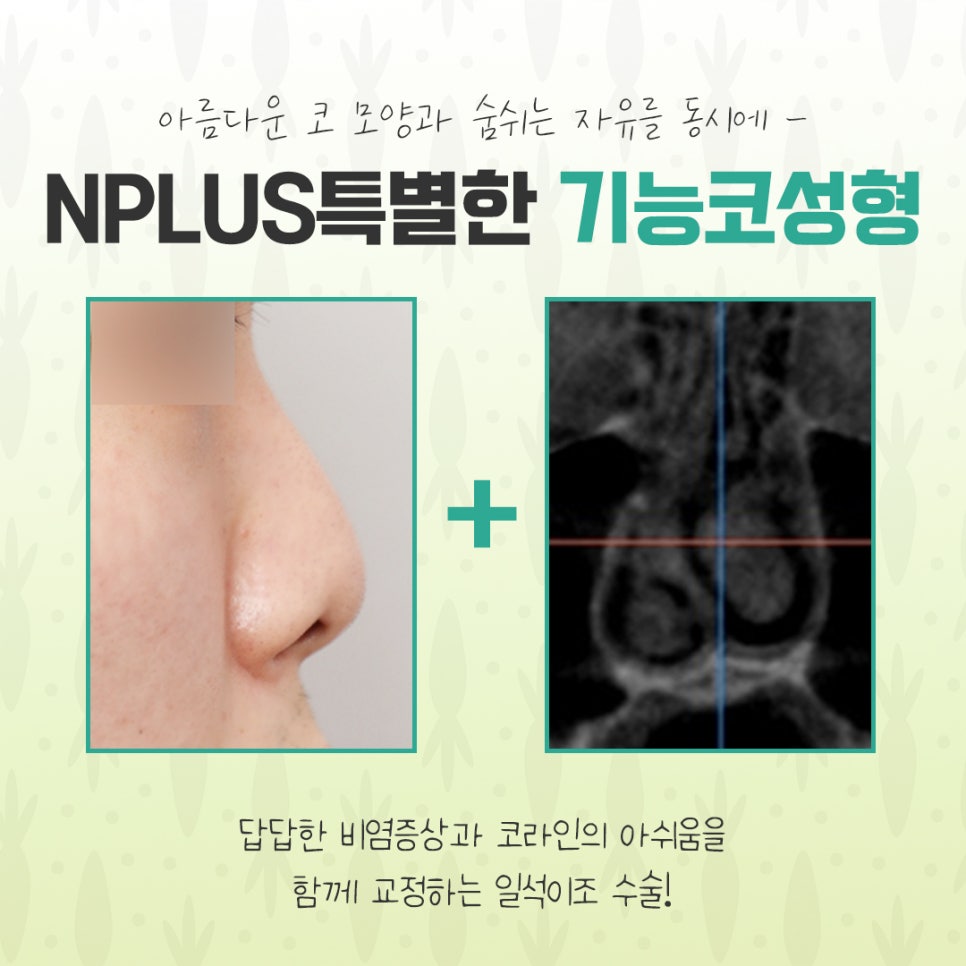
For those looking into functional nose surgery reviews, nasal congestion caused by rhinitis is most commonly diagnosed. Rhinitis is a common condition affecting more than half of Korean adults and can be divided into allergic rhinitis and structural rhinitis. In the case of allergic rhinitis, because it appears due to certain substances or objects, a complete cure is difficult, and medication or strengthening immunity should be prioritized.
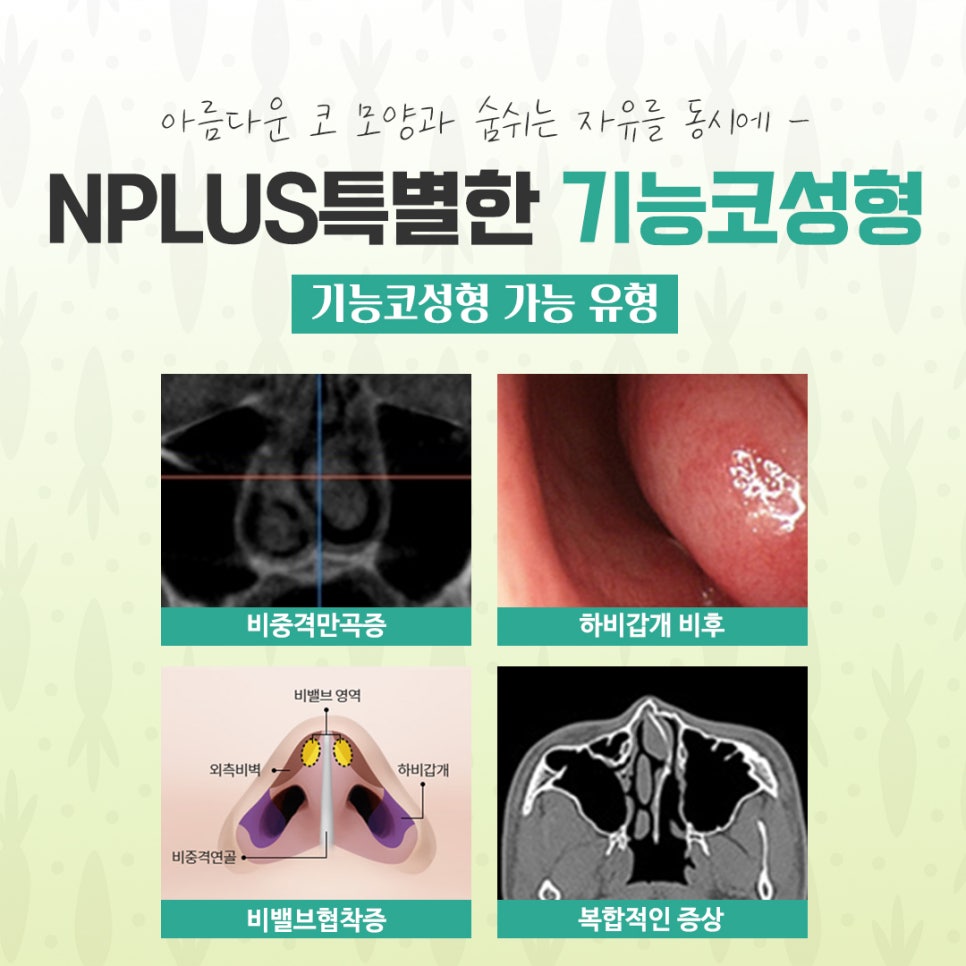
In the case of structural rhinitis, symptoms appear because problems in the internal structure of the nose obstruct the flow of air entering through the nose, so it is important to accurately identify the cause of structural rhinitis. Causes of structural rhinitis can be classified as deviated septum, inferior turbinate hypertrophy, nasal valve stenosis, and complex symptoms. If treatment and procedures for this structural rhinitis are performed and the external appearance of the nose is improved into a straight and proper shape, it will result in a more satisfying functional nose surgery review.

Usually, if the symptoms of structural rhinitis are mild, treatment may not be necessary. However, if mild symptoms are left untreated and develop into chronic rhinitis, it can lead to various complications such as reduced concentration, headaches, migraines, and dry mouth. Therefore, it may be helpful to visit a nearby hospital and receive an examination of your current condition.

Therefore, for those looking into functional nose surgery reviews, it is important to refer to review images, but in addition, it is good to carefully check whether the medical staff have extensive anatomical knowledge of the nose, whether they have abundant relevant experience and expertise, whether equipment is available to accurately assess the condition of your nose, and whether aftercare can be reliably guaranteed before choosing a clinic.
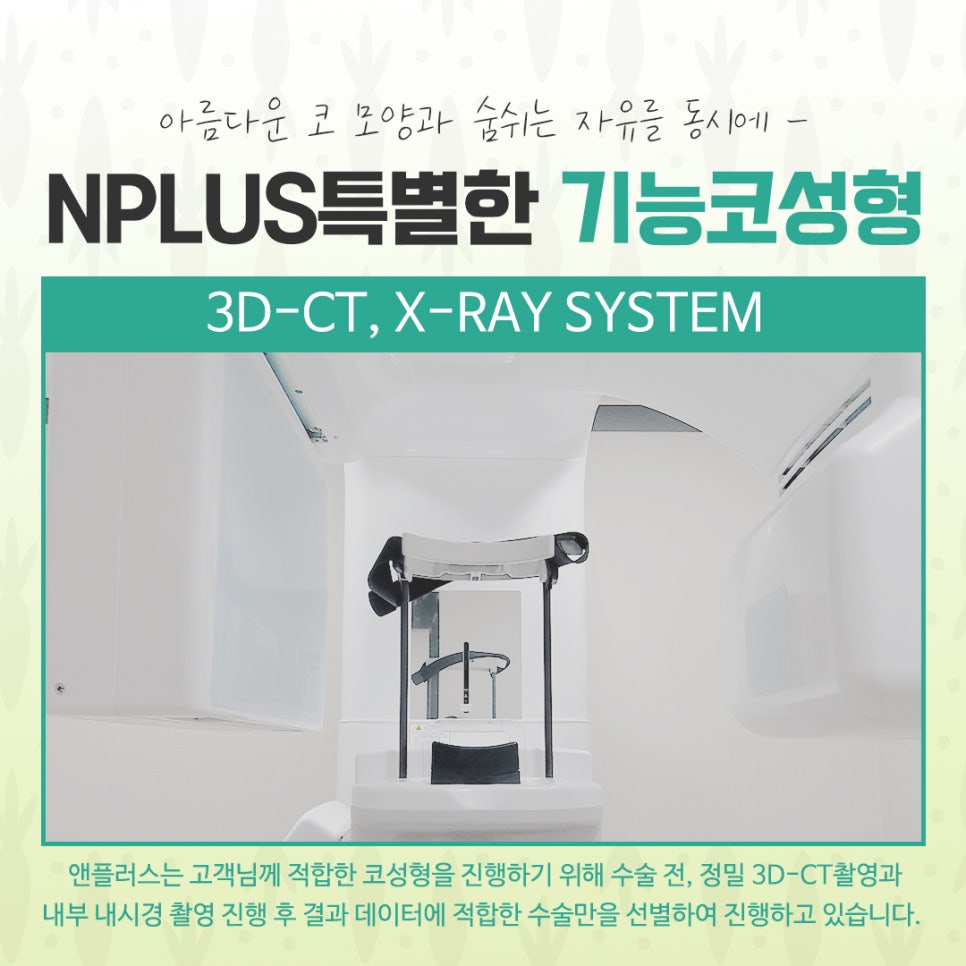
At N+Plus, to ensure a safe and satisfying functional nose surgery review, they perform multi-angle photography before surgery, internal endoscopic imaging, various allergy tests, internal nasal function tests, and 3D-CT scans to accurately identify each individual's external and internal nasal condition, then establish and carry out a surgical plan based on the extracted data.

The surgical process involves diagnosing deviated septum, inferior turbinate hypertrophy, and nasal valve stenosis, then applying the appropriate surgery and treatment before proceeding with aesthetic rhinoplasty.
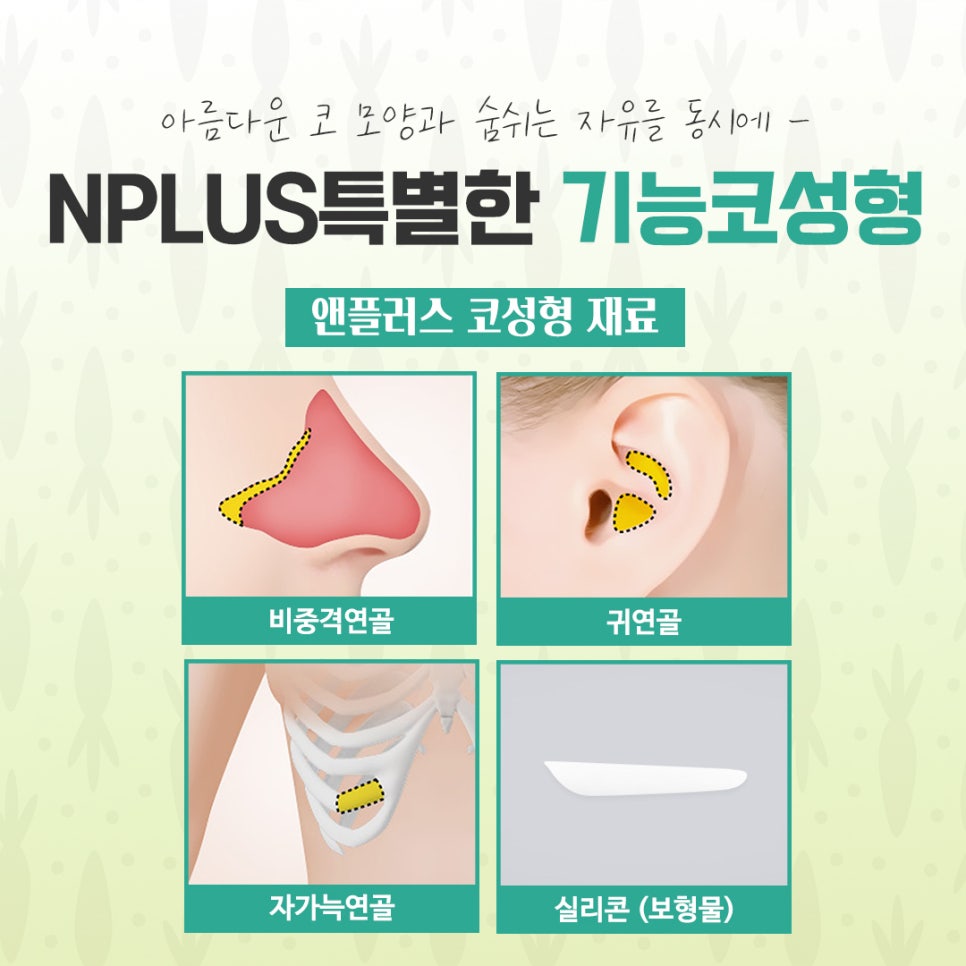
As for the materials used for autologous cartilage in aesthetic rhinoplasty, appropriate materials for each individual can be selected through preoperative examinations. Autologous cartilage includes septal cartilage, ear cartilage, and autologous rib cartilage.
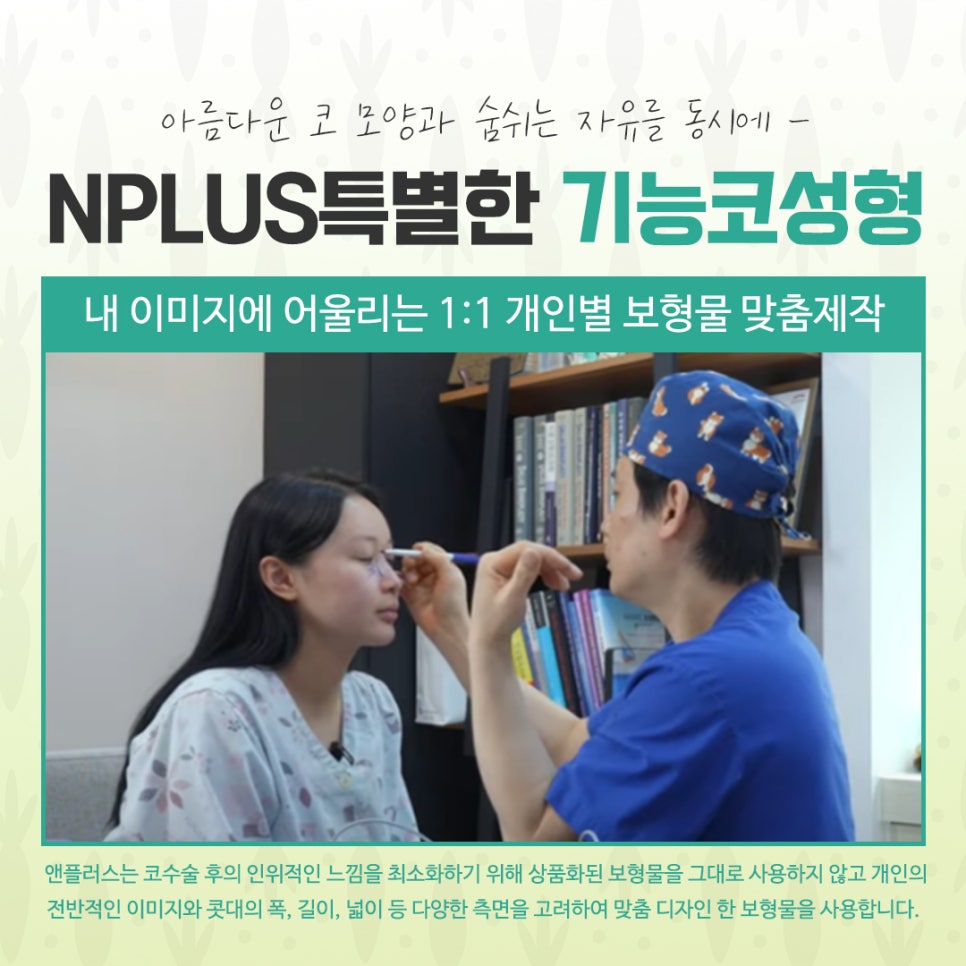
Silicone is applied to the bridge of the nose. To minimize an artificial look after surgery, commercially produced silicone is not used as-is; instead, it can be carefully shaped by hand after considering various aspects such as the individual's overall image, as well as the width, length, breadth, and height of the nasal bridge.
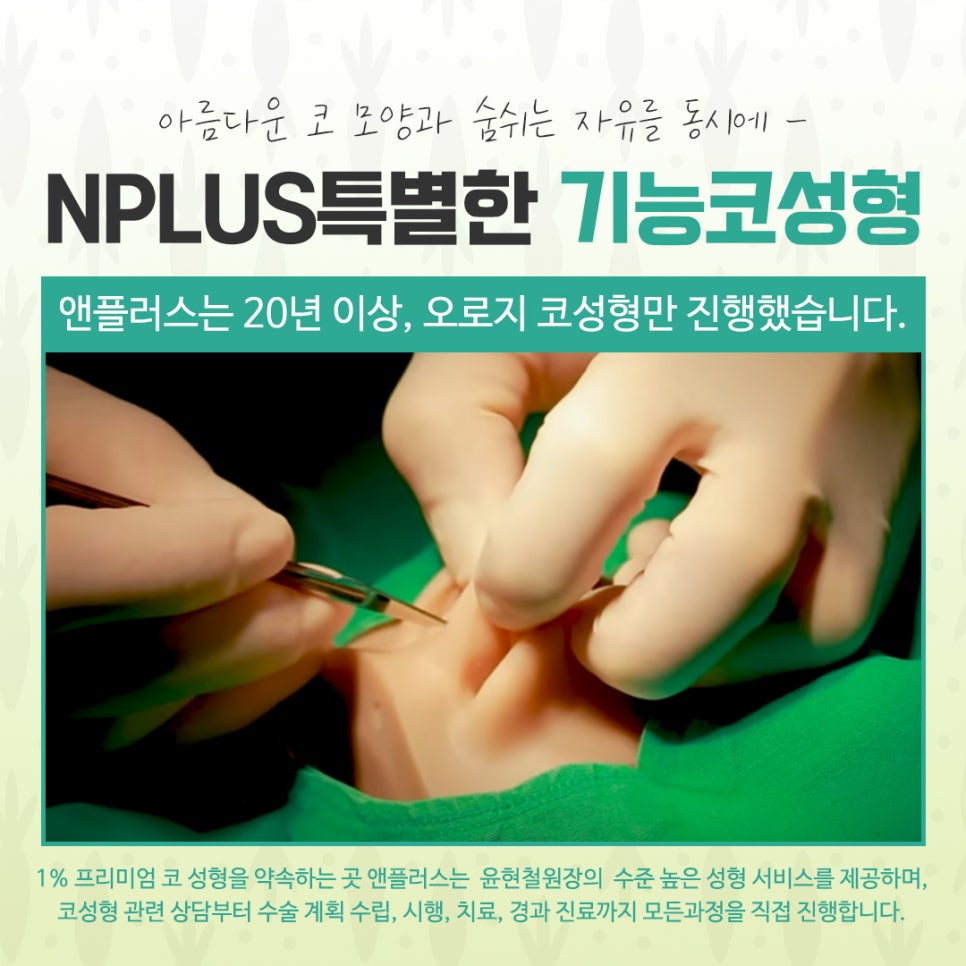
In addition, at N+Plus, Director Yoon Hyun-cheol personally handles the entire process one-on-one, from consultation related to nose surgery, to surgical planning, implementation, treatment, and follow-up examinations, providing a high level of medical service before and after surgery for a more satisfying functional nose surgery review.

For aftercare, they operate an A/S system that provides a one-year warranty after surgery and a surgical responsibility guarantee system prepared for any possible postoperative pain, inflammation, or dissatisfaction with the result, so you can reliably receive aftercare benefits after the surgery.
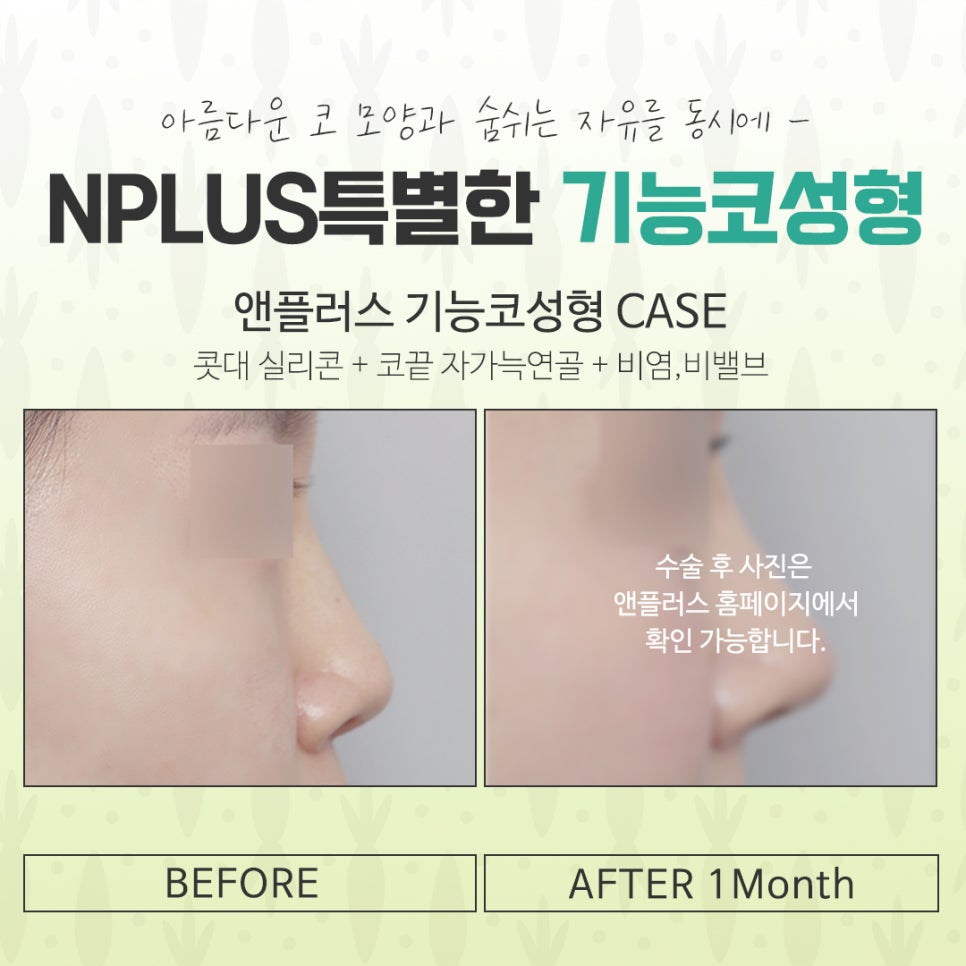
This concludes the information about functional nose surgery reviews carried out at N+Plus. I hope this article is helpful for those looking into functional nose surgery reviews because of an unsatisfactory nose shape or internal functional problems of the nose. Thank you.